
Reviewed · WALKING TOURS
Ferrara: City Highlights Walking Tour with Local Guide
Ferrara can feel small, but it teaches big ideas. In just 2 hours, I like how this walk moves from the Estense Castle viewpoint to the Renaissance plan behind Ferrara’s UNESCO character, with stories about the Estense family that make the city feel personal. My two favorites are the way you read the city like a map as you go, and how the route keeps switching between monuments and calm green space. One thing to plan for, though: it runs in Italian, and entrance tickets are not included.
You start in the courtyard of Estense Castle near the loggia, then the guide steers you through the streets toward the north gate area and the Renaissance addition commissioned by Ercole I d’Este and realized by architect Biagio Rossetti. You end in Piazza Ariostea, with a final stop under the loggia that frames the square. If rain shows up, bring an umbrella, because this is a walking tour and Ferrara weather likes to change its mind.
In This Review
- Key Highlights You’ll Feel Right Away
- Why Ferrara Works in a 2-Hour Highlights Walk
- Starting at Estense Castle and Reading Corso Ercole I d’Este Like a Map
- Palazzo dei Diamanti and the UNESCO Addizione Erculea Story
- Massari Park: Cedars of Lebanon and a Quiet Reset Between Monuments
- S.Cristoforo alla Certosa: A Renaissance Church in a Monumental Cemetery
- Piazza Ariostea and the Statue That Caps the Route
- Price and Value: Is $17 Worth Two Hours?
- Who This Tour Fits Best (And Who Might Want Something Else)
- Practical Tips for a Smooth Walk Through Ferrara
- Should You Book This Ferrara City Highlights Tour?
- FAQ
- How long is the Ferrara City Highlights Walking Tour?
- What is the meeting point?
- How much does the tour cost?
- Is the tour wheelchair accessible?
- What language is the guide?
- Are entrance tickets included?
- Should I bring an umbrella?
- Can I get a refund if I cancel?
Key Highlights You’ll Feel Right Away
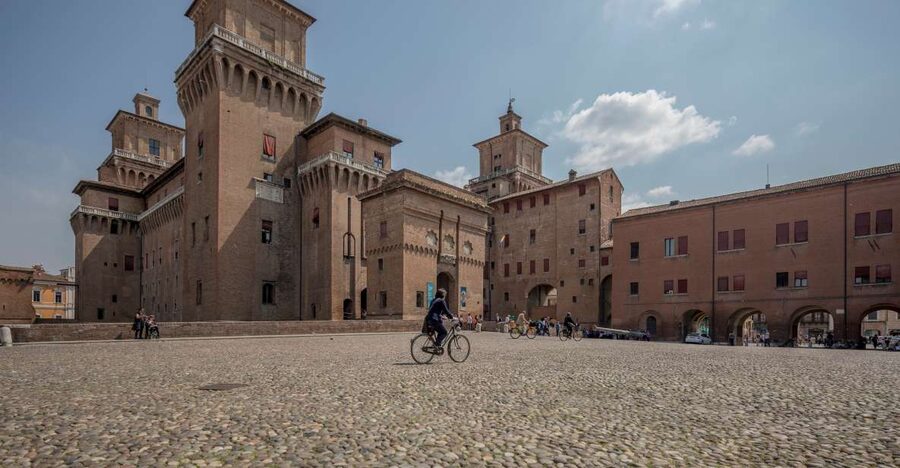
- Estense Castle viewpoint that sets the stage for Ferrara’s whole layout
- Corso Ercole I d’Este and city-wall connections, explained as part of a Renaissance redesign
- Palazzo dei Diamanti in the Addizione Erculea, Ferrara’s end-of-15th-century urban expansion
- Massari Park with centuries-old Lebanon cedars and nearby botanical garden atmosphere
- S.Cristoforo alla Certosa and its Renaissance church visit inside a transformed monumental complex
Why Ferrara Works in a 2-Hour Highlights Walk
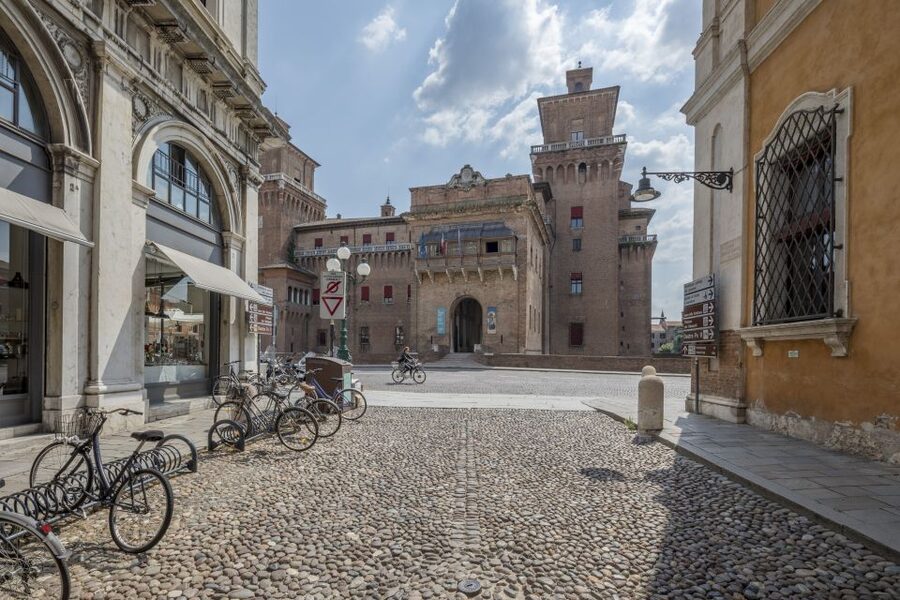
Ferrara is one of those cities that rewards walking at a human pace. The center does not feel like a rush to “see everything,” it feels like a stroll through different layers of time. In two hours, you get a strong sense of how Middle Ages and Renaissance planning sit side by side, without feeling like you’re sprinting from one photo spot to the next.
This is also a smart value choice if you want structure. The tour is focused, timed, and designed around a coherent route, so you leave knowing what connects each place. For me, that matters more than ticking off a long list.
The price is $17 per person, which is pretty reasonable for a guided walk that includes a live Italian-speaking guide plus an Italian audio guide. The main catch is that entrance tickets are not part of the deal, so if any stop requires payment, you’ll need to handle that separately.
Starting at Estense Castle and Reading Corso Ercole I d’Este Like a Map
The tour begins in the courtyard of Estense Castle, near the loggia. Even before you “start walking,” the guide gives you a city mindset: this is where you understand Ferrara’s symbol power. From there, you can admire Corso Ercole I d’Este, the road that links the castle area to the north gate of the walls.
This part is more than a quick viewpoint. It’s a fast lesson in how rulers used streets, gates, and visibility to shape a city. You’ll hear how the Renaissance addition connects into the area between the walls and the castle, and you’ll learn how the plan was commissioned by Ercole I d’Este.
A named detail you’ll want to remember is Biagio Rossetti. The Renaissance addition was realized by this Ferrara architect, and having that name in your head helps you place what you’re seeing. When you later look at palaces and the planned-feeling streets, the city stops being random and starts making sense.
If you have limited time in Ferrara, this is the section that makes the rest of the walk click. You’ll get more out of every turn because you understand the “why” behind the route.
Palazzo dei Diamanti and the UNESCO Addizione Erculea Story
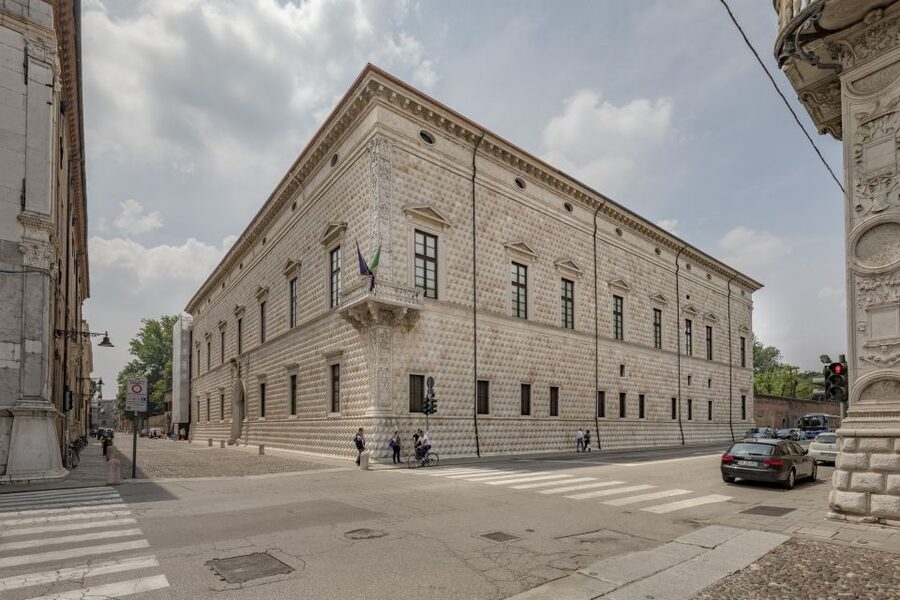
After setting the layout from the castle area, the walk shifts into Renaissance “city drama.” You’ll arrive at Palazzo dei Diamanti, right in the heart of the Addizione Erculea. This is Ferrara’s urban expansion planned at the end of the 15th century, and it is also part of what gives Ferrara its UNESCO World Heritage identity.
Palazzo dei Diamanti is the kind of landmark where details matter. A guided stop helps you notice what you might otherwise skip, especially on a tight timeline. Even if you’re not a serious architecture nerd, you’ll leave with a clearer sense of how Ferrara built wealth and prestige into its streets and façades.
What I appreciate here is the rhythm. The tour does not just stand still and admire stone. It connects the palace to the larger plan you were introduced to near the castle. That connection is the difference between “I saw a building” and “I understand why this building belongs.”
Also, you’ll be in the right mood for the next shift, because this area sits inside a planned environment, and it makes the greenery that comes later feel even more like a change of pace.
Massari Park: Cedars of Lebanon and a Quiet Reset Between Monuments
Next comes a romantic change in scenery: you move toward Massari Park. This stop is a nice reminder that Ferrara’s character is not only stone and power. Massari Park is known for its centuries-old cedars of Lebanon, and standing in the shade gives you a different view of the city’s scale.
You also get to look out toward the University Botanical Garden nearby. The tour treats this as more than a break, it’s part of how Ferrara balances public spaces with architecture. In a planned Renaissance city, those green pockets are part of the lived experience, not just scenery.
This section is ideal if you like walking tours that breathe. You’re not constantly “on.” You get time for your eyes to rest and for the guide to connect themes, like how people moved through city life beyond courts and palaces.
If you’re traveling in warmer months, this is also the moment to feel grateful for shade. If it’s cold or damp, you’ll still appreciate the reset, but you’ll want warm layers because parks make weather feel colder.
S.Cristoforo alla Certosa: A Renaissance Church in a Monumental Cemetery
Then the tour takes a turn that feels both elegant and slightly eerie, in a good way. You’ll reach S.Cristoforo alla Certosa, a complex that was transformed over time into a Monumental Cemetery. The square in front is framed by elegant arcades, creating a strong sense of recollection.
Arcades like this are not just decorative. They shape sound and movement, and they make the space feel like it has a different pace than the nearby streets. In a walking tour, that matters because you can feel the shift in atmosphere as you approach.
From there, you’ll visit inside the Renaissance church. The church is described as an ancient temple of the Carthusian monks called to Ferrara by Duke Borso d’Este in the mid-15th century. That detail is a key piece of the story: this is where power, religion, and local history overlap.
I like that the tour includes an internal visit, because exterior-only stops can leave you with a “pretty façade” memory. Inside, you get a different kind of appreciation, one more connected to the building’s intended purpose.
The tradeoff is simply time and pace. This is a two-hour tour, so you won’t have the freedom of a longer visit. If you want to linger slowly, you may do some quick viewing and then circle back later on your own. But you’ll still get the emotional and historical point of the stop.
Piazza Ariostea and the Statue That Caps the Route
The final emotional high point is Piazza Ariostea, named for the great poet. The square centers on a statue towering over a central column, and it’s the kind of focal point that helps you orient yourself at the end of a route.
You’ll also finish under the loggia that flanks the green area. That’s a small detail, but it’s a smart one. Ending in a shaded, framed space gives your brain a “we’re done” marker, so you can process what you learned instead of rushing off immediately.
This is also a good stop for photos, but the tour’s real value is what happens after you see the statue. The guide’s earlier connections between city planning and Renaissance power now feel clearer, so the square becomes more than a postcard moment.
If you walk Ferrara slowly for the next day, Piazza Ariostea becomes a reference point in your mental map. You’ll remember where the tour started, how the streets connected, and why this square feels like an intentional capstone.
Price and Value: Is $17 Worth Two Hours?
At $17 per person for a 2-hour guided walk, the value is strong if you want a route with purpose. You get a live Italian-speaking guide and an Italian audio guide. That combination helps you stay oriented and follow explanations even when you’re moving quickly between stops.
The only value warning is the obvious one: entrance tickets are not included. Since the tour includes at least one internal church visit, you might expect some paid access, so it’s smart to be ready for that possibility. If you’re on a tight budget, consider bringing some extra cash just in case a stop requires payment.
What makes this tour feel worth it to me is the “story economy.” You learn the city’s logic, not just the names of places. Ferrara is the kind of place where a good guide can turn scattered sights into a connected understanding.
Who This Tour Fits Best (And Who Might Want Something Else)
This tour is a good match if you:
- Like Renaissance city planning explanations, not just isolated monuments
- Want an easy walk that still feels meaningful and focused
- Are comfortable with Italian for the live guide and audio
It may not be ideal if you need a tour in another language. Everything here is Italian, including the audio guide. If you are not comfortable following Italian narration, you could struggle to get the full benefit.
It also suits travelers who want a “middle time” experience. Two hours is enough to feel you saw real Ferrara, but short enough to keep room for lunch and an afternoon wander.
Practical Tips for a Smooth Walk Through Ferrara
A few small things will make your experience smoother:
- Bring an umbrella. Ferrara rain is common enough that the tour explicitly suggests it.
- Wear comfortable walking shoes. This is a city-route on foot, with multiple stops.
- Head to the meeting point with a few extra minutes. You meet in the courtyard of Estense Castle, near the loggia.
- Plan your expectations for language. The live guide and audio guide are in Italian, so review your comfort level before booking.
One more tip from how the tour is praised: expect a well-prepared guide style. Guides such as Maria Chiara are mentioned for being passionate, prepared, empathetic, and professional. That kind of delivery matters on a walking route, because you need clear explanations while you’re moving.
Should You Book This Ferrara City Highlights Tour?
I’d book it if you want a clear Ferrara “greatest hits with context” walk in two hours. You get the Estense Castle start, the Renaissance planning story, Palazzo dei Diamanti, green calm at Massari Park, and a memorable church interior at S.Cristoforo alla Certosa, then you finish in Piazza Ariostea.
Don’t book it if you need non-Italian narration, or if you strongly prefer museums and long independent time at sites. This is a guided walking experience, so your best enjoyment comes from listening as you go.
If you’re visiting Ferrara for the first time and you want to understand the city fast, this is a smart starting point.
FAQ
How long is the Ferrara City Highlights Walking Tour?
The tour lasts 2 hours.
What is the meeting point?
Meet in the courtyard of Estense Castle, near the loggia.
How much does the tour cost?
The price is $17 per person.
Is the tour wheelchair accessible?
Yes, it is wheelchair accessible.
What language is the guide?
The live tour guide and the audio guide are in Italian.
Are entrance tickets included?
No, entrance tickets are not included.
Should I bring an umbrella?
Yes, it is advisable to bring an umbrella in case of rain.
Can I get a refund if I cancel?
Yes, there is free cancellation up to 24 hours in advance for a full refund.
Italy at Street Level
- Milan: Guided Walking Tour & Last Supper Visit with Ticket
★ 4.7 · 5,409 reviews - Naples: Street Food Walking Tour with Local Guide
★ 4.8 · 4,256 reviews - Venice Walking Tour and Gondola Ride
★ 3.5 · 3,630 reviews - Venice: Rialto Bridge & Offbeat Unusual Venice Walking Tour
★ 4.2 · 3,538 reviews
Walking Tours, compared.
Guided Walking Tour & Last Supper Visit with Ticket
Read our review →
Rialto Bridge & Offbeat Unusual Venice Walking Tour
Read our review →
Private 3 hrs Venice Tour: St Mark’s, Walking tour & Boat tour
Read our review →
Skip the line: Uffizi and Accademia Small Group Walking Tour
Read our review →Browse the lists this tour appears in