
Reviewed · MUSEUMS
Florence: Pitti Palace and Palatina Gallery Ticket and Tour
Medici power lives in these painted rooms. This guided walk through the Palatina Gallery inside Palazzo Pitti turns Renaissance art into a clear, human story, and I especially like the skip-the-ticket-line start plus the chance to see standout works by Caravaggio. You also get your bearings fast, because the guide doesn’t treat the palace like a random museum hallway.
What I love most is the pairing of art and setting: frescoes, stucco, and grand-ducal ambitions all show up together. The one possible drawback is pace. Even with a smart plan for a 110-minute visit, you’ll be standing and moving through palace rooms, so it helps to wear comfortable shoes.
In This Review
- Quick hits for this Palazzo Pitti tour
- Palazzo Pitti and the Palatina Gallery, why this place feels different
- Meeting at Piazza Pitti, and what to do before you enter
- The 110-minute plan: how the tour moves through the palace
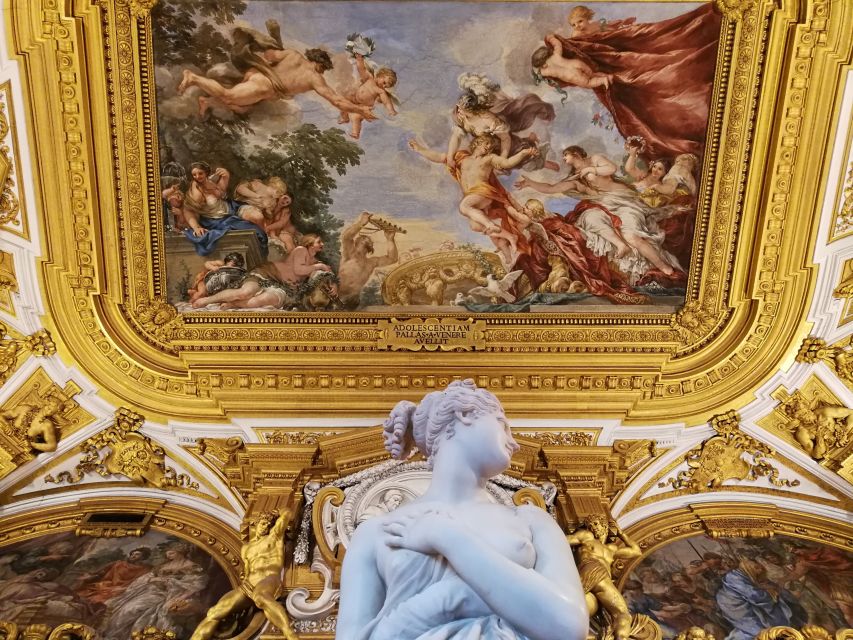
- Inside the Renaissance rooms: fresco and stucco all around you
- The art targets: Caravaggio, Rubens, Tiziano, and Raffaello
- How the best guides connect Medici politics to the paintings
- Hearing clearly in busy rooms: a small detail that matters
- After the guided portion: what you can see with your ticket
- Price and value: is $80 worth it for 110 minutes?
- Who this tour is best for, and who might want a different approach
- Practical etiquette: photos, bags, and the little rules
- Should you book this Palatina Gallery tour?
- FAQ
- FAQ
- Where is the meeting point for the tour?
- How long is the Palatina Gallery and Pitti Palace tour?
- What’s included with the $80 per person price?
- Is the tour offered in English?
- Does the tour skip the ticket line?
- Can I take photos with flash?
- Are large bags or luggage allowed inside?
- Can I visit other Pitti Palace museums after the guided tour?
- Is the tour wheelchair accessible?
Quick hits for this Palazzo Pitti tour
- Piazza Pitti meeting point at the central entrance, so you don’t wander the square guessing
- Palatina Gallery highlights focused on major European painters like Caravaggio and Rubens
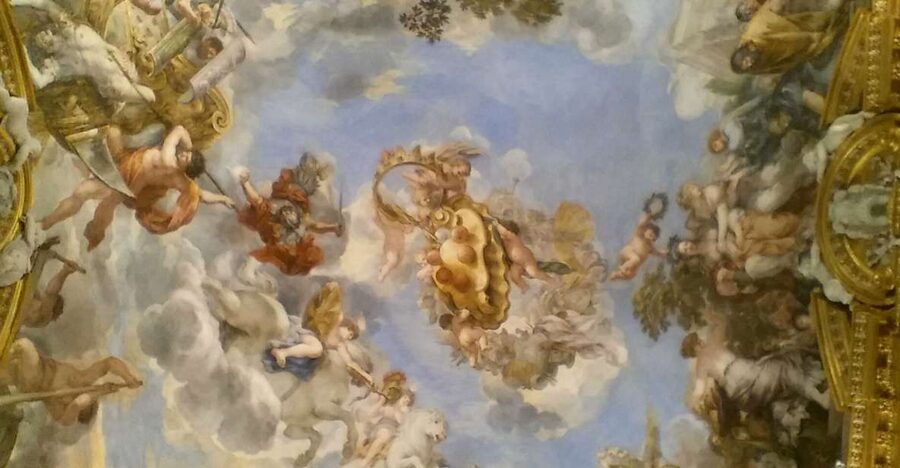
- Renaissance palace rooms with fresco and stucco decoration, not just paintings behind glass
- Guides who teach in stories, including Medici politics and art technique
- Time to explore on your own after the guided portion, with access to other Pitti Palace museums
Palazzo Pitti and the Palatina Gallery, why this place feels different
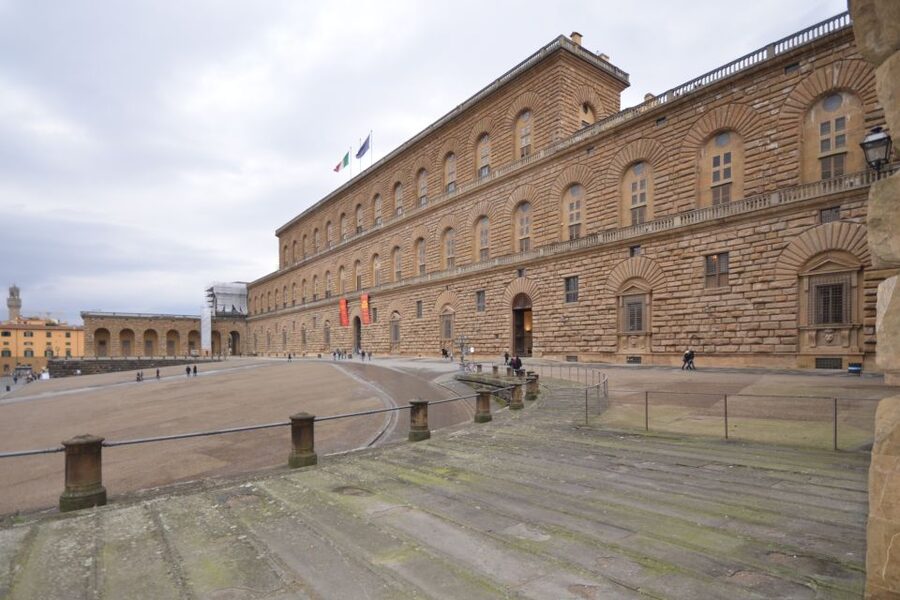
Palazzo Pitti is not an art building that happens to contain masterpieces. It is the masterpieces’ living environment, the kind of space that explains why the Medici wanted art where they could control it, show it off, and use it as political language.
That is why the Palatina Gallery works so well on a guided tour. Instead of only reading labels, you follow a route through rooms where the walls, ceilings, and sculpture set the mood. It’s art history plus interior design plus power, all in one itinerary.
I also like the straightforward structure: you get the guided section, then you can switch gears and browse independently. That makes it easier to keep your day from turning into a blur.
More museum halls from Turin to Palermo:

Meeting at Piazza Pitti, and what to do before you enter
Your meeting point is simple: Piazza Pitti, outside Palazzo Pitti at the central and main entrance. If you arrive a few minutes early, you’ll have time to settle in, use the restroom, and confirm you’re at the right side of the building.
One practical thing: plan your bag situation before you go. You cannot bring luggage or large bags inside, and you’ll be directed to use the cloakroom for big items, rucksacks, and large umbrellas. This keeps the flow smooth inside the palace rooms, but you want to avoid carrying bulky stuff with you during check-in.
The 110-minute plan: how the tour moves through the palace
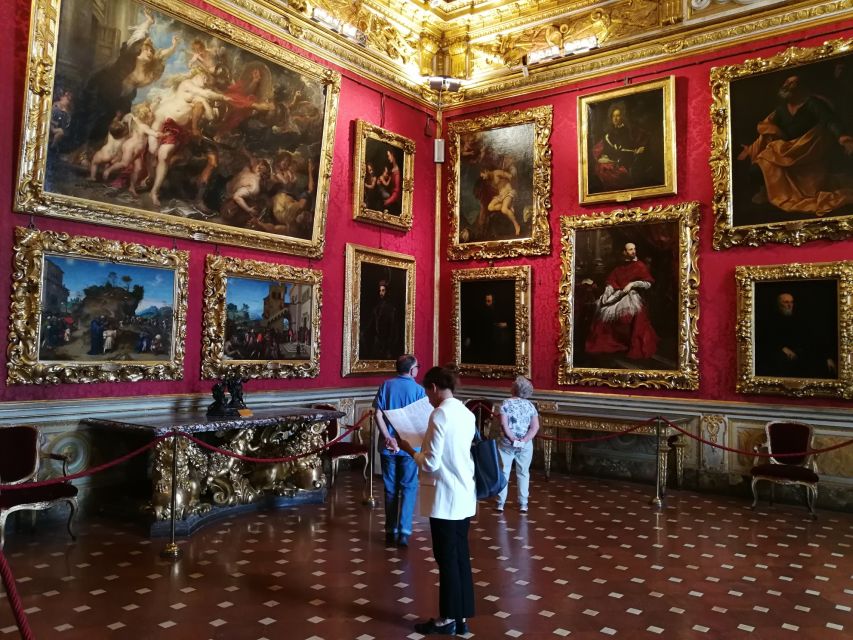
This experience runs about 110 minutes. In that time, the guide leads you through the Palatina Gallery and focuses on key works that make the collection feel coherent, not chaotic.
In this gallery, paintings are presented in ways that highlight the rooms themselves. You’ll see works displayed between the palace spaces, so you get a sense of the original layout and how the Medici would have experienced the art in sequence.
A good sign to look for is how often the guide points out details. Several guides tied to this tour style are known for drawing your attention to things you’d miss on your own, like composition choices, technique, and why a subject mattered in that moment.
Inside the Renaissance rooms: fresco and stucco all around you
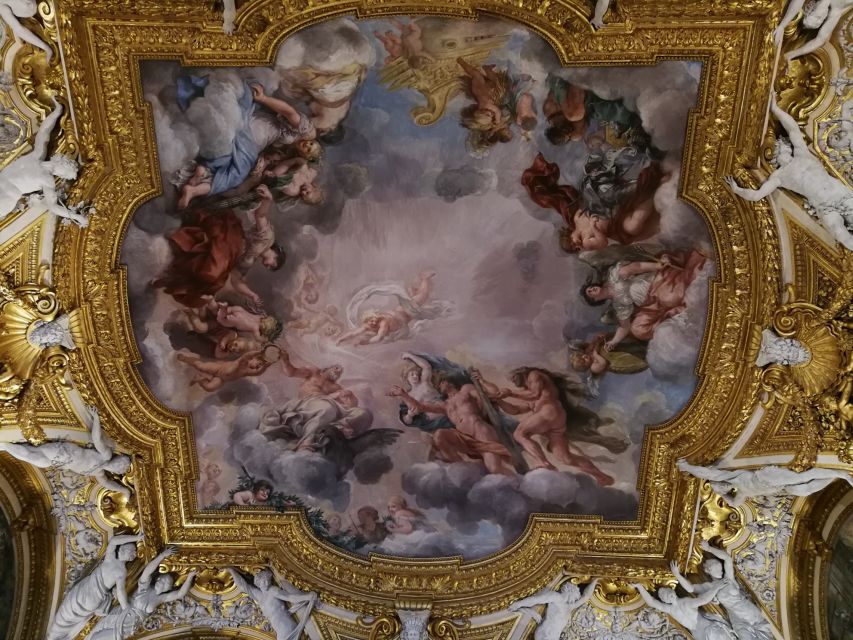
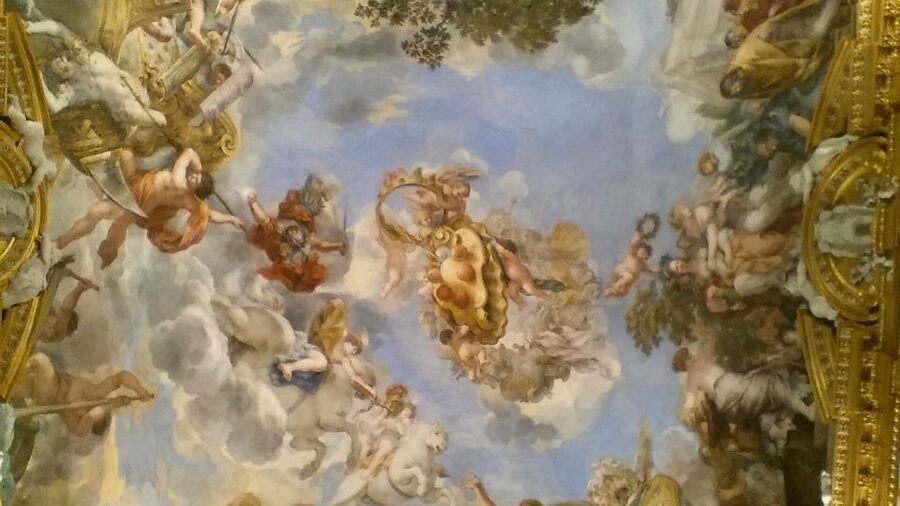
What makes this tour special is the setting. Palazzo Pitti’s spaces are decorated with frescoes and stucco work, and that decoration is not background noise. It frames the art and helps you understand the display style of a grand-ducal residence.
As you move room to room, you start to notice how the palace itself communicates status. The grand scale and ornate surface work create a visual pressure, the same pressure patrons probably wanted when commissioning and collecting major artists.
This is also where a guide earns their keep. The best tours don’t just say what you’re looking at. They connect the painting style to the environment you’re standing in, so the whole room becomes part of the interpretation.
Introductions we still owe you around Florence
- Tuscany Day Trip from Florence: Siena, San Gimignano, Pisa and Lunch at a Winery
★ 5.0 · 21,634 reviews - Florence: Timed Entrance Ticket to Michelangelo’s David
★ 4.6 · 16,983 reviews - Florence: Michelangelo’s David Skip-the-Line Entry Ticket
★ 4.5 · 12,764 reviews - The Best tour in Florence: Renaissance & Medici Tales – guided by a STORYTELLER
★ 5.0 · 12,316 reviews
The art targets: Caravaggio, Rubens, Tiziano, and Raffaello
If you come for big names, you’ll get them. The tour is designed to cover major European painters, with standout mentions like Caravaggio and Rubens, plus artists including Tiziano and Raffaello.
Here’s what that selection means for your visit:
- Caravaggio helps you see the dramatic, high-contrast side of European painting.
- Rubens shows you how energy and scale can turn a scene into a statement.
- Tiziano and Raffaello let you compare Renaissance ideals of form and color, so the gallery doesn’t feel like a single style repeating itself.
You’ll also get help appreciating technique, not just subject matter. That can be as simple as learning what to look for in brushwork, light, and how figures are arranged to guide your eye.
If you’re the type who likes to stop and ask questions, this tour format supports it. One of the most consistent themes from the guide behavior is that they answer questions fully and keep explanations clear.
How the best guides connect Medici politics to the paintings
This is where the tour becomes more than sightseeing. Palazzo Pitti was once the former home of the grand-dukes of Tuscany and later the seat tied to a king of Italy. That timeline matters, because it changes what the art collection was used for.
Guides like Maurizio and Camila are repeatedly highlighted for their ability to add historical and political context to what you’re seeing. That matters because a painting is never just a painting in a palace like this. It becomes messaging.
You also learn that art technique and art choice often come from the patron’s goals. When you hear how the Medici family’s world shaped collections, the works start to feel less random and more purposeful.
And since the tour is English, you can follow the thread without needing to translate everything in your head.
Hearing clearly in busy rooms: a small detail that matters

Museums in Florence can get crowded, and crowded galleries turn into a guessing game if you can’t hear your guide. One highlight tied to this tour is that the setup helps you hear clearly, with an audio system working well for at least one group in the collection.
So if you sometimes struggle with hearing over foot traffic and room noise, this is a plus to keep in mind. It’s not flashy, but it makes the explanations land.
After the guided portion: what you can see with your ticket
Once the guided section finishes, you can stay and explore at your own pace. The ticket is not limited to just the Palatina Gallery route.
You can see the Treasure of the Granddukes on the ground floor. Then, head to the Galleria d’Arte Moderna on the top floor for Italian art from the 18th and 20th centuries.
That after-hours freedom is smart for two reasons. First, it lets you linger where you care most. Second, it gives your brain a breather from the guided pacing.
Also note this detail: the museum tickets provided by the local partner are valid for all Pitti Palace museums. That means you can build your own mini itinerary at the end, as long as you stay within the time you have in Florence.
Price and value: is $80 worth it for 110 minutes?
At $80 per person, you’re paying for more than entry. You’re paying for two things that are hard to replicate on your own:
- A guided route that makes the collection feel intentional.
- Interpretations that help you notice details and connect paintings to their larger context.
If you’ve ever wandered a major gallery without a plan, you know the common problem. Labels don’t automatically turn into understanding. A guide can compress the learning curve, and the extra cost starts to look reasonable fast.
The skip-the-ticket-line part also adds value. Palazzo Pitti can have queues, and time lost in lines is time you could spend inside admiring frescoes and stucco without rushing.
Is it the cheapest way to see the Palatina Gallery? No. But at this price, the tour is aiming at a fair exchange: your money buys back attention and time, not just a stamped ticket.
Who this tour is best for, and who might want a different approach
This experience is a strong fit if you want:
- major names in European painting in a single visit
- the palace setting explained, not just the art
- a structured route that avoids you getting lost in rooms
It’s also great for first-timers to Florence who want one high-impact museum day. Pitti Palace is huge, and trying to self-direct your way through it can mean you miss the best connections.
It might be less ideal if you need frequent breaks. One practical caution from experience planning: some people in groups may benefit from short pauses, because the tour involves standing and walking for the full guided time.
If you’re traveling with anyone who tires easily, wear supportive shoes and consider arriving well rested. You can always use the self-explore time after the guide to slow down.
Practical etiquette: photos, bags, and the little rules
A few rules help you stay out of trouble:
- No flash photography in the museums.
- No luggage or large bags inside; use the cloakroom for big items, including big umbrellas and rucksacks.
Non-flash photos are allowed in the museums. If you’re planning phone pictures for later, do keep your battery in mind. Florence museums can have long stretches with poor charging access, and you’ll want your camera ready when you spot a room worth photographing.
Should you book this Palatina Gallery tour?
Book it if you want a guided path that links the art to the palace setting and keeps the collection from feeling like a pile of masterpieces. The most consistent reason people end up happy is the guide style, especially when they teach through context, Medici storylines, and specific artistic details.
I’d skip it, or at least change strategy, if you only want quick browsing and you already feel comfortable reading museum labels on your own. At $80, you want to make sure you’ll actually use the guide for the hard parts, like symbolism, technique, and why these works matter in this palace.
FAQ
FAQ
Where is the meeting point for the tour?
Meet your guide on Piazza Pitti, outside Palazzo Pitti, at the central and main entrance.
How long is the Palatina Gallery and Pitti Palace tour?
The tour runs for about 110 minutes, including the guided visit to the Palatina Gallery.
What’s included with the $80 per person price?
You get a two-hour guided tour that includes the Palatina Gallery, plus an entry ticket.
Is the tour offered in English?
Yes, the live tour guide is English.
Does the tour skip the ticket line?
Yes, the tour includes skip-the-ticket-line entry.
Can I take photos with flash?
No, flash photography is not allowed.
Are large bags or luggage allowed inside?
No. Luggage or large bags are not allowed, and large items must be left in the cloakroom.
Can I visit other Pitti Palace museums after the guided tour?
Yes. The museum tickets provided are valid for all Pitti Palace museums, and you can visit other areas after the guided section.
Is the tour wheelchair accessible?
Yes, the tour is listed as wheelchair accessible.
Just introduced: the newest Florence write-ups
- Uffizi Masterclass with Art Expert in Florence★ 4.5 · 183 reviews
- Florence: Duomo Complex with Tickets & City Walk Guided Tour★ 4.5 · 183 reviews
- From Florence: Tuscany, Siena, San Gimignano & Winery Lunch★ 4.7 · 184 reviews
- Florence: Dan Brown’s Inferno 2-Hour Walking Tour★ 4.5 · 187 reviews
- Florence Food Tour: Home-Made Pasta, Truffle, Cantucci, Olive Oil, Gelato★ 4.5 · 187 reviews
- Florence: Handmade Ravioli & Pasta Class with Unlimited Wine★ 4.9 · 188 reviews
- Florence: Medici Family Guided Walking Tour★ 4.6 · 189 reviews
Museums, compared.
Vatican: Museums & Sistine Chapel Entrance Ticket
Read our review →
Vatican Museums & Sistine Chapel Tour with Optional Basilica
Read our review →
Vatican Museums, Sistine Chapel & St Peter’s Basilica Guided Tour
Read our review →
Skip-The-Line Uffizi Gallery Timed Entry Ticket
Read our review →
Vatican Museums, Sistine Chapel & Basilica Tour
Read our review →
Vatican Museums & Sistine Chapel Skip-the-Line Entry Ticket
Read our review →Vatican Museums, Sistine Chapel & Basilica Tour
Read our review →
Vatican Museums & Sistine Chapel Guided Tour
Read our review →Browse the lists this tour appears in