
Reviewed · COLOSSEUM ENTRY TICKETS
Imperial Rome and External Colosseum Tour
Rome’s emperors were never quiet. This tour threads Colosseum drama with the Imperial Forums story line, then finishes at Michelangelo’s Capitoline hill.
You get two big wins right away: first, you walk the corridor of power that links the Forum Road sites together, so each monument makes sense in context. Second, I like that it stays focused on major Roman names like Julius Caesar, Augustus Octavio, and Trajan, with stop-by-stop explanations of what they built and why it mattered.
One thing to consider: the Colosseum admission ticket is not included, and entry at the Colosseum and Roman Forum requires an ID match to your booking name. So do your homework before you go, or you could lose time at the gate.
In This Review
- Key highlights worth planning around
- Why this 4:30 pm Imperial Rome walk works so well
- Colosseum area start: the Flavio Antitheater mindset
- From Nerva to Augustus Forum: Rome’s habit of building over itself
- Julius Caesar Forum to Trajan Forum: the names aren’t random
- Trajan Markets and the Trajan Column: power in plain sight
- Venice Square and Vittorio Emanuele: symbols with baggage
- Altare della Patria and the Capitol finale at Campidoglio
- Price and ticket reality: is $17.44 good value?
- Who this tour suits best
- Should you book this Imperial Rome and Colosseum tour?
- FAQ
- Is admission to the Colosseum included in the tour price?
- How long is the tour?
- Where does the tour start and where does it end?
- Do I need a mobile ticket?
- Is the group size limited?
- What ID do I need to enter the Colosseum and Roman Forum?
- Can I cancel for a refund?
Key highlights worth planning around
- Forum Road in one stretch: You connect Nerva, Augustus, Julius Caesar, and Trajan without hopping randomly across the city.
- A small group pace: Maximum 15 travelers, which makes it easier to keep up and ask questions.
- Trajan’s public statement: You see the Trajan Column and the Trajan Markets as part of one political and architectural message.
- Venice Square plus symbols: You pause at Venice Square to reflect on the monument to Vittorio Emanuele and its Fascism-era importance.
- Capitoline finale: You end at Campidoglio, with the Loba (she-wolf) story of Romulus and Remus in view.
Why this 4:30 pm Imperial Rome walk works so well
At 4:30 pm, you get a Rome rhythm that feels calmer than the midday crush. You’ll be on your feet for about 2 hours 30 minutes, which is long enough to cover serious ground, but short enough that you are not spending your entire evening getting dragged from site to site.
This is also a smart “first Rome” format. The stops are famous, but they are also arranged like a storyline. Instead of seeing the Colosseum as one isolated postcard image, you are guided to how it connects to the forums, marketplaces, and monuments of imperial power. That connection is where a lot of the meaning lives.
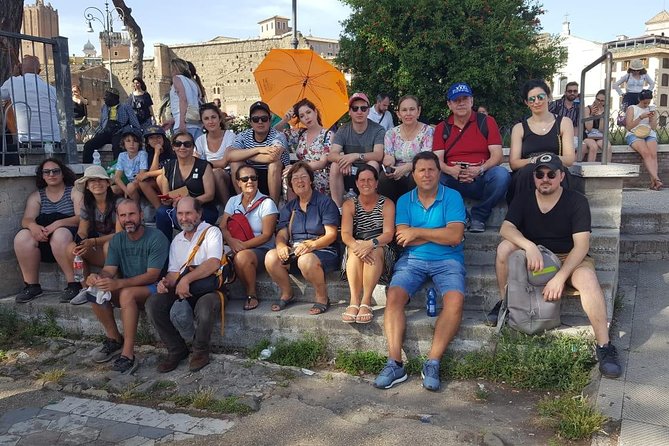
Finally, you are in a small group, with a maximum of 15 people. That size matters in the real world. It helps you move efficiently, and you are less likely to feel like you are trapped behind a crowd.
More ways through the Colosseum gates:

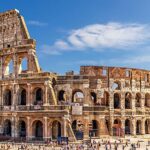
Colosseum area start: the Flavio Antitheater mindset
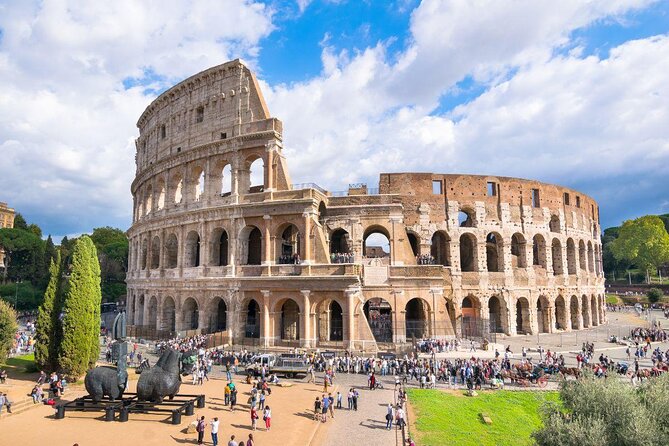
The tour begins near Colosseo and uses the Colosseum as the opening chapter. The Colosseum is often described as an arena, but in this kind of imperial-focused walk, you quickly see it as something more political and symbolic. It is the kind of building that broadcasts authority, not just entertainment.
Even though Colosseum admission is not included, you still get value from starting here. You are positioned at the right emotional point in the story: the shock-and-awe scale. Then the tour keeps your attention on how the surrounding imperial institutions and propaganda worked together.
Practical tip: plan to arrive with your documents ready. The tour requires that each traveler presents a valid passport or ID matching the name used during booking. If your name does not match, entry at the Colosseum and Roman Forum can be denied.
From Nerva to Augustus Forum: Rome’s habit of building over itself
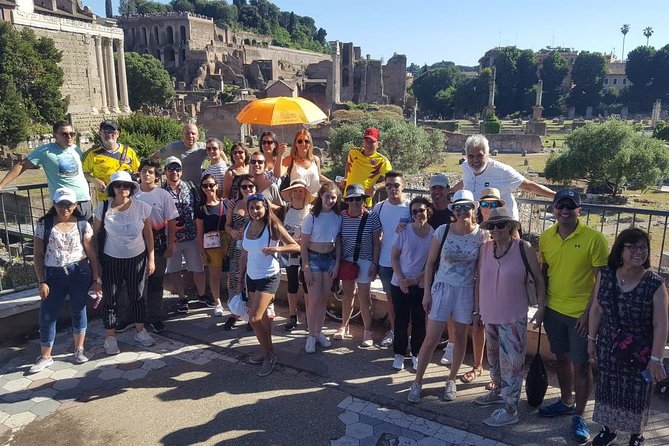
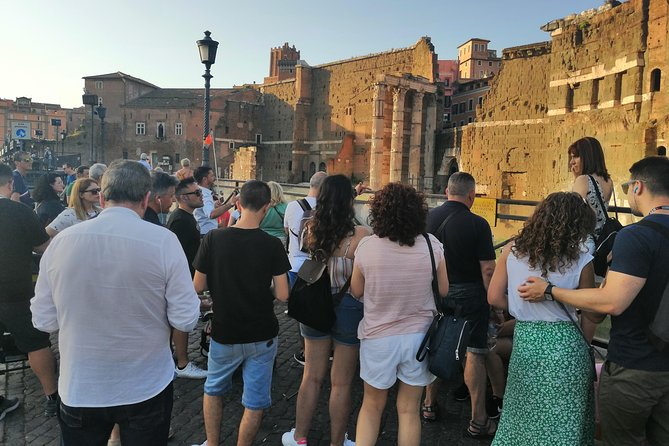
After the Colosseum, the walk shifts toward the Imperial Forum Road, where you encounter major forum sites tied to different emperors. The stops include Nerva Forum and Augusto Forum before moving deeper into the Julius Caesar and Trajan chapters.
Here is why these stops are more than just a list of ruins. Rome had a pattern: leaders reused space, improved it, and added their own message. By seeing these forum areas in sequence, you can spot that the empire was not one straight line of construction. It was a series of political upgrades.
I like how this part of the tour trains your eye. You start noticing the “logic” of the forum zone: movement, visibility, and how public spaces worked as stages. Even if you are not a Roman history superfan, the physical arrangement helps you grasp the power play behind the stone.
Julius Caesar Forum to Trajan Forum: the names aren’t random
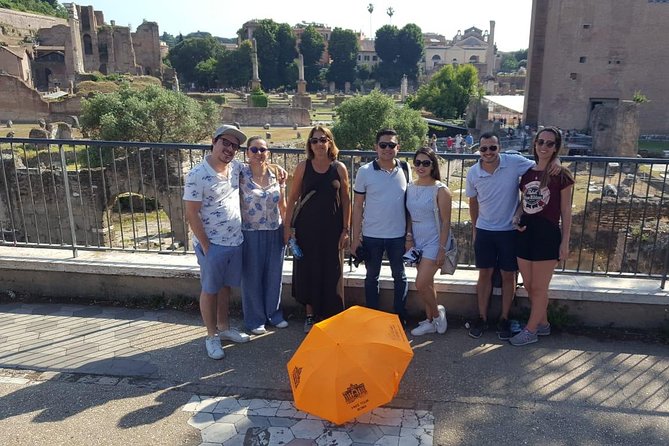
This route calls out Julius Caesar Forum and Trajan Forum, and that matters. These were not just famous men, they were branding strategies for the empire.
At Julius Caesar Forum, the tone tends to feel more foundational in the imperial story. Caesar’s name is linked to the shift in how Rome viewed authority. Then the walk moves forward to Trajan Forum, where the focus becomes more visible and monumental, with structures meant to impress and instruct.
Trajan is especially important because his public image is carved into architecture. The tour keeps you on that thread through the next stops, so you are not just watching ruins. You are following a message that was designed to last.
Introductions we still owe you around Rome
- Vatican: Museums & Sistine Chapel Entrance Ticket
★ 4.5 · 144,003 reviews - Vatican Museums & Sistine Chapel Tour with Optional Basilica
★ 4.3 · 67,413 reviews - Vatican Museums, Sistine Chapel & St Peter’s Basilica Guided Tour
★ 4.5 · 39,149 reviews - Rome: Colosseum & Forum with Audio Guide App -Optional Arena
★ 4.2 · 24,770 reviews
Trajan Markets and the Trajan Column: power in plain sight
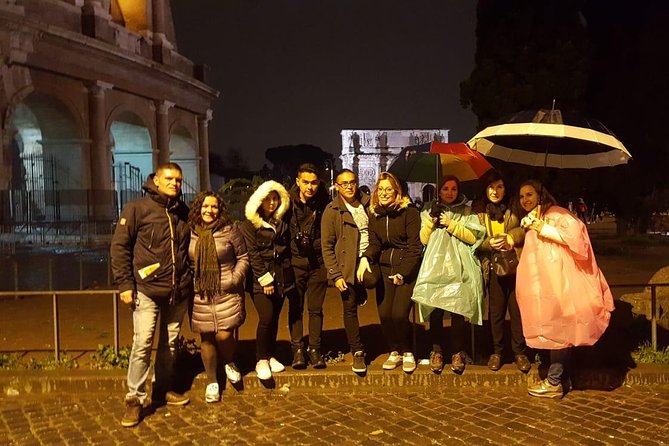
One of the most rewarding segments is the cluster around Trajan Markets and the Trajan Column. Even if you are short on time, this is where your Roman “wow factor” usually kicks in.
Here’s what makes this stop valuable for you: the column and the market area show how Rome used art, engineering, and commerce as a single system of influence. A column can record victories, but it also teaches viewers how to interpret those victories. A market can look practical, but it still sits inside a space engineered to project status.
If you are the type who likes to understand why buildings exist, this part is for you. You start to connect the dots between the public square, the emperor’s story, and how everyday movement through the city reinforced imperial identity.
Venice Square and Vittorio Emanuele: symbols with baggage
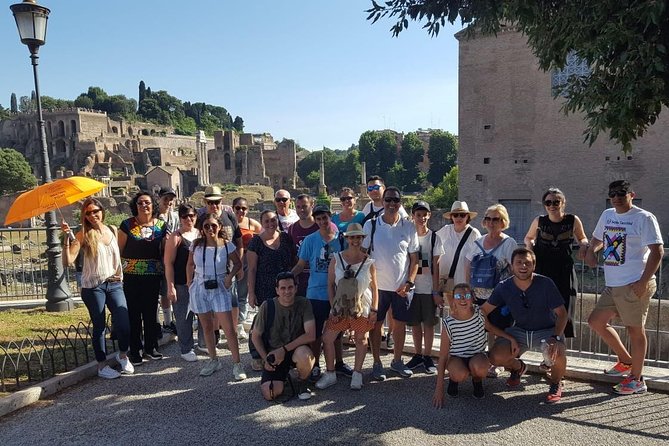
After the forum zone, the walk reaches Venice Square, where you contemplate the monument to Vittorio Emanuele and its importance in Fascism. That framing is important. This is not just a photo spot. It is a moment to recognize how modern politics can reuse ancient settings and grand design language to send messages.
I appreciate that the tour does not treat the city as a museum without opinions. You’re encouraged to look at monuments as tools people used for power, then used again and again across different eras.
You’ll also find that this break in the route helps your brain reset. Forums are all about building power in civic space. Venice Square is more about national-scale symbolism. Together, they give you a more complete sense of how Rome keeps reinventing the idea of authority.
Altare della Patria and the Capitol finale at Campidoglio
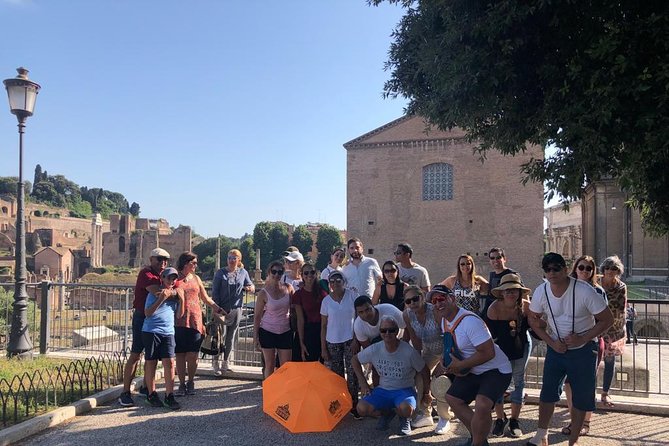
From Venice Square, the tour continues toward the Altare della Homeland (Altare della Patria). This stop is a good bridge between the imperial story and the Renaissance-era stage setting you reach at the end.
Then the tour culminates at Piazza del Campidoglio and the Capitoline Hill, tied to Miguel Ángel Buonarroti (Michelangelo). The finishing view here is strong because it feels intentional. This is the part of Rome where city planning and art direction combine, so the final impression sticks.
You also get the Roman myth beat: the Loba (she-wolf) feeding Romulus and Remus. Even if you know the legend already, seeing it at Campidoglio helps you understand why Rome keeps returning to origin stories. Myths were political fuel. They helped define who belonged, and who had the right to rule.
Price and ticket reality: is $17.44 good value?
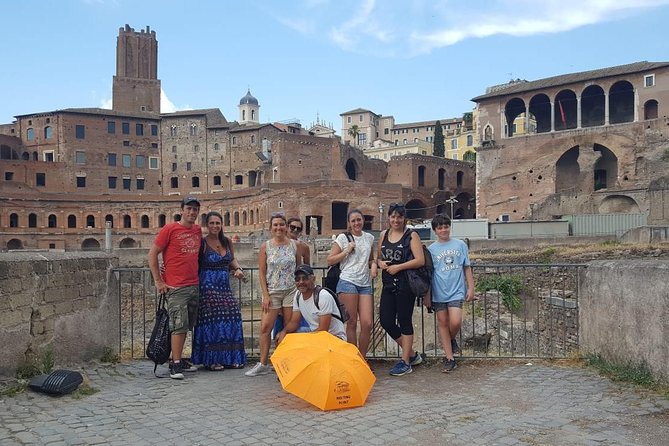
At $17.44 per person, this is priced like a budget-friendly way to get a structured walk across some of Rome’s most recognizable spaces. The duration of about 2 hours 30 minutes also fits well. You get a lot of major stops without feeling like you are committing to a full day.
However, the big value condition is the ticket situation. Admission to the Colosseum is not included, so your total cost depends on how you handle entry. Make sure you are not assuming the tour price covers everything. The tour includes the guided structure and the connections between sites, but you still need the right entry ticket and the right ID match for access.
Good value if you want:
- A clean overview route connecting imperial forums to the Colosseum.
- A small group pace that is manageable for most people.
- A late-afternoon format that is easier on your legs than early morning.
Not as good value if you hate logistics. If you are arriving in Rome with last-minute planning or you are unsure about tickets and ID matching, the risk of gate delays becomes your problem, not the tour’s.
Who this tour suits best
This is a great fit for you if:
- You are new to Rome and want an organized intro.
- You want the names and monuments connected into a storyline, not scattered facts.
- You prefer small-group walking over big bus tours.
It may feel less satisfying if you want deep, slow museum time. This is a walking tour with major outdoor stops, and the focus is on the “what and why” of imperial power, not a long sit-down in one building.
Also, it is designed for most travelers, and service animals are allowed. If you have mobility concerns, you should consider your walking stamina, because you are covering multiple areas across the city in one session.
Should you book this Imperial Rome and Colosseum tour?
I’d book it if you want a fast, meaningful overview and you like the idea of walking the story of imperial Rome from the Colosseum area through the Imperial Forums, then out to Venice Square and finally Campidoglio.
The strong reason to choose it is the structure. The stops are sequenced like a narrative, with repeated emphasis on major emperors, which makes the city easier to understand when you are standing in front of the stones.
Just keep your expectations realistic. The price is low, but entry is not included, and your ID must match the name on your booking. If you handle those two items cleanly, you’ll get a well-paced, high-demand route that ends in one of Rome’s most satisfying viewpoints.
FAQ
Is admission to the Colosseum included in the tour price?
No. The information provided notes that the Admission Ticket is not included.
How long is the tour?
The duration is about 2 hours 30 minutes.
Where does the tour start and where does it end?
It starts at the Colosseo area in Rome and ends at Piazza del Campidoglio.
Do I need a mobile ticket?
Yes. The tour uses a mobile ticket.
Is the group size limited?
Yes. This experience has a maximum of 15 travelers.
What ID do I need to enter the Colosseum and Roman Forum?
You must present a valid passport or ID document that matches the name provided at booking.
Can I cancel for a refund?
No. The experience is non-refundable and cannot be changed for any reason.
Just introduced: the newest Rome write-ups
- Excavation Tour to the Tomb of St. Peter’s & St. Peter’s Basilica★ 4.0 · 183 reviews
- Rome: Rooftop Cooking Class with Wine Tasting near Vatican★ 5.0 · 184 reviews
- Rome to Civitavecchia Cruise Port Transfer★ 5.0 · 184 reviews
- Ancient Rome and Colosseum Private Tour with Underground Chambers and Arena★ 4.5 · 184 reviews
- Rome: Vatican Museums & Sistine Chapel Skip-the-Line Ticket★ 4.1 · 185 reviews
- Borghese Gallery Max 6 People Tour: Baroque & Renaissance in Rome★ 5.0 · 185 reviews
- Discover Rome Highlights by Golf Cart Tour private tour★ 5.0 · 187 reviews
Colosseum Entry Tickets, compared.

Colosseum, Roman Forum & Palatine Guided Tour
Read our review →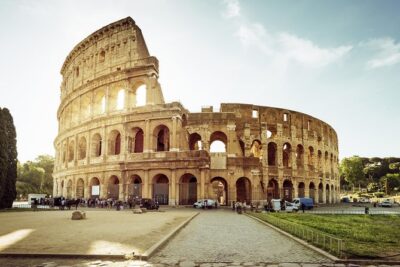
Colosseum, Palatine Hill and Roman Forum Guided Tour
Read our review →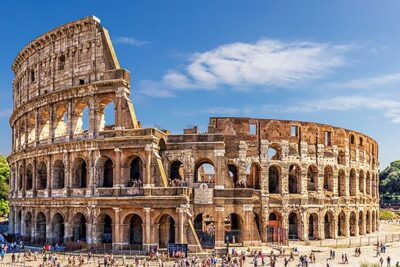
Guided Tour of Colosseum, Roman Forum & Palatine Hill
Read our review →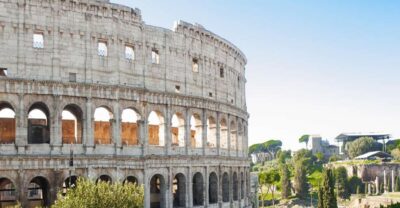
Colosseum & Forum with Audio Guide App -Optional Arena
Read our review →
Colosseum, Roman Forum and Palatine Hill Guided Tour
Read our review →
Colosseum, Forum & Palatine Hill Tour & Optional Arena
Read our review →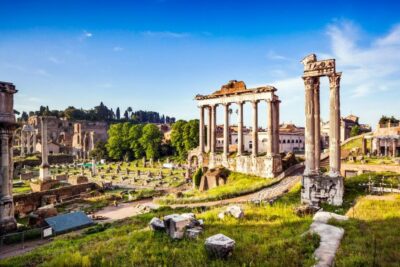
Colosseum, Roman Forum, Palatine with Multimedia Video
Read our review →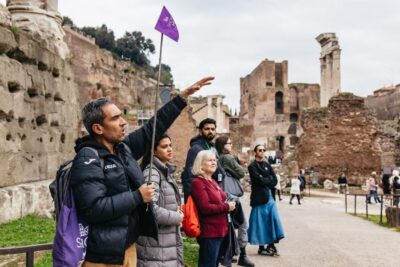
Colosseum, Palatine Hill & Roman Forum Guided Tour
Read our review →Browse the lists this tour appears in