
Reviewed · WALKING TOURS
Matera: Caves and Rock Churches Walking Tour in English
Matera feels prehistoric, but it’s still human. This 2.5-hour English walk through the Sassi turns ancient stone into real daily life, from cave houses to the rock church of St. Mary of Idris. I especially like the way the route mixes big viewpoints with quiet side lanes, so the city keeps surprising you.
Two things I like a lot: first, you get to step inside cave dwellings and understand how people survived, not just what they looked like. Second, the guide story is practical, patient, and built for questions, with strong English and a relaxed pace that works for mixed groups. (Gaetano Campanile is a standout name you may see tied to this experience.)
One consideration: Matera sits on a hill, so expect stairs. Even if the pace is leisurely, comfortable shoes matter, and you should plan on some climbing.
In This Review
- Key highlights worth circling
- Why Matera’s Sassi feel personal, not staged
- Piazza S. Pietro Caveoso meeting point, parking, and what the walk feels like
- Inside the cave houses: seeing how people lived
- The rock church of St. Mary of Idris, carved faith in stone
- Views, hidden corners, and the UNESCO turnaround story
- Guide style makes the difference: English, humor, and real answers
- Pacing, steps, and who should book this walking tour
- Price and value for a local 2.5-hour guide
- How to get the most out of the tour (simple, smart habits)
- Should you book this Matera caves and rock churches tour?
- FAQ
- Where does the walking tour start?
- How long is the Matera caves and rock churches walking tour?
- Is the tour in English?
- What should I bring?
- How is the walking pace, especially with stairs?
- Are there parking options near the meeting point?
Key highlights worth circling
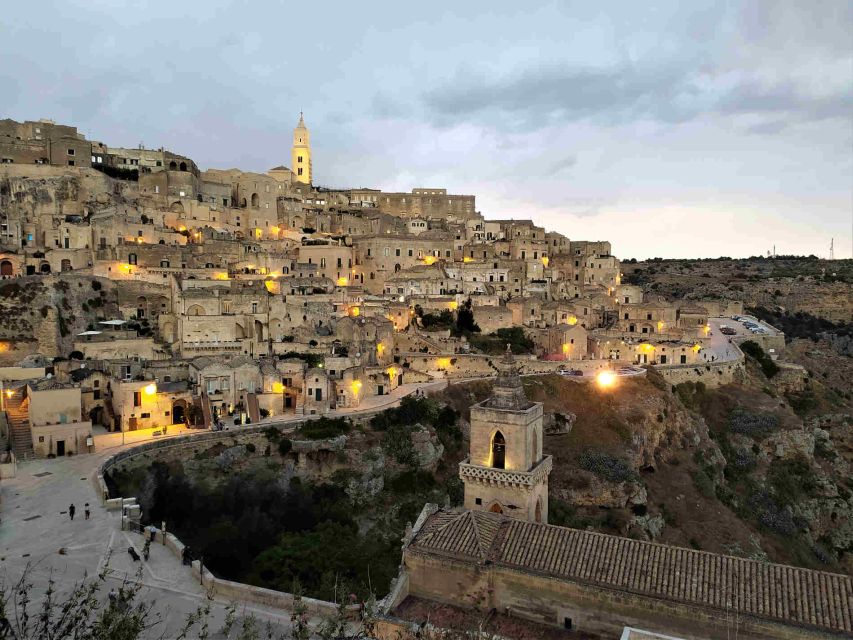
- Piazza S. Pietro Caveoso start right in front of the church, with easy car-park options nearby
- Cave house entry where you can picture how families lived, and why water mattered
- Rainwater collection system explained in a way you can actually picture
- Rock church of St. Mary of Idris with a sense of faith carved into stone
- Leisurely walking pace, with stairs and uneven old-city paths worked into the plan
- English live guide who answers questions and keeps the walk moving smoothly
Why Matera’s Sassi feel personal, not staged
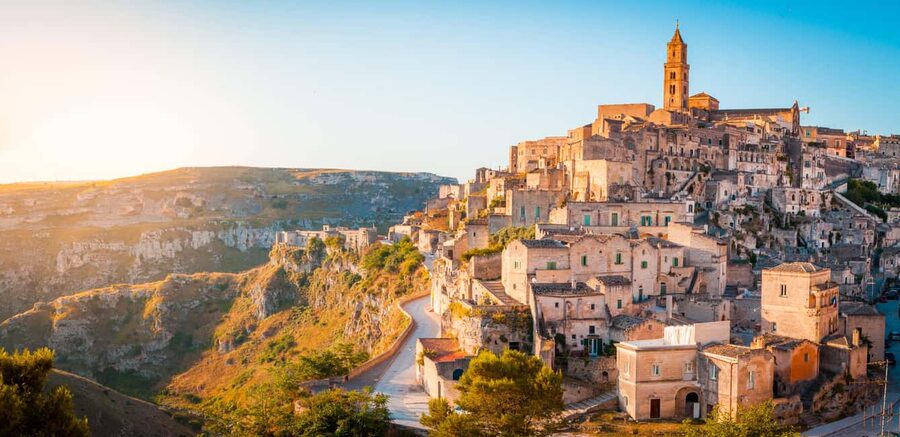
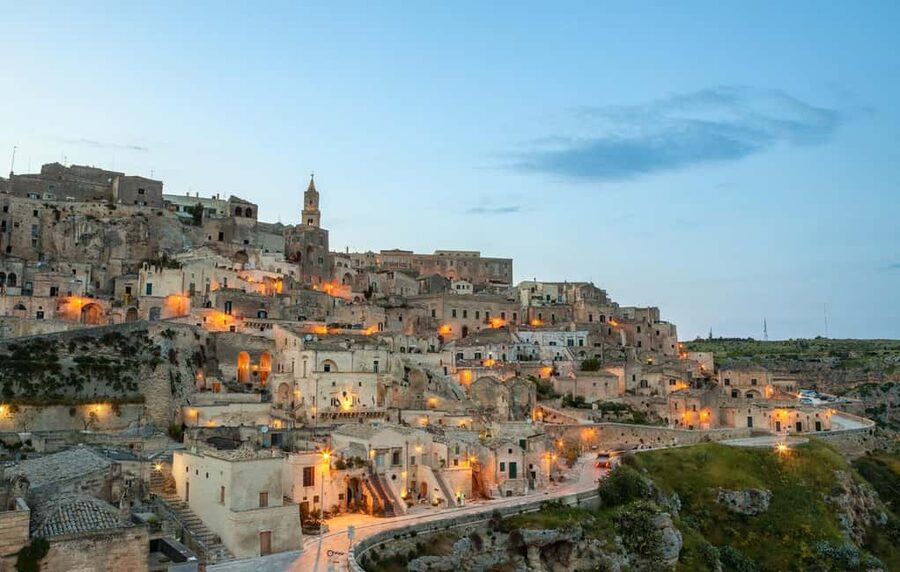
Matera’s Sassi can look like scenery at first glance. Then you step into the cave houses and the whole place snaps into focus. Suddenly the city is not a postcard, it’s a set of solutions people built with what they had: rock for walls, stone for shelter, and clever systems for surviving the local climate.
The real magic here is that you walk through the same kind of space people used to live in. The tour doesn’t treat the caves like a museum display. It frames them as homes, with daily needs you can understand quickly: where water would go, how families moved through rooms, and how communities endured long stretches of hardship.
And you get the mix that makes Matera click. You will be shown breathtaking viewpoints and also hidden corners that most people miss when they wander alone. You end up seeing the city as a layered network, not just a single famous site.
More Italy at street level:
Piazza S. Pietro Caveoso meeting point, parking, and what the walk feels like
You start at Piazza S. Pietro Caveoso, and the guide is waiting right in front of the church. That detail sounds small, but it matters. In old towns, meeting points can be chaos, especially if you arrive late or you are unsure what building is the right one. Here, the anchor is clear: look for the guide at the church entrance.
If you are driving, you have two multi-level car parks to choose from:
- Via Pasquale Vena
- Via Rocco Scotellaro
From there, you will be walking on the old-city terrain. Matera is not flat, and the tour runs on foot through districts that sit up and down the hill. The pace is described as leisurely, but you should still treat the shoes-and-sanity part seriously.
Here is what I’d plan for, practically. First, arrive with a little buffer so you are not rushed at the start. Second, expect uneven footing and steps. If you have mobility limits, the good news is that the guide style is reported as patient and flexible, and the walk is not designed to turn into a fitness test.
Inside the cave houses: seeing how people lived
This is the heart of the experience: entering the ancient cave dwellings that gave the Sassi their reputation. The tour focuses on more than the dramatic shapes of the rock. You learn how people structured life inside caves and how families managed everyday survival.
The most memorable concept is the rainwater collection system. Water was not a side detail here, it was everything. The guide explains how the system worked and why it was essential. Once you understand the logic, the cave homes make more sense. You stop seeing the caves as empty holes in stone and start picturing water routes, storage, and the reality of living with seasonal changes.
This is also where the tour beats the self-guided experience. On your own, you can stare at carved spaces and still miss the point. With a guide, you get the threads that connect the architecture to daily routines. Even if you only retain a few key ideas, you’ll walk away understanding how the city held together.
The rock church of St. Mary of Idris, carved faith in stone
After the cave houses, the route brings you to a major religious landmark: the rock church of St. Mary of Idris. Rock churches are common enough across parts of Italy that it’s easy to forget how wild the idea is. Someone shaped worship spaces directly out of the landscape. Not as an abstract art project, but as a living place for community life.
On this stop, you’re meant to connect the dots. The tour does not treat the church as a standalone attraction. It fits it into the bigger story of the Sassi and how people used the rock around them for shelter, work, and spiritual life.
What you likely enjoy most is the atmosphere shift. Caves are about practicality and survival. Churches add another layer, one tied to belief and community identity. You see how stone served multiple purposes, not just one.
Introductions we still owe you around Matera
- Matera: Sassi Tour with Cave House and Rupestrian Church
★ 4.7 · 6,618 reviews - Discover Matera, the ancient city – English tour
★ 5.0 · 1,771 reviews - Guided Tour of Matera Sassi
★ 4.5 · 1,312 reviews - Matera: Sassi Tour with Entry to Rock Houses and Churches
★ 4.6 · 622 reviews
Views, hidden corners, and the UNESCO turnaround story
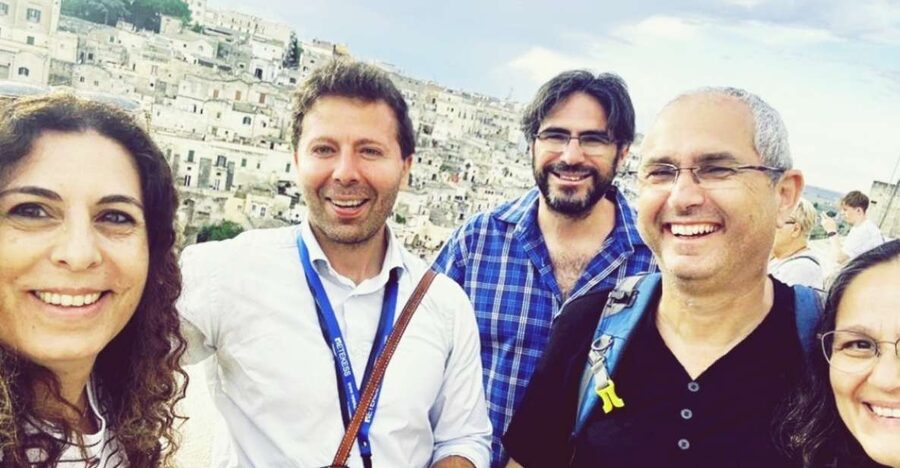
Matera’s reputation changed dramatically over time, and the tour helps you understand that transformation. You’ll learn how the city went from being labeled as a disgrace to becoming a UNESCO site and a recognized jewel of Italian cultural heritage. That arc matters because it explains why so many parts of the Sassi still feel emotionally charged today.
Along the way, you’ll also get pointed toward the places where the city opens up. Expect to see some beautiful, breathtaking viewpoints. These stops do more than provide photos. They help you grasp how the Sassi is built across rock layers and streets that look impossible until you see them from the right angle.
You also spend time in places that feel quieter and more personal. The tour is designed to show not only the famous angles but also the hidden and fascinating corners that make the Sassi feel like a living neighborhood, not a theme park.
Guide style makes the difference: English, humor, and real answers
A big part of why this experience works is the guide delivery. The tour is in English, and the emphasis is on clarity and pacing. The most consistent praise centers on guides who are friendly, patient, and ready for questions.
That matters because Matera can overload you fast. You see rock, stairs, carved spaces, and street-level details all at once. If the guide is organized, you get a structure for understanding. If the guide is chatty but scattered, you end up with lots of impressions and not much meaning.
Here, the tone is described as relaxed and easy to follow. You’ll get explanations that blend historical context with human stories, including how families once lived in the caves. The tour is also set up for different levels of curiosity. If you want quick takeaways, you’ll still get them. If you want to ask about how something worked, you’ll have time to do that.
One more practical upside: the guide also appears ready to help you orient at the end. That’s not a guarantee for every tour, but it’s a recurring theme in how this experience is described. You’ll likely leave with a better feel for where things are in the city, which can save time as you keep exploring on your own.
Pacing, steps, and who should book this walking tour
This walk runs about 2.5 hours, and it’s paced for a leisurely tempo. Still, plan for stairs. The old city sits on a hill, so the terrain is part of the deal.
So who is it best for?
- You want a guided start that helps you understand Matera quickly, before you wander deeper on your own.
- You like history with everyday context, especially how ordinary people survived.
- You want an English guide who can keep things moving and still answer questions.
Who might find it tougher?
- If you have very limited mobility or you need step-free routes, the hill-and-stairs reality will be a challenge. The walk is not described as a hard hike, but it is still walking on an old-town grid with stairways.
If you’re in the middle, bring the right mindset. Wear comfortable shoes, take breaks when you need them, and treat the climb as part of the viewpoint reward.
Price and value for a local 2.5-hour guide
At $28 per person for a 2.5-hour guided walking experience, the value comes from what you get for your time. You are paying for two things that are hard to replicate on your own: expert interpretation and guided access to the right places.
This is not just a “see the church, take a photo” outing. You’re guided through cave houses, taught about the rainwater system, and brought to the rock church of St. Mary of Idris. Those are the kinds of details that take hours to learn by yourself, and you would likely miss the best explanations if you only read plaques.
Also, the English factor matters. Italy is full of great sites, but fewer of them are explained well in your language. A live guide can turn a confusing, layered city into something you can actually navigate with confidence afterward.
If you’re trying to choose between a basic self-walk and a guided intro, this is the type of tour that gives you a head start. You will spend less time guessing, and more time understanding.
How to get the most out of the tour (simple, smart habits)
You’ll enjoy this most if you show up ready to look closely and ask questions. Here are a few practical moves that fit the way the guide experience is described.
- Wear comfortable shoes and take your time with stairs.
- Bring a curious mindset about how people lived, especially the role of water.
- Pay attention when the guide points out viewpoints. Those angles make the streets and cave levels easier to understand later.
- If you like chatting, ask follow-up questions. This tour is set up for Q and A, and that tends to improve the experience a lot.
And if you are making this your first Matera activity, you’ll benefit most. The city can be overwhelming at first. A guided foundation helps you recognize what you’re seeing on day two.
Should you book this Matera caves and rock churches tour?
I’d book it if you want Matera to make sense fast. This tour is built for understanding, not just sightseeing. The focus on cave houses, the rainwater collection system, and the rock church of St. Mary of Idris gives you a story you can carry through the rest of your stay.
Book it with confidence if:
- You want an English live guide and a paced walk with strong explanations.
- You are excited by how ordinary people lived in the Sassi.
- You want both standout viewpoints and lesser-seen corners.
Maybe think twice if:
- You need step-free walking routes or you cannot handle stairways, since Matera’s layout is on a hill.
For most people, this is one of the smartest first steps in Matera. It turns the city from a strange set of rocks into a place with human logic, and that makes everything you do afterward feel more rewarding.
FAQ
Where does the walking tour start?
The meeting point is Piazza S. Pietro Caveoso, and the guide will be there right in front of the church.
How long is the Matera caves and rock churches walking tour?
The tour lasts 2.5 hours.
Is the tour in English?
Yes, the tour includes a live guide in English.
What should I bring?
Bring comfortable shoes, since the route includes stairways and walking on old-city paths.
How is the walking pace, especially with stairs?
The old city sits on a hill with stairways to climb, but the walk is described as leisurely paced.
Are there parking options near the meeting point?
Yes. There are two multi-level car parks: one on Via Pasquale Vena and one on Via Rocco Scotellaro.
Just introduced: the newest Matera write-ups
- The Sassi of Matera★ 5.0 · 252 reviews
- Matera: Sassi History and Culture Walking Tour★ 4.8 · 267 reviews
- Matera: Open Top Bus Tour with Entrance to Casa Grotta★ 4.2 · 278 reviews
- Matera: 3-hour Private Full Sassi di Matera Guided Tour★ 4.8 · 316 reviews
- Matera: Guided Walking Tour★ 4.8 · 333 reviews
- Discover Matera: Overnight Stay, Meal, and Sassi Tour★ 5.0 · 335 reviews
- Sassi di Matera: Guided Walking Tour with Cave House/Church★ 4.7 · 343 reviews
Walking Tours, compared.
Guided Walking Tour & Last Supper Visit with Ticket
Read our review →
Rialto Bridge & Offbeat Unusual Venice Walking Tour
Read our review →
Private 3 hrs Venice Tour: St Mark’s, Walking tour & Boat tour
Read our review →
Skip the line: Uffizi and Accademia Small Group Walking Tour
Read our review →Browse the lists this tour appears in