Reviewed · TICKETS
Orvieto: Pozzo della Cava Entry Ticket
Beneath Orvieto, history runs cool and quiet. The Pozzo della Cava lets you walk one of the oldest Etruscan wells, then keep going through a connected underground complex in the Cava neighborhood. I love that it is self-guided, so you can stop and read without feeling rushed, and I love the temperature drop when you step underground. One possible drawback is that this is a smaller stop than the big, full-on underground tours, so if you want a guided experience with a lecturer, you will miss that here.
You also get Italian, English, and French explanations right where you need them, which makes it easy even with kids or mixed-language groups. For $5, it is a rare way to spend an hour or so on something genuinely old, without paying for a fancy add-on.
In This Review
- Key points I’d mark on your map
- Pozzo della Cava: Orvieto’s oldest well, under the medieval streets
- The walk you’ll actually do: nine caverns, one simple route
- Starting at the oldest cistern: cocciopesto and Etruscan burial remains
- Going into Urbs Vetus: medieval basements with three stories
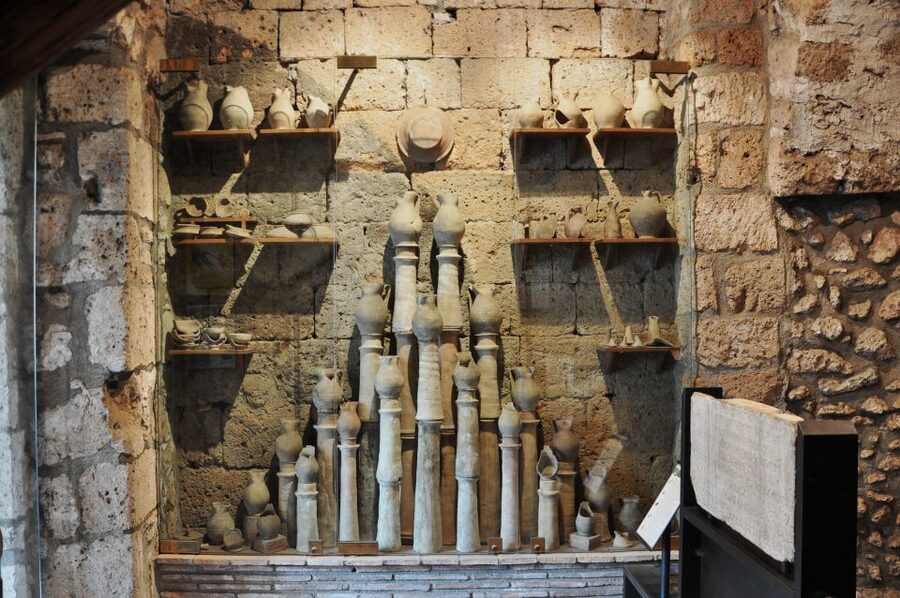
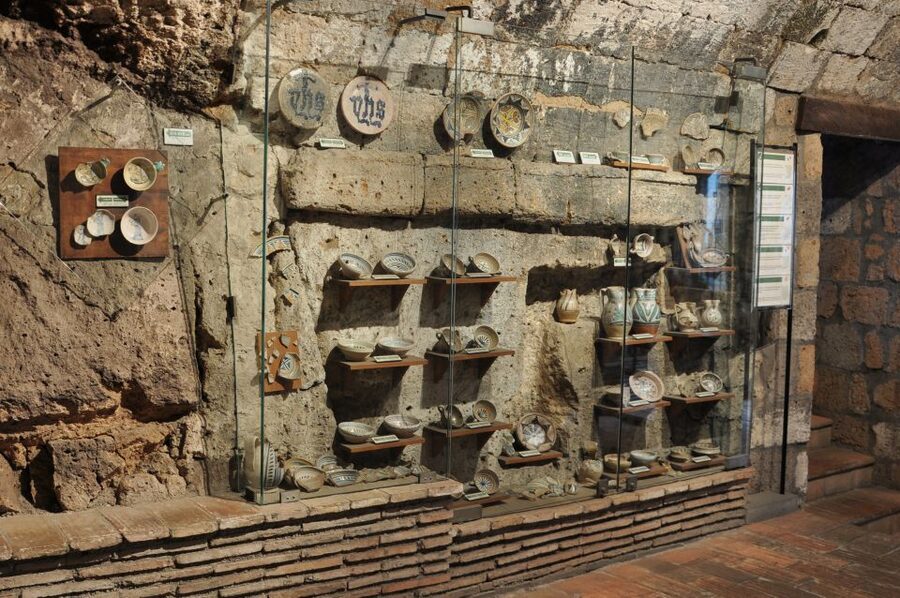
- Finding artifacts preserved through centuries
- The Renaissance chapter: changes built on over 28 centuries
- Cool air, clear signs, and a small on-site shop
- Price and value: why $5 feels almost too good
- How to plan it with the rest of your Orvieto day
- Who this is best for, and who should skip it
- Should you book Pozzo della Cava?
- FAQ
- Where is Pozzo della Cava in Orvieto?
- How much does the Pozzo della Cava entry ticket cost?
- How long does the visit take?
- Is this a guided tour?
- What languages are available for the explanations?
- How much of the underground complex will I see?
- What time planning do I need to do?
- What time periods will I learn about?
- Is there anything for kids?
- Can I cancel for a refund, and can I pay later?
Key points I’d mark on your map
- Oldest Etruscan well, plus underground spaces tied to many later centuries
- Nine caverns connected into one visit, not a single room
- Multilingual explanations on panels, no app required
- Self-guided walking route with plenty of time to slow down
- Cool underground air and an escape from Orvieto’s summer heat
- Family-friendly itinerary designed for kids, even without a guide
Pozzo della Cava: Orvieto’s oldest well, under the medieval streets
Orvieto is famous for its medieval layers, but Pozzo della Cava adds a different layer: the world beneath the streets. This underground well complex starts with the idea of getting spring water, then turns into an evolving set of spaces used, rebuilt, and reused over time.
What you get for your time is not just a tunnel. You walk through a linked sequence of areas that traces life from the Etruscan beginnings into medieval Orvieto and later Renaissance changes. And because it is in the Cava neighborhood, you are experiencing part of Orvieto that feels like it belongs to the city’s older geography, not just its main viewpoint spots.
The visit is also a good match for real travel days. You can drop in, walk it at your own pace, and still have time to do something else above ground afterward.
The walk you’ll actually do: nine caverns, one simple route
Your ticket is for the underground complex, and the format is straightforward. You enter, follow the signs and route, and move through the nine caverns in the order the site presents.
You are not promised a guided lecture. Instead, you rely on interpretive material and multilingual explanations throughout. This matters because it changes how you experience it. If you like reading in small chunks, taking photos, and stopping to think, the self-guided style fits nicely. If you need a loud, continuous story to stay engaged, you may wish this had a live guide.
Timing-wise, you should plan on about 30 minutes to an hour for a calm walk. The path is small enough that people often finish quickly, and the information panels help you get the meaning without needing extra layers like an audio app.
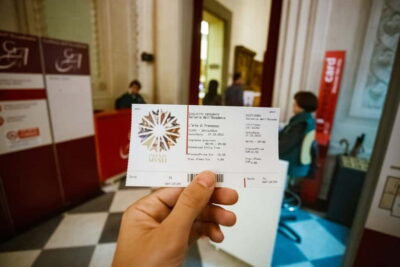
Also, you can use skip the ticket line, which helps if you arrive at a time when other entrances might feel crowded.
Starting at the oldest cistern: cocciopesto and Etruscan burial remains
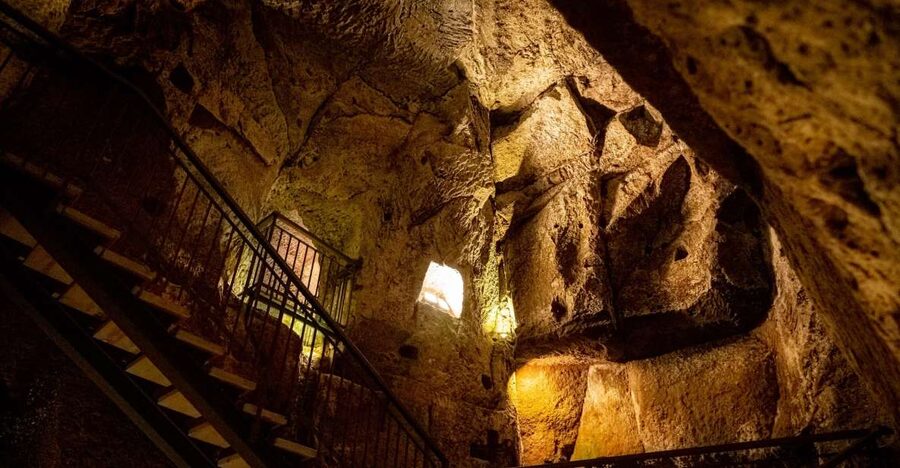
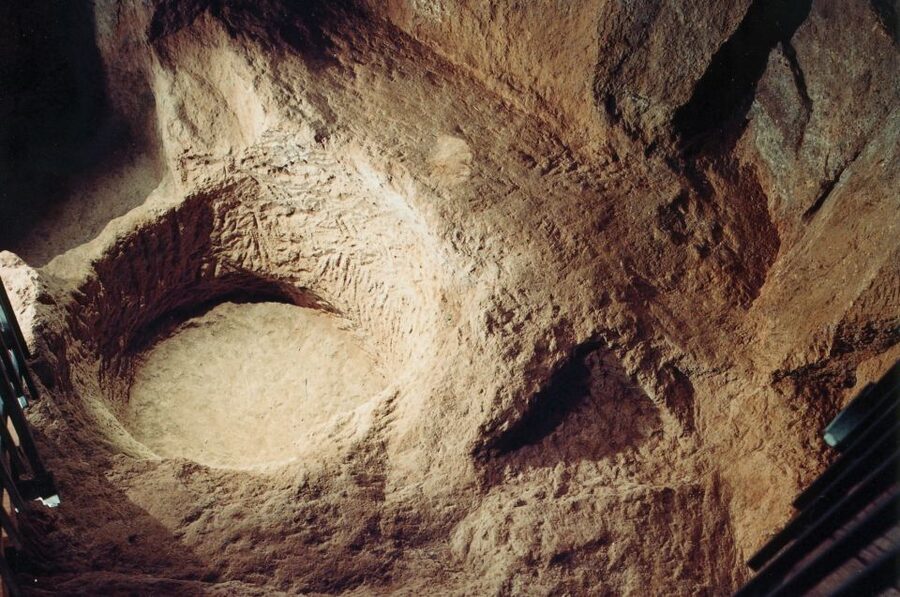
The visit begins at the oldest part of the Pozzo della Cava. This is where you get the foundation: a cistern lined with cocciopesto plaster. (If you have never heard that term, don’t worry. The point is that it is a historical building method used to help seal and manage water.)
Right here, you will see evidence tied to the Etruscans, including burial remains. That is a big part of why this site feels more than mechanical. It is not just a water system, it is connected to how people organized space, death, and memory in the same underground world.
I like this first segment because it sets the tone quickly. You see the earliest engineering logic, then you start moving toward what later generations built onto that starting point. For many visitors, that makes the rest of the tour easier to understand, because you have a clear baseline.
Going into Urbs Vetus: medieval basements with three stories
As you descend deeper, the site shifts into the medieval chapters. The underground maze is associated with Urbs Vetus, the medieval name of Orvieto.
This is one of the most interesting sections because it shows houses and daily life in a way you cannot see from street level. You are walking through what are described as houses’ three-story basements. That sounds abstract until you are down there and realize it is the built environment expanded downward, not just an old passage.
Practical takeaway: if you want to understand what living in a medieval city really meant, this portion helps. It connects the idea of a small medieval street to real space constraints above, and to how people adapted below. And since the site uses explanations in multiple languages, you are not left guessing what you are looking at.
One small caution: if you are the type of traveler who needs a lot of “wow views,” this is more about texture and design than scenic panoramas. It is about architecture and archaeology, in the literal sense.
Finding artifacts preserved through centuries
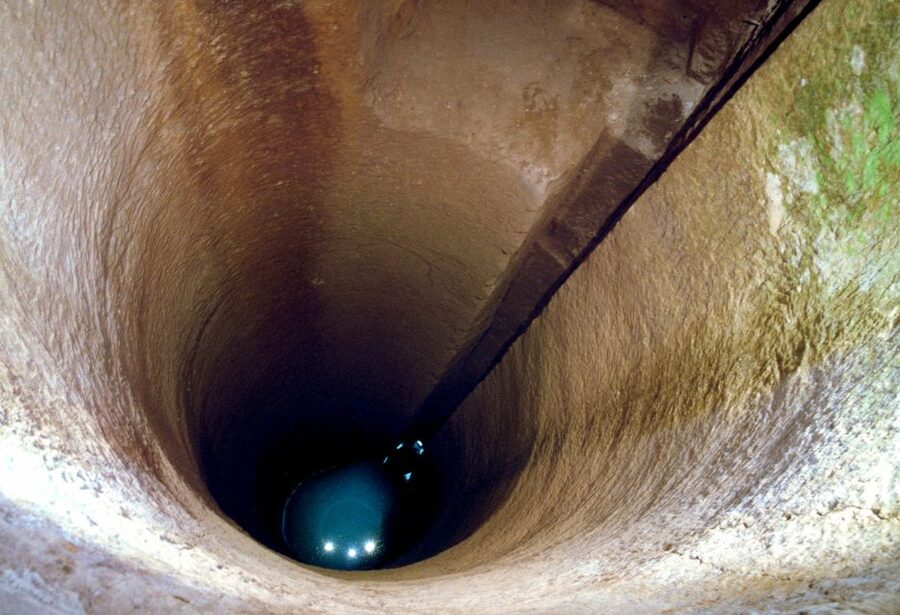
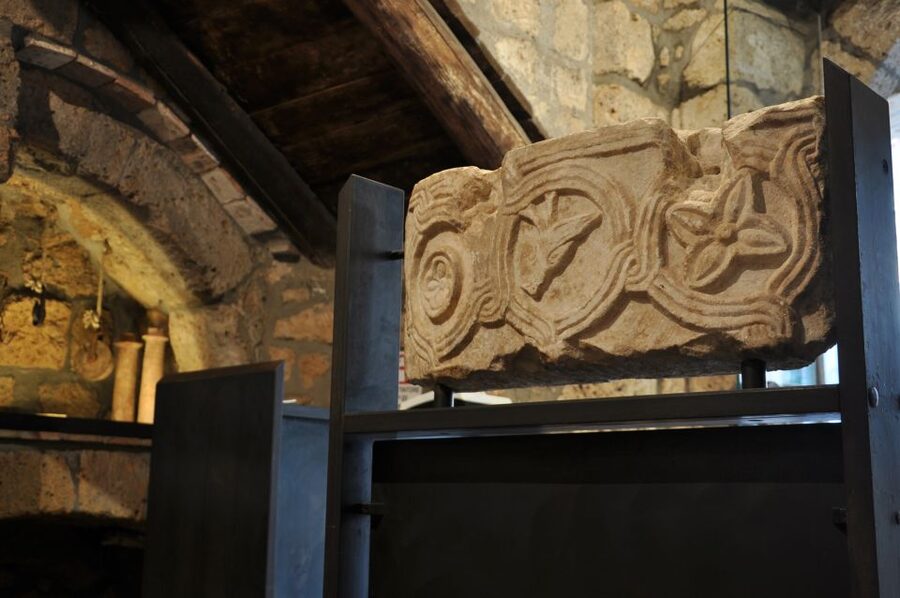
A major promise of the Pozzo della Cava is preservation. The underground complex runs beneath the medieval streets of the Cava district, and that protected setting is why you can see artifacts from different eras clustered through the walk.
Across the route, the explanations help connect what you see to the time period it relates to. You are not just looking at isolated finds. You are seeing how different layers of Orvieto history can be physically present in the same underground system.
This is also where a self-guided visit shines. You can linger exactly where you want. If a panel catches your attention, you can stop. If another section feels less compelling, you can move on without feeling like you are falling behind a group.
The Renaissance chapter: changes built on over 28 centuries
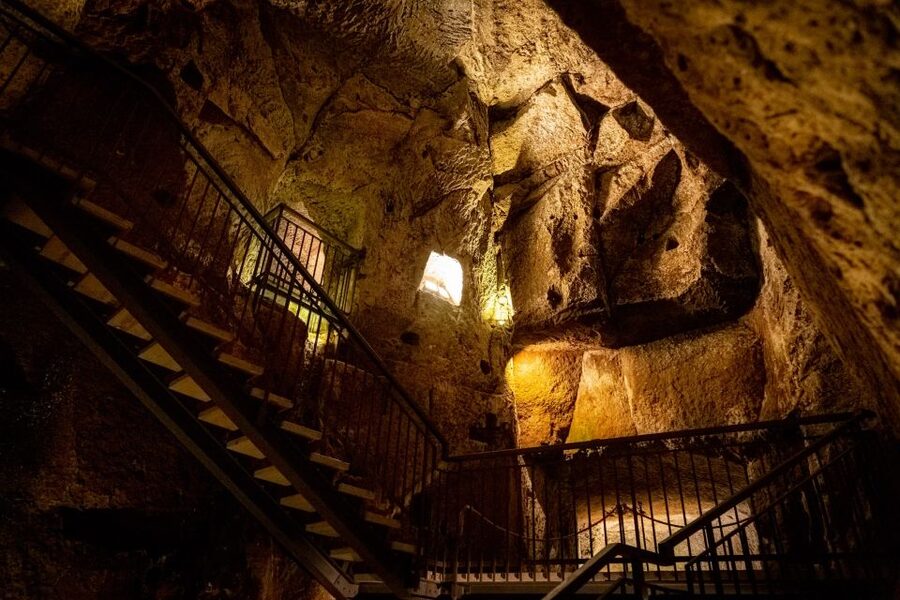
The final phase of the underground complex highlights later developments. The site points to excavations of the more recent parts of the Pozzo della Cava, and the overall story spans twenty-eight centuries of transformations.
You reach an impressive final cave that preserves traces of those changes. Even without a live guide, the combination of physical space plus interpretive signage helps you grasp the idea that the well did not freeze in time. People kept working with it, modifying it, and using what already existed.
To me, this is the part that makes Pozzo della Cava feel honest. Many archaeological sites show a single moment, perfectly preserved. Here, you see the layered reality of a city that kept evolving, while its underground infrastructure stayed relevant.
Cool air, clear signs, and a small on-site shop
One of the easiest reasons to enjoy this visit is simple: it is cooler underground. If you are visiting in summer, you will appreciate that you can step out of the heat and get a slower pace.
You will also notice that the site is set up for independent navigation. It is described as well signposted, and the information panels are written in multiple languages. People often do this as a quick stop, and that is usually because the signs make the story easy to follow.
There is also a small shop on site. It is not the main reason to come, but it is a nice extra if you want a souvenir that feels connected to what you just saw.
Price and value: why $5 feels almost too good
At about $5 per person, Pozzo della Cava is priced like a local cultural stop, not a premium attraction. The big value is that you get access to a rare kind of site, and you get enough explanation to understand it.
What you should consider is not the cost, but the match. If you want a long guided experience, this is not that. The ticket includes entry and interpretive materials, but a guided tour is not included. So the value is highest if you enjoy self-guided sites and reading panels.
I also think it is good value because it fits into multiple styles of travel:
- If you want a fast, meaningful cultural stop between bigger sights, this works.
- If you like archaeology and history, you will feel rewarded quickly.
- If you are traveling with kids, the site offers a special itinerary for them, so you are not just bringing little attention spans into an adult museum.
How to plan it with the rest of your Orvieto day
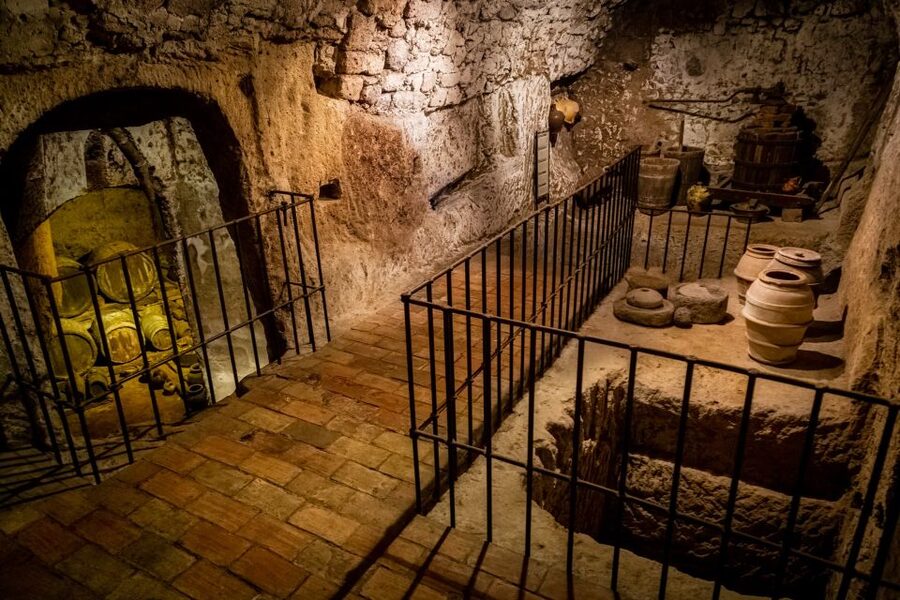
Pozzo della Cava is in the Cava neighborhood area and is described as walkable, though it is on the far side of town for some visitors. If you are basing yourself near the Duomo, you may have a bit of a walk to reach it.
My practical advice: treat it like a timed activity slot, not a “whenever” thing. The ticket is valid for one day, and starting times depend on availability. If your day is tight, pick a slot early enough that you will not feel rushed when you are underground and cooling off.
Also, manage expectations. This is a smaller experience than the most famous underground tour some visitors accidentally look for first. If you think you are booking the major underground tour that starts near the Duomo, double-check that you are choosing the Pozzo della Cava entry for the Cava district.
Who this is best for, and who should skip it
This stop is best for people who like:
- Self-guided walking with signs and panels
- History that you can physically trace, from engineering to everyday life
- A quick cooldown break in warm weather
- Families who want a structured path for kids, without needing a separate guide
You might want to skip or rethink it if:
- You are expecting a full guided tour with a professional speaker
- You need big scenic views rather than archaeology and underground architecture
- You already feel saturated with underground spaces and want a more above-ground itinerary
Should you book Pozzo della Cava?
If you are deciding between doing this and adding something else, I’d lean yes. For the price, it gives you something hard to fake: a real underground complex tied to the Etruscan well, medieval Orvieto, and later Renaissance changes. The multilingual panels make it understandable without extra gear, and the cool air is a bonus that makes the visit feel comfortable.
Book it if you want a short, meaningful stop that you can do on your own time. Skip it if you only enjoy guided commentary or you are looking for a long, showy attraction.
If you do book, go early or at a time when you can walk slowly. This is the kind of experience that rewards a little patience, and once you are underground, you will want time to actually look.
FAQ
Where is Pozzo della Cava in Orvieto?
It is located in the heart of Orvieto’s medieval district, in the Cava neighborhood, with the underground complex running beneath the medieval streets.
How much does the Pozzo della Cava entry ticket cost?
The price is $5 per person.
How long does the visit take?
Plan for about 30 minutes up to around an hour, depending on how slowly you read and walk through the caverns.
Is this a guided tour?
No. A guided tour is not included with the ticket. You visit using the on-site explanations and your own pace.
What languages are available for the explanations?
The information is available in Italian, English, and French.
How much of the underground complex will I see?
The complex includes nine caverns that you explore as part of the visit.
What time planning do I need to do?
The ticket is valid for one day, and you should check availability for starting times.
What time periods will I learn about?
The visit covers the Etruscan origins of the well, medieval life under Urbs Vetus, and later developments including the Renaissance.
Is there anything for kids?
Yes. The entry includes a special itinerary for children.
Can I cancel for a refund, and can I pay later?
You can cancel up to 24 hours in advance for a full refund. You can also reserve now and pay later.
Tickets, compared.

Vatican: Museums & Sistine Chapel Entrance Ticket
Read our review →
Cathedral and Duomo’s Terraces Entrance Ticket
Read our review →

Skip-The-Line Uffizi Gallery Timed Entry Ticket
Read our review →
Naples Underground Entry Ticket and Guided Tour
Read our review →
Pantheon Fast-Track Ticket and Official Audio Guide
Read our review →
Entry Ticket and Guided Tour with an Archaeologist
Read our review →