
Reviewed · SKIP THE LINE
Turin: Egyptian Museum Small Group Skip-the-Line Guided Tour
Egypt dreams in Turin. This skip-the-line tour (2 hours) cuts the wait and pairs you with a real guide, so you focus on the best pieces instead of getting lost in the galleries. I also love the chronological layout, which helps you understand how Egypt changed over centuries, and the big-ticket stops like the Tomb of Kha and the papyri. The one possible drawback: the route is fixed, so you cannot wander slowly at your own pace for a full, open-ended museum day.
Guides make or break a museum like this, and the best thing here is how consistently people describe guides who answer questions and keep everyone engaged, like Nadia or Louisa. With a maximum of 9 people, it feels semi-private, and you get headsets when the group is bigger than 6, which helps a lot in busy rooms.
In This Review
- Key things to know before you go
- Why Turin’s Egyptian Museum works so well with a guide
- Meeting at Carignano Square and getting in quickly
- The 2-hour route: a chronological walk through ancient Egypt
- Tomb of Kha: why this stop is the heart of the tour
- Drovetti papyrus sheets: the quiet power of ancient writing
- Ellesija temple: a rock-hewn monument, saved and moved
- How the semi-private format keeps your questions from getting lost
- Price and value: what $93 buys you in Turin
- Who this tour is best for, and who might want a different plan
- Should you book the Turin Egyptian Museum small-group skip-the-line tour?
- FAQ
- How long is the Turin Egyptian Museum small-group skip-the-line tour?
- How many people are in each group?
- What languages are available for the guided tour?
- Where do we meet for the tour?
- Does this tour include skip-the-line museum tickets?
- Is there a headset during the tour?
- What is not allowed inside the museum during the tour?
- What sights are included in the guided route?
- Is the tour wheelchair accessible?
- Is free cancellation and pay-later available?
Key things to know before you go
- Max 9 people, monolingual group for a more focused experience.
- Skip-the-line access with a special entry ticket to the Egyptian Museum.
- A chronological story running from the 4th century BC to the 3rd century AD.
- Three major highlights: the Tomb of Kha, the Drovetti papyrus sheets, and the Ellesija temple.
- Hands-on meaning, not just display text, including well-preserved items and daily objects.
- Museum rules are strict, including no cameras and no large bags.
Why Turin’s Egyptian Museum works so well with a guide
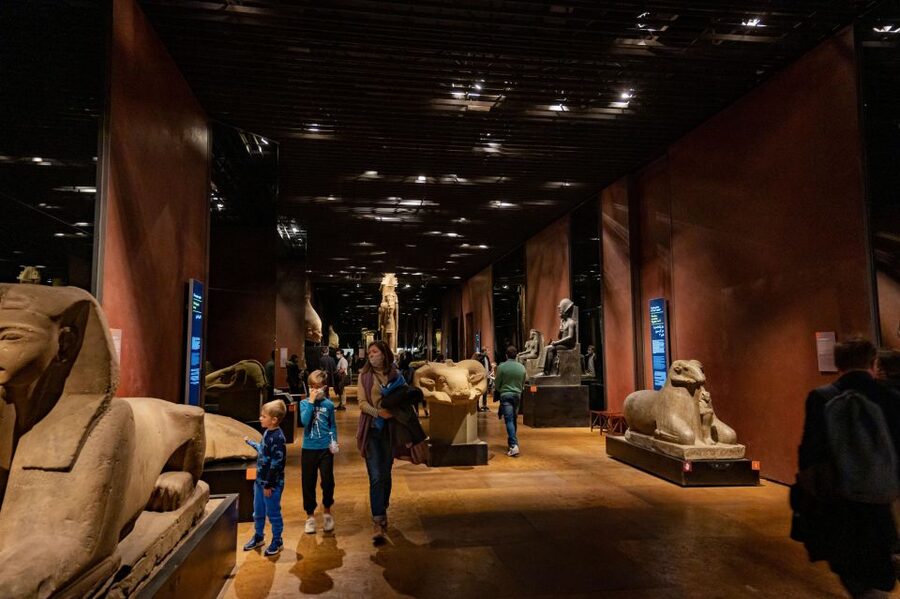
The Egyptian Museum in Turin, the Museo Egizio, is enormous in both collections and impact. Going alone can feel like a firehose. You walk into beautiful rooms, but your brain has no timeline to hold on to, and suddenly you are staring at labels instead of Egypt.
That is why I like this format. The tour is designed as a tight, guided route through the museum’s Egyptian story, with the exhibits laid out in time order. You get the “why” behind objects, not only the “what.” And because the group is small, your guide can actually stop, point, and explain without the usual rushing that happens in big tours.
This is also a smart length for your first visit. At 2 hours, you can see the major works and still have mental energy left to return afterward on your own if you want.
More museum halls from Turin to Palermo:
Meeting at Carignano Square and getting in quickly
You meet at Carignano Square, near the statue in the center of the square. The guide carries a Keys of Italy sign, so you can spot the group easily. The instruction is to arrive 15 minutes early, which matters because the entry process is time sensitive.
The “skip-the-line” part is more than convenience. Turin’s Egyptian Museum is popular, and the fastest way to ruin a great visit is to start with a long wait. With this tour, you enter using a special access ticket, which helps you start seeing real artifacts early, while your attention is fresh.
A small but important note: the museum rules are strict during the tour. You cannot bring cameras or large luggage, and you should expect no flash photography and no backpacks. Plan your day so you show up light.
The 2-hour route: a chronological walk through ancient Egypt
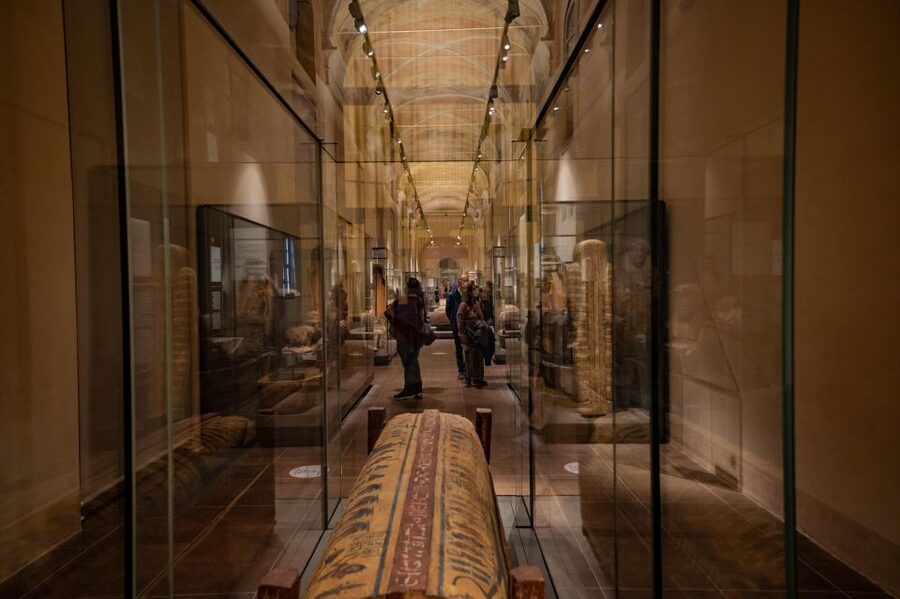
The tour follows a chronological path through Egyptian art and culture. The broad span runs from the 4th century BC into the 3rd century AD, which is a big jump in time. You are not just collecting facts. You are building a map of how styles, beliefs, and material life shifted over centuries.
Inside the galleries, the guide focuses on the most meaningful items. Expect stops that connect objects to people and practices, like how tomb-building worked and how Egyptians prepared the dead. You also get a sense of what daily life looked like through the smaller things, not only the famous big pieces.
This is where the small group matters. When you can ask a question and get a direct answer, the chronological flow clicks faster. Instead of memorizing dates, you start noticing patterns, like repeated themes in burial art and the kinds of items people considered worth keeping.
Tomb of Kha: why this stop is the heart of the tour
If you want one reason to book, it is the Tomb of Kha. This is a tomb built for a man connected with the pharaoh’s world, described here as a tomb builder to the pharaohs, dating to about 3,500 BC.
The best part of this stop is that it is not presented like a cold artifact. It is explained in a way that makes you understand why the tomb matters. You get to see the kind of burial context Egyptians expected, and how the tomb builder’s role fits into the larger system of royal funerary culture.
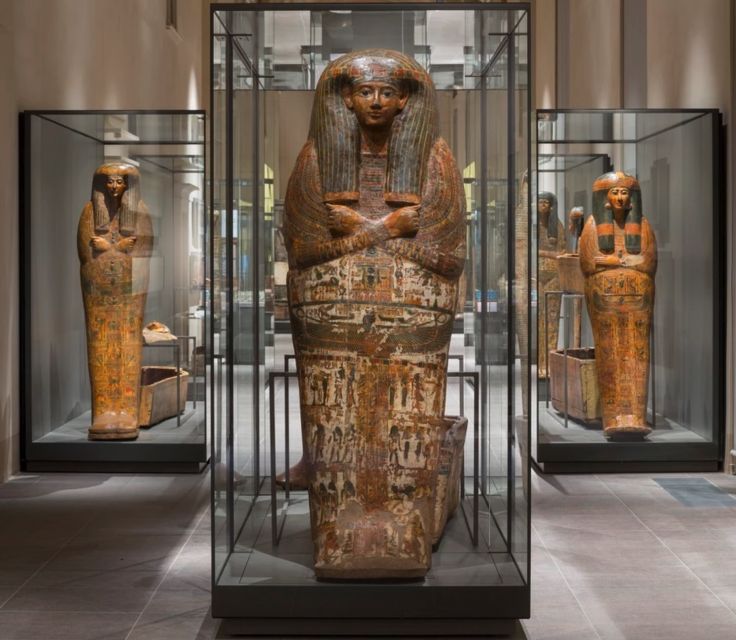
The tour also brings in a range of objects around the tomb theme, including sarcophagi, statues, sundries, and furniture. These are the kinds of items that make you feel the museum is not just about kings and wars. It is about what people believed they needed for the afterlife.
You also see some strikingly well-preserved items, including salted meat and a pottery bowl with remains of tamarind and grapes. These details can feel almost surreal in a museum setting, but they help you grasp how specific and practical the burial goods could be.
Introductions we still owe you around Turin
- Turin: Torino+Piemonte 2-Day City Card
★ 4.6 · 1,837 reviews - Turin: Magic Guided Tour
★ 4.6 · 1,447 reviews - Turin: Turin & Piedmont 3-Day City Card
★ 4.7 · 1,434 reviews - Turin: Hop-on Hop-off Bus Tour with 24 or 48-Hour Ticket
★ 4.2 · 941 reviews
Drovetti papyrus sheets: the quiet power of ancient writing
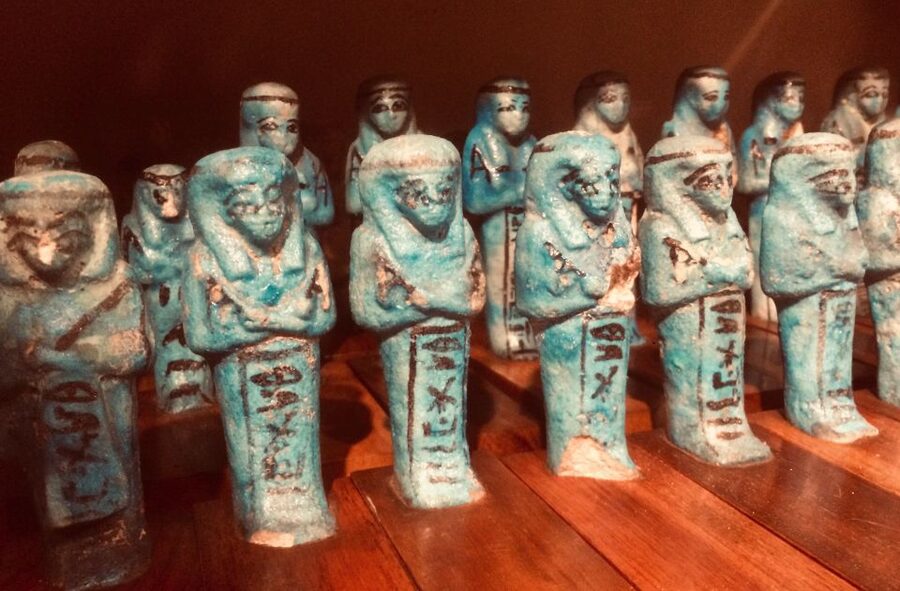
After the tomb-focused segment, the route shifts into one of the most fascinating parts of the Egyptian Museum: the Drovetti collection of papyrus sheets. This collection is described as being among the most important in the world, and the tour treats it with the attention it deserves.
Papyrus is easy to overlook if you think of ancient Egypt only in terms of statues and mummies. But papyrus is where the culture gets human in a different way. You see the medium that carried records, meaning, and voice.
In a timed tour, you have to choose highlights carefully, and this stop is a smart one. It gives you a change of pace from monumental objects, while still staying inside the same big theme of how Egyptian life and belief were preserved.
Ellesija temple: a rock-hewn monument, saved and moved
The final major highlight is the Ellesija temple, a rock-hewn temple more than 3,500 years old. You learn how it was built for Pharaoh Tuthmosis III, and you also get the story of how it survived the real-world threat of Nile flooding.
The tour includes the relocation detail: the temple was moved to Italy in 1966. That matters because it explains why you are standing in Turin looking at something that originally belonged to Egypt’s landscape.
This stop tends to land differently than the tomb or papyri. It feels more “place-based,” even though it is now in Italy. You get a tangible sense of scale and craftsmanship, and you leave with a clearer idea of how temples functioned as physical, built statements of power and faith.
How the semi-private format keeps your questions from getting lost
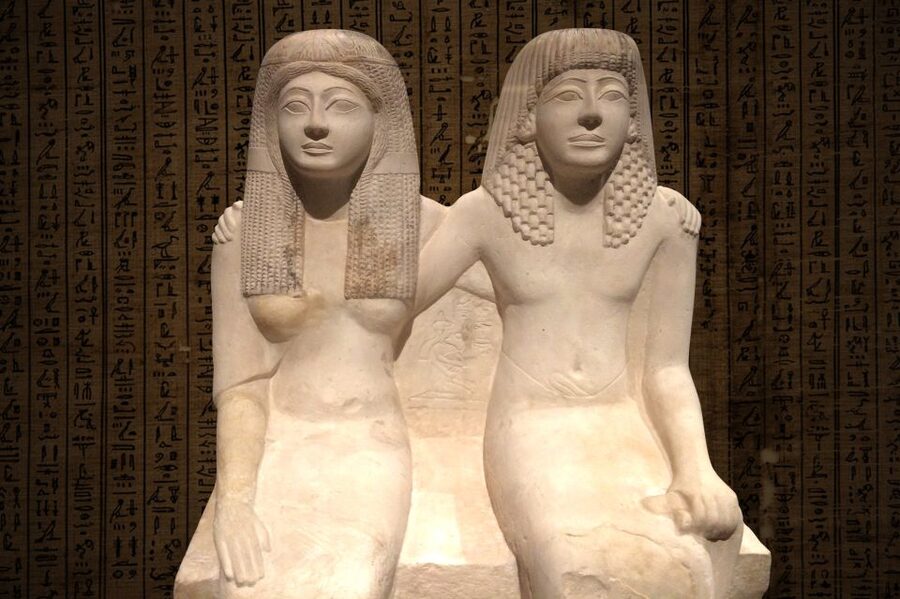
This is a small group experience limited to 9 participants, and it is described as monolingual, with language offerings including English, French, Spanish, and Italian.
That setup helps your guide control the pace. You are not competing with twenty voices for attention. People in the group can ask questions, and your guide can respond without rushing to the next room every 30 seconds.
There is also practical tech support: head set use for groups larger than 6. Museums can be echoey, and guides are talking while you look around. Headsets make the explanations easier to follow, especially in rooms with foot traffic.
One small downside you should consider: the tour is structured. Even if you have many questions, there is still a route to complete in 2 hours. So go in ready to enjoy the main highlights, and plan to return later if your goal is to read everything slowly.
Price and value: what $93 buys you in Turin
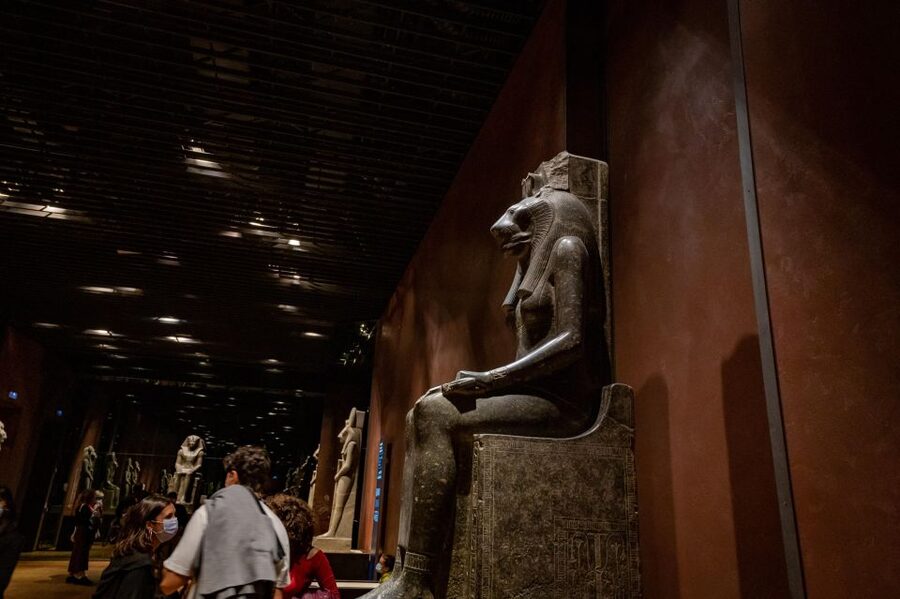
At $93 per person, this tour is not a budget add-on. So the key question is whether the experience saves you time and adds meaning.
Here, the value comes from three places:
- Skip-the-line entry. You start faster, which is real value in a timed city itinerary.
- Small group size. With a maximum of 9, you are paying for attention, not just access.
- Expert interpretation of major highlights. The route hits the Tomb of Kha, the Drovetti papyri, and the Ellesija temple, plus a guided thread through the museum’s chronological structure.
If you are the type who wants to connect objects to stories, a guide is usually worth it in a museum this big. If you only want to browse at your own pace and you are happy reading labels without discussion, you might prefer a self-guided visit. But if you want the museum to make sense quickly, this pricing can feel fair.
Also, you are not just seeing artifacts. You are learning how the collection is arranged and why those particular pieces matter, which is what makes a 2-hour visit feel complete.
Who this tour is best for, and who might want a different plan
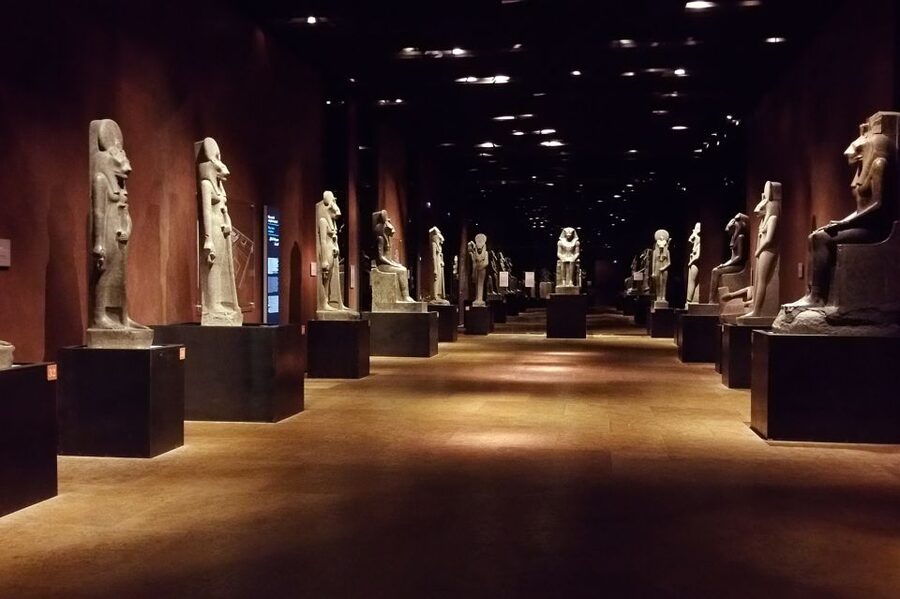
This tour is especially good if you:
- want a first-time introduction to Museo Egizio
- prefer a guide who can answer questions and explain burial and writing themes
- enjoy seeing well-chosen highlights in a short window
- travel in a small group and like the semi-private feel
It can be tougher for kids who need lots of freedom to move at their own pace. The tour is designed as a fixed 2-hour route, and the museum is big. If your child loves Egypt but struggles with structured museum time, you may want to plan a more flexible visit option where you can slow down or switch topics.
Should you book the Turin Egyptian Museum small-group skip-the-line tour?
Yes, book it if you want a clear, guided path through the best parts of Turin’s Egyptian Museum in 2 hours, with skip-the-line access and the chance to ask questions. The big reason to choose this one is the combination of small-group pacing and high-impact stops, especially the Tomb of Kha, the Drovetti papyrus sheets, and the Ellesija temple.
If you already know you want a very long museum day and you like to linger in rooms on your own, then you might skip the structured tour and self-guide instead. But for most visitors, this is a strong way to start. You leave with the timeline in your head, not just photos on your phone.
FAQ
How long is the Turin Egyptian Museum small-group skip-the-line tour?
The tour lasts about 2 hours.
How many people are in each group?
The group is limited to a maximum of 9 participants.
What languages are available for the guided tour?
The tour is offered in English, French, Spanish, and Italian.
Where do we meet for the tour?
You meet at Carignano Square, near the statue at the center of the square. The guide will have a Keys of Italy tour operator sign. Arrive 15 minutes early.
Does this tour include skip-the-line museum tickets?
Yes. You get a skip-the-line ticket for entry to the Egyptian Museum.
Is there a headset during the tour?
Head sets are included for groups larger than 6 guests.
What is not allowed inside the museum during the tour?
Cameras are not allowed, and you also cannot bring luggage or large bags, flash photography, or backpacks.
What sights are included in the guided route?
The tour includes the Tomb of Kha, the Drovetti collection of papyrus sheets, and the Ellesija temple, along with key Egyptian collections shown in chronological order.
Is the tour wheelchair accessible?
Yes, it is wheelchair accessible.
Is free cancellation and pay-later available?
Free cancellation is available up to 24 hours in advance for a full refund, and you can reserve now and pay later.
Just introduced: the newest Turin write-ups
- StreetFood D’Luxe Experience: Tastes of Turin | Semi-Private★ 5.0 · 371 reviews
- Turin: Egyptian Museum Skip-the-Line Group Tour★ 4.7 · 500 reviews
- Turin: Underground Tunnels Guided Tour★ 4.6 · 541 reviews
- Turin: Juventus Museum entry ticket & Stadium Tour★ 4.4 · 561 reviews
- Turin: Royal Palace Entry Ticket and Guided Tour★ 4.8 · 562 reviews
- Turin: Savoy Royal Palace Small Group Guided Tour★ 4.9 · 750 reviews
- Turin: Small-Group Walking Tour of Top City Highlights★ 4.8 · 839 reviews
Skip the Line, compared.
Skip-The-Line Uffizi Gallery Timed Entry Ticket
Read our review →
Vatican Museums & Sistine Chapel Skip-the-Line Entry Ticket
Read our review →
Skip-the-Line Group Tour of the Vatican, Sistine Chapel & St. Peter’s Basilica
Read our review →
Michelangelo’s David Skip-the-Line Entry Ticket
Read our review →
Vatican Museums & Sistine Chapel Skip-The-Line Ticket
Read our review →
Vatican, Sistine Chapel & St. Peter’s Skip-the-Line Tour
Read our review →
Skip-the-Line Vatican, Sistine Chapel & St. Peter’s | Small Group
Read our review →
Vatican: Vatican Museums Sistine Chapel Skip-the-Line Ticket
Read our review →Browse the lists this tour appears in