
Reviewed · GALLERIA BORGHESE TOURS
Borghese Gallery Guided Tour with Skip-the-Line Entry
Bernini drama, done efficiently and with expert guidance. This Borghese Gallery guided tour uses skip-the-line entry plus a small group so you can focus on the artwork instead of waiting outside with everyone else. It’s also one of the better ways to handle the gallery’s “big energy” in a tight timeframe, especially when a guide like Martina or Francesca sets a clear, room-by-room pace.
I love that you get headsets if needed, which matters in marble rooms where voices can get lost. I also like that the tour keeps you moving through key works across the gallery’s collection, not just one or two “poster” masterpieces. One possible consideration: entry is tightly regulated and late arrivals won’t be accommodated, so you’ll want to show up early and accept that some rooms may be closed for refurbishment.
In This Review
- Key things that make this tour work
- Skip-the-line at the Galleria Borghese, without wasting your 2 hours
- Piazzale Scipione Borghese start, small-group flow, and headsets
- How the guide turns sculptures into stories (and why the order matters)
- The highlight circuit: from Apollo e Daphne to David
- Stop 1: Apollo e Daphne (about 20 minutes)
- Stop 2: Pauline Bonaparte as Venus Victrix (about 20 minutes)
- Stop 3: Two Busts of Cardinal Scipione Borghese (about 15 minutes)
- Stop 4: Truth Unveiled by Time (about 15 minutes)
- Stop 5: David (about 20 minutes)
- Price and value: does $91.95 make sense?
- When rooms close for refurbishment or access changes
- Who should book this tour, and who might skip it
- Should you book this Borghese Gallery guided tour?
- FAQ
- Where is the meeting point for the Borghese Gallery guided tour?
- How long does the tour last?
- Is skip-the-line entry included?
- What group size should I expect?
- Is the tour offered in English, and are headsets provided?
- Do I need to bring a paper ticket?
- What happens if I arrive late?
- Could some areas of the gallery be closed?
Key things that make this tour work
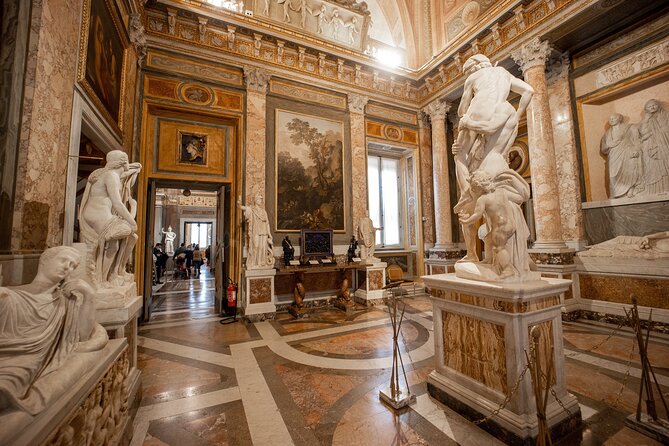
- Skip-the-line entry helps you protect your time inside this tightly timed museum.
- Small group, max 15 people keeps the vibe more personal than most big-group tours.
- Headsets included if needed make the commentary easier to follow in larger rooms.
- A highlight route across the gallery’s top rooms keeps you from missing the main sculptures.
- Real art-story connections, like Bernini’s mythology and symbolism, give the works context fast.
Skip-the-line at the Galleria Borghese, without wasting your 2 hours
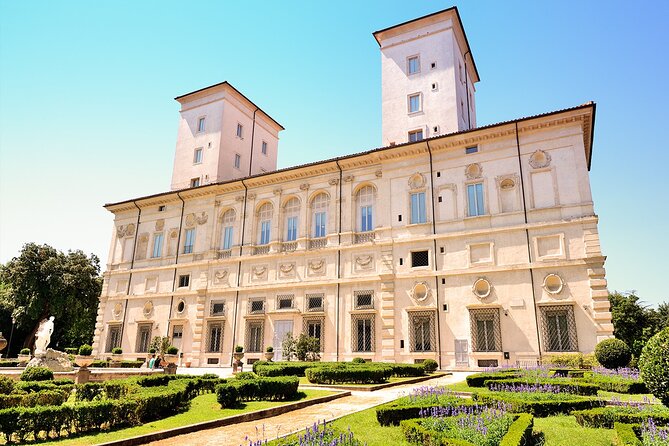
The Borghese is one of those Rome sights where the ticket system is the attraction. Entry is capped, and it’s the kind of place where a long queue can steal the best part of your visit, your attention. With this tour, skip-the-line entry is built in, so you can get inside and start seeing the work that made this gallery famous.
The practical win is that your time feels intentional. You have about 2 hours to cover highlights across the museum, and the tour is structured to keep you from drifting. For art lovers, that’s a big deal. For everyone else, it still helps, because the Borghese can feel like a lot if you try to do it alone without a plan.
Another smart detail is how the tour treats your listening. Headsets are available if needed, which helps when rooms are busy or when acoustics make voices harder to catch. I’m picky about audio, and in a sculpture museum, you really want to hear the story while you’re standing in front of the object.
The Borghese by timed slot, other ways:

Piazzale Scipione Borghese start, small-group flow, and headsets
You meet at Piazzale Scipione Borghese, 5, 00197 Rome, and the tour ends back at the same meeting point. It’s near public transportation, which is helpful because getting across Rome to timed museum entries can be a puzzle. Also, the tour runs as a semi-private group with a maximum of 15 travelers, so you get a calmer rhythm than the “herded” feeling that can happen at larger attractions.
This is an English-language tour, and it runs with a mobile ticket. In other words, you’re not standing around juggling paper and searching your phone right before your group line moves.
The best part of the small-group setup is the pace. The route includes multiple stops, each with a focused viewing time. You’re not meant to linger forever at one statue, but you also aren’t rushed through everything like a slideshow. In the best sessions, guides clearly map what you’re about to see, then point you to details while you’re still in front of them.
One caution is strict timing. Late arrivals will not be accommodated or refunded, and you should plan to arrive at least 15 minutes early. That’s not a “maybe.” The museum entry works as a group, and your tour starts only when everyone is accounted for.
How the guide turns sculptures into stories (and why the order matters)
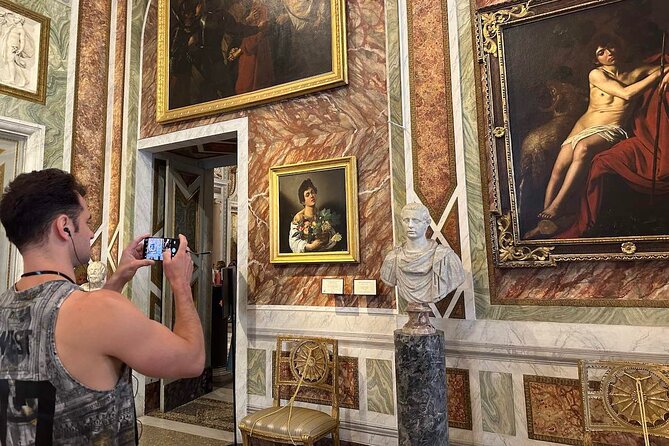
A guided Borghese visit is less about facts, more about connections. The Borghese Gallery is famous for dramatic sculpture, but without a guide, you can end up seeing the surface drama only. The guided approach gives you a framework, like: this was made for a specific purpose, it refers to mythology or scripture, and it uses emotion and motion to tell a moment in time.
The route also matters. The tour’s structure takes you through major works across the gallery in a logical sequence, so each stop builds on the last. You start with a sculpture that screams Baroque energy, then move to another work where politics and portraiture shape the myth, then shift toward Bernini portraits and finally land on the most recognizable power moments, like David.
Guides on this tour have earned strong praise for how they explain and pace the experience. People specifically highlighted guides such as Martina, Francesca, Lorenzo, Serena, and Stephanie for making the art feel real, not distant. You can also see why headsets matter here: when the guide is linking symbolism to what you’re seeing, missing a few sentences can make the whole explanation harder to follow.
The other “hidden value” is confidence. After an organized tour like this, you’ll know what to look for if you want to linger afterward on your own. Even if you don’t add extra time inside, you’ll leave with a much stronger mental map of the collection.
The highlight circuit: from Apollo e Daphne to David
This tour focuses on big, recognizable masterpieces. You move through key stops with set viewing times, and each stop is designed to help you notice the details that make these works more than just famous names.
More museum halls from Turin to Palermo:
- Vatican: Museums & Sistine Chapel Entrance Ticket
★ 4.5 · 144,003 reviews - Vatican Museums & Sistine Chapel Tour with Optional Basilica
★ 4.3 · 67,413 reviews - Vatican Museums, Sistine Chapel & St Peter’s Basilica Guided Tour
★ 4.5 · 39,149 reviews - Rome: Vatican Museums, Sistine Chapel & Basilica Tour
★ 4.3 · 13,872 reviews
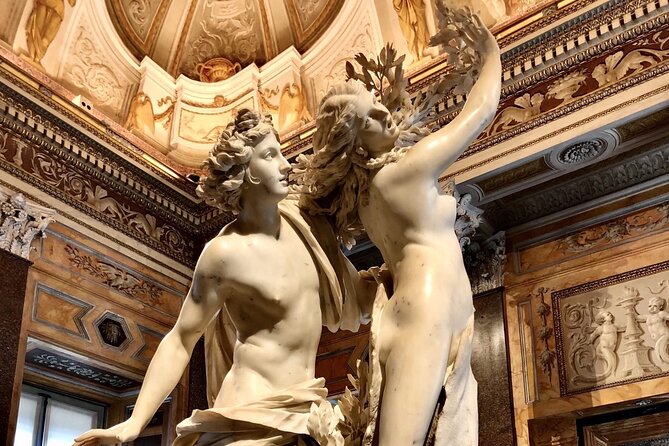
Stop 1: Apollo e Daphne (about 20 minutes)
This is marble sculpture in the Baroque style, life-size, created by Gian Lorenzo Bernini and executed between 1622 and 1625. It shows the culmination of Apollo and Daphne’s story as retold in Ovid’s Metamorphoses, where obsession turns into transformation.
What makes this stop special is the “in-between” feeling. You’re not just looking at a finished scene. The sculpture captures a moment that feels mid-action: tension, urgency, and physical motion. With a good guide, you get pointed toward how Bernini uses posture and expression to make myth feel immediate.
Stop 2: Pauline Bonaparte as Venus Victrix (about 20 minutes)
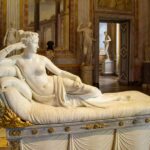
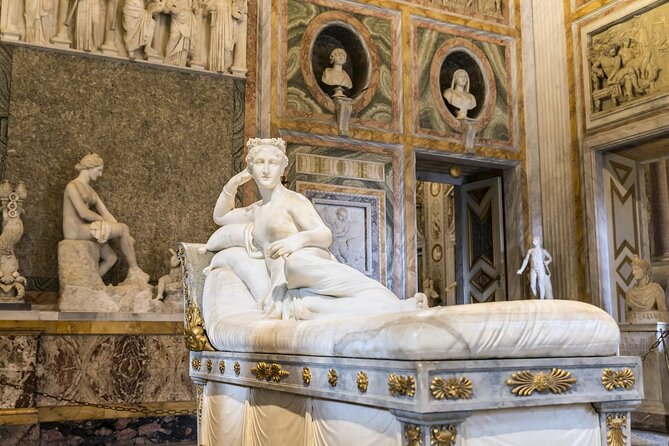
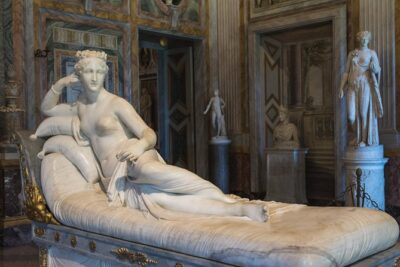
Next comes Antonio Canova’s neo-Classical portrait sculpture of Pauline Bonaparte as Venus Victrix (also known as Venus Victorious). It’s a semi-nude, life-size work commissioned by Camillo Borghese, created in Rome from 1805 to 1808 after Pauline married into the Borghese circle.
This is where the gallery shifts from pure myth-drama into politics and image-making. The title tells you it’s Venus, but the commission tells you it’s also power, propaganda, and self-fashioning. And there’s a cool added thread to the story: the sculpture later moved from Camillo’s house in Turin to Genoa before arriving at the Borghese Gallery around 1838.
Stop 3: Two Busts of Cardinal Scipione Borghese (about 15 minutes)
Then you step into portrait authority. These are marble portrait sculptures by Bernini from 1632, showing Cardinal Scipione Borghese in two versions. It’s a shorter stop, but it’s a meaningful pivot: the tour reminds you that in the Borghese, “drama” isn’t only in the myth scenes. It’s also in the way faces, status, and charisma are carved in stone.
If you like the craftsmanship side of art history, this stop pays attention to how likeness can still feel theatrical, even when the subject is seated and still. It’s also a chance to compare how Bernini handles emotion through different sculptural languages.
Stop 4: Truth Unveiled by Time (about 15 minutes)
This Bernini sculpture was executed between 1646 and 1652. The idea is allegorical: Truth is shown as a naked young woman being unveiled by Time, who appears above. The twist is that the Time figure originally described in Bernini’s intention was not executed right away, and later Bernini added the Time element in 1665.
This stop matters because it teaches you how to read sculpture as a set of choices, not just a final product. With the right commentary, you start seeing the work as a conversation between intention, revision, and symbolism. You also get a better sense of how myth and allegory are used to make abstract themes feel human.
Stop 5: David (about 20 minutes)
Finally, the tour lands on Bernini’s David, life-size and made for the Borghese Gallery. Cardinal Scipione Borghese commissioned it, and it was completed in about seven months, from 1623 to 1624. The subject is biblical: David about to throw the stone that will bring down Goliath, enabling David to behead him.
This is one of those moments where you can feel the sculpture’s purpose. Bernini’s David is not calm. It’s charged. It’s the body preparing for violence, and the expression locked on focus. If you go with a guide, you’ll get pointed toward how Bernini turns a battle into a second of anticipation, and why that’s such a powerful visual strategy.
Price and value: does $91.95 make sense?
At $91.95 per person, this tour isn’t the cheapest way to see the Borghese. But it’s also not trying to be. The real value is time protection and interpretation.
First, you’re buying skip-the-line entry. If you’ve ever lost an hour to museum queues in Rome, you already understand how quickly the day can slip away. Second, the museum entry here is regulated. That means your group timing matters, and waiting around in the wrong place can hurt your whole slot.
Second, you’re getting a route that hits major stops within a structured semi-private group size. If you tried to plan the “top five” alone, you’d still spend time figuring out what to prioritize, and you might miss details that make the works click.
Third, the tour includes entrance fees and headsets if needed, which cuts down on extra costs once you’re already in Rome. And the tour runs for about two hours, which is a sweet spot. Long enough to feel educated, short enough to keep your legs from turning to noodles.
If you’re traveling solo and want to reduce decision fatigue, this is a strong buy. If you already know every Bernini fact and you want to wander slowly, you might feel the structure is limiting. But for most people, it’s a good balance: you see the core, learn the story, and still have space to explore later if you want.
When rooms close for refurbishment or access changes
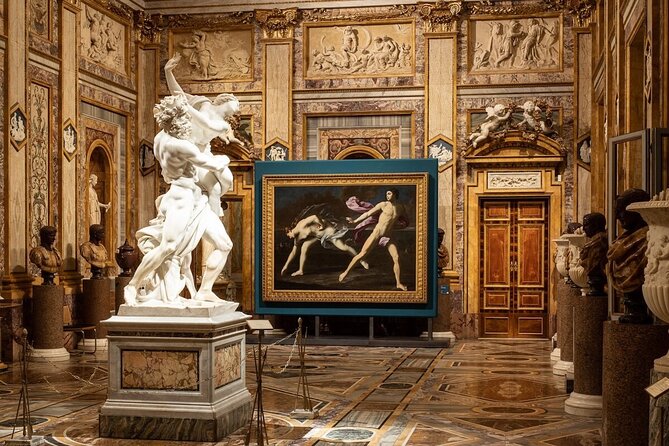
The Borghese is a living museum, and the operator notes that some rooms may be closed due to refurbishment. That means your exact lineup could vary slightly. Also, during the Jubilee period, monuments and access routes can be under restoration, so routes and approaches may change.
So how should you handle this as a visitor? Don’t assume you’ll see everything on your personal wish list. Instead, treat this tour as a smart highlight route through the gallery’s most important works. Even if a room is unavailable, you’ll still get the central sculptures and the interpretive thread that helps you make sense of what you do see.
One more reality check: this tour’s value depends on being on time. Since late arrivals aren’t accommodated, your best contingency plan is simple, arrive early, and confirm any message updates before you head out.
Who should book this tour, and who might skip it
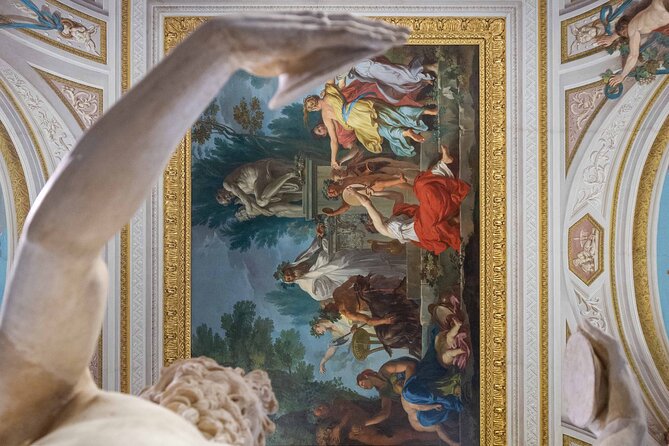
Book this tour if you want the easiest path to a high-impact Borghese visit. It’s ideal for first-timers who want a clear set of highlights, and for art lovers who care about symbolism, technique, and story behind the sculptures. The small group size, headsets, and guided pacing are especially helpful if you don’t want to spend time making decisions at the entrance.
It’s also a good match if you like the feeling of an art-history lesson with momentum. The praise for guides often mentions pacing, clear explanations, and an engaging delivery, including guides who made Bernini and Caravaggio feel connected rather than separate.
Consider skipping this specific tour if you strongly prefer total freedom to linger without time limits, or if you’re sensitive to the idea that a two-hour structure won’t let you stop and stare for as long as you want at one piece.
Should you book this Borghese Gallery guided tour?
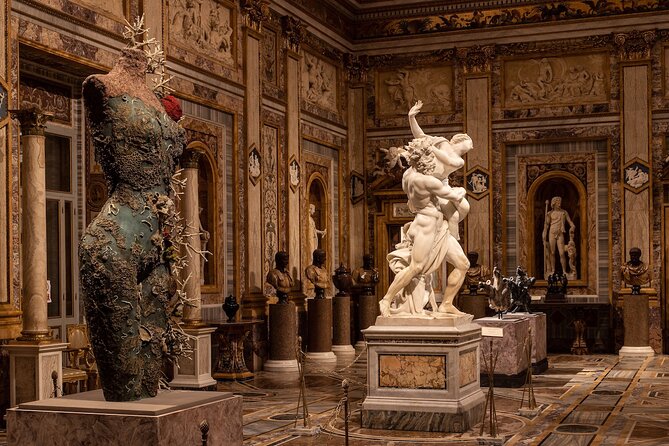
Yes, if your goal is to see the Borghese’s headline sculptures in a smart, guided way. The skip-the-line entry and small-group setup make your two hours feel well spent, and the tour’s focus on major works like Bernini’s Apollo e Daphne and David plus key pieces like Canova’s Venus Victrix gives you a visit with built-in meaning, not just photo stops.
If you’re the type who already knows the story behind these masterpieces and wants maximum quiet time, you might be happier with self-guided planning. But for most visitors, paying for a guide here is the shortest route to understanding why the Borghese is still on everyone’s Rome “must” list.
FAQ
Where is the meeting point for the Borghese Gallery guided tour?
The tour starts at Piazzale Scipione Borghese, 5, 00197 Roma RM, Italy, and it ends back at the same meeting point.
How long does the tour last?
The Borghese Gallery guided tour lasts about 2 hours.
Is skip-the-line entry included?
Yes. Skip-the-line entry is included so you can avoid the long queues.
What group size should I expect?
This is a semi-private tour with a maximum of 15 travelers.
Is the tour offered in English, and are headsets provided?
The tour is offered in English, and headsets are provided if needed so you can hear the guide.
Do I need to bring a paper ticket?
No. The tour uses a mobile ticket.
What happens if I arrive late?
Late arrivals are not accommodated and are not refunded. Aim to arrive at least 15 minutes before the scheduled departure time.
Could some areas of the gallery be closed?
Yes. Some rooms of the gallery might be closed due to refurbishment works, and access routes could change during the Jubilee, so check your messages for updates before you go.
Just introduced: the newest Rome write-ups
- Excavation Tour to the Tomb of St. Peter’s & St. Peter’s Basilica★ 4.0 · 183 reviews
- Imperial Rome and External Colosseum Tour★ 5.0 · 183 reviews
- Rome: Rooftop Cooking Class with Wine Tasting near Vatican★ 5.0 · 184 reviews
- Rome to Civitavecchia Cruise Port Transfer★ 5.0 · 184 reviews
- Ancient Rome and Colosseum Private Tour with Underground Chambers and Arena★ 4.5 · 184 reviews
- Rome: Vatican Museums & Sistine Chapel Skip-the-Line Ticket★ 4.1 · 185 reviews
- Borghese Gallery Max 6 People Tour: Baroque & Renaissance in Rome★ 5.0 · 185 reviews
Galleria Borghese Tours, compared.

Borghese Gallery and Gardens Guided Small-Group Tour
Read our review →
Borghese Gallery Guided Tour with Skip-the-Line Entry
Read our review →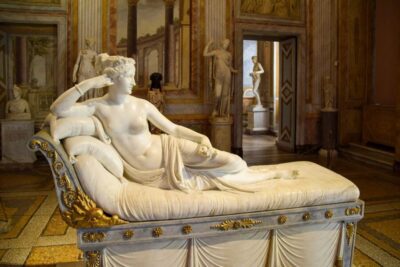
Borghese Gallery Skip-the-Line Tickets with Audioguide
Read our review →
Borghese Gallery Entry Ticket & Optional Guided Tour
Read our review →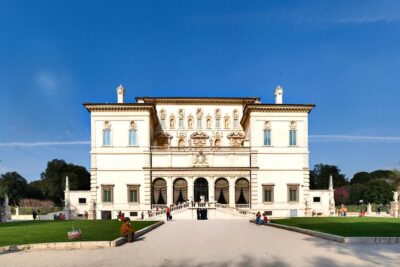
Borghese Gallery & Gardens Small Group Guided Tour
Read our review →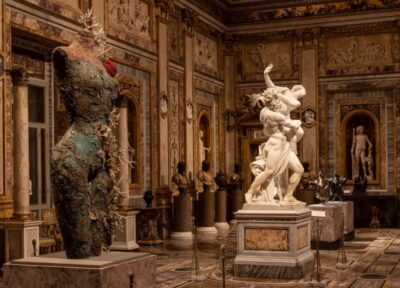
Borghese Gallery, Canova’s Masterpieces Skip-the-Line Guided Tour
Read our review →
Browse the lists this tour appears in