
Reviewed · WALKING TOURS
Cagliari: Walking Tour of the Old City
Cagliari has layers, and you can walk them. This old-city route focuses on Castello and the fortress feeling above the sea, with a live guide who connects the places to the people who built them. It is the kind of tour where the streets make sense fast, and even the quiet corners feel meaningful.
What I especially like is the way the tour gives you real context, not just names. When guides such as Valentina, Silvia, Ilenia, Maggie, or Roberto take over, the history lands in plain language and you get time to look closely at what you are seeing. One consideration: this walk is not for everyone, with tight streets, climbs, and steps that make it challenging if you have mobility issues.
In This Review
- Key highlights worth your attention
- Cagliari Old Town in a Nutshell: Castello Views and Storytelling
- Picking Your 2 to 4 Hour Slot (and the Underground Option)
- Entering Castello: Narrow Lanes, Medieval Towers, and Bastions
- The Cathedral Area and the Dress Code Reality Check
- Panoramas You Can Actually Use: Molentargius and Devil’s Saddle
- How the History Layers Fit Together, Phoenicians to Later Rule
- Pace, Steps, and Comfort: What This Walk Feels Like
- Price and Value at Around $25: What You Get for the Money
- Tips I’d Use Before You Go
- Should You Book This Cagliari Old City Walking Tour?
- FAQ
- How long is the Cagliari old city walking tour?
- What is included in the walking tour?
- Does the tour include an underground option?
- What languages are available?
- Where does the tour start?
- Are there morning and afternoon tours?
- Do you need special attire for the cathedral?
- Is the tour wheelchair accessible?
Key highlights worth your attention
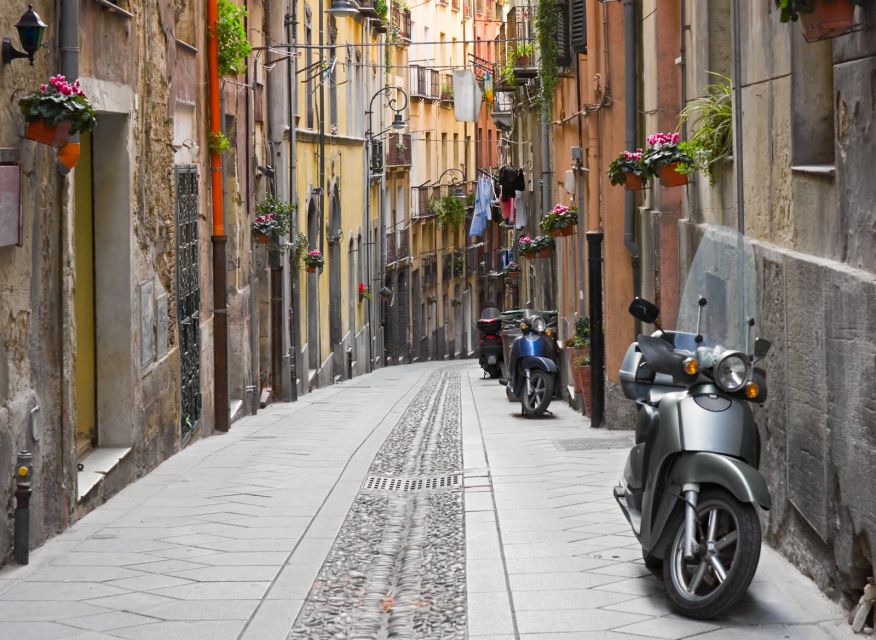
- Narrow Castello streets that feel like a living museum
- Sea and city panoramas from the higher spots
- History in layers, from Phoenicians to Romans to later foreign rule
- Cathedral interiors with a dress code to plan around
- Molentargius Park and Devil’s Saddle viewpoints
- English or Italian guide options, plus a snack if you choose it
Cagliari Old Town in a Nutshell: Castello Views and Storytelling

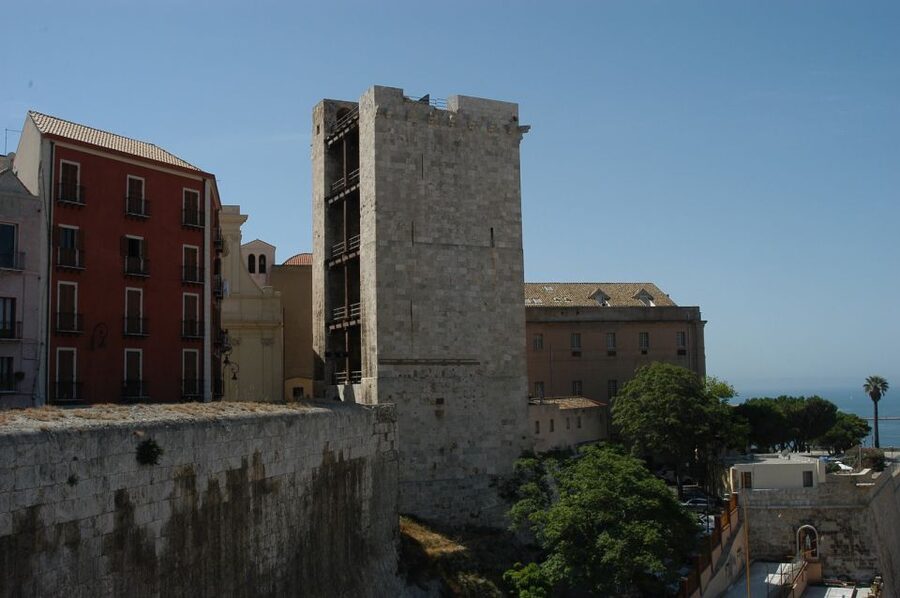
Cagliari’s old district sits like a watchtower over the water. The Castello area is where you see the city’s defensive layout, medieval towers, and the kind of stone architecture that makes you slow down without meaning to. Even before any big landmark, you get that sense that you are walking through different eras at once.
The tour’s best trick is simple: it keeps you moving, but it also keeps you oriented. You do not just pass by things. You learn why they are there and how they connect. That is where a great guide makes the difference, and names like Valentina, Silvia, Ilenia, Maggie, and Roberto come up for a reason, they explain clearly and keep the tone relaxed.
The other win is that the route is paced for sightseeing. You will have multiple chances to stop for views, not just a photo sprint, and the sea is part of the story the whole time.
More Italy at street level:


Picking Your 2 to 4 Hour Slot (and the Underground Option)
This experience runs 2 to 4 hours, with options that let you choose how much time you want in the old streets. If you are short on time, a shorter option helps you get the main themes without committing the whole morning or afternoon. If you want more, the longer end of the range gives you room for extra stops and more breathing space between climbs.
You will also see a mention of a possible underground component depending on the option you select. If that matters to you, choose the duration that explicitly includes it, then plan your footwear like you mean it. Underground sections usually change the feel of the tour, cooler air, different surfaces, and a shift from views to history you can almost touch.
Morning and afternoon departures are available. I like that flexibility because Cagliari can feel different depending on the light, and you can match your tour to your energy level.
Entering Castello: Narrow Lanes, Medieval Towers, and Bastions

Castello is the heart of the old city, and the walking tour uses it for maximum impact. You go through the narrow streets that make you feel how the city was designed for defense and close community life. Expect bends, stairs, and little sightlines that appear only if you turn at the right moment.
As you walk, you pass medieval towers and bastions. These are not random ruins. They show how Cagliari shaped itself around the fortress idea, with structures built to control movement and protect the sea-facing side. The guide helps connect those physical forms to historical periods, so you understand what you are looking at instead of just guessing.
You also get stops around the royal palace area and the city’s cathedral zone. The tour treats these as anchors, points you can mentally map the rest of the route onto. It is a smart approach, especially if you want to come back later on your own and recognize what you missed.
The Cathedral Area and the Dress Code Reality Check
Cagliari’s cathedral is part of the walk, and that matters because the tour includes time that can involve interior viewing. The tour notes that you need proper attire to visit inside the cathedral. That means you should pack or plan clothing that respects church interiors, shoulders and knees are usually the practical concern in places like this, even if the exact rule is not spelled out here.
If you arrive in summer gear that feels too casual, you can end up spending extra time figuring out what to do. So I suggest you treat the dress code as part of your planning, not an afterthought.
Even if your group is not doing a long church stop, the cathedral exterior and surrounding space help you understand the city’s “sacred center” logic. Guides typically explain how that role shifted over time, which keeps the moment from feeling like a checkbox.
Introductions we still owe you around Sardinia
- From Sardinia: La Maddalena Archipelago Full-Day Boat Tour
★ 4.6 · 4,980 reviews - Golfo Aranci: Eco-Friendly Dolphin Watching Boat Trip
★ 4.8 · 2,846 reviews - Sardinia: La Maddalena Archipelago Full-Day Trip by Boat
★ 4.6 · 2,710 reviews - From Palau: La Maddalena Islands Full-Day Trip by Boat
★ 4.4 · 2,414 reviews
Panoramas You Can Actually Use: Molentargius and Devil’s Saddle
The tour is not only about stones and streets. It also builds in viewpoints where the city opens up. You will be guided to panoramic points in Castello that show the city and the sea, plus specific sights like Molentargius’ Park and the Devil’s Saddle.
Those named viewpoints are valuable because they give you context fast. Instead of a vague scenic stop, you get a reference point for what you will later see on maps and from other parts of town. That makes your overall Cagliari experience feel more connected.
Molentargius’ Park is especially interesting if you like seeing how cities and nature sit side by side. Devil’s Saddle adds a sense of character, a spot with a memorable name that helps you remember the shape of the coast and the way the terrain bends.
If you are a photo person, bring what you need, but also bring patience. Viewpoints work best when you pause long enough to take in scale, not just angles.
How the History Layers Fit Together, Phoenicians to Later Rule
Cagliari’s story starts long before the medieval buildings you see today. The tour frames the city’s origins with the Phoenician name Karalis, with settlement traces going back to the third millennium B.C. That early timeline matters because it explains why the site feels so continuously important.
Then the story evolves. During Roman times, the city became the capital of the island. In the Middle Ages, it became the seat of different foreign dominations, and you can still spot evidence of those influences in the old district. The value here is that you learn to read the city like a timeline. Buildings become clues, not decoration.
A good guide helps you understand transitions: what changed, what stayed, and why certain districts were favored over others. Guides like Silvia, Valentina, and Roberto are repeatedly praised for turning history into something you can follow without a textbook.
If you like cities where the past is visible without being staged, this is a strong match. Cagliari does not need dramatic lighting to feel layered. The stone and the layout do the work.
Pace, Steps, and Comfort: What This Walk Feels Like
You should treat this as a walking tour with serious movement. The route includes climbs and steps, and it is not recommended for people with mobility impairments. It is also not suitable for visually impaired people or wheelchair users. That is not just “comfort advice,” it is a clear signal that the route relies on stairs, narrow ways, and close-quarters walking.
Even if you are generally fit, plan for uneven surfaces and stop-and-start navigation in tight lanes. The positive reviews often mention that the tour runs for hours and still feels manageable, but that usually assumes you can handle the physical side.
The good news is that the tour is paced by a live guide. You will get guidance that helps you keep moving, and you get time to look inside churches when the route allows. Still, I would not describe it as a stroll. It is a city walk with elevation and steps.
Price and Value at Around $25: What You Get for the Money
At about $25 per person, this tour lands in the “worth it” category for most visitors because you are paying for two things that are hard to DIY on day one: a local guide and a structured route through the old city.
You get a walking tour with a local guide, and you can choose an option that includes a Sardinian snack. That snack detail is not huge, but it is the kind of small extra that makes the tour feel more like an experience than a circuit.
You also get the convenience of the route being organized for you. Castello can be confusing if you wander randomly, and you might miss the higher viewpoints that make Cagliari feel dramatic. With a guide, you spend your time looking outward at the sea and inward at the architecture, rather than trying to reverse-engineer the city.
If you prefer private time, a private group option is available. That can be a good move if your travel style is more conversational and less crowd-focused, but the standard tour format also works well if you just want a friendly expert to point things out.
Tips I’d Use Before You Go

Here are a few practical steps that help you enjoy this tour more, without overthinking it.
First, wear comfortable shoes. Castello streets tend to be narrow and sometimes steep, and you want stability more than style. Second, dress for church interiors if you want to go inside the cathedral, not later as a scramble.
Third, choose your duration based on your day plan. If you have other things booked, a shorter option keeps your schedule intact. If you want more viewpoints and a slower rhythm between stops, pick the longer end of the range.
Finally, if English or Italian matters to you, confirm which language the guide will use. This tour runs in dual language English and Italian, so you should be set either way, but it is still smart to align expectations.
Should You Book This Cagliari Old City Walking Tour?
Book it if you want Cagliari’s old city explained in a way that actually helps you see it. The mix of Castello street walking, sea-facing panoramas, and landmark stops like the royal palace area and cathedral makes it one of the more efficient ways to get your bearings. The guide quality seems to be a major strength, with names like Valentina, Silvia, Ilenia, Maggie, and Roberto showing up alongside praise for energy, humor, and clear cultural history.
Pass or rethink if you need a fully accessible route. This one is not suited to wheelchair users, people with mobility impairments, or visually impaired visitors. Also, if cathedral interior access is important to you, plan your clothing ahead.
If you can handle steps and you like history that connects to what you see right now, this tour is a solid way to spend a half day in Sardinia’s capital city.
FAQ
How long is the Cagliari old city walking tour?
It runs for 2 to 4 hours, depending on the option you choose.
What is included in the walking tour?
You get a walking tour with a local guide. A Sardinian snack is included only if you select the option that offers it.
Does the tour include an underground option?
The tour listing offers underground tour options in some durations, including 2-, 2.5-, 3-, or 4-hour choices. The exact underground portion depends on the option booked.
What languages are available?
The live guide provides English and Italian.
Where does the tour start?
The meeting point may vary depending on the option booked.
Are there morning and afternoon tours?
Yes, there are morning and afternoon options.
Do you need special attire for the cathedral?
Yes. Proper attire is required to visit the interior of the cathedral.
Is the tour wheelchair accessible?
No. This tour is not suitable for wheelchair users and is also not suitable for people with mobility impairments or visually impaired people.
Just introduced: the newest Sardinia write-ups
- Cagliari: Sailing Tour with 4 Stops, Snorkeling and Prosecco★ 4.8 · 341 reviews
- Cagliari Boat Tour 4 Stops .Possible Sighting of Dolphins★ 5.0 · 343 reviews
- Underground Cagliari tour★ 4.5 · 351 reviews
- Olbia: Dolphin Watching and Snorkeling Boat Tour★ 4.9 · 358 reviews
- Sailing day trip on Tall Ship Andrea Jensen with Lunch and Wine★ 5.0 · 360 reviews
- From Stintino: Half-day dinghy tour in Asinara Gulf★ 4.5 · 361 reviews
- 3-Catamaran from Cannigione to the islands of the Archipelago★ 5.0 · 364 reviews
Walking Tours, compared.
Guided Walking Tour & Last Supper Visit with Ticket
Read our review →

Rialto Bridge & Offbeat Unusual Venice Walking Tour
Read our review →
Private 3 hrs Venice Tour: St Mark’s, Walking tour & Boat tour
Read our review →

Skip the line: Uffizi and Accademia Small Group Walking Tour
Read our review →Browse the lists this tour appears in