
Reviewed · MILAN CITY TOURS
Learn to Cook Italian Recipes with an Italian Chef
Pasta from scratch, in just three hours. This Milan class with Chef and the City feels hands-on but relaxed, and the menu stays a surprise until you walk in. You will cook three classic Italian courses with a chef, then finish with dinner and Italian wine.
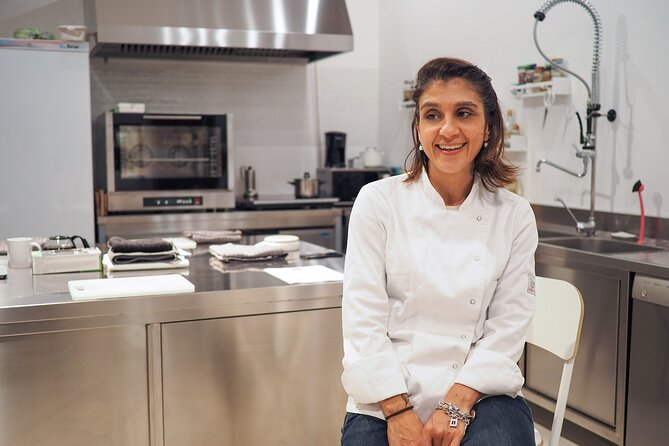
I love the way Chef Ilaria keeps the lesson practical, explaining how, when, and why each step matters. You also get direct assistance the whole time, with room to ask questions and take notes, then you sit down and eat what you made.
One consideration: because the dishes can change, you should be fine with not knowing every ingredient before class. Wine is part of the experience, but it is shared, so it is not set up like unlimited pours for everyone.
In This Review
- Key Highlights
- A Milan Italian Cooking Class Where the Menu Actually Changes
- Finding the Street-Level Kitchen Lab in Milan (and What to Bring)
- Your First Course: Bruschetta, Focaccia, Parmigiana, and More
- The Main Course: Fresh Pasta or Handmade Dumplings
- Dessert Class in Milan: Tiramisu, Cantucci, Pan Meino, and Chocolate Tortini
- The Dinner Moment: Wine, Coffee or Tea, and Eating Together
- Why the Small Group Size Makes a Difference
- Price and Value: What You Get for About $82
- Food Expectations: Authentic, Simple, and Still Easy to Follow
- Who Should Book This Cooking Class (and Who Might Skip It)
- Practical Tips to Get the Most Out of Your 3 Hours
- Should You Book Chef and the City for Italian Cooking in Milan?
- FAQ
- What dishes will we cook in this class?
- How long is the experience?
- Is the class offered in English?
- What is included in the price?
- Is wine included, and how does it work?
- Do I need to bring cooking tools or an apron?
- Where do we meet, and where does it end?
- Is there a limit on group size?
- Can I bring luggage or store it there?
Key Highlights
- Surprise menu: you learn the exact starter, pasta, and dessert only once class starts
- Hands-on teaching focused on process, not just recipes
- Small group by design, with a maximum of 20 and often a more intimate setup
- Cook, then eat, with your courses served at the end of the session
- Apprentice-style support: apron, tools, and guidance included
- Real Italian dinner add-on: wine with coffee or tea after
A Milan Italian Cooking Class Where the Menu Actually Changes
This is not one of those ticketed food classes where you book today and cook the same three dishes every day. In this kitchen, you learn the plan only when you arrive. That single twist makes the whole thing feel more like a real local class and less like a rehearsed demo.
The format also matters. You are not only watching someone else cook. You prepare three typical Italian dishes, usually covering a starter, a first course, and a dessert. And Chef Ilaria, and sometimes other chefs like Alessandro, keep the room in motion, with a teaching rhythm that is professional but not stiff.
I like that the class is designed for different comfort levels. The chef circulates, checks what you are doing, and helps when your technique needs adjusting. Even if you are not a home cook, you are still doing the work, not just standing by.
Introductions we still owe you around Milan

Finding the Street-Level Kitchen Lab in Milan (and What to Bring)
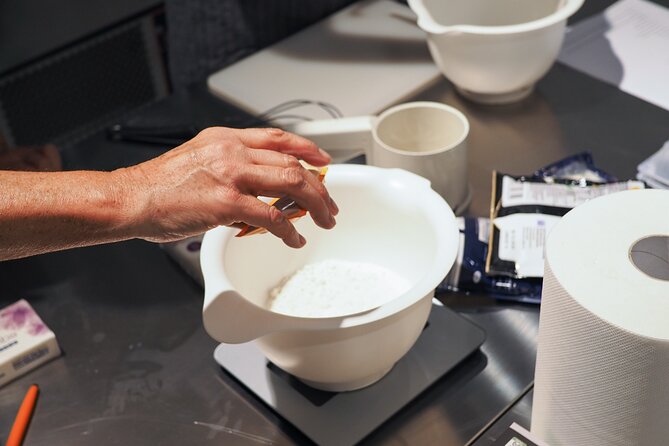
The meeting point is Via Laura Ciceri Visconti 4, 20137 Milano, and the activity ends back there. The kitchen lab sits at street level, and you look for the three windows with the red CHEF AND THE CITY sign. Ring the front door bell.
Two practical notes that help you enjoy the session more:
- You should travel light. Luggage storage is not included, and you are not supposed to carry luggage.
- Aim to arrive ready to cook. The kitchen includes an apron and the cooking tools, so you do not need to pack utensils or ingredients.
The space is near public transportation, which is a real advantage in Milan. If you are doing this as part of a day that also includes museums or aperitivo, it is easy to slot in without a big logistics headache.
Your First Course: Bruschetta, Focaccia, Parmigiana, and More
Starter time is where the class sets you up for success. You learn techniques that are basic, but not boring. Think fresh components, hands-on shaping, and that Italian focus on steps that stay consistent even when you repeat the recipe at home.
Depending on what the chef decides for your group, you might cook:
- Bruschetta, built from scratch ingredients and classic toppings
- Focaccia, where texture and handling matter as much as flavor
- Parmigiana, which also rewards patience and correct layering
The key here is the chef’s teaching style. You are not just following what looks right on a worksheet. You are learning how, when, and why each step affects the final result. That matters if you want to recreate the dishes later instead of relying on luck.
Also, everything is made by hand. When you learn in that way, you start noticing what the kitchen is teaching you: dough feel, sauce consistency, and simple timing cues that you would never get from a restaurant plate.
If you are the type who likes to understand the method, this part is a highlight. And it is a great warm-up, because it gets you used to the kitchen workflow before pasta and dessert kick in.
The Main Course: Fresh Pasta or Handmade Dumplings
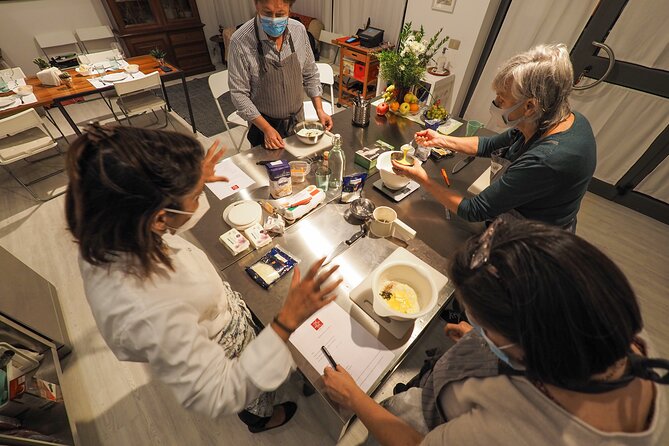
Then comes the star skill: handmade pasta. In class, you may make fresh pasta like gnocchi, tagliatelle, ravioli, or another traditional option. You will also work on the dressing or sauce together, so the main course is not just dough work.
What I like most is that you get both halves of the equation:
- you learn the mechanics of making the pasta or dumplings
- you learn how to combine it with a proper sauce
For many people, pasta making is either intimidating or completely mysterious. Here, it is treated like a series of small, doable steps. The chef’s direct assistance makes it less about talent and more about technique you can repeat.
In real terms, this is the kind of food lesson that sticks. If you leave with one win, leave with this: you now know how to get from ingredients to texture to the finished dish.
And because the class structure is hands-on, you are not stuck waiting for your turn. The kitchen is set up so everyone participates, and the group stays organized enough that the session flows.
Also on the Milan guest list:
- Milan: City Sightseeing Hop-On Hop-Off Bus with Audio Guide
★ 4.0 · 6,256 reviews - Milan Cathedral: Duomo Terraces Ticket (No Church Access)
★ 4.6 · 6,111 reviews - Milan: Milan Cathedral Direct Entrance – Terrace Excluded
★ 4.5 · 5,782 reviews - Milan: Guided Walking Tour & Last Supper Visit with Ticket
★ 4.7 · 5,409 reviews
Dessert Class in Milan: Tiramisu, Cantucci, Pan Meino, and Chocolate Tortini
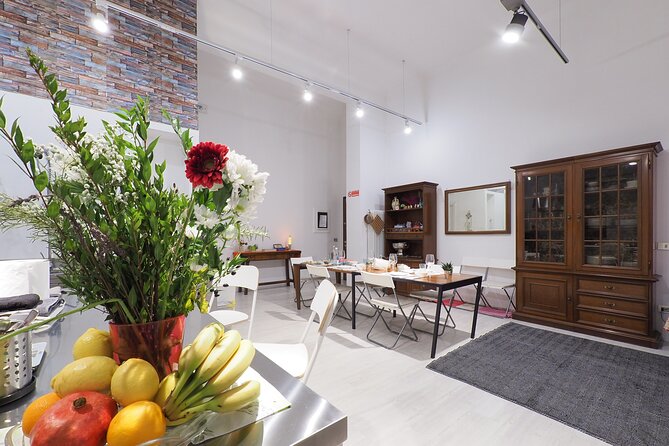
Dessert is where you see whether you actually learned. If the starter and pasta teach process, dessert teaches timing and consistency.
Your dessert could be classic tiramisu, Tuscan cantucci, Milanese pan meino, or chocolate tortini. The menu can vary, and you find out what you will make once class begins.
The experience is designed so you are not just eating sweets. You are building them. You learn how the components come together, and you get enough guidance to make the dish at home later.
This is also a chance to pick up small, practical details that do not always get taught in cooking videos. You start to understand how texture and moisture balance matters, and how dessert is not just mixing, it is assembly plus attention.
And yes, it is delicious. But the better part is that you walk away with the confidence to try again.
The Dinner Moment: Wine, Coffee or Tea, and Eating Together
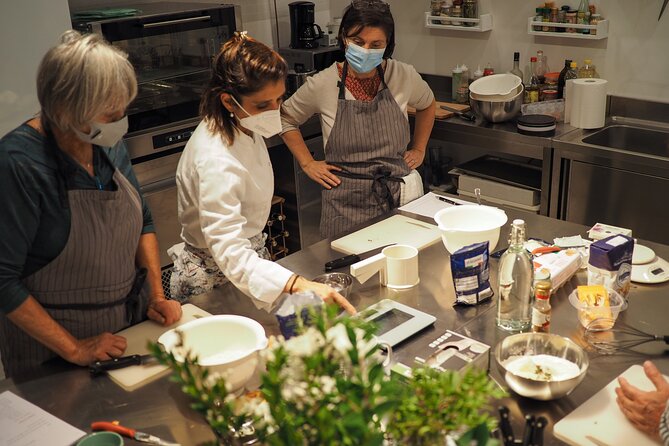
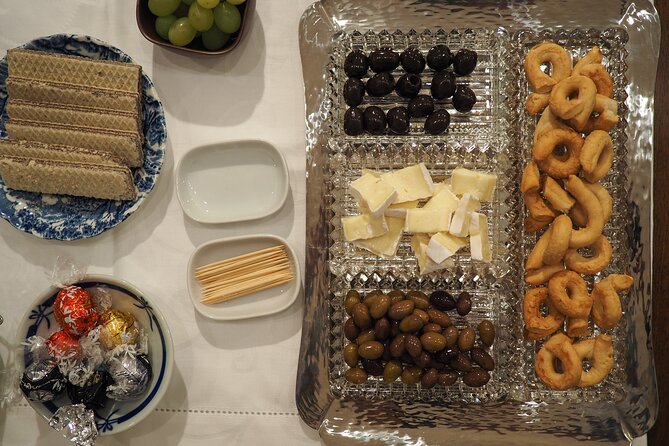
The experience ends with dinner accompanied by Italian wine. Included in the experience are welcome snacks, plus coffee and/or tea, and bottled water (still and sparkling). You eat what you cooked, as a proper finish.
About the wine: it is included as Italian wines and spirits, but it is not described as unlimited for everyone. One important detail that helps set expectations is that wine sharing is set up by bottle, not endless pours. So plan on wine with dinner as part of the included meal, and if you are a big drinker, you might want to budget for extra based on what is offered in the moment.
I actually like how this keeps the class grounded. You are there for cooking skills and a shared meal, not a party drinking setup. When the focus stays on food and technique, everyone tends to enjoy it more.
Another plus: the session is structured so you are not racing. You cook, you learn, and then you eat calmly. That makes the 3-hour timing feel like a satisfying workshop rather than a whirlwind.
Why the Small Group Size Makes a Difference
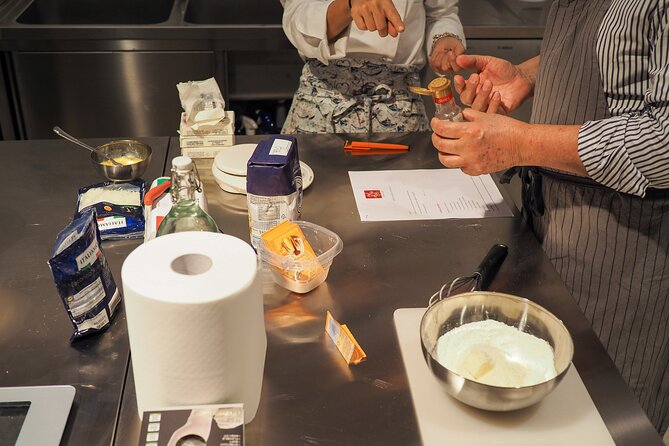
The class has a maximum of 20 travelers. In practice, the session often feels more intimate than that. When the group is smaller, your questions get answered faster, and you spend more time actually doing the work.
This is one of the main reasons this kind of class is worth it in a city like Milan. You do not want to spend your limited time in Italy watching other people cook.
Instead, you want feedback. You want a chef to notice when your dough is slightly off, your sauce needs another minute, or your dessert assembly is missing a step. With a group that stays manageable, the chef can guide you instead of rushing through instructions for the whole room.
Price and Value: What You Get for About $82
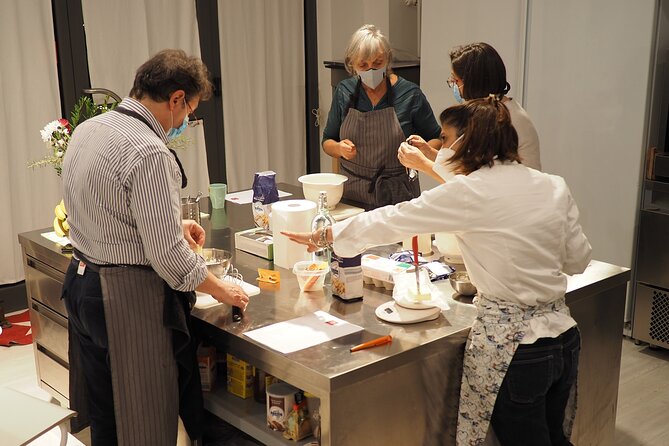
At $82.27 per person for about 3 hours, the value is strongest if you care about skills you can recreate at home. You are not just buying a meal. You are buying instruction, tools, and three courses worth of cooking.
What is included in the price:
- lunch and dinner
- welcome snacks
- an apron and all cooking tools
- Italian wine and spirits, plus coffee and/or tea
- bottled water (still and sparkling)
When you compare that to the cost of buying ingredients and paying for a longer private session, it becomes a smarter deal. You are also getting a chef’s guidance that would be hard to replace with online recipes alone.
This is also a good price point for people who want a real food experience without paying for a full private tour. With a group setting, you usually get the energy of a shared table, plus the practicality of hands-on teaching.
Food Expectations: Authentic, Simple, and Still Easy to Follow
One thing to be aware of: Italian cooking class food is often simple in ingredients but technical in execution. That is a good thing, but it can catch people off guard if they expect restaurant-style spectacle.
If you like food that is built around technique, this class is a win. You will learn classic combinations like bruschetta and pasta sauces, and you will make desserts that Italians actually bring out for everyday celebrations.
At the same time, not every plate will match your personal taste preferences. A few people prefer bolder flavors, less waiting time, and more talking during class. The overall tone is still friendly and collaborative, but it is a kitchen, so instruction needs to be audible and organized.
Who Should Book This Cooking Class (and Who Might Skip It)
This class is ideal if you:
- want an Italian cooking lesson in Milan that you can actually use at home
- enjoy hands-on learning and do not mind getting a little involved in prep work
- like a small-group dinner experience, not a lecture
- want English instruction and direct chef support
It may be less ideal if you:
- have a strong requirement for specific dishes every time, since the menu is a surprise
- expect wine to behave like unlimited service rather than shared inclusion
- want a very talky cooking party where instructions compete with conversation
Practical Tips to Get the Most Out of Your 3 Hours
Here is how to make the class feel effortless once you arrive:
- Plan to cook in the time given. The format is hands-on, and you will get the most out of it by following the step-by-step rhythm.
- Bring an open mind about the menu. You will still get a starter, a pasta or dumpling course, and a dessert.
- Ask questions when you need them. The chef is there to help, and you are meant to interact, take notes, and learn the reasoning behind steps.
- Save the big meal strategy for later. You eat during the experience, so do not overpack your schedule with a heavy lunch elsewhere right before class.
Also, pay attention to the basics: the kitchen lab has the sign on the front and uses a door bell, so do not assume you can walk in without the right approach.
Should You Book Chef and the City for Italian Cooking in Milan?
If your goal is a hands-on Italian cooking experience that ends with a real meal, I think this class is an easy yes. The surprise menu keeps it from feeling scripted, and the teaching style, with direct help and process-focused guidance, makes it practical rather than just entertaining.
I would book it if you want to leave Milan with more than photos, you want recipes you understand. If you want a specific dish no matter what, or you expect unlimited wine service, you should align your expectations first. For most people, though, cooking three classic courses, eating them with wine, and getting recipes at the end is exactly the kind of value that makes a city visit memorable.
FAQ
What dishes will we cook in this class?
You do not know the exact dishes until you arrive. The experience covers a starter, a first course, and a dessert, with sample options such as bruschetta or focaccia for starters, fresh pasta or handmade dumplings for the main course, and tiramisu or cantucci for dessert.
How long is the experience?
It runs for about 3 hours.
Is the class offered in English?
Yes, it is offered in English.
What is included in the price?
The price includes lunch and dinner, welcome snacks, an apron, all cooking tools, Italian wines and spirits, coffee and/or tea, and bottled water (natural and sparkling).
Is wine included, and how does it work?
Italian wines and spirits are included. Wine is shared as part of the experience rather than set up as unlimited pours for everyone.
Do I need to bring cooking tools or an apron?
No. Each participant is equipped with an apron, and all cooking tools are included.
Where do we meet, and where does it end?
You start at Via Laura Ciceri Visconti, 4, 20137 Milano MI, Italy, and the activity ends back at the same meeting point.
Is there a limit on group size?
Yes. The activity has a maximum of 20 travelers.
Can I bring luggage or store it there?
Luggage storage is not included, and you are forbidden to carry luggage.
Just introduced: the newest Milan write-ups
- Museum of Senses Milan admission ticket★ 3.9 · 188 reviews
- Skip-the-Line Duomo & La Scala Museum Tour + Hop On Hop Off★ 4.3 · 189 reviews
- Walking Food Tour of Milan with Tastings★ 4.5 · 194 reviews
- Milan: Fresh Pasta and Tiramisù Class in A Historical Home★ 4.9 · 195 reviews
- Milan:Lake Como, Lugano & Bellagio Day-Trip with Boat Cruise★ 4.5 · 210 reviews
- Inside Milan’s Duomo: Cathedral Tour with Optional Rooftop★ 4.5 · 210 reviews
- Milan: San Siro Stadium Entry Ticket and Optional Bus Ticket★ 4.1 · 212 reviews
Milan City Tours, compared.

Cathedral and Duomo’s Terraces Entrance Ticket
Read our review →
Science and Technology Leonardo da Vinci Museum Entry
Read our review →
City Sightseeing Hop-On Hop-Off Bus with Audio Guide
Read our review →
Milan Cathedral: Duomo Terraces Ticket (No Church Access)
Read our review →
Milan Cathedral Direct Entrance – Terrace Excluded
Read our review →
Guided Walking Tour & Last Supper Visit with Ticket
Read our review →
Fast-Track Milan Cathedral and Terraces Guided Tour
Read our review →Browse the lists this tour appears in