
Reviewed · AUDIO TOURS
Milan: City Sightseeing Hop-On Hop-Off Bus with Audio Guide
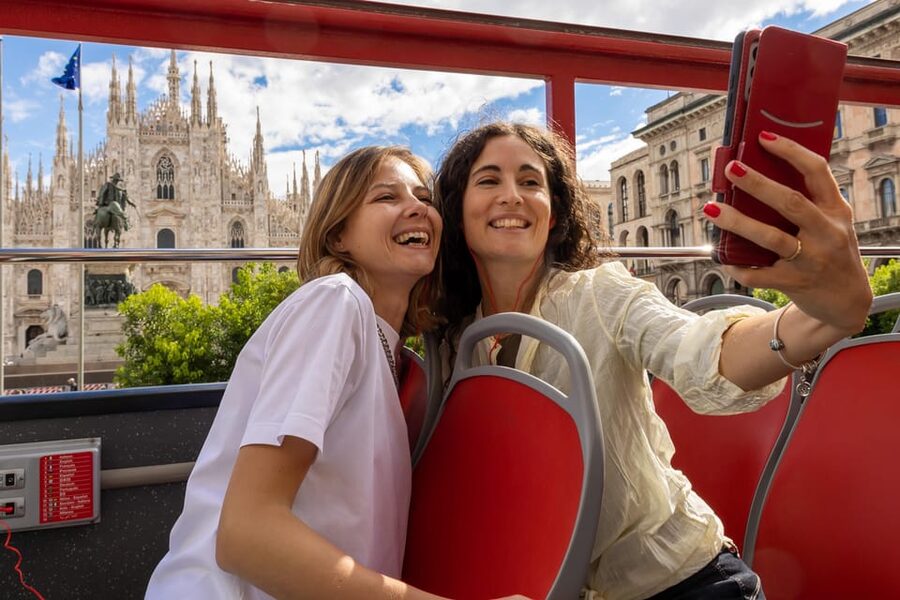
Milan is fast, and this bus slows you down. This open-top hop-on hop-off ticket lets you stitch together four connected routes, so you can choose your day without feeling trapped in a strict schedule.
I love two things most. First, the buses are frequent, the stops are easy to spot, and the on-site staff come off professional and helpful. Second, the audio guide tells stories beyond the postcards, including the Opera House and Castello Sforzesco, plus local food facts like Cotoletta alla Milanese and the history of panettone.
The one thing to watch is logistics. Foro Bonaparte can feel like a maze, and in Milan traffic the ride and transfers can be slower than you want, with occasional audio issues from specific seats.
In This Review
- Key highlights you will care about
- Milan from the top deck: why these 4 loops work so well
- Price and value: how $26 buys real flexibility
- Where to start: Foro Bonaparte for A, C, D, and Piazza Duomo for B
- Line-by-line Milan: what each route is best for
- Line A: Castello, Cenacolo, Duomo, Monte Napoleone
- Line B: Duomo to Centrale, plus Porta Venezia and St. Babila
- Line C: Castello to San Siro, City Life, and the Park Sempione area
- Line D: Castello, Cadorna, Cenacolo, Navigli, Piazza XXIV Maggio, Brera
- Audio guide that actually adds value, not just noise
- Onboard comfort and practical extras (Wi-Fi, maps, and kids audio)
- The real-world rhythm: frequency, transfers, and why timing feels different
- When things go wrong: audio glitches and stop-finding tips
- Seasonal changes and add-ons you should know
- Should you book this Milan hop-on hop-off bus pass?
- FAQ
- What is included with the Milan hop-on hop-off bus ticket?
- How long can I use the ticket?
- How much does it cost?
- Can I hop on and off at any stop?
- Where is the first stop for Lines A, C, and D?
- Where is the first stop for Line B?
- What languages is the audio available in?
- Are attraction tickets included?
- Is there onboard Wi-Fi?
- Are there any seasonal disruptions or special inclusions?
Key highlights you will care about
- Four connecting routes mean you can bounce between neighborhoods instead of just circling downtown
- Frequent, easy-to-use buses help you keep momentum, even with quick hop-offs
- Multilingual audio commentary in 10 languages, plus a kids audio option
- Onboard Wi-Fi and a city map so you can navigate while you ride
- Big sights, split into smart stop clusters like Duomo, Brera, Navigli, and San Siro
- A practical heads-up: meeting point confusion at Foro Bonaparte and traffic delays can add wait time
Milan from the top deck: why these 4 loops work so well
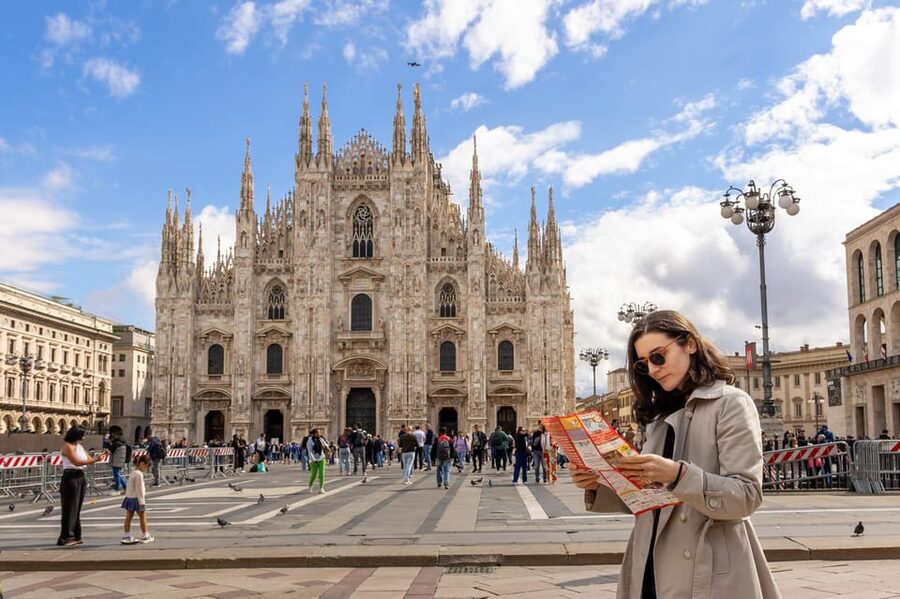
Milan can be surprisingly tiring if you try to “do it all” on foot. This bus pass is a smarter way to move, because it replaces constant walking with a simple routine: ride, look up, hop off when something grabs you, then hop back on when you are ready.
What makes it work especially well is the way the city is split across four loops. Instead of forcing you to choose between downtown icons and far-flung districts, you can mix and match stops. That matters because some of Milan’s best experiences are spread out: you might want the Duomo area in the morning, then Brera and canals later, and maybe even San Siro at the end of the day.
Introductions we still owe you around Milan
Price and value: how $26 buys real flexibility
At $26 per person, this is priced like a “get around and see the big stuff” ticket, not a guided private tour. The value comes from access to four bus lines over 1 to 3 days, which is where the real savings show up: you can cover multiple neighborhoods without committing to one long walking day.
Here’s the practical way to think about value. If you only have one day, you can still use the bus to hit the highlights quickly and then spend more time on what you care about. If you have two days, it gets easier to slow down and do the hop-offs with breathing room. Even one review suggested that while you can compress it, you will enjoy Milan more with at least two days to take your time.
And unlike a one-stop attraction ticket, you are buying a movement tool. That is what lets you adjust when you find yourself more interested in Brera than you expected, or you want to linger near the Navigli canal area.
Where to start: Foro Bonaparte for A, C, D, and Piazza Duomo for B
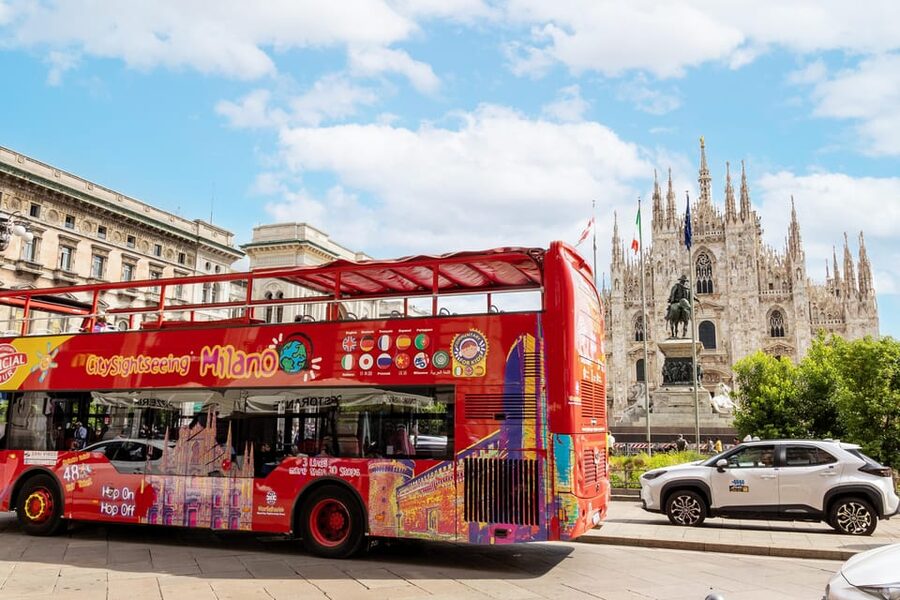
This matters more than people expect, because the wrong bus line can send you circling the city when you should be sightseeing.
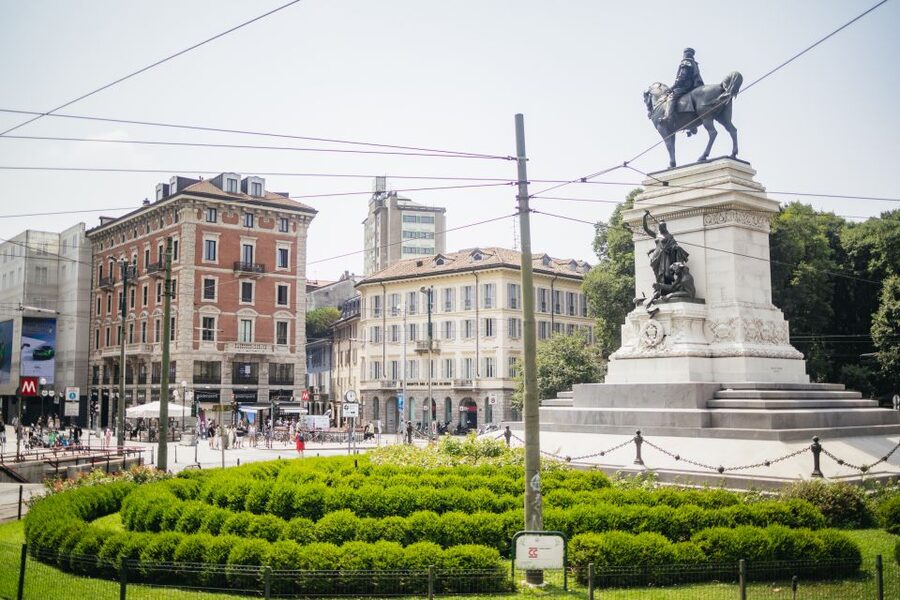
- For Lines A, C, and D, your first stop is Foro Bonaparte.
- For Line B, your first stop is Piazza Duomo.
One review made a point of how big Foro Bonaparte is. If you are meeting the bus using a photo or a vague landmark, it can cost you time. My advice: arrive a bit early, look for staff at the designated stop, and follow the stop signage rather than trying to locate an exact building from a distance.
Line-by-line Milan: what each route is best for
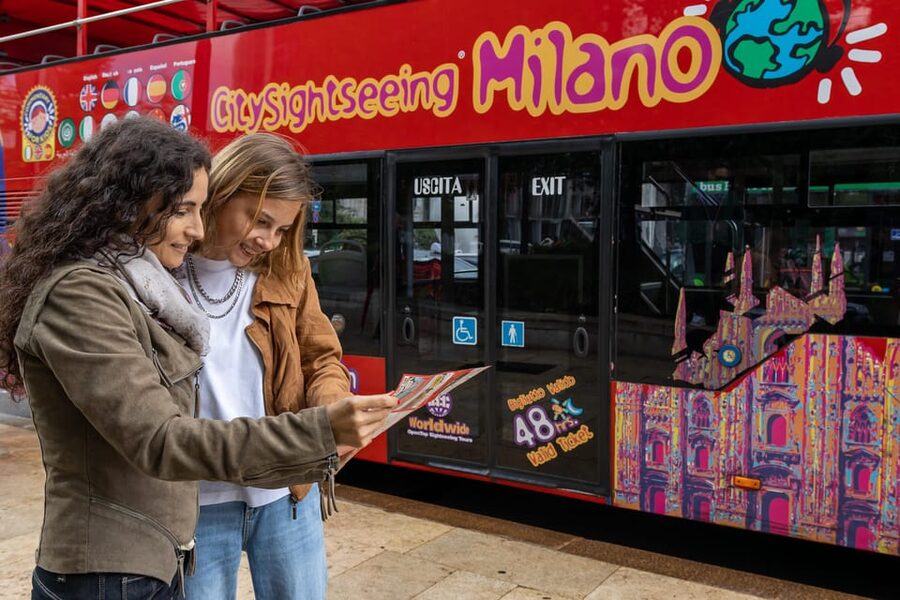
Each line has its own personality. You can use that to build a day that actually fits your interests. Below are the stops, plus what they give you in real life.
Also on the Milan guest list:
- Milan: Cathedral and Duomo’s Terraces Entrance Ticket
★ 4.6 · 61,054 reviews - Milan: Da Vinci’s Last Supper Guided Tour
★ 4.7 · 10,143 reviews - Milan: Science and Technology Leonardo da Vinci Museum Entry
★ 4.5 · 7,169 reviews - Milan Cathedral: Duomo Terraces Ticket (No Church Access)
★ 4.6 · 6,111 reviews
Line A: Castello, Cenacolo, Duomo, Monte Napoleone
Line A strings together classic Milan highlights, which is great if you want “first-time Milan” without getting lost.
Key stops to aim for:
- Castello: start near Milan’s castle area and the park zone nearby.
- Cenacolo: hop here if you want to connect the bus with the famous Last Supper area.
- Duomo: this is your main gateway to the cathedral square area.
- Monte Napoleone: a good move for upscale shopping streets and elegant streetscapes.
- Moscova and Manin: helpful for transitioning toward central-but-not-too-central streets.
If you are only riding one day, this line is often the “sights first” option. Just be ready for the most crowded area of the system around the Duomo zone.
Line B: Duomo to Centrale, plus Porta Venezia and St. Babila
Line B is your bridge between the Duomo area and the larger transport districts, with a few residential-style neighborhoods mixed in.
Stops to watch:
- Duomo: yes, it returns here, which makes transfers convenient.
- Repubblica: an easy connection point for central Milan.
- Palazzo Lombardia: modern city skyline views from the bus.
- Stazione Centrale: useful if you are staying near the main rail hub.
- Buenos Aires and Porta Venezia: areas that feel more neighborhood-like for walking and browsing.
- San Babila: convenient for hitting central shopping and restaurant zones.
This is a strong line if you want a mix of big center sights and areas where you might want to stop for a meal. It is also handy if you need to move between where you are staying and where you want to go.
Line C: Castello to San Siro, City Life, and the Park Sempione area
Line C is your “wider Milan” line. It reaches newer districts and also reaches far enough for a serious change in scenery.
Major stops:
- Castello: again, a logical starting anchor.
- Triennale: good if you like design and museum culture.
- Arco della Pace: a memorable landmark for photos and an easy orientation point.
- City Life: modern skyline views, a change from the old center.
- Casa Milan: connects to the football culture side of the city.
- Mico – Congress Centre: a useful stop if you are exploring that zone.
- Stadio San Siro: this is the big one for football fans.
- Parco Sempione: a natural way to land back near the classic park area for a breather.
If your itinerary includes a stadium stop, Line C is the most direct fit. And if you enjoy contrast, this line gives you the “old Milan to new Milan” shift without you needing to plan complicated transfers.
One review mentioned being able to see a lot of Milan even with limited time by using more than one line in a day, and Line C is often part of that strategy because it expands your reach.
Line D: Castello, Cadorna, Cenacolo, Navigli, Piazza XXIV Maggio, Brera
Line D is the best match for the Milan vibe most people picture after they land: canals, artsy streets, and a late-afternoon energy.
Stops that matter most:
- Castello and Cadorna: useful for crossing between key areas.
- Cenacolo: handy if you are pairing the museum world with a bus-first day.
- Navigli and Piazza XXIV Maggio: this is your canal and evening-hangout zone.
- Duomo: it still connects back to the center, which makes your hop plan flexible.
- Monte Napoleone: easy connection for elegant streets.
- Brera: one of Milan’s most pleasant areas to wander for art, small streets, and cafés.
Line D is where you get to plan for the kind of Milan evening that is not just walking from one landmark to the next. Even if you do not have a formal reservation, hopping off here gives you options.
Audio guide that actually adds value, not just noise
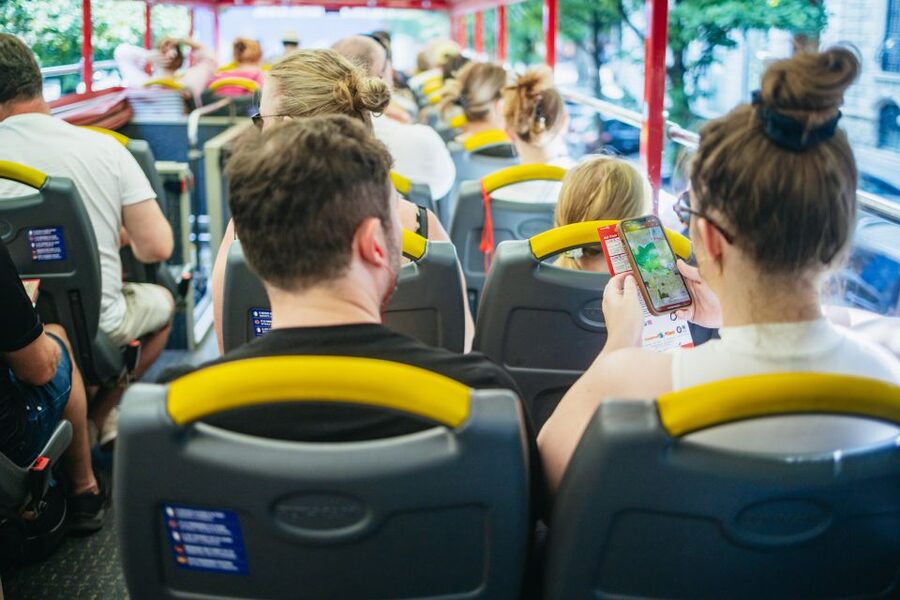
The audio is a core reason to choose this over a simple hop-on hop-off bus without narration. You get commentary in 10 languages, plus a dedicated kids audio option. On top of the usual architectural facts, the guide includes story-style details that make the ride feel more like learning than just passing by buildings.
A few of the topics you can listen for:
- Opera House facts while you glide by the theater area
- Castello Sforzesco details when the bus approaches the castle zone
- Food stories like Cotoletta alla Milanese and the history of panettone
This is especially helpful if you have limited time and you want quick context while you commute between stops. It is also a nice way to keep kids engaged without everyone staring at the same view out the window.
Onboard comfort and practical extras (Wi-Fi, maps, and kids audio)
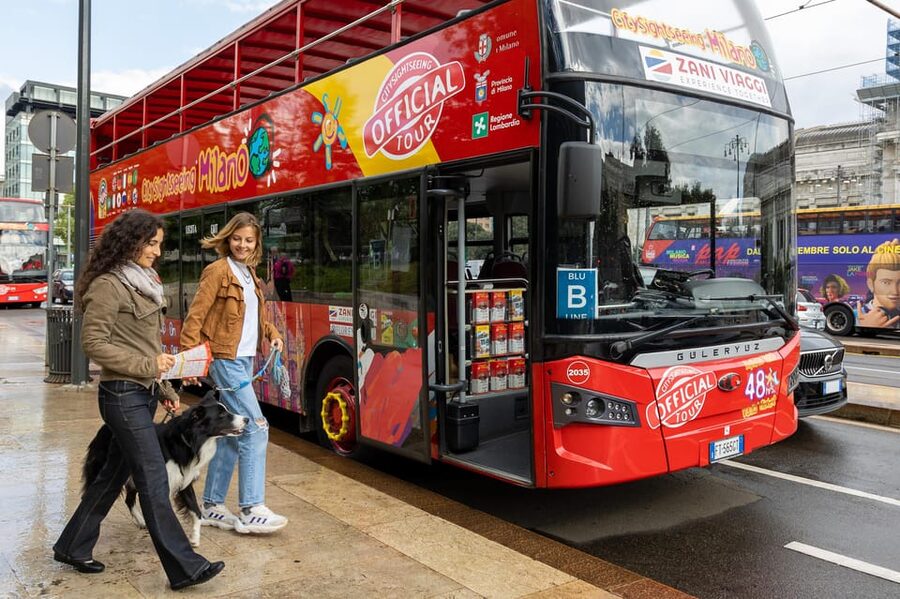
This ticket includes a few small-but-useful touches.
- Wi-Fi onboard, which you can use for maps, restaurant searches, or quick message updates
- A city tour map, which helps you see where you are in relation to the stops
- Special audio commentary for children, so the bus ride does not become just waiting time
When you combine those with the open-top views, you get an easy rhythm: ride for sights, look at your map when you want to plan, then hop off when you are ready to walk.
The real-world rhythm: frequency, transfers, and why timing feels different
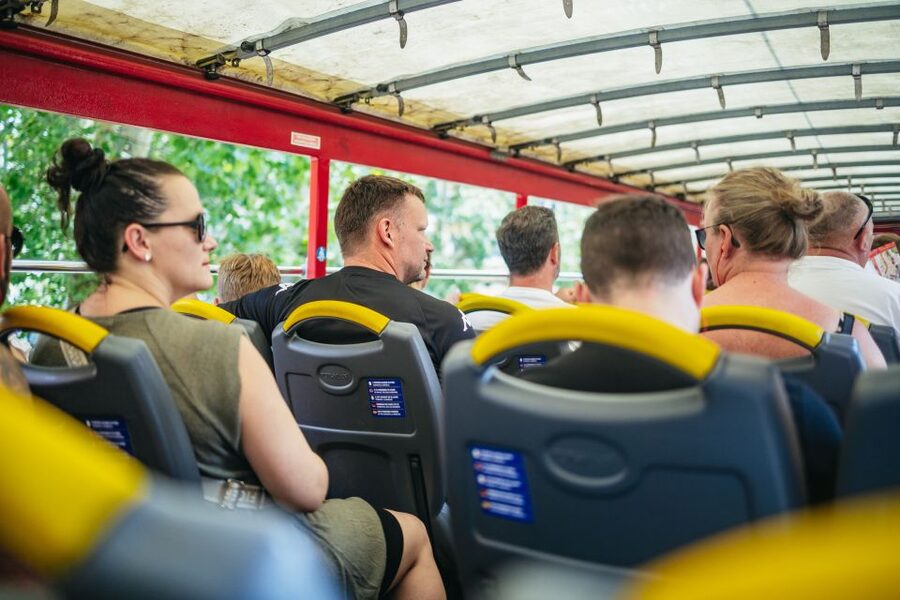
Most of the praise in the feedback points to how usable the system is once you are on it. Buses are described as frequent, stops as easy to find, and staff as professional.
Still, Milan traffic is Milan traffic. One review noted that waiting between transfers can feel long, and another pointed out delays when buses get stuck in traffic lights. If you are trying to do several hop-offs in a tight window, build in some slack.
Also, when you transfer onto another line, buses can get packed. That can make it a little harder to grab a good seat or find a quiet spot for audio. Plan to stand by your stop area early during transfers.
When things go wrong: audio glitches and stop-finding tips
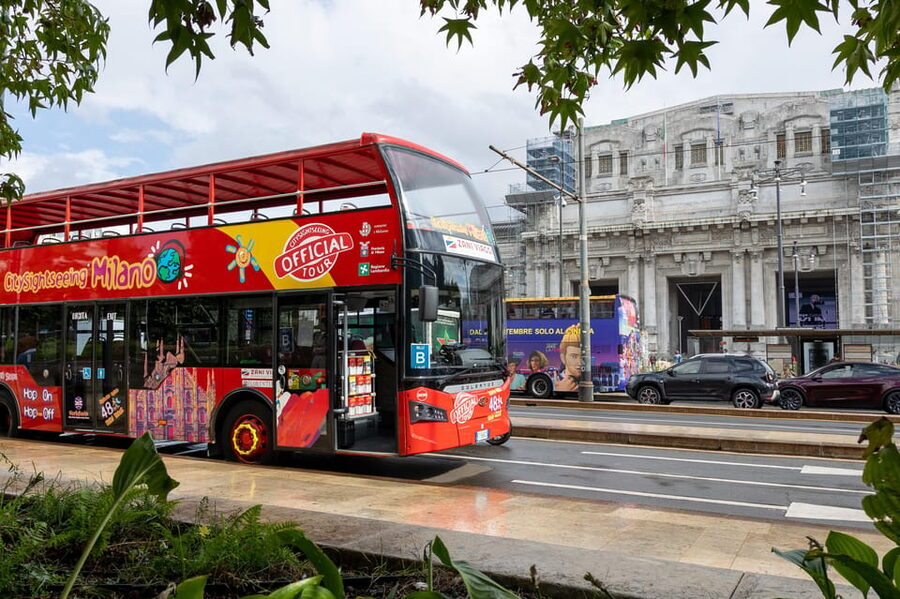
No system is perfect, and a few hiccups came up.
Two issues showed up:
- Some seats had audio problems. In at least one case, the audio plug did not work at a specific seat, but someone could switch seats and fix it.
- The Foro Bonaparte start can be confusing because it is large. A simple direction like which corner or a clearer landmark would have made it quicker.
My advice is practical:
- If your audio is not working, switch seats if you can, or ask staff for help right away.
- Get to the stop a bit early at Foro Bonaparte so you can locate the correct spot calmly before buses start moving through.
Seasonal changes and add-ons you should know
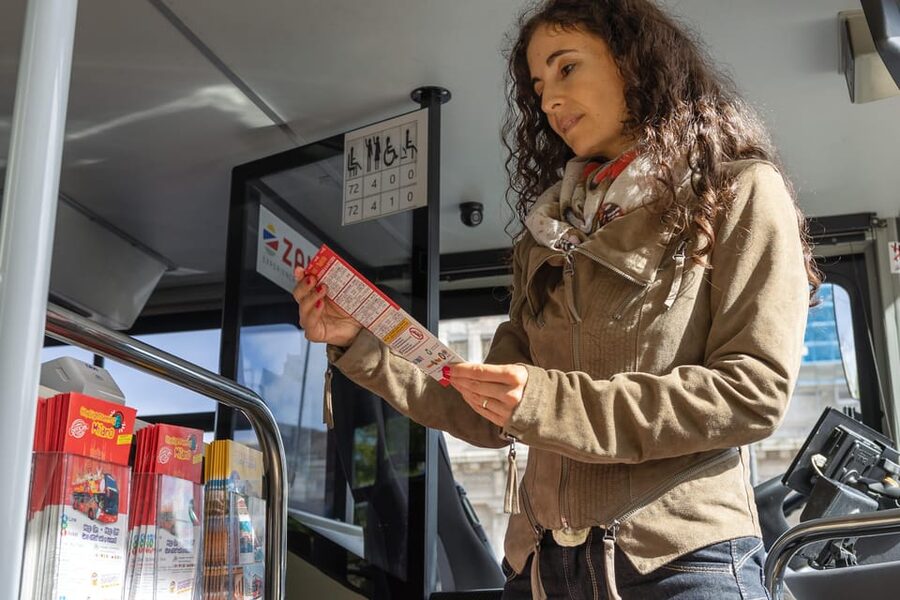
There are a couple of important date-related notes you should check before you go.
- If you buy a 72-hour rate valid for the weekend (Saturday and Sunday) during June to September, the Milan Night Tour is included.
- During the Winter Olympic Games, disruptions are possible. One specific note says Green Line Stop n.2 will be closed for all Winter Olympic Games.
- On Saturday, February 21, Stop Castello will be suspended.
If you are traveling during those windows, do not assume every stop will operate normally. Quick checking before you leave saves disappointment.
Should you book this Milan hop-on hop-off bus pass?
Book it if you want a low-stress way to cover a lot of Milan with control. This is especially smart for first-time visitors, people with limited time, or anyone who hates the “all day walking” plan.
I would also book it if you care about structure. The audio guide, the map, and the four connected lines help you build a day around your priorities, whether that is the Duomo area, the canal neighborhoods near Navigli, or a stadium stop at San Siro.
Skip it or think twice if you only want one or two sights and you already know you will walk everywhere from your hotel. A couple of comments suggested route overlap and repeated sights across circuits, so if you are trying to maximize novelty at each hop, you will want to plan carefully and not just ride every line back-to-back.
Bottom line: for most people, the value is in the flexibility. You can use the bus as your orientation tool on day one, then return on foot where you actually want to linger. That is how this pass turns Milan from a checklist into a day that feels yours.
FAQ
What is included with the Milan hop-on hop-off bus ticket?
Your ticket includes access to 4 bus lines, multilingual audio commentary (plus a children’s audio option), Wi-Fi onboard, a city tour map, and a free walking tour in the mobile app in 5 languages.
How long can I use the ticket?
The pass is listed for 1 to 3 days. You can check availability to see the starting times.
How much does it cost?
The price is listed as $26 per person.
Can I hop on and off at any stop?
Yes. The ticket is a hop-on hop-off format, so you can jump off at designated stops and get back on at stops on the connected routes.
Where is the first stop for Lines A, C, and D?
For Lines A, C, and D, your first stop is Foro Bonaparte.
Where is the first stop for Line B?
For Line B, your first stop is Piazza Duomo.
What languages is the audio available in?
Audio commentary is listed in Spanish, Chinese, English, French, German, Italian, Russian, Portuguese, Japanese, and Arabic.
Are attraction tickets included?
No. Attraction tickets are not included.
Is there onboard Wi-Fi?
Yes. Wi-Fi onboard is included.
Are there any seasonal disruptions or special inclusions?
For June to September, a 72-hour weekend rate (Saturday and Sunday) includes the Milan Night Tour. During the Winter Olympic Games, there may be disruptions, including a closure noted for Green Line Stop n.2. Also, on Saturday, February 21, Stop Castello is suspended.
Just introduced: the newest Milan write-ups
- Milan Super Saver: Skip-the-line Duomo and Rooftop Tour★ 4.5 · 347 reviews
- Milan: Best of City Walking Tour with Last Supper Tickets★ 4.7 · 359 reviews
- Milan: Cathedral and Terraces Guided Tour with Tickets★ 4.8 · 362 reviews
- Milan: San Siro Stadium and Museum Self-Guided Tour★ 4.3 · 362 reviews
- Express Tour of the Last Supper in Milan I Small Group of Max 6★ 5.0 · 371 reviews
- La Scala Theatre and Museum Tour in Milan With Private Guide★ 3.5 · 384 reviews
- Venice Day Trip from Milan with Guided City Tour★ 4.0 · 383 reviews
Audio Tours, compared.

Colosseum & Forum with Audio Guide App -Optional Arena
Read our review →
Pantheon Fast-Track Ticket and Official Audio Guide
Read our review →
La Fenice Opera House Entry Ticket with Audio Guide
Read our review →
St. Peter’s Basilica & Dome Entry Ticket & Audio Tour
Read our review →
Cathedral & Brunelleschi’s Dome Ticket & Audio App
Read our review →
Michelangelo’s David Priority Ticket & Audio App
Read our review →
Uffizi Priority Ticket & Masterpieces Audio App
Read our review →Browse the lists this tour appears in