
Reviewed · MUSEUMS
Milan: Entrance Ticket to La Scala Theatre Museum
La Scala is more than an opera. This ticket lets you soak up the theatre-view moments and the 7-language audioguide in a well-paced museum, with the opera house itself adding serious wow factor. One watch-out: large bags are not allowed, and on some days rehearsals can affect how much of the main space you can see.
I like how the museum balances big names with objects you can actually picture on stage. It also helps that you’re in the center of Milan, a short walk from the Duomo area and the Vittorio Emanuele Gallery, so it fits neatly between classic sights. If you care about seeing the best possible interior views, check whether the theatre lights are on ahead of time.
In This Review
- Key highlights worth planning around
- La Scala Theatre Museum: smack in the center of Milan
- Price and timing: is $17 really good value?
- What’s included, and what to expect when you arrive
- Carry-on rules: luggage not allowed, use the cloakroom
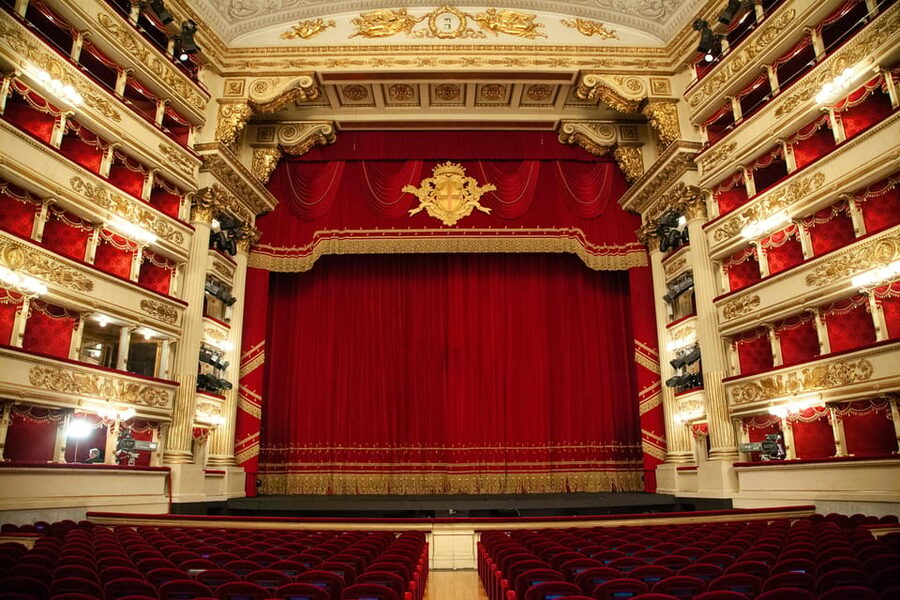
- First big moment: seeing the theatre interior (and why lighting matters)
- Museum walkthrough: costumes, sets, and instruments that make opera real
- Portraits and busts: the people behind the music
- Behind-the-scenes context: how productions evolved over time
- Best day for theatre views: plan your mindset
- Practical notes that help your visit feel smooth
- Who this La Scala museum ticket is best for
- Should you book this ticket?
- FAQ
- How much does the La Scala Theatre Museum entrance ticket cost?
- How long is the ticket valid?
- Is an audioguide included?
- What languages are available on the audioguide?
- Does the ticket include skip-the-line entry?
- Can I see the theatre interior, and does lighting affect visibility?
- Are large bags or luggage allowed inside?
- Is the museum wheelchair accessible?
- What is the cancellation policy?
Key highlights worth planning around
- Skip-the-line entry, so you spend more time inside and less time waiting outside
- App audioguide in 7 languages, easy to use as you move from room to room
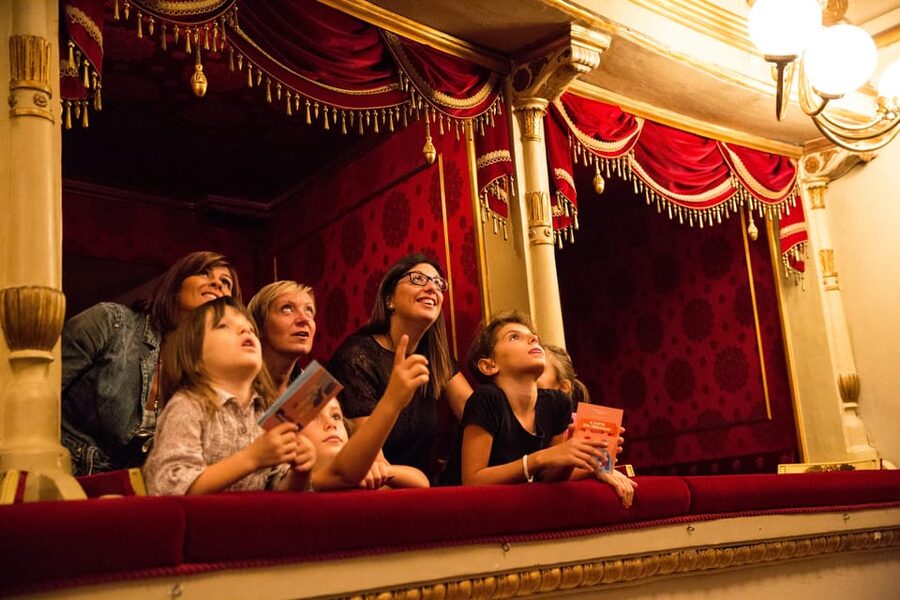
- Views into the auditorium, with visibility that can depend on the day and lighting
- Costumes, set designs, and musical instruments, tying famous performances to real props
- Portraits and busts of key musicians, giving the stage a face and a timeline
- Good chance to catch rehearsals, but access to the best viewpoints can vary
La Scala Theatre Museum: smack in the center of Milan
La Scala’s museum is built for people who want culture without complicated logistics. The theatre sits right in the city core, with the Duomo area and the Vittorio Emanuele Gallery nearby. That matters because you can pair this with other top sights in one day without burning time on long transit.
Even if you are not planning to see an opera or ballet performance, the building feels like the real deal. You’re not just reading about music, you’re walking through the same space that has hosted heavyweight composers and performers for generations.
More museum halls from Turin to Palermo:

Price and timing: is $17 really good value?
At about $17 per person, this ticket is priced like a straightforward museum visit, not a premium guided tour. The value comes from two things you get together: museum exhibits plus a chance to look into the theatre itself.
The ticket is valid for 1 day, but start times depend on availability. In practice, that means you should pick a time window that matches your energy level, either a relaxed first stop or an afternoon break between other Milan highlights.
One small planning tip: check the schedule options before you commit, because the theatre viewing experience can differ based on what is happening that day. Also, if you like flexible plans, there’s a reserve now and pay later option included with the booking flow.
What’s included, and what to expect when you arrive
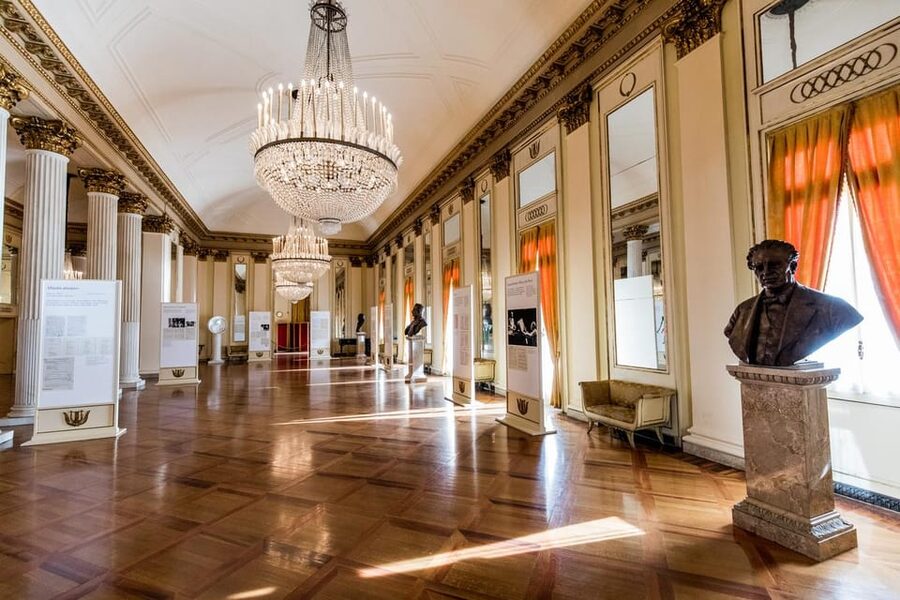
Your ticket includes:
- entrance to the La Scala Theatre Museum
- access to the museum exhibits
- an app audioguide in 7 languages that you can download at the museum
That audioguide is a big part of the experience. It helps you connect the dots between what you see, why it matters, and how productions evolved over time. If you like learning at your own pace, this setup works well, because you can slow down for costumes and sets without feeling rushed.
You should also expect that the flow is designed for a one-way path through the museum areas, then time to look into the theatre. The theatre-view portion is the highlight people remember later, so I’d treat that as the main event and build the rest around it.
Carry-on rules: luggage not allowed, use the cloakroom
This is the part people sometimes trip over. Luggage or large bags are not allowed. The good news is that large backpacks and bags can be checked into the cloakroom.
If you want a smooth entry, travel light. If you’re coming from a shopping stop or have a big day bag, plan on storing it right away so you can keep moving. Less time with bags means more time with exhibits, and La Scala’s museum is worth seeing without delays.
Wheelchairs and strollers are also supported, and wheelchair access is explicitly noted. If you’re pushing a stroller, keep an eye on any tight turns in museum spaces, but the overall access is built for visitors who need it.
Introductions we still owe you around Milan
- Milan: Cathedral and Duomo’s Terraces Entrance Ticket
★ 4.6 · 61,054 reviews - Milan: Da Vinci’s Last Supper Guided Tour
★ 4.7 · 10,143 reviews - Milan: City Sightseeing Hop-On Hop-Off Bus with Audio Guide
★ 4.0 · 6,256 reviews - Milan Cathedral: Duomo Terraces Ticket (No Church Access)
★ 4.6 · 6,111 reviews
First big moment: seeing the theatre interior (and why lighting matters)
The core payoff here is the look into the opera house interior. The museum doesn’t pretend you are inside an active performance, but it gives you real context for the scale and beauty of the auditorium.
A smart tip is to check whether the theatre lights are on. The museum shares a visibility note on their site, and it’s there for a reason: theatre lighting can change what you can clearly see from the visitor areas. If your main goal is the best possible view, that check can make a difference.
One more day-of-consideration: rehearsals sometimes happen. On certain days, you may be able to watch rehearsal activity from visitor areas, and that can add a live-energy feeling to your visit. The trade-off is that rehearsals can also affect which parts of the main theatre area you can access or how wide your view is, depending on what is going on.
Museum walkthrough: costumes, sets, and instruments that make opera real
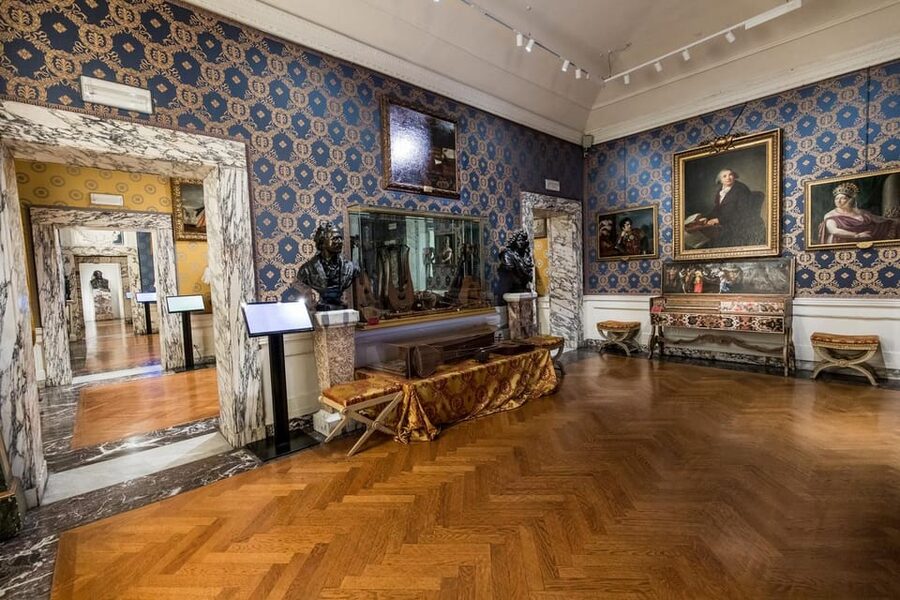
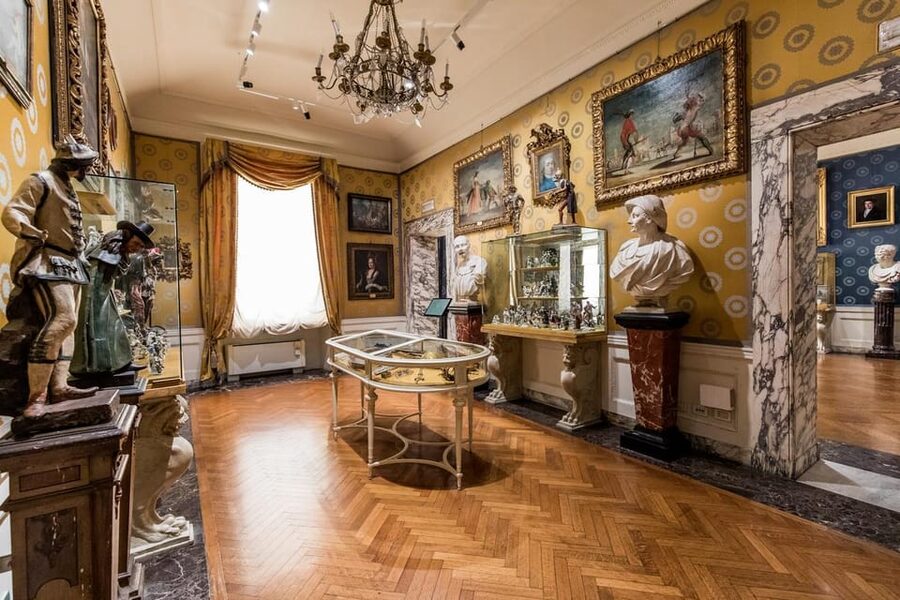
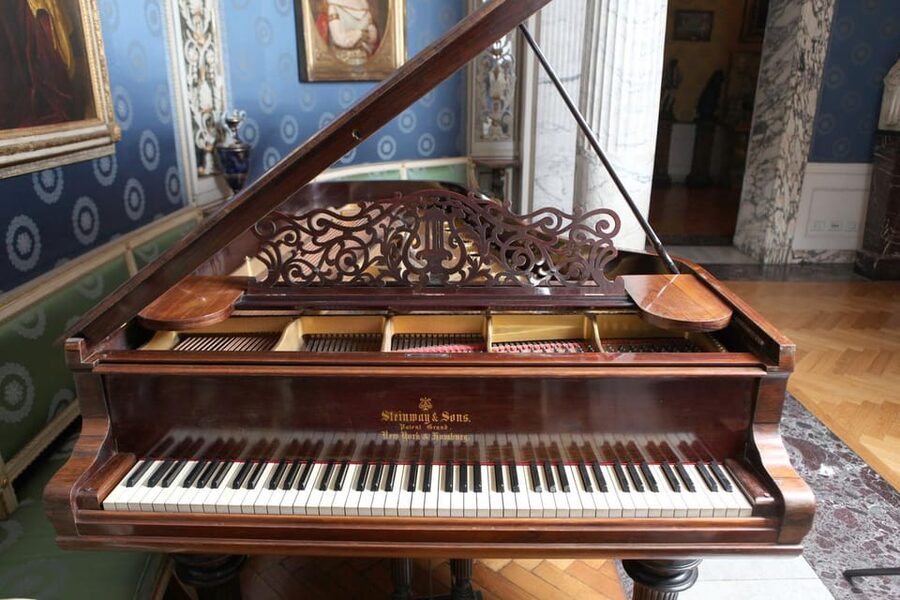
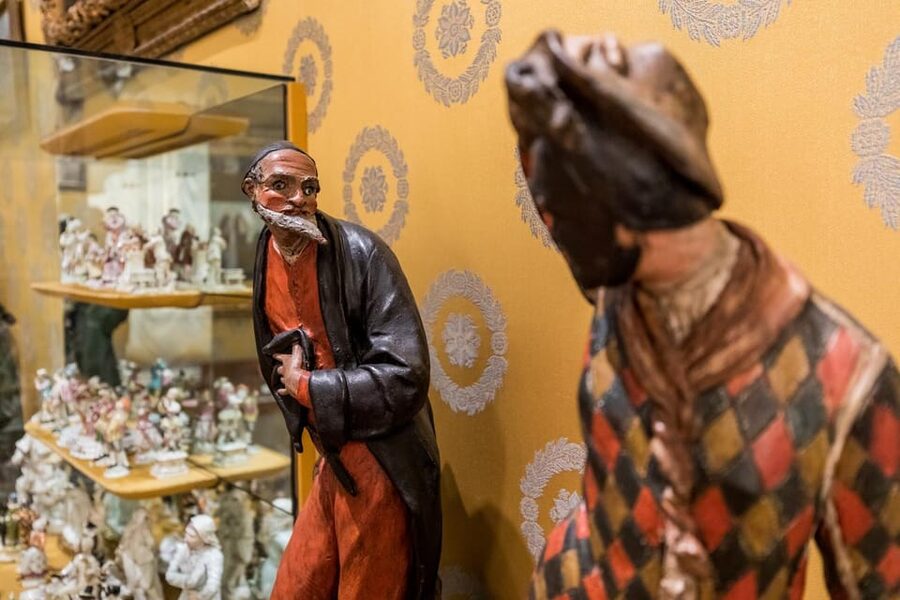
The museum’s great strength is that it turns abstract opera into tangible craft. You’ll see costumes, set designs, and musical instruments tied to notable productions. That kind of object display is ideal if you enjoy stagecraft, because you start thinking like a designer or a maker, not just a listener.
Costumes help you understand how performers visually shaped roles. Sets show how directors built mood and place within limited stage space. Instruments connect the sound to the physical world, so music history becomes less like a list and more like something you can picture.
You’ll also find visual materials that help bridge eras. Even without an active opera on the calendar, the museum uses photos and video elements to show how productions look and feel on stage. That’s especially useful if you are visiting in off-season or during a stretch with no performances.
Portraits and busts: the people behind the music
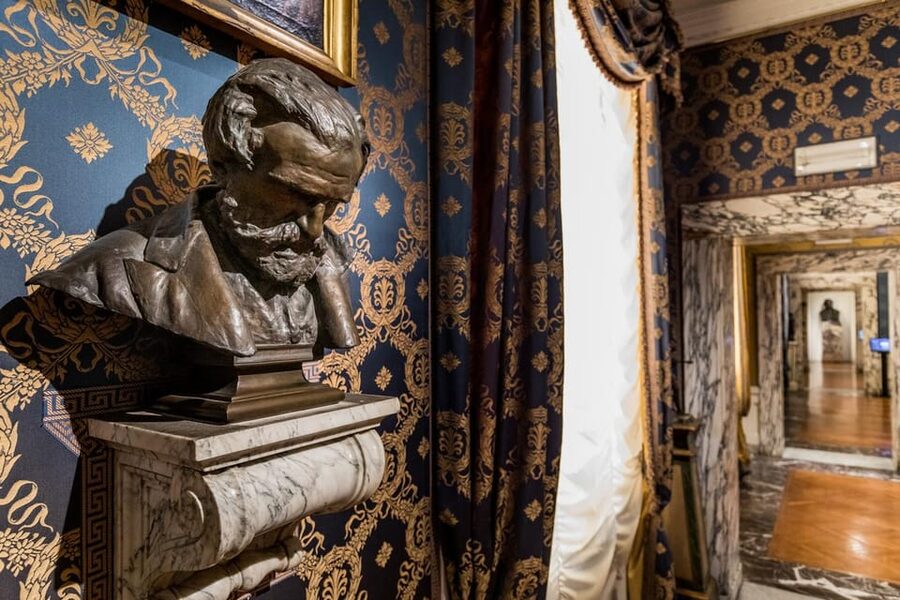
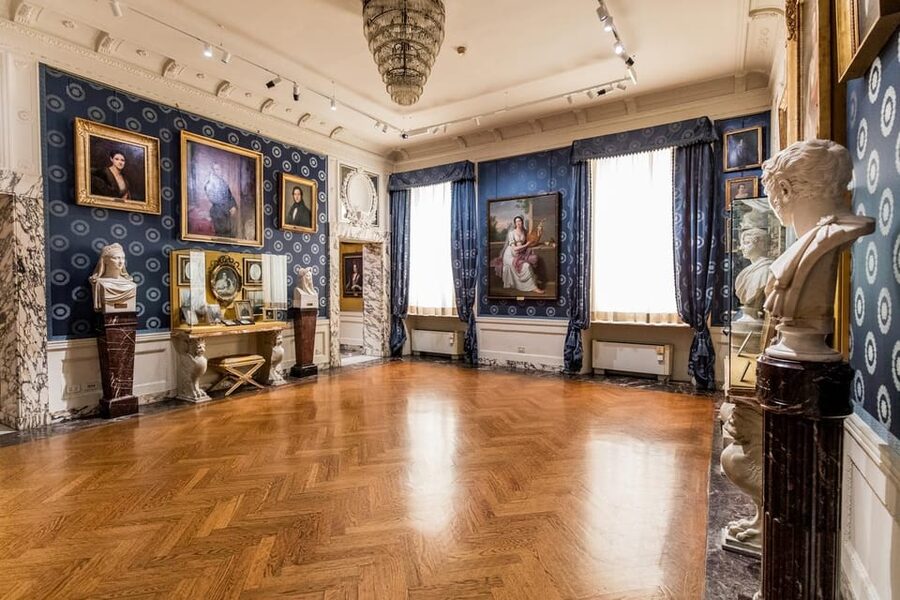
Opera can feel like a swirl of big names. The museum helps anchor that with a gallery of portraits and busts representing major musicians in history. This gives you quick orientation to who matters and why.
When you pair faces and names with costumes, instruments, and set fragments, the story feels more complete. You’re not only learning that famous figures performed at La Scala, you’re also seeing how the theatre shaped the cultural impact around those figures.
It’s also a nice way to understand that La Scala isn’t just one show or one era. The museum frames the theatre as a long-running hub where musical styles and landmark performances built momentum over time.
Behind-the-scenes context: how productions evolved over time
One of the most satisfying parts of this visit is the backstage feeling you get through information panels and media. You’ll learn about early years of the theatre and notable performances, plus behind-the-scenes secrets of opera productions that have played on the stage for more than 200 years.
This is where the audioguide pays off. It helps you move from “I see an item” to “I get what it means.” For example, when you pause at instruments or sets, the guide can help you connect the object to the production context instead of treating it like a random display.
If you enjoy culture that connects art and logistics, you’ll like this portion a lot. Opera is a team sport, and La Scala’s museum shows how many moving parts had to come together to make those performances happen.
Best day for theatre views: plan your mindset
Here’s the honest way to think about this ticket. The museum is consistently interesting, but the theatre viewing portion can vary. That’s not a flaw, it’s how live venues work. If rehearsals are underway, you might gain extra energy, but you might also get a different sightline than you expected.
So I recommend you go with a two-part mindset:
- Expect the museum exhibits to be worthwhile in any case.
- Treat the theatre view as the bonus that could be extraordinary on the day.
If the theatre lighting matters to you, check the museum’s visibility note beforehand. Then show up ready to adapt, because access patterns depend on what the theatre is doing.
Practical notes that help your visit feel smooth
A few small things make a big difference:
- Give yourself enough time to use the audioguide without rushing.
- Store large bags early, so you can keep your hands free.
- Wear comfortable shoes. You’ll likely walk through multiple exhibit areas before you settle into any longer viewing spots.
Also, this is a good choice if you want culture without committing to a timed opera ticket. The museum gives you the La Scala experience even when you are not catching a performance.
If you have mobility needs, wheelchair access is noted, and strollers are supported too. Still, keep your expectations realistic for any public building: some viewing areas may be more limited than others.
Who this La Scala museum ticket is best for
This ticket is a strong fit if you:
- want to see inside a famous Italian opera house without needing a performance reservation
- enjoy stagecraft, costumes, instruments, and design
- like self-paced learning with an audioguide
- are pairing Milan sightseeing because the location is convenient near major landmarks
It’s also a decent option for first-timers who find opera intimidating. The museum helps translate what you are seeing into clear context, so the experience is not just name-dropping. And if you end up catching rehearsal moments, that adds a memorable, human layer to the day.
Should you book this ticket?
Book it if your goal is La Scala plus museum exhibits at a reasonable price. For most people, the combination of objects, media, and the chance to look into the theatre makes the cost feel fair, especially in a city where major attractions can run much higher.
Think twice only if your top priority is a specific, perfect theatre sightline every time. Access and viewpoint can vary based on day-to-day theatre operations and lighting. If you’re flexible and excited to soak up the museum and the atmosphere, you will likely feel you got your money’s worth.
FAQ
How much does the La Scala Theatre Museum entrance ticket cost?
The ticket price is listed at about $17 per person.
How long is the ticket valid?
The ticket is valid for 1 day. You’ll need to check availability to see the starting times.
Is an audioguide included?
Yes. Your ticket includes an app audioguide that you can download at the museum.
What languages are available on the audioguide?
The audioguide is available in 7 languages.
Does the ticket include skip-the-line entry?
Yes. The experience description includes skip-the-ticket-line access.
Can I see the theatre interior, and does lighting affect visibility?
The ticket experience includes a chance to view the theatre interior. You are also advised to check whether the theatre lights are on for best visibility using the museum’s guidance page.
Are large bags or luggage allowed inside?
No. Luggage or large bags are not allowed in the visit areas. Large backpacks and bags must be checked into the cloakroom.
Is the museum wheelchair accessible?
Yes. The theatre and museum are accessible for wheelchairs, and strollers are also supported.
What is the cancellation policy?
Free cancellation is available up to 24 hours in advance for a full refund.
Just introduced: the newest Milan write-ups
- Milan Super Saver: Skip-the-line Duomo and Rooftop Tour★ 4.5 · 347 reviews
- Milan: Best of City Walking Tour with Last Supper Tickets★ 4.7 · 359 reviews
- Milan: Cathedral and Terraces Guided Tour with Tickets★ 4.8 · 362 reviews
- Milan: San Siro Stadium and Museum Self-Guided Tour★ 4.3 · 362 reviews
- Express Tour of the Last Supper in Milan I Small Group of Max 6★ 5.0 · 371 reviews
- La Scala Theatre and Museum Tour in Milan With Private Guide★ 3.5 · 384 reviews
- Venice Day Trip from Milan with Guided City Tour★ 4.0 · 383 reviews
Museums, compared.
Vatican: Museums & Sistine Chapel Entrance Ticket
Read our review →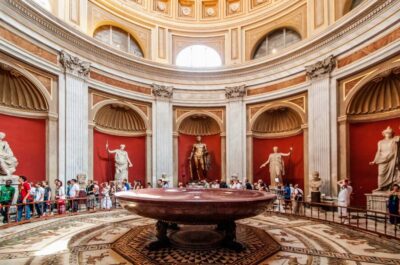
Vatican Museums & Sistine Chapel Tour with Optional Basilica
Read our review →
Vatican Museums, Sistine Chapel & St Peter’s Basilica Guided Tour
Read our review →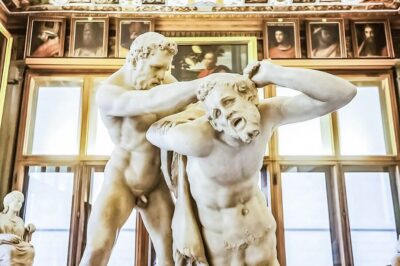
Skip-The-Line Uffizi Gallery Timed Entry Ticket
Read our review →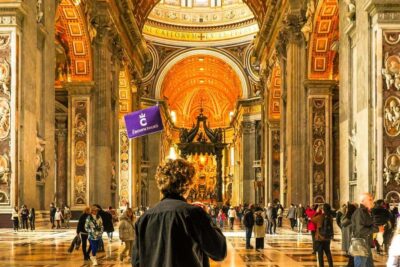
Vatican Museums, Sistine Chapel & Basilica Tour
Read our review →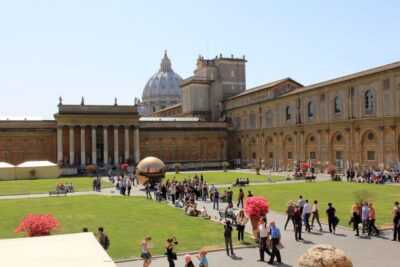
Vatican Museums & Sistine Chapel Skip-the-Line Entry Ticket
Read our review →Vatican Museums, Sistine Chapel & Basilica Tour
Read our review →
Vatican Museums & Sistine Chapel Guided Tour
Read our review →Browse the lists this tour appears in