
Reviewed · MUSEUMS
Milan: Pinacoteca Ambrosiana & da Vinci Codex Exhibition
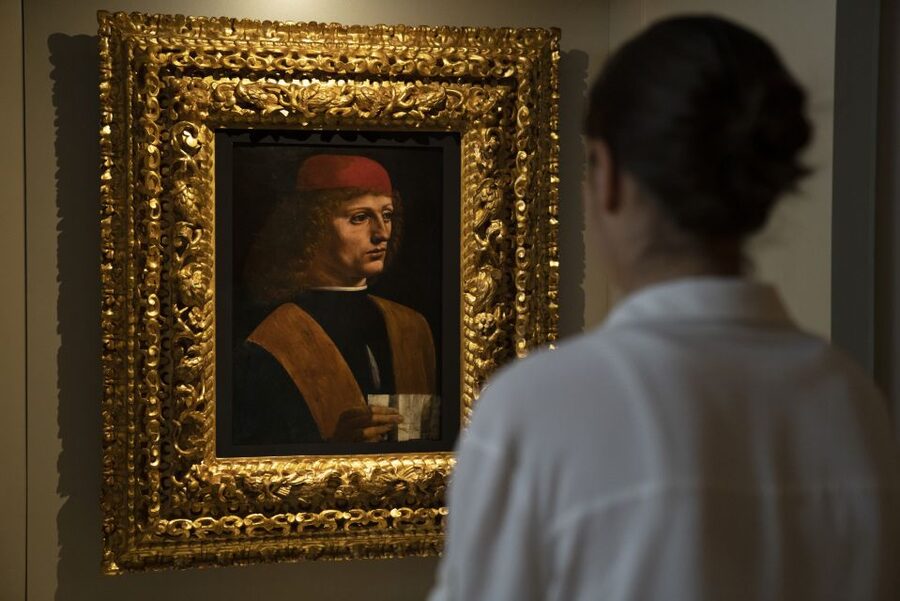
Leonardo’s sketches feel alive in Milan. This Pinacoteca Ambrosiana experience links Renaissance art with Leonardo da Vinci’s original material, presented in the historic Ambrosiana library. You get to move through painting galleries and then hit the big moment, the Codex Atlanticus drawings.
I especially love how the museum uses its setting to make you slow down. The Federiciana Room helps you understand Leonardo not as a name, but as a working mind shaped by his time. And I like that the experience is designed to support your pace, with an audio option you can keep using on your device even after you leave.
One possible drawback is the lighting and labeling style. The rooms can feel dark, and some signage is hard to read, so you may want your audio guide to do more of the heavy lifting.
In This Review
- Key things to know before you go
- Renaissance art meets Leonardo in a real library setting
- Where it is, and the easiest ways to reach it
- What you pay for, and why this value makes sense
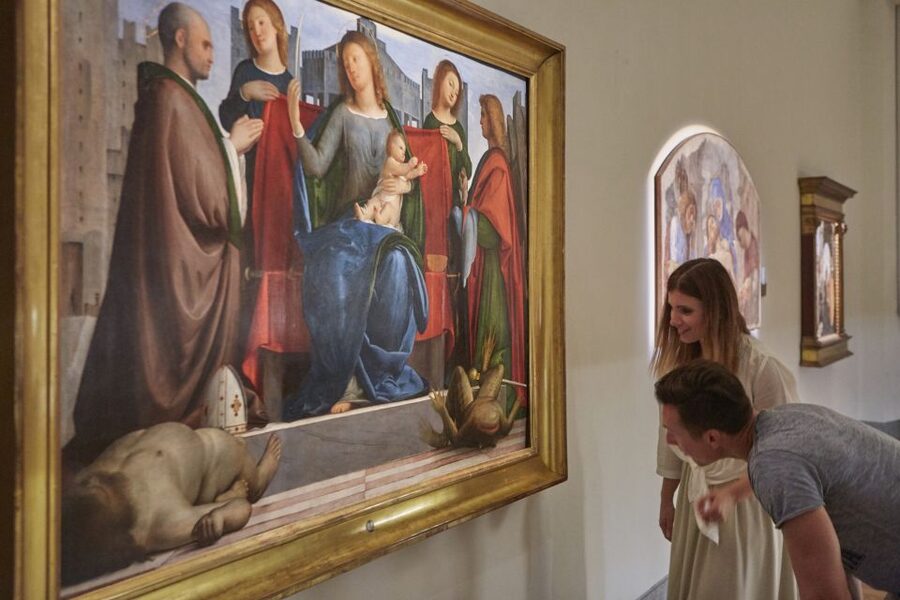
- First stop: the Ambrosiana collections, before you hit Leonardo
- The Federiciana Room: Leonardo in his context
- Codex Atlanticus drawings: what to look for and how to see them
- Raphael’s School of Athens cartoon: the “how” moment
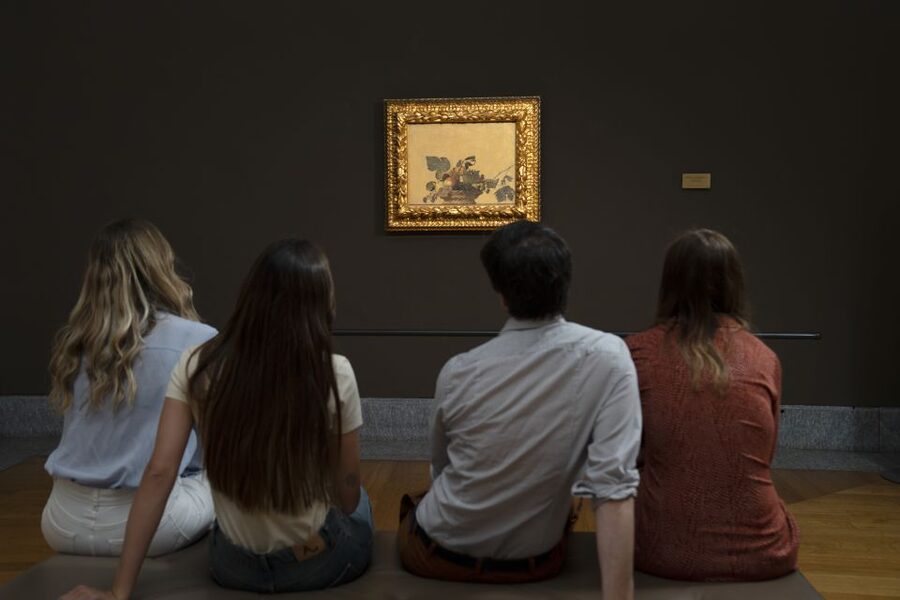
- Beyond da Vinci: Botticelli, Tiziano, and Caravaggio in the same visit
- How the audio guide app makes the visit click
- Timing tips for a one-day visit in Milan
- Practical planning: small details that make a big difference
- Who this experience suits best
- Should you book this Milan stop?
- FAQ
- How long is this experience?
- Where is the meeting point?
- What is the price per person?
- What is included in the ticket?
- Is the audio guide included?
- Can I download the audio and listen after the visit?
- What can I expect to see?
- Which languages are available for the audio guide?
- What are the nearest transit stops?
Key things to know before you go
- Leonardo da Vinci’s original drawings from the Codex Atlanticus, shown as the centerpiece of your visit
- Federiciana Room focus, designed to connect Leonardo’s ideas to the world around him
- Raphael’s School of Athens cartoon is a standout moment, with extra explanation built into the experience
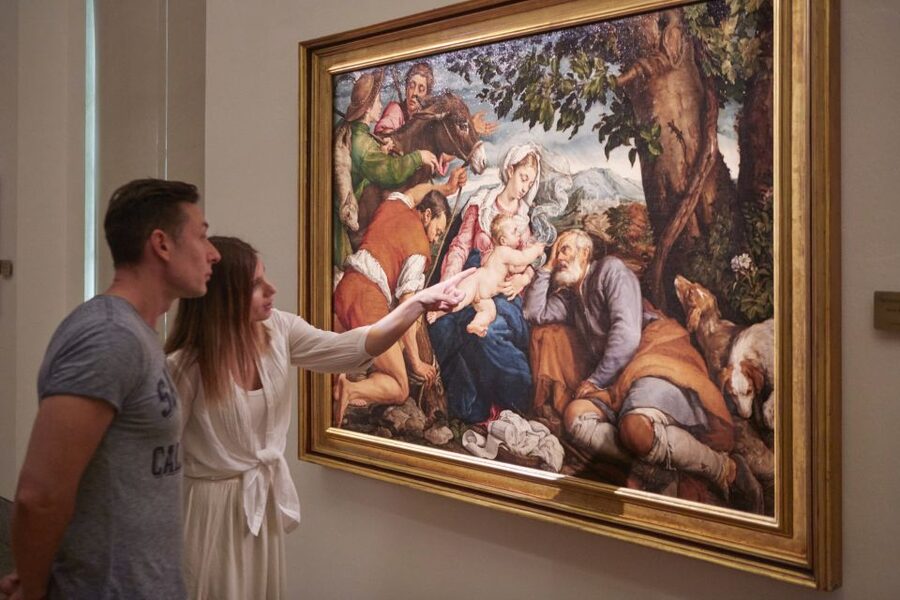
- A strong lineup beyond Leonardo, including Botticelli, Raphael, Tiziano, and Caravaggio
- Audio guide app support, and you can keep listening on your device after the visit
- Expect a museum layout that rewards you for using the map and signage on site
Renaissance art meets Leonardo in a real library setting
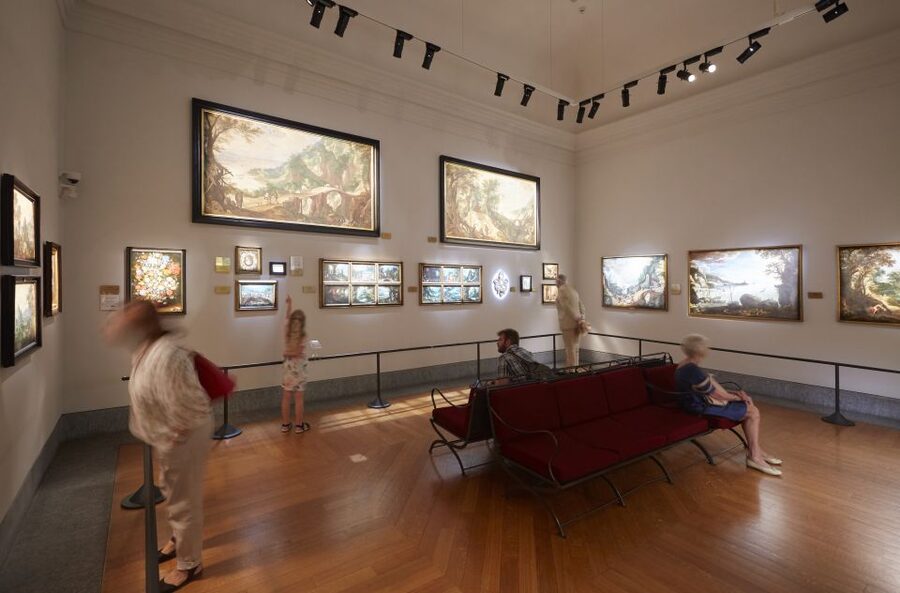
Milan has plenty of big-name museums, but the Pinacoteca Ambrosiana has a different rhythm. It’s not just a hall of paintings. It’s inside a historic library, and that changes how the whole visit feels. The space encourages silence, reading, and looking, which is exactly what you want when you’re staring at delicate paper and ink.
The headline is Leonardo da Vinci. You’re going to see original drawings from the Codex Atlanticus, presented as a major part of the museum’s offer. That matters, because most Leonardo stops you do in Europe are reproductions, copies, or works that show influence rather than the actual thinking process. Here, you’re working close to the primary material, and that shift makes the experience more personal.
More museum halls from Turin to Palermo:

Where it is, and the easiest ways to reach it
The activity meeting point is the Ambrosiana at Piazza Pio XI 2, Milan.
You’ll find it easiest if you use metro or tram:
- Nearest metro options: Red Line stop Cordusio or Duomo, and Yellow Line stop Duomo
- Nearest tram options: lines 12, 14, and 16 stop Orefici Cantù, or lines 2 and 3 stop Duomo
If you like simple navigation, plan to arrive with a little buffer time. The museum is not hard to reach, but it’s worth getting oriented when you step in, especially if you want to find the Leonardo exhibition area quickly.
What you pay for, and why this value makes sense
The price is about $21 per person for a one-day visit. That includes:
- Exhibition tickets covering the Ambrosiana collections
- Tickets for the Leonardo exhibition of original drawings from the Codex Atlanticus
Audio is not included. The audio guide is available as an app, in 6 languages, and it costs 4 EUR if you buy it on GetYourGuide or at the ticket office.
Here’s why I think the value is solid. You’re paying for access to a focused collection rather than a giant museum maze. You’re also paying for one of the world’s most sought-after Leonardo drawing collections, presented alongside major Renaissance painters like Botticelli, Raphael, Tiziano, and Caravaggio. If you’re the type of visitor who wants the story behind the art, not just the art itself, the included experience sets you up to understand what you’re seeing.
First stop: the Ambrosiana collections, before you hit Leonardo
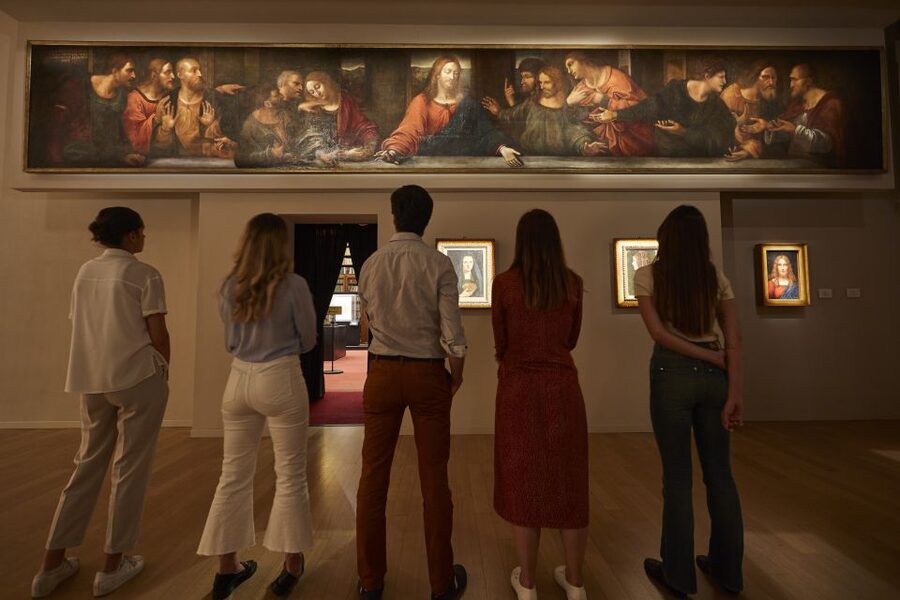
When you enter, you’re not thrown straight into Leonardo. You ease into the museum’s broader mission: art plus ideas. The Pinacoteca Ambrosiana is paced so you can get your bearings, then shift into the Leonardo rooms with a clearer sense of what you’re looking at.
Expect a blend of artworks and learning focused around Renaissance masters. The collection is designed to help you read the period, not just admire objects. You’ll see works that connect to big artistic themes, from still-life attention to composition and character.
A practical tip: take a moment to check the layout map once inside. Some people report confusion finding specific sections like the Codex display later, so your best move is to orient right away and set a loose route.
Introductions we still owe you around Milan
- Milan: Cathedral and Duomo’s Terraces Entrance Ticket
★ 4.6 · 61,054 reviews - Milan: Da Vinci’s Last Supper Guided Tour
★ 4.7 · 10,143 reviews - Milan: City Sightseeing Hop-On Hop-Off Bus with Audio Guide
★ 4.0 · 6,256 reviews - Milan Cathedral: Duomo Terraces Ticket (No Church Access)
★ 4.6 · 6,111 reviews
The Federiciana Room: Leonardo in his context
One of the most important parts of this experience happens in the Federiciana Room of the Ambrosiana Library. This is where the visit shifts from looking at drawings to understanding the person behind them.
The museum frames Leonardo through decades of research, helping you connect his ideas to how he lived and worked. That’s the difference between seeing sketches and understanding why those sketches matter. You’re not just collecting information, you’re building a lens.
This room also helps you appreciate Leonardo as a thinker with feelings, questions, and obsession. That may sound dramatic, but the way the material is presented makes it feel human. The goal is for you to walk out with more than facts, you walk out with a sense of a working mind.
Codex Atlanticus drawings: what to look for and how to see them
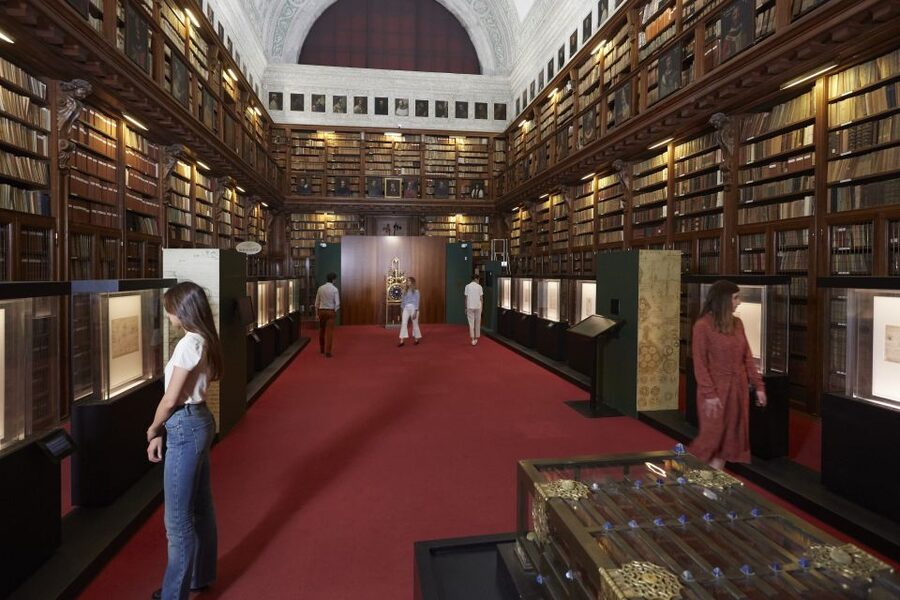
The Codex Atlanticus exhibition is the main event. This is where you see the original Leonardo da Vinci drawings that the Ambrosiana is known for, often described as the world’s largest collection of his original drawings.
Because the drawings are on paper and the details are fine, you’ll get more out of the visit if you slow down. Look for how Leonardo studies shapes and movement. The drawings can feel like a conversation between art and engineering, and you’ll get the most from them when you treat each page like a moment of thought, not a picture.
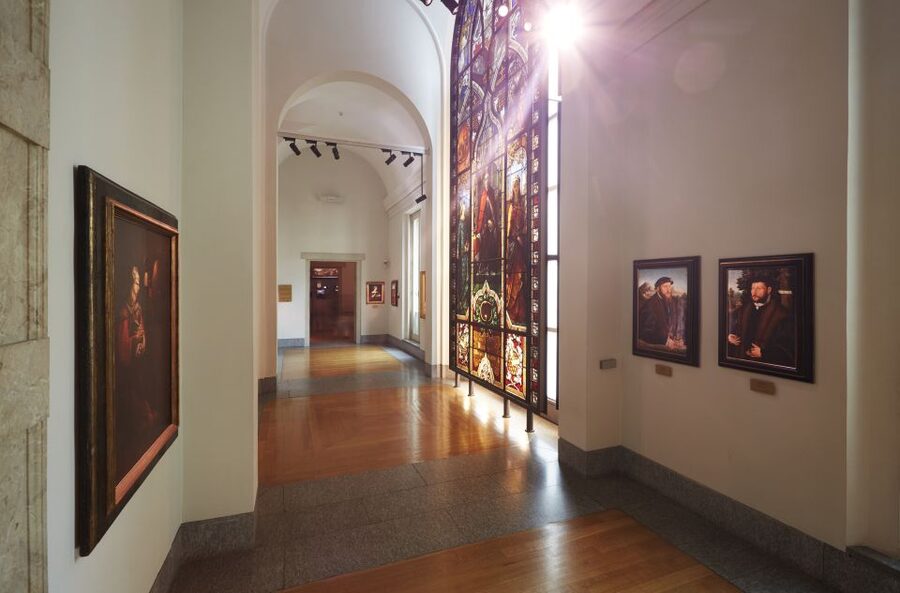
A small but real note: the museum atmosphere can be darker, and lighting can affect how you read labels. If you find yourself squinting at text, switch your focus to the audio guide. It’s built to keep you moving forward with confidence even when you can’t read everything from the wall.
Raphael’s School of Athens cartoon: the “how” moment
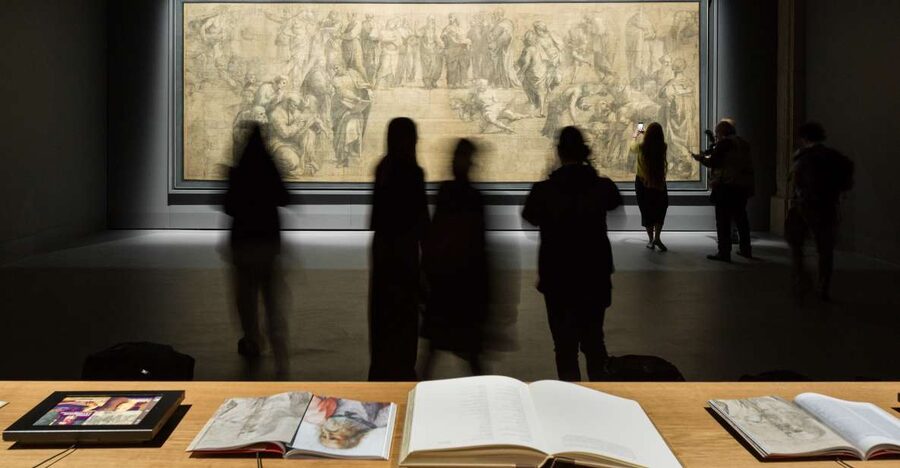
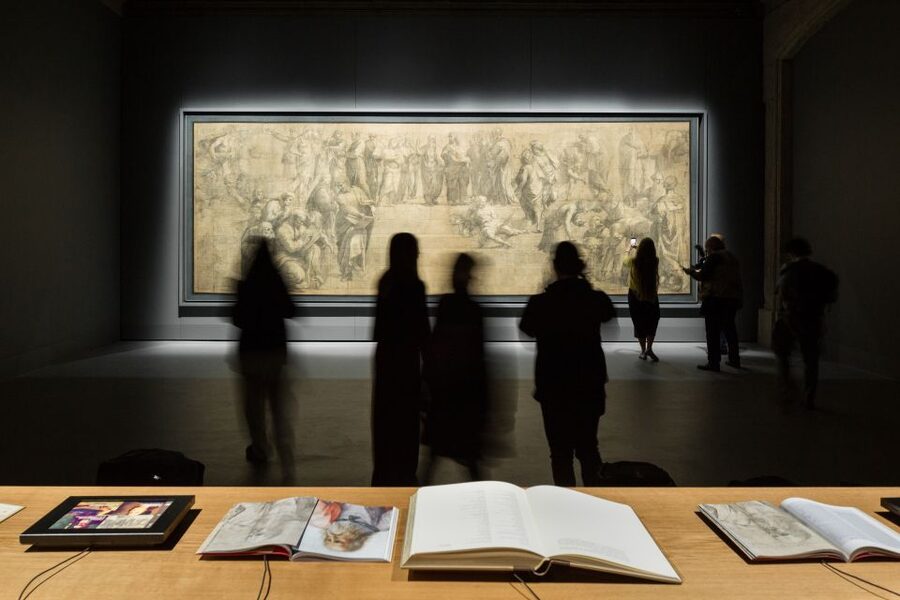
After Leonardo, you’ll likely hit one of the most memorable surprises: Raphael’s cartoon associated with the School of Athens. The experience includes explanation that helps you understand not just what you’re seeing, but how it was transferred to the wall.
This is one of those stops that rewards curiosity. If you’ve ever wondered how huge fresco-scale images ever get made with accuracy, this is where the museum gives you the mechanics. You also get to meet the characters more intelligently, because the explanations help you recognize who is who and why they’re arranged the way they are.
In practical terms, this section can be a highlight even if you’re not “just” a Renaissance fan. The behind-the-scenes angle makes the art feel more reachable.
Beyond da Vinci: Botticelli, Tiziano, and Caravaggio in the same visit
The Pinacoteca Ambrosiana works because it doesn’t reduce the museum to one artist. You’re also seeing major Renaissance and Baroque figures, including Botticelli, Raphael, Tiziano, and Caravaggio.
Caravaggio can be a different mood entirely, often darker and more intense. That contrast helps you reset your eyes between rooms. Botticelli and Tiziano bring their own color, structure, and approach to form. Raphael connects the whole culture of the period, and you’ll likely feel that connection in how Raphael’s work relates to the themes you see near the School of Athens.
This variety is one of the reasons the visit works well as a one-day plan. You get a coherent story of Italian art, but you don’t feel trapped in one style.
How the audio guide app makes the visit click
Audio is not required, but it’s one of the smartest upgrades you can make here. The audio guide is available in 6 languages, and you can listen on your device even after the visit. That last detail is genuinely useful. You can “replay” what you liked when you’re back on your own schedule.
If you’re the kind of person who likes reading label text, audio still helps. It adds the emotional and intellectual context, so you’re not just stuck with names and dates. Some people find audio a bit cumbersome to use, but that’s usually a device setup issue, not the content itself.
One thing to watch: audio guides can have different visit modes. If you plan to spend more than an hour, set it so you’re not stuck with a shorter default track. The better you match the mode to your time, the more you’ll feel like the guide is built for you.
Timing tips for a one-day visit in Milan
This is a one-day activity, and you can see why. You can do it efficiently, but you’ll enjoy it more if you give it room to breathe.
A good rule of thumb from how people describe the visit: plan around 2 to 3 hours. Some visitors even report longer sessions when they take time with both the paintings and the Leonardo material.
If you’re visiting during Milan’s summer peak, you’ll be glad the museum offers a break from the heat. The lighting and atmosphere can feel dim, so build in time to adjust your eyes and keep moving without rushing.
Also, consider your route order. If Leonardo is your top priority, you might want to find that area early so you don’t feel pressed later when you’re tired. If Raphael’s cartoon is your top priority, it can still work well to see it mid-visit, because by then you’ve already built a mental map.
Practical planning: small details that make a big difference
Here are a few things I’d plan for so you don’t waste time:
- Use the museum map on arrival so you don’t end up walking the long way for the Codex display
- Expect darker rooms where wall text can be hard to read
- If you want audio, buy or activate it early so you start guided, not confused
- Give yourself seating and breaks, because looking closely at drawings is tiring work
One more note, based on feedback you’ll likely see in the wild. Some additional areas, like a crypt, may involve an extra charge. The core included experience is the Ambrosiana collections and the Codex Atlanticus drawing exhibition, so you can decide later if you want to add anything.
Who this experience suits best
This is best for you if you enjoy:
- Renaissance art, especially when ideas matter as much as aesthetics
- Leonardo da Vinci drawing history, not just the famous myths
- Learning with structure, since the presentation guides you through context
- A museum pace that allows reading and slow looking
It’s also a good choice if you like a quieter, calmer alternative to Milan’s biggest spectacle museums. The building’s setting inside a historic library naturally slows you down in a good way.
If you’re the type of visitor who dislikes audio or needs constant motion, you might find parts of the museum feel darker and more text-heavy. But even then, the Leonardo drawings and the School of Athens cartoon can be worth your time.
Should you book this Milan stop?
If Leonardo and the Renaissance are on your must-see list, I’d book it. For the money, you’re getting direct access to Leonardo’s original Codex Atlanticus drawings, plus major Renaissance names like Botticelli, Raphael, Tiziano, and Caravaggio. That mix is hard to beat in one controlled visit.
You should consider skipping the audio only if you’re very comfortable reading small wall text in low-light rooms. Otherwise, audio is one of the easiest ways to turn a great collection into a better understanding.
If you want a one-day plan that feels authentic, thoughtful, and anchored in real objects, this Milan experience makes a lot of sense.
FAQ
How long is this experience?
It is listed as a one-day activity. The duration is 1 day, and you can choose starting times based on availability.
Where is the meeting point?
The meeting point is The Ambrosiana at Piazza Pio XI 2, Milan.
What is the price per person?
The price is listed as $21 per person.
What is included in the ticket?
The ticket includes exhibition tickets for the Ambrosiana collections and the exhibition of Leonardo’s original drawings from the Codex Atlanticus.
Is the audio guide included?
No. The audio guide is available for an extra fee and can be purchased in 6 languages on GetYourGuide or at the ticket office for 4 EUR.
Can I download the audio and listen after the visit?
Yes. The experience mentions downloading the app so you can listen on your device, including after your visit.
What can I expect to see?
You will see Leonardo da Vinci drawings from the Codex Atlanticus, along with works by Renaissance artists including Botticelli, Raphael, Tiziano, and Caravaggio. You’ll also encounter Raphael’s cartoon connected to the School of Athens.
Which languages are available for the audio guide?
The audio guide is available in 6 languages.
What are the nearest transit stops?
The nearest metro stops listed are Cordusio and Duomo on the Red Line, and Duomo on the Yellow Line. Nearest tram stops listed include Orefici Cantù on lines 12, 14, and 16, and Duomo on lines 2 and 3.
Just introduced: the newest Milan write-ups
- Milan Super Saver: Skip-the-line Duomo and Rooftop Tour★ 4.5 · 347 reviews
- Milan: Best of City Walking Tour with Last Supper Tickets★ 4.7 · 359 reviews
- Milan: Cathedral and Terraces Guided Tour with Tickets★ 4.8 · 362 reviews
- Milan: San Siro Stadium and Museum Self-Guided Tour★ 4.3 · 362 reviews
- Express Tour of the Last Supper in Milan I Small Group of Max 6★ 5.0 · 371 reviews
- La Scala Theatre and Museum Tour in Milan With Private Guide★ 3.5 · 384 reviews
- Venice Day Trip from Milan with Guided City Tour★ 4.0 · 383 reviews
Museums, compared.
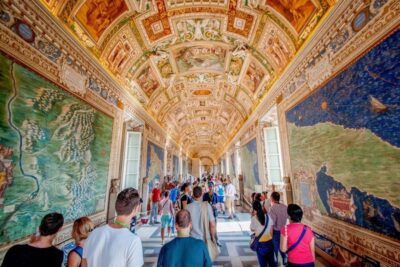
Vatican: Museums & Sistine Chapel Entrance Ticket
Read our review →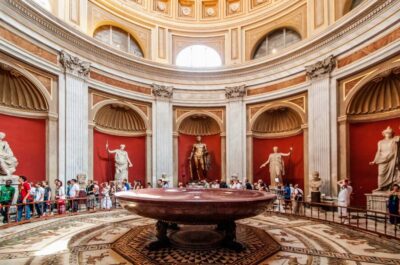
Vatican Museums & Sistine Chapel Tour with Optional Basilica
Read our review →
Vatican Museums, Sistine Chapel & St Peter’s Basilica Guided Tour
Read our review →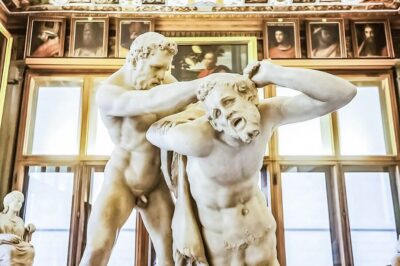
Skip-The-Line Uffizi Gallery Timed Entry Ticket
Read our review →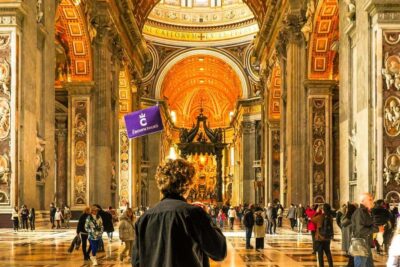
Vatican Museums, Sistine Chapel & Basilica Tour
Read our review →
Vatican Museums & Sistine Chapel Skip-the-Line Entry Ticket
Read our review →Vatican Museums, Sistine Chapel & Basilica Tour
Read our review →
Vatican Museums & Sistine Chapel Guided Tour
Read our review →Browse the lists this tour appears in