
Reviewed · PIZZA MAKING WORKSHOPS
Pizza and Tiramisù Making class
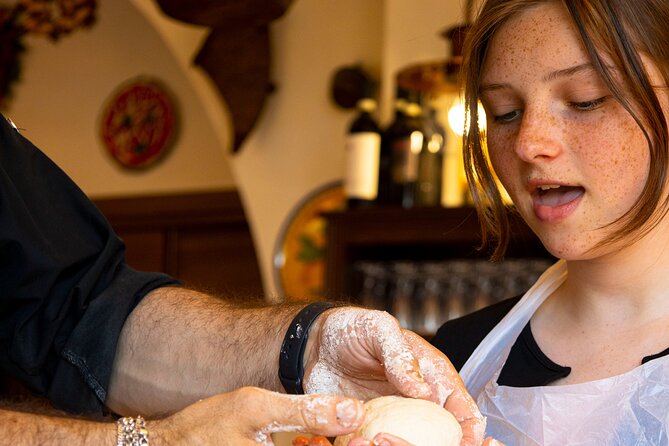
Making pizza in Naples feels personal. In a small-group workshop, you learn Neapolitan pizza and Tiramisù from an English-speaking pizzaiolo, then sit down to eat what you make. It is hands-on cooking, not a show.
I especially like that you get clear instruction on dough techniques and how to choose and use quality ingredients. I also like the practical finish: you enjoy your pizza with a glass of wine and sorbet or coffee, plus a view toward Castel Nuovo while you eat.
One thing to consider: the pace can feel a bit quick, and the room may run warm since it is inside a working pizzeria. If you hate heat or like lots of questions, plan for that.
In This Review
- Key highlights worth your attention
- Meeting Your Pizzaiolo Near Piazza Plebiscito (Via San Carlo 17)
- Bruschetta First: Getting Your Taste Buds In Gear
- Tiramisù With an English-Speaking Chef: What to Watch For
- Making Neapolitan Pizza Dough and Tomato Sauce From Scratch
- The Oven Moment: Baking Fast, Staring at What Changes
- What You Eat: Pizza Margherita, Wine, and Sorbet or Coffee
- Heat, Speed, and Other Practical Considerations
- What You Can Actually Recreate at Home (Without a Naples Oven)
- Price and Value: Is $72.59 Fair for Naples Hands-On Cooking?
- Who This Class Fits Best (And Who Might Skip It)
- Booking Notes and Simple Logistics (So You Don’t Waste Time)
- Should You Book This Pizza and Tiramisù Class?
- FAQ
- How long is the pizza and tiramisù making class in Naples?
- Where does the class start?
- What language is the class offered in?
- What is included in the cooking class meal?
- Is this a small-group experience?
- Are tickets mobile?
- Is there a practical cooking component or only instruction?
- Can I cancel for a full refund?
- Does the experience allow service animals?
Key highlights worth your attention
- Small group, max 15 people so you can actually ask real questions
- English-speaking pizzaiolo/chef focused on technique, not just storytelling
- Bruschetta, pizza, and tiramisù served as a proper mini meal
- Wine plus sorbet or coffee to round out your cooking success
- Central Naples location near Piazza Plebiscito, easy to fit into a sightseeing day
- You leave with printed instructions/recipes that help you repeat the method at home
Meeting Your Pizzaiolo Near Piazza Plebiscito (Via San Carlo 17)
Your class starts at Via San Carlo, 17 (80132 Napoli), in the center of town. This matters more than you might think. Naples traffic and queues can eat up time fast, and a central meeting spot helps you keep the rest of your day flexible.
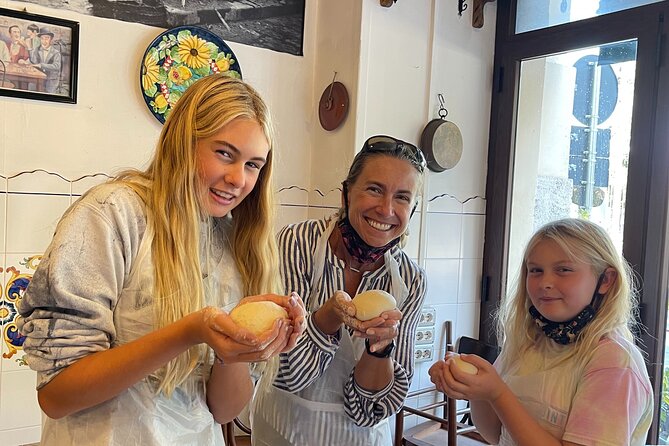
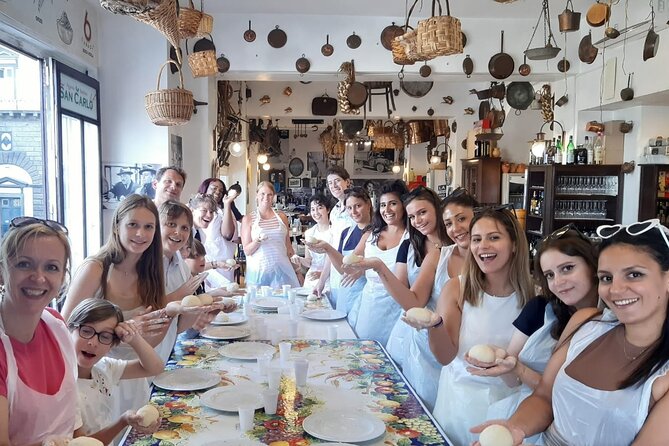
This is a small-group experience, with a maximum of 15 travelers. That group size is one of the main reasons these classes work. When everyone can see the dough being handled, you learn faster. You also get more chances to troubleshoot things like dough stickiness, stretching, or sauce thickness without feeling rushed.
You will be working in a restaurant pizzeria setting, not a classroom kitchen. Expect a casual, lively atmosphere. Also, it is offered in English, so you are not left piecing together Italian cooking terms on the fly.
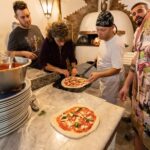
More dough tossed under instruction:
Bruschetta First: Getting Your Taste Buds In Gear
The starter is bruschetta. That choice is smart for a cooking class because it warms up your palate while also hinting at what makes Italian flavors work: quality produce, simple seasoning, and good bread.
You will also get a feel for the ingredient standards the kitchen uses. These are the ingredients you will later see up close during pizza and tiramisù prep. If you have ever wondered why your homemade pizza can taste flat even when you use decent ingredients, pay attention here. The “simple” part is only simple when the ingredients are fresh and handled correctly.
Tiramisù With an English-Speaking Chef: What to Watch For
The first big cooking focus is Tiramisù. The class is designed so you follow the chef step by step, then you understand how the dessert becomes light and creamy instead of heavy or watery.
From the way the lesson is structured, you can expect two things:
- You learn the practical flow of making tiramisù (what happens first, what waits, what gets mixed)
- You learn what to look for visually, like texture and consistency, so you do not need guesswork later
This is a useful skill if you usually make tiramisù from a recipe and hope it works out. Here, the focus is technique. That makes a difference with a dessert that can go wrong easily if mascarpone, coffee soak, or mixing steps get handled casually.
Also, you are not stuck in dessert mode all day. The tiramisù lesson sets you up for how the kitchen thinks: clean steps, steady pacing, and tasting as you go.
Making Neapolitan Pizza Dough and Tomato Sauce From Scratch
Then the class turns to the star of Naples: Neapolitan pizza. You will learn how to make pizza dough from scratch and how to prepare the tomato sauce.
This part is where you get the biggest value, even if you bake at home already. Reviews from instructors such as Luigi, Alessia, and Emanuella/Emmanuelle highlight the same thing: the dough is treated like a living process, not just flour plus water.
A few practical ideas you should keep in your head while you learn:
- Dough strength matters. You learn how it should feel as you work it and why that impacts the final texture.
- Stretching is technique, not force. If you tear the dough, you are usually working at the wrong point in the process.
- Sauce balance matters. The goal is flavor without sogginess, so pay attention to how thickness and distribution look when it is spread.
One note worth knowing: Neapolitan dough relies on fermentation time. Some classes explain the dough process clearly, but you might not eat dough that has fully fermented on-site. So if you expect to taste your exact, freshly fermented dough made in the room from start to finish, you might be surprised. Still, you are learning the key handling and method you need to reproduce it later.
Introductions we still owe you around Naples
- Naples: Pasta Making Class with Starter and Drink
★ 4.9 · 1,060 reviews - Naples: Neapolitan Pizza and Tiramisù Making Class
★ 4.8 · 839 reviews - Naples Pasta Class: Fettuccine & Ravioli with Grandma’s Recipe
★ 5.0 · 506 reviews - Naples: Pasta Cooking Class with Tiramisù and a Drink
★ 4.6 · 415 reviews
The Oven Moment: Baking Fast, Staring at What Changes
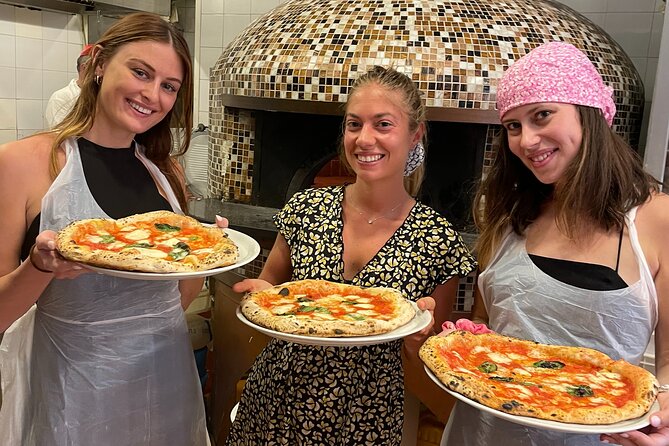
After you shape your pizza, you get to watch it bake in a hot oven. This is one of the most exciting parts because Neapolitan pizza bakes quickly, and you can see the transformation fast.
A couple of details make this worth it:
- You learn what “done” looks like in a real Neapolitan context, not just by time alone.
- You see how the dough structure and oven heat interact, which helps you understand why your home oven results can differ.
If you like learning through observation, this is your moment. Watch for the surface color changes and the way the dough puffs. Those visual cues are the difference between guessing and cooking confidently later.
What You Eat: Pizza Margherita, Wine, and Sorbet or Coffee
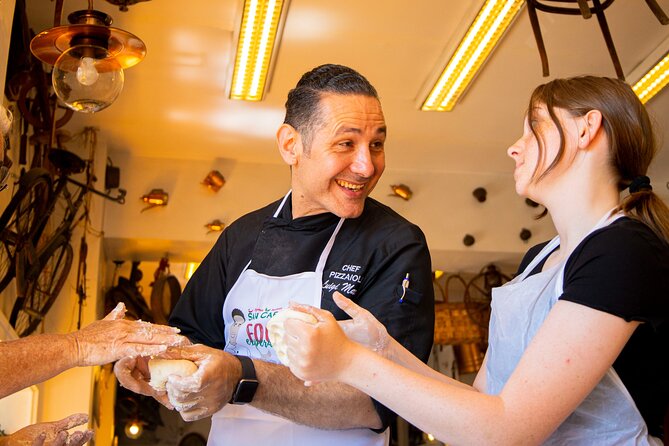
By the time you sit down, you get the meal result of your work: pizza (with the classic focus on Margherita) plus dessert tiramisù. The experience also includes wine and sorbet or coffee.
This setup is great value because you are not paying just for cooking instruction. You are also getting a satisfying meal that reflects the techniques you practiced.
There is also a social element. You cook, then you eat in the same setting. That combination makes it easier to remember what worked. It is the difference between reading a recipe and actually mastering a method.
One more nice touch: while you enjoy your food, the setting supports views toward the sea and Castel Nuovo. You will not need to hunt for scenery. You get a pleasant backdrop while you do the part that matters most, eating well.
Heat, Speed, and Other Practical Considerations
This class is fun, but it is also real life. Two factors come up from the experience style:
Pacing can feel fast. It is only about 2 hours, and you cover tiramisù and pizza dough basics plus baking. If you want lots of time for questions, you might feel the final stretch is rushed. A smart move is to ask your key questions early, right after you learn the “why” behind each step.
The room may run warm. Since it is inside a working pizzeria, some sessions can feel hot. If you are heat sensitive, dress for warm indoor conditions and bring water if you tend to get dehydrated easily.
Neither of these issues ruins the class. They just help you set expectations so you can enjoy it more.
What You Can Actually Recreate at Home (Without a Naples Oven)
Even if you bake all the time, you will likely learn a better method for dough handling. That is what makes this class practical for real life.
When you get home, you can use what you learned in two ways:
- Repeat the method you practiced: dough mixing and handling steps, plus how you spread/stretch
- Use the ingredient and technique tips to improve results, especially for sauce and texture
One helpful detail: you can be given printed instructions and recipes. That gives you a baseline to recreate the process without having to rely on memory.
Just be honest with yourself about oven differences. Naples pizza ovens can be much hotter and cook differently than most home ovens. Your goal at home is not to copy the oven perfectly. Your goal is to reproduce the dough behavior and pizza build, then adjust bake times based on your oven.
Price and Value: Is $72.59 Fair for Naples Hands-On Cooking?
At $72.59 per person for about 2 hours, this is not a budget class. But it is also not overpriced for what you get.
Here is the value logic:
- You are paying for an English-speaking instructor and a hands-on workshop for small groups
- You get fresh ingredients and equipment, so you are not supplying the pantry
- You eat a complete mini meal: bruschetta, pizza, tiramisù
- You also get wine and sorbet or coffee, which many cooking experiences either charge extra for or offer lightly
Where it becomes especially good value is for people who want more than a tasting tour. If you want takeaways you can use next time you cook, this class is built for that.
If you hate cooking and only want food, you might decide it is too much time. But if you like learning technique, it is a strong deal for a central Naples experience.
Who This Class Fits Best (And Who Might Skip It)
This works best if you fall into one of these groups:
- You want a fun, practical Naples activity that is not just sightseeing
- You want to learn the steps behind Neapolitan pizza and a classic dessert
- You are traveling as a couple, family group, or even solo, since it is small-group and interactive
- You want a meal that feels earned, since you eat what you make
It might be less ideal if:
- You need a slow, relaxed pace with lots of time for questions
- You are very sensitive to warm indoor spaces
- You expect the entire dough fermentation timeline to happen exactly within the class window (some steps related to fermentation may not fully complete in the moment you eat)
Booking Notes and Simple Logistics (So You Don’t Waste Time)
You receive confirmation at booking. The day-of access uses a mobile ticket.
The meeting point is fixed at Via San Carlo, 17, and the activity ends back there. It is near public transportation, so you can usually plan without a car.
Service animals are allowed, which is a helpful detail if you travel with a companion.
Should You Book This Pizza and Tiramisù Class?
Yes, you should book it if you want a genuine Naples experience that mixes technique and food with a real local vibe. The small group size, English instruction, and complete meal format make it feel worth the money, and the focus on dough and sauce is exactly what you need to level up at home.
If your top priority is maximum sightseeing time, or you know you want slow pacing with lots of Q and A, consider it carefully. Go anyway if you like cooking and you can be okay with a lively, time-pressed workshop.
In short: if pizza and dessert are your things, this is the kind of class that turns memories into skills.
FAQ
How long is the pizza and tiramisù making class in Naples?
It lasts about 2 hours.
Where does the class start?
The meeting point is Via San Carlo, 17, 80132 Napoli NA, Italy.
What language is the class offered in?
The class is offered in English.
What is included in the cooking class meal?
You get a starter of bruschetta, a main pizza, and dessert tiramisù. The experience also includes drinks such as wine and sorbet or coffee.
Is this a small-group experience?
Yes. The class has a maximum of 15 travelers.
Are tickets mobile?
Yes. You receive a mobile ticket.
Is there a practical cooking component or only instruction?
There is a theoretical and practical lesson.
Can I cancel for a full refund?
Yes. You can cancel up to 24 hours in advance for a full refund.
Does the experience allow service animals?
Yes. Service animals are allowed.
Just introduced: the newest Naples write-ups
- Pompeii Private Tour with an Archaeologist Guide★ 5.0 · 184 reviews
- Mount Vesuvius Tour from Pompeii Led by an Expert Guide★ 5.0 · 185 reviews
- Form Naples, Premium Tour of Sorrento, Positano, Amalfi★ 5.0 · 186 reviews
- Culinary Secrets of Backstreet Naples with Culinary Backstreets★ 5.0 · 186 reviews
- Pompeii and Mount Vesuvius excursion from Naples★ 4.6 · 188 reviews
- Naples: Pompeii Archaeology Park Tour & Skip-the-Line Entry★ 4.8 · 190 reviews
- Stories of Pompeii: Small Group tour with archeology expert guide★ 5.0 · 191 reviews
Pizza Making Workshops, compared.

Florence Pizza or Pasta Class with Gelato Making at a Tuscan Farm
Read our review →
Pompeii and Mount Vesuvius Day Trip from Rome with Pizza Lunch
Read our review →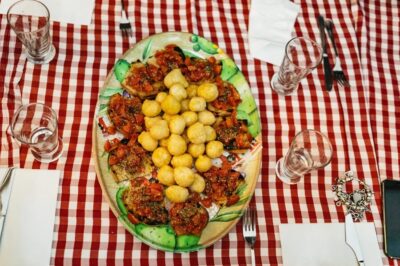
Pizza-Making Workshop with Drink and Appetizer
Read our review →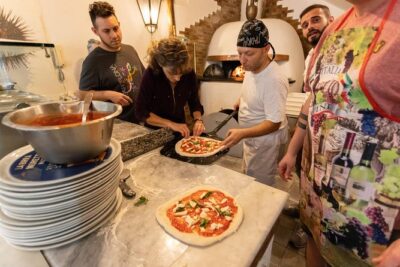
Authentic Pizza Making Class in Naples with Appetizers and Drink
Read our review →
Pompeii & Mt.Vesuvius Day Tour from Naples with Pizza Lunch
Read our review →
Florence Cooking Class The Art of Making Gelato & Authentic Pizza
Read our review →
Pizza Lesson, Wine, and Limoncello at a Local Farm
Read our review →
Cooking Class in the Heart of Rome: Pizza and Tiramisu Making
Read our review →Browse the lists this tour appears in