Reviewed · TICKETS
Ravenna: UNESCO Mosaics Entry Tickets
Ravenna’s mosaics feel like time travel. With one Ravenna combo ticket, you can enter multiple UNESCO sites and move through the city’s most famous Byzantine masterpieces at your own pace. It is a smart way to see more of Emilia-Romagna’s mosaic power without planning five separate ticket purchases.
I especially love the sheer craftsmanship at San Vitale and the way the mosaics tell real stories, not just pretty pictures. The St. Andrew’s Chapel stop also delivers something different, with a private-bishops feel inside the Archiepiscopal Museum and striking details tied to Ravenna’s early church life.
One consideration: this is not a guided visit. You will get access, but you have to read, look slowly, and use any on-site signage to connect the dots, especially if you want deeper context on the religious shifts.
In This Review
- Key points worth planning for
- Ravenna in one combo: what you actually get
- Entry rules and how to plan your day inside the churches
- San Vitale Basilica: the octagon where power shows up in mosaic form
- Sant Apollinare Nuovo: Byzantine mosaics shaped by centuries of change
- St. Andrew’s Chapel in the Archiepiscopal Museum: the bishops’ private world
- Optional add-ons: Galla Placidia and the Neonian Baptistery
- Mausoleum of Galla Placidia
- Battistero Neoniano (Neonian Baptistery)
- How to sequence your route without feeling rushed
- Price and value: what $14 buys in Ravenna
- Make the mosaics click, even without a guide
- Should you book this Ravenna UNESCO mosaics entry ticket?
- FAQ
- What sites are included with the Ravenna UNESCO mosaics combo ticket?
- Is this a guided tour?
- How much does it cost?
- How long is the ticket valid?
- Can I visit each monument more than once?
- What do I need to bring for entry?
- Is flash photography allowed?
- Where do I have to show my ticket?
- Do I need special clothing rules besides covering knees and shoulders?
- Is wheelchair access available?
- Where does the visit start and end?
Key points worth planning for
- One combo ticket, multiple UNESCO stops, including San Vitale and Sant Apollinare Nuovo
- St. Andrew’s Chapel inside the Archiepiscopal Museum, tied to bishops of Ravenna and meaningful objects
- Optional add-ons for Mausoleum of Galla Placidia and Battistero Neoniano
- No flash photography and a strict church dress code, so plan your outfit in advance
- 20% off in the site bookshops, which can soften the price if you like art and church history books
Ravenna in one combo: what you actually get
This entry ticket is built for Ravenna’s top mosaic experiences. In practice, you buy one ticket and use it to enter several major sites tied to UNESCO World Heritage recognition.
At the core, you get access to:
- San Vitale Basilica
- Sant Apollinare Nuovo Basilica
- Archiepiscopal Museum and St. Andrew’s Chapel
Depending on the option you select, you can also include:
- Mausoleum of Galla Placidia (first half of the 5th century)
- Battistero Neoniano (Neonian Baptistery)
The ticket is valid for 7 days, and you can visit each monument once. You will want to treat it like a flexible pass for your Ravenna days, not something you can casually stretch forever.
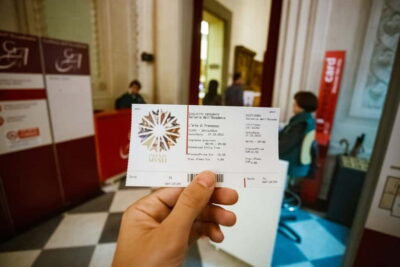
Also note the practical side of entrance: at each stop, you must show the official ticket at the attraction entry. The booking ticket is shared in a separate email, so I recommend keeping that email easy to reach on your phone.
Introductions we still owe you around Ravenna
Entry rules and how to plan your day inside the churches
Ravenna’s churches are used spaces, so the dress rules are real. Knees and shoulders must be covered. Avoid clothing with rips, holes, or transparent fabric. This is the kind of rule that can ruin a day if you ignore it, so pack accordingly.
Photography is another big one:
- Flash photography is prohibited
And then there is the simple comfort factor. Bring comfortable shoes. Ravenna’s main mosaic sites are close enough to walk between, but you will still rack up steps, and you will want the freedom to linger inside.
Timing matters too. The ticket is valid for 7 days and you should check available starting times, since entrance windows can vary. If you are trying to avoid crowds, pick your mornings carefully and give yourself enough time to slow down inside.
Wheelchair access is available, so if you need it, plan around accessible routes at each monument.
San Vitale Basilica: the octagon where power shows up in mosaic form
San Vitale is one of those places that makes you stop talking. It is a 6th-century octagonal marvel that blends classic Roman and Byzantine architectural ideas in a way that still feels modern. You are not just looking at walls. You are looking at a carefully designed stage for ideas.
The mosaics on the walls use thousands of tiny tiles to depict Old Testament stories. That detail matters because it turns scripture into something you can almost read with your eyes. Look closely and you start noticing how patterns and figures work together, not as separate decorations, but as narrative and meaning.
Then the mosaics shift into political-religious symbolism. Adjacent scenes pay tribute to Roman royalty, including Emperor Justinian I and Empress Theodora. This is where the building feels like it is doing more than worship. It is broadcasting authority.
Practical tip: spend extra time at eye level before you crane up too fast. The mosaics reward patient looking, especially if you want to connect who is represented and what story is being shown.
Sant Apollinare Nuovo: Byzantine mosaics shaped by centuries of change
Sant Apollinare Nuovo is an important UNESCO site, but it does not shout. It is one of Ravenna’s discreet treasures, and that is part of its charm.
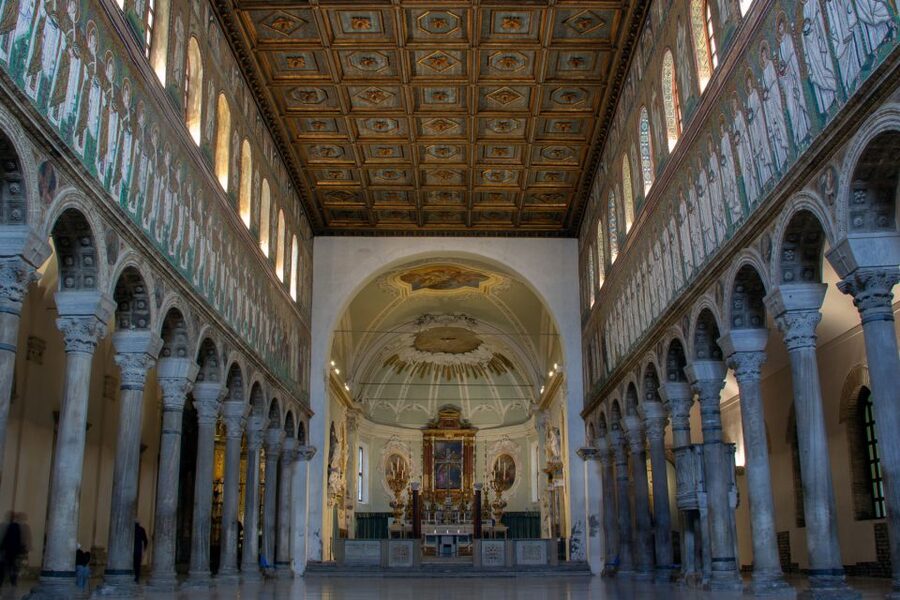
It was erected in the 6th century under the Ostrogoth king Theodoric the Great. Once inside, you get floor-to-ceiling mosaics from the Byzantine era. This is where the history gets especially interesting, because the mosaics were not frozen in time.
They were once painted black by Pope Gregory the Great to keep parishioners focused on prayer. Later, after damage from World War I, they were reconstructed. That means you are not just seeing art preserved. You are seeing art that survived disruption and restoration.
One of the star moments here is the presence of the oldest mosaic cycle related to the life of Christ. If you like finding the “first” or the “earliest surviving example” in art history, this is the place to slow down.
Practical tip: stand back first, then move in. From a distance you understand the layout and story flow. Closer up you catch the tiny-tile effect and the way figures and scenes interlock.
St. Andrew’s Chapel in the Archiepiscopal Museum: the bishops’ private world
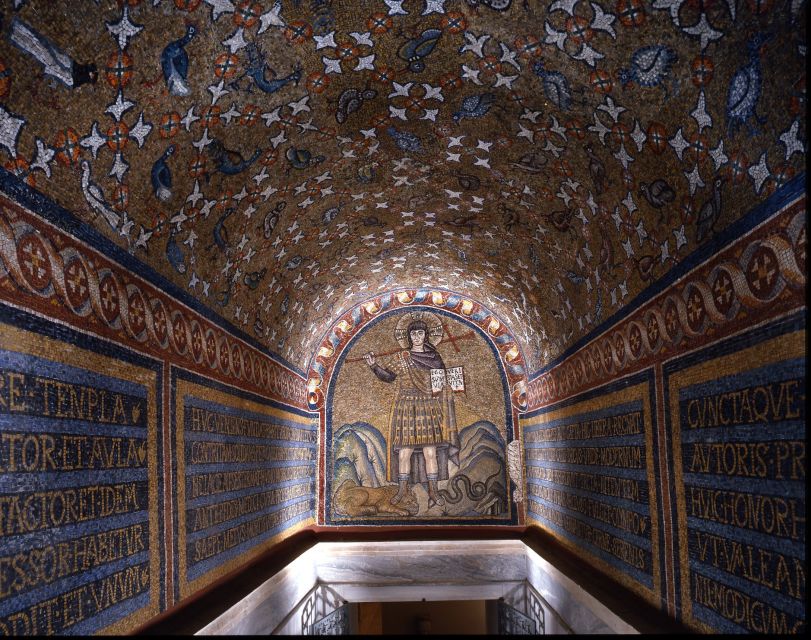
If San Vitale is the big statement, St. Andrew’s Chapel feels like the quiet reveal. The chapel is inside the Archiepiscopal Museum, and it is tied to the early Byzantine era in a way you can literally see.
The mosaics and artwork here show evidence of a religious divide from that period. That is not abstract history. It shows up in the choices of who and what is represented, and how the chapel communicates identity.
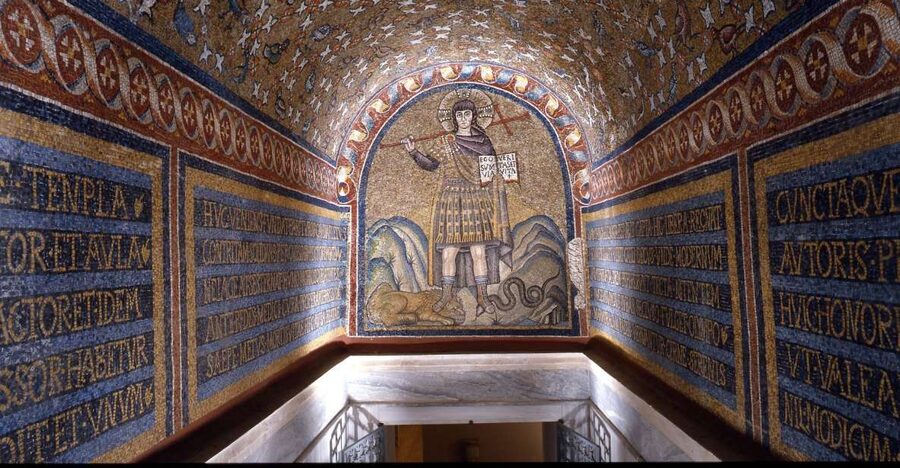
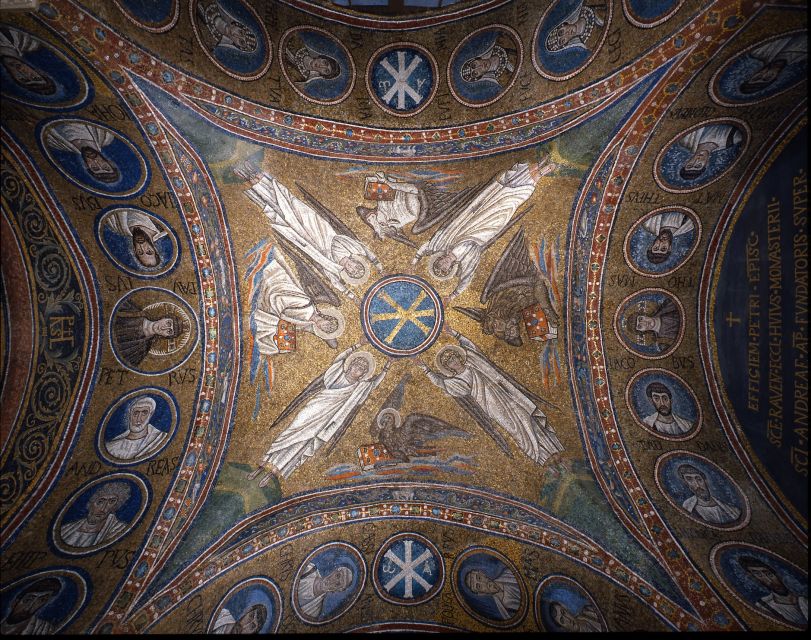
It is also called a hidden pearl of the Archbishop Museum, and there is a good reason. This space functioned as the private chapel for the bishops of Ravenna. In other words, it is not just a public church. It is a place with a more personal, power-and-faith link.
Inside the Archiepiscopal Museum, you can also connect the mosaics to objects tied to Ravenna’s church legacy, including:
- epigraphs
- the cathedral treasure
- an ivory throne of bishop Maximian
Practical tip: if you want St. Andrew’s Chapel to land emotionally, give yourself time to read the plaques and look at the chapel context before staring at the mosaics for too long. The objects and the chapel setting help the mosaics make sense.
Optional add-ons: Galla Placidia and the Neonian Baptistery
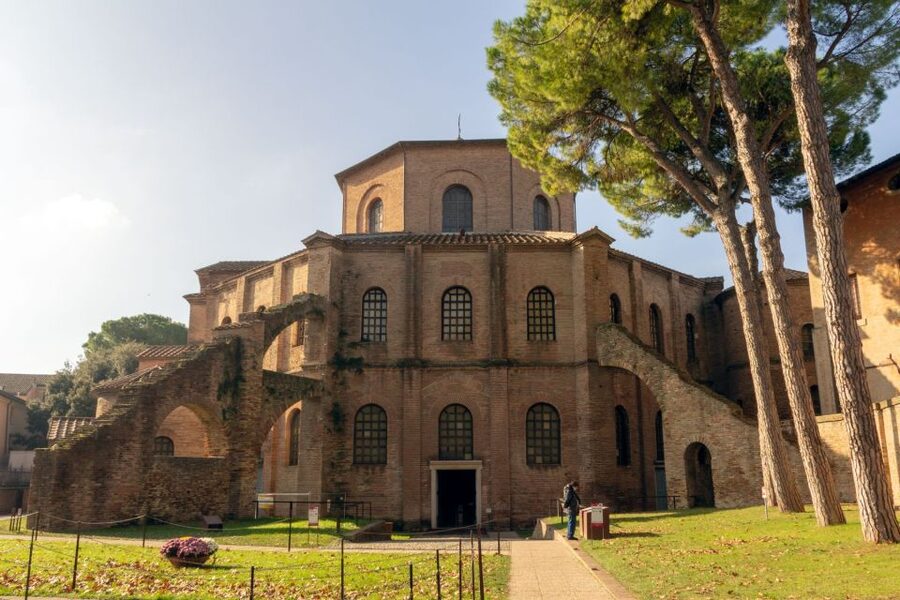
If you choose the 5-monument option, you add two sites that are close enough to keep your day from turning into a marathon.
Mausoleum of Galla Placidia
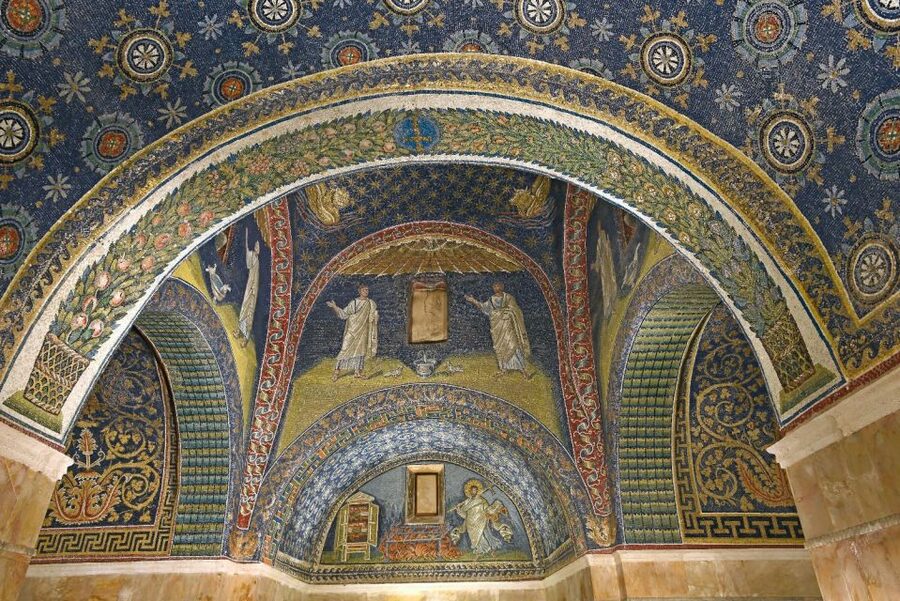
This mausoleum dates to the first half of the 5th century. It is not far from Basilica of San Vitale, so it fits naturally into a route that already centers on San Vitale. Even without a guide, the fact that it is older helps you feel how early Ravenna’s mosaic identity formed.
Battistero Neoniano (Neonian Baptistery)
The Neonian Baptistery is named after Bishop Neon, who continued the construction after his predecessor, Ursus. Inside, the key highlight is the decoration of the entire mosaic dome dating back to the time of Bishop Neon.
Practical tip: when a place highlights just one major visual, you do not rush it. Spend your time watching how the dome’s mosaic surface reads as a whole, not as individual pieces.
How to sequence your route without feeling rushed
Ravenna’s mosaic sites are close enough that you can treat this ticket like a walking plan. People often note that these monuments are within walking distance, and that matters because it keeps your trip from feeling fragmented.
A route that works well in real life is grouping things by location:
- Anchor your day around San Vitale
- Fit Galla Placidia nearby if it is included
- Walk to Sant Apollinare Nuovo
- Use the Archiepiscopal Museum stop to finish with a more intimate chapel experience
Because the ticket is valid for 7 days and each monument is one visit, you can also split the plan. If you have two Ravenna days, spread the biggest stops across separate mornings. That keeps you from trying to do everything at once, which is when even the best mosaics start feeling like background noise.
Also, these are churches, so keep a buffer for entry lines and rule checks. You want your schedule flexible enough that you do not rush your eyes.
Price and value: what $14 buys in Ravenna
At around $14 per person, this combo ticket is one of those prices that makes sense once you count the sites. You are paying for access to multiple major monuments tied to UNESCO recognition, not just one.
The value gets better because:
- You can enter San Vitale and Sant Apollinare Nuovo, both big mosaic anchor points
- You also get St. Andrew’s Chapel inside the Archiepiscopal Museum, which adds depth beyond the basilicas
- If you select the option, you also add Galla Placidia and Battistero Neoniano
- There is a 20% discount on purchases in the bookshops at the sites
The discount is not life-changing, but it is smart. If you like to take something home that actually matches what you saw, it can turn a small souvenir into a useful reference.
The tradeoff is simple: there is no guided visit included. If you want a full narrative explanation of Byzantine politics, church art symbolism, and why Pope Gregory mattered here, you will need to rely on signage or consider adding a guide on your own.
Make the mosaics click, even without a guide
You can absolutely enjoy this ticket without hiring anyone. But you will get more from it if you follow a few habits.
First, pick a theme before you walk in. For example:
- Old Testament scenes at San Vitale made of thousands of tiles
- Justinian and Theodora as political-religious messaging
- Pope Gregory’s decision to paint mosaics black and the later reconstruction after World War I
- The religious divide evidence shown at St. Andrew’s Chapel
- Bishop Neon and Bishop Ursus shaping the baptistery’s construction story
Second, slow down in a deliberate way. Look at the overall arrangement first. Then move to the details. Finally, look at the edges of each scene. That is where you often notice how artists used space and patterning to guide your eye.
Third, be prepared for the emotional effect. Ravenna mosaics can be intense because they feel both ancient and precise. It helps to avoid rushing from room to room. Give each stop enough time that your brain can switch modes from walking city streets to reading images.
If you decide you do want more context, the difference a good explanation makes is real. Some people highlight instructors such as Cinzia for turning the art into plain, practical understanding. That is not part of the entry ticket, but it can be a good match if you crave more story than signage provides.
Should you book this Ravenna UNESCO mosaics entry ticket?
Book it if:
- You want maximum Ravenna mosaics with one ticket
- You like church art and want to compare Roman and Byzantine visual language
- You are happy doing a self-paced visit and taking time with your eyes
- You want the option to add Galla Placidia and the Neonian Baptistery
Skip or rethink it if:
- You only want a structured guided narrative from start to finish
- You are short on time and cannot handle multiple monument entries in one day
- You cannot follow the church dress rules, since that can slow things down
If you have at least a couple of days in Ravenna, this is a very solid value. The mosaics are the headline, and this ticket is built to get you to the right places without making you piece together separate entrances.
FAQ
What sites are included with the Ravenna UNESCO mosaics combo ticket?
You get access to San Vitale Basilica, Sant Apollinare Nuovo Basilica, and the Archiepiscopal Museum with St. Andrew’s Chapel. If you select the option for 5 monuments, you also get access to the Mausoleum of Galla Placidia and Battistero Neoniano.
Is this a guided tour?
No, a guided visit is not included. You enter the sites and explore on your own.
How much does it cost?
The price is listed as $14 per person.
How long is the ticket valid?
The ticket is valid for 7 days. Starting times depend on availability, so you should check what time options are offered.
Can I visit each monument more than once?
No. The ticket is valid for 7 days, but it allows 1 visit per monument.
What do I need to bring for entry?
Wear comfortable shoes. You also need to follow the church dress code, which requires knees and shoulders to be covered.
Is flash photography allowed?
No. Flash photography is prohibited.
Where do I have to show my ticket?
You must show the official ticket at the attraction entry for each site. The booking ticket is shared in a separate email.
Do I need special clothing rules besides covering knees and shoulders?
Yes. Avoid clothing with rips, holes, or transparent material.
Is wheelchair access available?
Yes, the activity is wheelchair accessible.
Where does the visit start and end?
It starts at the attraction entry where you show your official ticket, and it ends back at the meeting point.
Just introduced: the newest Ravenna write-ups
- Guided Tour of Mosaic Tiles in Ravenna★ 5.0 · 1,693 reviews
- Ravenna: UNESCO Monuments and Mosaics Guided Tour★ 4.8 · 3,108 reviews
Tickets, compared.
Vatican: Museums & Sistine Chapel Entrance Ticket
Read our review →
Cathedral and Duomo’s Terraces Entrance Ticket
Read our review →
Skip-The-Line Uffizi Gallery Timed Entry Ticket
Read our review →
Naples Underground Entry Ticket and Guided Tour
Read our review →
Pantheon Fast-Track Ticket and Official Audio Guide
Read our review →
Entry Ticket and Guided Tour with an Archaeologist
Read our review →