
Reviewed · COLOSSEUM ENTRY TICKETS
Rome: Colosseum, Roman Forum & Palatine Hill Tour
Rome’s ruins never feel this close.
This Colosseum, Roman Forum, and Palatine Hill tour strings together the big three of ancient Rome in one smooth arc, with a guide that helps you see what you are actually looking at. I love the human scale of the experience, walking the Via Sacra routes tied to Roman power, and I love that you get context for the gladiator world, not just stone and slogans. One possible drawback: it is very busy, and the walking plus crowd bottlenecks can make the pace feel tight when it is hot.
You also start with a real payoff for first-timers. You get a guided path that hits the Colosseum, the Imperial Roman Forums, and the emperors’ neighborhood on Palatine Hill, including the atmosphere of arches and the symbolic spots people always ask about. Still, it is not a great match if you have mobility limits, because it is not suitable for wheelchair users and it involves lots of walking on uneven ground.
In This Review
- Key highlights worth planning around
- Where You Meet, How You Get In, and What You Should Bring
- The Colosseum Experience: What a 1-Hour Guided Pass Really Gives You
- Strolling the Imperial Roman Forums: Via Sacra Footsteps and Power, Not Just Columns
- Palatine Hill: Emperor Palaces, Big Views, and the Logic of Rome’s Neighborhood
- Triumphal Arches and the Caesar Cremation Spot: Details That Make Photos Smarter
- Crowd Reality, Timing, and How to Make the Tour Feel Worth It
- Value at About $41: What You Really Get for the Money
- Who This Tour Suits Best (and Who Should Rethink It)
- Should You Book This Colosseum, Roman Forum and Palatine Hill Tour?
- FAQ
- How long is the Rome Colosseum, Roman Forum & Palatine Hill Tour?
- What’s included in the price?
- Does this tour skip the ticket line?
- Where do I meet for the tour?
- What languages are available for the live guide?
- What should I bring?
- Is the tour suitable for wheelchair users or people with mobility impairments?
Key highlights worth planning around
- Skip-the-line entry, so you spend more time looking and less time waiting in crowds.
- Headsets included, which helps a lot when you are moving through loud, packed sites.
- Via Sacra guided route, so you connect Caesars, Antony, and Roman political life to the ground beneath your feet.
- Palatine Hill viewpoints, where the Forums open up and you can finally see how the emperors dominated the view.
- Triumphal arches focus, including the Arch of Titus and the Arch of Constantine, plus other nearby arches.
Where You Meet, How You Get In, and What You Should Bring
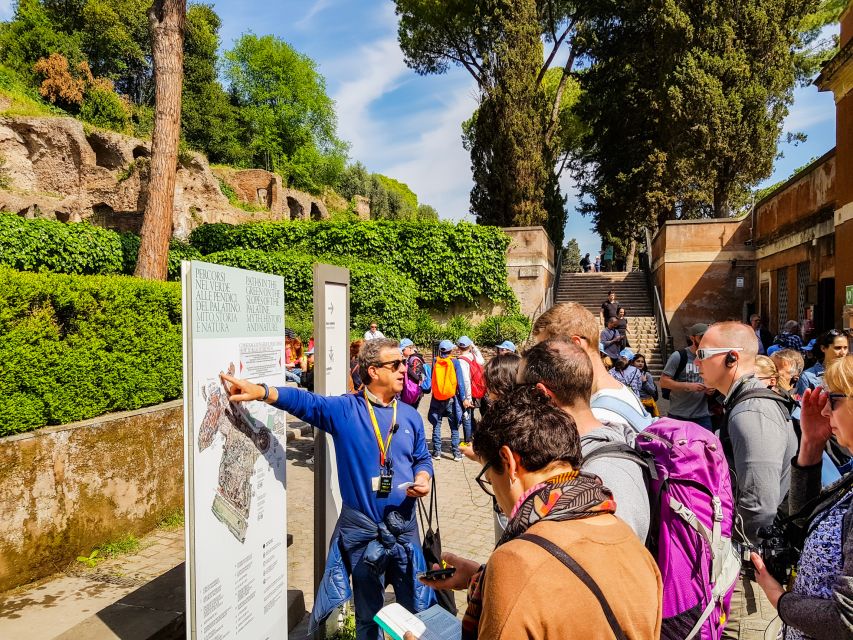
You meet at Via delle Terme di Tito 93, which is close enough to the Colosseum area that the whole tour feels concentrated, not scattered. If you are coming by metro, you use the Colosseo station, then head up to the terrace above it, walk on Via Nicola Salvi for about 100 meters, and turn left.
Before you even start touring, plan for airport-style security. That means you should have your passport or ID card ready, and the same applies for children. Also bring what makes walking easier, because this is not a sit-and-stare tour.
The big practical win here is that tickets are included and the tour includes skip-the-line entry. In Rome, that can be the difference between spending your time in a queue and spending it inside the ruins.
More ways through the Colosseum gates:

The Colosseum Experience: What a 1-Hour Guided Pass Really Gives You
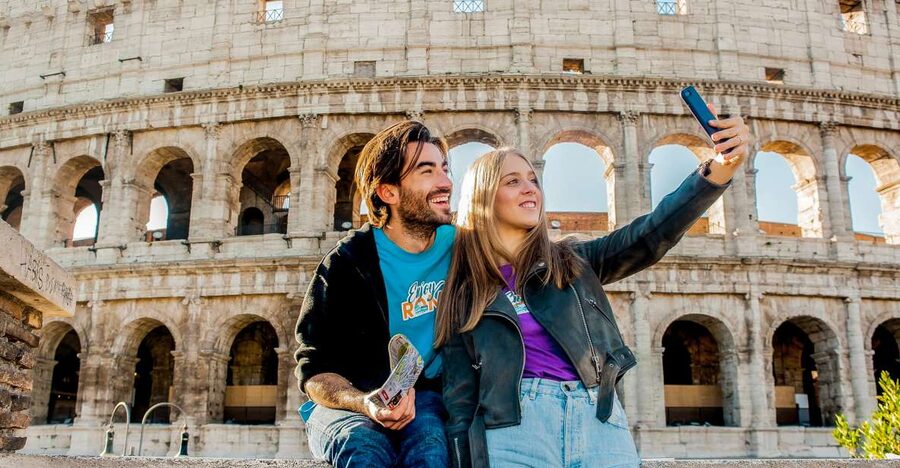
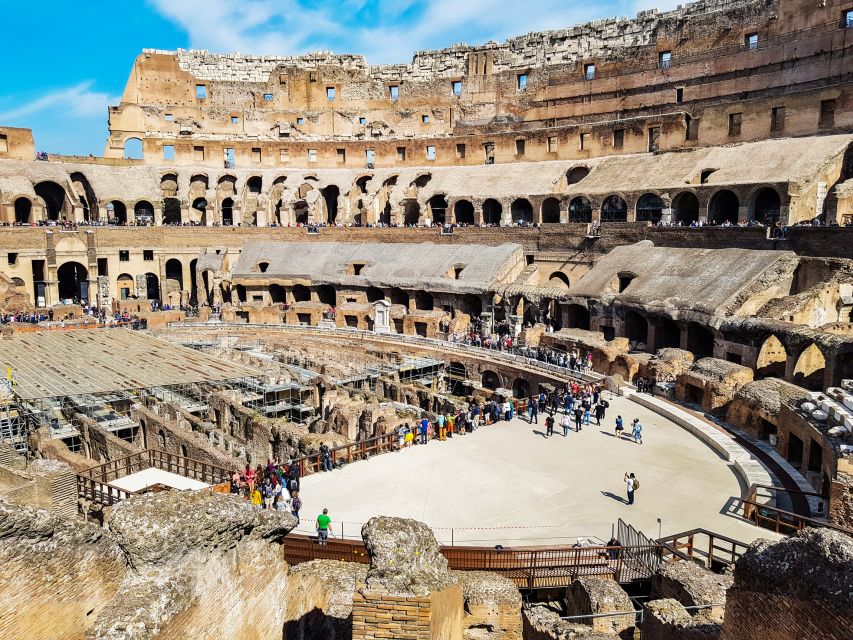
The Colosseum is the obvious draw, but the guided version changes how you read the site. Instead of only seeing walls and seating tiers, you get a running explanation of gladiators, including what their lives and training looked like and how they were treated like major celebrities of their time. That kind of story matters, because the Colosseum is huge and easy to look at like a museum, unless someone translates the details.
You have about an hour here with a guide, and the headset system helps you keep up while you are surrounded by other groups. That is a small thing that makes a big difference, especially in the parts where explanations are quick and movement is continuous.
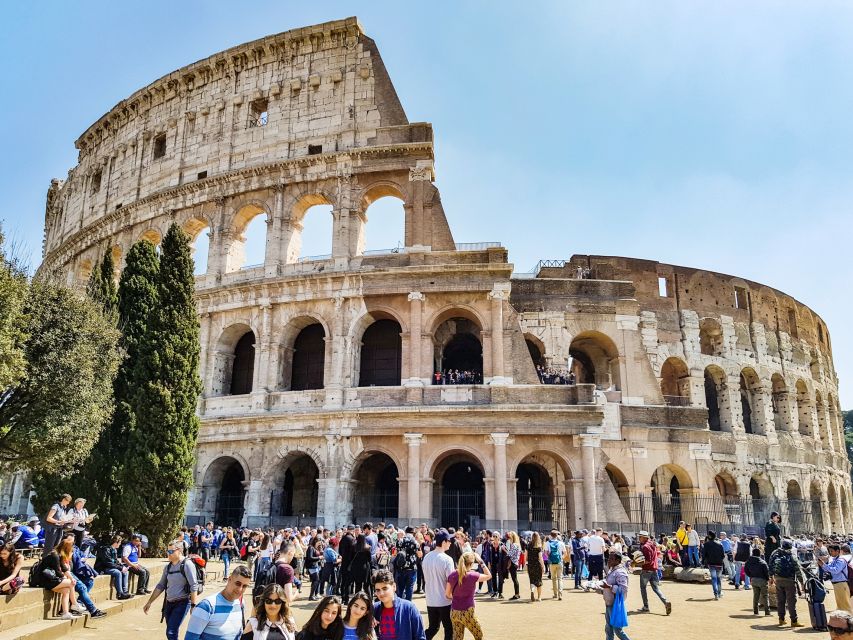
Now the honest caution: the Colosseum is always crowded. Even with skip-the-line entry, you can still feel the push of lines and moving people, and that is where timing can slip. I would treat this as a walk-through that gives you strong context, not a slow, linger-all-day session.
Strolling the Imperial Roman Forums: Via Sacra Footsteps and Power, Not Just Columns
Next comes the Imperial Roman Forums, and this is where the tour’s theme becomes clear: Rome’s power was not abstract. It was planned, paved, argued over, and performed in public spaces.
You walk along the Via Sacra route, the downtown spine of ancient Rome, where the tour frames the ground with the story of major Roman figures. You also hear about how the Forums functioned as the center of the most powerful city in the ancient world. When you stand in the right spot and understand what the area represented, the Forum stops being a collection of ruins and becomes a map of political life.
One of the most useful parts of a guided Forum stop is the compression of meaning. You might only spend a limited time in each cluster of stone, but your guide helps you connect arches, street lines, and monuments into one idea. That is why this works so well as a first Rome-to-Rome tour.
A drawback to flag: the Forum areas can be hot, busy, and echoey. Even with headsets, you may feel like you are constantly moving and constantly needing your attention. Still, that is usually the tradeoff for seeing a lot without burning your entire day in transit.
Palatine Hill: Emperor Palaces, Big Views, and the Logic of Rome’s Neighborhood
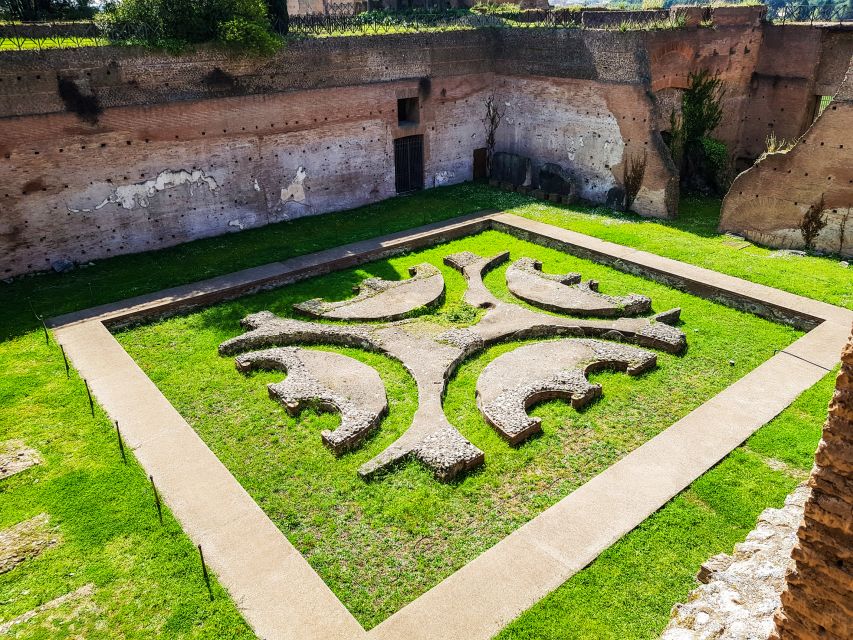
Then you climb up to Palatine Hill, and this stop is the quiet satisfaction of the whole experience. Palatine Hill is linked to the emperors’ palaces, so you are standing where elite power physically lived, not just where power was announced.
The tour includes guided time here with views over the Forums. That matters because Palatine Hill changes your understanding of the city. From the higher ground, it is easier to grasp how the rulers could oversee and control the spaces below.
You also get the sense that Rome was built in layers. The ruins are not only impressive because they are old, but because they still create a sense of where the city’s hierarchy sat. That is the real value of a guided climb here: it makes the geography readable.
Wear shoes you trust. Palatine Hill is the kind of place where a wrong step can slow you down, and the tour is designed to keep you moving through multiple highlights in a relatively short window.
Introductions we still owe you around Rome
- Vatican: Museums & Sistine Chapel Entrance Ticket
★ 4.5 · 144,003 reviews - Vatican Museums & Sistine Chapel Tour with Optional Basilica
★ 4.3 · 67,413 reviews - Vatican Museums, Sistine Chapel & St Peter’s Basilica Guided Tour
★ 4.5 · 39,149 reviews - Rome: Colosseum & Forum with Audio Guide App -Optional Arena
★ 4.2 · 24,770 reviews
Triumphal Arches and the Caesar Cremation Spot: Details That Make Photos Smarter
The tour doesn’t treat the triumphal arches as scenery. It uses them like signposts in a story of Roman victories and public messaging.
You walk around the Triumphal Arches of Septimus Severus, and you also see the ancient Titus and Constantine arches. These arches are important because they show how Rome turned military or political achievements into permanent visuals that people could walk past every day. Once you understand that, you stop shooting the arches as backdrops and start using them as historical clues.
There is also a very specific kind of moment built into the experience: you visit the very spot where Julius Caesar was cremated. That is the sort of detail that makes a tour feel more like comprehension and less like sightseeing.
Practical note: photo moments are good here, but you will likely be taking pictures in motion and in tight spaces. If you want the cleanest shots, listen for where your guide suggests you stand, because positions matter more than you expect.
Crowd Reality, Timing, and How to Make the Tour Feel Worth It
This is a 2.5-hour tour on paper, but Rome is Rome. Crowds are real, security takes time, and busy days can stretch the schedule. Some people have experienced longer than expected pacing, so I recommend building a little slack into your day after the tour.
Heat and shade are not small issues either. Guides often adjust to the conditions, and you will likely appreciate their pacing choices when it is warm. Still, don’t rely on luck. Bring a hat, use sunscreen, and keep water planning in mind.
One more practical detail: your meeting point is in a busy zone, and tours can start with some early jostling as groups gather and security lines shuffle. If you want a calmer start, arrive a few minutes early and assume it may feel chaotic before you actually begin.
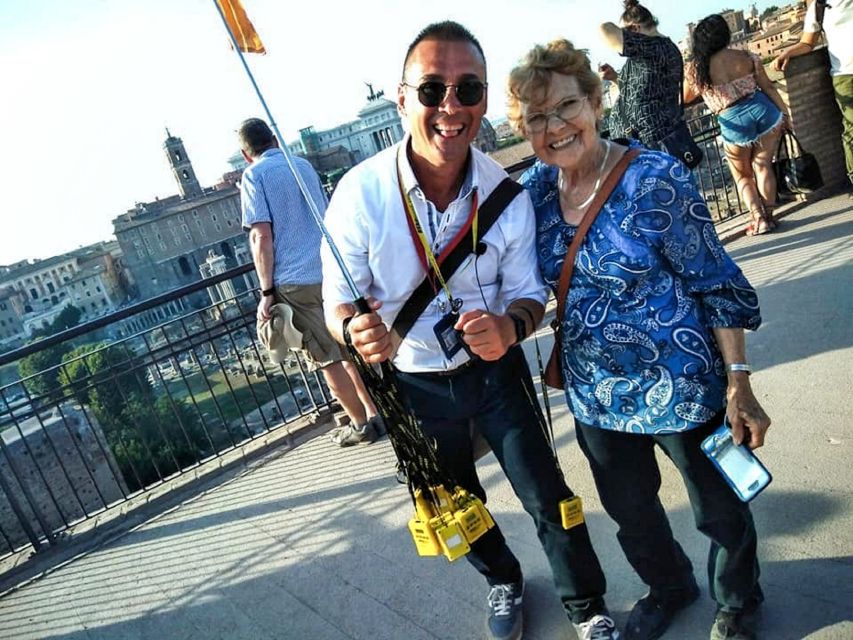
On group vibe, the experience is generally described as engaging and well-led, with headsets that help you stay connected to the guide. Past participants have praised guides by name, including Andrei, Mahmood, Ricardo, and Ian, and that gives you a sense that the storytelling is often the strongest part.
Value at About $41: What You Really Get for the Money
At around $41 per person, this tour hits a rare sweet spot: it includes a professional guide, entrance tickets, and headsets, plus it offers skip-the-line entry. That combination matters because you are not just paying for commentary, you are paying for time saved at the hardest parts of the day.
What you do not get is food or hotel pickup and drop-off. That is typical, but it affects how you plan meals. I’d treat this as a morning or early-afternoon anchor and then eat before you get too tired, or plan a simple post-tour meal nearby.
You also get a compact way to see three of Rome’s biggest ancient sites without trying to stitch together a self-plan through timed entry and logistics. If you like to understand what you are seeing, guided time is a big advantage here.
Who This Tour Suits Best (and Who Should Rethink It)
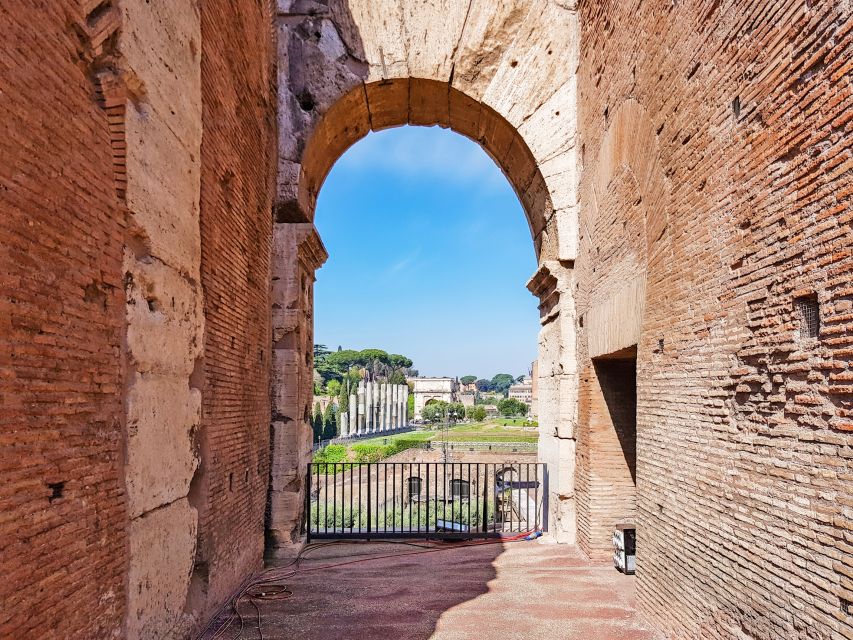
This is a great fit if you want a guided overview that makes the Colosseum, Roman Forum, and Palatine Hill instantly more meaningful. It also works well if you are short on time and you want one plan that ties together gladiators, imperial politics, and the physical setting of power.
It may feel less ideal if you want a slow, museum-style visit. The stops are focused and you move along a guided flow, so if your dream day is wandering alone for hours, you might prefer a lighter approach.
And it is not suitable for people with mobility impairments or wheelchair users, because walking and terrain are part of the package.
Should You Book This Colosseum, Roman Forum and Palatine Hill Tour?
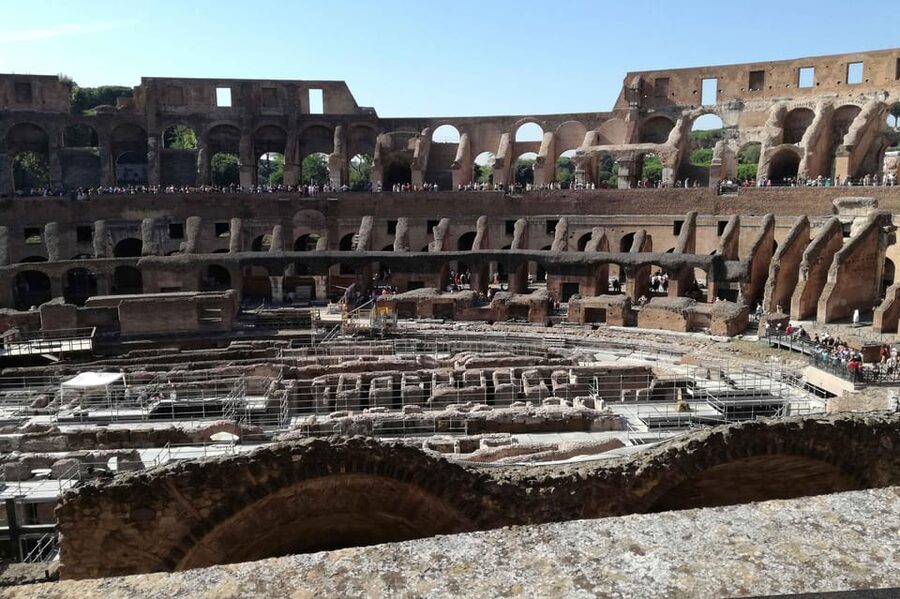
I think this is worth booking if you want the best version of a “first Rome” pass through the ancient center. The mix of guided stories, included tickets, and headsets, plus the skip-the-line benefit, is exactly how you turn a crowded, high-demand area into a usable experience.
If you hate crowds, you might still enjoy it, but you should go in with realistic expectations about pace. If you are traveling with limited mobility, skip this one and choose a different format.
For most people, though, this is a smart way to see three headline sites in 2.5 hours without getting lost in Rome’s maze of monuments. Book it, bring your ID, wear comfortable shoes, and treat the ruins like a living story. You’ll get more from the stones than you’d think.
FAQ
How long is the Rome Colosseum, Roman Forum & Palatine Hill Tour?
The tour duration is 2.5 hours.
What’s included in the price?
The tour includes a professional guide, entrance tickets, and headsets.
Does this tour skip the ticket line?
Yes, it includes skip-the-line entry.
Where do I meet for the tour?
Meet at Via delle Terme di Tito 93. If you arrive by metro from the Colosseo station, go to the terrace above the station, walk on Via Nicola Salvi about 100 meters, then turn left.
What languages are available for the live guide?
The live tour guide is available in Spanish, French, German, English, and Italian.
What should I bring?
Bring your passport or ID card, and the same for children.
Is the tour suitable for wheelchair users or people with mobility impairments?
No, it is not suitable for people with mobility impairments and it is not available for wheelchair users.
Just introduced: the newest Rome write-ups
- Rome Fiumicino Airport Transfer in Luxury Private Transportation★ 4.5 · 339 reviews
- Vatican: Pope Francis Tomb and Papal Basilicas Tour★ 4.7 · 340 reviews
- From Rome: Sorrento, Positano & Amalfi Coast Day Trip★ 4.5 · 340 reviews
- Rome: Guided Colosseum Underground Tour★ 4.8 · 342 reviews
- Colosseum Arena Floor, Roman Forum & Palatine Hill Guided Group Tour★ 5.0 · 343 reviews
- Rome: Small Group Rome’s Dark Side – Ghosts & Legends Tour★ 4.9 · 343 reviews
- Rome: City Highlights Electric Bike Tour★ 4.9 · 343 reviews
Colosseum Entry Tickets, compared.

Colosseum, Roman Forum & Palatine Guided Tour
Read our review →
Colosseum, Palatine Hill and Roman Forum Guided Tour
Read our review →
Guided Tour of Colosseum, Roman Forum & Palatine Hill
Read our review →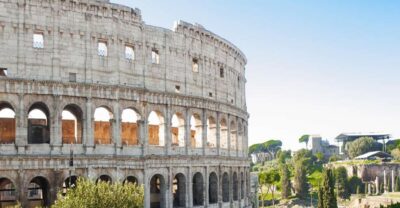
Colosseum & Forum with Audio Guide App -Optional Arena
Read our review →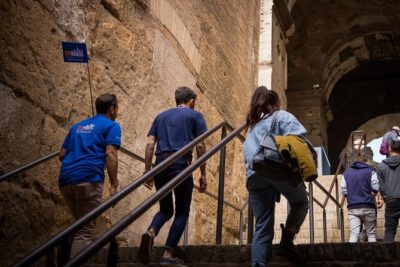
Colosseum, Roman Forum and Palatine Hill Guided Tour
Read our review →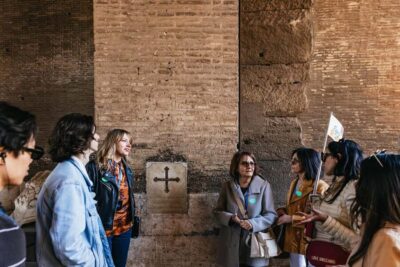
Colosseum, Forum & Palatine Hill Tour & Optional Arena
Read our review →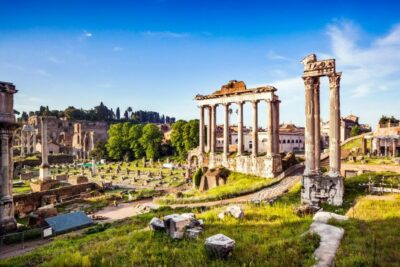
Colosseum, Roman Forum, Palatine with Multimedia Video
Read our review →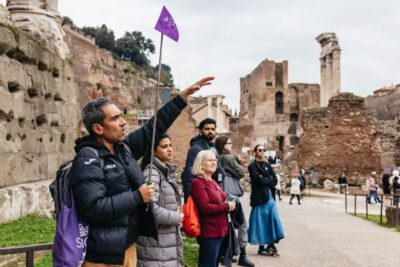
Colosseum, Palatine Hill & Roman Forum Guided Tour
Read our review →Browse the lists this tour appears in