Reviewed · GUIDED
Rome: Domus Aurea, Nero’s Golden House guide tour
Nero’s palace still lives underground. This tour pairs a live guide with VR Oculus to show how the Domus Aurea may have looked 2,000 years ago, and it keeps the story moving. I also love the restoration work you can actually see, right alongside the modern reconstructions. One thing to plan for, it stays cold underground, around 10 degrees Celsius, so bring a jacket.
What you get is a guided site visit with skip-the-line express security, plus entrance included. You’ll also need to follow the ID rules, because you must provide first and last names for all participants and bring your ID with you.
In 1.5 hours, you’ll walk a focused circuit through the archaeological remains while VR and video narration fill in what’s missing. It’s a great format if you want context, not just photos, and it’s not suitable for wheelchair users or people with mobility impairments.
In This Review
- Key points to know before you go
- Nero’s Golden House, what you’ll actually be seeing
- Start at Via delle Terme di Tito, then skip the pressure
- The guided walk, where the guide does the heavy lifting
- VR Oculus and video narration, the missing rooms come back
- What to wear underground, and how to make the cold work for you
- Duration and pacing, how to judge the time
- Price and value, is $59 worth it?
- Who this Domus Aurea Nero tour is perfect for
- Should you book this Domus Aurea guide tour with VR?
- FAQ
- How long is the Domus Aurea Nero’s Golden House guide tour?
- What is included in the $59 ticket price?
- Which languages are available for the live guide?
- Do I need to bring my ID?
- What should I bring and what should I avoid?
- Is the tour suitable for wheelchair users?
Key points to know before you go
- VR Oculus playback helps you mentally place the rooms as Nero’s palace once stood.
- Restoration-focused viewing lets you see how the site is being stabilized and presented.
- Live guides in several languages (Spanish, Italian, English, French) keep the visit clear and paced.
- Express security can save you time before you enter.
- Underground temperature is about 10°C, so warm layers and comfortable shoes matter.
- No large bags, food, or drinks, and you’ll need ID plus participant names.
Nero’s Golden House, what you’ll actually be seeing
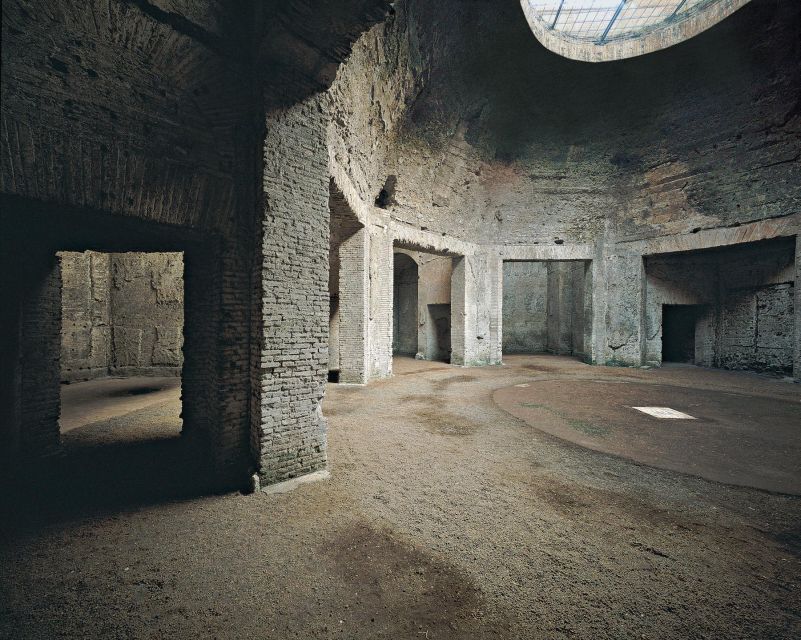
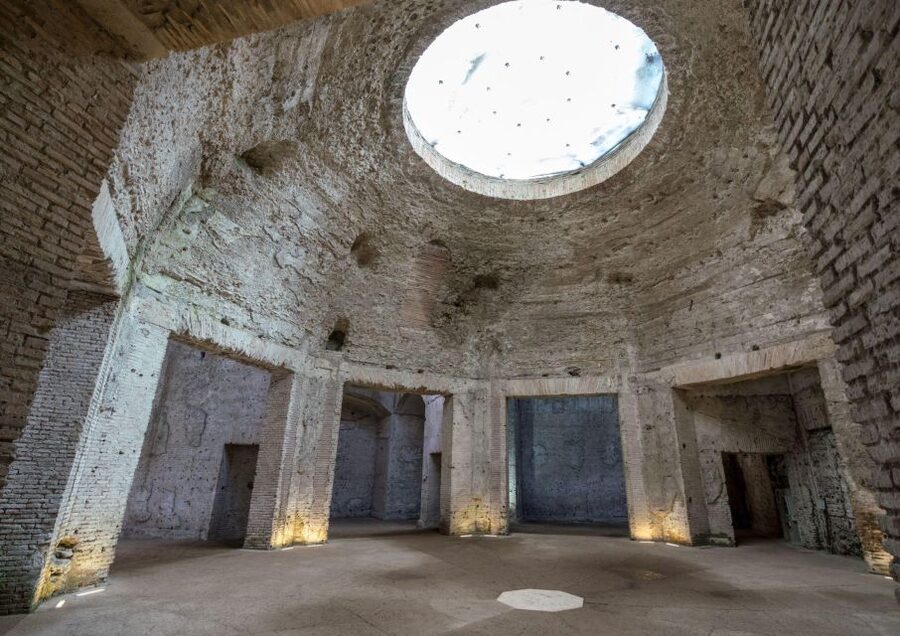
The Domus Aurea, Nero’s Golden House, is one of those Rome sites that feels like it should be louder than it is. The scale is there, but so much is still incomplete or covered, because these rooms were buried and lost for centuries. What makes this tour click is how quickly it helps you understand the space you’re standing in.
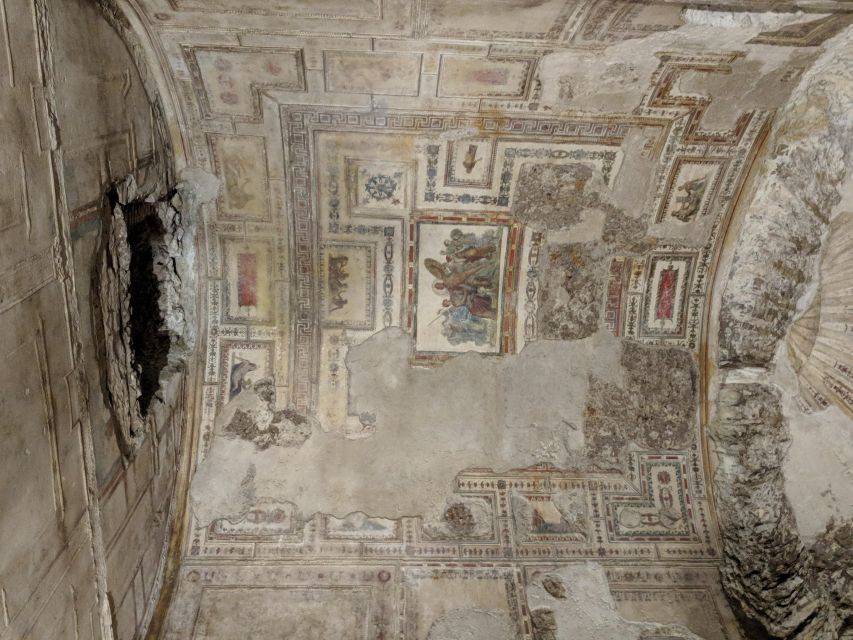
You’re not just looking at stone and fragments. You’re walking through an archaeological restoration environment where modern interventions are designed to protect and present the remains. That matters, because you can see both the ancient bones of the palace and the careful work that lets visitors experience it today.
And the palace story is the hook. Nero’s reign is famous for excess, but the Domus Aurea shows that in architectural terms: dramatic scale, grand decorative ambition, and rooms built to impress. The guide’s job is to connect what you see now to what you’re trying to imagine, and that’s exactly what the VR and narration are built to do.
Introductions we still owe you around Rome



Start at Via delle Terme di Tito, then skip the pressure
Your meeting point can vary based on the option you book, but it’s tied to Via delle Terme di Tito. Plan to arrive a little early, because the tour runs on a tight 1.5-hour slot and entry rules are strict.
Here’s what is non-negotiable before you even think about sightseeing. You must bring your ID, and you must provide first and last names for everyone in your group. If you forget, you risk being turned away at the entrance, because guards can refuse entry tickets.
You’ll also want to have a working email address or WhatsApp number. That’s how operators typically confirm details or connect with you as your time slot approaches. If you’re traveling on a tight schedule, this is also where it helps to keep your phone charged, even if all you’re doing is checking the meeting instructions.
Once you’re in the flow, the tour includes skip-the-line through an express security check. That single line-item can be the difference between a relaxed arrival and a stressed scramble in the heat or the wind above ground.
The guided walk, where the guide does the heavy lifting
The tour is built around a guided circuit through the Domus Aurea site, with the guide framing what you’re looking at as you go. You’ll get live commentary in Spanish, Italian, English, or French, so you can stay focused on the ruins instead of translating your way through.
What makes the guided portion valuable is that the palace is not intuitive if you only look with your eyes. You need context for things like room layout, decorative intent, and how restoration reveals or limits what we know. Guides also help you understand why certain features are preserved, why some areas are presented differently, and what the reconstruction is actually trying to show.
From the names and styles shared by past participants, you may get a guide like Claudia or Simone, or someone such as Nico. The common thread is storytelling that stays structured, with enough clarity that you can follow without getting lost in Roman terms.
One more practical note. Because this is a short tour, the pacing is deliberate. If you want to linger for photos, do it during the guided pauses, not at the exact moment the group needs to move, and be ready to keep up on uneven paths.
VR Oculus and video narration, the missing rooms come back
This is the part people rave about, and it’s easy to see why. The tour uses VR Oculus plus video narration alongside the guided visit, so you’re not just watching a standalone show. Instead, the reconstruction supports the explanation while you’re physically in the site.
The big value here is scale. Photos can’t teach you proportions, and even good museum panels can leave you thinking, ok, but where is that in relation to the room I’m standing in? VR helps you connect decoration, architecture, and sight lines much faster than text alone.
You’ll effectively be asked to do mental theater. The guide points you toward elements you can see, then the VR fills in what was likely there in Nero’s day, turning gaps into a believable visual story. Several people describe it as transporting or even emotionally intense, and that makes sense, because it hits both the practical and the imaginative parts of your brain.
A small consideration: the VR experience is head-based, so you should stay close enough to the guide to catch gestures. If your audio is hard to hear, don’t panic, just watch the guide’s body language and return your focus to what you can see in the ruins between segments. That keeps the experience from feeling disconnected.
Also, this tour uses modern tech inside an archaeological setting, so it’s best if you accept that the VR is a model, not a perfect time capsule. The aim is understanding, not pretending you’re back in the 1st century.
Also on the Rome guest list:
- Vatican Museums, Sistine Chapel & St Peter’s Basilica Guided Tour
★ 4.5 · 39,149 reviews - Rome: Colosseum, Palatine Hill and Roman Forum Guided Tour
★ 4.8 · 32,814 reviews - Rome: Guided Tour of Colosseum, Roman Forum & Palatine Hill
★ 4.7 · 27,897 reviews - Rome: Colosseum & Forum with Audio Guide App -Optional Arena
★ 4.2 · 24,770 reviews
What to wear underground, and how to make the cold work for you
Here’s the reality check: inside the Domus Aurea, the temperature is around 10 degrees Celsius. That’s not a light chill. It’s the kind of cold that makes your hands feel it after a few minutes, especially if you stop for photos.
Bring a jacket. Wear comfortable shoes with grip, because you’ll be moving slowly through a controlled environment where you might take a bit more time around key areas. If you’re someone who gets cold easily, plan to layer rather than count on the tour duration to warm you up.
Food and drinks are not allowed, and luggage or large bags are not allowed either. So travel light, and be ready to keep your hands free for small items like your phone, your jacket, and your ID. If you tend to carry a lot of stuff in Rome, this constraint is worth planning around early.
Accessibility is also important. This tour is not suitable for people with mobility impairments or wheelchair users. That isn’t a minor detail, because the physical site layout and guided flow matter.
Duration and pacing, how to judge the time
The experience lasts about 1.5 hours. That’s a sweet spot for the Domus Aurea, because it’s enough time to cover the main circuit with VR support, without turning it into an all-day endurance event underground.
This length also makes it easier to combine with other Rome sights. You can fit it between more open-air stops, or pair it with nearby archaeology if your itinerary is built around ruins and museum time.
If you’re the kind of visitor who hates rushed experiences, this duration is still manageable because you’re guided and the VR gives you set moments of attention. Just go in knowing there’s a rhythm, and the guide will keep you moving so the group stays on schedule.
One more thing: the tour is non-refundable. That’s not meant to scare you off, but it does mean you should book when you’re confident about your Rome dates and time slot.
Price and value, is $59 worth it?
At $59 per person for a 1.5-hour experience, the price is not the bargain end of Rome tours. But the value math looks better when you add what’s included: the entrance ticket to Domus Aurea, a professional live guide, VR devices, and all fees and taxes.
So you’re paying for more than access. You’re paying for interpretation, plus technology you don’t have to arrange yourself. If you care about how Nero’s Golden House is reconstructed and explained, that bundled approach can be worth it.
This tour is especially good value if you’re:
- a history-focused visitor who wants context tied to what you see
- curious about how archaeological restoration is presented to the public
- interested in VR as a learning tool, not just a novelty
It might not feel like a great match if you dislike tech headsets, get claustrophobic, or expect a long, wandering museum-style experience where you can move at your own pace.
Who this Domus Aurea Nero tour is perfect for
This is a strong pick for adults and older kids who like guided learning, because the format is built on explanation plus visual reconstruction. Past participants have described the guide narration as a major part of the magic, which makes sense for a site that can be confusing without help.
You’ll also enjoy it if you:
- like seeing restoration efforts and want to understand why things look the way they do
- appreciate the story behind Rome’s power, propaganda, and architecture
- want an experience that’s not just another walk through ruins
It’s not ideal if you need wheelchair access, or if mobility limitations make a slow, guided walk difficult. And if your group hates cold environments, plan on dressing for it or choose another Roman attraction that stays above ground.
Should you book this Domus Aurea guide tour with VR?
If your goal is to understand Nero’s Golden House quickly and clearly, I’d book it. The combination of a live guide, the restored site, and VR Oculus reconstruction is a smart way to turn a buried palace into something you can actually grasp in 90 minutes.
Book it if you want:
- guided context, not just entry
- a technology-supported view of what’s missing
- a structured visit that helps you make sense of the layout fast
Skip it if you:
- need a fully accessible option for mobility constraints
- strongly dislike cold conditions and cannot layer up
- want a long, unguided roam through ruins
If you do book, show up prepared: bring your ID, follow the participant name requirement, wear a warm jacket, and plan for a site that runs cold. That’s the simplest way to make the experience work for you.
FAQ
How long is the Domus Aurea Nero’s Golden House guide tour?
The tour lasts about 1.5 hours.
What is included in the $59 ticket price?
It includes the entrance ticket to Domus Aurea, a professional live guide, all fees and taxes, and VR devices.
Which languages are available for the live guide?
The live tour guide is available in Spanish, Italian, English, and French.
Do I need to bring my ID?
Yes. It’s mandatory to bring your ID with you, and the tour requires first and last names for all participants.
What should I bring and what should I avoid?
Bring a jacket and wear comfortable shoes. Food and drinks are not allowed, and you cannot bring luggage or large bags.
Is the tour suitable for wheelchair users?
No. It is not suitable for people with mobility impairments, including wheelchair users.
Just introduced: the newest Rome write-ups
- Rome Fiumicino Airport Transfer in Luxury Private Transportation★ 4.5 · 339 reviews
- Vatican: Pope Francis Tomb and Papal Basilicas Tour★ 4.7 · 340 reviews
- From Rome: Sorrento, Positano & Amalfi Coast Day Trip★ 4.5 · 340 reviews
- Rome: Guided Colosseum Underground Tour★ 4.8 · 342 reviews
- Colosseum Arena Floor, Roman Forum & Palatine Hill Guided Group Tour★ 5.0 · 343 reviews
- Rome: Small Group Rome’s Dark Side – Ghosts & Legends Tour★ 4.9 · 343 reviews
- Rome: City Highlights Electric Bike Tour★ 4.9 · 343 reviews
Guided, compared.

Colosseum, Roman Forum & Palatine Guided Tour
Read our review →
Vatican Museums, Sistine Chapel & St Peter’s Basilica Guided Tour
Read our review →
Colosseum, Palatine Hill and Roman Forum Guided Tour
Read our review →
Guided Tour of Colosseum, Roman Forum & Palatine Hill
Read our review →
Colosseum & Forum with Audio Guide App -Optional Arena
Read our review →
Colosseum, Roman Forum and Palatine Hill Guided Tour
Read our review →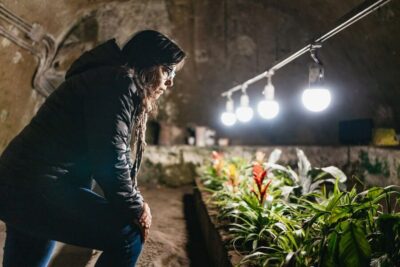
Naples Underground Entry Ticket and Guided Tour
Read our review →