
Reviewed · FOOD & DRINK
Rome: Eat Like a Roman Ghetto & Campo de’ Fiori Food Tour
Rome’s street food has a story to tell. This 2.5-hour walk pairs Campo de’ Fiori market energy with Jewish Ghetto flavors, guided by a local expert. I love that you actually eat Rome at street pace, with classic bites like supplì and crisp Roman-style pizza. I also like that every stop comes with clear, human stories that connect the food to places like Portico d’Ottavia and the Largo di Torre Argentina area.
The tour is built for people who want both sides of Rome, the food in your hand and the history in the air. In the many guide names shared in recent experiences, I keep seeing patterns like Julia and Giulia being praised for mixing stories with what you’re tasting, and Claudio getting called out for going the extra mile with questions and personalized recommendations.
One key consideration before you go: this tour is not suitable for gluten intolerance, and it is not vegan.
In This Review
- Quick hits you will care about
- Walking from Piazza Navona to Campo de’ Fiori’s food chaos
- The food lineup: supplì, pizza, fried artichokes, and gelato
- Campo de’ Fiori and the market stop, especially on morning tours
- Jewish Ghetto streets and Portico d’Ottavia area, with food that has meaning
- Landmarks in the walk: Passetto del Biscione, Teatro Marcello, and Julius Caesar’s site
- Guides make or break it, and this one gets strong marks
- Price and value: what $36 buys you in a 2.5-hour loop
- Vegetarian needs and limits, plus who should reconsider
- How to plan your timing in Rome
- Practical details that help on the day
- Should you book this Rome street food tour?
- FAQ
- How long is the Rome Eat Like a Roman Ghetto and Campo de’ Fiori Food Tour?
- Where do I meet the guide?
- What food tastings are included?
- Do morning tours include the market?
- Are there vegetarian options?
- Is the tour suitable for vegans?
- Is it suitable for people with gluten intolerance?
- Are drinks included?
Quick hits you will care about
- Five food tastings in a 2.5-hour, city-center walking loop, with time built in for each bite
- Campo de’ Fiori plus the Jewish Ghetto, so you get food and neighborhoods, not just restaurant stops
- Carciofo alla Giudia (Jewish fried artichokes) is a standout dish on the route
- Gelato finish at Gunther Gelateria, near iconic sights so your last bite feels like a reward
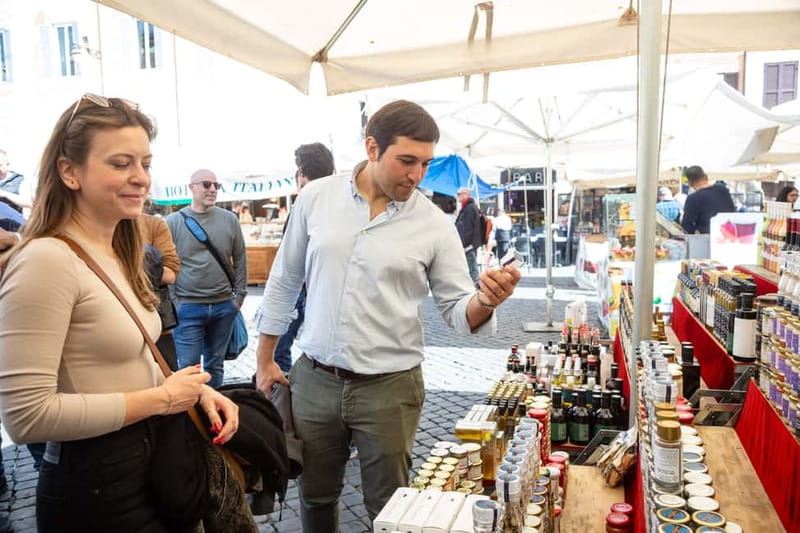
- Morning tours add extra stops, including the local market and tastings like olive oil, truffle, and vinegar
Walking from Piazza Navona to Campo de’ Fiori’s food chaos
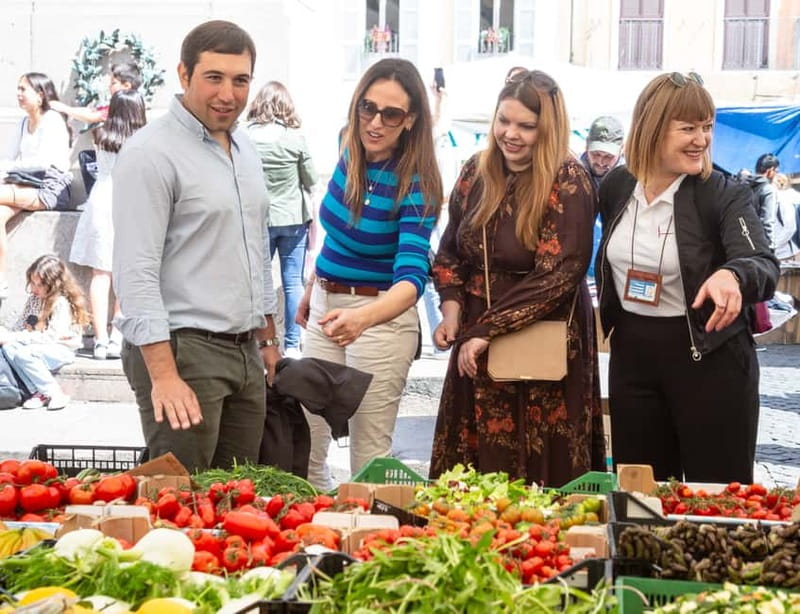
If you like Rome best when it feels like a real city, not a museum, this route hits that note quickly. You start at the fountain in Piazza di San Simeone, then head into the Campo de’ Fiori area, where the market vibe sets the tone. Expect a steady rhythm: walk a short distance, eat something, learn what it is and why it matters, then move on.
One reason I like this approach is that Campo de’ Fiori is not just a pretty square. It’s a working place with an everyday food culture, and you feel that while you’re there. The tour also threads you into nearby sights without turning the day into a long sightseeing marathon, so you still get real flavor and real stories.
More of Italy you can eat:
The food lineup: supplì, pizza, fried artichokes, and gelato
This tour is fundamentally a street-food greatest-hits list, but it’s organized in a smart order so you don’t end up with one type of bite for the whole time. You start with something savory and portable, then build toward fried specialties, then finish sweet.
Here’s what you can plan to eat:
- Panini with porchetta (vegetarian options are available)
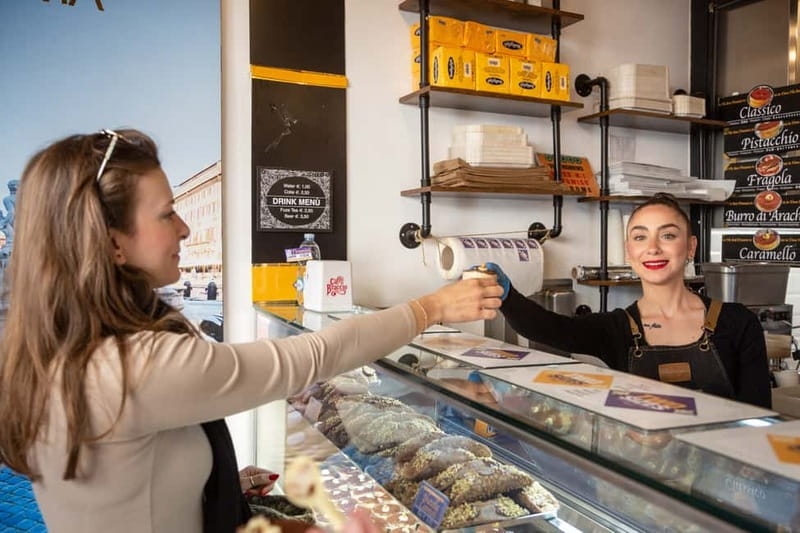
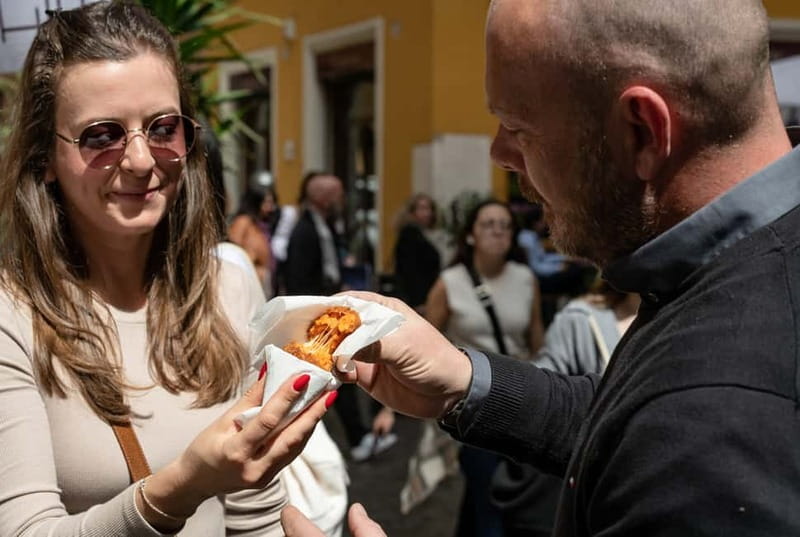
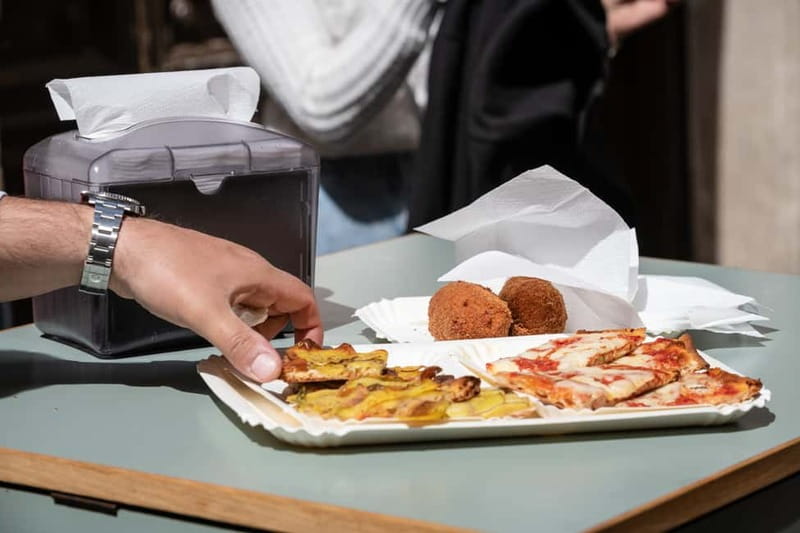
- Supplì, the deep-fried rice ball with a crispy outside and a cheesy interior
- Roman-style pizza slices
- Carciofo alla Giudia, the Jewish fried artichokes, usually pictured as golden and crunchy
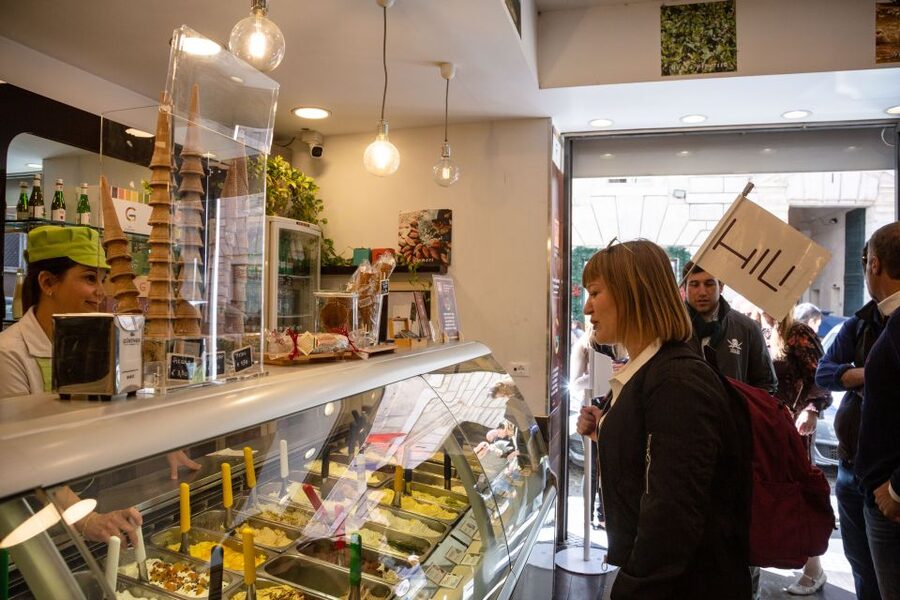
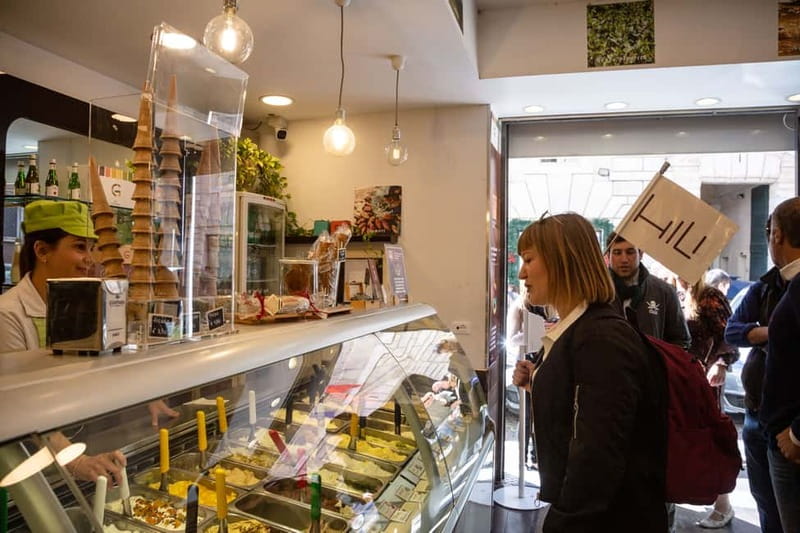
- Artisanal gelato to close the tour
The supplì and fried artichokes are the kind of dishes that make this tour worth doing even if you’ve had Italian food before. You’re tasting Roman street staples and Jewish Roman specialties in the same walk, which is exactly the point. And the gelato ending matters too. You stop at Gunther Gelateria, so you’re not just grabbing something sweet anywhere, you’re finishing at a known gelateria moment.
Also note what’s not included: drinks are not included. If you tend to get thirsty while walking, you’ll want to plan to buy water on your own between tastings.
Campo de’ Fiori and the market stop, especially on morning tours
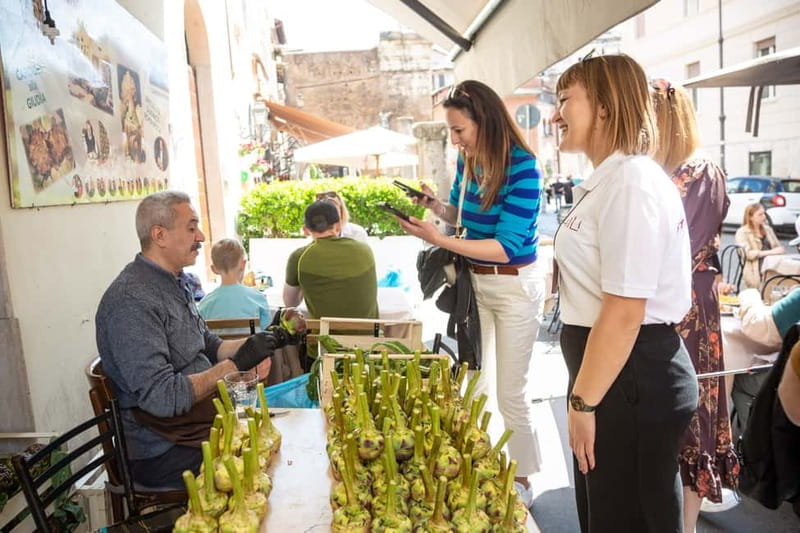
There’s one difference between morning and later starts that affects your overall experience. In the morning, you get more than just the square and the street life. The tour includes a stop at the local market and even adds tastings that are more ingredient-focused.
On morning tours, you may get:
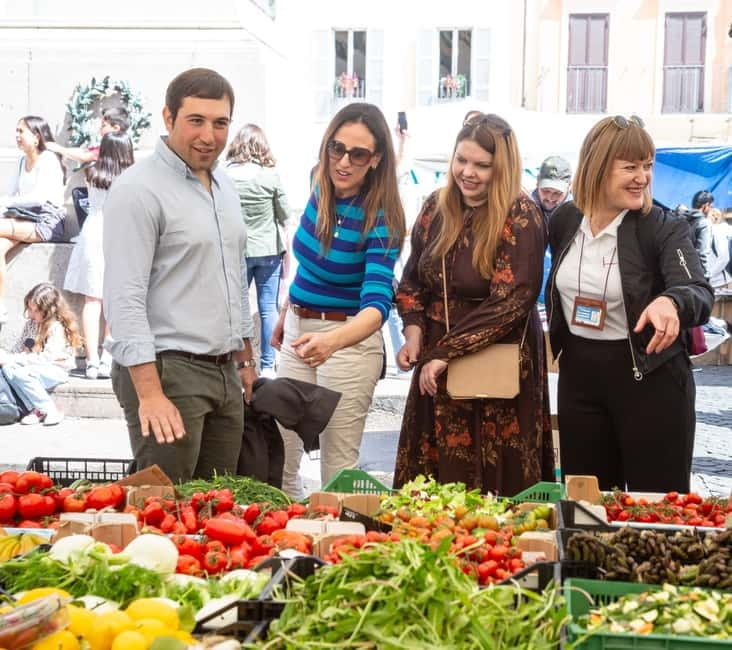
- A visit to the bustling Campo de’ Fiori area and its market energy
- A stop at a local fruit market
- A tasting that highlights olive oil, truffle, and vinegar
If you’re the type who likes to understand what makes Italian flavors tick, those ingredient tastings are a nice bonus. They also help you spot what you might want to buy later. Think of it as a quick flavor lesson, not a formal cooking class.
If you book a later time, you might miss those market and oil-and-vinegar style tastings, so your food list will likely be more focused on the core bites.
Jewish Ghetto streets and Portico d’Ottavia area, with food that has meaning
After Campo de’ Fiori, the walk shifts into the Jewish Ghetto area. This is where the tour feels most distinctive, because it connects meals to a neighborhood that shaped Roman life in a big way.
You move past and around places tied to that story, including:
- Portico d’Ottavia
- The Turtle Fountain area
- The route touches key historic points around the neighborhood
The standout plate here is Carciofo alla Giudia. Fried artichokes in Jewish Roman tradition are not just a snack. They’re a cultural cue, the kind of dish locals recognize instantly. You taste them as you learn the context, which makes the food feel less like a random tourist item and more like something you’re understanding.
One more reason this part works well is pacing. The tour doesn’t just march you through. It gives short walking breaks and time at each tasting so you can actually taste and absorb what the guide is saying.
Introductions we still owe you around Rome
- Rome Food Tour: Unlimited Tastings with Fine Wine & Barolo
★ 5.0 · 3,365 reviews - Rome: Trastevere Food tour with Free-Flowing Fine Wine
★ 5.0 · 2,853 reviews - Rome: Trastevere & Campo de Fiori Street Food Walking Tour
★ 4.9 · 2,768 reviews - Rome Street Food Tour with Local Guide
★ 5.0 · 2,361 reviews
Landmarks in the walk: Passetto del Biscione, Teatro Marcello, and Julius Caesar’s site
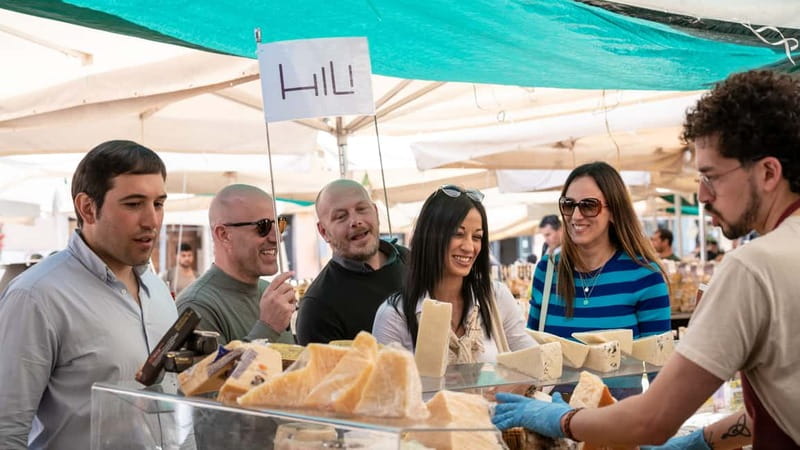
This is not a full-on Roman monuments tour, but you still get hit with major history markers while you’re eating. You’ll pass or see parts of the route that include:
- Piazza and Passetto del Biscione
- Teatro Marcello
- Largo di Torre Argentina, connected to the assassination of Julius Caesar
- Pantheon (passed by on the route)
What makes this useful is how the tour connects these landmarks to the story of Rome as a lived city. You don’t just see names on signs. You hear why the guide links food and daily life to the same streets where big events happened.
People who want Rome in layers tend to love this part. And many of the guides called out by name, including Angelica and Mateo di Marco, are praised for weaving history into what’s on your plate in a way that doesn’t feel like a lecture.
Guides make or break it, and this one gets strong marks
The biggest pattern across the best ratings is simple: the guide’s style. This tour consistently gets credit for two things at the same time:
1) accurate, easy-to-follow stories
2) tasty stops picked with care
You can see this in the names that come up repeatedly, like Julia, Giulia, Claudio, Angelica, Fiammetta, and Daniele. They’re described as fun, patient, and willing to answer questions, which matters because food tours are most enjoyable when you can ask why a dish tastes the way it does.
Claudio in particular is mentioned for personalization and extra time, which is a good sign if you like conversation rather than a one-way talk. And several guides, including Julia and Giulia, are praised for being clear enough that even first-time visitors can understand the difference between Roman food culture and broader Italian food.
Price and value: what $36 buys you in a 2.5-hour loop
At $36 per person, this tour sits in the “worth it” zone for Rome food experiences. Why? Because you’re not just paying for street snacks. You’re paying for:
- A licensed local guide leading the walk
- Five food tastings that are specifically Roman and Jewish Roman specialties
- Neighborhood context that helps you navigate Rome better after the tour
Two practical value checks:
- You cover a lot of ground in 2.5 hours without it feeling like you’re sprinting between stops. That’s important in Rome, where distances can sneak up on you.
- The tastings include multiple categories, fried savory items plus sweet gelato. So the tour feels like a meal, not like five random bites.
The main value tradeoff is what’s excluded: drinks. If you don’t typically drink much, no problem. If you like a glass of something with dinner, plan to handle that later.
Vegetarian needs and limits, plus who should reconsider
You’ll want to read your food constraints closely here.
Supported:
- Vegetarian options are available for the porchetta panini stop.
Not supported:
- Not suitable for vegans.
- Not suitable for people with gluten intolerance.
There’s also an allergy prompt built in: the tour asks you to let them know about allergies and dietary restrictions. That’s smart, because street-food style tastings need careful handling.
If you’re vegan or gluten-free, you should treat this one as a no-go. If you’re vegetarian, it can still work well because the tour is designed with an alternative option at least for one core item.
How to plan your timing in Rome
This is a walking food tour designed as a city-center experience, so timing matters more than you think.
If you can, I’d schedule it early in your trip. Several guides are specifically praised for giving good recommendations after the tour, so you can use what you learn to guide your next meals. Also, if you’re trying the market and the olive oil, truffle, and vinegar tastings, pick a morning tour.
Weather-wise, the tour is short at 2.5 hours, so you’re not stuck for half a day if conditions change. Still, Rome streets and waiting areas can be crowded, so bring patience if you travel in peak season.
Practical details that help on the day
A few small things make the tour more comfortable:
- Wear comfortable shoes, because you’re walking between tastings in central Rome.
- Come hungry, but not starving. You’re eating five tastings plus gelato, so pacing matters.
- Ask questions. The guides named in top feedback are praised for answering and explaining, and you’ll get more out of the history if you engage.
- If you have dietary restrictions, communicate them ahead of time so the right substitutions can be arranged.
Also, the tour is conducted in English, and it’s wheelchair accessible. If you’re mobility-limited, it helps to verify comfort with the route style when you book.
Should you book this Rome street food tour?
Book it if you want a focused, flavorful Rome experience that blends Campo de’ Fiori, the Jewish Ghetto, and standout dishes like supplì and Carciofo alla Giudia. It’s also a great pick if you like history told through everyday life, not just monuments.
Skip it if you’re vegan or gluten intolerant, because the tour isn’t suitable for those needs. Also, if you hate walking or want a sit-down meal with drinks, you may find the format too snack-and-story focused.
If you fit in the middle, you’re likely to enjoy it. The strongest reviews keep pointing to the same winning formula: excellent guide energy, smart food choices, and a route that makes Rome feel real in just 2.5 hours.
FAQ
How long is the Rome Eat Like a Roman Ghetto and Campo de’ Fiori Food Tour?
The tour lasts about 2.5 hours.
Where do I meet the guide?
Meet your guide at the fountain in the center of Piazza di San Simeone.
What food tastings are included?
The included tastings are panini with porchetta, supplì, Roman-style pizza, fried artichokes (Carciofo alla Giudia), and artisanal gelato. Morning tours also include olive oil, truffle, and vinegar tasting.
Do morning tours include the market?
Yes. Morning tours include a stop at Campo de’ Fiori and its lively market, including a local fruit market stop.
Are there vegetarian options?
Yes. Vegetarian options are available.
Is the tour suitable for vegans?
No. It is not suitable for vegans.
Is it suitable for people with gluten intolerance?
No. It is not suitable for people with gluten intolerance.
Are drinks included?
No, drinks are not included.
Just introduced: the newest Rome write-ups
- Rome Fiumicino Airport Transfer in Luxury Private Transportation★ 4.5 · 339 reviews
- Vatican: Pope Francis Tomb and Papal Basilicas Tour★ 4.7 · 340 reviews
- From Rome: Sorrento, Positano & Amalfi Coast Day Trip★ 4.5 · 340 reviews
- Rome: Guided Colosseum Underground Tour★ 4.8 · 342 reviews
- Colosseum Arena Floor, Roman Forum & Palatine Hill Guided Group Tour★ 5.0 · 343 reviews
- Rome: Small Group Rome’s Dark Side – Ghosts & Legends Tour★ 4.9 · 343 reviews
- Rome: City Highlights Electric Bike Tour★ 4.9 · 343 reviews
Food & Drink, compared.
Small-Group Wine Tasting Experience in the Tuscan Countryside
Read our review →
Tuscany & Montepulciano Day Trip with Lunch & Wine Tasting
Read our review →
Winner 2025 Rome Twilight Trastevere Food Tour by Eating Europe
Read our review →
SMALL-GROUP Wine Safaris: Tuscan Wine Tasting Tours from Florence
Read our review →
Winner 2025 Florence Sunset Food & Wine Tour by Eating Europe
Read our review →
San Gimignano, Siena, Monteriggioni, Chianti Day Trip with Lunch & Wine Tasting
Read our review →
Browse the lists this tour appears in