Reviewed · ROME TOURS
Rome: The Four Seasons by Vivaldi
Vivaldi in Rome, close enough to feel it. I loved the intimate Baroque setting and the way Elvin Dhimitri’s violin keeps the energy up through every season. I also liked the harpsichord that adds real period color. One caution: seats are first come first served, so your view depends on timing.
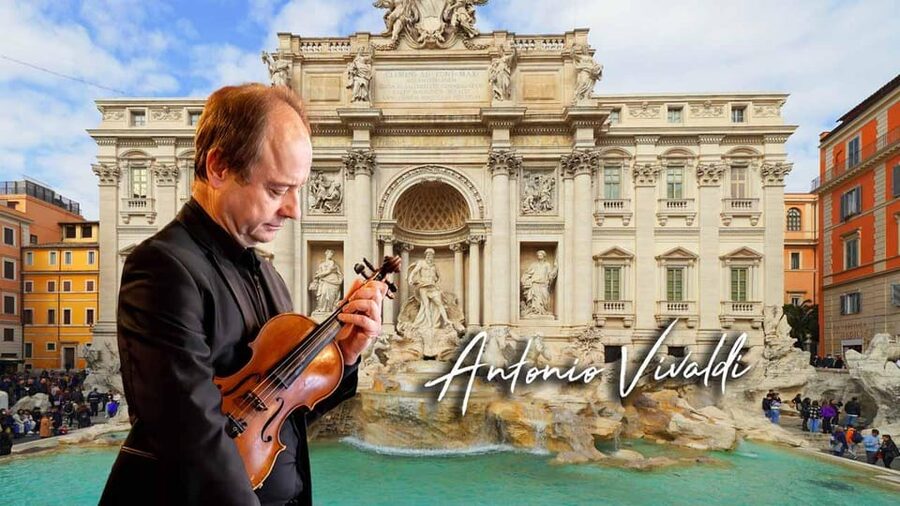
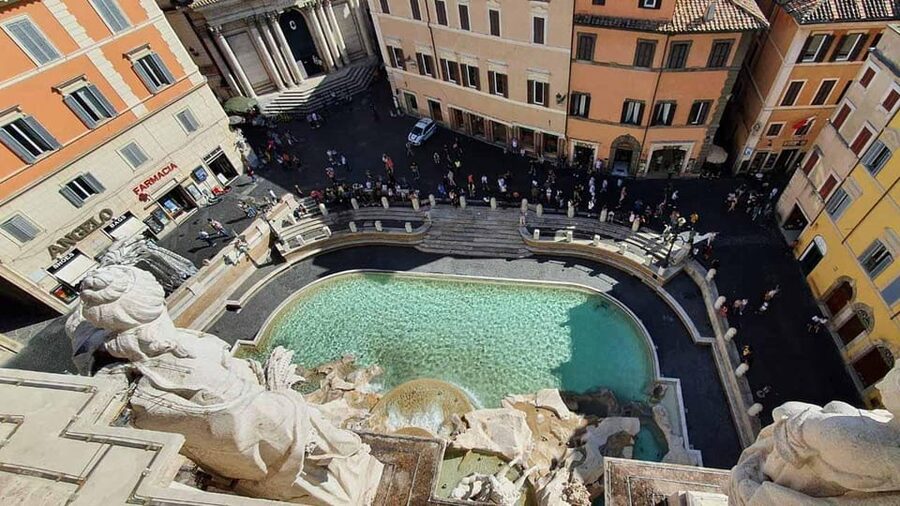
Depending on the night, you might even be able to look out toward the marvelous Trevi Fountain from the Sala Dante of Palazzo Poli. Either way, the performers are in a city-center location and the whole event runs about 80 minutes, which makes it an easy add-on for an evening stroll.
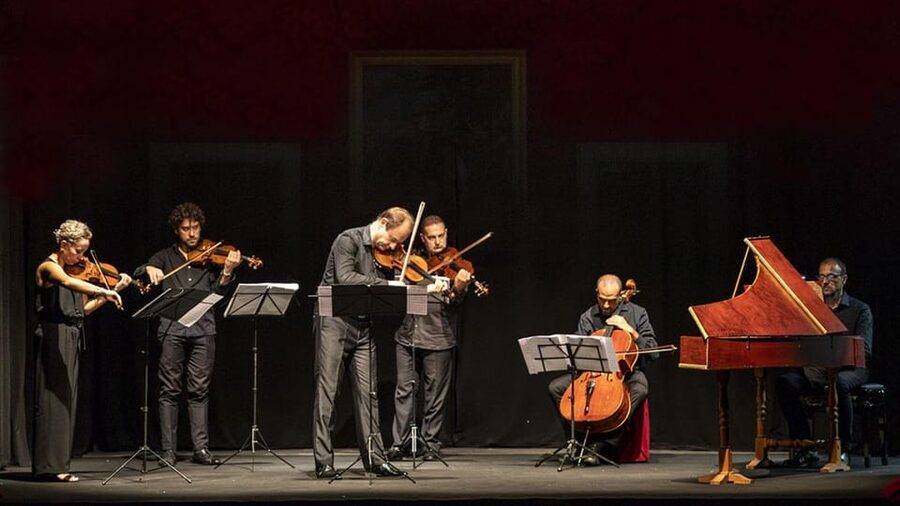
Expect Vivaldi’s famous Four Seasons program, performed by strings quintet plus harpsichord, with Elvin Dhimitri as first violin and conductor.
In This Review
- Key takeaways before you go
- Vivaldi’s Four Seasons, staged for real listening in Rome
- Who you will hear: Elvin Dhimitri and Opera e Lirica’s musicians
- Where it happens: three Rome locations you should know
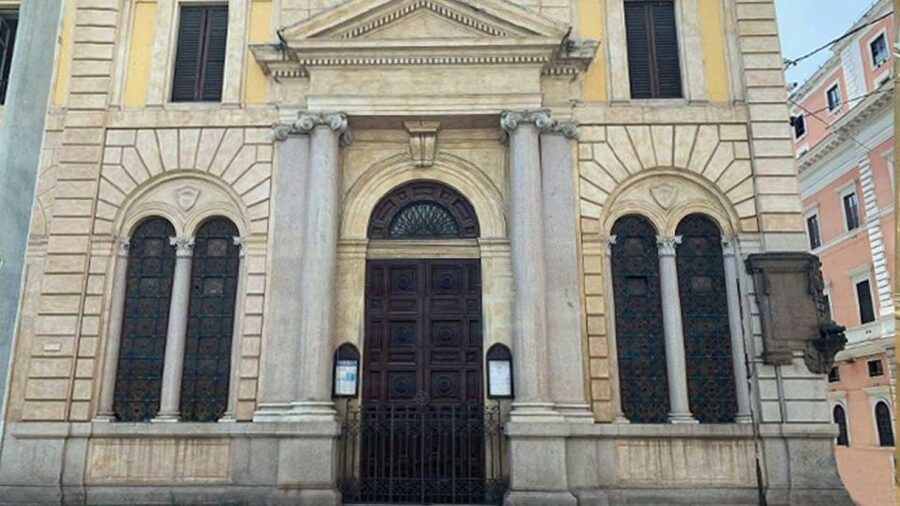
- Chiesa Evangelica Metodista, Via XX Settembre 122 c
- Sala Dante of Palazzo Poli, Via Poli 54
- Horti Sallustiani, Piazza Sallustio 21
- The music program: from prelude works to the full Four Seasons arc
- Spring: birds, ease, and that pastoral dance feeling
- Summer: heat that tightens, then the storm breaks
- Autumn: peasants, sleep, then the hunt
- Winter: rain, grit, and the feeling of cold
- Ticket price and real value: what $35 buys you in Rome
- What to do before and after: turn it into an easy Rome evening
- Should you book this Vivaldi in Rome?
Key takeaways before you go
- Elvin Dhimitri conducts from the violin and leads the performance
- Harpsichord is in the mix, giving the sound extra Baroque texture
- You may get a Trevi Fountain overlook from Sala Dante at Palazzo Poli
- Venues can be different in Rome, including a historic church or palace rooms
- 80 minutes is a sweet spot for a first-time classical concert experience
- Unnumbered seating means arriving a bit early can pay off
Vivaldi’s Four Seasons, staged for real listening in Rome
If you love Rome for its big sights, this is the opposite kind of trip. It is not about walking. It is about sitting down and letting the music paint the world in sound. The Four Seasons is built for that, because Vivaldi turns nature into rhythm, tempo, and texture, from spring birds to winter rain.
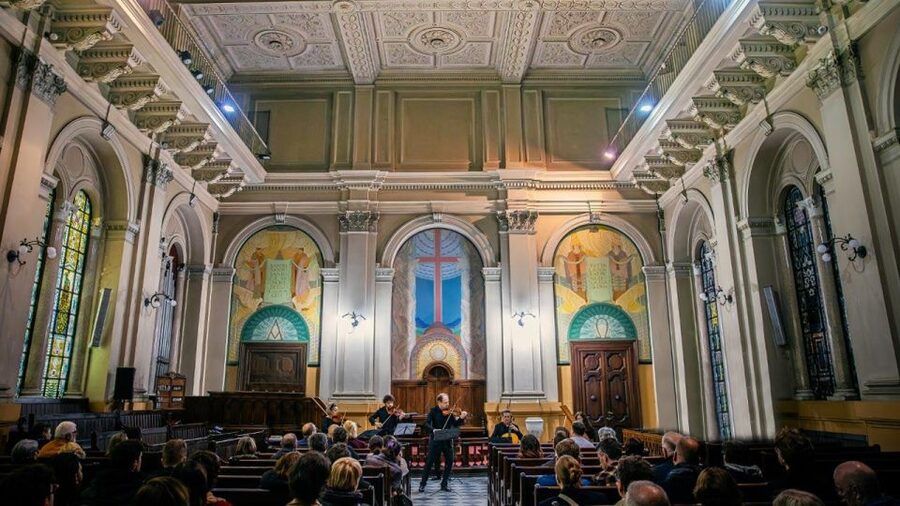
What I like most is how direct the music feels when it is played live in a smaller room. You are not trying to listen from the back row with a tiny sound. You are close enough that the phrasing in the violin line actually lands. And when the harpsichord comes in, it stops being a museum prop and starts sounding like part of the storytelling.
The big plus here is the combination: Elvin Dhimitri as the first violin, strings quintet, and a harpsichord player. That lineup matters. Strings give you color and sweep. The harpsichord adds definition and a light, percussive edge that sharpens the Baroque feel.
Introductions we still owe you around Rome
Who you will hear: Elvin Dhimitri and Opera e Lirica’s musicians
The performance is led by Elvin Dhimitri, who serves as both violin soloist and conductor. He is not just a guest with a big name. The program notes connect him to major orchestral roles, including being first violin in the Rome Philharmonic Orchestra and a member of the Rome and Lazio Symphony Orchestra since 1997. Earlier appointments include concertmaster work with the Bilkent Youth International Symphony Orchestra starting in 1992.
That kind of background tends to show in the way a group locks in together. In this kind of Baroque repertoire, details matter: articulation, balance between violin and strings, and keeping the momentum during fast sections like the summer storm music. When those things click, the whole concert feels like one continuous scene rather than four separate pieces.
You will also hear the Opera e Lirica strings quintet and the harpsichord as part of the core cast. In plain terms, this lineup supports Vivaldi’s writing in the way many modern concerts approximate but do not always fully match. Here, the harpsichord is part of the atmosphere, not just a decorative add-on.
Where it happens: three Rome locations you should know
One thing I would not ignore is that this concert can take place in different locations in Rome. Your ticket details should confirm which room you are entering, but the information you get includes three main addresses.
Chiesa Evangelica Metodista, Via XX Settembre 122 c
This is the listed meeting point. If your evening is set here, you are likely going into a small church environment, which tends to produce clear acoustics for strings and harpsichord. One practical note from the venue style: churches can run cool or warm depending on the season and crowd size, so bring a light layer even if Rome feels mild outside.
Also on the Rome guest list:
- Vatican Museums, Sistine Chapel & St Peter’s Basilica Guided Tour
★ 4.5 · 39,149 reviews - Rome: Colosseum, Palatine Hill and Roman Forum Guided Tour
★ 4.8 · 32,814 reviews - Rome: Guided Tour of Colosseum, Roman Forum & Palatine Hill
★ 4.7 · 27,897 reviews - Rome: Colosseum & Forum with Audio Guide App -Optional Arena
★ 4.2 · 24,770 reviews
Sala Dante of Palazzo Poli, Via Poli 54
This is the location tied to a standout moment: the chance to overlook Trevi Fountain from Sala Dante. That matters because it changes the whole feeling of the concert. You are listening to Baroque descriptions of nature while seeing one of Rome’s most famous fountains through the window. It is a very Rome pairing, and it makes the evening feel extra memorable without needing any extra stops.
Horti Sallustiani, Piazza Sallustio 21
This venue is included with a double concert setup, with performances at 7:00 pm and 9:00 pm. If you are trying to fit the concert around dinner plans, this split can help. It also means the experience may feel slightly different night to night, depending on how the room is arranged and how quickly the audience arrives.
Practical tip: with first come first served seating, I recommend treating arrival time seriously. If you care about seeing clearly or keeping a good view of the musicians, show up a little early for whichever venue your ticket confirms.
The music program: from prelude works to the full Four Seasons arc
The program includes more than just Four Seasons movements. It lists the following works:
- Concerto per archi RV 127, 151
- Concerto XI n. 4 in A Major
- Then the four concertos that make up The Four Seasons:
- Spring (Allegro / Largo / Allegro, including the pastorale dance feel)
- Summer (Allegro non molto / Allegro, then Adagio, then the storm sections with Presto and Adagio)
- Autumn (Allegro, then Adagio molto with sleeping drunkards feel, then Allegro for the hunt)
- Winter (Allegro non molto / Largo / Allegro)
Here is why this matters for your expectations. Many first-time listeners show up thinking they know what Vivaldi will sound like. You do, but the order and variety in the program can surprise you. You are not just going straight to the big recognizable sections. You get a broader taste of Italian Baroque concert style first, which makes the later Four Seasons even more satisfying, like the main event after warming up.
Spring: birds, ease, and that pastoral dance feeling
In Spring, the music moves with a livelier pulse and a sense of outdoor light. If you have ever heard the famous themes before, this is where you connect those themes to the bigger story: a season described as movement, not a static picture.
Summer: heat that tightens, then the storm breaks
The Summer concerto is where Vivaldi’s drama shows up the most. The storm sections use quick changes and sharply shifting patterns. In a live performance, those transitions feel like a physical event happening in the room, not just an effect on a recording.
Autumn: peasants, sleep, then the hunt
Autumn flows through contrasting moods. There is a more grounded, earthy energy in the peasant dance and song material. Then comes the Adagio molto section described as sleeping drunkards, which gives you that moment of slow, heavy calm. Then you get the hunt energy again, and the pace lifts.
Winter: rain, grit, and the feeling of cold
Winter is musically direct. The phrasing and rhythm communicate that feeling of teeth chattering and rain pouring down, and the fast final movements snap you back into motion.
If you like classical music that sounds like a story, you will likely enjoy this most. If you prefer concerts that stay abstract and never change mood, you might still appreciate it, but you may find it emotionally vivid in a way that is hard to ignore.
Ticket price and real value: what $35 buys you in Rome
At $35 per person for an 80-minute concert, the value is strong when you care about live performance quality and a close listening experience. This is not a long program stretched to fill time. It is a focused evening built around music that people actually recognize and remember.
The main value drivers, in my view, are:
- A strong Baroque lineup: strings plus harpsichord
- A violin soloist who leads the performance as conductor
- Central Rome access, with locations in easy reach of major sights
- Short enough to keep energy up even if you are traveling with kids or you are not a lifelong classical fan
Still, it is not perfect for everyone. If you are picky about guaranteed seating locations, remember seats are not numbered and your sightlines can depend on how early you arrive. Also, small venues can run warm or cool, so plan layers.
If you are choosing between one more big-sight stop and a music stop, this is one of those nights that can make your whole Rome trip feel more complete, because it adds an art form that is usually missing from sightseeing-heavy days.
What to do before and after: turn it into an easy Rome evening
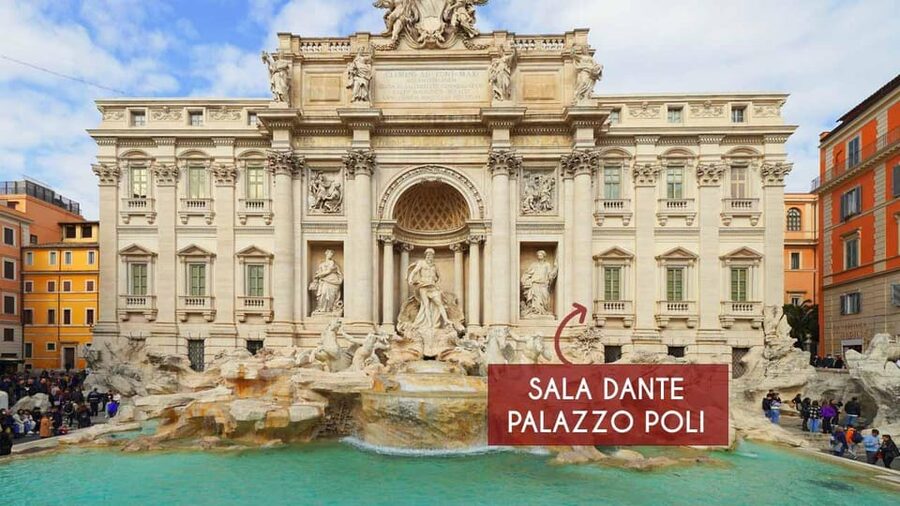
This is the kind of concert that fits naturally between dinner and a nighttime stroll. Since at least one venue option is tied to the Trevi area, you can build a simple plan:
- Go early enough to settle in comfortably, especially if you want better seating
- Pair it with a short walk afterward to decompress
Also, because the concert is around 80 minutes, you are not stuck losing half your night to transit and timing stress. That matters in Rome, where you can end up spending energy just finding your bearings.
And if you are going with family, the program length is in a reasonable range. Several audience experiences described it as a manageable time window for kids, with the music itself doing most of the entertainment work.
Should you book this Vivaldi in Rome?
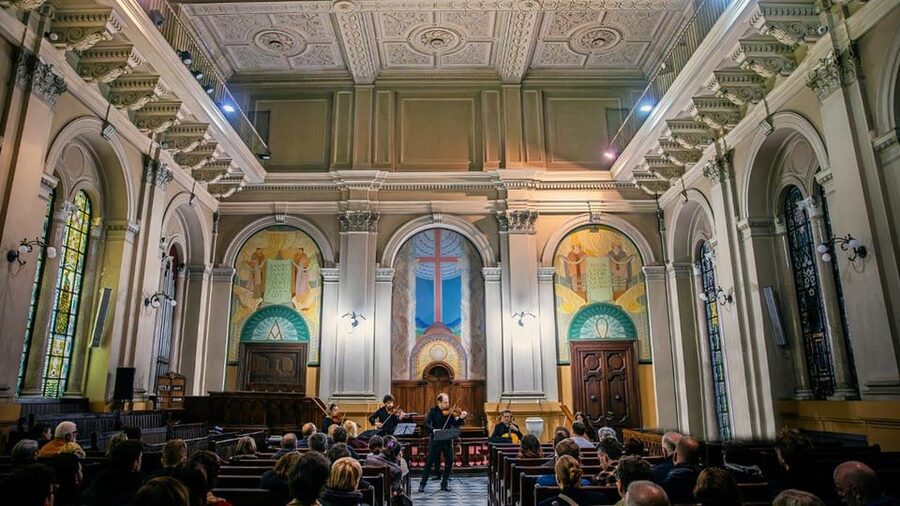
I think you should book if you want an authentic-feeling Baroque night in central Rome, with the music delivered by a real professional lineup including harpsichord. You will get the full Four Seasons arc, and the setting can turn the evening into something you remember, especially if you end up at Sala Dante with the Trevi Fountain view.
I would pause if you strongly need reserved seating or you are very sensitive to room temperature. Unnumbered seating means arriving early is part of the deal, and small venues can feel stuffy or chilly depending on the season and how full the room gets.
If your priority is live music that tells a story, not just background ambiance, this one is a solid bet for Rome.
Just introduced: the newest Rome write-ups
- Rome Fiumicino Airport Transfer in Luxury Private Transportation★ 4.5 · 339 reviews
- Vatican: Pope Francis Tomb and Papal Basilicas Tour★ 4.7 · 340 reviews
- From Rome: Sorrento, Positano & Amalfi Coast Day Trip★ 4.5 · 340 reviews
- Rome: Guided Colosseum Underground Tour★ 4.8 · 342 reviews
- Colosseum Arena Floor, Roman Forum & Palatine Hill Guided Group Tour★ 5.0 · 343 reviews
- Rome: Small Group Rome’s Dark Side – Ghosts & Legends Tour★ 4.9 · 343 reviews
- Rome: City Highlights Electric Bike Tour★ 4.9 · 343 reviews
Rome Tours, compared.
Vatican: Museums & Sistine Chapel Entrance Ticket
Read our review →
Vatican Museums & Sistine Chapel Tour with Optional Basilica
Read our review →
Colosseum, Roman Forum & Palatine Guided Tour
Read our review →
Vatican Museums, Sistine Chapel & St Peter’s Basilica Guided Tour
Read our review →
Colosseum, Palatine Hill and Roman Forum Guided Tour
Read our review →
Guided Tour of Colosseum, Roman Forum & Palatine Hill
Read our review →
Colosseum & Forum with Audio Guide App -Optional Arena
Read our review →