
Reviewed · VENICE TOURS
Teatro La Fenice Tour in Venice
Teatro La Fenice is Venice at full volume. In about an hour, you get a guided look at the Baroque rooms, the royal box, and the big dramatic story of a theater that burned and was rebuilt.
I like that the tour is tight and focused: you’re not wandering for hours, you’re sitting inside the theater while the guide connects the architecture to what happened there. I also love the emphasis on real performance culture, not just pretty rooms, including major opera and symphonic seasons that keep the stage lively.
One possible drawback: the experience depends on how your group is formed and how your guide paces the session. Some tours run smoothly with clear English, while mixed language groups or a rushed guide can mean less time for questions.
In This Review
- Key things that make this tour worth your time
- Meeting at Campo San Luca, then stepping into the legend
- Entering Teatro La Fenice: what you actually get to see
- The phoenix story: two fires and a restoration you can feel
- The performances mentioned, and what that says about the theater
- Learning the architecture while you’re inside the room
- Guide quality and language: how to get the best experience
- Value check: is $30.04 a good deal?
- Timing tips for Venice: afternoon timing and rainy day appeal
- If your day has a hiccup, know what might happen
- Should you book the Teatro La Fenice tour?
- FAQ
- How long is the Teatro La Fenice tour?
- Where do I meet for the tour?
- What time does the tour start?
- Is admission to Teatro La Fenice included?
- What language is the tour offered in?
- How large are the groups?
- Is hotel pickup and drop-off included?
- What is the cancellation policy?
- Is there an extra Venice access fee if I’m staying outside the city?
Key things that make this tour worth your time
- You meet in a central square at Bucintoro Viaggi in Campo San Luca, then take a short walk to the theater
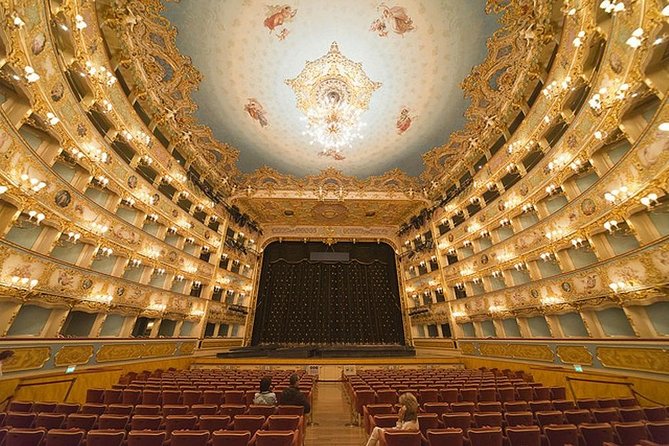
- Opulent interiors inside, not just the exterior, with a close look at the auditorium and the royal box/VIP areas
- A story that matters: the name La Fenice (the phoenix) ties directly to the theater’s two major fires and restoration
- Performance culture, not trivia: you’ll hear about landmark operas like Verdi’s La Traviata and major symphonic cycles
- Small group size, with a maximum of 20 people, which helps the guide keep things moving
- Admission is included, so you’re paying for a guided entry, not just a sales pitch
Meeting at Campo San Luca, then stepping into the legend
This tour starts at 12:30 pm in Campo San Luca, at the Bucintoro Viaggi travel agency. Campo San Luca is one of those convenient Venice squares where you can orient fast, regroup if your group is late, and avoid the stress of hunting for a door you can barely find in the city’s maze.
From there, it’s a short walk to Teatro La Fenice. You’ll be inside quickly, which matters in Venice. Even on a calm day, your legs will thank you for not spending extra time on indirect routes.
The group stays capped at 20 travelers. That number sounds small, and in practice it helps you actually look at things while your guide explains them. It also means you should arrive a little early, because when you’re a few minutes late in a crowded square, the whole group can feel it.
Introductions we still owe you around Venice


Entering Teatro La Fenice: what you actually get to see
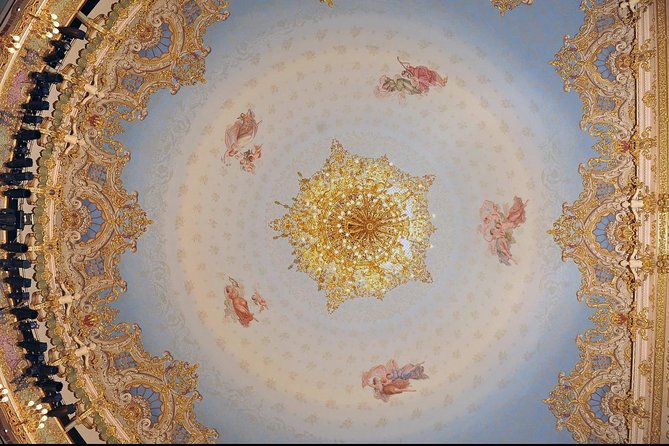
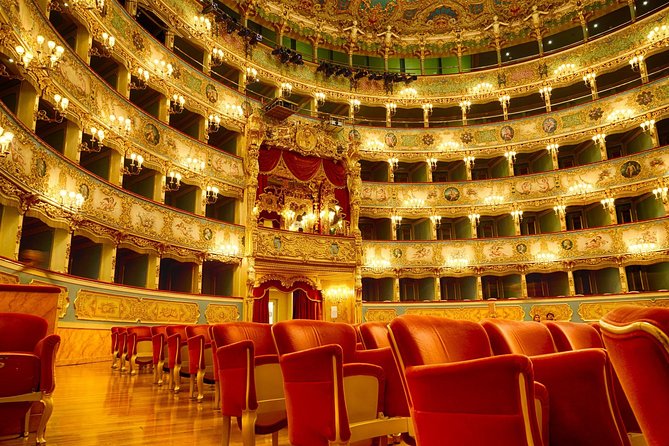
Once you’re inside, the first wow factor is the opulent décor. You’re in Baroque territory, with dramatic details that make the theater feel like a stage even before anyone sings. Your guide will help you connect what you’re seeing to how the space worked for audiences.
You’ll explore areas that include the auditorium space and the royal box. Many visitors love that moment of looking at the private-box experience from the inside, because that’s where the theater’s social world becomes obvious. This is not just architecture. It’s a room built for status, for patrons, for spectacle.
In addition, some tours include access to impressive VIP areas, and you may have time to take photos after the main explanations. Just keep expectations realistic. This is a guided visit with highlighted access, not a behind-the-scenes production tour.
The phoenix story: two fires and a restoration you can feel
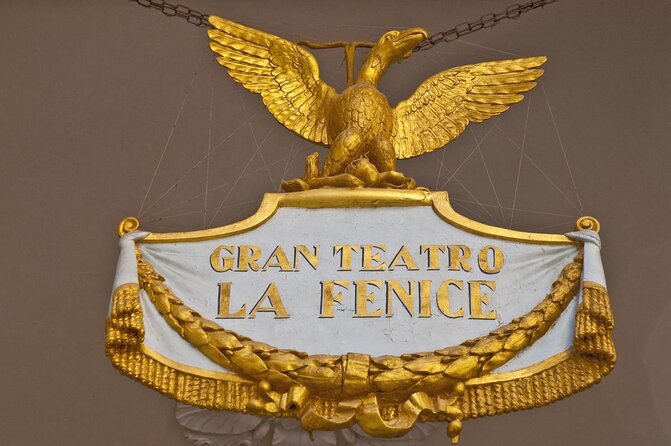
La Fenice means phoenix in Italian, and that isn’t just a poetic nickname. The theater’s dramatic backstory is part of what makes this stop more than a pretty interior.
The building was originally constructed in the late 18th century. Then the theater burned down in two separate disasters. After each fire, it was painstakingly restored back toward its former splendor, including a multimillion dollar renovation that your guide will explain.
Here’s why this part matters for you: it gives context to every gilded flourish. Without the phoenix story, the décor can feel like scenery. With it, you understand why so many people cared enough to rebuild. Venice’s cultural identity is tied to theaters like this, so the restoration is basically a symbol of survival.
The performances mentioned, and what that says about the theater
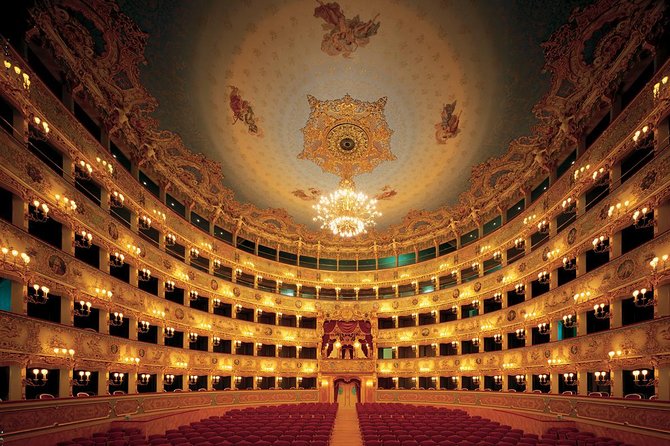
This tour doesn’t just talk about stone and paint. It frames Teatro La Fenice as a living performance institution, which is exactly what you want if you’re visiting the building outside of a show.
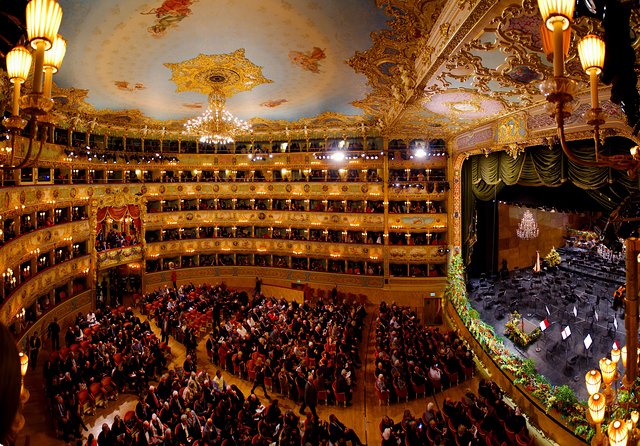
You’ll hear about the theater staging more than one hundred opera performances per year. You’ll also learn about a major symphonic season, with conductors from around the globe, and full cycles of symphonies by composers like Beethoven, Schumann, Brahms, and Mahler. If you like classical music, this is a helpful way to understand why La Fenice stays on the world map.
The tour also references contemporary repertoire, especially work by Venetian artists such as Nono and Maderna, plus ballets and chamber music concerts. That blend is a big clue: this is not only a museum of past glamour. It’s actively used for modern programming too.
And yes, you’ll likely hear about prestigious opera titles that have taken place there, including Verdi’s La Traviata. That detail helps you picture the stage as a place where famous stories and famous voices became real.
Also on the Venice guest list:
- Venice: Grand Canal by Gondola with Live Commentary
★ 4.1 · 13,681 reviews - Venice: La Fenice Opera House Entry Ticket with Audio Guide
★ 4.6 · 11,742 reviews - Doge’s Palace & St. Mark’s Basilica with Terrace Access Tour
★ 4.7 · 10,697 reviews - Venice: Burano, Torcello & Murano Boat Tour w/Glassblowing
★ 4.4 · 10,245 reviews
Learning the architecture while you’re inside the room
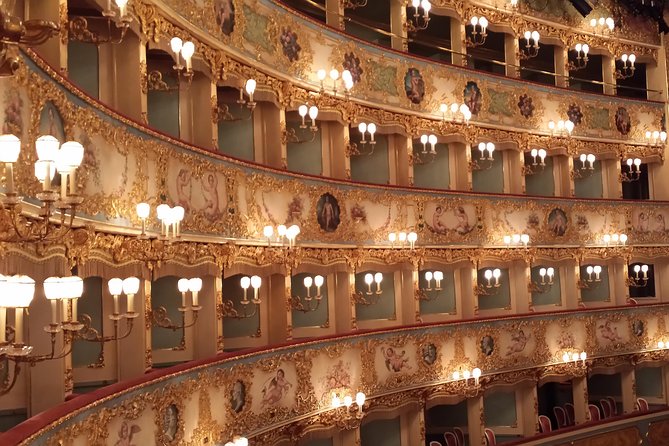
One reason this tour works well is that it’s paced so you can look up and around while your guide connects the “why” to the “what.” You’ll hear about the theater’s architecture, and you’ll see how the design supports audience viewing and the whole sense of occasion.
That’s also where the Baroque décor comes alive. The gilded feel, the dramatic shaping, and the opulent interiors stop being abstract. They become a system for attention. The royal box experience especially helps you understand who the theater was built to impress, and how audience culture shaped what you see.
If you’re the kind of visitor who likes details, this is a good fit. Even if you’re not deep into opera, the space itself tells a story, and your guide turns it into something you can follow in real time.
Guide quality and language: how to get the best experience
This is where I’d pay close attention, because it’s the biggest variable in the experience.
The tour is offered in English, but your group may include Italian speakers too. In those cases, you might experience repetition or your guide may need to cover some explanations twice. It’s not inherently “bad,” but it can lengthen the feel of the tour and reduce time for your own questions.
Pace matters too. Some guides are lively and clear, while others can seem like they’re moving quickly or speaking softly. If you care about hearing every detail, pick a spot close enough that you can hear without craning.
My practical advice: come in with one or two questions ready. Then ask them early. These tours run on time, and if the guide is on a schedule, questions asked late may not get fully answered.
Also, if you’re curious about the theater beyond the guided access, ask locally at the venue about other ways to explore. Some visitors prefer the on-site audio options when they want to go at their own pace.
Value check: is $30.04 a good deal?
At $30.04 per person for about an hour, this tour looks pricey until you factor in what’s included: a local guide plus admission into the theater areas you’ll visit.
If you only wanted the exterior and a quick photo, you could probably do that for free. But this experience is about the inside, the stories, and the particular access points like the auditorium and royal box. In other words, you’re paying for interpretation and entry, not just “a building standing there.”
You also get a concentrated overview of the theater’s role as a major opera house and a symphonic venue, with famous names and seasons mentioned during the visit. That kind of context costs money when you pay for it separately, whether it’s a ticket plus a guide later or an audio system plus your time figuring things out.
Balanced view: if you expect backstage access, orchestra pit access, or a full behind-the-scenes look, this tour may not match your wishlist. From the descriptions you’re given, it’s a guided tour experience inside key public areas, with no sense of a full production access pass.
Timing tips for Venice: afternoon timing and rainy day appeal
This tour runs at 12:30 pm. That’s a smart slot for many people because it can break up the day. You can do it before a longer museum stop, before dinner plans, or as a calmer indoor break if Venice is hot or rainy.
One thing I like about the afternoon timing is that the theater gives you a contrast from the streets. Venice outdoors can be endless walking. This gives you a contained, comfortable hour where you can sit, look, and let someone else handle the storyline.
If your schedule is tight, aim to keep that hour protected. When you’re doing an indoor stop, you want to avoid stacking it against multiple “must see” locations that depend on ferry timing or long weather delays.
If your day has a hiccup, know what might happen
Here’s the honest part. The theater can have closed hours, and occasionally a tour can be affected if the venue is not operating as expected. One reason I’m mentioning this is simple: you’re in Venice, and your plans can change quickly if you’re only there for one day.
So build in a little flexibility. If you’re in Venice on a very specific schedule, consider having a second plan nearby, maybe focusing on a museum or church where hours are more predictable for your timeframe.
Also, if you booked with a voucher system through the provider, make sure you understand how you’ll exchange it for your ticket once you arrive. Some visitors have found that step unclear, and you don’t want to burn time when you could be getting inside the theater.
Should you book the Teatro La Fenice tour?
I’d book this if you want a short guided inside look at one of Italy’s most famous opera houses, especially if you care about the phoenix story and want to connect décor to performance culture. It’s also a great pick if you’re traveling with someone who likes music but might not want a full evening at the opera.
Skip it or adjust expectations if you’re hunting for backstage access. This is about highlighted public spaces like the auditorium and royal box, plus context from a guide. You’re not getting a production worksite tour.
If you do book, do this: arrive early in Campo San Luca, keep your questions for the first half, and pay attention to how the guide ties architecture to the social world of opera. That’s where the experience clicks into place.
FAQ
How long is the Teatro La Fenice tour?
It lasts about 1 hour, with the guided portion described as about 45 minutes inside.
Where do I meet for the tour?
Meet at Bucintoro Viaggi travel agency in Campo San Luca.
What time does the tour start?
The start time listed is 12:30 pm.
Is admission to Teatro La Fenice included?
Yes. Admission ticket access is included with the tour.
What language is the tour offered in?
The tour is offered in English.
How large are the groups?
The tour has a maximum of 20 travelers.
Is hotel pickup and drop-off included?
No. Hotel pickup and drop-off are not included.
What is the cancellation policy?
You can cancel for free up to 24 hours in advance for a full refund.
Is there an extra Venice access fee if I’m staying outside the city?
If you are planning a day trip to Venice and staying outside the city, an access fee may be required on certain dates. Check details and exemptions at https://cda.ve.it.
Just introduced: the newest Venice write-ups
- Venice: Doge Palace Guided Tour & Secret Itineraries Option★ 3.7 · 184 reviews
- Venetian Private Sandolo tour★ 3.8 · 184 reviews
- Create Your Own Murano Glass: Beginner’s Glassblowing Class★ 5.0 · 185 reviews
- Venice Doge’s Palace and St Mark’s Basilica Guided Tour★ 4.5 · 189 reviews
- Exclusive Prosecco Wine Tour from Venice – Small Group★ 5.0 · 189 reviews
- From Venice: Murano and Burano Private Tour with Transfer★ 4.2 · 190 reviews
- Venice Doge’s Palace & St. Mark’s Semi-Private Tour, Max 6 People★ 5.0 · 192 reviews
Venice Tours, compared.

Grand Canal Gondola Ride with App Commentary
Read our review →
Boat Trip: Glimpse of Murano, Torcello & Burano Islands
Read our review →
Grand Canal by Gondola with Live Commentary
Read our review →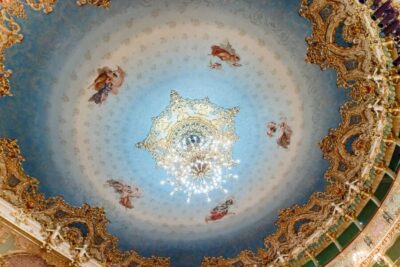
La Fenice Opera House Entry Ticket with Audio Guide
Read our review →
Doge’s Palace & St. Mark’s Basilica with Terrace Access Tour
Read our review →
Burano, Torcello & Murano Boat Tour w/Glassblowing
Read our review →
Murano and Burano Boat Tour with Glass Factory Visit
Read our review →Browse the lists this tour appears in