
Reviewed · COLOSSEUM ENTRY TICKETS
Timed-Entry: Colosseum, Forum and Palatine + Optional Arena Floor
A day around the Colosseum feels like stepping into a movie. This timed-entry tour threads the Colosseum, Forum, and Palatine with headsets and just enough stops to keep it fun, not frantic.
What I like most is the way your guide keeps the story moving, and you never feel stuck guessing what you are looking at. Small-group pacing also helps on a site that is famous for crowds.
You also get real value baked in: timed access to the Colosseum plus Roman Forum and Palatine means less line drama and more seeing. If you choose it, the optional arena floor adds a wow-factor moment you cannot really fake from the outside.
The main thing to consider is physical effort: this is a 3-hour, outdoor walk with uneven ground and stairs, so it suits you best if you are comfortable moving steadily.
In This Review
- Key Points at a Glance
- Timed Entry at the Colosseum: Less Waiting, More Looking
- Where You Start: Arch of Constantine to Set the Scene
- Entering the Colosseum: What 30 Minutes Really Covers
- Roman Forum and Via Sacra: The Political Spine of Ancient Rome
- Piazza del Colosseo and Via dei Fori Imperiali: Big Views, Big Names
- The Rostra and Temple of Venus and Roma: Where Speeches and Belief Intersect
- Triumph Arches and Turn-of-Era Architecture: Constantine and Titus
- Palatine Hill and the Circus Maximus View: The Finale That Makes It Click
- Optional Arena Floor Access: Worth the Add-On
- Headsets, Group Size, and Your Guide’s Real Job
- Two Important Practical Tips: Heat and App Confusion
- Stop-by-Stop Feel: What Each Part Adds to Your Understanding
- Who This Tour Fits Best
- Should You Book This Colosseum Plus Forum and Palatine Tour?
Key Points at a Glance
- Timed entry to the Colosseum, Roman Forum, and Palatine keeps your visit efficient
- Headsets help you hear every explanation clearly as you move between key areas
- Optional arena floor access can turn the Colosseum from impressive to personal
- A route packed with story-stops, from triumphal arches to the Palatine viewpoints
- Maximum group size is 25, which usually makes the pace feel manageable
Timed Entry at the Colosseum: Less Waiting, More Looking
If you have ever watched the line at the Colosseum, you already know why timed entry matters. With this tour, your entry is scheduled for you, then you spend your time inside and around the ruins instead of burning your morning in the crush.
The value here is not just that you get a ticket. You also get a guided explanation that connects what you see to why it mattered. Even if you are the kind of person who reads everything on-site, you still end up with a better picture when a guide tells you what to notice first and what is worth a second look.
It also helps that the tour is about 3 hours. That is long enough to feel you covered real ground, but short enough that you can keep the rest of your day for wandering, gelato, and more Rome.
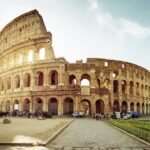
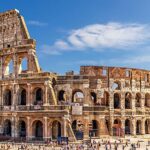
More ways through the Colosseum gates:

Where You Start: Arch of Constantine to Set the Scene
You meet near the Arch of Constantine at Piazza del Colosseo. Starting here is smart, because it frames the whole complex. Before you enter the Colosseum, you get a quick history of the arch and the era it represents, including its link to Emperor Constantine and the Battle of the Milvian Bridge.
This first stop is only about 10 minutes, but it does a lot of work. It gives your eyes a reference point. Later, when you bounce between arches, temples, and political spaces, you will recognize themes faster, like how Rome celebrated power in stone.
You then move into the heart of the Colosseum area, where the guided portion makes the crowds feel more navigable.
Entering the Colosseum: What 30 Minutes Really Covers
The Colosseum stop runs about 30 minutes with admission included. You are not dropped in and told to fend for yourself. Instead, you get a guided route that focuses on the building’s big ideas, from its famous shape to how gladiatorial spectacles fit into Roman public life.
What you gain in a guided visit is control of your attention. The Colosseum is enormous, and it can be easy to just look and feel overwhelmed. A good guide helps you slow down in the right spots. Based on experiences shared by guests, guides like Alberto and Silvia often keep the pacing lively, answer questions, and use practical breaks to keep people comfortable when it is hot.
One more helpful note: your tour includes headsets when you choose a guided option. On a busy open-air site, that makes a real difference. You do not have to rely on standing close to hear explanations, which is crucial when the crowd shifts every few minutes.
Roman Forum and Via Sacra: The Political Spine of Ancient Rome
After the Colosseum, you shift to the Roman Forum, about 20 minutes. This is where Rome stopped being an impressive building and became an actual operating system. The Forum was the center of government and public life, surrounded by ruins of major civic spaces.
In many self-guided visits, people rush through because they are not sure what they are looking at. Here, you are guided along key areas so the ruins feel like places where decisions got made, speeches happened, and people gathered.
Then comes Via Sacra, the main street of ancient Rome, for about 10 minutes. This route was part of Roman Triumph processions, lined with important religious sites. Even in ruins, you can sense why this road mattered: it is a corridor of meaning, linking high-status spaces from the hills toward the Colosseum.
If you like Roman politics, civic life, or public spectacle, this is the portion where the tour feels most purposeful.
Introductions we still owe you around Rome
- Vatican: Museums & Sistine Chapel Entrance Ticket
★ 4.5 · 144,003 reviews - Vatican Museums & Sistine Chapel Tour with Optional Basilica
★ 4.3 · 67,413 reviews - Vatican Museums, Sistine Chapel & St Peter’s Basilica Guided Tour
★ 4.5 · 39,149 reviews - Rome: Colosseum & Forum with Audio Guide App -Optional Arena
★ 4.2 · 24,770 reviews
Piazza del Colosseo and Via dei Fori Imperiali: Big Views, Big Names
You will pass through Piazza del Colosseo (about 10 minutes). This square sits between major roads around the Colosseum complex and includes notable points like the Meta Sudans and a Colossal statue of Nero.
Next is Via dei Fori Imperiali for about 10 minutes. This is where you get a “look at Rome from the scale level” moment. The boulevard connects Piazza Venezia with the Colosseum and showcases ruins from the forums of major emperors, including Caesar, Augustus, Nerva, and Trajan. Even if you only catch it for a short stop, it gives context for how imperial Rome expanded and reorganized civic space.
The practical benefit: these are outdoor, open sightlines where you can reset your brain between denser areas. You also get photo-friendly moments without feeling like you are competing for a single angle the entire time.
The Rostra and Temple of Venus and Roma: Where Speeches and Belief Intersect
The tour includes I Rostri, the Rostra, remnants of a platform used for orations delivered to the assembled people. You get about 10 minutes here. This is a good stop if you want to understand how public speaking worked in Roman civic culture. It also helps you see how power was performed, not just held.
Then you visit Temple of Venus and Roma for about 10 minutes. This temple is dedicated to Venus Felix and Roma Aeterna and is located on the Velian Hill near the Colosseum. It is one of those places where a short explanation makes the site click. You stop seeing it as random stone fragments and start seeing how religion, myth, and the idea of Rome itself were linked.
These two stops are also useful because they balance the tour. Gladiators and emperors are huge. Speeches and temples make the picture feel more complete.
Triumph Arches and Turn-of-Era Architecture: Constantine and Titus
Two triumphal arches appear on the route, each with a different vibe.
First you see Arco di Tito for about 10 minutes on the northern slopes of Palatine Hill. It commemorates Emperor Titus and victory connected to the Siege of Jerusalem. It is a single-arch design, and the art is often what people want to linger on. This stop is short, but it gives your eyes a strong anchor before the tour climbs into the Palatine viewpoints.
You also earlier pass Arch of Constantine, which helps you compare how different emperors used monumental architecture to broadcast legitimacy.
If you enjoy contrasts across Rome’s timelines, these arches give you that. If you prefer only the most famous spaces, keep in mind these are “quick hits” rather than long stays.
Palatine Hill and the Circus Maximus View: The Finale That Makes It Click
The tour ends with Palatine Hill for about 20 minutes. This is the site of Rome’s foundation story and the palatial homes of emperors. It is also where you get some of the best context for understanding how the city was layered over time.
Then you get a brief look at Circus Maximus from Palatine Hill, about 2 minutes. Even though it is only a view, it is spectacular because you can picture the scale of chariot racing space. You stand on a hill and look down, and suddenly the Roman love of spectacle feels physical.
This finale matters because the Palatine areas help you make sense of why emperors chose where they chose. The ruins stop being a list and become a pattern.
Optional Arena Floor Access: Worth the Add-On
If you book the option with arena floor access, you will be able to step into the arena space. That is the part many people remember, because it changes your perspective completely. From the outside, the Colosseum is impressive. From the inside, it becomes a stage.
Is it worth it? If you like feeling closer to the setting, yes. You get a more personal sense of where crowds stood and where action played out. If you get overwhelmed by walking inside crowded areas, you might decide that the standard Colosseum visit is enough.
Either way, the timed-entry base matters. Arena floor access is an upgrade, not a replacement for the structure of the tour.
Headsets, Group Size, and Your Guide’s Real Job
The tour caps at 25 travelers. That is not “private,” but it is small enough that you are not stuck at the back for the whole day. It also makes it easier for the guide to manage the rhythm between stops.
You will hear your guide through headsets. This is especially helpful at the Colosseum, where wind, echo, and crowd noise can swallow voices fast.
From the experiences guests described, the best guides on this route tend to do three things well:
- they keep explanations clear while moving steadily
- they add humor and context instead of just dates
- they time shade and breaks when heat hits hard
Names that came up include Laura, Patrizia, Viola, Riccardo, Donatella, Ahmet, Aiko, Catalina, Alessandra, and Eddy. If you get any of those styles, you are likely to leave feeling like you understood what you saw.
One small watch-out: language can vary a bit by guide. A few guests noted an accent that made it harder to catch every word, even when English was clear. The headsets help, so it is still usually manageable.
Two Important Practical Tips: Heat and App Confusion
First, heat is real. This tour is outdoors with varied terrain and stairs. Even when temperatures are not extreme, the sun at the Colosseum area can wear you out. The tour itself warns that it is for people comfortable with extended walking and standing. I would treat that advice seriously and plan your day around it. Wear good shoes, bring water, and aim for an earlier time slot if you can.
Second, make sure you book the format you want. Some guests expected a live guide experience but ended up with an audio-guide app setup. The tour provider offers guided options, and it also offers audioguide experiences using a downloadable app on your smartphone. If you choose the audioguide option, you will want that app ready in advance, ideally downloaded and tested before you arrive. A few guests reported slow download times at the meeting point, which can turn a smooth entry into a stressful one.
A simple move: double-check whether your booking says guided with a live guide or audio with an app, then prepare your phone accordingly.
Stop-by-Stop Feel: What Each Part Adds to Your Understanding
If you like to know what you get per stop, here is the “why it matters” lens:
- Arch of Constantine (10 min): Sets the Rome timeline and the theme of imperial legitimacy.
- Colosseum (30 min): Focuses on the building as a public stage, with headset-guided clarity.
- Roman Forum (20 min): Shows where government and public life happened.
- Piazza del Colosseo (10 min): Adds surrounding context and famous adjacent features.
- Via Sacra (10 min): Lets you understand the triumph route and how processions worked.
- Via dei Fori Imperiali (10 min): Gives you a big-picture view of imperial expansions.
- Rostra (10 min): Connects civic life to public speaking and performance.
- Temple of Venus and Roma (10 min): Adds religion and Rome-as-idea to the story.
- Arch of Titus (10 min): Reinforces how conquest got memorialized in art.
- Antoninus and Faustina site (10 min): Shows how older temples became churches, with layered time.
- Palatine Hill (20 min): Climbs into the emperor-home and origin story perspective.
- Circus Maximus view (2 min): A fast, powerful image of spectacle space.
That is a lot to fit into 3 hours. The trick is that the tour is designed to keep stops short while still guiding what you notice.
Who This Tour Fits Best
This is a great match if you want:
- timed entry to avoid wasting your day in lines
- a guided route that links monuments, not just random photos
- a high-impact “see the big stuff” loop through Colosseum, Forum, and Palatine
- an optional arena floor moment if you want the fullest stage feeling
It is less ideal if you are looking for a slow, sit-down, minimal-walking experience. The tour warns about walking, standing, uneven terrain, and stairs. If that is a concern, consider choosing a less active option or splitting your Rome ancient sites into two separate visits.
Should You Book This Colosseum Plus Forum and Palatine Tour?
Book it if you want to get traction fast. Timed entry plus headsets plus a guided narrative is an efficient way to understand Rome’s power center without losing hours to crowd chaos.
Consider a different option if you are sensitive to stairs, long standing, or hot sun, or if you know you prefer fully self-paced exploring with no guidance. Also, double-check whether you booked a guided tour or an audioguide app, because those are very different experiences.
Overall, this tour is built for momentum. If you show up ready to walk and you pick the format you want, you will come away with a clearer picture of how the Colosseum, Forum, and Palatine connected in the real life of ancient Rome.
Just introduced: the newest Rome write-ups
- Excavation Tour to the Tomb of St. Peter’s & St. Peter’s Basilica★ 4.0 · 183 reviews
- Imperial Rome and External Colosseum Tour★ 5.0 · 183 reviews
- Rome: Rooftop Cooking Class with Wine Tasting near Vatican★ 5.0 · 184 reviews
- Rome to Civitavecchia Cruise Port Transfer★ 5.0 · 184 reviews
- Ancient Rome and Colosseum Private Tour with Underground Chambers and Arena★ 4.5 · 184 reviews
- Rome: Vatican Museums & Sistine Chapel Skip-the-Line Ticket★ 4.1 · 185 reviews
- Borghese Gallery Max 6 People Tour: Baroque & Renaissance in Rome★ 5.0 · 185 reviews
Colosseum Entry Tickets, compared.

Colosseum, Roman Forum & Palatine Guided Tour
Read our review →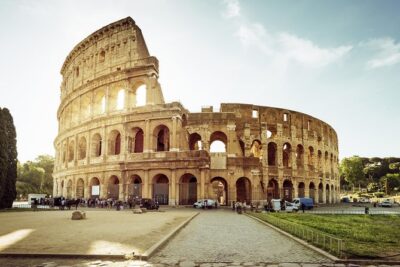
Colosseum, Palatine Hill and Roman Forum Guided Tour
Read our review →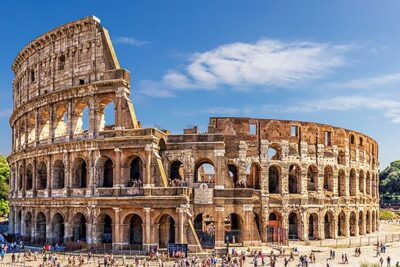
Guided Tour of Colosseum, Roman Forum & Palatine Hill
Read our review →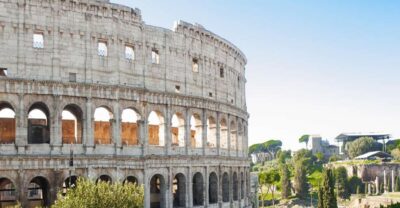
Colosseum & Forum with Audio Guide App -Optional Arena
Read our review →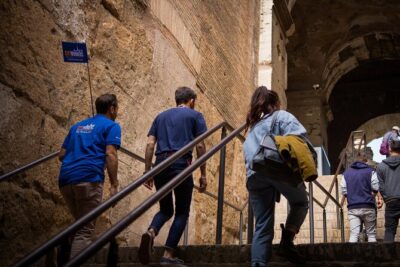
Colosseum, Roman Forum and Palatine Hill Guided Tour
Read our review →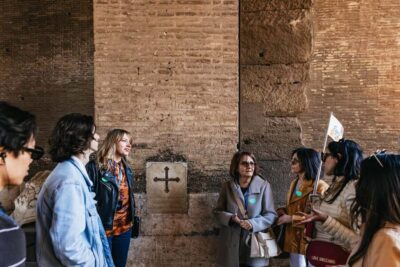
Colosseum, Forum & Palatine Hill Tour & Optional Arena
Read our review →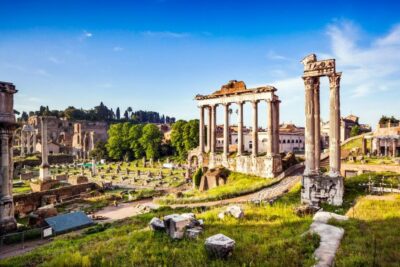
Colosseum, Roman Forum, Palatine with Multimedia Video
Read our review →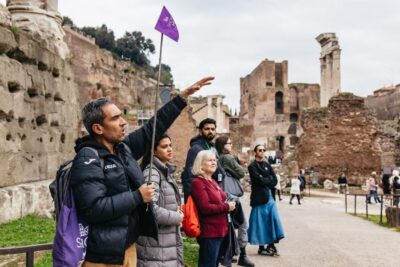
Colosseum, Palatine Hill & Roman Forum Guided Tour
Read our review →Browse the lists this tour appears in