
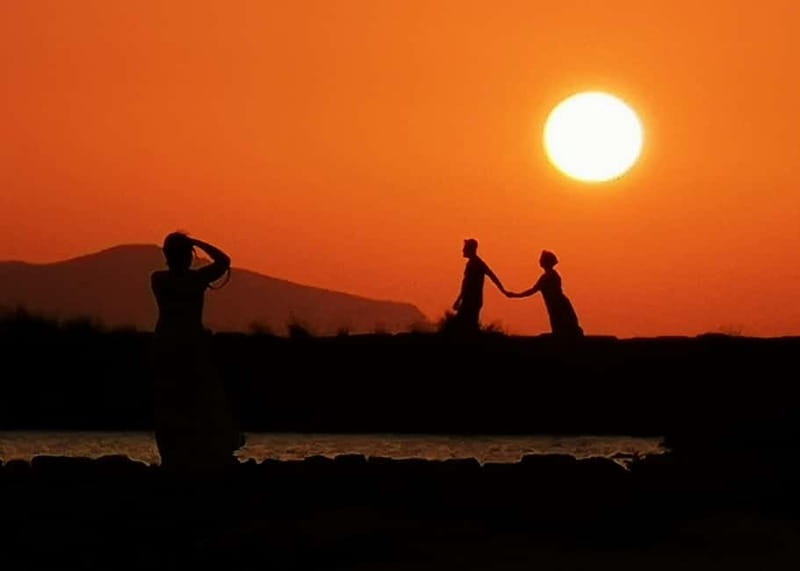
Reviewed · 2-HOUR EXPERIENCES
Trapani: 2-Hour Salt Flats Tour
Salt flats, but make it fascinating. On this Trapani outing, you get hands-on salt-making context at the Maria Stella salt pans and you also have time to look for flamingos in the salt pools. I also like that it is a small-group setup with a guide who brings the subject to life, especially Alessio, whose humor and explanations people rave about. The one drawback to keep in mind is simple: it is not suitable for mobility impairments and you will need comfortable shoes for walking on uneven ground near the pans.
I love that the tour mixes real working salt-country with indoor context at a salt museum housed in a renovated old mill. You are not just looking at a postcard, you are learning how sea water becomes harvest-ready salt, then topping it off with salt tasting and a short local food stop. Timing matters here, too, because the afternoon light over the reflective salt pools can be stunning.
If you are the type who enjoys practical, on-the-ground experiences with a guide who can answer questions, this is a smart use of a half day in Trapani. Just plan to be outside and moving at a comfortable pace for a few hours.
In This Review
- Key highlights you should care about
- Why Trapani’s salt flats feel different from typical tours
- Getting there from Via Ammiraglio Staiti, and what the 3-hour flow really means
- Maria Stella salt pans and the salt museum inside an old mill
- Nubia, windmills, and the viewpoint photos that frame the flats
- Flamingos in the salt pools: how to watch and photograph without stress
- The tasting stop and why flavored salt is more than a souvenir
- Price and value: is $51.24 a good deal for this kind of experience?
- Logistics that help you have a smooth day
- Who should book this tour in Trapani
- Should you book? My call
Key highlights you should care about
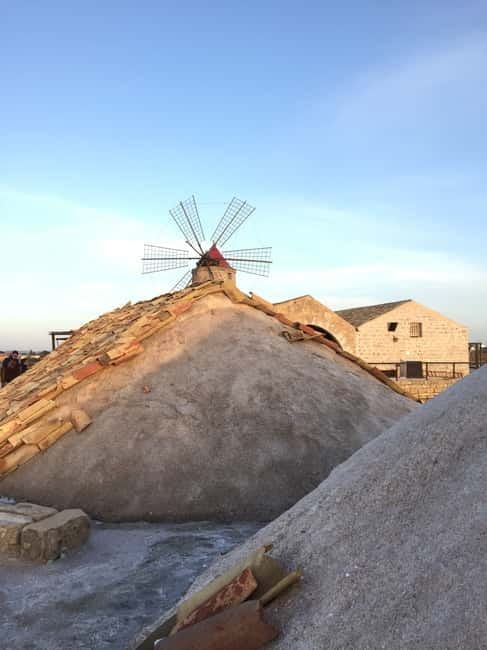
- Maria Stella salt pans: see salt production up close and walk the edges of the working flats.
- Salt museum in an old mill: tools, process, and samples of flavored salt.
- Flamingo spotting time: your guide helps you scan the salt pools for birds and nesting activity.
- Windmills and viewpoint stops: scenic photo breaks built into the drive and walk.
- Small group, max 8 people: more personal pace for photos and questions.
- Salt tasting plus a short food tasting: more than one chance to try local flavors.
Why Trapani’s salt flats feel different from typical tours
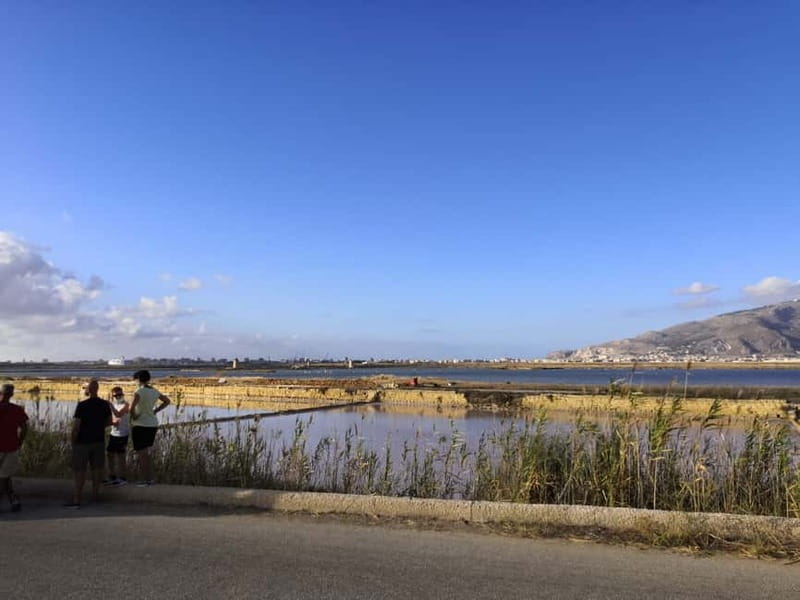
Most tours in Sicily take you from one famous landmark to the next. This one does something rarer, it takes you into a working landscape. Salt flats are mostly about texture, color shifts, and water surfaces, not big stone monuments. When you understand the process, the place starts to make sense fast.
You also get two different kinds of payoff. The first is practical, you learn how salt is produced in these pans and why the territory matters. The second is visual and photo-based, you watch for birds in shallow salt pools, with flamingos often in the mix. Even if you do not nail a perfect flamingo photo, the guide’s scanning method usually helps you spot plenty of interesting bird activity.
And yes, you taste the evidence. Salt here is not just plain. You will try flavored salt samples, which is a fun way to connect the chemistry and tradition to something you might actually buy and use later.
Introductions we still owe you around Trapani

Getting there from Via Ammiraglio Staiti, and what the 3-hour flow really means
Your day starts at Via Ammiraglio Staiti, 101, close to the fire station. From there, you jump into an air-conditioned van for the first transfers, then you get short guided walks and photo stops as you move through the salt country. The scheduled duration is about 3 hours total, with the salt-pans experience taking the starring role.
Small group matters. Limited to 8 participants, it stays manageable for walking edges of the flats and for photo time. The van rides also help with comfort in summer heat or if the wind picks up out on the pans, and a number of people specifically appreciated the air conditioning and the clean, comfortable vehicle.
A practical note: you are on a guided route with several short segments. That means you should expect to hop in and out of the van a few times. If you prefer long uninterrupted walking, this might feel a bit stop-and-go. If you like structured timing, it is a good match.
Maria Stella salt pans and the salt museum inside an old mill
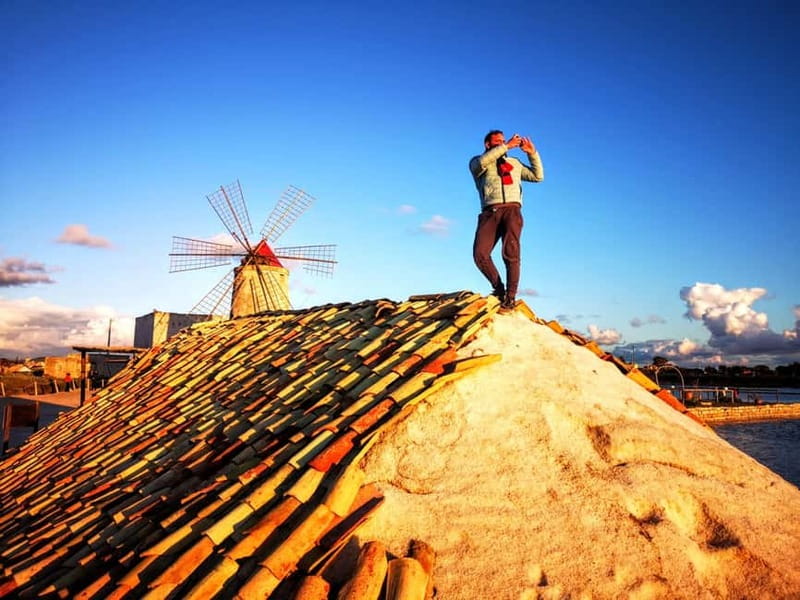
This is the heart of the experience. You visit the Maria Stella salt pans and learn how salt is made. The setting is often described as a family-owned operation, which helps you understand that this is not a staged attraction. You are seeing tradition practiced in real salt-country.
Right after the working-pans portion, you move into a salt museum located inside a renovated old mill. This is a key contrast. Outdoors, you see the pans and how water and salt behave in the real landscape. Indoors, you get tools and explanations that turn those visuals into an understandable process.
Salt tasting is built in, including samples of flavored salt. This part is small, but it is one of the easiest ways to appreciate what you learned. Plain salt is one thing. Flavored salts are a different story, and they make it easier to take the experience home as a practical memory, not just a photo.
One more nuance to know: while the day includes time at multiple salt-area points, the main on-foot moments can be concentrated around one primary working area. In other words, you still get the full concept, but your longest walking time may not be spread evenly across every stop.
Nubia, windmills, and the viewpoint photos that frame the flats
After the core salt-making focus, the tour shifts into terrain and scenery. You head toward Nubia for a guided visit plus a short walk and scenic viewpoints en route. This segment is not about a single museum object. It is about perspective. From the right angles, the flats stop looking abstract and start looking like a system, with channels, pools, and boundaries that explain how the salt country functions.
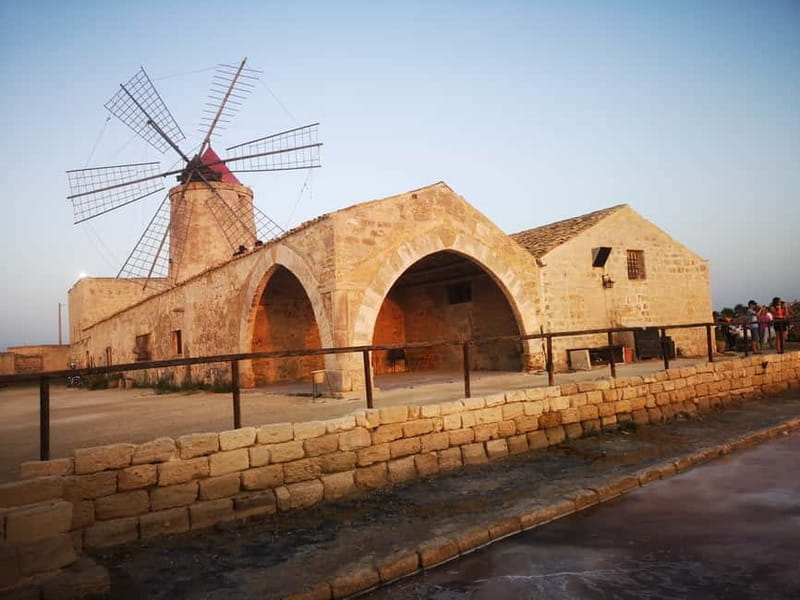
Then comes the windmills. You get a dedicated stop to visit the windmills and take part in a guided portion lasting about 30 minutes. Even if you are not a windmill expert, this is worth your time because it connects technology to environment. The salt flats depend on water movement and timing, and the region’s industrial structures make that relationship easier to see.
After that, there is a viewpoint photo stop with time to visit and take pictures. The goal is clear: give you a few chances to frame the landscape, not just glance at it from a van window.
Also on the Trapani guest list:
- Favignana and Levanzo, Egadi islands tour by boat from Trapani
★ 5.0 · 720 reviews - Boat tour to Egadi Favignana and Levanzo islands from Trapani
★ 5.0 · 614 reviews - Egadi Islands Tour: Favignana and Levanzo from Trapani
★ 5.0 · 607 reviews - From Trapani: Favignana and Levanzo Egadi Island Day Cruise
★ 4.8 · 477 reviews
Flamingos in the salt pools: how to watch and photograph without stress
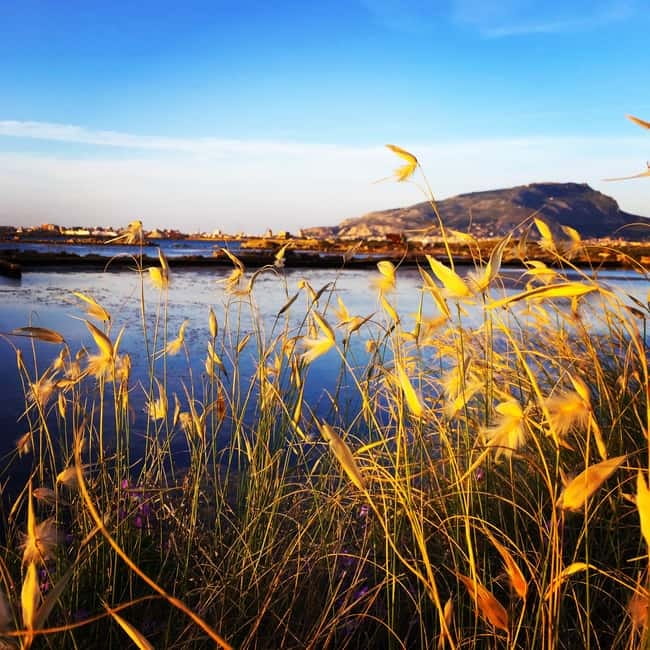
Flamingos are part of the magic of Trapani’s salt flats. The tour is designed to help you spot flamingos and other birds in the surrounding salt pools. Since flamingos can be nesting and migratory, they also tie the flats to seasonal movement, not just local industry.
What you should do is simple: slow down your scanning and let the guide manage the timing. You do not need to sprint around the edge of every pool. Your best shots usually come from standing where you have a clear line of sight, then adjusting your position slightly if the light changes.
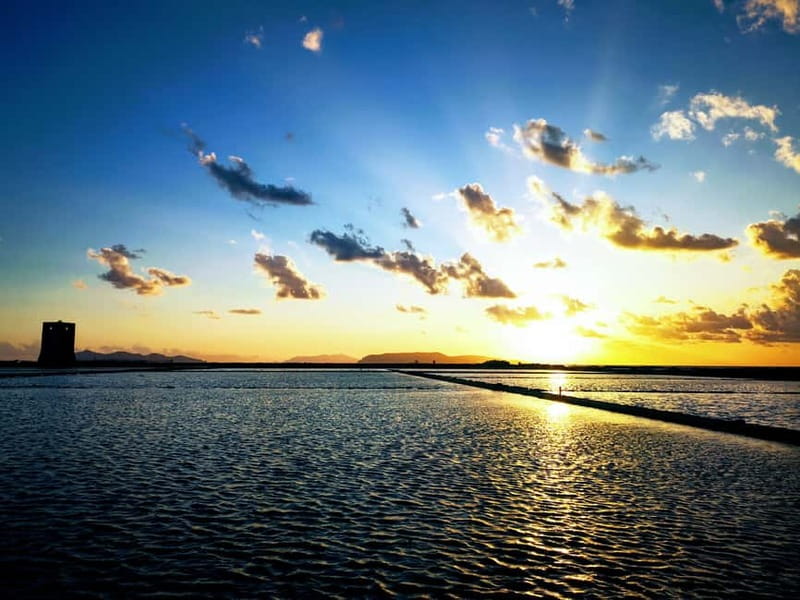
You will also notice that colors can shift over time. That means a bird you see earlier might look different later in the day, especially when the light angle changes. The tour’s timing can help with this, because the day often ends with reflections in the salt pools and the sort of late-day brightness that makes the whole area look different than it did in the morning.
If you care about photography, bring a camera you can use quickly. You will have photo opportunities at scenic stops and at salt-pans edges, but the best results come from being ready when your guide spots activity.
The tasting stop and why flavored salt is more than a souvenir
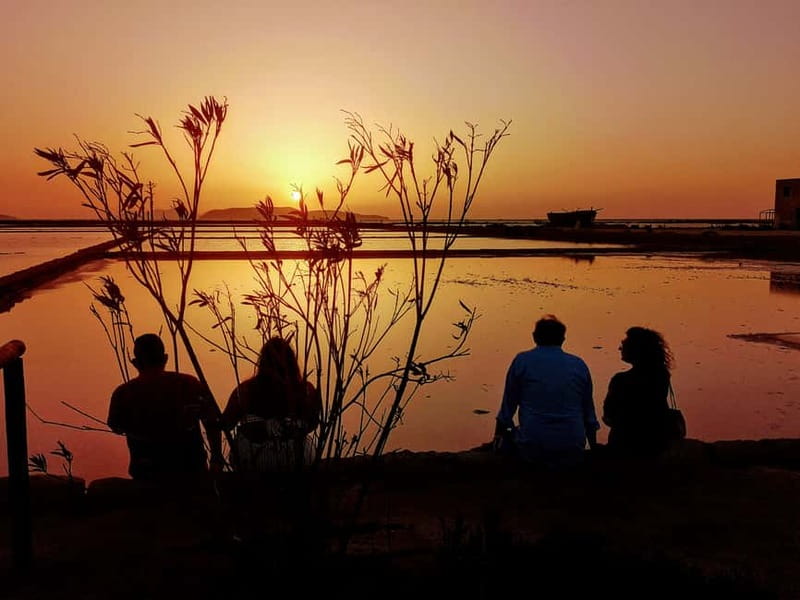
There are two tasting moments built into the experience. First, you try salt, including flavored salt samples, tied directly to the museum and salt-pan learning. Second, there is a short “secret stop” for a food tasting, about 10 minutes.
This is where the tour feels most connected to daily life. Salt is not only a product, it is a flavoring tool. In a quick tasting format, you can learn how salt works in real local eating, not just in theory.
Also, tasting helps you stay engaged through the outdoor parts. Salt flats can be visually mesmerizing, but they are also quiet spaces. Having a taste moment gives your brain an anchor, so you remember what you learned and why it matters.
Price and value: is $51.24 a good deal for this kind of experience?
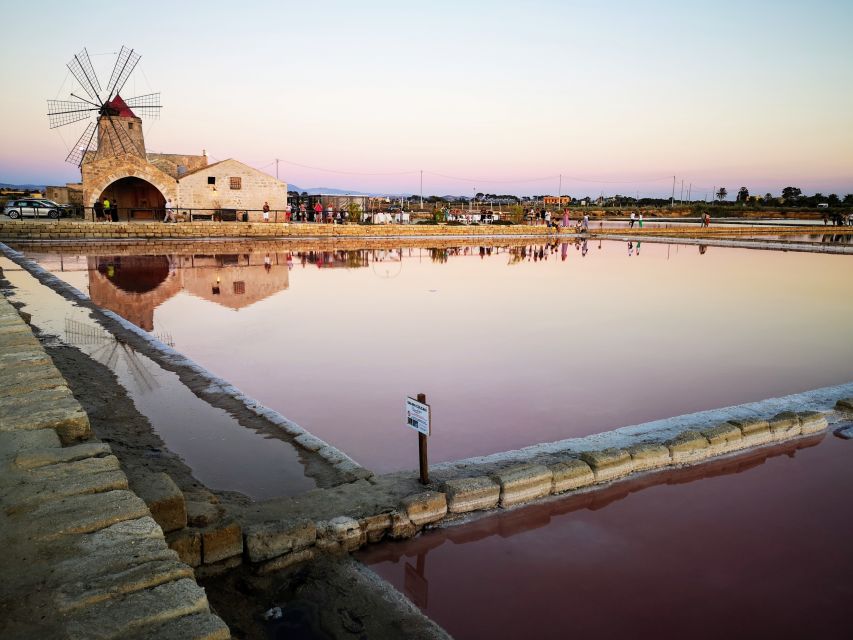
At $51.24 per person, the big question is what you get for the money. Here, the value is in the mix of guided access and included entry costs.
Your price covers:
- Roundtrip transfer in an air-conditioned van
- A local guide
- Entrance to the salt museum
- Salt tasting
- Entrance to the salt pans
It does not include meals, and there are no full restaurant-style breaks. But you are not paying for a long meal day. You are paying for access to working salt areas, interpretation, and short tastings that connect tradition to taste.
The small group size is the other value driver. With up to 8 people, you get a quieter, more responsive experience than big-bus sightseeing. People also appreciated the way Alessio can explain things clearly in English, with humor that keeps the information from feeling like a lecture.
If you are comparing against self-guided options, the guide is the difference. Salt flats look simple from a distance, but the process and the bird-spotting logic are not intuitive. The tour saves you time and gives you a framework for what you are seeing.
Logistics that help you have a smooth day
A few practical details will make your experience easier.
First, wear comfortable shoes. You will walk short segments on and near the pans and at scenic areas. If you normally manage city sidewalks fine, that might not be enough here.
Second, expect several van transfers. The schedule includes time in the van between stops, with guided time plus short walks at key points. That is normal for this route, and it is also how you cover more ground in less than half a day.
Third, note the language setup: the guide speaks Italian and English. If you prefer English, your group will still have an accessible explanation style during guided segments.
Finally, keep expectations realistic about walking. It is not a rugged hike, but it is also not a sitting-and-looking-from-one spot kind of tour. The experience fits best when you are willing to move at a comfortable pace.
Who should book this tour in Trapani
This is a strong pick if you like:
- food and how it connects to place
- nature spotting, especially birds in unusual habitats
- guided explanations that make an industrial landscape feel understandable
- photos with real light and quiet moments
It is also a good choice if you do not have a car. The included roundtrip transfer means you can focus on the experience instead of figuring out logistics on your own.
One group should skip it: people with mobility impairments. The tour is not suitable, and that is worth respecting.
Should you book? My call
Book it if you want a Trapani experience that is both practical and quietly beautiful. The salt-making at Maria Stella, the museum inside a renovated old mill, and the flavored salt tastings make this feel educational without being dry. Add the chance to spot flamingos and other birds in the pools, plus scenic windmills and viewpoint stops, and you get a tour that balances work, nature, and photography.
Skip it only if you strongly dislike walking outdoors in open areas or you need an accessibility-friendly format. Otherwise, this is one of the more memorable “Sicily feels like itself” activities you can do in a few hours. If you can, plan your day so you end with late-day light, that reflection on the salt pools is the moment that tends to stick.
Just introduced: the newest Trapani write-ups
- From Trapani: Favignana and Levanzo Shuttle Tour★ 4.0 · 211 reviews
- From Trapani: Egadi Islands Favignana & Levanzo Cruise★ 4.9 · 229 reviews
- Mini Cruise to Favignana and Levanzo with lunch on board★ 4.0 · 270 reviews
- Full Day Boat Tour San Vito Lo Capo to Castellammare del Golfo★ 5.0 · 292 reviews
- 8-Hour Boat Tour from Castellammare del Golfo to San Vito Lo Capo★ 5.0 · 357 reviews
- Guided tour of the Trapani Salt Pans and Salt Museum★ 4.7 · 423 reviews
- From Trapani: Favignana and Levanzo Egadi Island Day Cruise★ 4.8 · 477 reviews
2-Hour Experiences, compared.

Milan Duomo and Rooftop 2-Hour Guided Tour
Read our review →
Vatican Museums & Sistine Chapel Express 2-Hour Guided Tour
Read our review →




2-Hour Guided Walking Tour of the Historical Center
Read our review →Browse the lists this tour appears in