
Reviewed · PASTA COOKING CLASSES
Verona: Pasta and Tiramisu Cooking Class with Fine Wine
Fresh pasta dough and tiramisu in Verona sounds simple, until you’re actually making it. This 3-hour class keeps things hands-on, starting with a welcome Prosecco and ending with you eating what you made, paired with wine. It’s a great break from the city circuit because the learning is practical, not just watch-and-take-a-photo.
I especially like the step-by-step teaching style around the pasta dough. You get clear guidance on flour choice and the difference between pasta fresca and pasta secca, which helps you understand why Italian pasta tastes the way it does. Then the same supportive approach carries right into tiramisu, so the dessert feels doable.
One thing to consider: the class focuses on the traditional recipe using gluten, dairy, and eggs, so it is not suitable for everyone. Even when dietary options or substitutes are offered, cross-contamination can’t be fully ruled out.
In This Review
- Key Highlights You Can Count On
- Verona Pasta and Tiramisu Class, the 3-Hour Break You’ll Actually Use
- The Welcome Moment, Prosecco, and Seeing a Real Restaurant Flow
- Pasta Dough 101, Flour Choices and Getting the Texture Right
- Shaping and Cooking Fresh Pasta, Then Actually Eating It
- Tiramisu Lesson, From Ingredients to the Finished Dessert
- Wine, Pairing at the Table, and Why It Changes the Meal
- The Instructor Matters, and Here It Really Does
- Dietary Needs and Allergies, What’s Offered and What’s Not
- Price and Time Value, Is $35 a Smart Verona Meal Plan?
- Who Should Book This Class in Verona
- Quick Practical Notes Before You Go
- Should You Book This Verona Pasta and Tiramisu Cooking Class?
- FAQ
- How long is the Verona pasta and tiramisu cooking class?
- How much does it cost per person?
- What is included in the experience?
- Do you get wine during the class?
- Is the class taught in English?
- Is this class suitable for vegans, gluten intolerance, or lactose intolerance?
- Can the class accommodate dietary needs or allergies?
- Is hotel pickup and drop-off included?
Key Highlights You Can Count On
- Prosecco on arrival, so the experience starts like a proper Italian meal, not a classroom
- Fresh pasta dough training, including flour choices and the pasta fresca vs secca difference
- Hands-on tiramisu making, with step-by-step support until your dessert is ready
- Two glasses of wine, plus a lunch or dinner to enjoy the food you created
- English-speaking instruction in a popular central Verona restaurant setting
Verona Pasta and Tiramisu Class, the 3-Hour Break You’ll Actually Use
Verona is beautiful in the slow way, but sightseeing can grind you down. This cooking class is a tidy reset. In just 3 hours, you shift from cobblestones to counters, from looking at food to making it, and that change alone makes the experience worth your time.
The format is built around one goal, you leave able to repeat at least some of what you learned. That matters. A lot of food experiences are fun, then fade fast. Here, the method sticks because you practice the basics: mixing, shaping, timing, and then assembling tiramisu so it sets correctly.
And yes, you eat during the experience. There’s no awkward moment where you watch other people dine while your food remains theoretical. Once the pasta is ready, you sit down together for lunch or dinner, and wine is part of the table plan.
Tiramisu, assembled a few more ways:
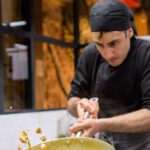

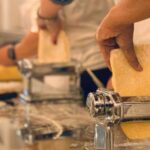
The Welcome Moment, Prosecco, and Seeing a Real Restaurant Flow
You meet at a location that can vary by booking, then step into the restaurant where the session takes place. After a welcome glass of Prosecco, you get shown how an authentic Italian restaurant operates behind the scenes. That’s not just window dressing. It gives context for why the food is prepared the way it is, and it helps you understand the pace of real kitchens, even if you are not in the pass.
Next comes the practical part: aprons on, then you move to your workstation. This is where the class becomes less about entertainment and more about doing. You’ll be working directly with the ingredients and techniques, with an instructor who guides you through each step.
What you’re really paying for here is the combination of atmosphere and coaching. The restaurant setting makes it feel local, and the teaching keeps it from feeling chaotic.
Pasta Dough 101, Flour Choices and Getting the Texture Right
The pasta section is the core skill of the class. You learn how to make fresh pasta dough, and you get real explanation, not just motions. The key topics include what flour to use and what makes fresh pasta dough behave differently.
One of the best parts is the clarity around pasta fresca versus pasta secca. Pasta fresca is fresh, softer, and meant for a shorter cooking time. Pasta secca is the dried variety you see packaged in shops, with a different texture and a more shelf-stable structure. Even if you never plan to make dried pasta at home, understanding this difference helps you judge doneness and texture when you cook.
If you’ve ever tried making pasta and wondered why it turned either too sticky or too stiff, this is the kind of lesson that helps you diagnose the problem. The dough becomes less mysterious when someone walks you through what to look for while you’re working.
Shaping and Cooking Fresh Pasta, Then Actually Eating It
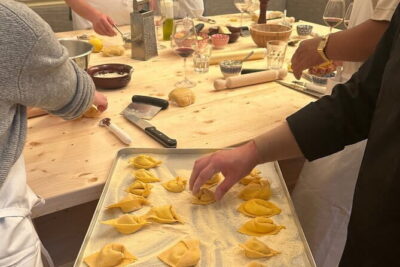
Once the dough is prepared, the class moves into the practical workflow that takes you from raw dough to cooked pasta. You learn the process as you go, and the end result is food you can taste immediately.
Based on what people commonly take home from this experience, you do more than one pasta dish. The training is built around making multiple pasta dishes, with the goal that you can sit down at the end and enjoy a proper meal created by your hands.
That meal piece is important for value. If the class ended the moment you left the kitchen, it would still be fun. But the format turns it into a full experience: make, then eat, then share the table like a meal with strangers who become friends for a few hours.
More pasta made by your own hands:
- Florence: Pasta Cooking Class with Unlimited Wine
★ 4.9 · 10,285 reviews - Florence Pizza or Pasta Class with Gelato Making at a Tuscan Farm
★ 5.0 · 6,801 reviews - Florence: Pasta Cooking Class with Unlimited Wine
★ 5.0 · 6,413 reviews - Rome: Pasta & Tiramisu Class with Fine Wine by the Vatican
★ 4.9 · 4,852 reviews
Tiramisu Lesson, From Ingredients to the Finished Dessert
Tiramisu is usually the dessert people feel confident skipping, because it looks fancy. This class tackles that fear with step-by-step instruction, so the dessert becomes structured and repeatable.
You learn how to prepare the tiramisu using the traditional method. That includes how the components are put together and what you need to pay attention to while assembling. The point is not just getting a sweet that tastes good, but understanding how the layers and texture come together.
At the end, you sample the dishes you prepare during the class. That means you’re not relying on a pre-made plate. You get to compare what you made to what you expected, and that feedback loop is how you improve quickly.
Wine, Pairing at the Table, and Why It Changes the Meal
You get a welcome glass of Prosecco when you arrive, then two glasses of wine with your meal. It’s a simple pairing approach: drink, eat, and learn by taste as you go.
The wine isn’t just an add-on. It helps turn a cooking lesson into an evening meal. And because you’re eating the pasta and tiramisu you just made, the pairing feels connected to the work you did, not like an unrelated drink thrown in for fun.
From the tone of the experience, the classroom and dining feel connected. The session doesn’t act like two separate activities, it treats them as one arc: learn, cook, then enjoy.
The Instructor Matters, and Here It Really Does
The instructor energy is one of the strongest parts of this class. Many people highlight how friendly, patient, and encouraging the teaching feels. Names you might hear tied to instruction include Elodie, and other session leaders like Elsie and Ilhandra also appear in different bookings, so the overall vibe tends to stay warm even if the exact guide differs.
What I’d watch for when choosing a class like this is how instruction is delivered in English and how comfortable you feel asking questions. Here, the guidance is described as simple and clear, which is exactly what you want if you’re not a confident cook.
You also learn fun facts during the process, which keeps it from becoming a straight lecture. That matters because you’re doing physical tasks at the same time, and a little humor and context can make the whole thing feel lighter.
Dietary Needs and Allergies, What’s Offered and What’s Not
This is the part you should check carefully before booking.
The class supports dietary options, including vegetarian, vegan, lactose intolerant, and other diets, but you need to inform the provider of your needs when booking. That said, the class also warns that substitutions may be offered, but the instructions will always focus on the traditional recipe, which contains gluten, dairy, and eggs.
Also, there is a cross-contamination risk you should understand up front. The class cannot guarantee 100% free cross contamination, even if substitutes are used. So if you have serious allergies, this is not a casual checkbox. Email or message the provider with your specific allergy details and ask how they handle it.
And one more hard limit: the class is listed as not suitable for vegans, people with gluten intolerance, and people with lactose intolerance. So if your dietary needs fall into those categories, you’ll want to skip this specific booking and look for something aligned with your requirements.
Price and Time Value, Is $35 a Smart Verona Meal Plan?
$35 per person for a 3-hour experience can look like a steal, or it can look overpriced, depending on what you compare it to. Here, the value case is strong because you get several things that normally cost extra or require separate plans.
You receive:
- A cooking class for fresh pasta and tiramisu
- A welcome glass of Prosecco
- Two glasses of wine
- Lunch or dinner
- English instruction
- Step-by-step guidance plus the food you make
If you’ve ever paid for a dinner in central Verona that ends up being average, this class offers something dinners usually do not: a skill you can reuse and food you personally made. Even if you only remember a few key techniques, you’ve gotten your money’s worth in experience, not just calories.
Also, the 3-hour length is practical. It fits a day of sightseeing without swallowing your whole afternoon or pushing you into late-night commitments.
Who Should Book This Class in Verona
This cooking class is a great fit if you want:
- A hands-on Verona experience, not just another meal out
- Clear instruction, especially if you’re a beginner
- A social evening with structure, since you cook and dine together
- A way to try fresh pasta and tiramisu without second-guessing recipes at home
It’s also ideal for couples. The experience has a friendly, relaxed group tone, but it’s not so big that you feel lost. People frequently note how welcoming the atmosphere feels, and that’s exactly what you want when you’re in a kitchen learning new tasks.
If you are traveling with very young kids, there’s a minimum age note: it is not suitable for children under 3 years, and babies under 1 year.
Quick Practical Notes Before You Go
A few things that can help you feel prepared:
- The instruction is in English.
- You will sample the dishes you prepare during the class.
- The meeting point can vary depending on the option you book.
- Wheelchair accessibility is listed as available.
- The class includes cooked pasta plus tiramisu, then you eat together as part of lunch or dinner.
Should You Book This Verona Pasta and Tiramisu Cooking Class?
If you want a real Italian cooking experience in Verona that ends with a meal you made and wine you didn’t have to plan separately, I think this is a smart booking.
It’s especially worth it if pasta and tiramisu are on your must-do list, but you also want a method you can repeat. The most praised elements are the step-by-step instruction, the friendly instructor vibe, and the fact you get to enjoy the results right away with wine.
Just be honest about your dietary needs. If you require strict gluten, lactose, or full vegan suitability, this specific class may not match what you need. If your restrictions are moderate and you can confirm safe substitutions with the provider, it can work well.
If that check passes for you, book it. In Verona, this is the kind of experience that turns a great trip into a memory you can recreate at home.
FAQ
How long is the Verona pasta and tiramisu cooking class?
The class duration is 3 hours.
How much does it cost per person?
The price is $35 per person.
What is included in the experience?
Included are a welcome glass of Prosecco, a pasta and tiramisu cooking class, lunch or dinner, and 2 glasses of wine.
Do you get wine during the class?
Yes. You receive a welcome glass of Prosecco and you also enjoy 2 glasses of wine with your meal.
Is the class taught in English?
Yes, the instructor teaches in English.
Is this class suitable for vegans, gluten intolerance, or lactose intolerance?
No. The class is listed as not suitable for vegans, people with gluten intolerance, and people with lactose intolerance.
Can the class accommodate dietary needs or allergies?
Dietary options are listed as available (including vegetarian and other diets), but you must inform the provider when booking. The traditional recipe contains gluten, dairy, and eggs, and substitutions cannot guarantee 100% free of cross contamination.
Is hotel pickup and drop-off included?
No, hotel pickup and drop-off are not included.
Cellar Doors of Italy
- From Verona: Valpolicella and Amarone Wine Tasting Tour
★ 4.9 · 560 reviews - Verona: Wine Tasting with Snacks and Panoramic Views
★ 4.8 · 494 reviews - Verona walking tour:food, wine, legends, lunch/dinner & cable car
★ 5.0 · 386 reviews - Verona All in one: Food Walking Tour, Lunch & Wine
★ 5.0 · 342 reviews
Italian Kitchens Taking Students
- Cooking Class and Lunch at a Tuscan Farmhouse with Local Market Tour from Florence
★ 5.0 · 4,831 reviews - Rome: Pasta Making Class with Wine, Limoncello, and Dessert
★ 4.9 · 3,177 reviews - Pastamania – Florence Pasta Making Class
★ 5.0 · 3,050 reviews - Rome: 3-in-1 Fettuccine, Ravioli, and Tiramisu Cooking Class
★ 4.9 · 2,704 reviews
Just introduced: the newest Verona write-ups
- Discover Valpolicella Vineyards and Wine Tasting Experience★ 4.5 · 341 reviews
- Verona All in one: Food Walking Tour, Lunch & Wine★ 5.0 · 342 reviews
- Verona: Gelato Making Class★ 4.8 · 348 reviews
- Verona walking tour:food, wine, legends, lunch/dinner & cable car★ 5.0 · 386 reviews
- Highlights and hidden gems Verona Bike Tour★ 5.0 · 393 reviews
- Verona Highlights Walking Tour in Small-group★ 5.0 · 493 reviews
- Verona: Wine Tasting with Snacks and Panoramic Views★ 4.8 · 494 reviews
Pasta Cooking Classes, compared.
Florence Pizza or Pasta Class with Gelato Making at a Tuscan Farm
Read our review →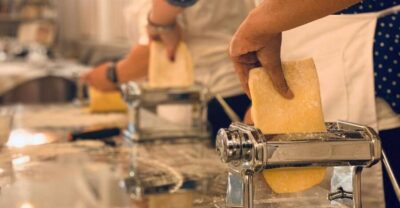
Pasta & Tiramisu Cooking Class with Unlimited Wine
Read our review →
Pasta & Tiramisu Class with Fine Wine by the Vatican
Read our review →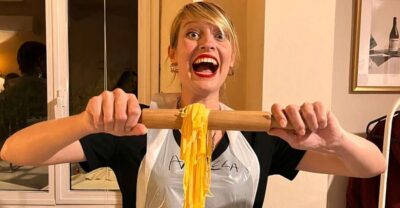
Pasta Making Class with Wine, Limoncello, and Dessert
Read our review →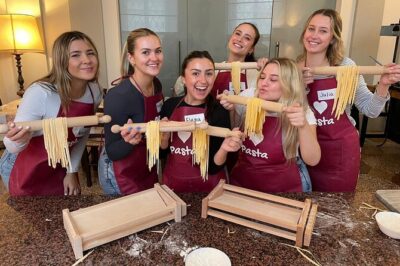
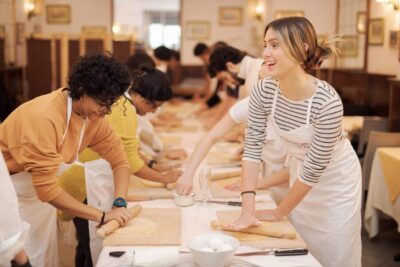
Fettuccine Pasta Cooking Class in Rome’s City Center
Read our review →Browse the lists this tour appears in