
Reviewed · PASTA COOKING CLASSES
Bari: Pasta and Tiramisu Cooking Class with Wine
Flour on your hands beats scrolling. This Bari pasta and tiramisu cooking class turns the classics into something you can actually repeat at home, plus you get to drink Prosecco and enjoy fresh pasta and tiramisu you helped make. I also like that the meal is served with wine and good conversation, but the big catch is that the traditional recipes include gluten, dairy, and eggs, and they cannot guarantee zero cross-contamination.
The class runs about 3 hours in a family-owned restaurant near the beach, and the meeting point is clearly set in front of Ristorante Ceralacca (close to Teatro Petruzzelli, Bari Vecchia, and Lungomare Araldo). It is led in English with a translator, and you will finish with coffee or limoncello plus take-home recipes to keep the momentum going.
In This Review
- Key Things That Make This Bari Cooking Class Worth Your Time
- Ristorante Ceralacca Near Bari Vecchia, Walkable and Convenient
- Prosecco Welcome and the Pasta Making Mindset
- Building Tiramisu From Scratch, Then Knowing It Works
- Fresh Pasta Techniques You Can Recreate at Home
- Eating What You Cook With 3 Glasses of Local Wine
- English Translators, Patient Hosts, and the Group Vibe
- Price and Value: How $69 Works Out for This 3-Hour Meal Experience
- Who Should Book This Bari Pasta and Tiramisu Class
- Should You Book? My Honest Recommendation
- FAQ
- Where does the class meet?
- How long is the cooking class in Bari?
- What is included in the price?
- What can I expect to cook?
- Is the class taught in English?
- Is the restaurant accessible for wheelchair users?
- Are vegetarian options available?
- What dietary restrictions mean it is not suitable?
Key Things That Make This Bari Cooking Class Worth Your Time
- Fresh pasta and tiramisu, taught step by step in a real restaurant setting
- Prosecco welcome, then 3 glasses of local wine paired with what you cook
- Family-run atmosphere with a warm host, including names like Marco, Paolo, Alessia, and Vincenzo showing up in recent sessions
- You leave with recipes so you can recreate the dishes for friends back home
- Easy location for a walking day near Bari Vecchia and the seafront promenade
- Group energy that feels friendly and interactive, not stiff or scripted
Ristorante Ceralacca Near Bari Vecchia, Walkable and Convenient
This is the kind of class that works well even if your day in Bari is already packed. The restaurant is just a short stroll from major landmarks, including Teatro Petruzzelli (about 300 meters away), Bari Vecchia (about 500 meters away), and Lungomare Araldo (around 100 meters away). So before or after your class, you can pair it with a walk toward the old town lanes or the seaside promenade.
Your guide meets you at the front of Ristorante Ceralacca. That matters more than you might think. In places like Bari, a lot of activities hide behind side streets. Here, the meeting point is right where you can find it quickly, which helps you start relaxed instead of late and flustered.
The setting is a family-owned restaurant near the beach, and that shows in the vibe. You are not shuttled to some distant venue or kitchen museum. You are stepping into a working place where people actually eat.
Tiramisu, assembled a few more ways:

Prosecco Welcome and the Pasta Making Mindset
You start with a refreshing glass of Prosecco as your instructor explains what you will be making and how to do it correctly. In my experience, that opening moment is more than a drink. It sets expectations, gets your group listening, and helps you stop treating pasta dough like a mystery.
You are cooking with an English-speaking instructor and a translator. From recent class experiences, the communication is often praised for being clear and patient. That is a big deal when you are learning hands-on technique. Fresh pasta is all feel, timing, and small adjustments, like how dough moves under your fingers and how you know it is ready to roll.
You are also given everything you need: equipment and ingredients. So you can show up in comfortable clothes and focus on the process, not on hunting down obscure tools or worrying you did not bring the right flour.
One more practical note: smoking is not allowed, and pets are not permitted. You can show up as you are, just be ready for a little mess, since dough and cream-based dessert ingredients do not do subtle.
Building Tiramisu From Scratch, Then Knowing It Works
After the Prosecco, you jump into tiramisu. This is not the quick version where you only assemble packaged ingredients. You make it from scratch, using a classic method and learning the logic behind it.
Here is what you should pay attention to. Tiramisu succeeds on balance: the texture of the components, the right timing so things do not turn soggy, and the layering so it slices cleanly. Your instructor shares tips for getting the perfect finish, and the goal is that you can follow the recipe again later without guessing.
One important consideration before you get excited: the traditional recipe contains gluten, dairy, and eggs. That is stated clearly for the class, and while there are substitutes for allergies or food preferences, the instructions still focus on the traditional recipe. Also, cross-contamination cannot be guaranteed. If you have severe dietary needs, you will want to ask directly before booking, not after.
During the class, you will sample what you prepare. That is helpful here. If something tastes off while you are still in the flow, you can get quick corrections instead of discovering issues back in your rental kitchen.
Fresh Pasta Techniques You Can Recreate at Home
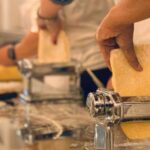
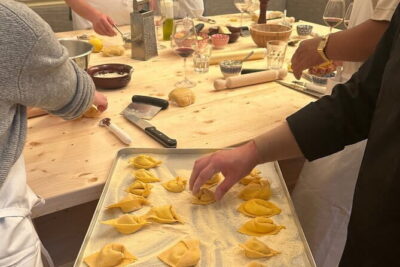
Next comes fresh pasta. If you have ever bought pasta in Italy and thought, I want this texture, this is where you learn the mechanics. You work with the dough, learn the basic techniques, and practice until it looks like it belongs on a plate, not in a disaster montage.
The class provides the ingredients and cooking equipment, so you are not trying to piece together supplies mid-course. Your instructor explains what matters and why. You are not just watching, you are doing.
A lot of recent participants mentioned making more than one kind of pasta, which is consistent with how many Italian cooking classes run: you learn at least one shaping approach and often a second variation. If your group does the same, you will likely get to compare textures and results, which makes the learning stick.
Also, you get the kind of guidance that helps you troubleshoot. Pasta dough can be too dry, too sticky, too elastic, or not elastic enough. The instructor’s role is to help you correct it while you still have time to finish strong.
And because this happens in a real restaurant kitchen environment, it feels more authentic than doing the same steps in a classroom. You learn the rhythm of a working kitchen, even if it is at a gentle pace for a group.
More pasta made by your own hands:
- Bari: Pasta Experience Walking Tour
★ 4.7 · 660 reviews - Florence: Pasta Cooking Class with Unlimited Wine
★ 4.9 · 10,285 reviews - Florence Pizza or Pasta Class with Gelato Making at a Tuscan Farm
★ 5.0 · 6,801 reviews - Florence: Pasta Cooking Class with Unlimited Wine
★ 5.0 · 6,413 reviews
Eating What You Cook With 3 Glasses of Local Wine
Once both dishes are done, you sit down and enjoy your creations. This is when the class stops being a project and becomes a meal.
You get three glasses of local wine with the tasting. That amount is real enough to set a relaxed tone, but not so much that you will be completely checked out. Most people use this hour to talk, share what they learned, and ask the instructor questions that popped up while they were rolling dough and assembling tiramisu.
Conversation tends to focus on Italian cuisine and the charm of Bari. That part matters. Learning to cook is one thing, but it helps to hear how locals think about flavors, ingredients, and technique. You also get to hear how others approached the steps, which can make you feel less worried about whether your pasta shaped correctly.
At the end, the experience includes coffee or limoncello. Many people react strongly to limoncello, especially in a setting like this where you have just finished something sweet. Either way, the end drink is a nice reset, helping you land the experience instead of rushing out right when you are done eating.
English Translators, Patient Hosts, and the Group Vibe
One of the most praised parts of this class is the people running it. The instruction often involves both the chef and an interpreter, and the results are clear in the feedback: people appreciate patient teaching and strong translation support.
You may hear names like Chef Paolo or Paulo leading the cooking, with interpreters such as Alessia or Vincenzo and hosts like Marco. The common thread is warmth. You are not treated like a passive audience. You are part of the process.
That group aspect is also a major value-add. If you are traveling solo, it is a straightforward way to meet people without forcing conversation before you even know what to talk about. Everyone shares the same goal: learn pasta and tiramisu, then eat. That makes it easy to connect.
The class is also described as well-organized, and the tone is relaxed rather than rigid. That matters when you are learning something hands-on. A tense class makes mistakes feel bigger. A calm class makes learning feel possible.
Price and Value: How $69 Works Out for This 3-Hour Meal Experience
At $69 per person for about 3 hours, this class is priced like a serious activity, not a quick demo. And the value comes from what is included, not just the technique.
Here is what you get bundled in:
- Instructor-led cooking
- Equipment and ingredients for both pasta and tiramisu
- Prosecco at the start
- Three glasses of local wine during the meal
- Coffee or limoncello at the end
- Recipes to take home
Add those together and the price starts to make sense. You are paying for education and for a full food and drink experience, all tied to a specific moment: you make the meal, then you eat it. Many food activities in Italy offer either the tasting or the hands-on part. This gives you both.
Also, the location is a practical win. The restaurant is walkable from Bari Vecchia and close to the seafront. That cuts down the friction of getting there, and it makes it easier to pair with other time on foot.
If you are the type who loves cooking shows but wants real muscle memory, this is a good use of your time. You leave with knowledge you can apply.
Who Should Book This Bari Pasta and Tiramisu Class
This fits best when you want an authentic, hands-on Italian evening that is also social.
It is a strong match for:
- Food lovers who want real technique for fresh pasta and classic dessert craft
- Couples and small groups who like structured fun with a clear end meal
- Solo travelers who want easy conversation without planning a whole itinerary
- People who prefer instruction in English with a translator support system
It is not a fit for everyone. It is explicitly not suitable for:
- Vegans
- People with gluten intolerance
- People with lactose intolerance
- Children under 3 years old
- Babies under 1 year old
And even if you can eat dairy, gluten, and eggs, you should still think about allergies. Substitutes may be available, but the class teaches the traditional recipe and cross-contamination cannot be guaranteed.
If you have strict dietary restrictions, I would treat this as a question-for-theprovider situation, not a guess. You are allowed to inform them of allergies or needs when booking, and you should do that early.
Should You Book? My Honest Recommendation
Yes, you should book this if you want a practical Bari experience that mixes cooking skills, a sit-down Italian meal, and wine in a family-run setting. The big wins are the hands-on focus, the fact you eat what you make, and the friendly, patient hosting that helps English speakers follow the steps.
I would hesitate only if your diet is very limited. The traditional recipes use gluten, dairy, and eggs, and cross-contamination cannot be ruled out. If that is you, look for a class that explicitly matches your needs.
If you are healthy, curious, and willing to get a little flour on your clothes, this is a satisfying way to spend 3 hours in Apulia. You walk away with recipes, technique, and a memorable evening near the heart of Bari.
FAQ
Where does the class meet?
Your guide meets you in front of Ristorante Ceralacca.
How long is the cooking class in Bari?
The class duration is 3 hours.
What is included in the price?
It includes the cooking class with an instructor, all necessary equipment and ingredients, Prosecco welcome drink, 3 glasses of local wine, and coffee or limoncello at the end.
What can I expect to cook?
You will make fresh pasta and tiramisu from scratch, then sample what you prepare.
Is the class taught in English?
Yes, the instruction is in English, with translation support.
Is the restaurant accessible for wheelchair users?
Yes, the activity is wheelchair accessible.
Are vegetarian options available?
Vegetarian options are available upon request. Other dietary needs may be supported, but you should inform the provider of allergies or restrictions when booking.
What dietary restrictions mean it is not suitable?
It is not suitable for vegans, people with gluten intolerance, or people with lactose intolerance. The traditional recipe includes gluten, dairy, and eggs, and cross contamination cannot be guaranteed.
Cellar Doors of Italy
- Tuscany Day Trip from Florence: Siena, San Gimignano, Pisa and Lunch at a Winery
★ 5.0 · 21,634 reviews - Florence: Chianti Wineries Tour with Wine Tasting
★ 4.5 · 8,301 reviews - Small-Group Wine Tasting Experience in the Tuscan Countryside
★ 5.0 · 7,392 reviews - Pisa, Siena and San Gimignano Day Trip with Lunch & Wine Pairing
★ 4.5 · 6,006 reviews
Italian Kitchens Taking Students
- Cooking Class and Lunch at a Tuscan Farmhouse with Local Market Tour from Florence
★ 5.0 · 4,831 reviews - Rome: Pasta Making Class with Wine, Limoncello, and Dessert
★ 4.9 · 3,177 reviews - Pastamania – Florence Pasta Making Class
★ 5.0 · 3,050 reviews - Rome: 3-in-1 Fettuccine, Ravioli, and Tiramisu Cooking Class
★ 4.9 · 2,704 reviews
Just introduced: the newest Bari write-ups
- Bari: Old Town Guided Eco-Friendly Rickshaw Tour★ 4.9 · 355 reviews
- Boat trip to the Polignano a Mare caves★ 5.0 · 395 reviews
- Polignano a Mare: Boat Tour of the Caves – Small Group★ 5.0 · 427 reviews
- Bari: Walking Street Food Tour★ 4.7 · 458 reviews
- Bari Walking City Tour★ 4.5 · 511 reviews
- Bari: City Highlights Guided Bike Tour★ 4.7 · 527 reviews
- Boat tour of the Polignano a Mare caves with aperitif★ 4.5 · 595 reviews
Pasta Cooking Classes, compared.
Florence Pizza or Pasta Class with Gelato Making at a Tuscan Farm
Read our review →
Pasta & Tiramisu Cooking Class with Unlimited Wine
Read our review →
Pasta & Tiramisu Class with Fine Wine by the Vatican
Read our review →
Pasta Making Class with Wine, Limoncello, and Dessert
Read our review →
Fettuccine Pasta Cooking Class in Rome’s City Center
Read our review →Browse the lists this tour appears in