
Reviewed · COOKING CLASSES
Cooking Class in Rome: Chef in a Day
If fresh pasta is on your Rome wishlist, this fits it well. You start in Piazza Farnese, plan the day’s dishes, then shop at Campo de’ Fiori and cook in a Trastevere apartment kitchen. You end up eating what you made, with wine included.
What I really like here is the hands-on pacing, you shape dough, chop, blend sauces, and plate the meal you’ll actually eat. I also like the small-group feel, with a max of 11 people, so questions do not get lost. One thing to consider: it is mostly a standing, active class for about five hours, so comfy shoes matter.
In This Review
- Key Highlights You Can Count On
- Piazza Farnese Morning: the Menu Plan That Makes Cooking Click
- Campo de’ Fiori Market: Shop Like a Chef, Not Like a Tourist
- Trastevere Kitchen Session: Three Pastas, Multiple Sauces, Real Skills
- The Lunch Table: Appetizer, Meat Course, Dessert, Wine Included
- What You Actually Learn: Techniques You Can Recreate at Home
- Group Size and Pace: Intimate, Active, and Built for Interaction
- Value Check: Is $147.49 Worth It?
- Who Should Book Chef in a Day (and Who Should Skip It)?
- Should You Book This Pasta Class in Rome?
- FAQ
- Where is the class meeting point?
- How long does the experience take?
- Is lunch included, and is wine included?
- Do I get recipes after the class?
- Is transportation included?
- What is the group size?
Key Highlights You Can Count On
- Market-to-kitchen flow, you shop for seasonal ingredients at Campo de’ Fiori before cooking
- 100% hands-on pasta-making, including three pasta varieties and multiple sauces
- Small-group instruction, designed for personal coaching, max 11 participants
- Seasonal lunch with wine, typically an appetizer, pasta courses, meat course, dessert, and wine
- Recipes sent by email, so you can remake your favorites after the trip
Piazza Farnese Morning: the Menu Plan That Makes Cooking Click
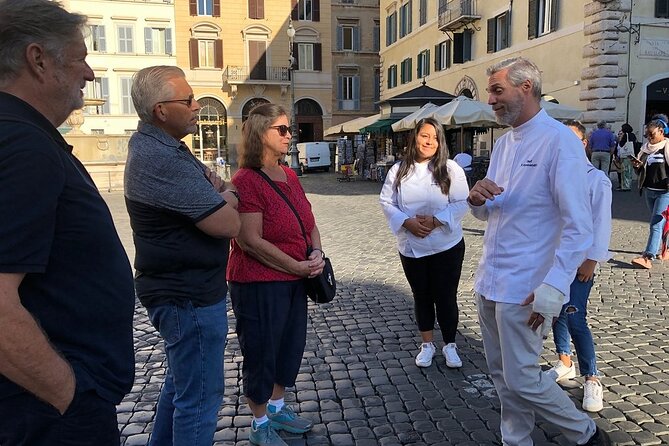
Your day starts at Piazza Farnese at 9:30am. This matters because you are not just wandering and hoping to be ready at the right time. You meet your chef-guide (the provider is Federico Alessandri, and sessions are sometimes led by other chefs such as Paola, based on past classes) and talk through what you’re going to make that day.
That menu chat is more useful than it sounds. Pasta is not one recipe, it is choices. You’ll hear why a particular sauce pairs with a particular shape, and what seasonal produce the class will build around. In practice, this helps you cook with intention. Instead of copying steps, you learn what each move is for.
Also, this start location is a good “Rome base.” You’re in central Rome before you head into the market and then across to Trastevere for the cooking. If you like to get your bearings early in a trip day, beginning at Piazza Farnese helps.
More Cooking Classes in Rome
Campo de’ Fiori Market: Shop Like a Chef, Not Like a Tourist
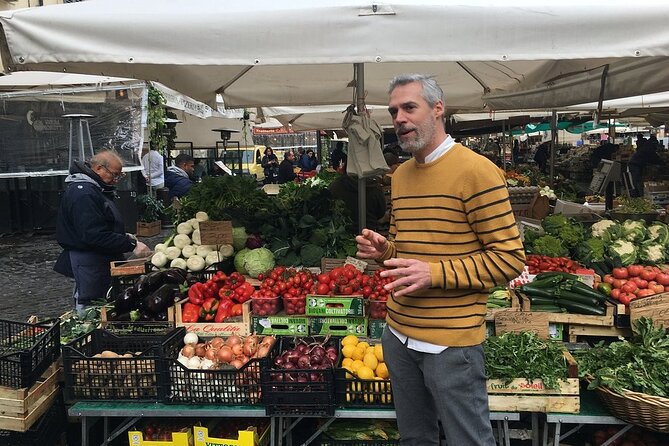
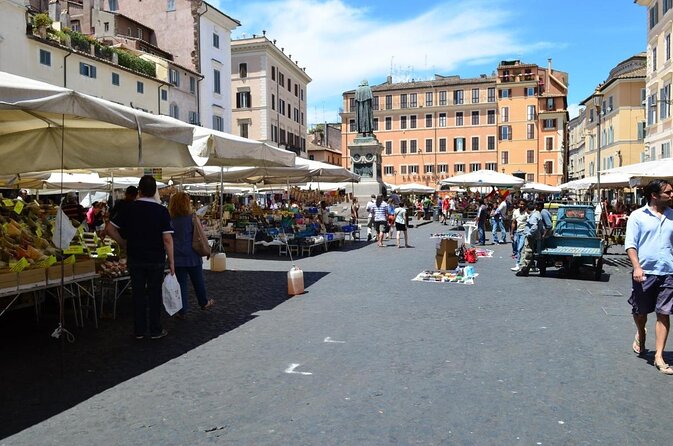
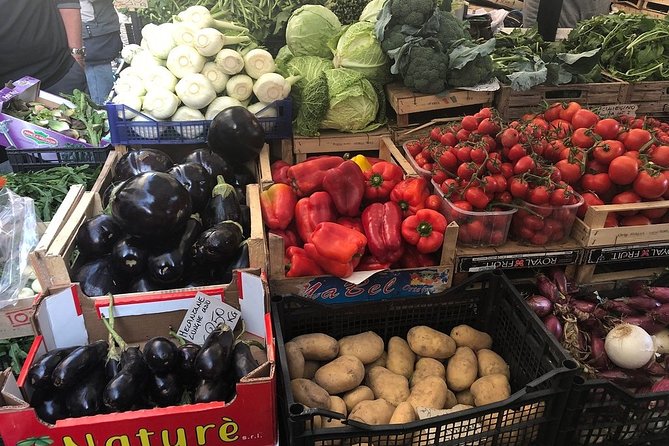
After the menu talk, you head to Campo de’ Fiori for ingredient shopping. This is where the class turns into something more than a cooking demo. You’ll browse the stalls, learn what to look for in seasonal produce, and help select herbs, spices, vegetables, cheeses, and the meat for that day’s menu.
Here’s what you’ll likely notice while shopping: ingredient quality in Rome is not a random concept. It shows up in smell, texture, and how the produce is handled. Your guide explains what makes an ingredient work in a pasta sauce, so you can rebuild the logic later at home.
A few reviews also mention the market experience including meat-focused stops, so expect a realistic workflow. You’re not just buying vegetables for show. You’re building a menu with the same constraints a home cook has: limited time, fresh ingredients, and what’s best that week.
One practical consideration: market walking takes effort. You will cover ground on your feet before cooking begins, so plan to eat a light breakfast or have a snack beforehand. Once cooking starts, the pace ramps up.
Trastevere Kitchen Session: Three Pastas, Multiple Sauces, Real Skills
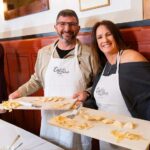
Next you move to the day’s cooking space in Trastevere. It is an open-plan apartment kitchen, right in the neighborhood, not a distant “tour kitchen.” That setting makes the class feel like you’re stepping into a real home operation, just with a professional chef running the show.
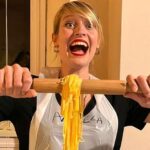
The class is 100% hands-on, and that is the point. You’ll work with dough and sauce components while learning techniques as you go:
- making fresh pasta from scratch
- chopping vegetables
- blending sauces
- presenting the dishes at the end
You’ll create three pasta varieties and pair them with three different sauces. The tour description frames this as a stuffed pasta, a long pasta, and a short-to-medium pasta. That variety is smart, because pasta shapes change how sauces cling, how you portion, and how you time cooking.
You will likely also see extra emphasis on technique, not just recipes. Past classes described making different dough styles, and in some sessions people have made items like gnocchi or other seasonal pasta formats. Even if your menu differs, the takeaway is consistent: you learn how dough behaves, how sauces change with ingredients, and how to adjust when produce is seasonal.
Expect breaks, but plan on standing most of the time. A few reviews flag that the day is active, but the instruction keeps moving so you are rarely stuck waiting.
The Lunch Table: Appetizer, Meat Course, Dessert, Wine Included
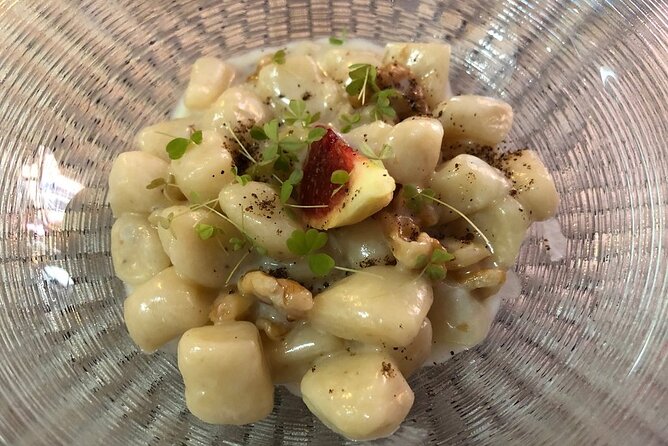
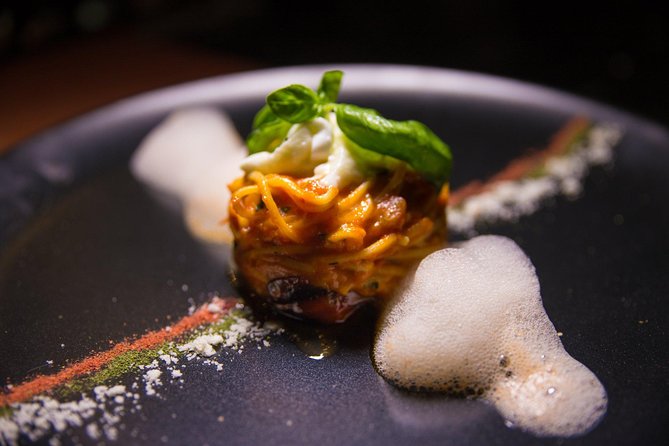
Once your hands are dough-trained and the sauces are ready, you sit down to enjoy the meal. The menu changes seasonally, but the class format typically includes:
- an appetizer
- homemade pasta courses
- a meat course
- dessert
- Italian wine
This is a major value point for the price. You are paying for the whole arc: shopping, cooking, and a lunch you do not need to hunt down afterward. It also gives you a chance to taste your work as a finished dish. Fresh pasta can go from perfect to overcooked quickly, and eating right after learning timing helps your memory lock in.
Wine inclusion adds to the Roman feel of the meal. It also means the class naturally slows down at the end. If you are someone who likes to end tours with a sit-down meal, this checks that box.
Diet notes: the class asks you to note dietary requirements when you book. The menu includes a meat course in the standard format, but you should be able to request adjustments through the provided dietary field. If you have strict restrictions, put them in early so you and the chef can align on expectations.
More Italian kitchens taking students:
- Rome: Fettuccine Pasta Cooking Class in Rome’s City Center
★ 4.8 · 2,414 reviews - Rome: Traditional Pasta with Cocktails Cooking Class
★ 5.0 · 2,374 reviews - Rome: Fettuccine and Tiramisu Cooking Class with Wine
★ 4.8 · 2,013 reviews - Pasta Cooking Class Near the Colosseum with 3 Spritz Cocktails
★ 5.0 · 1,686 reviews
What You Actually Learn: Techniques You Can Recreate at Home
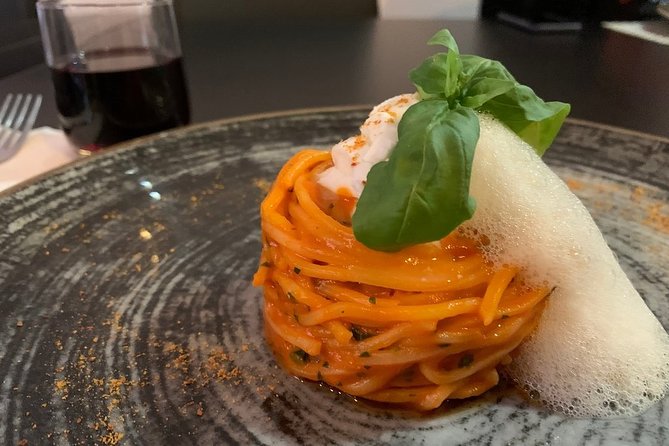
The recipes are emailed after the course, but the real benefit is the method behind the recipes. This is the part that makes the class worth doing even if you can already boil pasta at home.
You’ll pick up guidance that tends to stick:
- how to handle fresh dough and how it feels when it is ready
- why sauces are built a certain way (ingredient order, texture goals, and balancing flavors)
- how to use seasonal produce without losing the dish’s identity
One thing I like from the teaching style shown in past sessions is that instructors explain not only what to do, but why. That small shift turns the recipe email into a usable toolkit. When you get home and your tomatoes or herbs look different, you’ll know what to adjust instead of starting over from scratch.
Practical tip for later: when you get the emailed recipes, compare them to what you remember tasting that day. Note which sauce you liked most and which pasta shape you think you can cook confidently again. You do not need to remake everything right away. Pick one pasta and one sauce combo and practice the timing first.
Group Size and Pace: Intimate, Active, and Built for Interaction
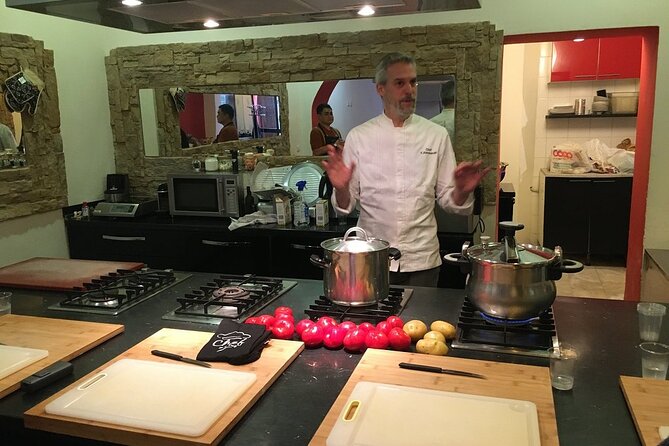
This class runs with a max of 11 travelers, which is about the size where people can still work side by side and ask questions. It also has a minimum of 6 participants to start. If the minimum is not met, you will be offered another date or a full refund.
The “max 11” detail matters because pasta-making is hands-on and a bit physical. Too many people turns the kitchen into a bottleneck. Here, the format is set up to keep you moving, so you spend time cooking instead of watching.
In terms of pace, plan for a focused five-hour stretch. Some reviews mention the day is mostly standing, with breaks. That means you should wear shoes you can stand in comfortably for a while, and bring your energy level. If you want a gentle sit-down tour today, this one may feel like work. If you want a skill-building day, you’ll probably love it.
Language: the class is offered in English, so you can fully follow the techniques without guessing.
Value Check: Is $147.49 Worth It?
At $147.49 per person for about five hours, it is not a budget deal. But it also is not just a cooking show.
You are paying for:
- a chef-led market tour (Campo de’ Fiori shopping)
- instruction and all meal prep time
- lunch, typically an appetizer plus multiple courses, with wine included
- pasta made from scratch, plus sauces and dessert
- recipes emailed after the experience
Transport is not included, so you do need to manage getting to Piazza Farnese and returning toward Trastevere. Still, the included meal is a real cost saver. You’re effectively buying an entire guided food day, not only a class.
If you love food and you want techniques you can repeat, this kind of class often makes more sense than an overpriced dinner where you do not learn anything actionable. For people who love cooking, the value jumps even more, because you’ll treat the recipe email like a starting point, not a souvenir.
Who Should Book Chef in a Day (and Who Should Skip It)?
You should book this class if:
- you want hands-on pasta skills, not a passive experience
- you like market time and learning what to buy and why
- you want to eat a proper Italian lunch that you cooked yourself
- you want a small-group format with real interaction
You might want a different option if:
- you need a mostly seated activity
- you have very limited time in Rome and cannot fit a five-hour block
- you are looking for a purely vegetarian menu with no meat course considerations, since the standard format includes meat and changes depend on what you request
This also works well for mixed skill levels. Past classes included beginners and experienced cooks, and the teaching is geared toward making sure everyone can participate without getting lost.
If you’re traveling with kids, note that children must be accompanied by an adult. The class includes wine, but the main structure is cooking and lunch, and family-friendly setups have been mentioned in past sessions. For younger kids, you’ll want to be realistic about the standing time and kitchen focus.
Should You Book This Pasta Class in Rome?
I’d book it if you want one of the most practical food experiences you can do in Rome. The combination of market shopping, scratch pasta from dough to plate, and an included lunch with wine makes it feel like a complete day, not a quick stunt.
Do it if you care about learning technique and you’ll cook after you go home. You’ll leave with recipes emailed, but you’ll also have the key idea that pasta is about timing, texture, and sauce logic.
Skip it only if you dislike hands-on cooking or you want a low-effort tour day. Otherwise, this is one of the more satisfying ways to spend a chunk of your Rome time, because you take home skills, not just photos.
FAQ
Where is the class meeting point?
The class starts at Piazza Farnese, 00186 Roma RM, Italy at 9:30am.
How long does the experience take?
The duration is about 5 hours.
Is lunch included, and is wine included?
Yes. Lunch is included, and wine is included with the meal.
Do I get recipes after the class?
Yes. The pasta recipes will be emailed after the course.
Is transportation included?
No. Transport is not included.
What is the group size?
The class has a maximum of 11 travelers, and it needs at least 6 participants to start. If the minimum is not reached, they suggest another date or offer a full refund.
More Workshops in Rome
- Rome: Pasta & Tiramisu Class with Fine Wine by the Vatican
★ 4.9 · 4,852 reviews - Become a Masterchef in Rome: Pasta, Ravioli and Tiramisù Class
★ 5.0 · 2,156 reviews - Rome: Pasta & Tiramisu Cooking Class near the Spanish Steps
★ 4.8 · 1,395 reviews - Rome Tipsy Cooking Class: Make Pasta and Mix 3 Spritz Cocktails
★ 5.0 · 1,357 reviews
Just introduced: the newest Rome write-ups
- Rome Fiumicino Airport Transfer in Luxury Private Transportation★ 4.5 · 339 reviews
- Vatican: Pope Francis Tomb and Papal Basilicas Tour★ 4.7 · 340 reviews
- From Rome: Sorrento, Positano & Amalfi Coast Day Trip★ 4.5 · 340 reviews
- Rome: Guided Colosseum Underground Tour★ 4.8 · 342 reviews
- Colosseum Arena Floor, Roman Forum & Palatine Hill Guided Group Tour★ 5.0 · 343 reviews
- Rome: Small Group Rome’s Dark Side – Ghosts & Legends Tour★ 4.9 · 343 reviews
- Rome: City Highlights Electric Bike Tour★ 4.9 · 343 reviews
Cooking Classes, compared.
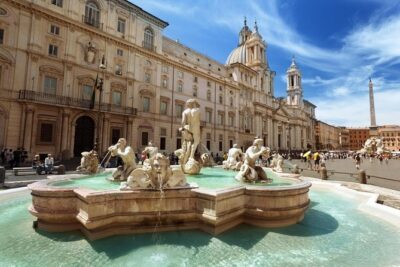
3 in 1 Cooking Class near Navona: Fettuccine, Ravioli & Tiramisu
Read our review →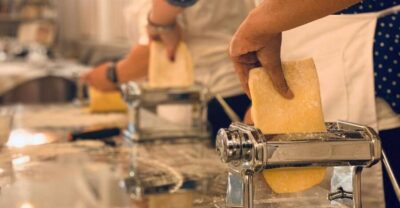
Pasta & Tiramisu Cooking Class with Unlimited Wine
Read our review →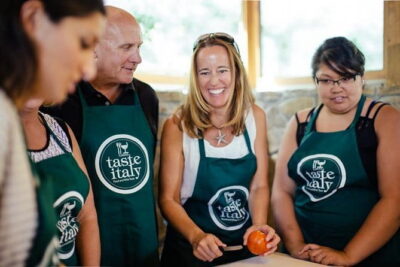
Cooking Class and Lunch at a Tuscan Farmhouse with Local Market Tour from Florence
Read our review →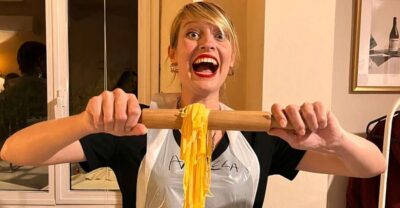
Pasta Making Class with Wine, Limoncello, and Dessert
Read our review →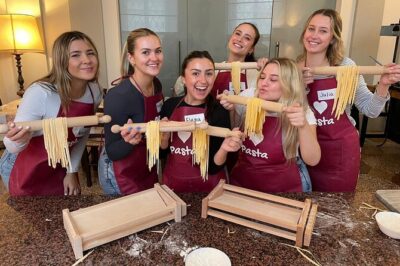
3-in-1 Fettuccine, Ravioli, and Tiramisu Cooking Class
Read our review →Browse the lists this tour appears in