
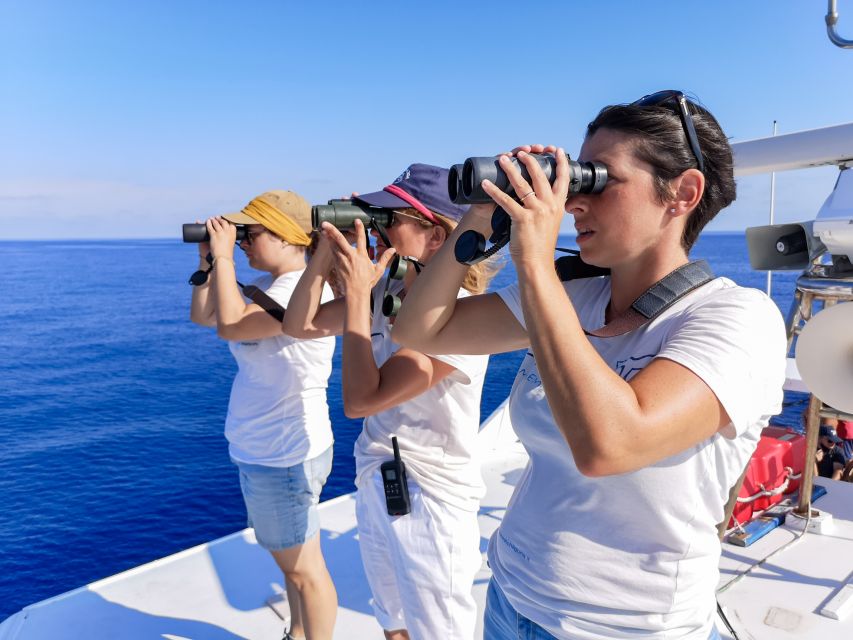
Reviewed · CRUISES & BOAT TOURS
Genoa: Cetacean Watching Cruise with Marine Biologist Guide
Whales and dolphins are the main event on this cruise. A 4.5-hour trip in the Pelagos Sanctuary starts from Ponte Spinola and pairs open-sea searching with a marine biologist guide.
I like that the experience is guided and structured, not just a boat ride with binoculars. Before you even head out far, you get an intro briefing on the sanctuary and what to look for.
I also love the practical way the guide helps you read behavior, from feeding habits to why pods show up where they do. The chance of sightings is high, with cetaceans reported as common (95%), but you still get one realistic consideration: the tour can feel long at 4.5 hours, and some onboard announcements are loud and run in both Italian and English.
In This Review
- Key things to know before you go
- Pelagos Sanctuary: why this cruise feels like more than a sightseeing loop
- Price and value: what $53 buys you in real terms
- Getting on board at Ponte Spinola without wasting time
- The 4.5-hour itinerary: how the cruise time really plays out
- Cetaceans you can spot, and what the guide helps you notice
- Responsible viewing: how the tour approaches whales and dolphins
- Comfort on board: seating, toilets, and handling a longish 4.5 hours
- Photos and binocular watching: tips that make a difference
- What if you do not see cetaceans?
- Sound level and onboard announcements: a real consideration
- Who this Genoa cetacean cruise is best for
- Should you book this cruise from Genoa?
- FAQ
- Where is the meeting point for the cruise?
- How long is the Genoa cetacean watching cruise?
- What languages are the live tour guides?
- Is the tour wheelchair accessible?
- Is seeing cetaceans guaranteed?
- What species might you see on the tour?
- Are snacks and drinks included?
- What happens if there are no cetacean sightings?
Key things to know before you go
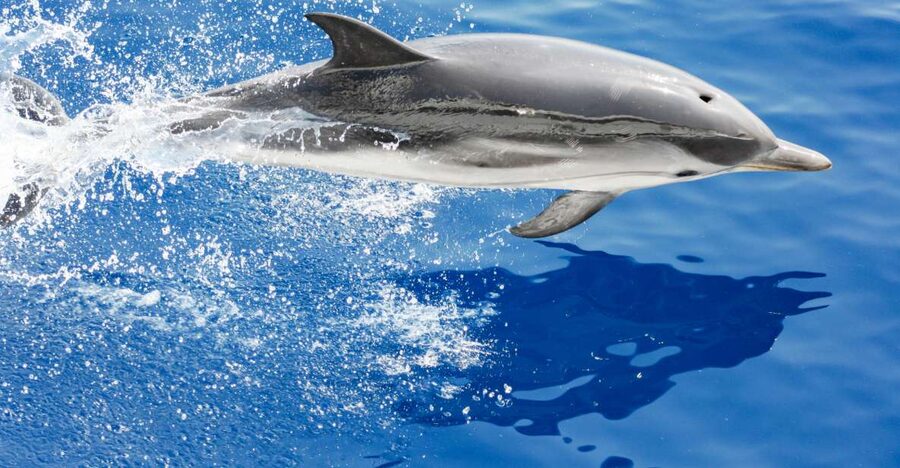
- Pelagos Sanctuary focus: You are hunting in a protected area built for marine life, not random open water.
- Marine biologist on board: The science is part of the experience, with Q and A time.
- 95% common sightings, not guarantees: You have strong odds, but nature keeps control.
- Photo-friendly action: Distant breaches and dolphin jumps can still make great shots.
- Onboard comfort exists, but plan for sound: There are both indoor and outdoor seats, and the announcements can be intense.
Pelagos Sanctuary: why this cruise feels like more than a sightseeing loop
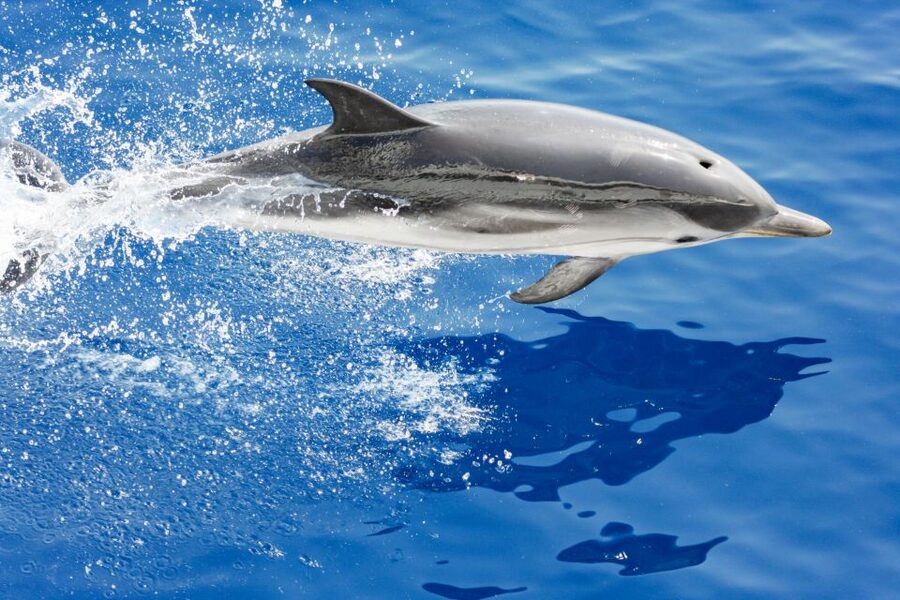
Genoa’s shoreline is a great launchpad, but the real payoff is where you’re headed, the Pelagos Sanctuary in the Tyrrhenian Sea. This is a conservation zone, so the whole trip is designed around responsible viewing, not chasing animals for thrills. You’re going out to where cetaceans actually tend to show up, then stopping often enough that your eyes have chances to reset and refocus.
What makes this feel special is the combination of two things: you are out on the water with real instruction, and you are learning what you are seeing while you are seeing it. That turns random splashes into meaning. When the guide explains feeding behavior, why a pod might surface, or what certain species do around boats, your viewing gets more specific, and your photos can improve too because you’re watching for the right cues.
If you care about conservation, this is also a direct way to connect the dots between whales in the distance and the bigger work being done to protect them. You will hear about the sanctuary, its programs, and why these animals need protection in the first place.
More Italian water under a keel:

Price and value: what $53 buys you in real terms
At about $53 per person for a 4.5-hour outing, this price lands in the “good value if you like wildlife” category. The reason is simple: you are not paying only for a boat. You are paying for a marine mammal-watching experience plus an expert marine biologist guide, which changes how you experience the time.
Also, the tour includes a smart safety net. Sightings of multiple species are described as common, reported at 95%, but there is still no absolute promise. If you do not spot cetaceans on your trip, you can return free within 1 year by booking again and showing your original ticket. That kind of safety makes the risk feel smaller, especially if you are visiting Genoa with limited days.
What you should know upfront: snacks and drinks are not included in the price. A bar service is available onboard, but you will pay for food and beverages separately. If you want a smooth afternoon, bring a plan for staying comfortable without expecting included refreshment.
Getting on board at Ponte Spinola without wasting time
Your meeting point is at the start of the Aquarium Pier in Ponte Spinola, on the left side, at the local partner ticket office. Arrive at least 15 minutes early. In practice, that extra buffer matters because you want to get to the dock, find your boarding area, and get settled before the group moves.
You may see two options listed for starting and ending points, including a Ponte Spinola stop and a Consorzio Liguria Via Mare option. The key detail is that your actual ticket office check-in is at the Aquarium Pier area. Plan to be there early enough to avoid the rush, especially if you are traveling with a camera setup or want a specific viewing spot on deck.
One more practical note: the tour is wheelchair accessible. If you need accessible boarding, it’s worth arriving early so staff can guide you to the right placement.
The 4.5-hour itinerary: how the cruise time really plays out
This is a half-day cruise, not a quick hop. Once you’re onboard, the main rhythm is built around searching, briefing, and adjusting. You start with an intro to the Pelagos Sanctuary, then you head out toward areas thought to be favorable for marine mammal spotting.
On the water, you’re likely to experience the classic wildlife boat pattern:
- wait for a distant sign
- scan and listen for cues
- move to another area when conditions suggest better odds
The tour description emphasizes the anticipation factor. You may spot a distant breach or a jump that signals dolphins moving through the area. And once the excitement hits, it often turns into a long look session, because wildlife behavior changes fast. A pod might surface in bursts, then disappear, then reappear somewhere else.
After you’ve had your cetacean moment, you’ll continue searching for other marine species within the sanctuary. That matters because a good cetacean sighting can be the headline, but the rest of the time can still be interesting if your guide is actively teaching you what to watch for.
Introductions we still owe you around Genoa
- Genoa: Aquarium of Genoa Entry Ticket
★ 4.5 · 10,075 reviews - Genoa: Hop-on Hop-off Tour Ticket
★ 4.0 · 1,524 reviews - Genoa: Aquarium of Genoa with Lunch
★ 4.3 · 1,449 reviews - Genoa: Half-Day Tour to Portofino
★ 4.2 · 1,123 reviews
Cetaceans you can spot, and what the guide helps you notice
The most important thing: sightings are common, but not guaranteed. The tour lists a set of species you might see, including fin whales and sperm whales, plus Cuvier’s beaked whales. Dolphins are also part of the mix, with options like Risso’s dolphins, long-finned pilot whales, striped dolphins, bottlenose dolphins, and short-beaked common dolphins.
Here’s what you should do with that list as a traveler. Don’t treat it like a checklist you must complete. Treat it like a map of what your guide will likely explain as you scan the water. When the guide talks about behavior and feeding habits, you are better prepared to understand what you’re seeing and why.
Photo-wise, the guide’s explanations can help you aim your camera. For example, if you know what a certain behavior usually means, you might keep your lens ready rather than lowering it between surfacings.
And if you love learning, you should plan to ask questions. The format encourages it, and the whole point is that you’re not just staring out at sea, you’re practicing observation with an expert in the room.
Responsible viewing: how the tour approaches whales and dolphins
One of the biggest values in this experience is that it follows non-disturbance directives. That means the boat approach is regulated. You are not there to scare animals or test them with loud engines and aggressive circling.
In plain terms, this changes the experience in a good way. The goal is to observe, not to control the outcome. When you know your presence is being managed responsibly, you can relax and focus on the moment rather than feeling like the boat is doing something questionable.
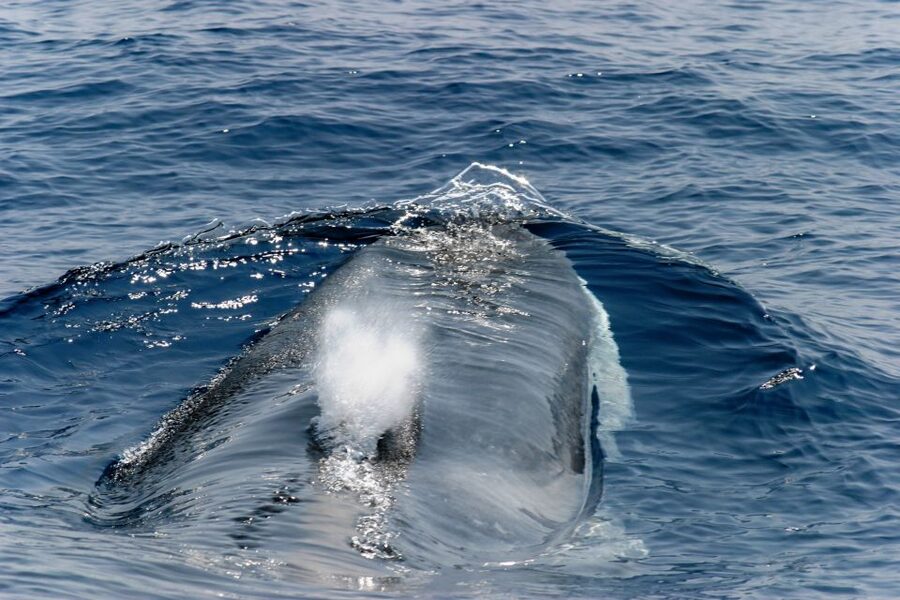
You still get close views at times, but the emphasis is on seeing animals in their normal patterns, including how they might frolic, surface, or move through the water. That behavior is exactly what makes this trip memorable, because it’s one thing to see a whale, and another thing to see how it acts when it is not being bothered.
Comfort on board: seating, toilets, and handling a longish 4.5 hours
This cruise is long enough that comfort matters. The duration is 4.5 hours, and that’s a real consideration if you get tired sitting at sea for long periods. One practical upside is that there are indoor and outdoor seating options, so you can choose what works as the weather changes.
Toilets are available onboard, which is a big deal on a tour this length. The bar service is available too, but remember snacks and drinks are not included, so budget for that if you want food.
Also, dress for marine weather. You’ll be out on open water, and even when the sea is calm, the breeze can get chilly. Bring comfortable clothes that you can layer, and wear comfortable shoes if you plan to move around for sighting moments.
Photos and binocular watching: tips that make a difference
You will likely be shooting at some distance, especially if the first signs are distant breaches or quick dolphin jumps. That’s normal here. So focus on what makes photos more successful on a boat.
Do this:
- Keep your camera ready when the guide signals a potential sighting.
- Use steady support when possible, like bracing against the rail.
- Watch behavior, not just surface noise. If you know what to look for, you get better timing.
Also, let your guide’s explanations set your expectations. If the guide says certain species might show up in particular ways, your eyes will track better and you will spend less time searching blindly.
If your goal is a specific whale, like a particular dream species, remember the tour is a search in a sanctuary, not a guaranteed animal parade. But with 95% common sightings, your odds are strong, and the experience is still valuable even when your best views are fleeting.
What if you do not see cetaceans?
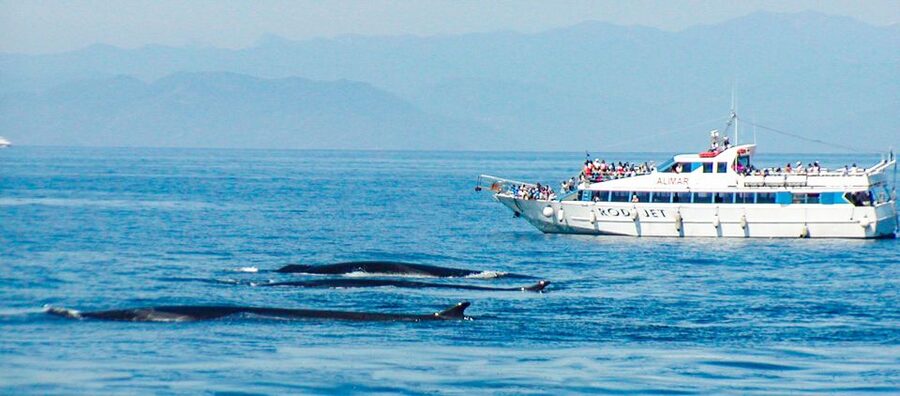
Nature sometimes says no. The tour explicitly notes that cetacean sightings are common at 95% but not guaranteed. If your trip ends with no cetaceans spotted, there is a free return option within 1 year.
The process is straightforward as described: you make a new reservation on the company website and hand over your original ticket for the date of non-sighting at the boarding gate. That’s a meaningful backup for people with only one chance to do this in Genoa.
The key takeaway for your planning: book it with confidence, but still treat it like a wildlife outing. Build your day around the activity, and keep your schedule flexible enough to handle the mood shift if the sea is not cooperating.
Sound level and onboard announcements: a real consideration
I like guided tours where you can ask questions, but this one comes with a specific tradeoff. Onboard commentary runs in both Italian and English, and the announcements can be loud and long. If you’re sensitive to noise, bring ear protection or plan to step outside for quieter viewing.
Language quality can also vary. Some English commentary may be harder to follow. That’s not a reason to skip the tour, but it is a reason to choose a mindset of observation first. You can still learn from the overall explanations and from what you see with your own eyes.
Who this Genoa cetacean cruise is best for
This tour is a great fit if you want:
- a half-day wildlife outing with a marine biologist guide
- a conservation-focused experience in the Pelagos Sanctuary
- a strong chance at cetacean sightings without a guaranteed promise
It also works well for people who enjoy asking questions and want context about what they are seeing, not just the thrill of spotting.
If you have limited mobility, wheelchair access is listed, so it’s worth considering, especially with early arrival for boarding support. If you hate boat time of any kind, remember the 4.5 hours is the deal. And if sound really bothers you, plan for earplugs and outdoor breaks.
Should you book this cruise from Genoa?
Yes, I would book it if your trip timing lines up and you are excited about wildlife. The combination of Pelagos Sanctuary searching, a marine biologist guide, and a high likelihood of sightings makes it feel like a worthwhile use of a half day in Genoa.
I would think twice if you are extremely sound sensitive or if you are hoping for a single guaranteed species. The tour is honest about the non-guarantee, and even the best guide cannot rewrite whale behavior. But with the free return option and the reported 95% common sightings rate, the risk is not as scary as it looks.
If you want a memorable, learning-forward boat outing where whales and dolphins are the whole point, this is a strong choice.
FAQ
Where is the meeting point for the cruise?
You meet at the local partner’s ticket office at the beginning of the Aquarium Pier, Ponte Spinola, on the left side. Arrive at least 15 minutes before departure.
How long is the Genoa cetacean watching cruise?
The duration is 4.5 hours.
What languages are the live tour guides?
The guide provides live commentary in Italian and English.
Is the tour wheelchair accessible?
Yes, the excursion is listed as wheelchair accessible.
Is seeing cetaceans guaranteed?
No. Cetacean sightings are reported as common at 95%, but they are not guaranteed.
What species might you see on the tour?
Possible sightings include fin whales, sperm whales, Cuvier’s beaked whales, Risso’s dolphins, long-finned pilot whales, striped dolphins, bottlenose dolphins, and short-beaked common dolphins.
Are snacks and drinks included?
No. Snacks and drinks are not included, but bar service is available onboard.
What happens if there are no cetacean sightings?
If you do not spot cetaceans, you can return for free within 1 year from the excursion date by making a new reservation and presenting the original ticket at the boarding gate.
Just introduced: the newest Genoa write-ups
- Taste Genoa: A Full Meal Walking Food Tour by Do Eat Better★ 5.0 · 509 reviews
- Guided Tour of Rolli Palaces UNESCO Site, Genoa★ 4.4 · 539 reviews
- From Genoa: Boat Tour to Portofino with Free Time to Explore★ 4.5 · 579 reviews
- Genoa: 2-Hour Guided Walking Tour of the Historical Center★ 4.2 · 605 reviews
- Genoa: Pelagos Sanctuary Whale Watching Cruise★ 4.2 · 806 reviews
- Genoa: Half-Day Tour to Portofino★ 4.2 · 1,123 reviews
- Genoa: Aquarium of Genoa with Lunch★ 4.3 · 1,449 reviews
Cruises & Boat Tours, compared.

Boat Trip: Glimpse of Murano, Torcello & Burano Islands
Read our review →
Burano, Torcello & Murano Boat Tour w/Glassblowing
Read our review →
Como & Bellagio with Private Lake Como Cruise
Read our review →
Murano and Burano Boat Tour with Glass Factory Visit
Read our review →
Murano & Burano Islands Guided Small-Group Tour by Private Boat
Read our review →
Murano & Burano Panoramic Boat Tour w/ Glassblowing
Read our review →
Browse the lists this tour appears in