
Reviewed · CRUISES & BOAT TOURS
Genoa: Pelagos Sanctuary Whale Watching Cruise
Whales in the open sea, in four hours. This Pelagos Sanctuary cruise from Genoa Porto Antico pushes you offshore, where the chance of spotting cetaceans gets better, and a biologist helps you read what you are seeing. You trade a city afternoon for a patient, science-led search in the Tyrrhenian Sea.
I like how biologist-led the experience feels, with a guide focused on real animal behavior, not just spotting for a photo. I also like the emphasis on calm-sea viewing, because when conditions are smooth, surface sightings are easier to catch.
One consideration: this is wildlife watching, so sightings are not guaranteed. You should expect some waiting and scanning time, and if seas get choppy, you might want to plan for motion.
In This Review
- Key things I found most compelling
- Pelagos Sanctuary: why going offshore improves your odds
- Timing in Genoa: 13:00 departure, a real half-day on the water
- Seasick-proofing (because the sea is the sea)
- How the biologist search works: patient observation, not a drive-by
- When you do spot something, the boat reacts
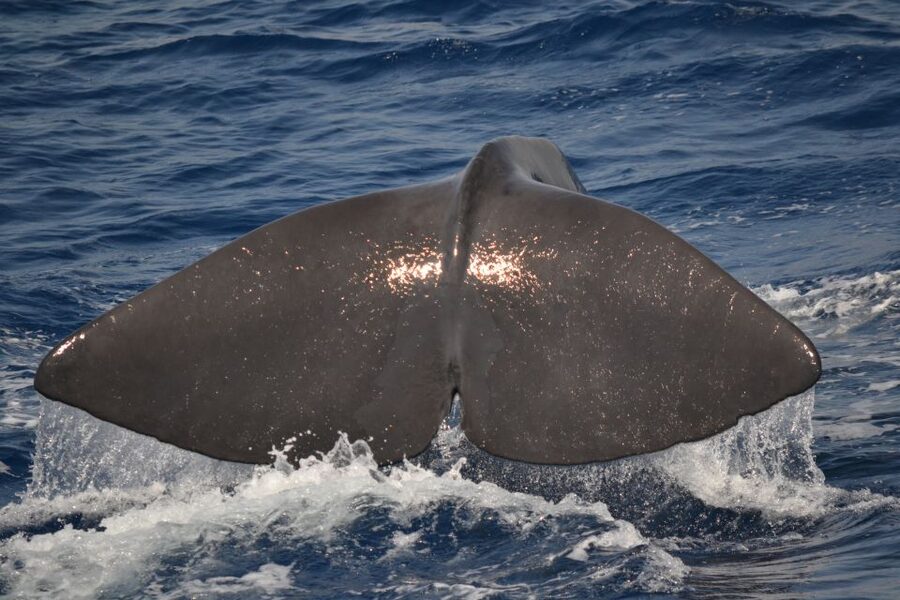
- What you might see: dolphins most likely, whales possible, turtles a bonus
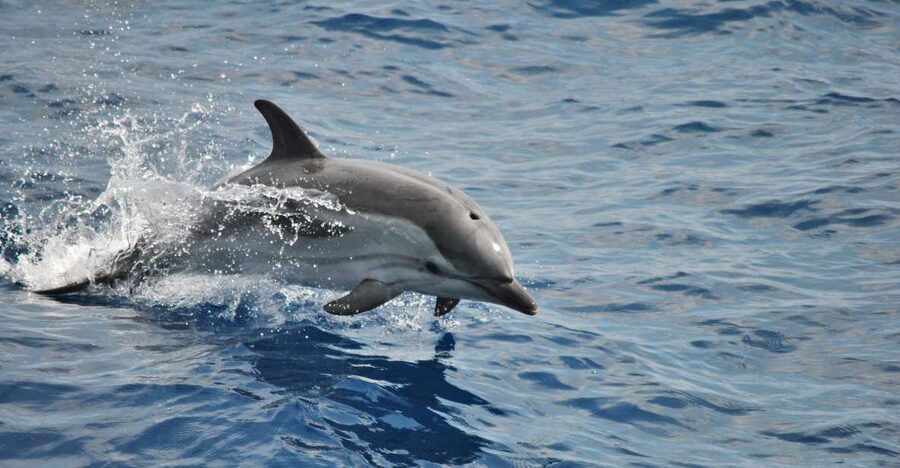
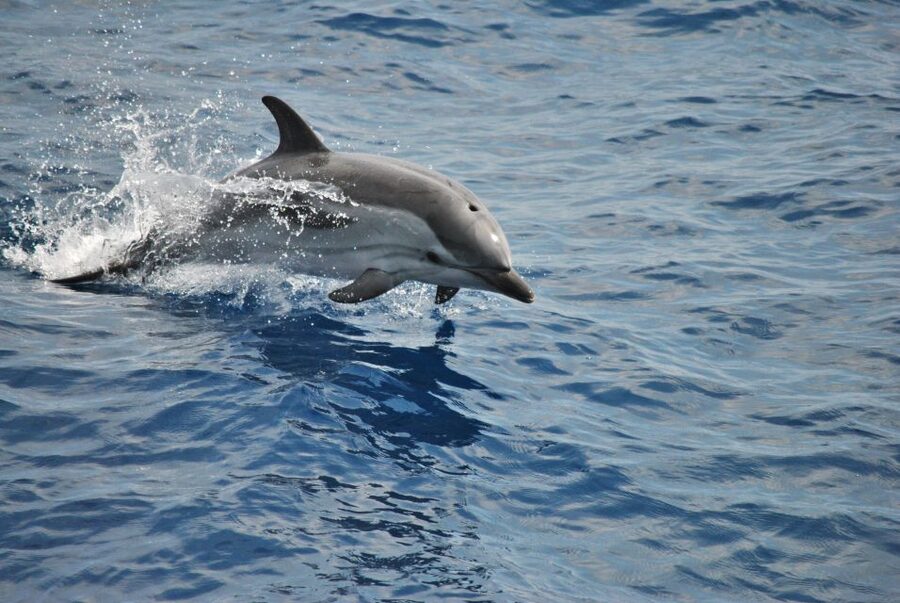
- Dolphins, often in pods
- Whales, including deep-diving types
- Turtles and other sea life
- The honest truth about spotting
- Boat comfort and small practical perks that matter
- Price and value: what $51 buys you in real terms
- Small reality check about time pressure
- When to book: April to October, plus the best days for spotting
- Best conditions for you to aim for
- Who this cruise is best for, and who should skip it
- Should you book the Genoa Pelagos Sanctuary cruise?
- FAQ
- Where does the whale watching cruise depart from?
- How long is the Genoa Pelagos Sanctuary cruise?
- When does the cruise run during the year?
- What languages are available on board?
- If I do not see any whales or dolphins, can I go again for free?
- What is the best time of day or conditions to spot animals?
- Is this cruise suitable for people with mobility impairments?
Key things I found most compelling
- Pelagos Sanctuary, offshore strategy: About 30 minutes to reach the open sea, then research activity starts once depth hits 1,000 to 1,500 meters.
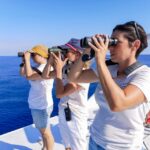
- Biologist guide with spotter focus: You are supported by scientific observation and crew tracking with binoculars.
- Year-round chances, best months for comfort: The chance to see cetaceans runs throughout the year, while trips operate April to October for better weather.
- Wildlife rules change the pacing: There are no fixed meet points for animals, so you go where the sightings are.
- Free return if you miss everything: If no sightings happen, you get an option to return for a second cruise for free within one year.
- Species mix can be surprising: Dolphins often show up in pods, but you might also find sperm whales, beaked whales, and even turtles.
Pelagos Sanctuary: why going offshore improves your odds
Pelagos is one of those places where you can feel the ocean doing its job. The cruise is designed around the idea that you need to be out in the open sea to maximize encounters, not just stay near shore where animals can be harder to track.
After you leave Genoa, you spend about 30 minutes navigating before the crew reaches deeper water, around 1,000 to 1,500 meters. That depth target matters because it gives your biologist and the boat’s spotters a better chance of encountering cetaceans that are using the area for feeding or travel.
In plain terms, this is not a quick in-and-out tour where you expect a guaranteed animal sighting right away. The value is that the operator actively puts you where cetaceans are more likely to appear, and then runs a watch that is meant to be scientific and respectful.
More Italian water under a keel:

Timing in Genoa: 13:00 departure, a real half-day on the water
The cruise departs from Genoa Porto Antico, Calata Mandraccio, near the Bigo and close to the Coast Guard patrol boats. The departure time is 13:00, and the total outing is about 4 hours.
That timing is convenient for visitors who want to still enjoy Genoa in the morning. It also means you are not stuck in a late-night schedule. You get a true half-day chunk at sea, with enough time to hunt for sightings without turning it into a whole day.
Pace is something to understand up front. Once the boat starts research activity, the rhythm is basically: scan the surface, follow what the spotters notice, and adjust speed when something looks promising. Reviews back this up, with accounts of crew members using prismatics and constantly checking for animals, then accelerating when they find whales or dolphins before the animals go under.
Seasick-proofing (because the sea is the sea)
The best sightings happen on calm seas and no wind, because animals are easier to see when they surface to breathe. That also tells you something else: if conditions are rough, you may feel it more.
I would treat this as a cruise where seasickness is a real possibility, especially near the end of the trip. Bring your usual motion-sickness plan if you are prone to it, and consider taking it before you feel bad. One review mentioned a family member starting to feel seasick later in the outing, even though the trip included drifting, which can still be uncomfortable for sensitive passengers.
How the biologist search works: patient observation, not a drive-by
What makes this cruise feel different from a generic whale tour is that it is run as research activity and observation. There are no set times or fixed points where you are guaranteed to meet a whale at a specific location.
Instead, you should expect a patient monitoring routine focused on the surface. The key idea is simple: these are wild animals, so the plan adapts to what the crew sees.
I love that this approach is explained honestly. You are looking for marine life in a large ocean, so you accept that sightings can take time. That mindset also changes how you enjoy the trip. You stop thinking of it as waiting for a moment, and start enjoying the search itself, like watching the sea for clues.
Introductions we still owe you around Genoa
- Genoa: Aquarium of Genoa Entry Ticket
★ 4.5 · 10,075 reviews - Genoa: Hop-on Hop-off Tour Ticket
★ 4.0 · 1,524 reviews - Genoa: Aquarium of Genoa with Lunch
★ 4.3 · 1,449 reviews - Genoa: Half-Day Tour to Portofino
★ 4.2 · 1,123 reviews
When you do spot something, the boat reacts
When the crew finds an animal or a pod, speed and coordination matter, because the animals can surface and then disappear quickly. Reviews include descriptions of spotters staying glued to binoculars, and the crew moving as soon as they identify activity. The captain also shows up in many reviews as careful and respectful, not trying to chase animals or force close contact.
For you, that means better odds of having a positive wildlife experience rather than one that feels disruptive.
What you might see: dolphins most likely, whales possible, turtles a bonus
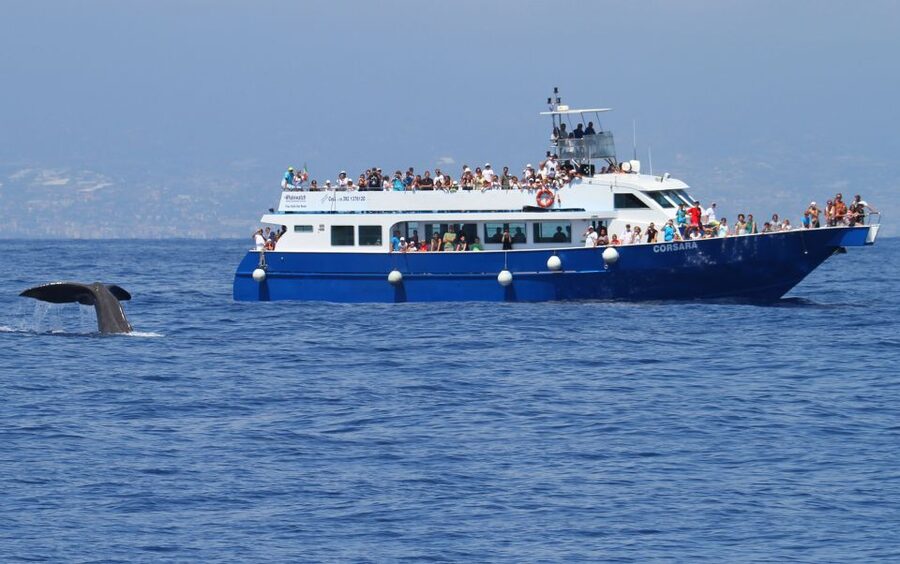
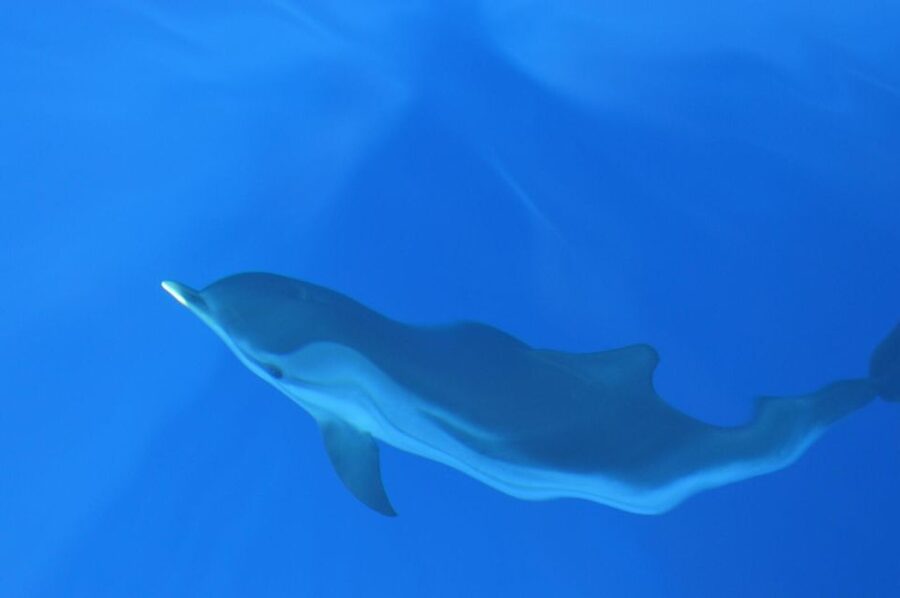
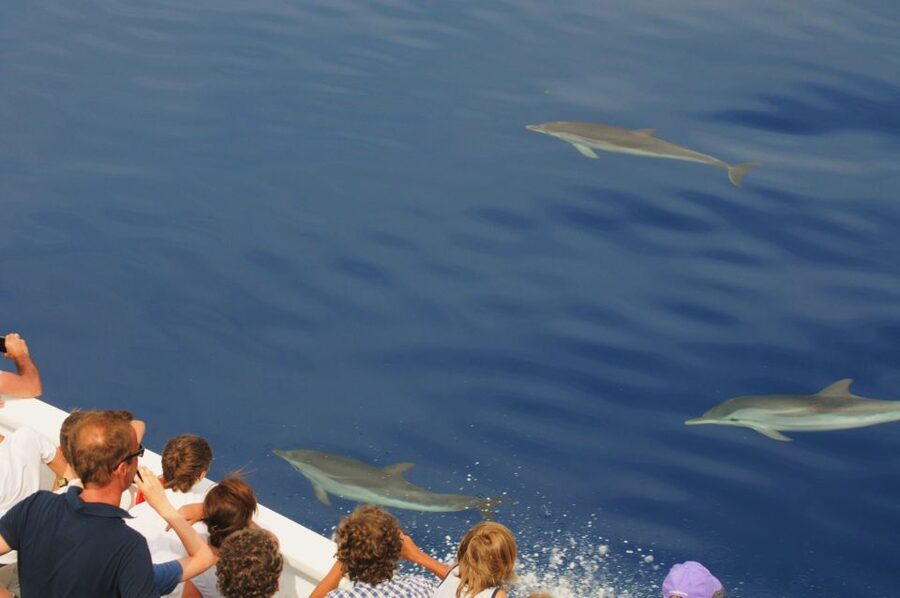
The cruise highlights a mix of cetaceans: striped dolphins, pilot dolphins, Mediterranean whales, sperm whales, and more. In practice, reviews show a wide species range, including striped dolphins and sperm whales, plus sightings like beaked whales and fin whales.
Here is what you can reasonably expect in terms of categories, based on the information shared and the pattern of sightings:
Dolphins, often in pods
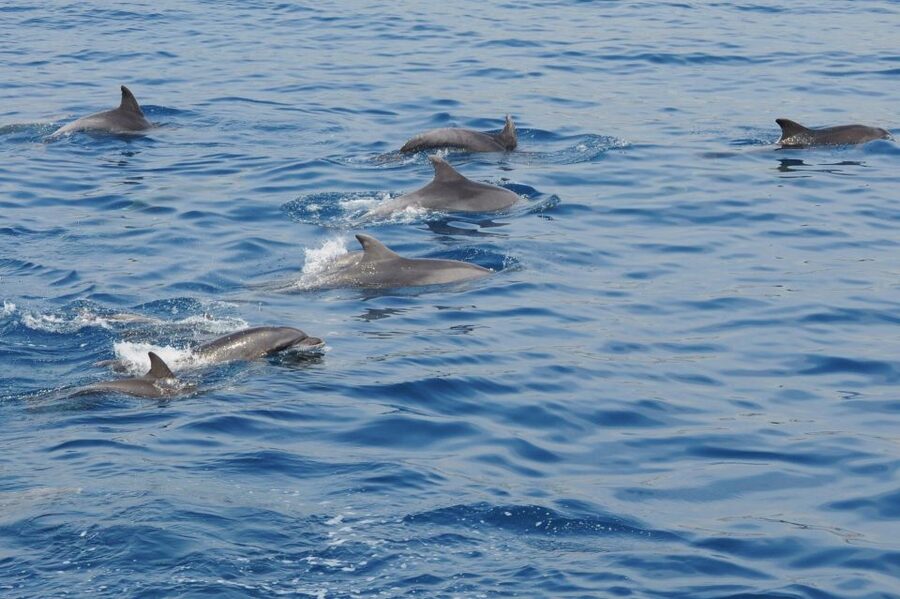
Multiple reviews mention large dolphin groups showing up during the cruise, including striped dolphins, pods of dolphins swimming alongside the boat, and even dolphins racing the cruise in the way dolphins sometimes do when they choose to ride near a moving vessel.
Dolphins tend to be the most frequent payoff on this kind of search, and that is good news for you if you worry about doing a few hours of scanning with no animals at all.
Whales, including deep-diving types
Whale sightings are the unforgettable part, but the reality is that whales can be harder to see because they do not stay at the surface long. Reviews mention cuvier’s beaked whales, sperm whales, and fin whales.
One helpful detail from the cruise descriptions and reviews: Cuvier’s beaked whales are described as rare to see at the surface because they go extremely deep. So when you spot them, it is not just a random win. It is a meaningful moment of luck mixed with the crew’s skill at finding the right cues.
Turtles and other sea life
A few reviews also include sea turtles, including loggerhead turtles and even one account mentioning a sea turtle alongside other sightings. That is a nice extra, because it reminds you that you are not only searching for whales and dolphins. You are watching an entire ocean neighborhood.
The honest truth about spotting
It is worth repeating: there is no guaranteed animal encounter. Some outings are all dolphins. Some include whales. Some include turtles too. The cruise is built to maximize your chances and keep the search active, but nature sets the outcome.
Boat comfort and small practical perks that matter
The cruise includes the boat cruise and the guide, and reviews describe a boat that is generally clean and comfortable. Toilets onboard are specifically mentioned as being fine in at least one review, and drinks can be purchased onboard.
One review noted the boat felt busy with a full group, and that person expected a smaller group so they could talk more with the marine biologist. At the same time, the activity information says the excursion can run with a minimum number of passengers. So you may have a more personal, lower-crowd experience depending on the day.
Either way, you will spend a lot of time looking outward, not sitting in a classroom. If you care about asking questions, it helps to be proactive when the guide calls out behavior, because the best learning tends to happen when the crew spots something.
Price and value: what $51 buys you in real terms
At about $51 per person for roughly 4 hours, this is positioned as a value play for a sanctuary cruise with a biologist guide. The price makes sense when you factor in the offshore time, the specialized search, and the fact that the guide supports you with animal habits and answers questions.
Reviews repeatedly praise the value, especially when the outing includes multiple dolphin pods, plus whale sightings. One review described the tour as well worth the money after seeing different dolphins and a whale, and another focused on long scanning and sensitive wildlife behavior.
And then there is the add-on safety net: if you get no sightings, you have the option to return for a second excursion for free within one year, as long as you contact the provider and book the follow-up. That kind of policy is not a gimmick. It changes how risky the experience feels.
Small reality check about time pressure
Because it is a moving search, the outing can run longer than you expect. One review mentioned the trip overran, causing someone to miss a train, and the crew reportedly offered to pay for the next train so everyone could still see the whale. That is not something you should plan on as a guarantee, but it does tell you this operator takes care of people when things go sideways.
When to book: April to October, plus the best days for spotting
The chance to sight cetaceans is described as available throughout the year, but the operator chooses to run cruises April to October because weather is better. That is the right trade for you if you want comfortable time on the deck.
Also, the months leading up to high season are often the sweet spot, since shipping traffic can be lower. That matters because it is a more natural setting for wildlife and can make the surface search easier.
For scheduling, cruises depart from Genova Porto Antico at 13:00, with:
- April, May, and October: Sundays
- June to September: Wednesdays, Fridays, and Sundays
Best conditions for you to aim for
If you can choose, pick a day with calm seas and little wind. That is when animals surface more predictably and you get more chances to actually see them well before they go under.
Even if your day is not perfect, the cruise is set up so that the crew keeps searching with purpose.
Who this cruise is best for, and who should skip it
This is a strong match for:
- You want a wildlife-first experience with a biologist guide, not a sightseeing bus ride
- You enjoy patient, observational tourism, scanning the surface and learning as you go
- You are okay with the fact that whales are wild and timing is not under human control
It is not a good fit for:
- People with mobility impairments, since it is stated as not suitable for mobility impairments
And there is one more group to think about carefully:
- If you get seasick easily, plan for it. This is a sea trip where motion can affect comfort, even if the operator aims for good conditions when possible.
Should you book the Genoa Pelagos Sanctuary cruise?
If your priority is a real chance at dolphins and whales, with science guidance and a respectful approach, I think this cruise is worth booking. The combination of offshore search strategy, biologist support, and the possibility of a free return if you see nothing makes the value feel fair.
Book it especially if:
- You are visiting Genoa in April through October
- You want a memorable half-day that feels authentic and ocean-focused
- You prefer learning about marine life and animal behavior while you watch
Skip it or choose a different activity if:
- You cannot manage time outdoors on a boat
- You need a highly predictable experience with guaranteed sightings
- Mobility constraints would make the trip difficult, since it is not suitable for mobility impairments
Overall, this is one of those tours where the payoff often feels bigger than the price, because the cruise is built around how cetaceans are actually encountered in the wild.
FAQ
Where does the whale watching cruise depart from?
The embarkation point is Genoa Porto Antico, Calata Mandraccio, near the Bigo and close to the patrol boats of the Genoa Coast Guard.
How long is the Genoa Pelagos Sanctuary cruise?
The excursion lasts about 4 hours.
When does the cruise run during the year?
It operates April to October. In April, May, and October it runs on Sundays. In June to September it runs on Wednesdays, Fridays, and Sundays. The departure time is 13:00.
What languages are available on board?
The activity is available in English and Italian. The biologist guide runs the excursion, and there is also the possibility of a German/English-speaking guide for details and questions.
If I do not see any whales or dolphins, can I go again for free?
Yes. If there is no sighting of any kind, you have the option to return for a second excursion for free within 1 year of the first date. You need to contact the provider for the additional booking.
What is the best time of day or conditions to spot animals?
The best sightings happen on calm seas and no wind, when animals are easier to spot as they surface to breathe.
Is this cruise suitable for people with mobility impairments?
No. The activity is stated as not suitable for people with mobility impairments.
Just introduced: the newest Genoa write-ups
- Taste Genoa: A Full Meal Walking Food Tour by Do Eat Better★ 5.0 · 509 reviews
- Guided Tour of Rolli Palaces UNESCO Site, Genoa★ 4.4 · 539 reviews
- From Genoa: Boat Tour to Portofino with Free Time to Explore★ 4.5 · 579 reviews
- Genoa: 2-Hour Guided Walking Tour of the Historical Center★ 4.2 · 605 reviews
- Genoa: Cetacean Watching Cruise with Marine Biologist Guide★ 4.3 · 745 reviews
- Genoa: Half-Day Tour to Portofino★ 4.2 · 1,123 reviews
- Genoa: Aquarium of Genoa with Lunch★ 4.3 · 1,449 reviews
Cruises & Boat Tours, compared.

Boat Trip: Glimpse of Murano, Torcello & Burano Islands
Read our review →
Burano, Torcello & Murano Boat Tour w/Glassblowing
Read our review →
Como & Bellagio with Private Lake Como Cruise
Read our review →
Murano and Burano Boat Tour with Glass Factory Visit
Read our review →
Murano & Burano Islands Guided Small-Group Tour by Private Boat
Read our review →
Murano & Burano Panoramic Boat Tour w/ Glassblowing
Read our review →
Browse the lists this tour appears in