
Reviewed · SARDINIA TOURS
Guided Electric Bicycle Tour in Cagliari
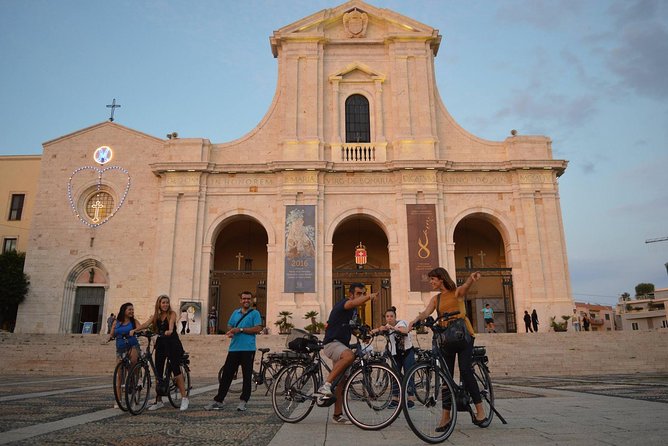
Cagliari has hills, and this tour makes them easy. You get a guided assisted ride through historic districts like Stampace and Castello, plus standout viewpoints that are hard to reach on foot without turning your day into a workout. I love that the e-bikes handle the steep bits smoothly, and I also love the tight, stop-by-stop route that keeps you seeing real neighborhoods instead of just a quick photo loop. One consideration: because the streets get busy with cars and pedestrians, you should be comfortable biking in lively areas and staying close to your guide.
Guides like Valentina and Simone are repeatedly praised for being friendly and good at sharing city context as you move. The most praised part is the combo of easy pedaling and strong sightseeing value in a compact 2-hour format. If you fall behind, you may miss some of the narration, so keep your position and listen for the guide’s callouts when the group slows for a stop.
In This Review
- Key Highlights Worth Showing Up For
- Why Cagliari Works So Well on an E-Bike
- Meeting Point Near the Port, Easy Start
- The E-Bikes, the Ride Pace, and What You Should Expect
- Centro Storico: Stampace, Castello, Villanova, and Panoramic Stops
- Stop: Portus Karalis and the Mediterranean-Port Feeling
- Main Street with Porticoes and Art Nouveau Details
- Palazzo Civico (Palazzo Baccaredda): Towers That Face the Sea
- Stampace in Focus: Churches, Shrines, and Fortification Traces
- The District of the Seven Churches and Small Shrines
- Torre dello Sperone: The Fortifications’ Last Reminder
- Chiesa di San Michele: Baroque at the Center
- Chiesa di Sant’Efisio: A Smaller Church With Island Importance
- Parish Church at the Top of a Staircase
- Quartiere Castello: Medieval Streets and Gate Views
- Porta Cristina: A Medieval Gate With a Royal Name
- Museum Citadel and Nuragic Finds (Mostly Seen From the Outside)
- More Fortification Stops: Torre di San Pancrazio to Santa Cecilia
- Tower of San Pancrazio: A North Gate With Strategic Role
- Cattedrale di Santa Cecilia: Romanesque in Piazza Palazzo
- Palazzo di Citta and the Royal Palace: Civic and Viceroy Power
- Il Ghetto, Torre dell’Elefante, and the Views From Bastione San Remy
- Il Ghetto: The Bastione di Santa Croce Story
- Torre dell’Elefante: The Fortress Entrance With the Elephant
- Bastione Saint Remy: A Terrace That Finishes the High Notes
- Villanova: Flower Balconies and a Neighborhood With Ritual Memory
- How Good Is the Guide, Really?
- Safety, Traffic, and the Real-World Comfort Factor
- Value for Money: What You’re Actually Paying For
- Who Should Book This E-Bike Tour?
- Should You Book Viva Cagliari Tour?
- FAQ
- How long is the Guided Electric Bicycle Tour in Cagliari?
- Where does the tour meet and end?
- What is the price per person?
- Is the tour offered in English?
- Do I need any special riding ability?
- Are there height requirements?
- How many people are on the tour?
- What if the weather is bad or the tour cannot run?
- What is the cancellation window for a full refund?
Key Highlights Worth Showing Up For
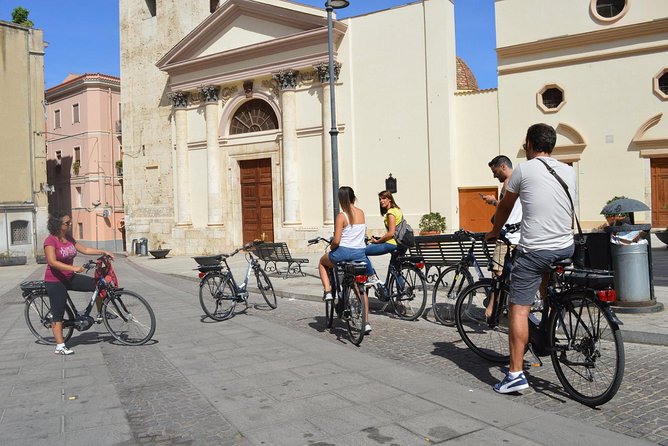
- E-bike assist for Cagliari’s steep old-town climbs so you keep your energy for the viewpoints
- A small group size (max 9) that makes it feel personal and easier to manage through narrow streets
- Major districts in one loop: Stampace, Castello, and Villanova, plus the port side
- Big photo moments from medieval gates and bastions like Porta Cristina and Bastione San Remy
- Guides named Valentina and Simone who are described as patient and great with questions, including families
- A planned cafe stop that helps break up the ride and makes the tour feel more like a day out
Why Cagliari Works So Well on an E-Bike
Cagliari’s main attraction is also its challenge: the city is built with hills, terraces, and stair-stepped neighborhoods that connect viewpoints and monuments. On a normal bike or by foot, you’d spend a lot of your time dragging yourself uphill. With pedal assist, you get to move like a local while still spending most of the time actually sightseeing.
This tour is also sized right for a first visit. Two hours is long enough to cover several distinct neighborhoods, but short enough that you do not feel trapped on a single uphill slog. For many people, the mental payoff is huge: you come away with a clear map of where the old city sits, how the fortifications line up, and why the views matter.
Introductions we still owe you around Cagliari

Meeting Point Near the Port, Easy Start
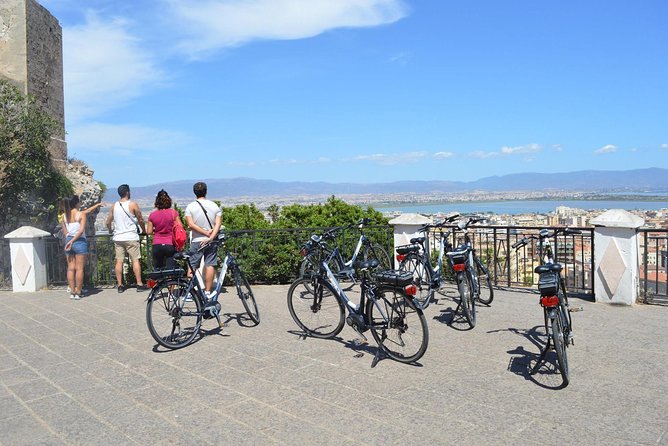
The tour starts at Via Molo Capitaneria di Porto, 17, in the port area (09125 Cagliari). This is a practical choice if you are doing a cruise stop or trying to keep your morning tight, since you are not crossing the city just to begin.
You will also finish back at the same meeting point, which is a small detail that matters more than you think. No last-minute transit puzzle, no hunting for the right pickup location. Confirmation comes at booking, and the activity is near public transportation.
Group size is capped at nine people. That helps on narrow streets, and it also makes it easier for the guide to keep an eye on everyone when traffic gets lively.
The E-Bikes, the Ride Pace, and What You Should Expect
The tour is designed for people who already know how to ride a bike, and it includes a height minimum of 150 cm. If that applies to you, you should feel comfortable with a guided ride that mixes flat sections with assisted climbs.
The e-bike part is not just marketing. The steep areas in Cagliari are exactly what these bikes are built for, and the assist makes the ride feel far more manageable than standard cycling. One big upside repeatedly called out is that it does not feel like an all-day workout, even when you are moving through the hilltop districts.
One practical note: street conditions can be busy. You will encounter both auto and pedestrian traffic along the way, so be mentally ready for a city ride rather than a car-free promenade. Also, helmets are not stated as a universal guarantee in the tour data, and opinions on helmet availability are mixed, so it is smart to ask when you confirm your booking.
Centro Storico: Stampace, Castello, Villanova, and Panoramic Stops
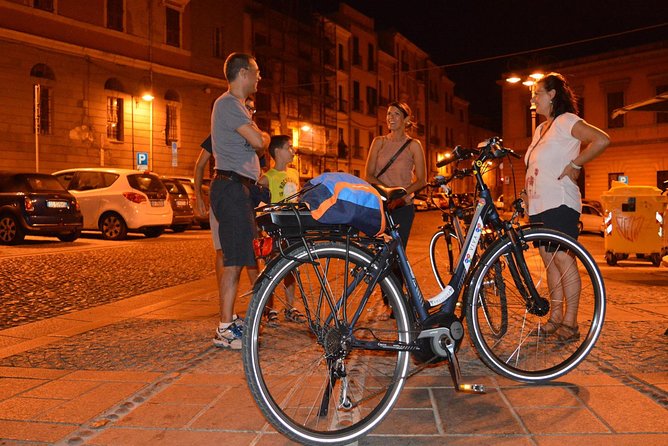
The heart of the itinerary begins in Centro Storico, where you ride up and down the city hills with assisted pedaling. This section is your orientation tour, the one that turns Cagliari from a name on a map into a place with shape and rhythm.
You pass through neighborhoods like Stampace, Castello, and Villanova, with stops set near monuments that explain the city’s layered past. Expect some looking, some walking a bit at stops, and some brief photo-time at viewpoints where the views can genuinely stop you for a moment.
Also on the Cagliari guest list:
- Cagliari: Walking Tour of the Old City
★ 4.8 · 560 reviews - Cagliari: Boat Tour, 4 Stops, Swim, Snorkeling, & 1 Spritz
★ 4.8 · 539 reviews - Cagliari: Zodiac Boat Tour, 3-4 SwimStops, Wine & Snorkeling
★ 4.9 · 500 reviews - Cagliari: Conti Vecchi Salt Flats Train and Tour
★ 4.5 · 484 reviews
Stop: Portus Karalis and the Mediterranean-Port Feeling
Next comes Portus Karalis, a short stop designed to connect the old city with the portside story. The time here is brief, but the intent is clear: Cagliari’s identity is tied to the sea, and you see that instantly in how the port areas sit within the urban fabric.
Admission for this stop is listed as free, which is nice because the tour keeps costs contained even while you still get variety.
Main Street with Porticoes and Art Nouveau Details
From there, the route shifts to a main street that works like a city living room, with porticoed sections and Art Nouveau building details. You might not notice these features at first glance if you are rushing, but on a guided loop, you get the “what to look for” advantage.
Palazzo Civico (Palazzo Baccaredda): Towers That Face the Sea
You also stop at the Palazzo Civico, also known as Palazzo Baccaredda. It covers an entire block and dates to the early 1900s, with tall towers meant to greet visitors coming from the sea.
This is a good example of why a guided tour helps. Even without entering a museum, you learn what you are looking at and why it was built with that big, commanding presence.
Stampace in Focus: Churches, Shrines, and Fortification Traces
Stampace is where the tour slows down in a way that feels more like exploring than just riding. You hit several short stops (mostly around 10 minutes), which is perfect for an e-bike day because it keeps the overall pace relaxed while still giving each place a moment.
The District of the Seven Churches and Small Shrines
A stop in Stampace brings you to the area often associated with the seven churches, plus small shrines tucked into the neighborhood. These are not big ticket stops, but they give you a real feel for local religion and street-level history.
Torre dello Sperone: The Fortifications’ Last Reminder
Then you see Torre dello Sperone, described as the remaining tower from the fortifications that once encircled Stampace. This is one of those “you only notice it because someone points it out” moments. The tower helps you understand how the city defended itself and shaped what you see today.
Chiesa di San Michele: Baroque at the Center
At the Chiesa di San Michele, you get a close look at the city’s most important example of Baroque architecture. It sits at the center of Stampace, so it works as a visual anchor for the neighborhood as a whole.
Chiesa di Sant’Efisio: A Smaller Church With Island Importance
Next is the Chiesa di Sant’Efisio, a small 18th-century church that holds an ancient cult described as the most important on the island. Even if you are not a specialist in church history, the point here is how belief systems and festivals shaped place and community.
Parish Church at the Top of a Staircase
The itinerary also includes another parish church stop on a majestic staircase. Since the specific name is not spelled out in the tour data, treat this as another viewpoint and monument moment more than a museum entry. It is a good mental image stop, especially when you later see how Castello sits above the rest of the city.
Quartiere Castello: Medieval Streets and Gate Views
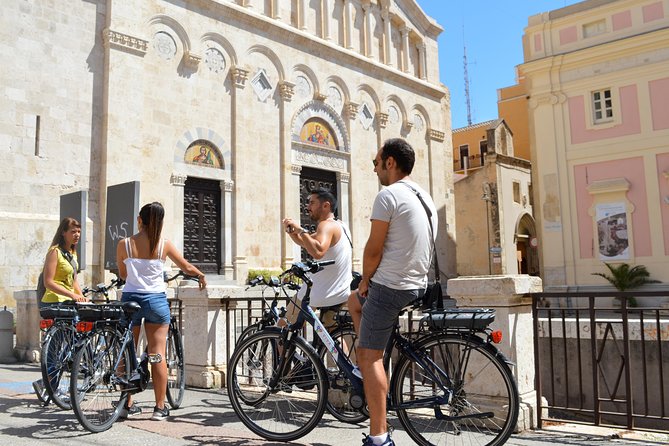
After Stampace, the big story becomes Quartiere Castello, the historic district par excellence. The time here is longer, about 40 minutes, which means you get a more real-feeling walk rather than a quick drive-by.
Castello is where many of the city’s main monuments cluster. If you are trying to understand Cagliari’s layout, this is the section that makes everything click.
Porta Cristina: A Medieval Gate With a Royal Name
A standout is Porta Cristina, described as an ancient medieval gate later dedicated to Maria Cristina di Borbone, wife of Carlo Felice. It is also one of the most panoramic points in the city, so it serves both as a history lesson and a big view payoff.
If you like architecture, this is the kind of stop where you see how the old fort city controlled movement in and out.
Museum Citadel and Nuragic Finds (Mostly Seen From the Outside)
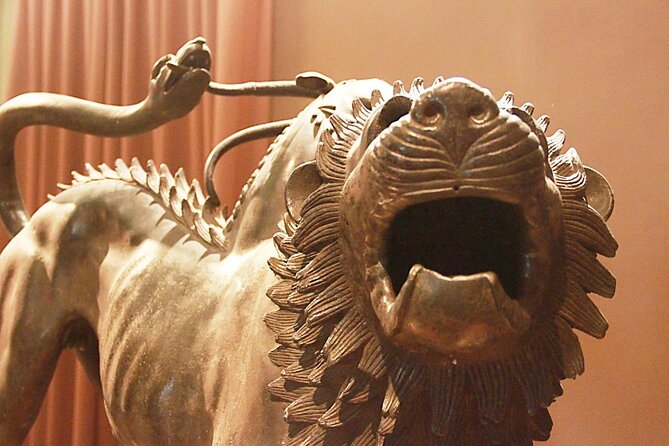
The itinerary references the museum citadel, once the royal Piedmontese arsenal, now home to major collections. It specifically calls out the National Archaeological Museum, with famous Nuragic artifacts like small bronzes and the striking statues of Mont’e Prama.
Important reality check: the tour data suggests a short stop structure across many points. So do not plan on full museum time. You are likely getting orientation and quick viewing time, not a deep artifact session.
More Fortification Stops: Torre di San Pancrazio to Santa Cecilia
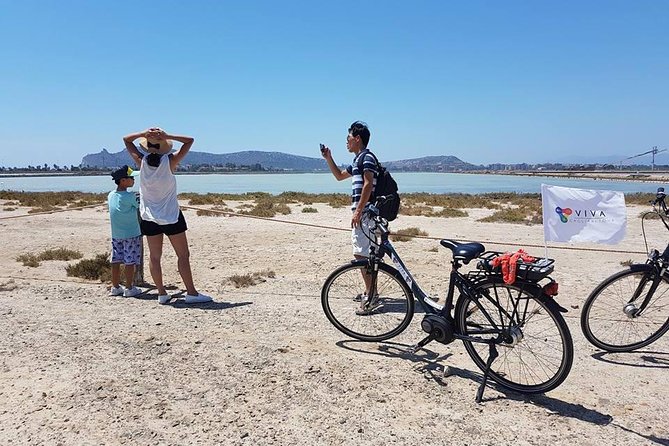
The route keeps moving through Castello-adjacent landmarks, many of them tied to gates, towers, and main civic buildings.
Tower of San Pancrazio: A North Gate With Strategic Role
The Tower of San Pancrazio is noted as an ancient north gate of Castel di Castro and one of the strategic control points. Admission is listed as not included, so you should plan for viewing that is more outside-the-building than ticketed entry.
Cattedrale di Santa Cecilia: Romanesque in Piazza Palazzo
The Cattedrale di Santa Cecilia sits in an especially strong square setting around Piazza Palazzo, with Palazzo Viceregio, Palazzo Arcivescovile, and the ancient town hall nearby. The cathedral is Romanesque and has a curious history explained by the guide.
Even when you are not going inside, the square context matters. This is one of the places that helps you understand how political and religious power sat side-by-side.
Palazzo di Citta and the Royal Palace: Civic and Viceroy Power
You also stop at the Palazzo di Citta (city hall functions historically, now civic museum collections) and the Royal Palace, described as the residence of the viceroy from the Aragonese period until the Savoy period. Both are marked as admission not included, so think of these as architecture and story stops.
If you like to connect buildings to power, this stretch helps you see Cagliari as a city that was run from these commanding institutional spots.
Il Ghetto, Torre dell’Elefante, and the Views From Bastione San Remy
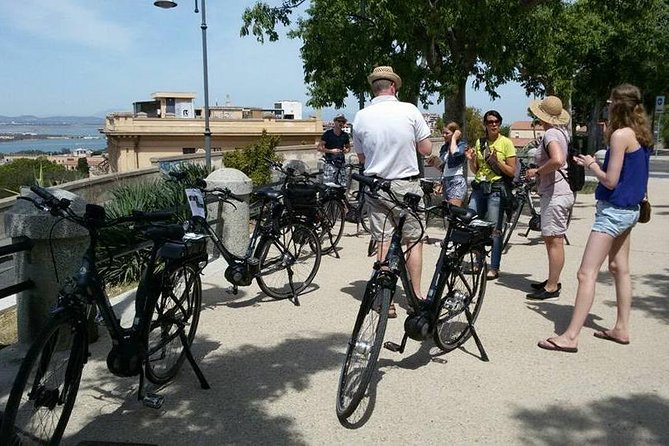
This part of the tour has that special combination of street story and scenic reward.
Il Ghetto: The Bastione di Santa Croce Story
An itinerary stop at Il Ghetto links to the Bastione di Santa Croce, with a focus on the Jewish community’s story in these streets and the idea that they built their synagogue here. Admission is listed as not included, so again, plan for interpretation and location-based context more than a formal interior visit.
Torre dell’Elefante: The Fortress Entrance With the Elephant
The Torre dell’Elefante is described as a picturesque entrance to the medieval fortress, symbolized with the city’s baby elephant. Admission is not included, so it is best treated as a photo stop and a quick historical pointer.
Bastione Saint Remy: A Terrace That Finishes the High Notes
Then comes Bastione San Remy, which the itinerary lists as built to connect historic districts, and now a symbolic monument with a breathtaking terrace view. This is one of the stops that fits the “two hours, maximum payoff” idea, because the view is direct and immediate.
Villanova: Flower Balconies and a Neighborhood With Ritual Memory
The loop ends in Villanova, described as the flower district known for 1000 colorful balconies, and also tied to Holy Week in the city. You get a final neighborhood feeling, the kind that stays with you because it looks like a community tradition, not just an architectural detail.
The stop time listed is about 15 minutes, which is enough for photos, a quick feel of the streets, and finishing your mental map of Cagliari’s different neighborhood personalities.
How Good Is the Guide, Really?
This tour seems to rise or fall on the guide’s pacing and how clearly they can keep everyone together. Names like Valentina and Simone show up in the feedback again and again, and the common thread is that they are friendly and patient, and they explain the city in a way that makes the route make sense.
One practical caution based on what you can expect: if you are further back in the group, you may miss more of the narration. So if you want the history as much as the views, do what you can to stay closer when the guide pauses.
Safety, Traffic, and the Real-World Comfort Factor
An e-bike does not remove risk in a crowded city, it just makes the physical effort smaller. The route can include busy auto and pedestrian areas, so you should treat this as a guided city cycling experience, not a scenic bike path day.
Still, a major positive point is that people describe it as safe when the guide manages the group well. And with pedal assist, you are less likely to wobble or panic because you are gasping from a steep climb.
If your group includes kids or anyone who is not used to hills, the assist is a huge confidence booster. The tour also has a minimum height of 150 cm, so smaller kids should not expect to join.
Value for Money: What You’re Actually Paying For
At $56.86 per person for about two hours, the value is not just the bike. You are paying for the route planning, the jump from place to place without wasting time, and the guide’s ability to connect each stop to a bigger story.
One reason people like this tour is that it compresses a lot of the city into a short time window, especially when you are limited on days. It is also priced as a lighter lift than what some cruise excursions cost, while still giving you real Cagliari neighborhoods instead of a single monument circuit.
Small-group format helps too. With a maximum of nine riders, the tour feels more controlled and less like a cattle car.
Who Should Book This E-Bike Tour?
I think it fits best if you want a first-day orientation plus real views without the steep-hill penalty. It is also a good choice if you have mixed fitness in your group, because assisted pedaling levels the playing field.
You should skip it or at least think carefully if you:
- dislike biking in busy streets with cars and pedestrians
- want long museum time inside major sites (this is a short-stop tour)
- need guaranteed quieter traffic-free routes
If you have never ridden an e-bike before, it is a good stepping stone because the tour is structured around ease and frequent stop points.
Should You Book Viva Cagliari Tour?
Yes, if you want a fast, friendly way to understand Cagliari’s old-city geography and hit viewpoints without destroying your legs. The biggest reasons to book are the e-bike comfort on steep hills and the chance to see multiple neighborhoods like Stampace, Castello, and Villanova in a single loop.
If you are sensitive to traffic, consider going when streets are calmer and listen closely at each stop so you do not miss the guide’s context. Also, if you care about what is included versus not included for specific sites, remember that many entrances are marked as ticket not included, so plan for outside viewing and guidance over full admissions.
If your goal is to get your bearings fast and leave with a clear mental map of Cagliari, this is a strong bet.
FAQ
How long is the Guided Electric Bicycle Tour in Cagliari?
The tour lasts about 2 hours.
Where does the tour meet and end?
It starts at Via Molo Capitaneria di Porto, 17, 09125 Cagliari CA, Italy, and ends back at the same meeting point.
What is the price per person?
The price is $56.86 per person.
Is the tour offered in English?
Yes. The tour is offered in English (and it can also be in Italian).
Do I need any special riding ability?
Yes, it is essential to know how to ride a bike.
Are there height requirements?
Yes. The minimum height is 150 cm.
How many people are on the tour?
The tour has a maximum of 9 travelers.
What if the weather is bad or the tour cannot run?
The tour requires good weather. If it is canceled due to poor weather, you will be offered a different date or a full refund. It can also be canceled if a minimum number of travelers is not met, with a different date or a full refund offered.
What is the cancellation window for a full refund?
Free cancellation is available. You can cancel up to 24 hours in advance for a full refund, and changes made less than 24 hours before the start time are not accepted.
Just introduced: the newest Cagliari write-ups
- Cagliari Vintage Tour★ 5.0 · 185 reviews
- Cagliari: Quad Adventure Experience from Chia★ 4.9 · 187 reviews
- Cagliari: Old Town Guided E-Bike Tour★ 4.9 · 189 reviews
- Cagliari: Coastline Cruise with Drinks and Snorkeling★ 4.7 · 201 reviews
- Cagliari: Boat Tour with Snorkeling, GoPro & Sardinian Beer★ 4.7 · 207 reviews
- Catamaran tour stops bathing and snorkeling toast with prosecco★ 5.0 · 214 reviews
- Small-Group Food and Wine Tour from Cagliari★ 5.0 · 237 reviews
Sardinia Tours, compared.

Golfo Aranci: Eco-Friendly Dolphin Watching Boat Trip
Read our review →
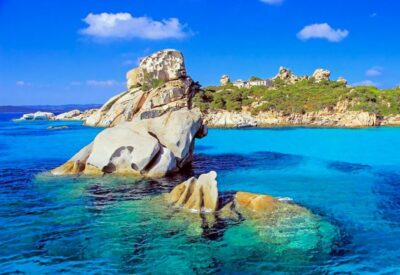
La Maddalena Archipelago Full-Day Trip by Boat
Read our review →
From Palau: La Maddalena Islands Full-Day Trip by Boat
Read our review →
From Palau: La Maddalena Archipelago Day Tour by Boat
Read our review →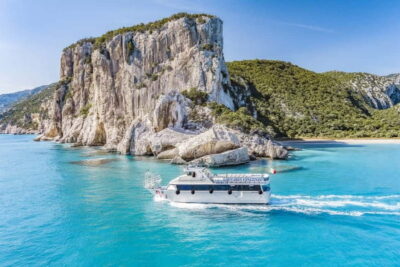
From Cala Gonone: Gulf of Orosei Cruise to Cala Goloritzè
Read our review →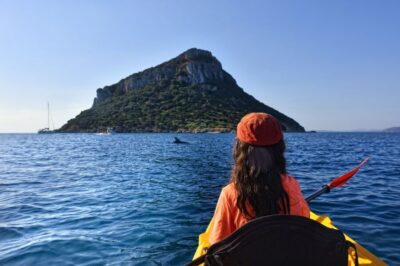
Golfo Aranci: Kayak Tour with Dolphins and Aperitif
Read our review →Browse the lists this tour appears in