
Reviewed · COOKING CLASSES
Hands on Italian Cooking Classes
A farmhouse kitchen beats any food souvenir. In Perugia, this hands-on class has you cooking traditional Umbrian dishes, not just watching from a seat. You work through a multi-course meal, then sit down with wine from the farm and enjoy what you made.
What I like most is the hands-on structure and the small group size. You get real technique time, from pasta making to building sauces, and the vibe feels personal, since the group is capped at 8 travelers. I also love that the setting is genuinely farm-based, with vegetables and farm products used in the lesson, plus an included recipe folder and apron.
One consideration: there is no hotel pickup or drop-off. You will need to make your own way to the meeting point at Farmhouse La Volpe E L’uva (Strada Comunale S. Marino, 25, 06125 Perugia).
In This Review
- Quick hits before you go
- A farmhouse kitchen morning near Perugia
- Meet your English-speaking instructor and learn the why
- What you’ll cook: Umbrian starters, handmade pasta, and seasonal mains
- Pasta and dumpling skills that actually transfer
- Sauces and braises with Umbrian character
- Dessert is not an afterthought
- The lunch you earn: wine from the estate and coffee after
- Where the ingredients come from: organic garden, olive oil, and local markets
- Timing and meeting point: plan your morning around the start time
- Group size and pacing: why max 8 matters
- Price and value: what $169.38 buys you
- Dietary needs: tell them early so the meal can fit
- Should you book this hands-on Perugia cooking class?
- FAQ
- How long is the Italian cooking class in Perugia?
- Does the class include lunch and drinks?
- Is the cooking lesson offered in English?
- How many people are in the group?
- Can the instructor accommodate dietary requirements?
- If I cancel, will I get a refund?
Quick hits before you go
- Hands-on, totally interactive four-course meal preparation, from scratch
- English-speaking teacher who explains techniques and recipe context
- Estate wine during the meal, plus coffee after lunch
- Small group (max 8) for a calmer pace and more attention
- Farm-to-table basics using organic garden vegetables and farm-produced olive oil and red wine
- Included take-home kit: recipe folder, apron, and participation certificate
A farmhouse kitchen morning near Perugia
This is a half-day activity that feels more like cooking in someone’s real home than taking a class in a school kitchen. The lesson happens at Agriturismo la volpe e l’uva in the countryside outside Perugia, so you get that distinct Umbria feel right away: fresh air, working farmland energy, and the sense that the food comes from place, not from a display case.
The class starts at 10:00 a.m. and usually runs 3 to 4 hours. You should plan to arrive ready to cook, not ready to browse menus and compare notes. The goal is simple: learn techniques, make the food, and eat the results together.
Also, this is an easy one to fit into a food-focused itinerary because it is only a morning or midday block. No juggling multiple stops or long transfers. Just show up, roll up your sleeves, and follow the flow.
More Italian kitchens taking students:
Meet your English-speaking instructor and learn the why
The experience runs with an English-speaking teacher, and that matters more than you might think. When someone explains the “how” and the “why,” your cooking improves faster, even if you are a beginner. The class includes not only traditional methods but also a bit of history and context for the recipes, so you understand what you are doing instead of memorizing steps.
From the teaching style people describe, the tone is patient and friendly, which is exactly what you want in a hands-on cooking session. Pasta work and sauce building can be intimidating until someone breaks it into clear motions. This is the kind of place where you can focus on doing, not panicking.
And with the group limit at 8 travelers, you are not just a number. You have better odds of getting help when your dough is sticky, your sauce is too thick, or you are unsure what “right” looks like.
What you’ll cook: Umbrian starters, handmade pasta, and seasonal mains
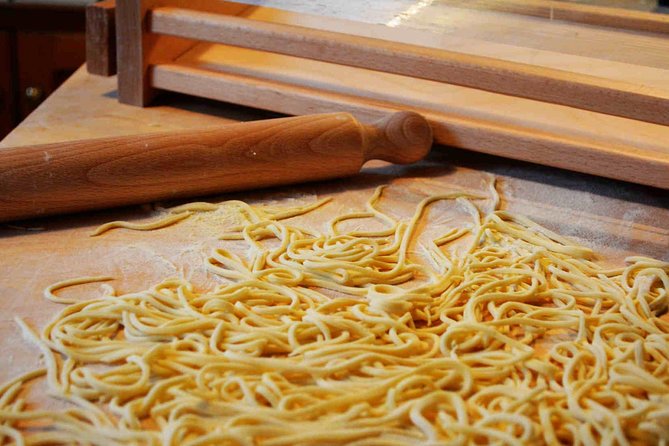
Your meal is built as a full four-course lunch. The courses are structured as an appetizer, a first course, a main course with a side dish, and dessert. That format is useful because you get a real sense of how Italian meals are paced and how flavors move through the meal.
The menu examples are classic Umbrian favorites, and you can expect the class to cover key techniques using dishes such as:
- Homemade tagliatelle with sausage ragù
- Potato gnocchi
- Ravioli with spinach and fresh ricotta
- Strangozzi with truffle
- Mains like pork tenderloin with dry plums, chicken alla cacciatora, or veal alla Perugina
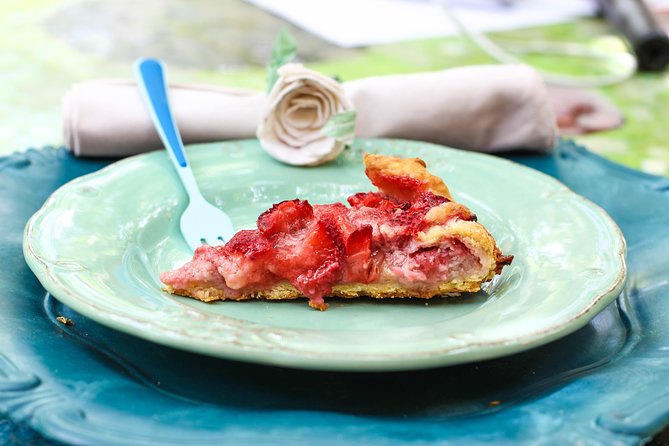
- Desserts such as homemade tiramisù, chocolate and pears cake with cream, or crostata
One practical tip: since the sample menu lists multiple options, the specific dishes you make can vary by class day. Either way, you will still get the same core skills: pasta handling, filling or sauce assembly, cooking timing, and finishing desserts properly.
Pasta and dumpling skills that actually transfer
If you care about taking something home beyond a meal, focus on the pasta and dough moments. Pasta making teaches you more than just a recipe. You learn how dough feels, how to shape consistently, and how to adjust when things do not cooperate.
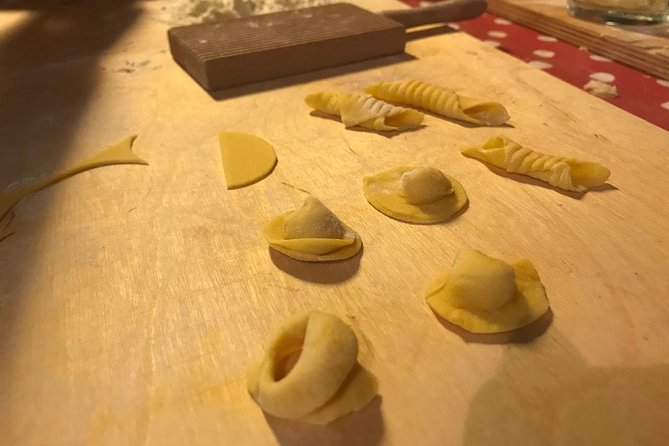
In this class, the hands-on work includes items like tagliatelle and ravioli, plus gnocchi and strangozzi from the menu. Those choices naturally train different techniques, from flattening and cutting to filling and shaping.
Sauces and braises with Umbrian character
Italian food is often sauce and timing. You get practice with that, too. Courses like sausage ragù or cacciatora-style chicken reward attention to heat level and simmering time. If you have ever wondered why one ragù tastes deep and another tastes flat, this kind of guided cooking is where that difference becomes obvious.
Dessert is not an afterthought
You end with a dessert that feels made for the table, not just plated for photos. Options like tiramisù, crostata, or chocolate and pears cake teach you how Italian desserts balance creaminess, structure, and sweetness without turning it into candy.
The lunch you earn: wine from the estate and coffee after
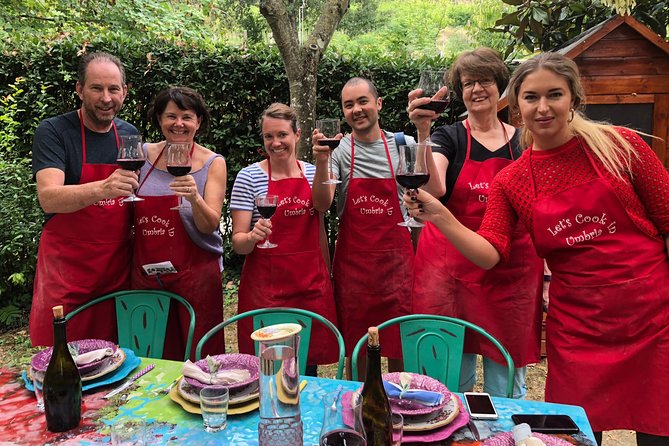
You cook the full meal, then you eat it. That is the key value here. Most food experiences show you the output. This one has you making the output.
During the meal, you will have Umbrian wines. After lunch, you get coffee. The wines are described as being produced on the farm, along with the extra virgin olive oil and organic red wine, so the pairing is not random. It is part of the farm-to-table idea, where the same place that grows and processes food becomes the source of the drink.
Even if you do not consider yourself a wine person, this is a fun way to try Umbrian flavors with food you understand. The wine is served with your courses, so you taste it in context.
And yes, you will be tired in a good way. By the time you sit down, you have earned your meal.
Where the ingredients come from: organic garden, olive oil, and local markets
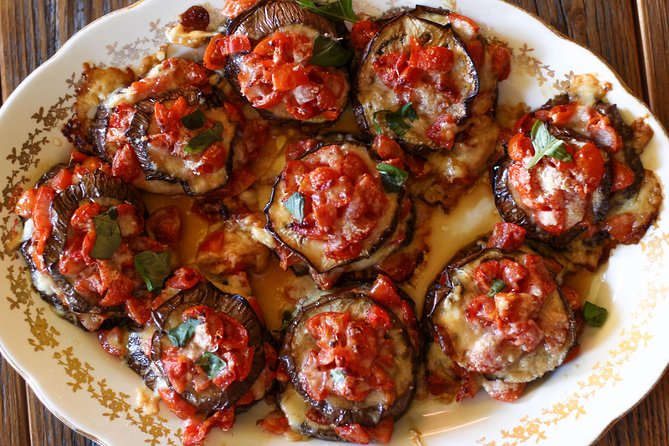
This class has a big advantage over “cook in a kitchen, then go back to town” experiences. The farmhouse includes an organic vegetable garden where the vegetables used in class are grown. That means your cooking connects to something real. You are not just cooking with random produce. You are cooking with ingredients that have a farm story behind them.
The farm also produces extra virgin olive oil and organic red wine. Other ingredients are purchased from local markets. That combination is practical and smart: the most farm-dependent pieces come from the property itself, while the pantry staples and specialty items can come from nearby producers.
If you care about eating like locals, not like tourists, this is the kind of structure that makes a difference. You can taste the difference between produce that is treated like part of a working farm and produce that is just bought and thrown into a recipe.
Timing and meeting point: plan your morning around the start time
The class begins at 10:00 a.m. and ends back at the meeting point. The meeting location is:
Farmhouse La Volpe E L’uva, Strada Comunale S. Marino, 25, 06125 Perugia PG, Italy
It is near public transportation, but there is no hotel pickup or drop-off. So you need a plan for getting there on time. Arriving late is not just rude, it can throw off the flow of pasta work and course timing.
Also, your ticket is mobile, so you will want your phone charged and your confirmation easy to find. Confirmation is received within 48 hours of booking, subject to availability.
And if you want the easiest experience, think like a chef for a moment: get there early, dress for kitchen work, and expect to be standing, mixing, and shaping.
Group size and pacing: why max 8 matters
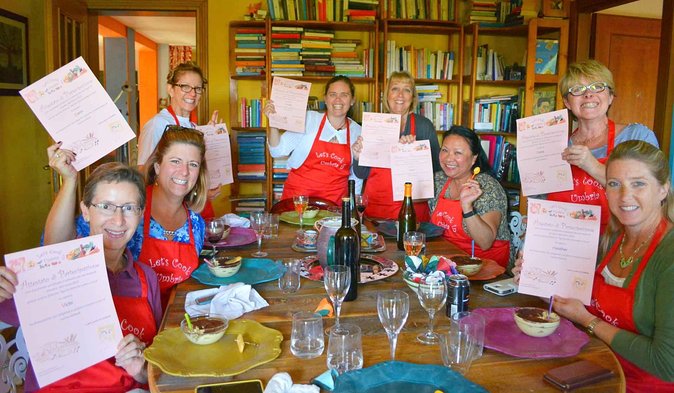
A maximum of 8 travelers changes how the class feels. The smaller the group, the more likely the teacher can correct technique quickly and help you troubleshoot. It also keeps the room from turning into a production line where you are just trying to keep up.
The class is described as totally hands-on, so pace is important. Pasta and filling steps need time. Braises and sauces need attention, too. Smaller groups help you cook at a calm, doable speed.
From the teaching tone people emphasize, this is also a good pick if you are not confident in the kitchen. When the group is small and the teacher is patient, your mistakes become part of learning rather than a stress spiral.
Price and value: what $169.38 buys you
At $169.38 per person, this is not the cheapest activity in Perugia. But for a hands-on, multi-course food workshop, it starts to make sense fast.
You are getting:
- A 4-course meal you prepare from scratch
- Umbrian wines during the meal, plus coffee after lunch
- A folder with all the recipes
- An apron
- A certificate of participation
- An English-speaking teacher focused on technique and recipe context
What you are paying for is time, instruction, and ingredients. And because it is a small group, the cost reflects that you are not sharing one teacher across 20 people.
If you compare this to the price of a private guide plus restaurant meals plus cooking supplies, the structure is reasonably priced. You leave with dinner, teaching, and a take-home reference you can actually use later.
The best “value test” here is simple: do you want to cook? If yes, this is a strong buy. If you only want to taste, a restaurant might feel more efficient.
Dietary needs: tell them early so the meal can fit
Dietary requirements are something you should communicate at the time of booking. The class data explicitly says to advise any specific dietary needs, which is exactly what you want for a cooking experience built around multiple courses and ingredients.
Because the menu includes pasta, fillings, meats, and desserts, even small restrictions can change what you can or cannot make. The earlier you tell them, the better chance you have of getting an appropriate approach.
If you have allergies, share the details, not just the category. That helps the kitchen handle substitutions safely.
Should you book this hands-on Perugia cooking class?
Book it if you want an authentic Umbria food day where you cook a real meal, sit down with farm wine, and learn skills you can repeat. This is especially worth it if pasta making is on your list, because you will work through dough and shaping, not just watch it happen.
Skip it if you need hotel pickup, or if you hate the idea of cooking in a hands-on format. Also, if your schedule is tight and you cannot reliably get to the farmhouse at 10:00 a.m., this may feel stressful.
For most travelers, it is a high-payoff experience. You end with four courses, a recipe folder, and actual technique memories, not just photos.
FAQ
How long is the Italian cooking class in Perugia?
The class runs about 3 to 4 hours and starts at 10:00 a.m. It ends back at the meeting point.
Does the class include lunch and drinks?
Yes. You prepare a four-course lunch during the lesson, and you have Umbrian wines during the meal plus coffee after lunch.
Is the cooking lesson offered in English?
Yes. The class is offered with an English-speaking teacher.
How many people are in the group?
This activity has a maximum of 8 travelers, so it stays small.
Can the instructor accommodate dietary requirements?
You can and should advise specific dietary requirements at the time of booking, so they can plan accordingly.
If I cancel, will I get a refund?
No. The experience is non-refundable and cannot be changed for any reason.
More Workshops in Perugia
- Florence Pizza or Pasta Class with Gelato Making at a Tuscan Farm
★ 5.0 · 6,801 reviews - Florence: Pasta Cooking Class with Unlimited Wine
★ 5.0 · 6,413 reviews - Naples: Pizza-Making Workshop with Drink and Appetizer
★ 4.9 · 5,411 reviews - Rome: Pasta & Tiramisu Class with Fine Wine by the Vatican
★ 4.9 · 4,852 reviews
Just introduced: the newest Perugia write-ups
- Professional hot air balloon rides at Assisi, Trasimeno in Umbria★ 5.0 · 206 reviews
- Perugia: Old Town Walking Tour, Piazza IV Novembre★ 4.8 · 304 reviews
- Perugia: Entry Ticket and Guided Tour of Perugia Underground★ 4.6 · 579 reviews
Cooking Classes, compared.
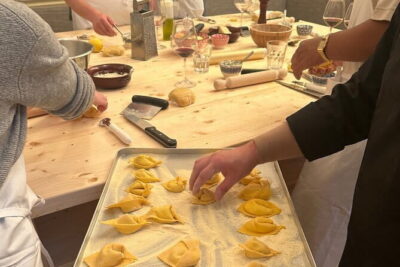
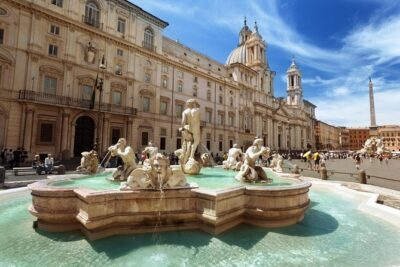
3 in 1 Cooking Class near Navona: Fettuccine, Ravioli & Tiramisu
Read our review →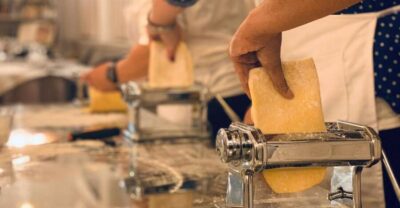
Pasta & Tiramisu Cooking Class with Unlimited Wine
Read our review →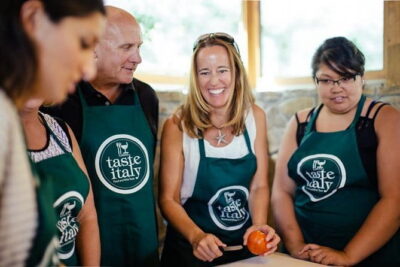
Cooking Class and Lunch at a Tuscan Farmhouse with Local Market Tour from Florence
Read our review →
Pasta Making Class with Wine, Limoncello, and Dessert
Read our review →
3-in-1 Fettuccine, Ravioli, and Tiramisu Cooking Class
Read our review →Browse the lists this tour appears in