
Reviewed · PASTA COOKING CLASSES
Milan: Pasta and Tiramisu Cooking Class with Wine
Fresh pasta, then tiramisu, in real Milan. This 3 hour class turns a break from sightseeing into a hands-on lesson, starting with fresh pasta techniques and ending with wine at the table. I like that you actually do the work, not just watch it, and I love the big food payoff.
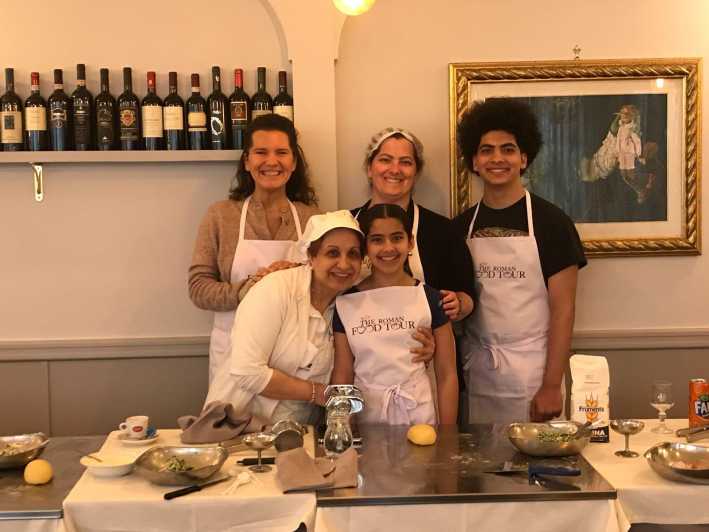
You’ll begin with a welcome glass of Prosecco, then step behind the scenes to see how a popular Italian spot runs. After that, you tie on an apron, work at your own station, and get step by step guidance from English speaking staff in a kitchen setting that feels normal, not staged.
One thing to plan for: the traditional recipes include gluten, dairy, and eggs, and the team offers substitutes for allergies and preferences but cannot guarantee zero cross contamination. If you have a serious allergy, you’ll want to ask very specific questions before booking.
In This Review
- Key things to know before you go
- Why this Milan class is more than a food show
- Where you start: Prosecco welcome and a behind-the-scenes restaurant look
- Apron on, workstation ready, then pasta dough basics
- Flour choice and dough feel: the skill you’ll actually use later
- Pasta fresca vs pasta secca: turning a label into a lesson
- Tiramisu secrets of Italy’s favorite dessert
- What you actually eat, plus the wine pairing moment
- Price and value: $61 for skills, ingredients, and wine
- Dietary needs, allergies, and who should skip
- Host energy and group size: how the class feels in practice
- Who should book this Milan cooking class
- Should you book this class in Milan?
- FAQ
- Is the class taught in English?
- How long is the cooking class?
- What is included in the price?
- Where do we meet?
- Are vegetarian and other dietary options available?
- What about allergies?
- Can I cancel for a refund?
Key things to know before you go
- Working restaurant pace: you get a behind-the-scenes look before you cook, so the class feels like part of the real kitchen flow
- Fresh pasta skills that stick: you learn dough, flour choice, and the difference between pasta fresca and pasta secca
- Tiramisu method for real cooks: you practice the dessert steps, then sit down and eat what you made
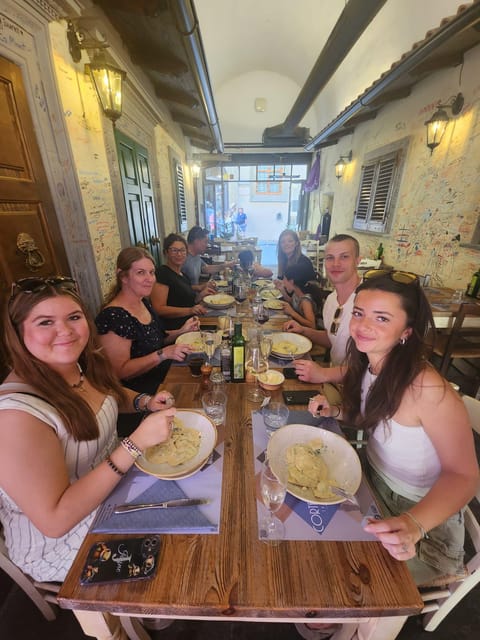
- Wine included in the experience: Prosecco at arrival, plus a glass of fine wine with your meal
- Group size is manageable: classes are often around 15 to 20 people, with enough room to work, though it can be harder to get extra help
Why this Milan class is more than a food show
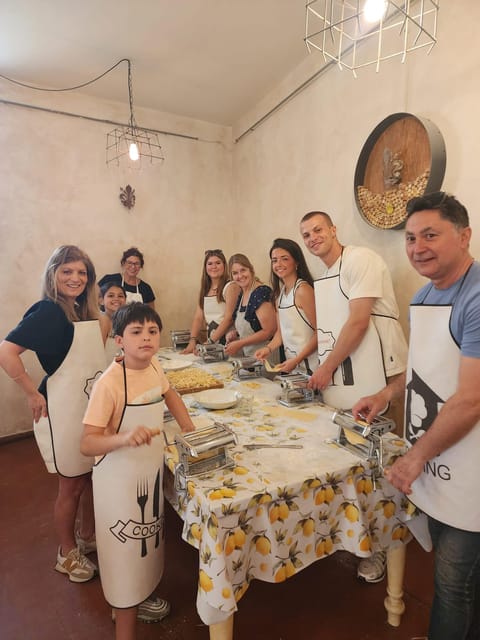
A cooking class in Milan sounds nice, but it can also turn into a simple tasting with a few demonstration steps. This one is built around doing. You make fresh pasta from scratch, then you move on to tiramisu, and you finish by eating together with wine.
The best part is the structure. You start with the basics that actually matter, like how to handle pasta dough and how the flour choice changes the result. Then you connect that to the regional goal: creating pasta that tastes right and feels right. By the time you sit down, you’re not just consuming food, you’re understanding it.
Another plus is how social it feels without turning chaotic. One review notes the class is typically about 15 to 20 people. That’s big enough to meet people, still small enough to get hands-on time at your station. If you’re the type who learns by doing, this setup works.
More Wine Tours in Milan


Where you start: Prosecco welcome and a behind-the-scenes restaurant look
You meet at a location that can vary depending on what option you booked. From there, you step inside and get a welcome glass of Prosecco before anything gets technical. That first sip matters, because it lowers the pressure right away. You’re entering a kitchen experience, not a lecture hall.
Then you move behind the scenes. You’ll see how an authentic Italian restaurant is run, which helps you understand why cooking here feels different from cooking at home. Restaurant kitchens are about timing, workflow, and keeping things consistent. Even if you only notice a few details, it changes how you think about the meal you’re about to make.
Hosts and chefs set the tone. Reviews specifically call out Chef Mimo and Damiano as welcoming and good at keeping things clear. If you’re nervous about cooking, pay attention early. The first minutes are where the instructions become confidence later.
Apron on, workstation ready, then pasta dough basics
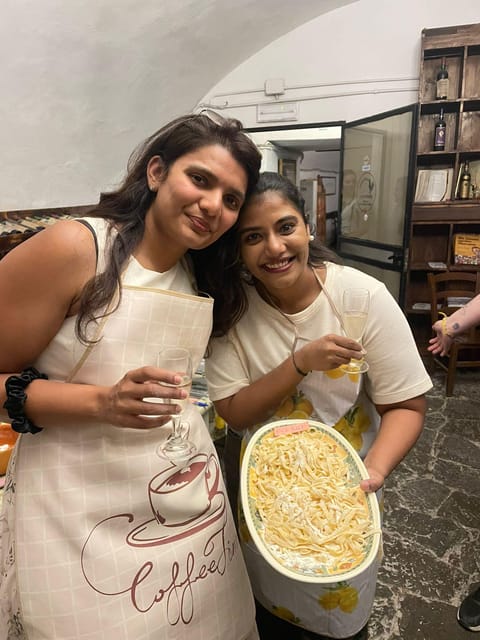
After the warm welcome, you tie on your apron and head to your workstation. The class is built for you to follow along step by step, with an emphasis on making pasta dough that behaves the way fresh pasta should.
You learn the practical stuff:
- how to prepare the dough
- which type of flour to use
- what makes pasta fresca different from pasta secca
That last point is more useful than it sounds. Pasta fresca is fresh and meant to be used quickly, with a texture that’s softer and more delicate. Pasta secca is dried and built to survive storage. You don’t have to memorize the theory, but you start to taste the difference in your brain. When you see fresh pasta after, you’ll recognize what the chef is trying to achieve.
You’ll also get guidance that helps you avoid the common home-cook mistakes, like dough that’s too dry, too sticky, or tough. Since the class includes you making the dough, you get immediate feedback from your own hands, not from a guess and a hope.
Flour choice and dough feel: the skill you’ll actually use later
People come to Italy for the food. But a great class gives you a skill you can keep. This one teaches pasta dough through technique, not just ingredients.
You’ll work with guidance on flour selection and how it affects the dough. That matters because flour isn’t just a shopping list item. It influences texture and elasticity, which determines whether your pasta rolls smoothly and cooks up tender.
Here’s the real takeaway: once you understand how the dough should feel, you stop thinking pasta is a mystery. I like that the instruction is tied to outcomes. When you see the pasta set up properly, it clicks, fast.
A review also mentions that tiramisu might happen first, followed by two types of pasta. Even if your class order differs, the core lesson stays the same. You’ll get more than one pasta experience, which is a smart way to learn what changes and what stays consistent.
Tiramisu, assembled a few more ways:
- 3 in 1 Cooking Class near Navona: Fettuccine, Ravioli & Tiramisu
★ 5.0 · 7,376 reviews - Florence: Pasta & Tiramisu Cooking Class with Unlimited Wine
★ 4.9 · 6,708 reviews - Rome: Pasta & Tiramisu Class with Fine Wine by the Vatican
★ 4.9 · 4,852 reviews - Rome: 3-in-1 Fettuccine, Ravioli, and Tiramisu Cooking Class
★ 4.9 · 2,704 reviews
Pasta fresca vs pasta secca: turning a label into a lesson
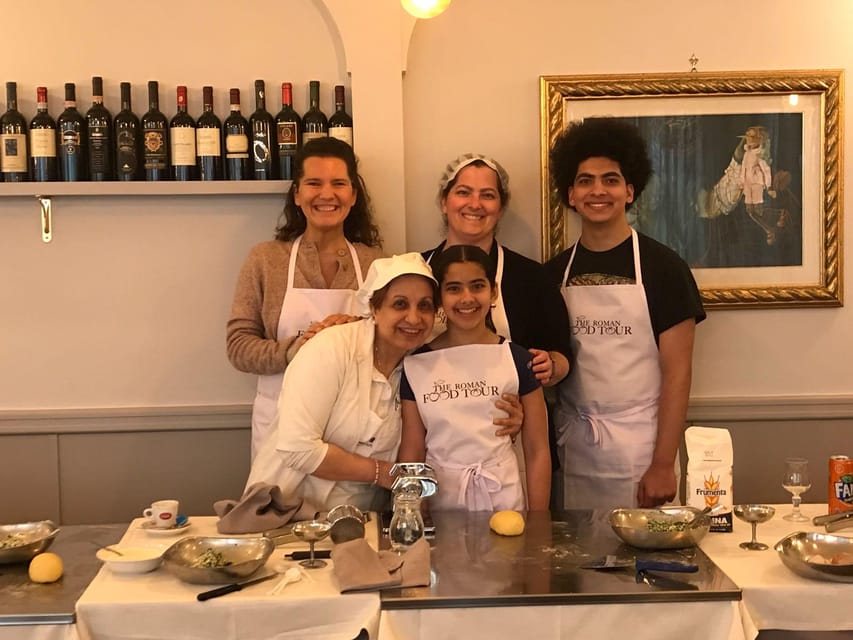
Many people have seen the labels pasta fresca and pasta secca on Italian menus or grocery shelves. Most people skip the meaning. Here, the distinction becomes part of your cooking.
In class, you learn the difference in a way that makes sense. You experience fresh dough in real time, then you cook with the knowledge that fresh pasta behaves differently than dried pasta. That’s useful when you’re shopping later in Milan. You’ll know what to buy, and more importantly, what you should expect from the texture and cooking time.
If you’re the kind of traveler who likes to decode how Italian food works, this section is a win. You’re not just collecting dishes, you’re collecting context.
Tiramisu secrets of Italy’s favorite dessert
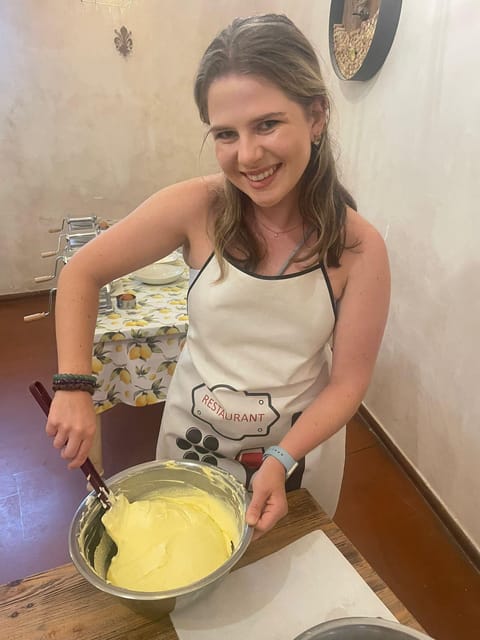
Then you switch gears to tiramisu. The class focuses on the dessert method, not just assembling something quickly. You learn how to make it, with step by step guidance so you can understand the logic.
Tiramisu is where many classes either go too simple or too complicated. This one hits the sweet spot because it gives you enough direction to avoid typical problems. The goal is a dessert that tastes balanced, not watery, and not heavy. You practice the steps and then sample what you made.
One review highlights that they made tiramisu first, then moved on to pasta. Another says the class was fun and tasty with a good host who explained things well. Those comments match the vibe you want from a dessert lesson: energetic, not intimidating.
If you’ve ever tried tiramisu at home and wondered why it doesn’t match what you ate in Italy, this is a strong way to close the gap. You get the method, which is really what you need.
What you actually eat, plus the wine pairing moment
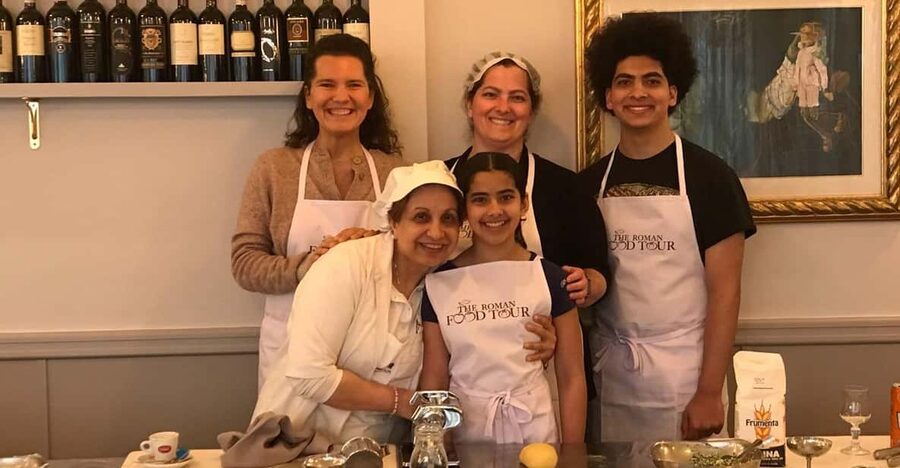
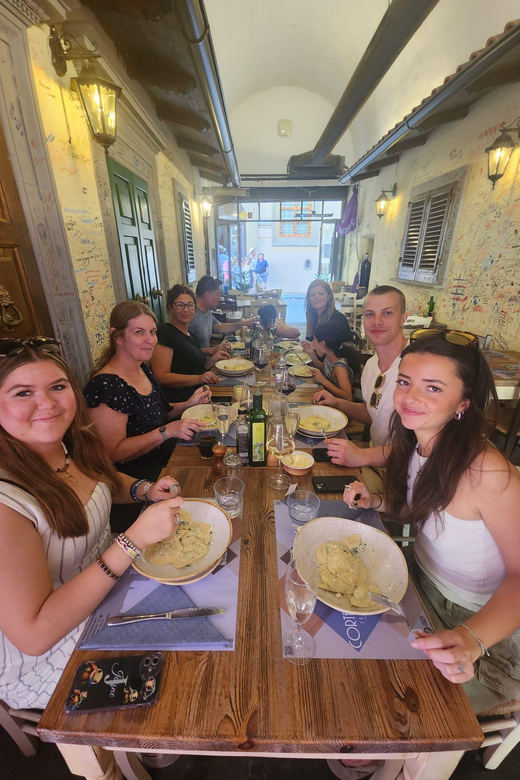
At the end, you sit down together to enjoy lunch or dinner, sampling the dishes you prepared. You also sip on a glass of fine wine that pairs with the meal.
This is one of those included details that changes the entire mood. Wine makes the sitting part feel like part of the evening, not a reward after you survive the cooking station. The welcome Prosecco is a nice start, but the real win is that you’re given a wine that works with what you just made.
Also, the class is described as 3 hours. That’s a good length for this format. It’s long enough to learn and cook, short enough that you’re not exhausted before you eat.
Price and value: $61 for skills, ingredients, and wine
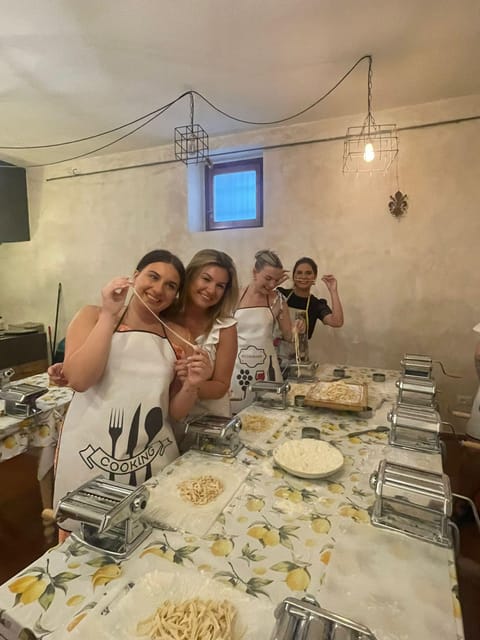
At about $61 per person, the value depends on what you’re comparing it to. If you’re used to paying for a guided walking tour plus a meal later, this is a different deal. Here, your money buys ingredients, chef instruction, and a full eating moment with wine included.
You’re getting:
- chef-led guidance
- fresh pasta you help make
- tiramisu you help make
- wine, including Prosecco on arrival
The real value is that you leave with a better understanding of how Italian pasta dough and tiramisu actually work. A cooking class is often the most “memorable” kind of activity because it ties learning to senses. You taste and touch what you’re learning, and that makes it stick.
Could you buy pasta and tiramisu separately for less? Sure. But you would not get the hands-on skill that makes you look at Italian food differently afterward. For me, that skill part is what makes the price feel fair.
Dietary needs, allergies, and who should skip
This is where you need to read carefully, because pasta and desserts can be tricky.
The class notes that traditional instructions focus on recipes containing gluten, dairy, and eggs. They offer substitutes for allergies or preferences, but you cannot guarantee 100 percent free of cross contamination. If you have a serious allergy, treat that as a major decision point.
Also, the notes say the class is not suitable for:
- vegans
- people with gluten intolerance
- people with lactose intolerance
- children under 3 years (and babies under 1 year)
Dietary options are mentioned as available, including vegetarian. So if you’re vegetarian, you have a path. If you’re managing gluten or dairy intolerances, you should double check with the provider before you book. And if you have allergies, send your exact details early and ask how they handle substitution and separation.
Host energy and group size: how the class feels in practice
One review says they loved the class socially, and praised the sauces for the pasta they made. Another says it was fun even for someone who does not love to cook, because the steps made it enjoyable. Reviews also mention that hosts were welcoming and that workstation setup helped people get involved.
Group size often comes up. One comment puts it around 15 to 20 people, which is a realistic number for a hands-on class. The tradeoff is simple: bigger class means fewer chances for one-on-one help. If you want extra reassurance, arrive with questions ready, and listen carefully in the early instructions, when the chef is setting the rhythm.
Names matter here. Reviews give specific credit to Chef Mimo and Damiano for making the class lively and well explained. If you see similar host names in the schedule, it’s a good sign for energy and clarity.
Who should book this Milan cooking class
This fits best if you want your Milan time to include more than photos and museum stamps.
Book it if you:
- like hands-on activities
- enjoy Italian food beyond just eating it
- want to learn a real skill, especially pasta dough
- want a social evening in a smaller group
It might not be the best fit if you:
- need a fully vegan menu or a dairy-free and gluten-free setup (the notes say it is not suitable for lactose intolerance and gluten intolerance)
- have serious allergies and need guaranteed separation
- want a quiet, strictly instructional class with plenty of one-on-one time
For kids, the age notes are clear: it is not suitable for children under 3, and babies under 1. For families with older kids who can handle kitchen time safely, you can check with the provider, but the base notes do not market it as a baby and toddler activity.
Should you book this class in Milan?
If you want a memorable evening that gives you something practical, I’d lean yes. This class is strong because it’s structured, it’s hands-on, and it ends with the meal you made, plus wine.
I’d only hesitate if your food needs are complicated or if allergies require strict separation. In that case, confirm substitution and cross contamination limits before you commit.
For most people, $61 for 3 hours with chef instruction, fresh pasta, tiramisu, and wine is solid value. More importantly, you leave with a better idea of how Italians make these dishes, not just a full stomach.
FAQ
Is the class taught in English?
Yes. The instructor is listed as English, so you should be able to follow along without a language barrier.
How long is the cooking class?
The duration is 3 hours. Starting times vary based on availability.
What is included in the price?
The class includes the chef, fresh pasta, tiramisu, and fine wine. You also get a welcome glass of Prosecco.
Where do we meet?
The meeting point may vary depending on the option you booked, so check your specific confirmation details.
Are vegetarian and other dietary options available?
Vegetarian options are available on request. The information also says the class is not suitable for vegans, people with gluten intolerance, and people with lactose intolerance. If you have dietary needs, you should inform the provider when booking.
What about allergies?
The instructions focus on the traditional recipe containing gluten, dairy, and eggs. Substitutes are offered for allergies or preferences, but the class cannot guarantee 100 percent free of cross contamination. Make sure you share all allergy details when booking.
Can I cancel for a refund?
Yes. Free cancellation is offered up to 24 hours in advance for a full refund.
Italian Kitchens Taking Students
- Milan Cooking Class: Authentic Pizza & Gelato Making
★ 5.0 · 582 reviews - Milan: Italian Cooking Class with Food and Wine
★ 4.7 · 509 reviews - Cooking Class and Lunch at a Tuscan Farmhouse with Local Market Tour from Florence
★ 5.0 · 4,831 reviews - Rome: Pasta Making Class with Wine, Limoncello, and Dessert
★ 4.9 · 3,177 reviews
Pasta by Your Own Hands
- The Secrets to Learn Fresh Pasta and Tiramisù in a Glam Home
★ 5.0 · 1,182 reviews - Florence: Pasta Cooking Class with Unlimited Wine
★ 4.9 · 10,285 reviews - Florence Pizza or Pasta Class with Gelato Making at a Tuscan Farm
★ 5.0 · 6,801 reviews - Florence: Pasta Cooking Class with Unlimited Wine
★ 5.0 · 6,413 reviews
Just introduced: the newest Milan write-ups
- Milan Super Saver: Skip-the-line Duomo and Rooftop Tour★ 4.5 · 347 reviews
- Milan: Best of City Walking Tour with Last Supper Tickets★ 4.7 · 359 reviews
- Milan: Cathedral and Terraces Guided Tour with Tickets★ 4.8 · 362 reviews
- Milan: San Siro Stadium and Museum Self-Guided Tour★ 4.3 · 362 reviews
- Express Tour of the Last Supper in Milan I Small Group of Max 6★ 5.0 · 371 reviews
- La Scala Theatre and Museum Tour in Milan With Private Guide★ 3.5 · 384 reviews
- Venice Day Trip from Milan with Guided City Tour★ 4.0 · 383 reviews
Pasta Cooking Classes, compared.

Florence Pizza or Pasta Class with Gelato Making at a Tuscan Farm
Read our review →
Pasta & Tiramisu Cooking Class with Unlimited Wine
Read our review →
Pasta & Tiramisu Class with Fine Wine by the Vatican
Read our review →
Pasta Making Class with Wine, Limoncello, and Dessert
Read our review →
Fettuccine Pasta Cooking Class in Rome’s City Center
Read our review →Browse the lists this tour appears in