
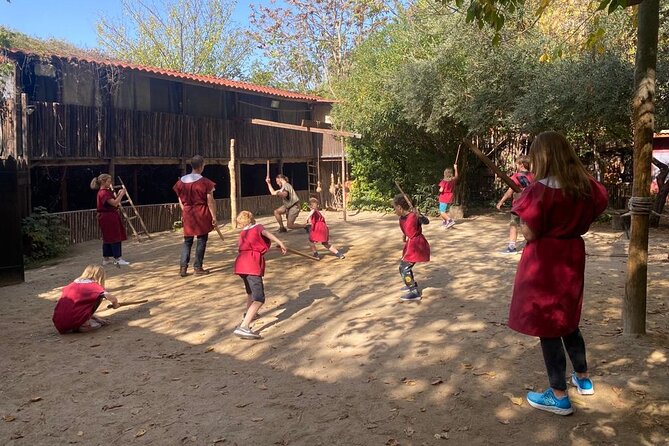
Reviewed · GLADIATOR EXPERIENCES
Roman Gladiator School: Learn How to Become a Gladiator
This is Rome with calloused hands. The Roman Gladiator School turns a history stop into hands-on training near the Colosseum, with you suiting up and learning real techniques. I also love the Gladiator School of Rome Museum side, because you see and handle weapons and artifacts before you fight. One note to consider: the school sits a bit outside the core area, and mosquitoes can be fierce, so plan for repellent.
You get a real class rhythm, not just a demo, and it runs about 2 hours with several lesson times. With a max group size of 15, you tend to get more direct attention from the instructors, who come from the Historic Group of Rome. Guides like Mirkos and Ivan are known for keeping the vibe funny while still teaching the Roman details.
If you want Colosseum energy plus activity, this hits the spot. If you prefer quiet, sit-down sightseeing only, you might find it too physical.
In This Review
- Key highlights you should clock fast
- Getting to Via Appia Antica 18, and why that location matters
- The museum first: gear, weapons, and context you can actually use
- Suiting up like a Roman gladiator: tunic, belt, gloves, rudis
- Sword and shield basics: offense, defense, and a lot of movement
- The arena finish: matches, optional tournament, and bragging rights
- The value equation: why this $108.16 price can work
- Lesson times, group size, and why the class style fits families
- Comfort and prep: shoes, bugs, and timing your day right
- Who should book this gladiator class?
- Should you book the Roman Gladiator School in Rome?
- FAQ
- Do I need to bring gladiator clothing or weapons?
- How long is the gladiator class?
- Where does the experience take place?
- Is museum admission included?
- What language is the class offered in?
- What is the minimum age for participants?
- Are friends and family allowed to watch?
- Is there an optional tournament?
- Is a drink included?
- How big are the groups?
- Is free cancellation available?
Key highlights you should clock fast
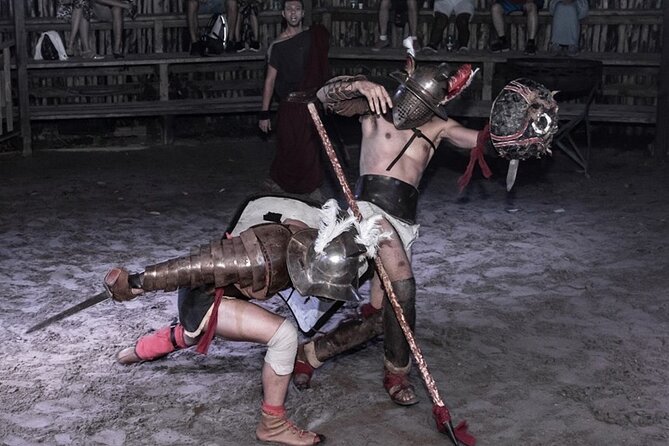
- Small-group training (max 15) means you spend less time waiting and more time learning
- Museum access included so you understand the gear before the action
- Costumes and weapons hire included for the full session
- Fights in the arena style wrap the lesson with matches and optional tournament play
- Friends can watch from a viewing platform, so it works well for families
- Instructors from the Historic Group of Rome bring reenactment authenticity to the lesson
Getting to Via Appia Antica 18, and why that location matters

The meeting point is Via Appia Antica, 18 (near the Appian Way), and the school grounds are close to the Colosseum area but not inside the busiest tourist core. That setup is part of the charm, because you feel like you’re stepping into a working reenactment space instead of a quick storefront show.
If you’re planning your day, treat this as a destination, not a last-minute add-on. In practice, you’ll be better off building in extra time to find the entrance, since some people note it can feel a little tricky to locate once you’re on the right property.
The good news: it’s near public transportation. So if you’re not using a taxi, you can still make it happen without stress. The reviews also flag mosquitoes, so plan to arrive covered and ready to apply repellent before you start training.
More arena drills to sign up for:

The museum first: gear, weapons, and context you can actually use
The lesson begins with museum time included in your ticket, at the Gladiator School of Rome Museum on site. This matters more than it sounds. Seeing helmets, weapons, and other artifacts first gives your brain something to attach the training to, so the moves feel less like play-acting and more like learning a system.
A big plus is that the museum portion isn’t just you walking past cases. You get an engaging guide-led experience, and some visitors mention the chance to interact with gear, which helps you understand what each piece is for.
Then the instructors connect the artifacts to what you’ll do later, so you’re not thrown into the arena with zero setup. That pacing is why this experience lands well for kids, adults, and history fans alike.
Suiting up like a Roman gladiator: tunic, belt, gloves, rudis

Once the museum foundation is in place, you get kitted out for the training. The costume includes a belt, tunic, leather gloves, and a training sword called a rudis. It’s a small detail until you’re wearing it, then you instantly understand the point: this is about role-play with a purpose.
The good value angle here is that clothing and weapons hire for the duration are included. You’re not expected to bring anything except yourself. That’s especially helpful if you’re doing a tight sightseeing schedule and don’t want to waste time hunting for gear.
You’ll also get guidance on how to handle the weapons safely and how to use them during drills. The overall feeling is “learning by doing,” and that helps the whole experience stay fun without turning into a random melee.
Sword and shield basics: offense, defense, and a lot of movement

After the costume comes the training segment. You’ll learn foundational gladiator sword-fighting skills, with instruction designed for beginners. People who arrived with zero experience often found the lesson encouraging and easy to follow, especially because trainers use humor and step-by-step cues to keep things moving.
Expect warm-ups and practical drills. Some groups describe agility work, obstacle-style training, and offense and defense instruction that builds from basics to match-ready skills. There are also references to mental exercises that help you get into the gladiator mindset, not just learn footwork and blade angles.
One thing I like about this format for families is that it doesn’t treat kids like spectators. The training is structured enough that young participants can still have real involvement while instructors keep the pace under control.
Introductions we still owe you around Rome
- Vatican: Museums & Sistine Chapel Entrance Ticket
★ 4.5 · 144,003 reviews - Vatican Museums & Sistine Chapel Tour with Optional Basilica
★ 4.3 · 67,413 reviews - Colosseum, Roman Forum & Palatine Guided Tour
★ 4.7 · 63,148 reviews - Vatican Museums, Sistine Chapel & St Peter’s Basilica Guided Tour
★ 4.5 · 39,149 reviews
The arena finish: matches, optional tournament, and bragging rights
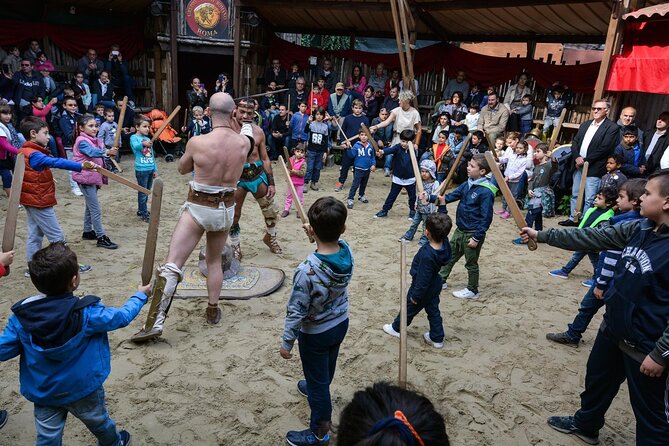
The last part of the lesson is the arena style fighting portion. You’ll fight in matches using training weapons and shields, with instructors guiding what you should do and when. This is usually the moment that turns a history activity into a core memory.
There’s also an optional tournament component, with a prize for the victor if the session includes it. Even if you’re not competing for the prize, the tournament format adds energy and gives the session a clear ending point.
At the close, everyone gets a certificate of accomplishment. It’s a simple touch, but it gives kids and adults something tangible to bring home, beyond just photos.
And if you’re traveling as a family or with friends, this part is designed to include your people. Friends and family can watch your class from the viewing platform, so they’re not stuck guessing what’s happening while you train.
The value equation: why this $108.16 price can work
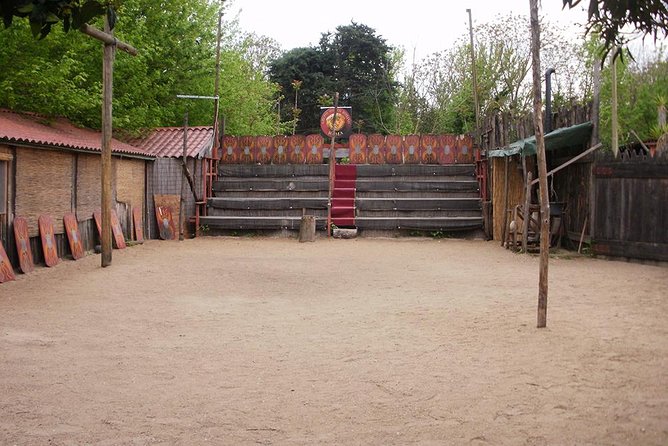
Let’s talk money and time without hand-waving. The price is listed at $108.16 per person for about 2 hours. On its face, it’s not cheap, especially if you’re comparing it to a museum ticket.
Here’s why it can still feel like good value: your ticket includes more than instruction. You also get the museum admission, the gladiator clothing and weapons hire, and the certificate. That combination is a big deal in a city where “hands-on” activities often charge extra for gear rentals.
The small-group size also matters for value. With a maximum of 15 travelers, you’re less likely to feel like a passenger in someone else’s show. You tend to get more direct corrections and support.
One small caution from real-world experiences: the lesson description says a drink is included, but at least one group noted they didn’t receive it as advertised. If you care about that part, it’s worth asking on arrival or checking with the instructor before training begins.
Lesson times, group size, and why the class style fits families
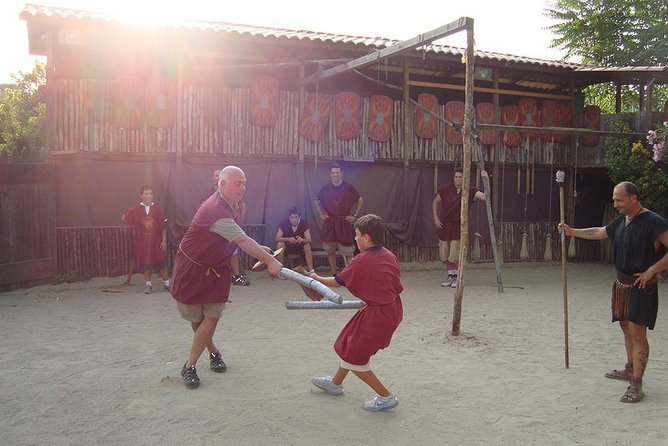
Lesson times are offered throughout the day, which is handy in Rome where you’re juggling museum hours, heat, and the rest of your route. With schedule flexibility, you’re more likely to book a time that fits your energy level.
Group size is capped at 15, and that is one of the most praised aspects of the experience. More attention means you waste less time standing around. It also helps instructors manage the pace so everyone stays engaged.
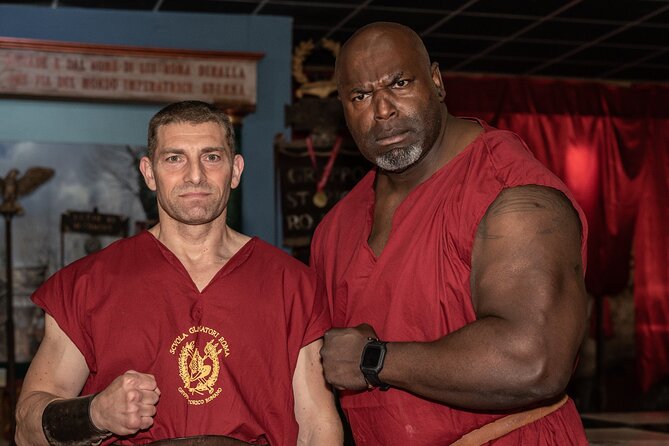
Guides like Mirkos and Ivan are specifically mentioned for being warm, funny, and attentive. Others are praised for mixing history facts with laughter and for keeping kids confident during the training. That matters because gladiator lessons can go one of two ways, either stiff and confusing or playful and chaotic. This one seems designed to land in the middle: structured enough to learn, energetic enough to enjoy.
Comfort and prep: shoes, bugs, and timing your day right
Come ready for physical activity. Wear comfortable shoes and clothes that can handle movement. Even if you think of yourself as a “museum person,” you’ll want flexibility for drills and arena fighting.
Two practical tips show up again and again:
- Bring mosquito repellent. Mosquitoes are called out directly, and people report getting bitten badly.
- Eat or plan a snack before you go. While the experience includes a drink, there aren’t strong food options nearby, so if you’re hungry later in the day, plan ahead.
Also, if you’re pairing this with a Colosseum visit, it works well as a follow-up. Many visitors say the Colosseum the day before helps them get into the role and understand the setting, especially for kids.
Who should book this gladiator class?
This is a strong fit for families with kids age 6 and up, especially if your group likes active days. It also works for teens who enjoy competitive games and for adults who want something more memorable than another line-free photo stop.
History fans benefit because the museum component adds context. You’re not just waving a sword. You’re learning what gladiators wore, why certain gear mattered, and how the instructors frame Roman combat and daily life.
If you’re traveling with mixed ages, this format helps. Parents get a break because the activity is structured. Kids get a role to play. And relatives can watch from the platform without interfering.
Should you book the Roman Gladiator School in Rome?
Book it if you want a hands-on, active experience near Rome that feels like a mini performance but still teaches real skills. The combination of museum time, costume and weapon hire, arena matches, and a certificate makes it more complete than many one-off “tour with a costume” attractions.
Skip it or think twice if you hate physical activities, you want a purely educational walking tour, or you’re sensitive to insects and sweat. Also, plan your logistics carefully since it’s a bit out from the most central feel of Rome.
If you’re on the fence, the free cancellation with a cutoff at least 24 hours before start time is a relief. You can hold off a little and decide based on how your day schedule is shaping up.
FAQ
Do I need to bring gladiator clothing or weapons?
No. Gladiator clothing and weapons hire are included for the duration of your lesson.
How long is the gladiator class?
It runs for about 2 hours.
Where does the experience take place?
It takes place at the Gladiator School of Rome on Via Appia Antica, 18, 00179 Roma RM, Italy.
Is museum admission included?
Yes. Admission to the Gladiator School of Rome Museum is included.
What language is the class offered in?
The experience is offered in English.
What is the minimum age for participants?
The minimum age is 6 years.
Are friends and family allowed to watch?
Yes. Friends and family can watch from the viewing platform.
Is there an optional tournament?
Yes. There is an optional tournament with a prize for the winner.
Is a drink included?
A drink is listed as included. One review notes an issue where no drink was received, so it may be smart to confirm at the start.
How big are the groups?
The class has a maximum of 15 travelers.
Is free cancellation available?
Yes. You can cancel up to 24 hours in advance for a full refund.
Just introduced: the newest Rome write-ups
- Rome Fiumicino Airport Transfer in Luxury Private Transportation★ 4.5 · 339 reviews
- Vatican: Pope Francis Tomb and Papal Basilicas Tour★ 4.7 · 340 reviews
- From Rome: Sorrento, Positano & Amalfi Coast Day Trip★ 4.5 · 340 reviews
- Rome: Guided Colosseum Underground Tour★ 4.8 · 342 reviews
- Colosseum Arena Floor, Roman Forum & Palatine Hill Guided Group Tour★ 5.0 · 343 reviews
- Rome: Small Group Rome’s Dark Side – Ghosts & Legends Tour★ 4.9 · 343 reviews
- Rome: City Highlights Electric Bike Tour★ 4.9 · 343 reviews
Gladiator Experiences, compared.
Colosseum Tour with Access to the Gladiator Arena
Read our review →
Gladiator’s Gate: Special Access Colosseum Tour with Arena Floor
Read our review →
Full Day Tour to Val d’Orcia and Gladiator’s Fields with Wines
Read our review →
Gladiator’s Gate and Arena Special Colosseum Access
Read our review →
Browse the lists this tour appears in