
Reviewed · MUSEUMS
Rome: Gladiator Show and Museum Tickets
One night and you feel the arena pulse.
This Rome gladiator show pairs a legionary museum visit with a live fight, dances, and Roman ritual moments set in a custom arena about 3.5 km from the Colosseum. You get the sights, the sound, and the feel of Roman performance done up for a night crowd, with enough humor and crowd work to keep it lively.
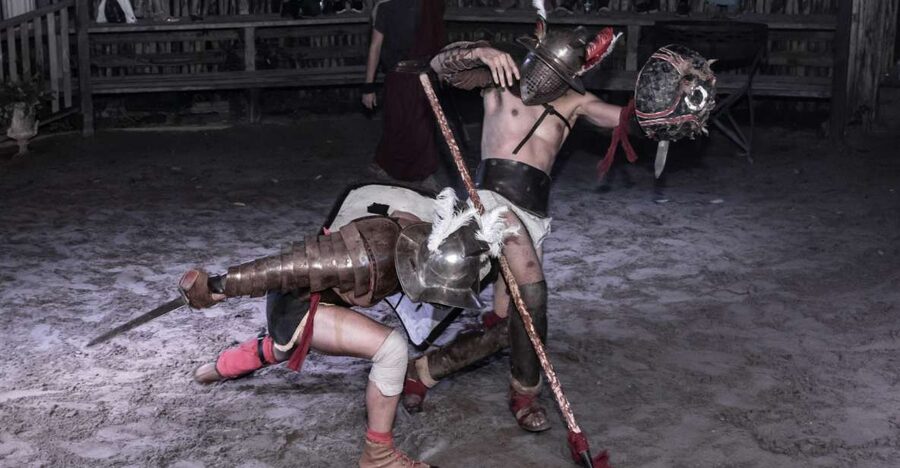
What I love most is the interactive energy. The reenactors use real weapons and armors, and the cast stays friendly and engaged before, during, and after the show, so it feels more like a staged evening in Roman times than a distant theater performance. My other big win is value: you’re paying for a full evening program, not just a quick spectacle, with museum time plus refreshments.
One thing to think about is logistics around dinner. The venue area is quieter and more isolated, so you may want to plan your meal either before the show or be ready for a short taxi hop afterward if buses stop running.
In This Review
- Key highlights worth showing up for
- The 90-minute format, and why it works
- Museo storico – didattico del legionario romano, what you’ll actually do there
- The armory cocktail moment, why it matters
- The arena show: fight, dances, rites, and pantomime
- Audience interaction: fun, not just a gimmick
- Authenticity, and how to read the violence
- Value for $29: what you’re paying for
- Getting there: 3.5 km from the Colosseum, plus a heads-up on the area
- Before the show: how to pace yourself
- Is it good for families and kids?
- Best types of travelers for this evening
- When it runs: May to September
- Should you book this Rome gladiator show?
- FAQ
- Where is the meeting point for the Rome gladiator show?
- How long is the experience?
- What time does the entry happen?
- How far is the venue from the Colosseum?
- What is included with the ticket?
- Is there a cocktail included?
- Are photos allowed during the show?
- Is the venue wheelchair accessible?
- When does the show run?
- Is free cancellation available?
Key highlights worth showing up for
- Historical reenactors in real armor and with real weapons, not just costumes on a stage
- Museum time at Museo storico – didattico del legionario romano, plus a guided-style intro to the evening
- Audience participation that can genuinely change the vibe of the show
- A full Roman program, including gladiator fight, ancient dances, Vestals rites, and pantomime
- Photos are allowed throughout, so you can actually capture the moment
- Location runs close to the Colosseum area, but expect some “get there, then get back” planning
The 90-minute format, and why it works
This experience is designed as a tight, satisfying evening. You’re in and out in about 1.5 hours, starting with entry at 20:45 and wrapping around 22:00. That timing is perfect for people who want an evening activity without sacrificing a whole dinner slot.
The structure is also smart. You don’t go straight into fighting. You start with a museum-style visit at Museo storico – didattico del legionario romano, then you settle into the arena for the performance. That order makes the show make more sense, because you first learn what a legionary is, then you watch Roman fighters and rituals play out in front of you.
More arena drills to sign up for:


Museo storico – didattico del legionario romano, what you’ll actually do there
The museum component is the quiet setup that makes the performance land. You get access to the Museo storico – didattico del legionario romano and time to look around before the show hits its peak. Think of it as “learn enough to enjoy everything,” rather than a slow, deep museum crawl.
You’ll also get a pre-show feel with Roman-themed atmosphere. Some evenings include a host-style presentation before the arena portion, and you’ll have a chance to snack while you listen. The museum time is also where you can get your bearings fast, especially if gladiator history isn’t your main focus.
A practical note: the museum area can feel busy if your group is large, so if you’re hoping to read every label up close, arrive with flexible expectations. It’s still useful, just not a wide, peaceful gallery like the big museum sites.
The armory cocktail moment, why it matters
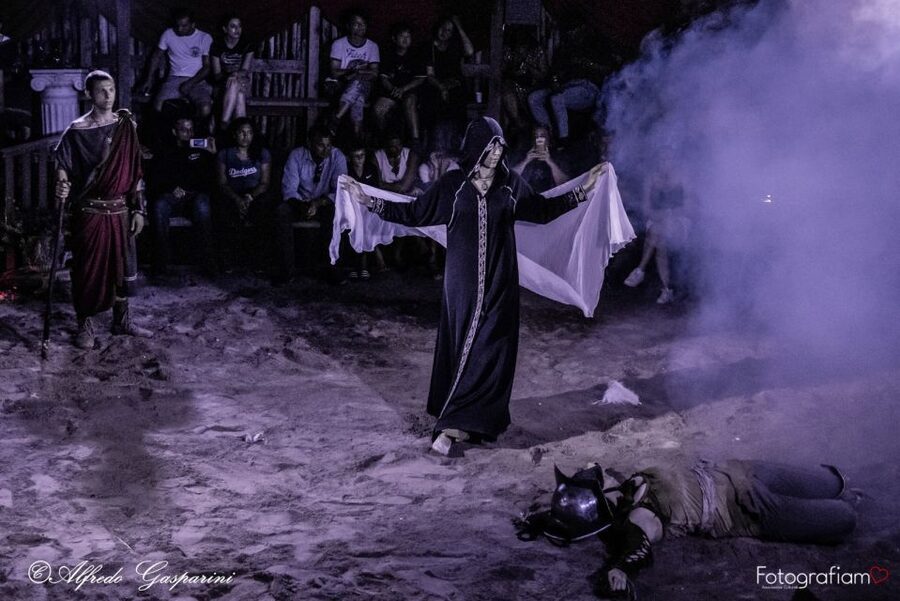
There’s time for a cocktail in the Armory of the Legion as part of the program. For me, this is more than a free drink moment. It sets the tone that the whole night is staged like a Roman event, with the cast treating it as an occasion, not just a performance block.
You may also find refreshments built into the evening flow, and the vibe is friendly rather than formal. If you’re traveling with family or mixed ages, this is a good “everyone can relax for a minute” stop before the action ramps up.
The arena show: fight, dances, rites, and pantomime
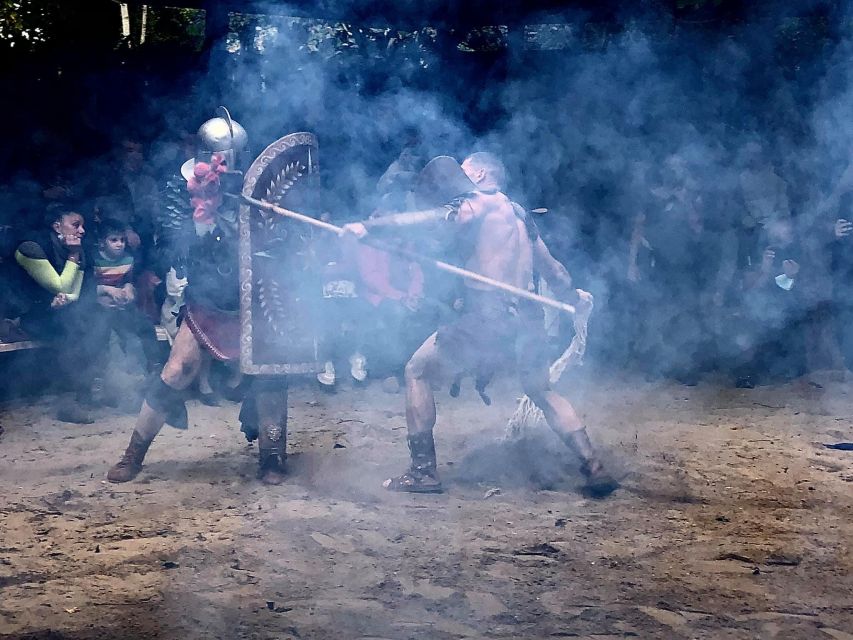
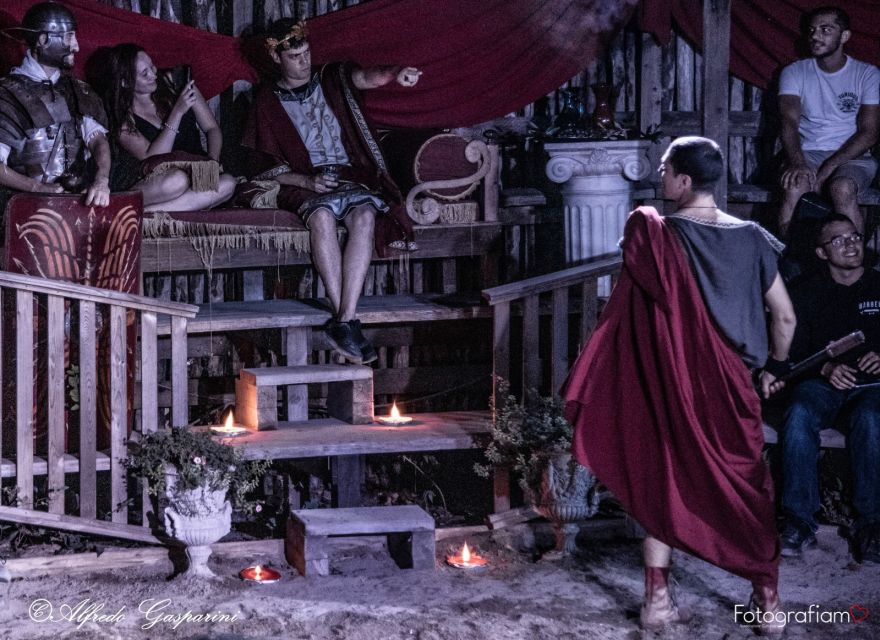
This is the main event, and it runs like a Roman entertainment program with multiple segments. The lineup includes a gladiator fight, ancient dances, Vestals rites, and pantomime. There’s even a warm-up comedy-style moment before the serious swordplay portion kicks in.
The big reason this show gets repeat love is the realism. It’s performed by historical reenactors, using real weapons and armors. That detail changes how the whole thing feels. The costume work isn’t just decorative, and the fight choreography is quick, forceful, and visually convincing.
You should also expect audience interaction. The cast works the crowd, and if you’re the type who likes to participate, you’ll likely get pulled in at least once. Even if you keep your hands to yourself, you’ll feel the energy rise as the show includes the room, not just the performers.
More museum halls from Turin to Palermo:
- Vatican: Museums & Sistine Chapel Entrance Ticket
★ 4.5 · 144,003 reviews - Vatican Museums & Sistine Chapel Tour with Optional Basilica
★ 4.3 · 67,413 reviews - Vatican Museums, Sistine Chapel & St Peter’s Basilica Guided Tour
★ 4.5 · 39,149 reviews - Rome: Vatican Museums, Sistine Chapel & Basilica Tour
★ 4.3 · 13,872 reviews
Audience interaction: fun, not just a gimmick
A lot of shows say they’re interactive. This one actually behaves that way. During the performance, the host and cast encourage crowd involvement, and the tone leans playful and energized.
In practical terms, that means a few things for your planning:
- Keep your phone ready for photos, since this is not a silent, rule-heavy theater environment.
- Don’t treat it like a sit-and-watch only event. It’s closer to “you’re part of the arena night.”
- If you bring kids, it can be a great outlet for energy, because the show often encourages response and participation.
It’s also the part where the cast’s personality matters. The reenactors tend to stay friendly and accessible, which helps the evening feel human and warm even when the fighting segment turns intense.
Authenticity, and how to read the violence
Let’s be honest: this is a gladiator fight reenactment, and it can look intense. Some moments may feel so real that you might momentarily forget it’s choreographed.
At the same time, the show is not presented as a modern blood-and-gore spectacle. The goal is Roman-style combat theater paired with ritual and performance. The costumes, rhythm of the fight scenes, and the dramatic presentation are what sell the authenticity.
My advice: watch it like a historical performance. Enjoy the skills, the staging, and the theater craft. If you’re sensitive to “near-real” fight choreography, you can still have a good time, but you’ll probably want to sit where you can comfortably observe the action without feeling too close to it.
Value for $29: what you’re paying for
At $29 per person, this isn’t priced like a tiny add-on. You’re buying:
- Entry to the museum visit (Museo storico – didattico del legionario romano)
- The full arena show with multiple segments (fight, dances, rites, pantomime)
- Time for Roman-themed refreshments, plus the armory cocktail portion of the program
- A cast that works the room, plus permission to take pictures
So the value equation is simple. You’re not paying only for 15 to 20 minutes of fighting. You’re paying for a complete evening package that uses history as the framework, not as a background decoration.
If you’re comparing it to spending the same money on a standard ticketed show without a museum component, the added museum and refreshment segments make it easier to justify. If you want a pure gladiator-only spectacle with no learning and minimal audience involvement, you might feel it’s slightly more than you asked for. Most people seem to like the blend.
Getting there: 3.5 km from the Colosseum, plus a heads-up on the area
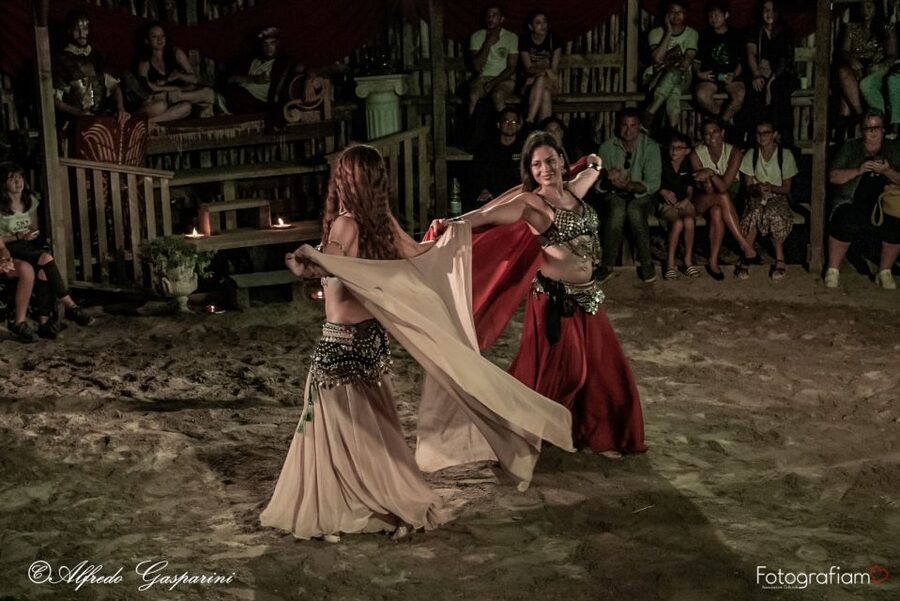
The venue is about 3.5 km from the Colosseum, but it is not located in the same “walk out and find a restaurant” zone as the big attractions. That matters.
Here’s how it plays out:
- You’ll likely use bus or taxi rather than a long scenic walk from central sights.
- After the show ends around 22:00, you might find it harder to get convenient public transport back, depending on the night and schedule.
One helpful practical tip: buses 118 and 218 can get you close, with roughly a 5-minute walk to the venue. Taxis are also supported in a friendly way. The cast and staff can help you line up a ride at the end, which is a real relief when you just want the night to flow and not turn into a frantic cab hunt.
Before the show: how to pace yourself
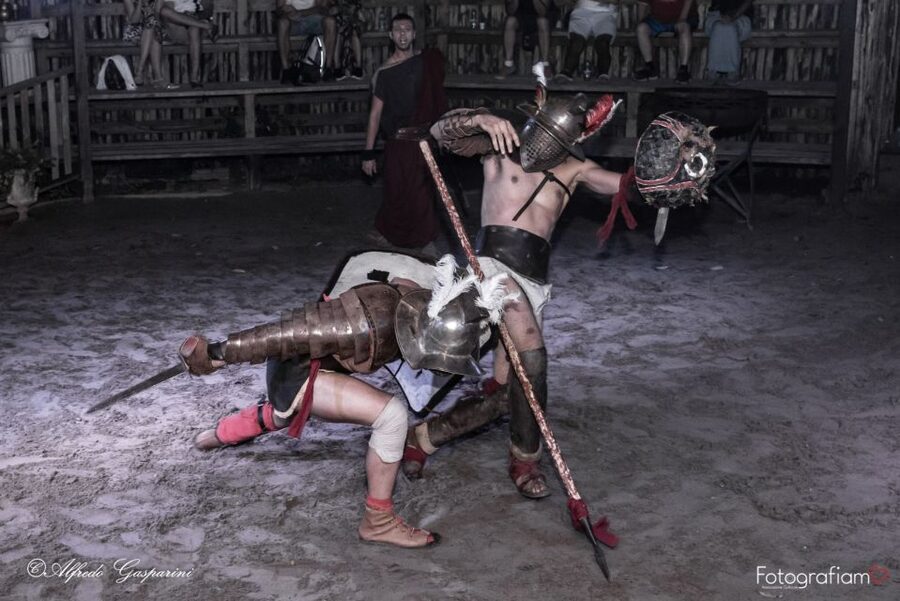
Give yourself a little buffer. Entry is at 20:45, so you want to be there early enough to settle and enjoy the museum segment without rushing.
If you’re coming from central Rome, plan your day so you are not sprinting from a major site straight to the arena. This event works best when you arrive calm. You’ll get more out of the pre-show museum time, and the host-style setup is part of the charm.
Also, since it is an evening show, don’t assume it replaces a full dinner. The refreshment portion is an appetizer-style add-on, not a proper meal. If you want a full dinner, schedule it either before you head over or be ready to taxi to restaurants after.
Is it good for families and kids?
Yes, it’s a strong family option. The show is designed for mixed ages, and the crowd work and humor are real parts of the entertainment. Kids can enjoy the costumes, the pacing, and the participation moments, while adults get the action and the Roman context.
The one caution is about the fight intensity. The choreography can look convincingly violent, so if you’re bringing very young kids who get scared easily, consider your child’s temperament. For most families, though, it’s a fun, structured night that feels different from the usual museums.
Best types of travelers for this evening
I think this works especially well if you:
- Want a night activity that is history-themed but actually entertaining
- Like hands-on experiences with performers, not just a passive seat in a dark room
- Travel with family or a mixed group where adults and kids need different kinds of fun
- Prefer smaller, local-style shows over huge tourist theater productions
If you’re the kind of visitor who only wants strict museum accuracy and zero performance flair, you may find the show style a little theatrical. But if you want Roman life portrayed through reenactment and performance, you’re in the right place.
When it runs: May to September
The show runs from maggio to settembre. The dates for 2026 are listed for the season, so if you’re planning for next year, check the available evenings tied to that period.
This seasonal window is important. If your Rome trip falls outside those months, you won’t be able to count on this option.
Should you book this Rome gladiator show?
I’d book it if you want a fun Roman night that includes more than one thing. You’re not just watching fighting. You’re also getting museum time, Roman performance segments, photo opportunities, and that armory cocktail moment that keeps the evening feeling like a complete event.
I’d skip it if you dislike audience participation or you’re trying to build your whole evening around a full dinner close to the venue. The area is quieter and more isolated than the central attraction core, so plan transport and food accordingly.
If you do book, my top advice is simple: schedule it so you can arrive without stress, and plan your return ride. Once you’re settled, this is the kind of evening where the arena energy is the point, and the reenactors make sure you feel part of the show.
FAQ
Where is the meeting point for the Rome gladiator show?
Look for Rome Gladiator School, Gruppo Storico Romano.
How long is the experience?
The event lasts about 1.5 hours.
What time does the entry happen?
Entrance is at 20:45, with the event ending around 22:00.
How far is the venue from the Colosseum?
The venue is about 3.5 km from the Colosseum.
What is included with the ticket?
Your ticket includes a museum visit and the gladiator show.
Is there a cocktail included?
The program includes a cocktail in the Armory of the Legion.
Are photos allowed during the show?
Yes, you can take all the pictures you want.
Is the venue wheelchair accessible?
Yes, it is wheelchair accessible.
When does the show run?
Shows take place from maggio to settembre, with dates listed for 2026.
Is free cancellation available?
Yes, you can cancel up to 24 hours in advance for a full refund.
More Show in Rome
- Rome: Welcome To Rome Immersive Multimedia Show
★ 4.6 · 3,161 reviews - Glass Blowing Show Visit Murano Glass Factory & Showroom OMG
★ 4.2 · 679 reviews - Murano Island Glassblowing Show – Made in Italy Art & Walk
★ 4.5 · 227 reviews
Just introduced: the newest Rome write-ups
- Excavation Tour to the Tomb of St. Peter’s & St. Peter’s Basilica★ 4.0 · 183 reviews
- Imperial Rome and External Colosseum Tour★ 5.0 · 183 reviews
- Rome: Rooftop Cooking Class with Wine Tasting near Vatican★ 5.0 · 184 reviews
- Rome to Civitavecchia Cruise Port Transfer★ 5.0 · 184 reviews
- Ancient Rome and Colosseum Private Tour with Underground Chambers and Arena★ 4.5 · 184 reviews
- Rome: Vatican Museums & Sistine Chapel Skip-the-Line Ticket★ 4.1 · 185 reviews
- Borghese Gallery Max 6 People Tour: Baroque & Renaissance in Rome★ 5.0 · 185 reviews
Museums, compared.
Vatican: Museums & Sistine Chapel Entrance Ticket
Read our review →
Vatican Museums & Sistine Chapel Tour with Optional Basilica
Read our review →
Vatican Museums, Sistine Chapel & St Peter’s Basilica Guided Tour
Read our review →
Skip-The-Line Uffizi Gallery Timed Entry Ticket
Read our review →
Vatican Museums, Sistine Chapel & Basilica Tour
Read our review →
Vatican Museums & Sistine Chapel Skip-the-Line Entry Ticket
Read our review →Vatican Museums, Sistine Chapel & Basilica Tour
Read our review →
Vatican Museums & Sistine Chapel Guided Tour
Read our review →Browse the lists this tour appears in