
Reviewed · UNDERGROUND & CATACOMBS TOURS
Rome: Catacomb of St. Callixtus and Appian Way Guided Tour
Rome is all golden light and big stones above ground. This tour gives you the other side, the tufa-rock tunnels where early Christians kept burying their dead, long before Rome became the Rome you see in photos.
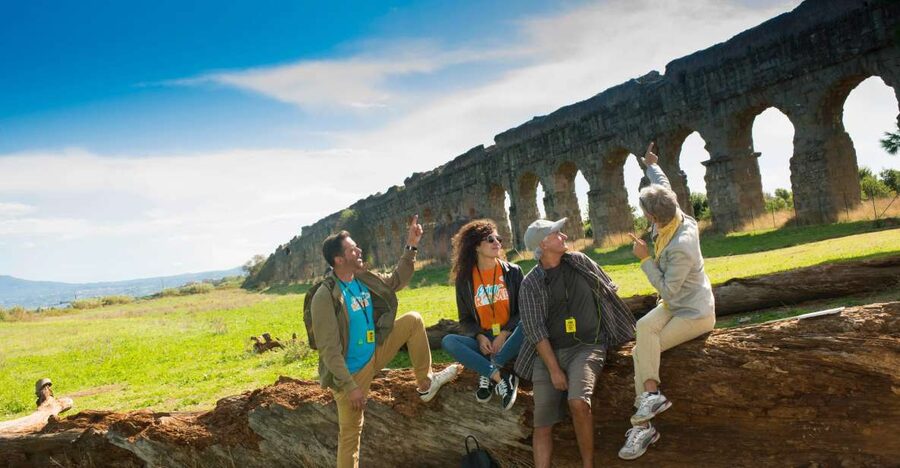
I especially like the focused mix of St. Callixtus catacombs plus the walk on the Appian Way. And I like that you get real guided interpretation with headsets, so you do not miss the small details underground and while you’re outdoors under aqueduct arches.
One drawback to think about: this is not an easy stop for everyone. The catacombs include tight spaces and the tour is not wheelchair accessible, plus you must follow the no-shorts, no-sleeveless rule for worship areas.
In This Review
- Key Things I Think You’ll Love
- First Stop: Via Cavour 224 and the Ride Out of the Center
- What you can do while you wait
- Catacombs of St. Callixtus and the Crypt of the Popes
- The one rule that changes the whole vibe
- What You’ll See Underground: Niches, Sarcophagi, and Early Christian Art
- If you hate tight spaces, take this seriously
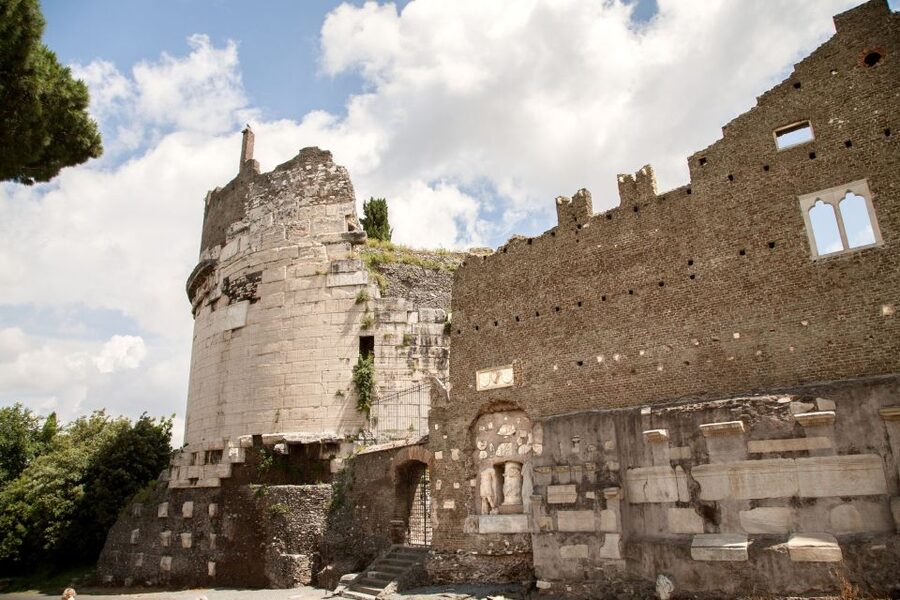
- Cecilia Metella Mausoleum Exterior: A Pause That Adds Perspective
- Why seeing it from the outside makes sense
- Walking a Portion of the Appian Way Like a Roman Soldier
- A useful tip for comfort
- Parco degli Acquedotti Views: Aqueduct Engineering You Can Read
- What to watch for while you walk
- Guides, Headsets, and the Human Touch (Catia and Mario Stand Out)
- Small-group pacing is the real luxury
- Price and Value: Is $80 for 3 Hours Worth It?
- Who this tour fits best
- Who Should Avoid It, and Who Should Book
- Quick decision checklist
- FAQ
- Where is the meeting point and what time should I arrive?
- How long is the tour?
- What is included in the $80 price?
- Does the tour include skip-the-ticket-line entry?
- Are photos allowed in the catacombs?
- What clothing is required?
- Is the tour wheelchair accessible?
- Can I cancel and get a refund?
- Should I book this Rome catacombs and Appian Way tour?
Key Things I Think You’ll Love
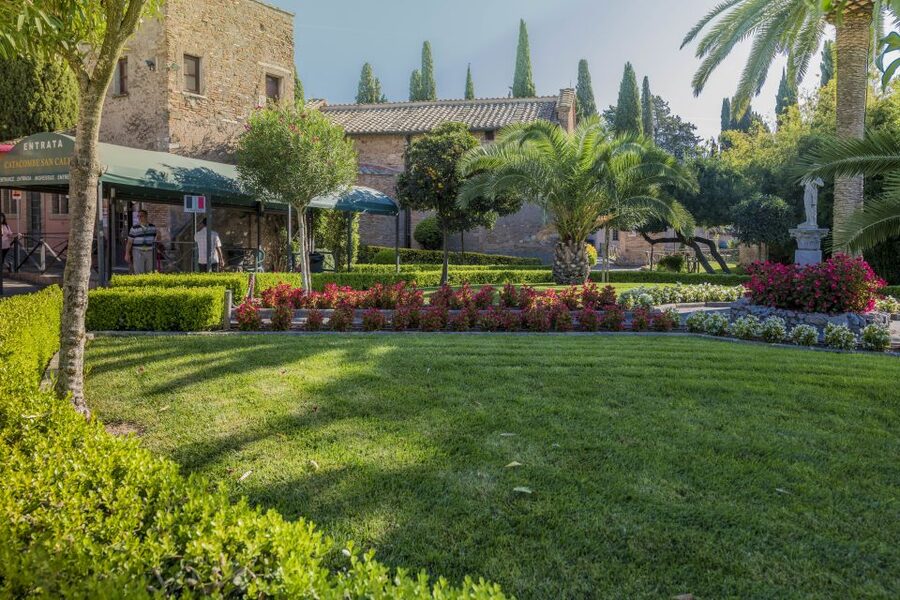
- Catacombs of St. Callixtus and the Crypt of the Popes for early Christian burial settings
- No stress transportation between sites, handled by the tour with return transfer
- Appian Way walking on old roadway stones, with aqueducts overhead
- Mausoleum of Cecilia Metella exterior views as a classic Rome-without-the-crowd pause
- Parco degli Acquedotti aqueduct viewpoints for big engineering you can actually see and walk to
First Stop: Via Cavour 224 and the Ride Out of the Center
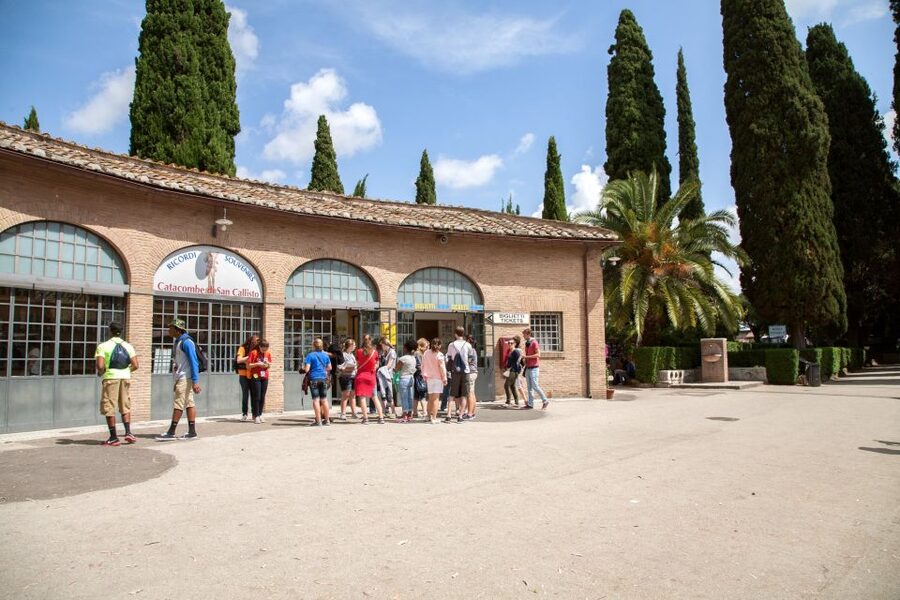
You meet at the bus stop on Via Cavour 224, near the Cavour Metro station (Line B). Plan to arrive about 25 minutes early so you can check in, get your headsets, and settle before the group boards.
The early drive matters more than you might think. Once you’re away from central Rome, the tone changes, you trade crowds for quieter roads and countryside air, and you start building the right mindset for the catacombs, burial niches, and old stone paths ahead.
Further under Rome’s streets:

What you can do while you wait
If you’re early, use that time to double-check your outfit for the dress rules and remember that catacombs photography is not permitted. That way, you’re not scrambling once you step into the worship-related areas.
Catacombs of St. Callixtus and the Crypt of the Popes
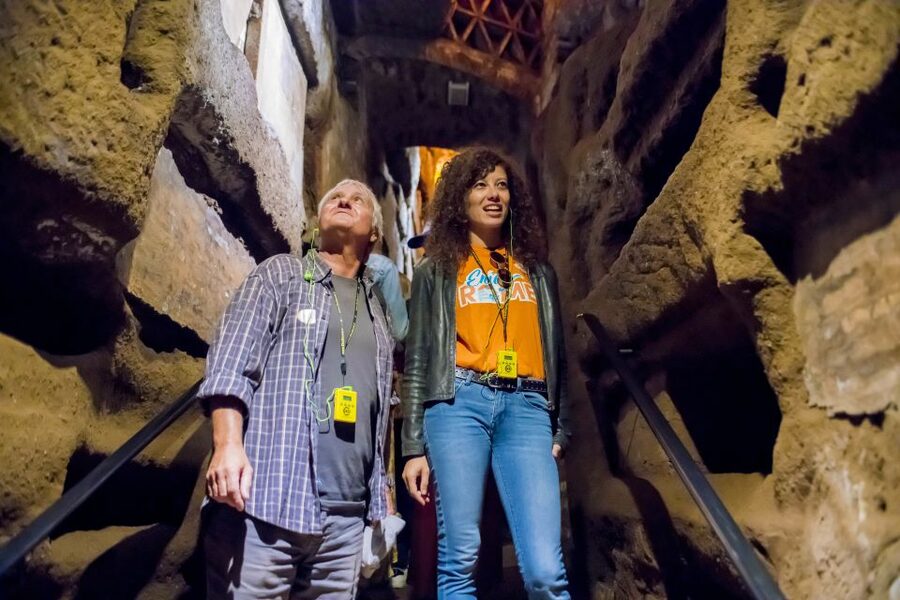
This is the core of the experience: a guided visit to the Catacombs of St. Callixtus. You walk through burial chambers carved in friable tufa rock, then shift to the Crypt of the Popes, a space tied to early Church history and some of the most meaningful Christian art you’ll see on this side of Rome.
The catacombs have a practical advantage during hot months too. People often notice that the underground temperatures feel cooler than the streets above, which turns a sweltering Rome day into something more tolerable without feeling like you’re rushing.
The one rule that changes the whole vibe
No photos are allowed in the catacombs. It’s a restriction, yes, but it also helps you slow down and actually look at the early Christian symbols and burial layout rather than turning everything into a phone screen moment.
Introductions we still owe you around Rome
- Vatican: Museums & Sistine Chapel Entrance Ticket
★ 4.5 · 144,003 reviews - Vatican Museums & Sistine Chapel Tour with Optional Basilica
★ 4.3 · 67,413 reviews - Colosseum, Roman Forum & Palatine Guided Tour
★ 4.7 · 63,148 reviews - Vatican Museums, Sistine Chapel & St Peter’s Basilica Guided Tour
★ 4.5 · 39,149 reviews
What You’ll See Underground: Niches, Sarcophagi, and Early Christian Art
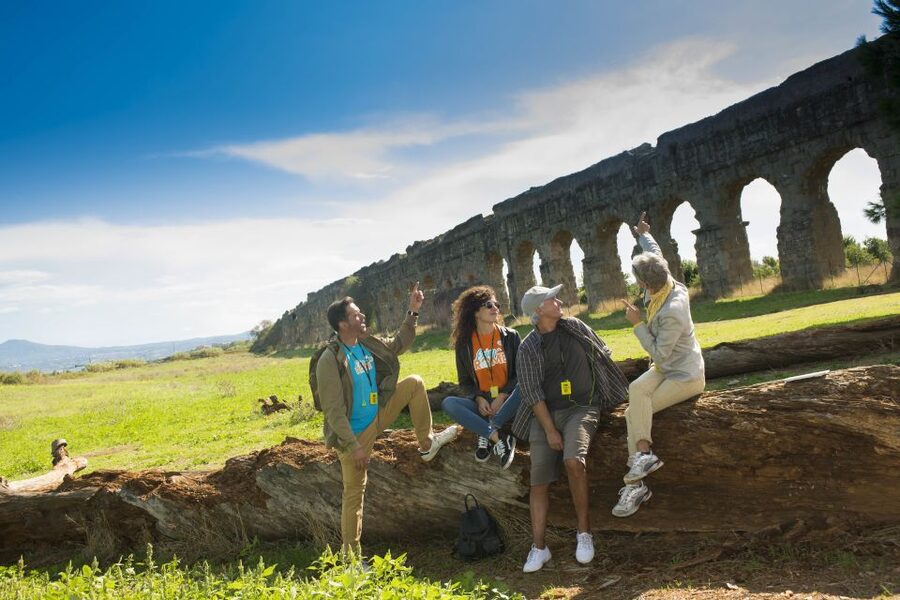
The tour is built around more than walking corridors. You get to recognize how the underground system worked, with burial niches, sarcophagi, and walls marked by ancient religious drawings.
As Christianity grew in Rome, it became necessary to handle the burial of larger numbers of people who did not have money for elaborate tombs. The solution was right there in the city’s geology: layers of carved spaces spread across catacomb complexes over time, from the 2nd to the 5th centuries. You do not need a doctorate to follow the story, your guide connects the physical spaces to the social reality.
One especially memorable emotional note from the experience is the connection to St. Cecilia. In this route, you may encounter the replica tomb of St. Cecilia, which can feel unexpectedly moving compared to the more factual tone of the architecture talk.
If you hate tight spaces, take this seriously
This catacomb portion is not recommended if you have severe claustrophobia. Even if you’re not totally afraid, expect narrow passages and enclosed areas that can feel intense.
Cecilia Metella Mausoleum Exterior: A Pause That Adds Perspective
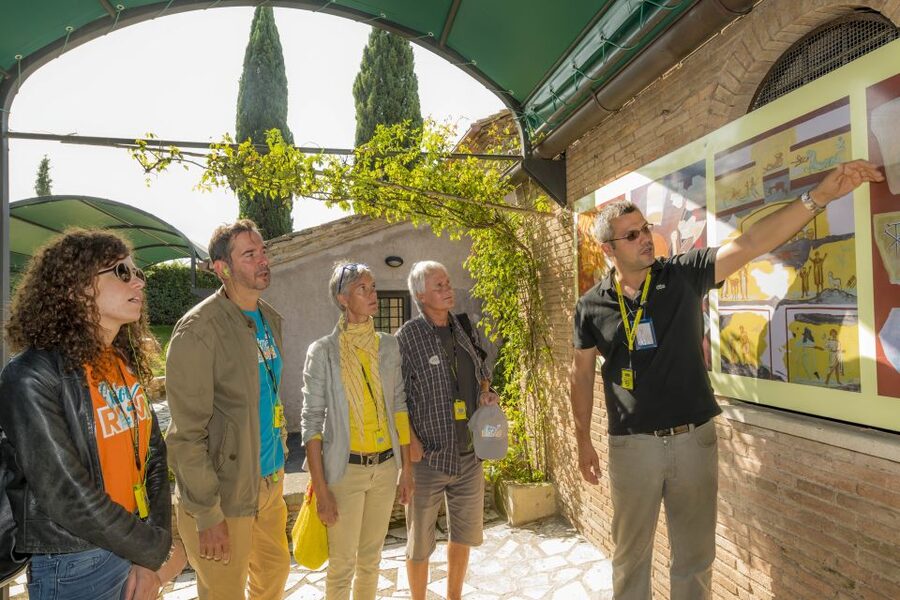
After the underground, you’ll see the exterior of the Mausoleum of Cecilia Metella. This stop works like a visual reset, because you go from carved darkness to the outdoors, from early Christian burial mechanics to monumental Roman statements.
It also helps you understand the timeline. The catacombs show the practical, layered burial solution for ordinary people. The mausoleum represents a different scale of wealth and power, still part of the wider Roman world that later Christians lived alongside.
Why seeing it from the outside makes sense
This tour focuses on the meaning and placement of the site rather than an extended interior visit. The time stays tight, so you can keep your energy for the Appian Way walk and the aqueduct park.
Walking a Portion of the Appian Way Like a Roman Soldier
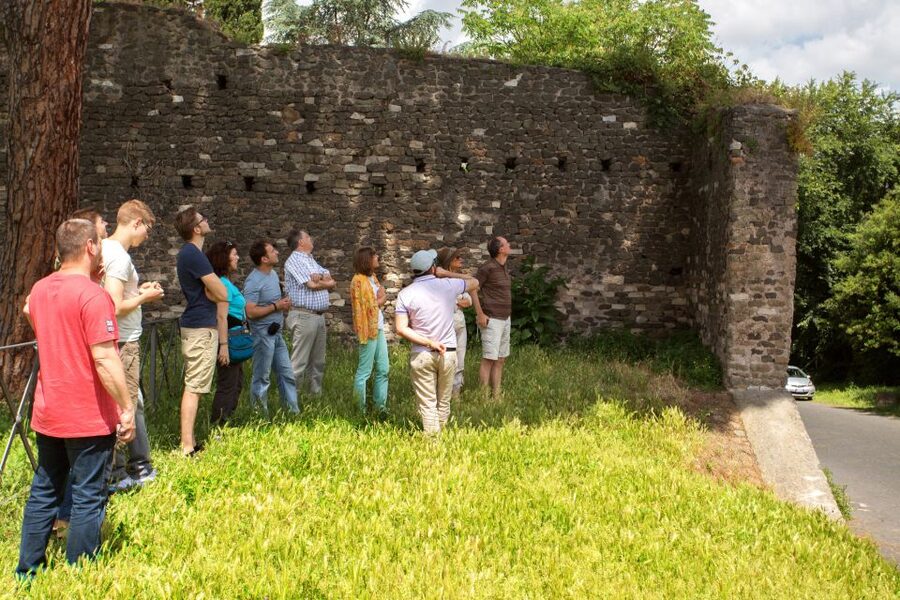
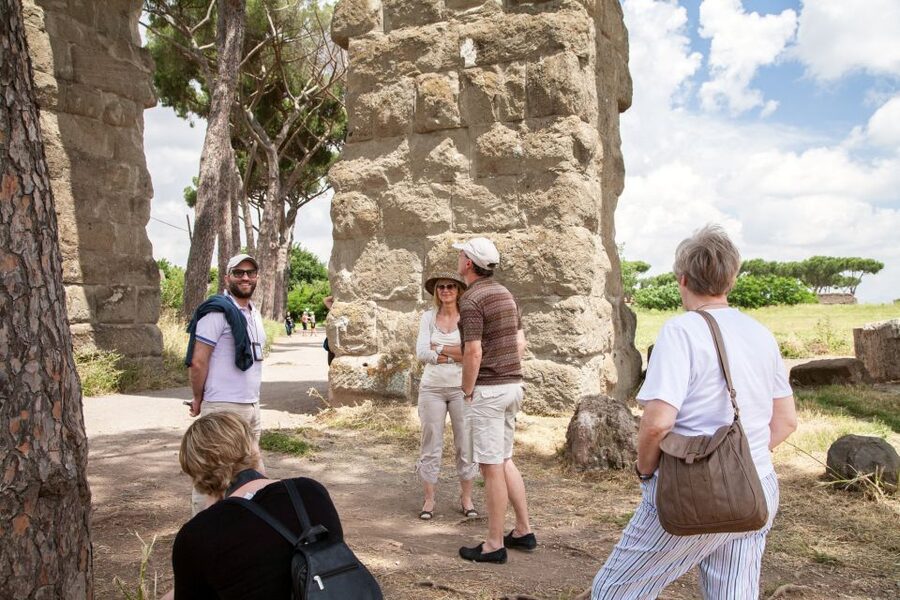
Then you shift to legs-on-stone time: a walk on a stretch of the Appian Way. It’s not a long trek across all of it, but it’s enough to feel what makes this road famous, the uneven ancient surface and the sense of moving along a corridor Rome once used for movement, logistics, and reach.
Guides often frame the walk with vivid context. You may even experience the effect of marching rhythm and group spacing, like moving in a column, which helps you feel how the road functioned in ancient times instead of treating it like a simple photo stop.
A useful tip for comfort
Wear shoes that grip well. Even a “short” walk on old stones is still old stones, and the route includes steps and uneven ground as part of getting between areas.
Parco degli Acquedotti Views: Aqueduct Engineering You Can Read
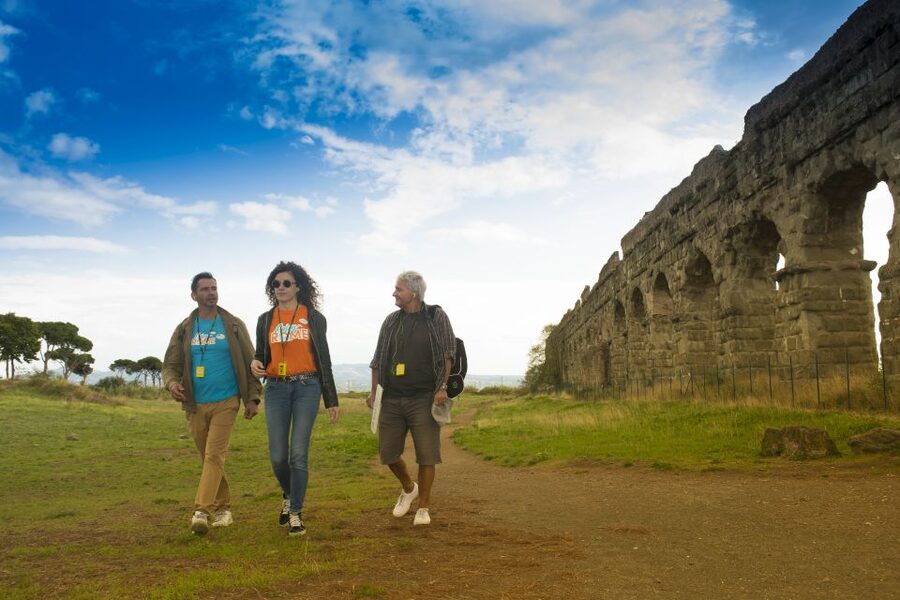
The last big visual payoff is the aqueduct park and its viewpoints. The walking portion gives you open-air sightlines to massive structures built to carry water with astonishing precision.
This is where the tour earns its “not just another Rome tour” label. In the city center, aqueducts can look like fragments. Here, you can step into the relationship between arches, scale, and distance, and you can actually see the engineering logic from a comfortable walking path.
People also mention the driving approach can feel tight and slightly dramatic as the vehicle passes near structures and under bridges. It’s not the main attraction, but it adds a “close to the action” feeling before you step out to look.
What to watch for while you walk
Look for alignment and repetition. When you can see multiple arches in sequence, the whole purpose becomes obvious fast, water must flow, and Rome built pathways that could survive centuries.
Guides, Headsets, and the Human Touch (Catia and Mario Stand Out)
A huge part of the tour’s success is how the guides tell the story. Names that show up with strong praise include Catia for engaging, detailed explanations and Francesca and Marije for storytelling that keeps people moving at a good pace. A driver like Mario is often highlighted too, especially for getting through Rome traffic smoothly.
Even the headset setup matters. You’re using headsets during the tour, so you can hear the guide clearly on bus transfers and in louder outdoor stretches. That makes a difference in how much you remember later, because the guide’s linking of catacombs, burial reasons, and aqueduct engineering actually lands.
Small-group pacing is the real luxury
Many people comment on how the day does not feel like a cattle call. When the group stays manageable, you get time to absorb, ask questions, and do the next stop without feeling rushed.
Price and Value: Is $80 for 3 Hours Worth It?
At $80 per person for a 3-hour guided experience, this is not the cheapest thing you can do in Rome. But it is also not trying to compete with a self-guided museum ticket.
You are paying for several things that add up fast:
- Transportation from and back to the meeting point
- A guided catacomb visit with proper entrance and booking fees
- Skip-the-ticket-line handling
- Headsets so you hear the guide during transit and inside sites
- A planned route that combines three major “Roman outside the center” experiences, catacombs, Appian Way, and aqueducts
I think the best value is the combination. Catacombs alone can feel like a one-note activity. Add the Appian Way walk and the aqueduct park, and the day turns into a broader story about how Rome handled death, movement, and water.
Who this tour fits best
This works well for history-minded visitors who want a break from the biggest Rome crowds. It also suits people who like structure, because the logistics are handled, and your guide keeps the flow moving across sites.
Who Should Avoid It, and Who Should Book
Book this if you want a memorable contrast to the Vatican, Colosseum, and Forum circuits. You get a quieter, more reflective setting underground, then a calm shift into countryside roads and open-air aqueduct views.
Skip it or look for an alternative if you have:
- Severe claustrophobia
- Trouble with steps and uneven ground
- A strict need for wheelchair access, because the tour is not wheelchair accessible
Also plan your clothing in advance. Shorts and sleeveless tops are not allowed, and shoulders and knees must be covered in worship areas.
Quick decision checklist
If you’re okay with a guided walking portion and you want early Christian context you cannot easily DIY, you’ll likely be happy. If you want flexible pacing and lots of photo time underground, this route will feel limiting because photography is not permitted inside the catacombs.
FAQ
Where is the meeting point and what time should I arrive?
The meeting point is at the bus stop on Via Cavour 224, near the Cavour Metro station (Line B). Arrive about 25 minutes before the tour departure time.
How long is the tour?
The tour lasts 3 hours.
What is included in the $80 price?
The price includes transport from and to the meeting point, a 3-hour guided tour, the guided tour to the Catacombs of St. Callixtus, entrance and booking fees, and headsets.
Does the tour include skip-the-ticket-line entry?
Yes, it includes skip-the-ticket-line access.
Are photos allowed in the catacombs?
No. Photography is not permitted in the catacombs.
What clothing is required?
Proper dress is required for places of worship. Shorts, short skirts, and sleeveless shirts are not allowed, and shoulders must be covered. Skirts or trousers must be below knee-level for ladies.
Is the tour wheelchair accessible?
No. The tour is not wheelchair accessible.
Can I cancel and get a refund?
Yes. Free cancellation is available up to 24 hours in advance for a full refund.
Should I book this Rome catacombs and Appian Way tour?
If you want a guided day outside central Rome that links early Christian burial sites to the Appian Way and aqueduct engineering, this is a strong choice for a short, well-structured 3-hour outing. If you are claustrophobic or need wheelchair access, you should choose a different option.
Just introduced: the newest Rome write-ups
- Rome Fiumicino Airport Transfer in Luxury Private Transportation★ 4.5 · 339 reviews
- Vatican: Pope Francis Tomb and Papal Basilicas Tour★ 4.7 · 340 reviews
- From Rome: Sorrento, Positano & Amalfi Coast Day Trip★ 4.5 · 340 reviews
- Rome: Guided Colosseum Underground Tour★ 4.8 · 342 reviews
- Colosseum Arena Floor, Roman Forum & Palatine Hill Guided Group Tour★ 5.0 · 343 reviews
- Rome: Small Group Rome’s Dark Side – Ghosts & Legends Tour★ 4.9 · 343 reviews
- Rome: City Highlights Electric Bike Tour★ 4.9 · 343 reviews
Underground & Catacombs Tours, compared.

Naples Underground Entry Ticket and Guided Tour
Read our review →
Colosseum: Underground and Ancient Rome Tour
Read our review →
Catacombs of San Gennaro Entry Ticket & Guided Tour
Read our review →
Crypts and Catacombs Underground Tour with Transfers
Read our review →
Expert Guided Tour of Colosseum Arena OR Underground, and Forum
Read our review →
The Original Roman Crypts and Catacombs Tour with Transfers
Read our review →
Colosseum Underground Small Group Guided Tour
Read our review →Browse the lists this tour appears in