
Reviewed · UNDERGROUND & CATACOMBS TOURS
Rome: Catacombs of St. Callixtus Entry Ticket & Guided Tour
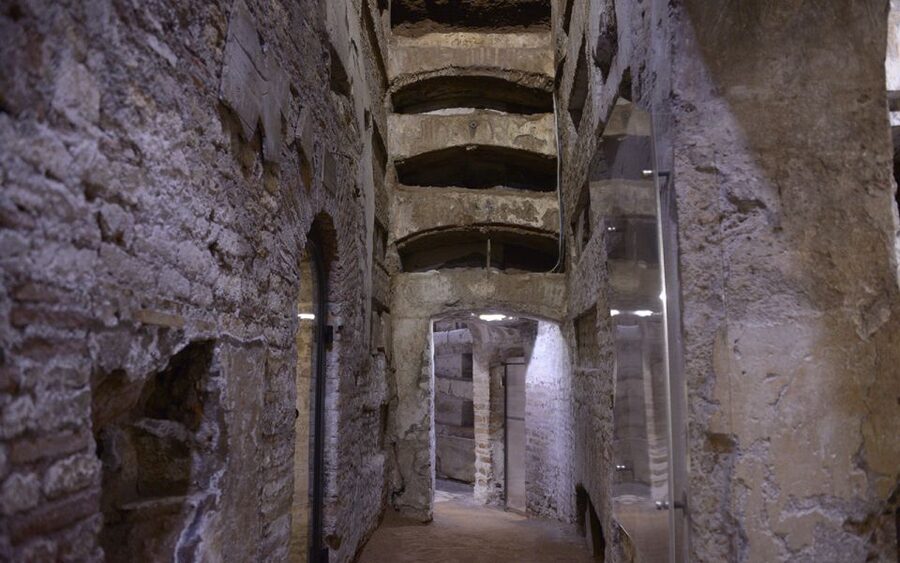
Hidden under Rome’s streets, this tour is short but strange in a good way. The Catacombs of St. Callixtus give you a guided look at early Christian burial life, including the Crypt of the Popes. I especially like how the guide turns a maze of corridors into a story you can follow without getting lost.
I also love that you get a real site visit for a very reasonable $16 per person, and it is packed with meaning in just half an hour. One consideration: the spaces are underground, cool, and not a fit for claustrophobia or mobility limits, so take that seriously before you book.
In This Review
- Key things I’d plan around
- Why St. Callixtus feels different from other Rome sights
- Getting there fast: ticket office first, then the catacombs entrance
- How the guided tour works in 30 minutes
- The Crypt of the Popes: the stop that anchors the whole story
- Crypt of St. Cecilia: burial duty, not just burial places
- Frescoes and Area I: what the artwork and rooms actually tell you
- Appian Way connection and the feeling of the underground
- What to bring (and what not to bring) for a smooth visit
- Price and value: $16 buys a lot of meaning
- Who this tour fits best
- Should you book the Catacombs of St. Callixtus tour?
- FAQ
- Where do I meet for the St. Callixtus tour?
- How long is the guided tour?
- What language options are available for the guide?
- What is included in the ticket price?
- Can I take photos inside the catacombs?
- Is the tour suitable for people with mobility issues or claustrophobia?
- What should I wear or bring?
Key things I’d plan around
- Crypt of the Popes: See the resting place connected to 9 popes and 3 bishops
- Crypt of St. Cecilia: Learn why a Roman matron mattered for proper burial
- Early Christian burial logic: You’ll hear how the cemetery worked and why rooms are arranged the way they are
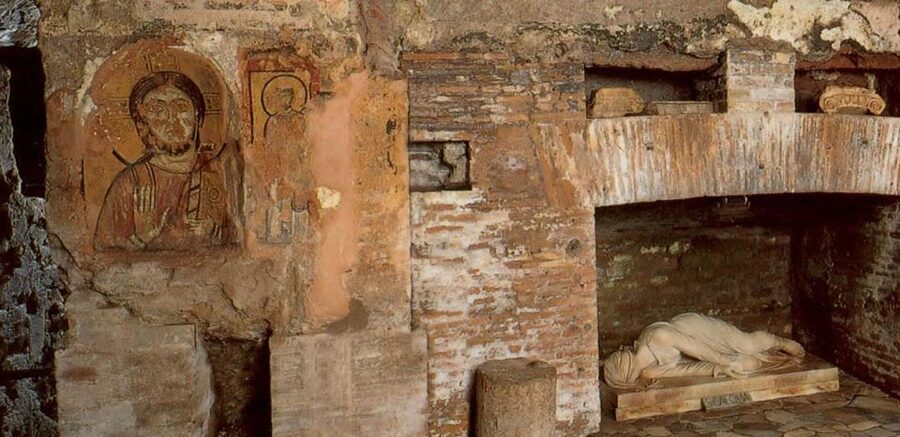
- Old wall paintings: Some of the oldest frescoes you can see in Roman catacombs
- Area I sacraments cubicles: A focused stop that helps you understand Christian daily ritual in stone
- Underground conditions: Expect cooler temperatures and plan footwear for uneven ground
Why St. Callixtus feels different from other Rome sights
Most Rome tickets get you backlit by sunshine. This one takes you below ground, where the “wow” is the human scale of the burial ground. The Catacombs of St. Callixtus are tied to one of the earliest official cemeteries of Rome’s Christian community, and you explore an area beneath the Appian Way.
Here is the core value for you: the tour is not just facts about dates. It helps you picture how early Christians organized death, memory, and burial. You also learn the name behind the site, and you get an idea of just how large the complex is, even if you only visit a portion.
And yes, it is eerie in the best way. Not spooky for the sake of it, more like quiet, reverent, and human. You’ll leave with a new angle on Rome that is not built from marble and crowds.
Further under Rome’s streets:

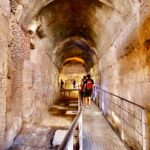
Getting there fast: ticket office first, then the catacombs entrance
This experience is simple on paper, but the location needs a little respect. There is no hotel pickup, and the meeting point is the catacombs ticket office. Show your voucher at least 10 minutes before your scheduled start time, then follow the flow to join the guided group.
From Termini Station, you can do it by public transit:
- Take Metro A toward Anagnina to San Giovanni, then bus 218 toward Ardeatina. Get off at Fosse Ardeatine, and the entrance is in front of you.
- Or take Metro B toward Laurentina to Colosseo or Circo Massimo. Then bus 118 toward Appia/Villa Dei Quintili to Catacombe di San Callisto.
A practical tip: build in extra time to find the exact stop and walk the final distance. More than one recent visitor noted the location takes planning, so I’d rather you arrive early than sprint later.
If you want the easiest day, you can also consider a taxi or rideshare for the outbound trip, since getting back can be less straightforward once you are underground and ready to move.
How the guided tour works in 30 minutes
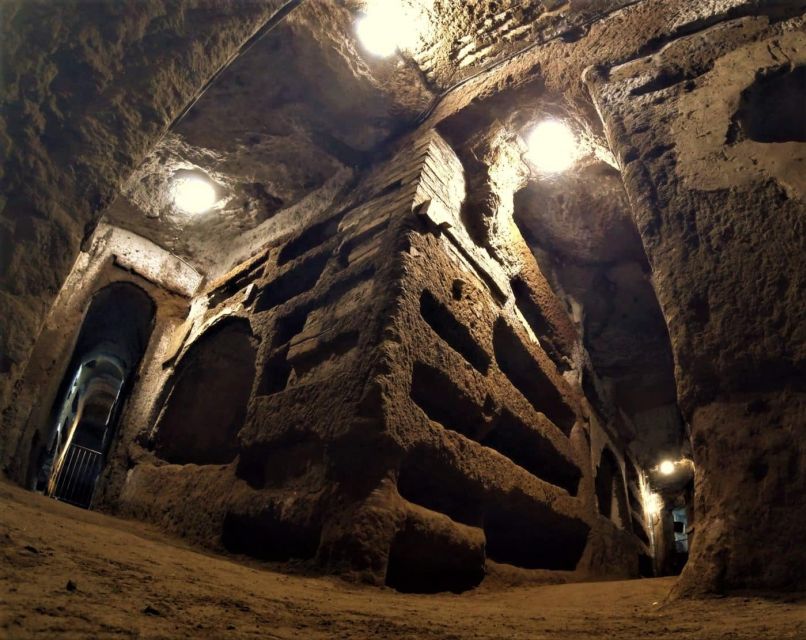
You are not wandering alone. The tour is fully guided, and you need to stay with your group throughout. The duration is 30 minutes, and that tight timing is part of what makes it good value. You get a focused route, not an all-day dig through every corridor.
Also note the languages: the live guide can be Italian, French, German, or English. If you are traveling with kids or you just want a clear, story-driven explanation, this is the kind of tour where the guide’s pace matters. Many guides called out in recent experiences (including Comfort, Sam, Francesca, and Fr Peter, plus Don Sam in one case) are described as patient with questions and good at keeping the group together.
What to expect during the route:
- You meet your guide and get context for the cemetery and its naming
- You move through key areas designed for visitors
- You hit the standout burial chambers and rooms with the most readable artwork
- You finish with a clearer sense of early Christian community life and burial traditions
Because this is a guided experience, it helps to show up on time, wear comfy shoes, and keep your expectations aligned with a short underground route.
The Crypt of the Popes: the stop that anchors the whole story
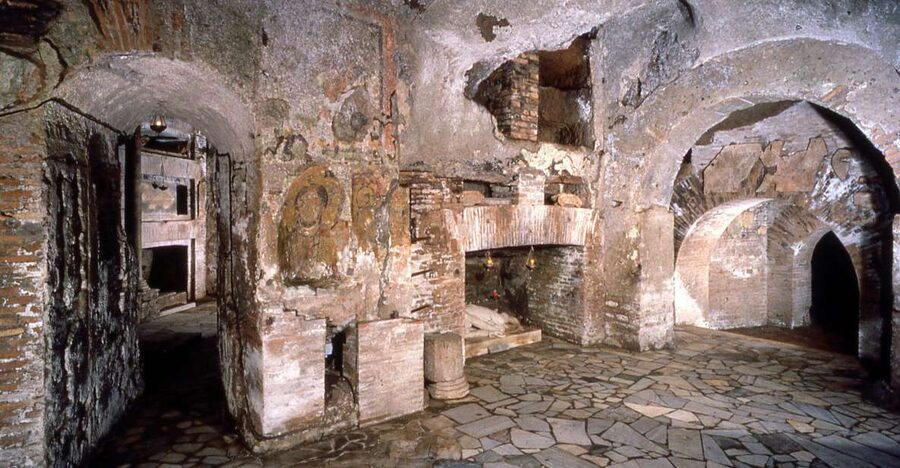
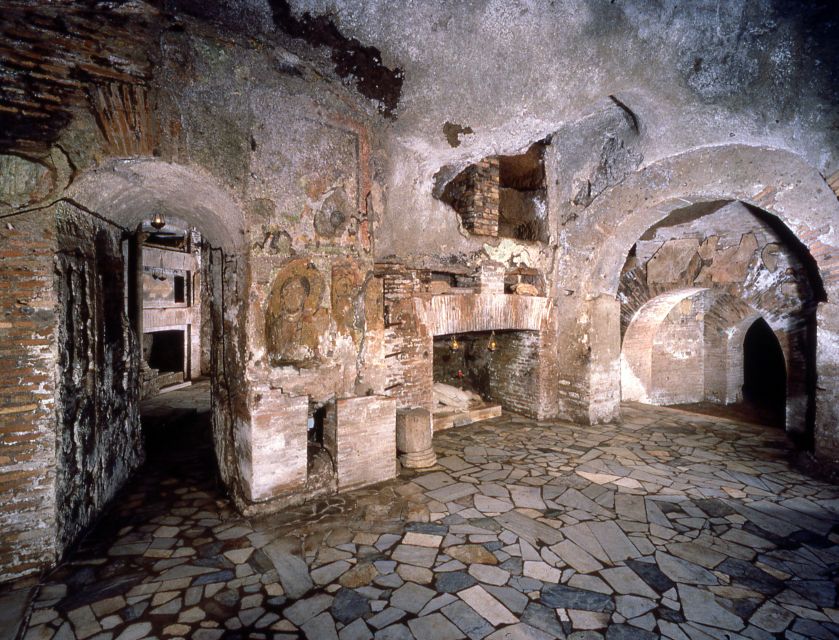
If you only remember one thing from St. Callixtus, make it this chamber. The tour includes the Crypt of the Popes, where 9 popes and 3 bishops were laid to rest. That detail matters because it turns the catacombs from a general underground cemetery into a specific historical focal point.
In a practical sense, this crypt is also your orientation check. After the guide explains the cemetery layout and naming, this is where the scale and importance start to click. You can feel why people would travel to this place, and why it stayed meaningful.
One more thing I like for your planning: this stop helps you understand how the early church used burial spaces as a kind of memory system. It is not random. It is organized around who was buried, what the site represented, and how communities gathered and remembered.
Introductions we still owe you around Rome
- Vatican: Museums & Sistine Chapel Entrance Ticket
★ 4.5 · 144,003 reviews - Vatican Museums & Sistine Chapel Tour with Optional Basilica
★ 4.3 · 67,413 reviews - Colosseum, Roman Forum & Palatine Guided Tour
★ 4.7 · 63,148 reviews - Vatican Museums, Sistine Chapel & St Peter’s Basilica Guided Tour
★ 4.5 · 39,149 reviews
Crypt of St. Cecilia: burial duty, not just burial places
Next up is the adjoining room for the Crypt of St. Cecilia. Here, the tour connects a person to a practice. You’ll hear about Cecilia, described as a Roman matron remembered for ensuring that many martyrs received proper burial.
That angle is valuable if you want more than architecture. It gives you a human thread. Instead of thinking only about stone corridors, you start thinking about networks of care. Who could arrange burial, who helped, and how early Christians navigated danger and secrecy.
You also get to see how the catacombs are decorated in ways that are meant to last. The tour route highlights some of the oldest frescoes, which are the visual proof that people cared about more than survival.
Frescoes and Area I: what the artwork and rooms actually tell you
Catacombs can look like tunnels until a guide gives you the missing context. This tour includes stops that help you read the site.
You’ll visit areas where the guide explains:
- Some of the oldest frescoes decorating the walls
- Area I, tied to the cubicles of the sacraments
That last part is a big deal for your understanding. It’s easy to assume these were only burial spaces. But the sacraments cubicles suggest a deeper function, how ritual and community life intersected with the cemetery. Even if you do not know the terminology beforehand, the guide’s job is to translate the layout into meaning you can walk away with.
And about expectations: this is not a skeleton show. The focus is burial places, frescoes, and the story of early Christian communities. If you are coming hoping for dramatic bone displays, you may feel a little let down. The payoff is historical and interpretive, not theatrical.
Appian Way connection and the feeling of the underground
This site sits “beneath” the Appian Way, and that geographic detail is more than trivia. It helps you connect Rome’s major roads to the way people managed cemeteries outside busy city life. The idea is simple: if the city was crowded and public life was complicated, you needed a system for burial that worked at a distance.
Recent visitors also point out the site feels peaceful, not overly chaotic. And the underground temperature is part of the comfort. More than one person noted it is around 15 degrees down there, which is a nice break from Rome heat if you are visiting in summer.
The caveat: cool does not always mean comfortable, so keep your clothing in mind.
What to bring (and what not to bring) for a smooth visit
This tour has a few rules and a few simple survival tips.
Bring:
- Comfortable shoes (expect uneven ground and lots of standing and walking)
- Comfortable clothes (you will be underground and cooler than street level)
A practical gear note from recent experience: pack a light jacket or sweater. People were surprised by the chill, and it makes the tour feel more pleasant when you are waiting in small underground spaces.
Not allowed:
- Baby carriages
- Photography inside
That last one matters for your planning if you rely on pictures for memory. You can still enjoy the visuals, but the tour is designed for guided attention rather than filming.
Not suitable for:
- People with mobility impairments
- People with claustrophobia
If any of those apply to you, I would choose a different Rome stop above ground. Underground access is not something you should gamble on.
Price and value: $16 buys a lot of meaning
At $16 per person for a guided 30-minute visit, this is one of those Rome deals where the value comes from structure. You are skipping the ticket line, getting a live guide in multiple languages, and visiting the key chambers that most people actually want to see.
Is it long? No. But that is the point. You get a tight tour route that hits the most important parts, like the Crypt of the Popes, the Crypt of St. Cecilia, and the fresco-and-area stops that explain early Christian burial customs.
Some visitors even noted the tour lasted a bit longer than the scheduled time, while still feeling organized. That can happen when questions come in or the guide spends extra time keeping the group together. Either way, a short tour can be a smart choice in Rome, where transit and crowds often eat your day.
Who this tour fits best
This is a strong choice if you:
- Want an authentic, off-the-main-monument perspective on Rome
- Like guided context, not just reading signs
- Prefer a shorter commitment than half a day
- Are traveling with teens or older kids who can handle a historical lesson
It is also a great “temperature reset” if you are cooking outside that day. The underground cool can feel like a reward.
I would think twice if you:
- Need step-free access or have mobility limitations
- Get anxious in tight spaces
- Expect a tour that is heavy on visuals like open catwalks or bright museum lighting
- Want photos during the visit
Should you book the Catacombs of St. Callixtus tour?
Yes, if you want a guided, no-friction way to understand early Christianity in Rome through real burial spaces. The Crypt of the Popes and Crypt of St. Cecilia give you the anchors, and the frescoes plus Area I help you connect the art and layout to belief and community life.
Book it if your main goal is meaning, not theatrics. This is a respectful, history-and-context experience, and for the price, the time is well used.
Skip it or choose something else if underground conditions could be an issue for you. The site is not designed for everyone, and the photography restriction means you should be comfortable enjoying it without capturing it in real time.
If you do book, my one last piece of advice is boring but true: arrive early and wear the right shoes. Then you can focus on what matters, the story of a hidden Rome that most people never get to see.
FAQ
Where do I meet for the St. Callixtus tour?
Go directly to the ticket office of the Catacomb of St. Callixtus, and show your voucher at least 10 minutes before the scheduled tour time.
How long is the guided tour?
The guided tour duration is 30 minutes.
What language options are available for the guide?
The live guide is available in Italian, French, German, and English.
What is included in the ticket price?
The ticket includes Catacombs of Saint Callixtus entry plus a guided tour.
Can I take photos inside the catacombs?
No. Photography inside is not allowed.
Is the tour suitable for people with mobility issues or claustrophobia?
It is not suitable for people with mobility impairments or claustrophobia, based on the activity rules.
What should I wear or bring?
Bring comfortable shoes and comfortable clothes. Baby carriages are not allowed.
Just introduced: the newest Rome write-ups
- Rome Fiumicino Airport Transfer in Luxury Private Transportation★ 4.5 · 339 reviews
- Vatican: Pope Francis Tomb and Papal Basilicas Tour★ 4.7 · 340 reviews
- From Rome: Sorrento, Positano & Amalfi Coast Day Trip★ 4.5 · 340 reviews
- Rome: Guided Colosseum Underground Tour★ 4.8 · 342 reviews
- Colosseum Arena Floor, Roman Forum & Palatine Hill Guided Group Tour★ 5.0 · 343 reviews
- Rome: Small Group Rome’s Dark Side – Ghosts & Legends Tour★ 4.9 · 343 reviews
- Rome: City Highlights Electric Bike Tour★ 4.9 · 343 reviews
Underground & Catacombs Tours, compared.
Naples Underground Entry Ticket and Guided Tour
Read our review →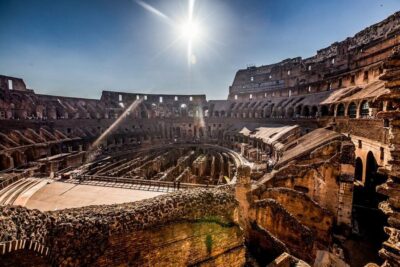
Colosseum: Underground and Ancient Rome Tour
Read our review →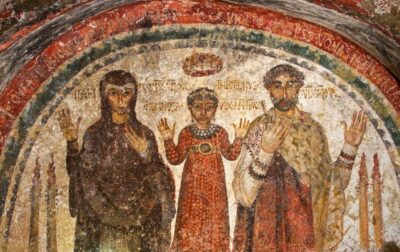
Catacombs of San Gennaro Entry Ticket & Guided Tour
Read our review →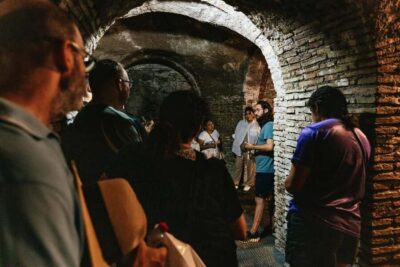
Crypts and Catacombs Underground Tour with Transfers
Read our review →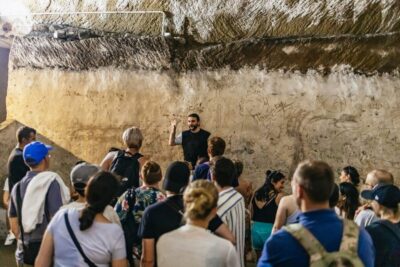
Expert Guided Tour of Colosseum Arena OR Underground, and Forum
Read our review →
The Original Roman Crypts and Catacombs Tour with Transfers
Read our review →
Colosseum Underground Small Group Guided Tour
Read our review →Browse the lists this tour appears in