
Reviewed · TIRAMISU MAKING CLASSES
Rome: Hands-on Fettuccine, Ravioli & Tiramisu Cooking Class
Fresh pasta, then dessert, all in 3 hours. What makes this Rome class special is the hands-on pace, starting from dough and ending with you eating what you made. You will learn the key moves for making fresh fettuccine and ravioli, and finish with a classic tiramisu built from mascarpone and espresso-soaked ladyfingers.
I love that numbers are capped at 14, so your chef can actually watch your kneading and shaping, not just talk at you. It is also a practical class: you leave with techniques you can repeat at home, not just a meal you remember. One thing to consider: it is not a sit-and-smile show, so if you want zero mess and zero prep, you may find the kneading and dough work a little hands-on.
In This Review
- Key Takeaways Before You Go
- Why This Cooking Class Feels Like Rome, Not a Lecture
- Via Firenze Meeting Point: Easy to Find, Built for a Short Block of Time
- Your Hands-On Start: Making Fresh Pasta Dough the Right Way
- From Kneading to Fettuccine: Learning How Dough Becomes Ribbons
- Ravioli Skills: Shaping and Filling Without the Frustration
- Tiramisu Workshop: Mascarpone, Espresso, and Layering That Sets
- The Chef Factor: Real Teaching for Different Levels
- The Meal Part: You Eat What You Make, Together
- Price and Value: Why $71.38 Can Make Sense in Rome
- What to Bring, What to Expect, and How to Prepare
- Who This Class Is Best For
- Should You Book This Rome Fettuccine, Ravioli, and Tiramisu Class?
- FAQ
- How long is the Rome cooking class?
- What dishes will I make in this hands-on experience?
- What is the group size limit?
- Where is the meeting point in Rome?
- What’s included in the price?
- What is not included?
- Is free cancellation available?
Key Takeaways Before You Go
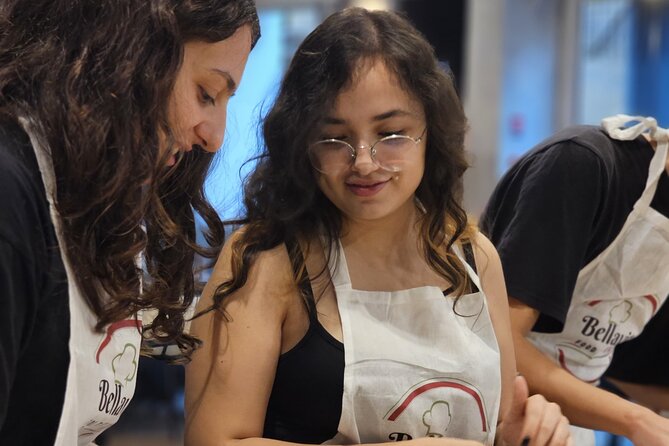
- Max 14 people means more attention from the professional chef as you work the dough.
- Fresh pasta skills start at the basics, including kneading and stretching dough.
- Two pasta styles in one session: flat ribbon fettuccine and shaped ravioli.
- Tiramisu is taught step by step, with mascarpone and espresso-soaked ladyfingers.
- You eat your own creations together at a shared table, so the class ends with real payoff.
- Chef names you might meet include Giuseppe and Danilo, both cited for teaching energy and clarity.
Why This Cooking Class Feels Like Rome, Not a Lecture
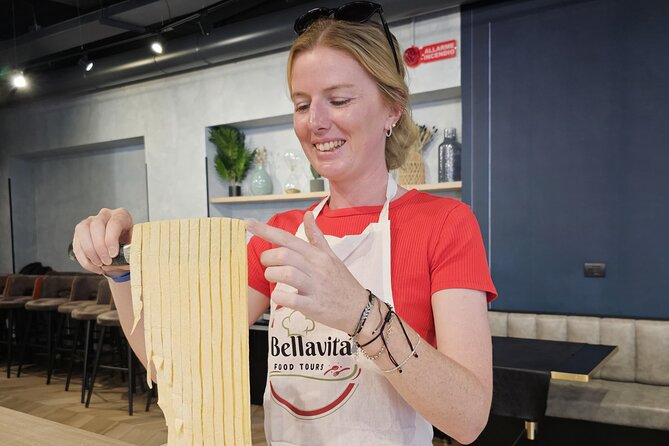
Rome has no shortage of food tours. This one stands apart because you are not just tasting dishes, you are making them. The session is built around fresh pasta dough and a classic Roman dessert, so you leave with muscle memory, not just a full stomach.
The format also makes a difference. With a group size capped at 14, it is easier to ask questions while you are in the middle of a task like stretching dough or shaping ravioli. That is the difference between learning a recipe and learning a method.
There is also a simple social payoff. You share the table with the people in your class, so the meal feels connected to the work you just did.
More Cooking Classes in Rome

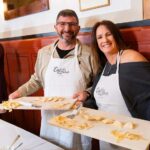
Via Firenze Meeting Point: Easy to Find, Built for a Short Block of Time
The class starts at Via Firenze, 8, 00184 Rome. The location is near public transportation, which matters because you only have about 3 hours and you do not want to burn half of it figuring out how to get there.
You will end back at the same meeting point. That is helpful for planning the rest of your evening, since you can slot the class between other Rome priorities without worrying about a distant drop-off.
This is also the kind of activity that fits well when you want a break from constant walking. Fresh pasta and dessert have a way of resetting your day, especially after you spend your morning on sights and your afternoon on cobblestones.
Your Hands-On Start: Making Fresh Pasta Dough the Right Way
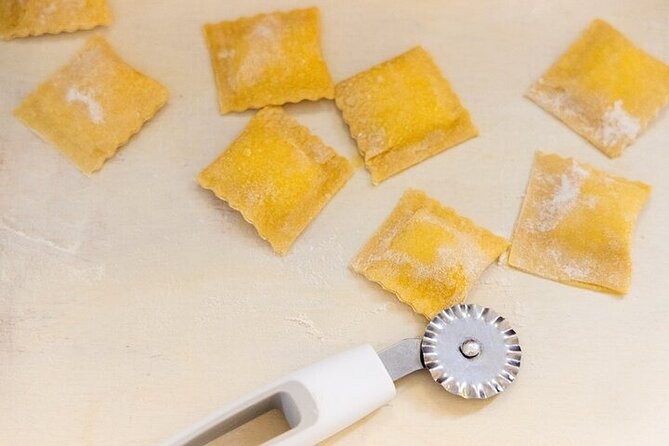
The class begins with fresh pasta dough, and the focus stays on technique. You will learn how to work the dough from start to finish, including kneading and shaping steps that can feel intimidating if you have never done it.
You will not just be watching. The experience is designed to be hands-on, with all ingredients and equipment included. An apron is provided too, which is more than a nice touch. It signals that the instructors expect you to get involved.
What makes this part valuable is that pasta dough is all about feel. Kneading teaches you how the dough changes, while stretching teaches you how thin you can go without tearing it. Those are the real skills that translate to making pasta at home later.
From Kneading to Fettuccine: Learning How Dough Becomes Ribbons
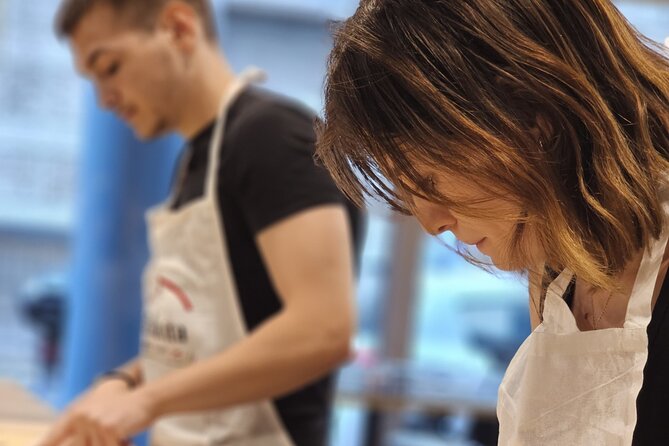
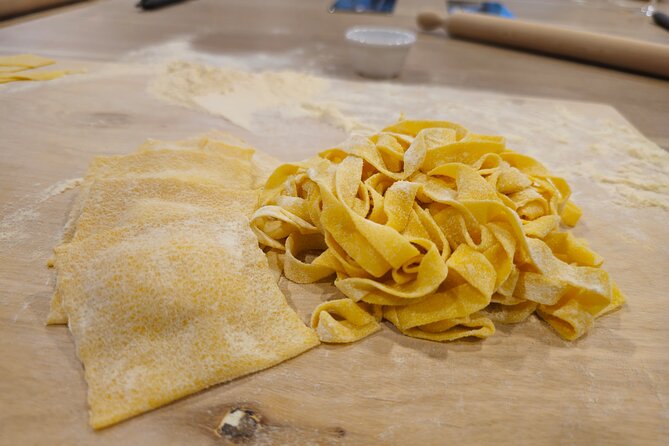
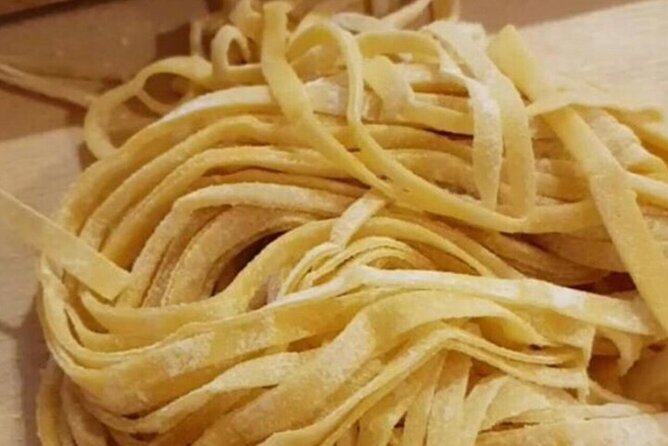
Next you move into making fettuccine, the flat ribbon pasta that is egg-and-flour friendly and very forgiving once you understand the dough texture. You will take the dough you made and shape it into fettuccine style.
Why this matters: store-bought pasta is consistent, but fresh pasta is different. When you learn what the dough should feel like, you can adjust to your kitchen, your flour, and your timing. That is the point of the class, and it is why this is not just a tourist activity.
A practical bonus is that you are learning a pasta shape that is classic and simple to sauce. After the class, it becomes easier to think about what to do with your homemade pasta, even if you do not want to copy an Italian restaurant dish exactly.
Tiramisu, assembled a few more ways:
- Rome: Pasta & Tiramisu Class with Fine Wine by the Vatican
★ 4.9 · 4,852 reviews - Learn to Make Pasta & Tiramisu with Wine and Limoncello Included
★ 5.0 · 2,345 reviews - Rome: Fettuccine and Tiramisu Cooking Class with Wine
★ 4.8 · 2,013 reviews - Rome: Pasta & Tiramisu Cooking Class near the Spanish Steps
★ 4.8 · 1,395 reviews
Ravioli Skills: Shaping and Filling Without the Frustration
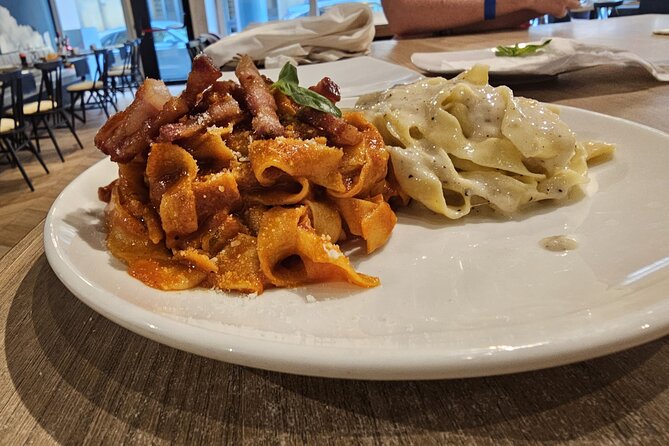
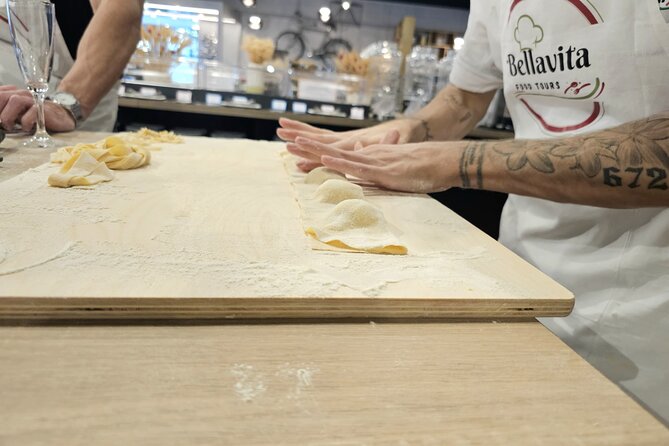
Then comes ravioli, another Italian staple where technique counts. You will learn how to shape the pasta pieces and work with the filling so you end up with ravioli that look like ravioli and cook like ravioli.
Ravioli can be the most stressful part of any pasta class, because it combines thin dough with precise shaping. This class addresses that by keeping the class small and by using a chef instructor who can guide you in the moment.
Even if you have never made ravioli before, the teaching approach aims to keep things step by step. People learn faster when they are not left alone with a ball of dough and a vague timeline.
Tiramisu Workshop: Mascarpone, Espresso, and Layering That Sets
After the pasta work, you shift to dessert: tiramisu. This is where the class becomes even more satisfying, because tiramisu is both forgiving and specific. You will learn how to layer the mascarpone and espresso-soaked ladyfingers, using the classic structure that gives tiramisu its texture.
One of the best parts of learning tiramisu in a group class is that you see how timing changes the result. Espresso needs to be used the right way so the ladyfingers soak without turning to mush. Layering matters too, because it affects how the dessert holds together when you cut and serve.
In other words, you are not just mixing ingredients. You are learning the assembly logic. That is what helps you repeat it at home without guessing every step.
The Chef Factor: Real Teaching for Different Levels
A recurring theme in the experience is how effective the chef is as a teacher. Chefs such as Giuseppe and Danilo have been highlighted for guiding people through kneading, stretching dough, and building tiramisu in a way that works for beginners and for people who cook already.
The class is also designed so the instructor can correct what you are doing. With a maximum of 14, it is realistic for the chef to look over shoulders and give specific tips.
If you are nervous about your cooking skills, this format helps. When the chef can point out what is off, you improve right away instead of only learning later. That is also why it tends to be a hit for groups that include teens or kids old enough to follow instructions and enjoy hands-on food work.
The Meal Part: You Eat What You Make, Together
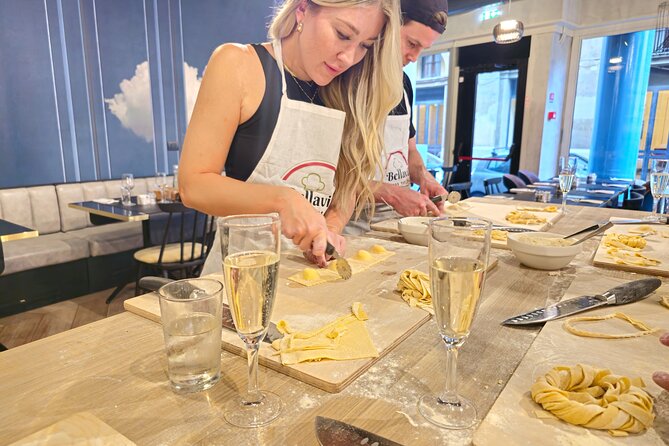
Once the dishes are finished, you sit down with your fellow group and enjoy what you made. This is not an afterthought. It is the payoff for the work you just did, and it turns the class into an actual meal experience rather than a cooking demo.
The table setup is described as beautiful and set in a convivial way. That matters because it changes how you remember the class. You are not only learning techniques, you are sharing a plate of pasta and tiramisu that you created with your own hands.
Some classes also include a drink. In the provided information, there are mentions of a welcome drink and a glass of wine being part of the experience for those who drink wine. Because this is not described in the main inclusions list, treat it as a nice possibility rather than a guaranteed plan.
Price and Value: Why $71.38 Can Make Sense in Rome
At $71.38 per person for roughly 3 hours, this sits in the “serious food activity” category. It is not cheap, but it often compares well to the value of a guided lesson plus the meal.
Here is what you are paying for, based on what is included:
- A professional chef instructor
- Hands-on cooking with all ingredients and equipment
- Apron and utensils
- The meal you make, shared with the group
That combination is the value engine. You are not separately paying for a private lesson, ingredients, and a sit-down meal. You are basically buying one package that covers the learning and the eating.
You can also think about timing value. Three hours is long enough to learn real skills but short enough to keep your itinerary intact. If your Rome trip is already packed, this is a good way to “do something” without losing a half day.
Booking ahead is common, with an average of 35 days in advance. That is usually a sign the class fills up, especially for small-group cooking sessions.
What to Bring, What to Expect, and How to Prepare
Most of what you need is included, including ingredients, equipment, apron, and utensils. That makes packing simple, but it also means you should focus on showing up ready to work with dough.
Wear comfortable clothes you do not mind getting flour on. Even with an apron, pasta dough can be messy, and that is part of the experience.
If you speak limited English, the setup seems to still work well. Several people have described the chef as patient and able to teach clearly even when there is a language gap. You will likely rely on hands-on demonstration more than heavy conversation anyway.
Also, plan to eat what you make. This class includes the meal, so you may want to keep the rest of your evening lighter. If you add extra food after, it will be a choice, not a necessity.
Who This Class Is Best For
This cooking class is a great match if you want a practical, hands-on Rome experience. You will enjoy it most if you like food that is made with effort, and if you want to bring home a skill you can use later.
It also works well for families with older kids and for groups that include teenagers. The hands-on nature gives everyone something to do, and the small-group format helps the chef keep control of pace and safety.
If you are the kind of traveler who prefers a quiet museum visit and zero mess, you may not love the dough work. But if you are curious about how Italians actually make pasta and desserts, this class will feel rewarding fast.
Should You Book This Rome Fettuccine, Ravioli, and Tiramisu Class?
Yes, I think you should book it if you want a memorable food experience that is not just tasting. The combination of fresh pasta dough, shaping fettuccine and ravioli, and learning classic tiramisu layering gives you real skills plus a meal you get to enjoy immediately.
Book it sooner rather than later if you have firm dates, since it runs with a small maximum group size. And if you want a cooking lesson that is approachable for beginners while still being engaging for people who cook at home, this one fits that sweet spot.
FAQ
How long is the Rome cooking class?
The class runs about 3 hours.
What dishes will I make in this hands-on experience?
You will make fresh pasta for fettuccine and ravioli, and you will also make tiramisu.
What is the group size limit?
The experience has a maximum of 14 travelers.
Where is the meeting point in Rome?
The start and end location is Via Firenze, 8, 00184 Roma RM, Italy.
What’s included in the price?
Included are the professional chef instructor, all ingredients and equipment, hands-on cooking experience, apron and utensils, and the meal of the pasta and tiramisu you prepare.
What is not included?
Transportation is not included. Personal expenses like additional food or beverages, and any additional meals or drinks are also not included.
Is free cancellation available?
Yes. You can cancel up to 24 hours in advance for a full refund.
More Workshops in Rome
- Become a Masterchef in Rome: Pasta, Ravioli and Tiramisù Class
★ 5.0 · 2,156 reviews - Rome Tipsy Cooking Class: Make Pasta and Mix 3 Spritz Cocktails
★ 5.0 · 1,357 reviews - Cooking Class in the Heart of Rome: Pizza and Tiramisu Making
★ 5.0 · 1,330 reviews - Rome Pasta and Tiramisu Class: Ravioli, Fettuccine & Fine Wine 5*
★ 5.0 · 1,319 reviews
Italian Kitchens Taking Students
- Rome: Fettuccine Pasta Cooking Class in Rome’s City Center
★ 4.8 · 2,414 reviews - Rome: Traditional Pasta with Cocktails Cooking Class
★ 5.0 · 2,374 reviews - Pasta Cooking Class Near the Colosseum with 3 Spritz Cocktails
★ 5.0 · 1,686 reviews - Enjoy Spritz and Pasta Making in Piazza Navona
★ 5.0 · 1,681 reviews
Just introduced: the newest Rome write-ups
- Excavation Tour to the Tomb of St. Peter’s & St. Peter’s Basilica★ 4.0 · 183 reviews
- Imperial Rome and External Colosseum Tour★ 5.0 · 183 reviews
- Rome: Rooftop Cooking Class with Wine Tasting near Vatican★ 5.0 · 184 reviews
- Rome to Civitavecchia Cruise Port Transfer★ 5.0 · 184 reviews
- Ancient Rome and Colosseum Private Tour with Underground Chambers and Arena★ 4.5 · 184 reviews
- Rome: Vatican Museums & Sistine Chapel Skip-the-Line Ticket★ 4.1 · 185 reviews
- Borghese Gallery Max 6 People Tour: Baroque & Renaissance in Rome★ 5.0 · 185 reviews
Tiramisu Making Classes, compared.

3 in 1 Cooking Class near Navona: Fettuccine, Ravioli & Tiramisu
Read our review →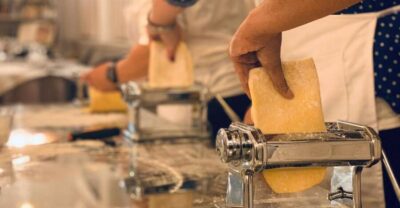
Pasta & Tiramisu Cooking Class with Unlimited Wine
Read our review →
Pasta & Tiramisu Class with Fine Wine by the Vatican
Read our review →
3-in-1 Fettuccine, Ravioli, and Tiramisu Cooking Class
Read our review →
Learn to Make Pasta & Tiramisu with Wine and Limoncello Included
Read our review →
Cooking Class Pasta & Tiramisu Making Unlimited Wine
Read our review →
Fettuccine and Tiramisu Cooking Class with Wine
Read our review →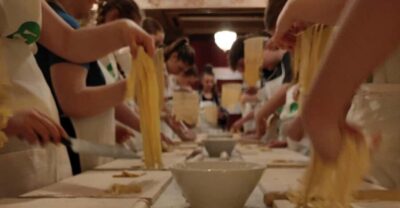
Pasta & Tiramisu Cooking Class near the Spanish Steps
Read our review →Browse the lists this tour appears in