
Reviewed · UNDERGROUND & CATACOMBS TOURS
Rome: Tour of St. Clement’s Basilica Underground Temples
Rome has a habit of stacking time. This tour takes you below St. Clement’s Basilica into pagan cult spaces and early Christian artwork you cannot see from street level. I love the way the site turns Rome’s religions into something you can actually walk through, and I especially like that the visit mixes Mithraic remains with 4th-century frescoes. One consideration: parts of this experience are tight and underground, so it may not suit claustrophobia or everyone’s comfort level.
I also like the storytelling, and the guides are consistently praised by name for making the layers feel logical. Francesca, Lorenzo, Paul, Anestis, Tom, Tara, and Sam all come up in the reviews for clear explanations and for answering questions without rushing you. With headsets included, it is easier to catch the key details even when you are craning your neck in dim spaces.
The main drawback is practical, not historical. You are standing and walking through underground sections, so comfortable shoes matter, and closures or liturgical moments can change what you see (though the overall duration stays the same).
In This Review
- Key Things You’ll Notice on This Tour
- St. Clement’s Basilica, Where Rome’s Religious Layers Collide
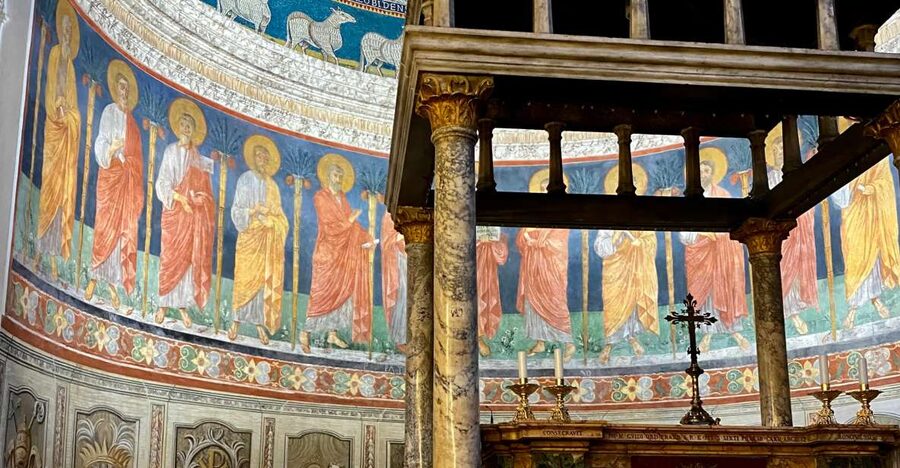
- The 12th-Century Apse Mosaic, and Why the Details Matter
- Going 14 Meters Down, Early Christian Frescoes in a 4th-Century Church
- Mithraic Temple Ruins and an Underground River Atmosphere
- The Apse Symbol Hunt to the Martyr Stories, How It All Connects
- Optional Add-On: Santo Stefano Rotondo’s Martyrdom Frescoes
- Price and Value, Why This Tour Can Be Worth the Money
- Who Should Book This (and Who Might Skip It)
- Should You Book This St. Clement’s Underground Tour?
- FAQ
- How long is the St. Clement’s Underground Temples tour?
- What’s included in the price?
- Can I take photos or video inside?
- What language options are available for the live guide?
- Is this tour wheelchair accessible?
- What should I wear or bring?
Key Things You’ll Notice on This Tour
- Four layers of Rome in one place, from older Roman spaces to early Christian worship
- 14 meters underground to experience the Mithraic temple area and an underground river atmosphere
- Golden mosaic symbolism in the apse of the 12th-century basilica
- Early-Christian frescoes tied to martyrs and persecution stories
- Mithraic cult ruins with one of Rome’s best-preserved temple settings
- Optional Santo Stefano Rotondo add-on for more martyrdom frescoes at a nearby church
St. Clement’s Basilica, Where Rome’s Religious Layers Collide
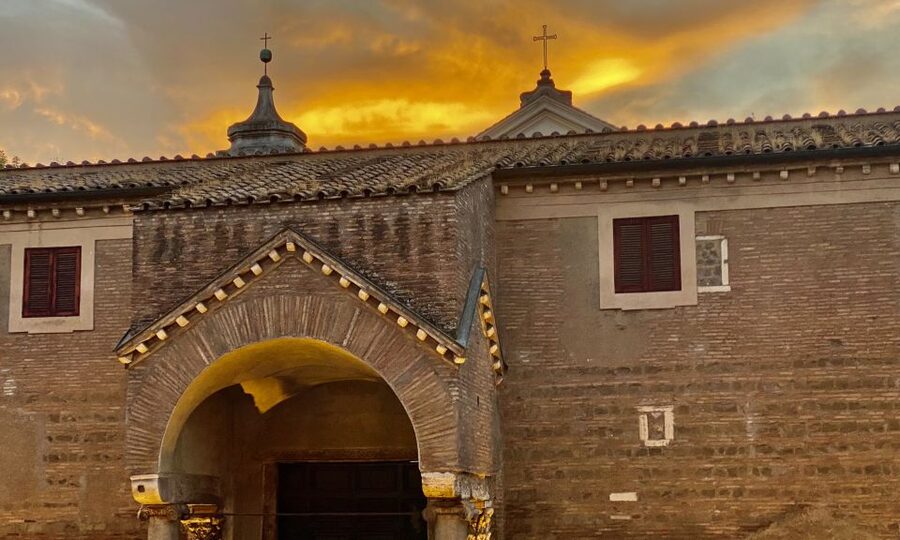
St. Clement’s is the kind of place where Rome does not just “have history.” It has staples holding centuries together. You start in a 12th-century basilica, then go down to earlier Christian spaces, and finally to the darker, more mysterious levels where pagan worship left physical traces. What makes the visit so satisfying is the order you experience it in. You are guided from “what you see above” to “what is literally under your feet,” and the transitions make a lot more sense than if you wander alone.
And yes, you do get to see stunning art. The tour includes time at the apse’s golden mosaic, then moves into underground frescoes with early Christian scenes. I like that you are not stuck on one theme. You are shown how Romans lived through changing beliefs, and how earlier structures shaped what came later.
This is also a good pick if you already did the headline sites. You get a different flavor of Rome: more archaeological feeling, less postcard feeling.
Further under Rome’s streets:
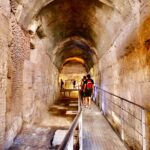
The 12th-Century Apse Mosaic, and Why the Details Matter
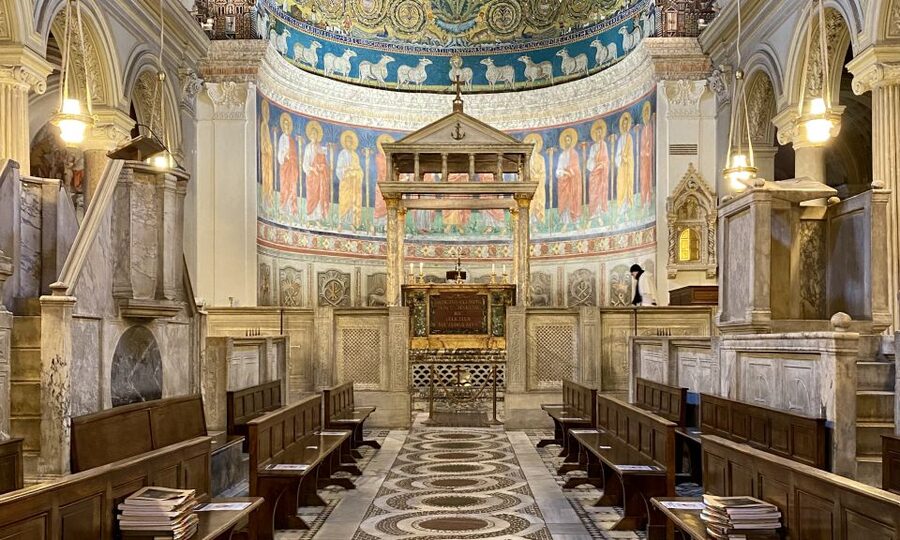
Before going underground, you get your bearings in the 12th-century church. The guide points out the golden mosaic in the apse, and the point is not just that it looks beautiful. The guide helps you see how symbol and meaning are packed into visual choices, so you do not just admire the surface.
You can think of this moment as your “reading lesson” before the “archaeology lesson.” If you want to understand what you are about to see below, the mosaic is the warm-up. It gives you a reference point for Christian symbolism and how later builders expressed faith through art.
From there, you shift into the layers beneath the basilica. Expect the pace to feel like a guided sequence rather than a random gallery tour. That matters here, because the site is complex.
Going 14 Meters Down, Early Christian Frescoes in a 4th-Century Church
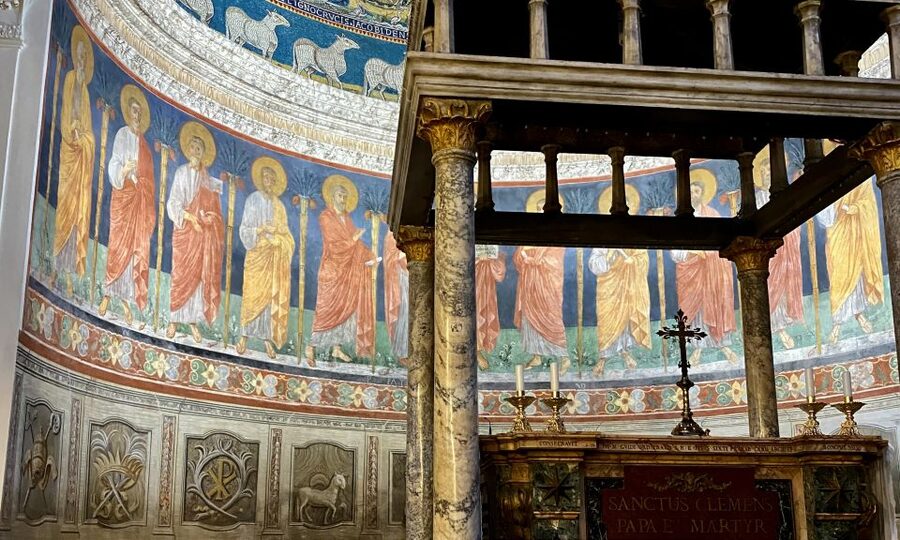
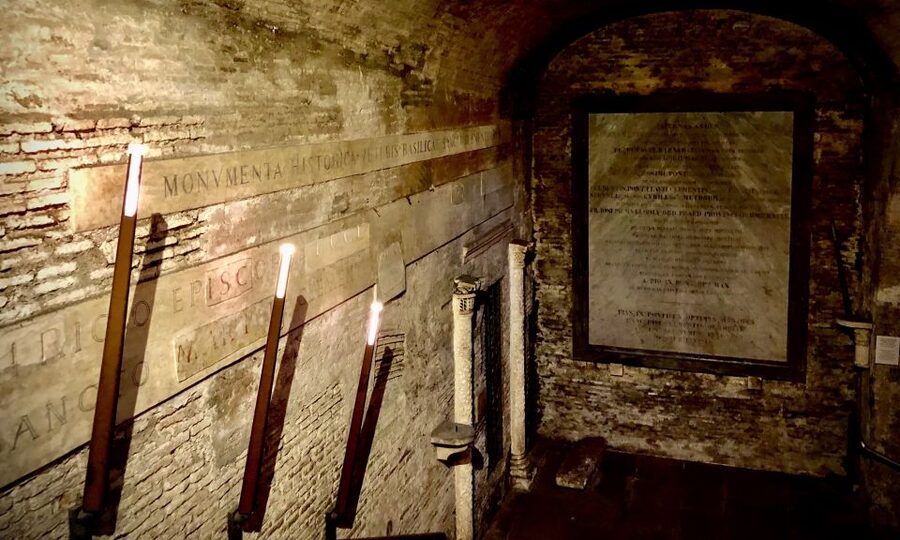
The descent is the big emotional pivot. The tour goes about 14 meters underground, where you explore a 4th-century church built over the earlier home connected to St. Clement. The reason this matters is simple: you are not looking at a museum reconstruction. You are seeing spaces that were reused and repurposed over time.
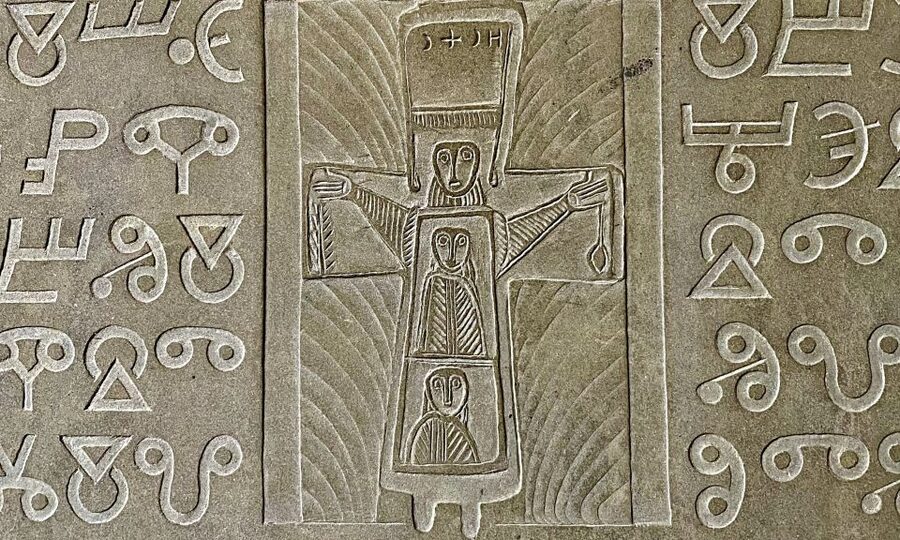
Inside, you encounter early Christian frescoes that depict martyrs and scenes tied to persecution. These images help you understand that early Christianity in Rome was not only about monuments and ceremonies. It was also about fear, resistance, and a belief system surviving under pressure.
One reason this section gets consistently strong feedback is that a good guide translates the pictures for you. Paul, for example, is mentioned as an archaeologist and professor type in the reviews, and those comments line up with what you need here. The frescoes can look “historic” at first glance. With the right explanation, they become stories you can track.
Practical note: the underground portion is not spacious. If you are sensitive to enclosed spaces, take that seriously. Even with a guide pacing the group, you are in underground architecture.
Mithraic Temple Ruins and an Underground River Atmosphere
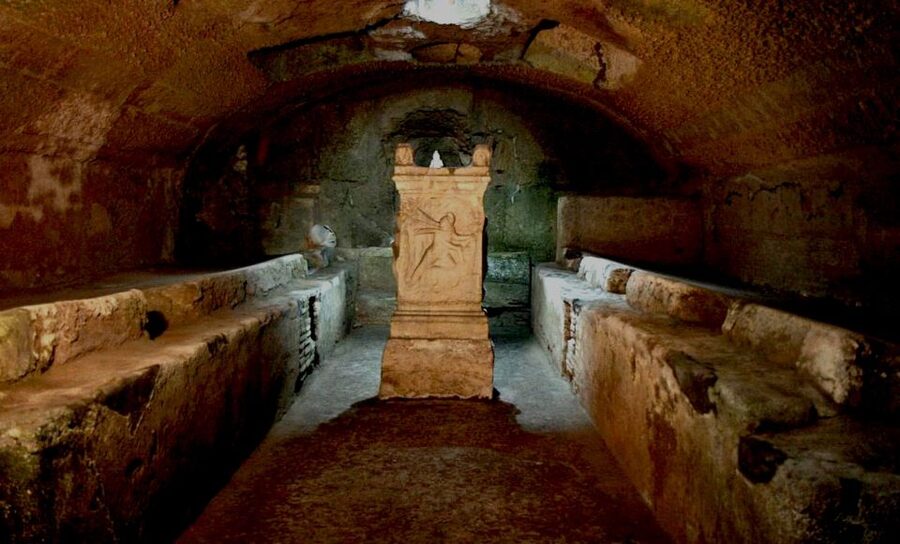
Now for the part that makes this tour different from a typical church-and-fresco stop. You get to see one of Rome’s best-preserved Mithraic temples, connected to pagan worship before Christianity became dominant.
The Mithraic cult details can feel esoteric on paper, but underground they feel more tangible. The guide walks you through what the space was like and what kinds of rituals were associated with the cult. You are also told about the wider Roman religious landscape, not in a textbook way, but as context for what you are literally standing near.
Another detail that adds atmosphere is the underground river. You hear or experience water in the spaces below, and it changes the feel of the walk. It turns “historic site” into something closer to a lived environment.
This is the section I recommend most if you like Rome when it is less polished. It is not about marble clarity. It is about layered survival, damp stone, and the eerie sense that you are inside older worlds.
Introductions we still owe you around Rome
- Vatican: Museums & Sistine Chapel Entrance Ticket
★ 4.5 · 144,003 reviews - Vatican Museums & Sistine Chapel Tour with Optional Basilica
★ 4.3 · 67,413 reviews - Colosseum, Roman Forum & Palatine Guided Tour
★ 4.7 · 63,148 reviews - Vatican Museums, Sistine Chapel & St Peter’s Basilica Guided Tour
★ 4.5 · 39,149 reviews
The Apse Symbol Hunt to the Martyr Stories, How It All Connects
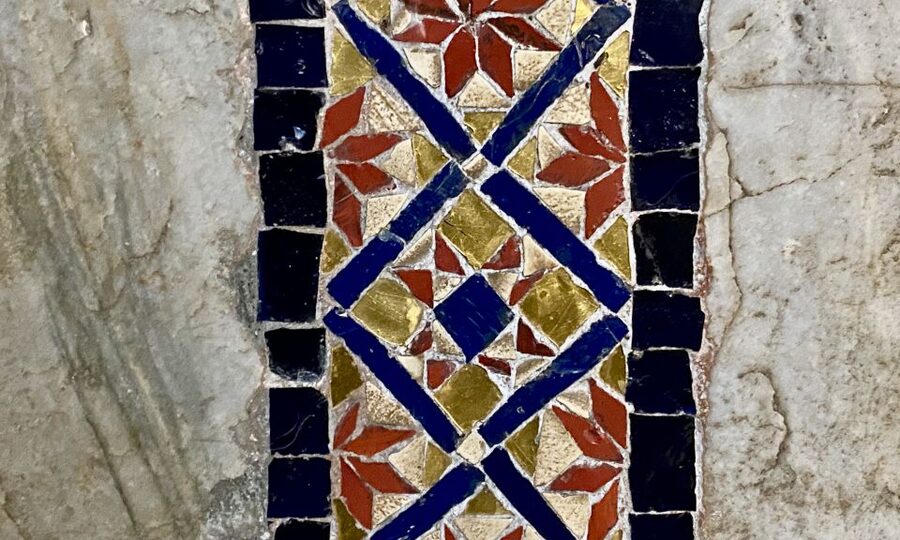
What I like about this tour is how the guide ties themes together. The mosaic above gives you Christian visual language. The frescoes below show the human stakes of early Christianity. Then the Mithraic temple reminds you that Rome did not switch beliefs overnight.
So when you leave, your mental map is not just “churches and ruins.” It is a timeline you can picture. Older sacred spaces became foundations for newer ones. Religious art responded to changing realities. And the site itself kept getting reused, even when the surrounding belief systems shifted.
That is why the tour feels more rewarding with a live guide. You could technically look at these levels on your own, but the real value is learning what to notice, and how to connect what you see without getting lost in the layers.
If you love asking questions, this tour is a good fit. Several guides are noted for being friendly and for answering with real understanding, not canned lines.
Optional Add-On: Santo Stefano Rotondo’s Martyrdom Frescoes
If you choose the extension, you add a nearby visit to Santo Stefano Rotondo. It is about a 45-minute guided stop, and you walk from St. Clement’s area. The scheduling can start at either basilica depending on the day’s timing, but the total planned time stays in the same range.
Santo Stefano Rotondo is known for its circular architecture and more haunting martyrdom frescoes. If you already saw early Christian martyr stories underground at St. Clement’s, this feels like the next chapter. You are continuing the same theme, just in a different space and artistic approach.
One heads-up for planning: the frescoes depict graphic scenes of martyrdom, so it may not be appropriate for children. I would use that as your guide for family choices, not the fact that it is still “church art.” It is intense imagery.
Also, like many working churches, the extension can occasionally be affected by special events or liturgical celebrations. When that happens, your guide adapts the plan while keeping the overall duration the same.
Price and Value, Why This Tour Can Be Worth the Money
At about $70 per person, this tour is not the cheapest way to spend a Roman morning. But the price makes sense when you add up what you actually get: a guided visit to a multi-level archaeological site, headsets for clear explanations, and an optional second guided church visit.
This is also a tour where the guide quality matters more than normal. The underground layers and symbolism can easily turn into “cool ruins” if you do not get help making sense of them. Reviews repeatedly highlight guide strength, with people singling out instructors like Francesca and Lorenzo for being enthusiastic, funny, and easy to talk to. Some mention Paul specifically as a standout because his background made the interpretation feel deeper.
So for value, I would measure this against what you would do otherwise. If you go on your own, you will likely understand the surface, then feel uncertain about what you are seeing underneath. With a guide, you leave with a timeline and a clear explanation of the pagan and Christian threads. That is where the money earns its keep.
Who Should Book This (and Who Might Skip It)
I would strongly consider booking this if you:
- Like archaeology and religious history that shows up in real buildings, not just facts on a page
- Want something quieter and less crowded than the biggest headline sites
- Enjoy symbolism, fresco narratives, and learning how art reflects belief
- Like guided explanations enough that you are willing to trade some freedom for clarity
You might think twice if you:
- Have claustrophobia or feel uncomfortable in tight underground spaces
- Need wheelchair accessibility, since this tour unfortunately is not wheelchair friendly due to architectural structures
- Are bringing kids who might struggle with graphic martyrdom imagery at Santo Stefano Rotondo (if you add it)
If you are a couple, a small group can make the experience feel even more personal. Reviews mention very small groups, even down to just two people, which can be a nice bonus for questions and pacing.
Should You Book This St. Clement’s Underground Tour?
Yes, if you want a Rome experience that feels like walking through time, not just reading it. The strongest reason to book is the combination: you get Mithraic temple remains, early Christian frescoes, and a guided explanation of how these worlds overlapped in the same physical space. The optional Santo Stefano Rotondo extension is a great “second act” if your interests lean toward early Christianity and martyrdom artwork.
My final advice: wear good shoes, keep expectations flexible for church-related changes, and be honest with yourself about underground comfort. If you handle tight spaces well, this tour turns Rome’s underground into one of the most memorable history walks you can do in the city.
FAQ
How long is the St. Clement’s Underground Temples tour?
The guided experience is listed as 1 hour, with an option that extends it to include Santo Stefano Rotondo. The overall duration is stated as 1 to 2 hours, depending on whether you choose the extension.
What’s included in the price?
The tour includes an expert live guide, entrance fees to Basilica di San Clemente, headsets to hear your guide clearly, and a guided tour of Santo Stefano Rotondo only if you select that extension.
Can I take photos or video inside?
No. Photography inside is not allowed, and video recording is also not allowed.
What language options are available for the live guide?
The live guides are available in Spanish, French, German, English, Italian, and Portuguese.
Is this tour wheelchair accessible?
No. The tour is not accessible to wheelchair users due to the architectural structures inside and under the Basilica di San Clemente.
What should I wear or bring?
Bring comfortable shoes. Dress restrictions include no shorts, no short skirts, no sleeveless shirts, and no pets. Food and drinks are also not allowed during the visit.
Just introduced: the newest Rome write-ups
- Excavation Tour to the Tomb of St. Peter’s & St. Peter’s Basilica★ 4.0 · 183 reviews
- Imperial Rome and External Colosseum Tour★ 5.0 · 183 reviews
- Rome: Rooftop Cooking Class with Wine Tasting near Vatican★ 5.0 · 184 reviews
- Rome to Civitavecchia Cruise Port Transfer★ 5.0 · 184 reviews
- Ancient Rome and Colosseum Private Tour with Underground Chambers and Arena★ 4.5 · 184 reviews
- Rome: Vatican Museums & Sistine Chapel Skip-the-Line Ticket★ 4.1 · 185 reviews
- Borghese Gallery Max 6 People Tour: Baroque & Renaissance in Rome★ 5.0 · 185 reviews
Underground & Catacombs Tours, compared.
Naples Underground Entry Ticket and Guided Tour
Read our review →
Colosseum: Underground and Ancient Rome Tour
Read our review →
Catacombs of San Gennaro Entry Ticket & Guided Tour
Read our review →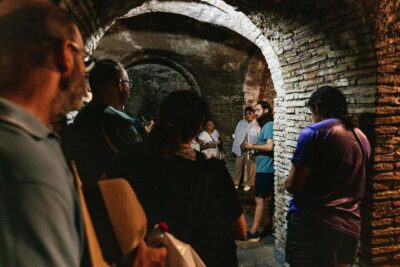
Crypts and Catacombs Underground Tour with Transfers
Read our review →
Expert Guided Tour of Colosseum Arena OR Underground, and Forum
Read our review →
The Original Roman Crypts and Catacombs Tour with Transfers
Read our review →
Colosseum Underground Small Group Guided Tour
Read our review →Browse the lists this tour appears in