
Reviewed · UNDERGROUND & CATACOMBS TOURS
Rome: Trevi Fountain District Underground Domus Guided Tour
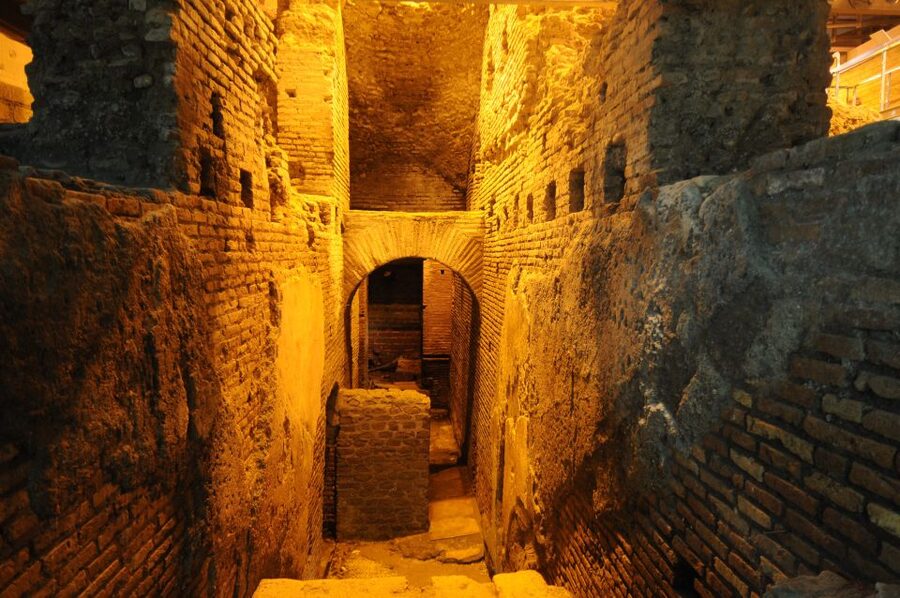
Rome has a second level, literally. This guided walk takes you 9 meters down into the Vicus Caprarius, City of Water, then tracks the Roman plumbing that fed the area’s luxury homes. You get a short Trevi Fountain visit at the end, so you can connect what you saw underground with what you see above.
I especially love the way the tour turns Rome’s water story into something you can follow step by step, from spring water to filtered masonry and on to domus pools and pipes. I also love the close-up artifact moments, like ancient coins, African amphorae used for oil, and finds tied to Roman art and daily life, including the head of Alessandro Helios.
One drawback to plan around: the name can make you expect Trevi Fountain access underneath the actual fountain, but the underground portion is next to Trevi, not inside it. The Trevi Fountain area can also be very crowded even after the tour ends.
In This Review
- Key things to know before you go
- 9 meters down at Vicus Caprarius, City of Water
- The water system beneath Trevi, from springs to domus pipes
- Luxury domus life: coins, amphorae, and polychrome marble
- Trevi Fountain at the end: what you get, and what you do not
- Itinerary flow: how the 45 minutes actually feel
- Price and value: is $50 worth 45 minutes?
- Who should book this underground Trevi Domus tour
- Should you book this Trevi District Underground Domus tour?
- FAQ
- Where do I meet the guide?
- How long is the tour?
- Is the tour guided and in English?
- What is included in the price?
- Is an audio guide included?
- Do I get food or drinks during the tour?
- Will I have time to visit Trevi Fountain after the underground portion?
- Does this tour include skip-the-line access to Trevi Fountain?
- Is the tour wheelchair accessible or suitable for mobility impairments?
- Can I cancel for a refund?
Key things to know before you go

- You walk inside the Vicus Caprarius City of Water, about 9 meters underground
- Follow the water route from Trevi Fountain area through ancient masonry and into domus installations
- Standout finds include coins, African amphorae for oil, and polychrome marble
- You end at Trevi Fountain, where you can see it and take photos, but you are not getting private fountain access
- The space is small and can feel busy, especially if multiple groups are scheduled at once
- Live English guide with strong storytelling and lots of Q and A time
9 meters down at Vicus Caprarius, City of Water

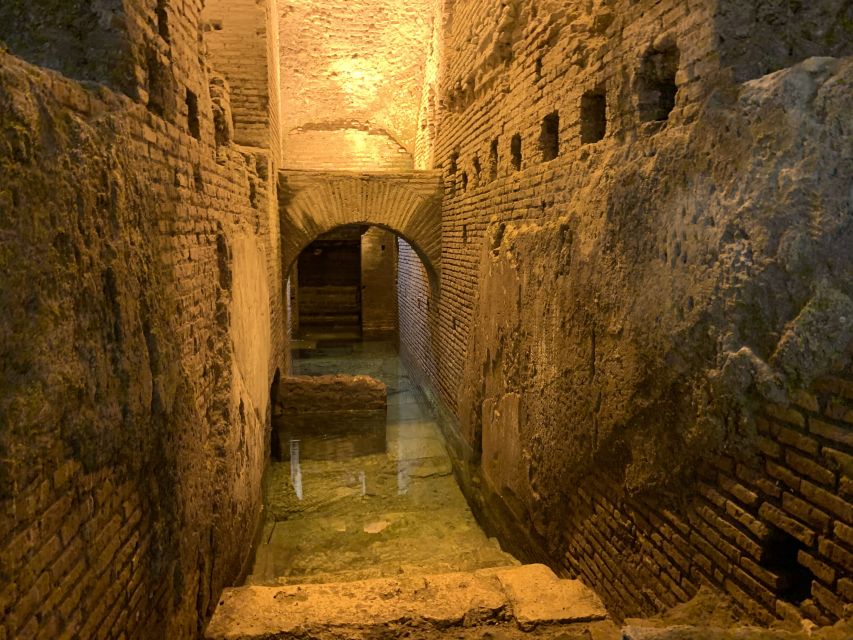
This is not another quick pit stop photo op. This is a guided look at a Roman site that feels like a time machine, because you are literally standing on top of infrastructure the city relied on long before the Baroque masterpiece above became famous.
The tour starts near the Vicus Caprarius archaeological area in the Trevi district (meeting point: Vicolo del Puttarello, 25). From there, you head into the underground spaces where the focus is water and settlement life. Think of it as an engineering story told with archaeology as the evidence. You start with the overall context, then move through three parts of the site, each one helping you understand what kind of neighborhood this was and why water mattered so much.
What makes it especially interesting is that Rome’s water was not just a utility. It shaped where people lived, what they owned, and how luxury homes worked. When you are underground, it becomes obvious why the area earned the name City of Water. The materials, channels, and traces you see help you connect the dots from what you know about Trevi Fountain to what was happening in Roman times.
Also, keep your expectations realistic about comfort and space. The rooms are not huge. You might share the route with other small groups in the same time window. That can make the pace feel a bit compressed, so go in with a mindset of learning fast, looking carefully, and asking questions while you can.
Further under Rome’s streets:


The water system beneath Trevi, from springs to domus pipes
The main idea you should carry into the tour is simple: water moved in Rome with serious planning. Here, your guide helps you trace that movement from the Trevi Fountain area, through filtering masonry, and onward to the luxurious domestic setup in a nearby domus residence.
At this point in the experience, you get the most “I get it now” feeling. Above ground, Trevi Fountain looks like art and tradition. Underground, it becomes infrastructure. You see how Roman builders created a controlled supply system, where water did not just arrive. It was managed, filtered, and routed for specific uses.
The guide connects these dots as you walk the site. You are not just hearing abstract history. You are watching the geography of the water story unfold as you follow the route through the archaeological remains. That matters because Roman engineering often looks confusing when you see it in fragments. The guided format gives you the missing link between the pieces.
This is also where the archaeologist style matters. You will get context on how the site was discovered and why certain features survived. Guides who have a strong sense of humor, like Naomi or Michelle (names that have shown up from English-language guides), tend to make the explanations click without turning them into a lecture. You also get time for questions, and that is a real quality marker for this tour type, because water systems are exactly where curious people want details.
Luxury domus life: coins, amphorae, and polychrome marble
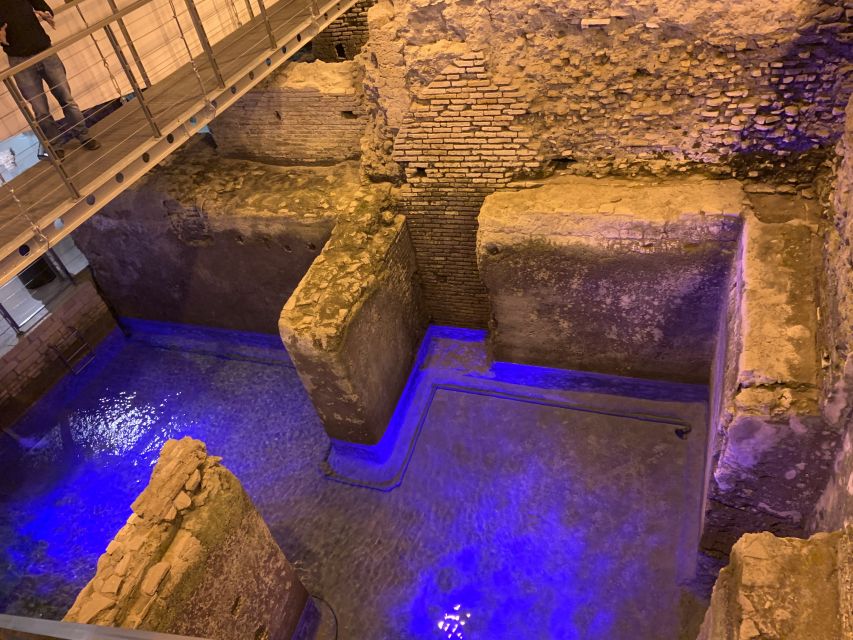
After the water route clicks, the underground site shifts into daily life and luxury. The domus residence connection is one of the best reasons to do this tour instead of simply wandering nearby.
You learn how the water supply fed the residence’s pools and pipes. Then you move into the kinds of artifacts and finds that help you picture what the residents ate, stored, and valued. This is where the tour becomes more than “technical facts.” It becomes human scale.
Here are some of the highlights you can expect to hear about:
- Ancient coins found in the site, tied to the Imperial Age context
- African amphorae used to transport oil, which shows trade networks reaching into everyday Roman life
- Polychrome marble, linking Roman taste and wealth to real materials discovered in the dig
- The head of Alessandro Helios, an art-related find that gives extra color to the Roman imagination
Even if you are not an archaeology person, these objects make the underground experience feel grounded. You stop thinking only about pipes and start thinking about who benefited from them and what life might have looked like. That is why this tour earns its price in a way that many underground tours do not. It uses discoveries to explain the world, not just to list items.
One small practical note: you are moving and looking in a tight environment. If you like detail photography, bring your patience and plan for photos in short bursts. A guide who helps the group pause for images, like Erika or Erica (names that have come up with praise for timing and photo moments), can make a big difference in whether you leave with memories or just blurry shots.
Trevi Fountain at the end: what you get, and what you do not
The tour ends at Trevi Fountain. You get a short guided stop there, about 5 minutes, with access to see the Baroque design and make a wish right where the crowds are.
Here is the key planning point: this is not an underground Trevi Fountain walkthrough. Your underground time happens at the archaeological complex next to Trevi, not beneath the famous fountain itself. That means you will not get private or skip-the-line access to the fountain area beyond the normal visit that happens once you arrive.
Since Trevi is one of the most crowded spots in Rome, expect shoulder to shoulder conditions. The tour is designed so you can visit afterwards, but you should still build in time for the human traffic around the fountain. Entrance to Trevi is free, and this tour does not claim skip-the-line access.
If you want a strategy: aim to use the guided Trevi stop for orientation and quick takeaways, then decide if you want to fight for a close view or step back and enjoy the atmosphere. Rome rewards both approaches, but it depends on your tolerance for crowds.
A fun extra that may be offered with some booking options: an ice cream voucher right by Trevi Fountain. People have called out a with ice cream option that lets you use the voucher any time during your stay. If that is available when you book, it is a simple bonus in a very touristy zone.
Introductions we still owe you around Rome
- Vatican: Museums & Sistine Chapel Entrance Ticket
★ 4.5 · 144,003 reviews - Vatican Museums & Sistine Chapel Tour with Optional Basilica
★ 4.3 · 67,413 reviews - Colosseum, Roman Forum & Palatine Guided Tour
★ 4.7 · 63,148 reviews - Vatican Museums, Sistine Chapel & St Peter’s Basilica Guided Tour
★ 4.5 · 39,149 reviews
Itinerary flow: how the 45 minutes actually feel
This tour is built to be efficient. It is listed at 45 minutes total, with the guided underground visit taking about 40 minutes, then a final 5-minute Trevi Fountain moment.
That timing matters because it changes how you should plan the rest of your day. This is not a “linger and wander” experience. It is a guided sprint with meaningful stops. If you go in tired or distracted, you will miss the connections the guide is trying to make between water supply, architecture, and Roman artifacts.
A smooth itinerary for your own day is to treat this as one of your earlier Rome stops, not your last. The reason is practical: the more you learn about the Roman water system and domus life, the more you will notice elsewhere around the city. Even in short time, it helps you read Rome with sharper eyes.
It is also a good idea to arrive wearing comfortable shoes. The tour is not designed for slow strolling. You are on your feet in an underground environment, and if your shoes are not right, that small discomfort will steal attention from the details that make the tour worth it.
Price and value: is $50 worth 45 minutes?
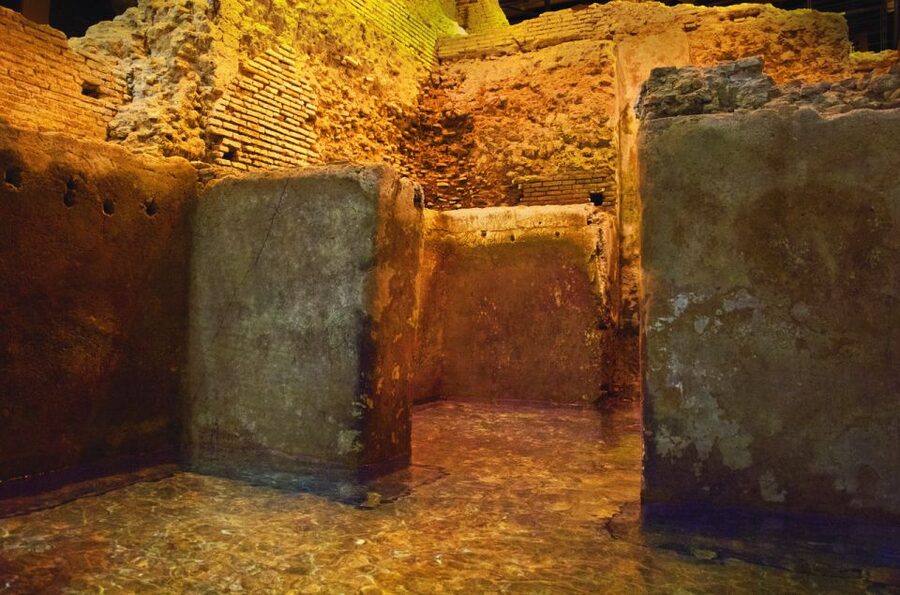
At $50 per person, you should judge value by what you get that you cannot easily DIY.
Yes, you could visit the area around Trevi on your own. But you would be missing the guided interpretation that connects:
- what you see underground,
- how the water system worked,
- why the domus mattered,
- and what the finds like coins and amphorae can tell you.
You also get reserved entry for the Vicus Caprarius, a live guided tour there, and a Trevi Fountain access ticket as part of the experience. The inclusion list is short, which is good. It means the tour is focused on one main activity, rather than piling on extras.
So, is it worth it? If you enjoy learning with a guide, want context that helps you see Rome with less guesswork, and like engineering and archaeology combined, then yes, it is solid value for the time. If your goal is only to spend maximum minutes at the most famous Trevi Fountain shots, this may feel short and the underground portion might be more interesting than you planned. In that case, you might choose a different Trevi-focused walking experience instead.
One more value angle: this is English-language and live-guided, with praise for guides who can answer many questions and keep the group engaged. For a 45-minute format, that kind of guide quality really changes what you take home.
Who should book this underground Trevi Domus tour

I think this tour fits best if you want Rome that feels specific, not generic.
It is a great match for:
- People who like archaeology, even if you are not a hardcore museum person
- Anyone curious about how cities worked, especially Roman engineering
- Travelers who want a break from the sun and crowd pressure, since the main portion is underground
It may be a less good match if:
- You expect to go under the actual Trevi Fountain structure, not just a site next door
- You dislike tight underground spaces or crowded tourist zones
- You need accessibility support, since it is not suitable for people with mobility impairments or wheelchair users
If you do go, treat it like a story. Follow the water route, listen for the names of key finds, then look back at Trevi Fountain with a different mind than when you arrived.
Should you book this Trevi District Underground Domus tour?
Book it if you want to understand the Trevi area beyond the fountain photo. You are paying for reserved access, a guided walk in the City of Water, and expert interpretation of what the Roman water system and domus life actually mean. The short Trevi stop at the end is a nice connection, even if it is brief.
Skip it if you mainly want close-up time at Trevi Fountain itself. The crowds there can be intense, and this tour is not an underground Trevi Fountain walkthrough.
If you are on the fence, here is my practical call: schedule this on a day when you have energy for listening, wear comfy shoes, and go in expecting an underground engineering and archaeology experience, followed by a quick Trevi Fountain finish.
FAQ
Where do I meet the guide?
You meet the guide at the entrance to the Vicus Caprarius archaeological area, at Vicolo del Puttarello 25.
How long is the tour?
The tour lasts about 45 minutes total, with roughly 40 minutes at Vicus Caprarius and about 5 minutes at Trevi Fountain.
Is the tour guided and in English?
Yes. It is a live guided tour in English, led by a tour guide.
What is included in the price?
Included are reserved entry ticket assistance for Vicus Caprarius, the Vicus Caprarius guided tour, and a Trevi Fountain access ticket.
Is an audio guide included?
No. An audio guide is not included.
Do I get food or drinks during the tour?
No. Food and drinks are not included.
Will I have time to visit Trevi Fountain after the underground portion?
Yes. The tour ends at Trevi Fountain, and you will still have the opportunity to visit it afterward. Note that Trevi can be very crowded.
Does this tour include skip-the-line access to Trevi Fountain?
No. Skip-the-line access is not included. Entrance to the fountain is free.
Is the tour wheelchair accessible or suitable for mobility impairments?
No. It is not suitable for people with mobility impairments or wheelchair users.
Can I cancel for a refund?
Yes. Free cancellation is available up to 24 hours in advance for a full refund.
Just introduced: the newest Rome write-ups
- Rome Fiumicino Airport Transfer in Luxury Private Transportation★ 4.5 · 339 reviews
- Vatican: Pope Francis Tomb and Papal Basilicas Tour★ 4.7 · 340 reviews
- From Rome: Sorrento, Positano & Amalfi Coast Day Trip★ 4.5 · 340 reviews
- Rome: Guided Colosseum Underground Tour★ 4.8 · 342 reviews
- Colosseum Arena Floor, Roman Forum & Palatine Hill Guided Group Tour★ 5.0 · 343 reviews
- Rome: Small Group Rome’s Dark Side – Ghosts & Legends Tour★ 4.9 · 343 reviews
- Rome: City Highlights Electric Bike Tour★ 4.9 · 343 reviews
Underground & Catacombs Tours, compared.

Naples Underground Entry Ticket and Guided Tour
Read our review →
Colosseum: Underground and Ancient Rome Tour
Read our review →
Catacombs of San Gennaro Entry Ticket & Guided Tour
Read our review →
Crypts and Catacombs Underground Tour with Transfers
Read our review →
Expert Guided Tour of Colosseum Arena OR Underground, and Forum
Read our review →
The Original Roman Crypts and Catacombs Tour with Transfers
Read our review →
Colosseum Underground Small Group Guided Tour
Read our review →Browse the lists this tour appears in