
Reviewed · VENICE TOURS
The Majestic Teatro La Fenice: Guided Tour in Venice
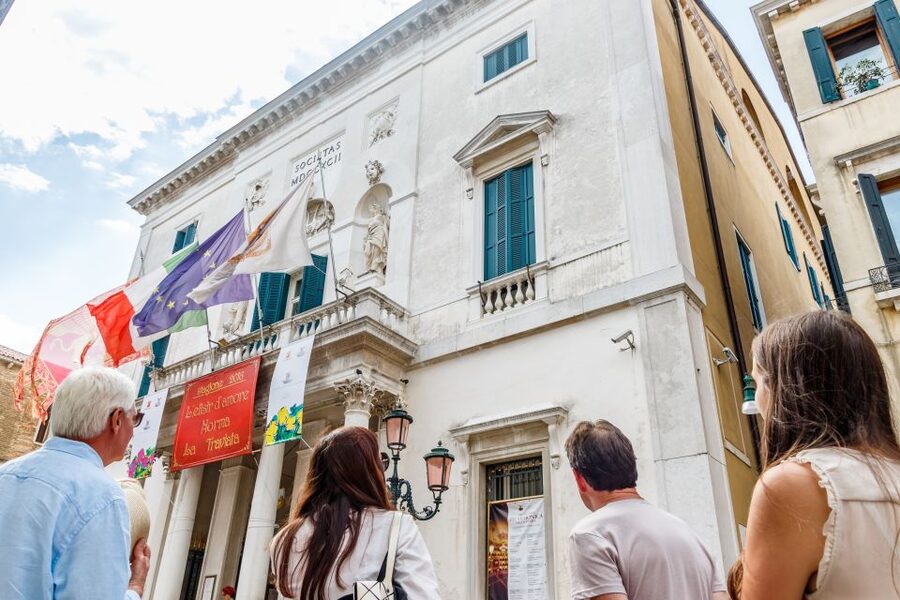
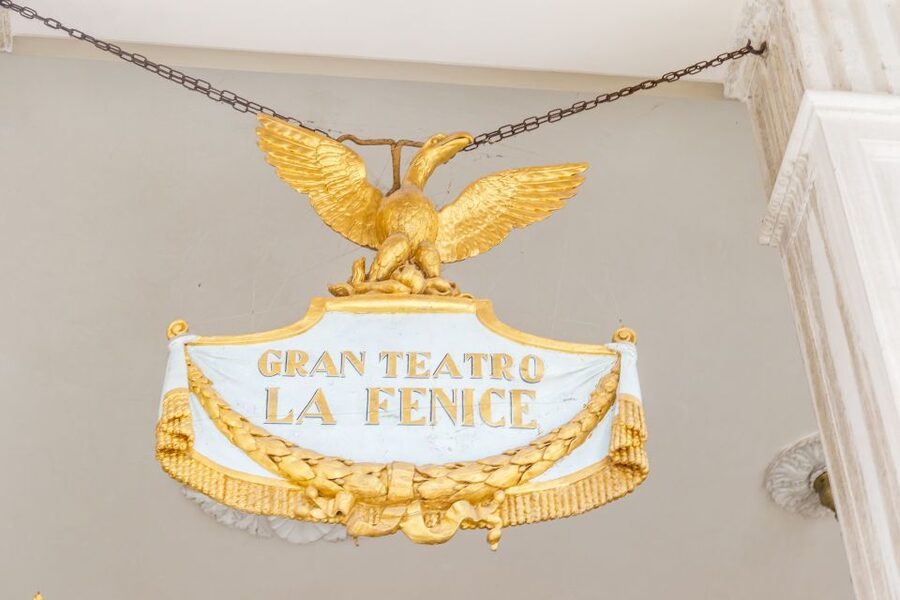
La Fenice feels like Venice dressed for opening night. This guided visit takes you inside one of the world’s best-known opera theatres and pairs real stage history with what opera looks and sounds like when it is properly staged. You’ll walk into Teatro La Fenice ready to picture productions from Rossini and Bellini, and you’ll leave with a clearer sense of how a 21st-century performance fits into a building with serious stage pedigree.
I love two things right away. First, the way the tour turns the auditorium into a real operating system, from the theatre’s size to the scale of its production teams, including a 98-member orchestra and a 66-person opera chorus. Second, the fact that you may get to experience the building from major vantage points like the Royal Box, which makes it feel less like a stop on your list and more like you are inside the story. One consideration: this is a tight 1-hour visit and it is not suitable for wheelchair users, so plan to add extra time on your own if you want a slower, deeper look.
In This Review
- Quick highlights you can plan around
- Why Teatro La Fenice deserves your time in Venice
- What the 1-hour guided tour actually covers
- Entering the opera house: the Royal Box and big-deal viewpoints
- The stage history you’ll hear, from Rossini to Stravinsky
- Acoustics, size, and why this theatre feels different
- A smart way to pair this with an evening performance
- Price and value: what you get for about $28
- Meeting point and tour rhythm at the Fenice
- Should you book this La Fenice guided tour?
- FAQ
- How long is the Teatro La Fenice guided tour?
- What language is the tour guide?
- Where do I meet the guide?
- Is the tour inside the theatre?
- Is the tour suitable for wheelchair users?
- What is the price per person?
- Can I cancel for a full refund?
Quick highlights you can plan around
- A focused 1-hour, English guided visit inside the theatre, with the explanation delivered inside, not while you are walking up.
- Opera history mapped to what you can actually see, with standout titles ranging from Rossini and Bellini to modern works like Stravinsky and Britten.
- Royal Box access when available, plus close-up moments that make the theatre feel like a living stage.
- A real sense of scale, including seating for over 1,000 and a production setup built for strong acoustics.
- Clear, lively guiding in English, with many mentions of guides such as Sara, Nicole, Marina, and Matilda.
Why Teatro La Fenice deserves your time in Venice
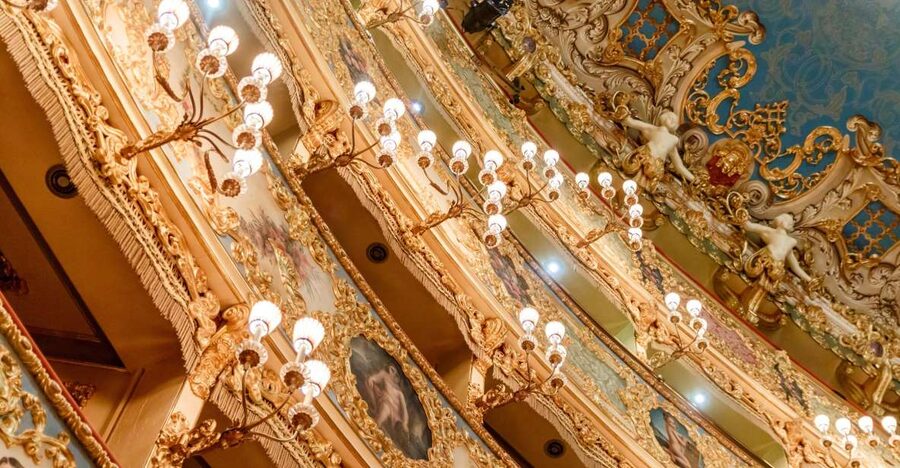
If you care about Venice even a little, you will care about what happens under the chandeliers. Teatro La Fenice is not just a pretty shell. It is a working idea of opera, built to make big feelings carry through the room. In one hour, you get the kind of context that helps you understand why people still treat this place like a pilgrimage site.
What makes it especially good for real-life travel is the balance between spectacle and structure. The tour does not stay vague. You learn how La Fenice became the go-to theatre for major opera premieres in the late 18th century, and you also hear what is changing today, with a clear push toward contemporary productions. That mix helps you enjoy the building on two levels: the old-world glamour, and the fact that opera here is still moving.
Introductions we still owe you around Venice


What the 1-hour guided tour actually covers
This is a simple format, and that is part of its charm. You meet at the Fenice entrance area, and the hostess meets you directly in front of the theatre. Then, the explanation happens inside. No long speech outside in the wind, no hunting for your group while the city keeps doing its own thing.
Once you are inside, the guide walks you through the space with a story in mind. Expect history, but not history as trivia. You’ll hear about how La Fenice quickly became a premier venue for opulent openings and major works, and you’ll connect that to what you see in the auditorium and surrounding rooms.
The tour length matters. At 1 hour, it is long enough for a proper orientation and a few memorable viewpoints, but short enough that it does not hijack your entire afternoon. If you are planning a night at the opera, this kind of visit is a smart warm-up. One review that stuck with me described how the tour made the same evening’s performance feel even richer, because the building and terminology stopped being abstract.
One small reality check: because the tour is short, you are not getting a full production breakdown or a deep technical class. It is a guided visit inside, built for first-timers who want the big picture fast.
Entering the opera house: the Royal Box and big-deal viewpoints
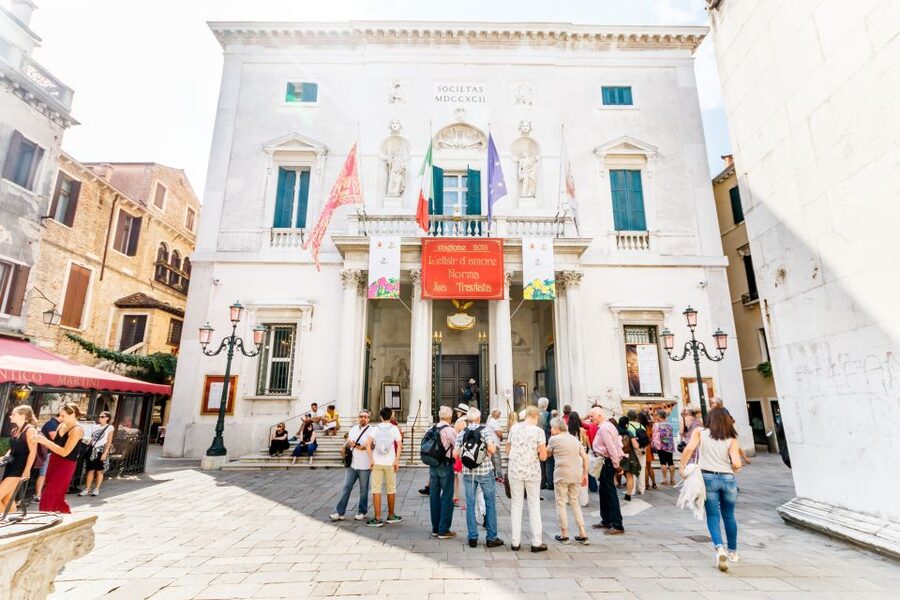
The moment you start seeing the theatre from important angles, it clicks. The Royal Box is the kind of place that makes you understand why people once traveled for opera like it was theatre plus status plus drama. Several guides lead groups to a Royal Box viewpoint, and you feel the difference immediately: this is not the vantage point of someone watching from the edge. It is the vantage point of someone who belongs to the performance.
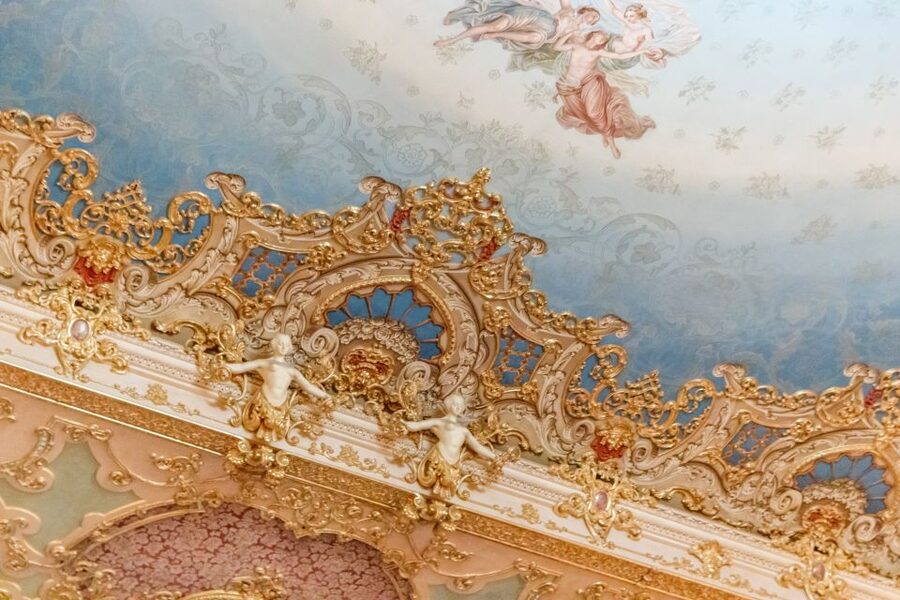
You might also get to see details that are easy to miss if you are just snapping photos. Reviews mention the ceiling features and a notable clock, plus time spent in larger rooms beyond the main seating. In at least a few cases, guides also point out special displays linked to opera legends, including an exhibition connected to Maria Callas.
One operational thing to be aware of: sometimes the theatre is running tests or other scheduling needs. In one case, the theatre was closed due to lighting testing, and the guide adjusted the visit. That is a good reminder to bring flexibility. You are buying a guided experience, not a guaranteed film set.
The stage history you’ll hear, from Rossini to Stravinsky
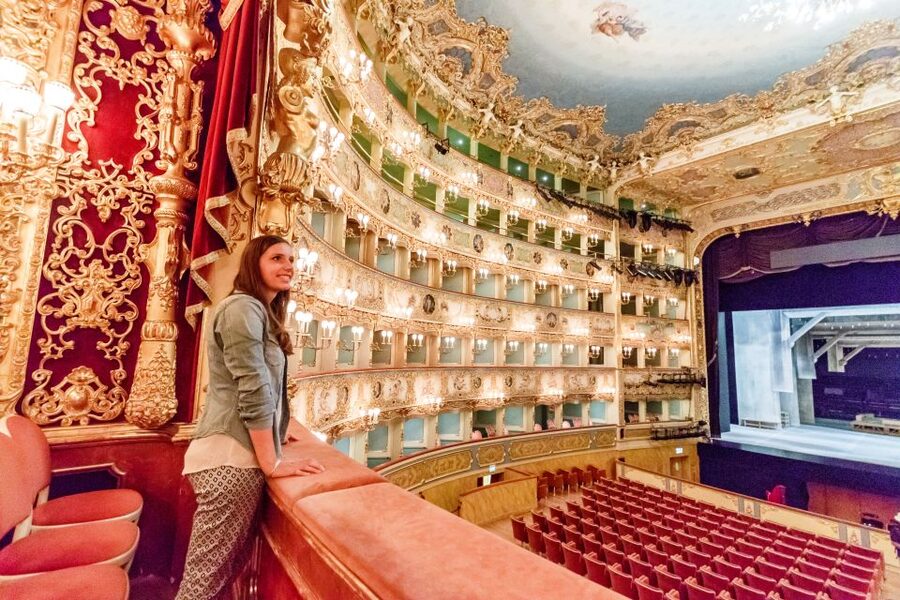
This is the heart of the tour. You are not just standing in a beautiful room while someone describes it. You are being guided through how the theatre’s stage identity evolved over time.
You will hear about major titles tied to La Fenice’s rise as a top destination at the end of the 18th century. Names that come up include Rossini works such as Tancredi, Sigismondo, and Semiramide, as well as Bellini’s The Capulets and the Montagues and Beatrice di Tenda. Those are not just impressive names to toss into a conversation. They help you imagine what the premieres sounded like before modern lighting design and before today’s audience expectations shaped the room.
Then the tour turns to the present. La Fenice is putting special emphasis on contemporary productions, including world premiere work associated with Stravinsky’s The Rake’s Progress and Britten’s The Turn of the Screw. You do not need to be a hardcore opera fan for this to land. Even if opera is new for you, hearing this list inside the building makes the theatre feel alive, not frozen in amber.
As a practical traveler, I think that is the value. Opera can feel intimidating because it sounds old-fashioned until you place it in a living building with a current mission. This tour gives you that bridge.
Also on the Venice guest list:
- Venice: Grand Canal by Gondola with Live Commentary
★ 4.1 · 13,681 reviews - Venice: La Fenice Opera House Entry Ticket with Audio Guide
★ 4.6 · 11,742 reviews - Doge’s Palace & St. Mark’s Basilica with Terrace Access Tour
★ 4.7 · 10,697 reviews - Venice: Burano, Torcello & Murano Boat Tour w/Glassblowing
★ 4.4 · 10,245 reviews
Acoustics, size, and why this theatre feels different
When the tour talks about acoustics and scale, it is not just marketing. La Fenice has seating for over 1,000 people, and the production backbone is substantial: a 98-member orchestra and a 66-person opera chorus. Hearing those numbers while you stand in the auditorium helps you understand why the theatre is considered such an important space for performance.
Large theatres can sometimes feel cold, like you are looking at architecture instead of listening to sound. Here, the selling point is that the design supports strong acoustics, so performers are not just trying to be heard, they are trying to be shaped by the room. Even during the daytime visit, the tour’s focus on how productions are organized helps you mentally place the performers where they belong.
This is also why the tour works well for non-experts. If you can picture a choir and orchestra in a room that is built for them, you can follow what happens at night with less confusion. You’ll still be figuring things out, of course, but the building stops feeling like a mystery.
A smart way to pair this with an evening performance
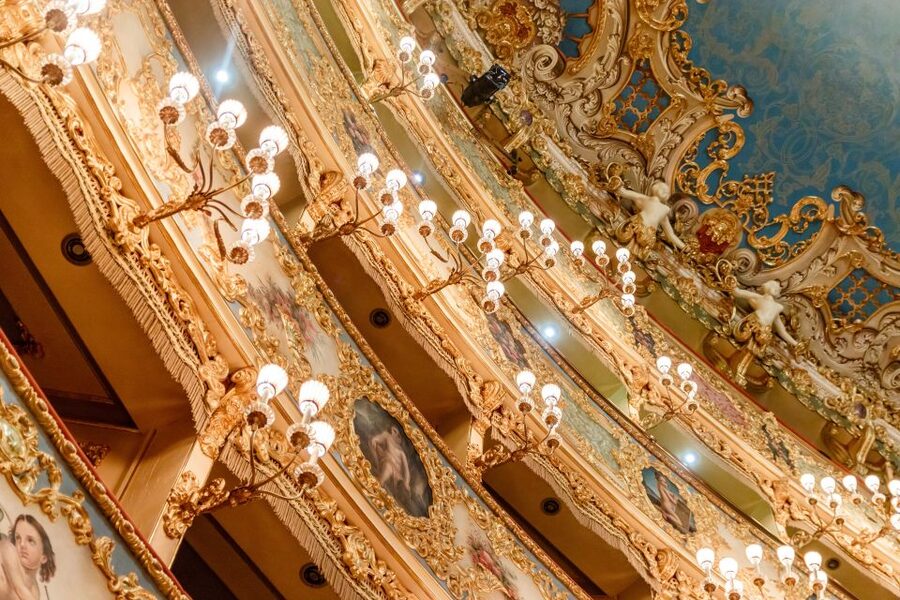
If you are planning to attend opera in Venice while you are in town, I strongly recommend pairing it with this tour. Even one hour of orientation can change how you experience the show. You start recognizing major visual features and you understand why certain sections matter to how performers deliver sound.
That does not mean you must be an opera scholar. The tour is in English, and many guides are described as clear speakers who keep the hour interesting. Guides such as Sara, Nicole, Marina, and Matilda are specifically mentioned for bringing the theatre’s story to life, and that matters because opera buildings can overwhelm first-time visitors. A good guide helps you know what to look at, not just where to stand.
If you do not have an opera ticket, you can still do this tour for the theatre itself. It is a high-value way to see a famous Venice landmark that is more than a facade.
Price and value: what you get for about $28
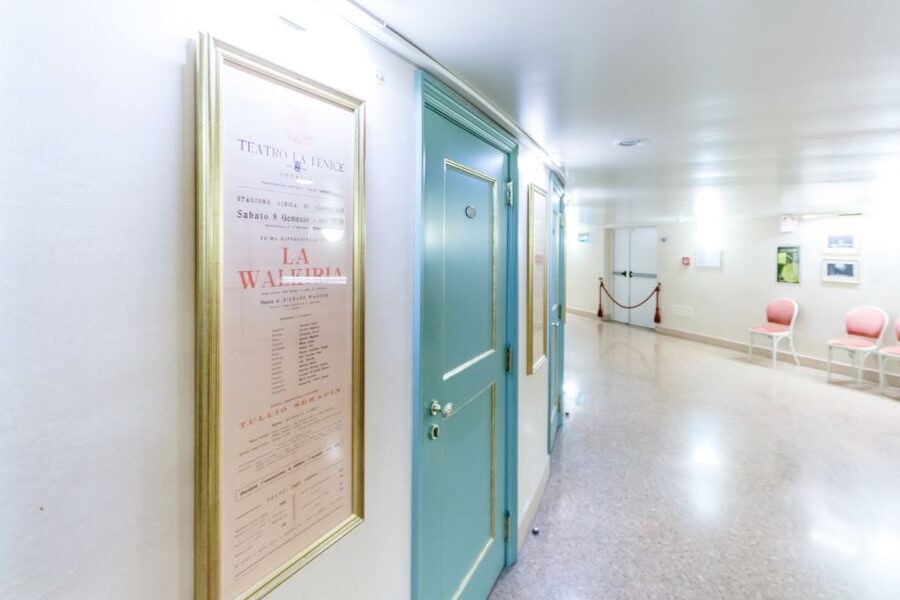
At around $28 per person for a 1-hour guided visit, this is priced for accessibility. You are not paying museum-style entry prices for a vague walkthrough. You are paying for an English live guide inside a globally recognized opera house, plus the context that turns architecture into meaning.
The rating is also a strong signal, with a 4.3 average across 513 reviews. That does not mean every tour is identical, but it suggests the overall experience hits the mark. Many reviews call out how informative the guides are and how the visit feels worth the money, with people also appreciating extra time inside after the tour in at least some cases.
The one value tradeoff to consider is simple: you are buying a short tour. If you want hours and hours of deep technical theatre study, you might end up wanting more afterward. But for most visitors, that is exactly the point. One hour gives you the big picture without draining your day.
Meeting point and tour rhythm at the Fenice
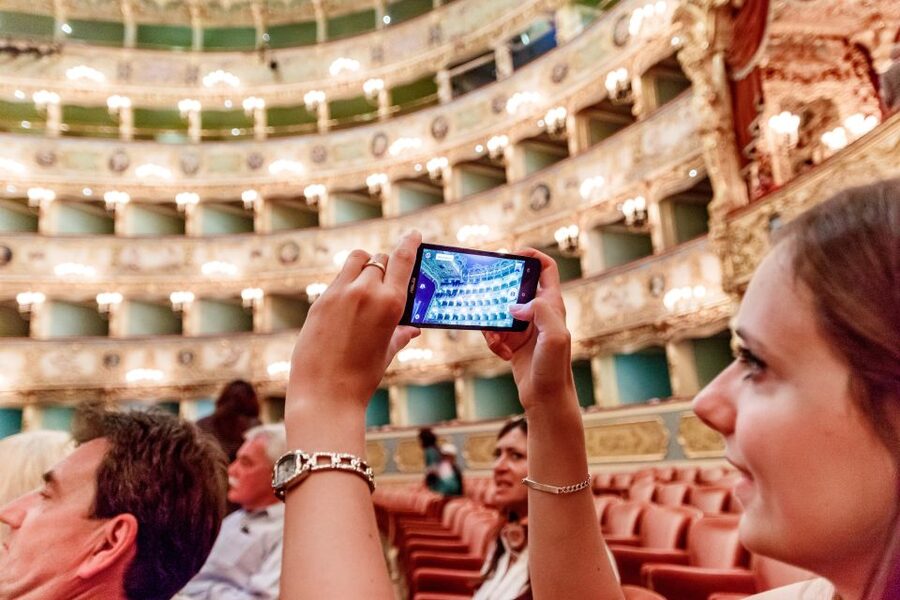
Your meeting point is in front of the theatre. The hostess meets you directly in front of the Fenice entrance, and the main explanation takes place inside the theatre. That matters because it reduces waiting time and keeps your arrival experience more organized.
Start times vary, so check availability before you lock in your day. With a 1-hour format, you can also stack it smartly with other Venice plans. I like doing this earlier in the day if I have an evening event, because it gives your brain time to absorb the theatre layout.
The tour is conducted in English, so if you prefer English interpretation, this is the right format. And if you are traveling with people who are new to opera, the guided story structure still works, because it focuses on how the theatre functions and why those famous works mattered.
Should you book this La Fenice guided tour?
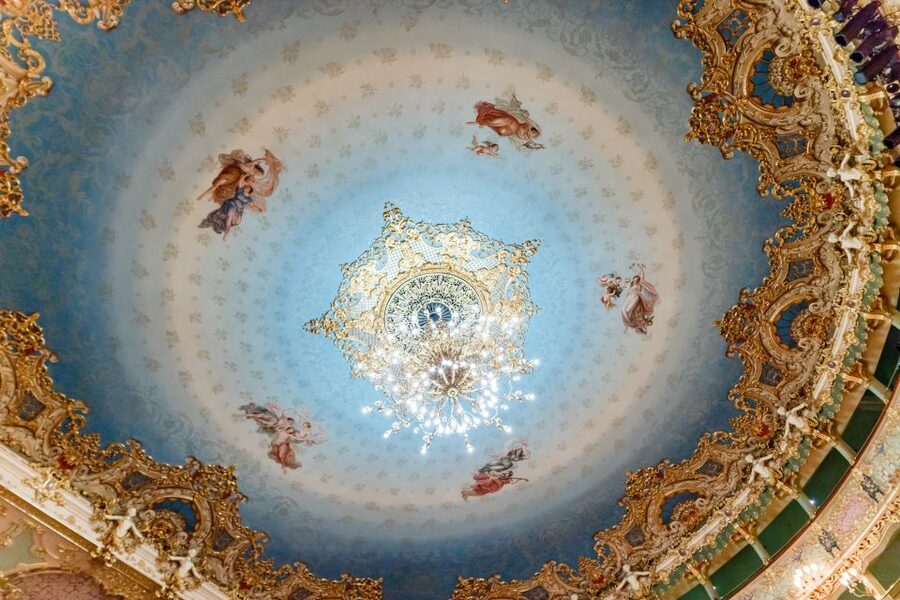
I would book it if you want a high-impact Venice experience in a short time. This tour makes La Fenice approachable. You get theatre history that connects to real productions, plus practical orientation inside a famous opera house. The chance to see major viewpoints such as the Royal Box is a big reason many visitors feel it is money well spent.
Skip or rethink if you need wheelchair accessibility, since it is not suitable for wheelchair users. Also consider whether you might be happier with a longer, more specialized visit if you are the kind of person who wants backstage access or hours of technical detail. For most first-timers, though, this hits the sweet spot: one hour, inside the stage world, with an English guide who brings the building to life.
FAQ
How long is the Teatro La Fenice guided tour?
The tour lasts 1 hour.
What language is the tour guide?
The tour is available with a live guide speaking English.
Where do I meet the guide?
You meet in front of the Teatro La Fenice in Venice, at the theatre entrance.
Is the tour inside the theatre?
Yes. The explanation takes place inside the theatre, and the activity ends back at the meeting point.
Is the tour suitable for wheelchair users?
No. The activity is not suitable for wheelchair users.
What is the price per person?
The price is $28 per person.
Can I cancel for a full refund?
Yes. Free cancellation is available up to 24 hours in advance for a full refund.
Just introduced: the newest Venice write-ups
- From Venice: Dolomites and Lake Braies Day Trip by Minivan★ 4.9 · 341 reviews
- Venice: Doge’s Palace, Bridge of Sighs, Prisons, Correr & Audioguides★ 4.1 · 345 reviews
- Venice: Opera Concert at Casanova Prisons in St. Mark Square★ 4.5 · 347 reviews
- Venice: St. Mark’s Basilica and Gondola Morning Tour★ 4.5 · 351 reviews
- From Venice: Prosecco Hills and Wine Tasting Tour★ 4.9 · 357 reviews
- Morning Venice Lagoon Cruise: Murano and Burano Islands★ 3.5 · 357 reviews
- Venice: Doge’s Palace Guided Tour with Optional Gondola Ride★ 4.6 · 362 reviews
Venice Tours, compared.

Grand Canal Gondola Ride with App Commentary
Read our review →
Boat Trip: Glimpse of Murano, Torcello & Burano Islands
Read our review →
Grand Canal by Gondola with Live Commentary
Read our review →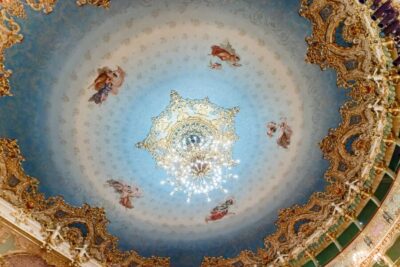
La Fenice Opera House Entry Ticket with Audio Guide
Read our review →
Doge’s Palace & St. Mark’s Basilica with Terrace Access Tour
Read our review →
Burano, Torcello & Murano Boat Tour w/Glassblowing
Read our review →
Murano and Burano Boat Tour with Glass Factory Visit
Read our review →Browse the lists this tour appears in