
Reviewed · VERONA TOURS
Verona: Hop-on Hop-off Tour 24 or 48-Hour Ticket
Verona clicks into focus from the top deck. I loved the open-top panoramic views and the multilingual audio commentary that explains what you are seeing as you pass each landmark. One possible drawback is that the audio on the two routes can feel repetitive, and the sound quality on the blue line may be less clear than the red.
This is a practical 24 or 48-hour way to get oriented fast. Both routes start at Piazza Brà, so you can hop on, listen, and then get off to explore at your own pace without committing to one long guided loop.
In This Review
- Key highlights to notice before you board
- Piazza Brà: Your home base for both the red and blue lines
- Red route on the open-top bus: walls, viewpoints, and the Via Diaz stroll
- Blue route on the smaller bus: tighter streets and the hilltop mood
- San Zeno and Castelvecchio: the stop that turns sightseeing into culture
- Teatro Romano and the Roman stops: how to see antiquity without pressure
- Juliet’s House area and Piazza Erbe: legend plus real street life
- Via Diaz and Porta Borsari: a good mid-tour break
- Timing, crowds, and the hour-by-hour rhythm
- Value check: is $29 worth it for 24 hours or 48 hours?
- One more practical note: what to do if plans change
- Should you book this Verona hop-on hop-off bus?
- FAQ
- Where do the red and blue bus routes start?
- How often do the buses run on each route?
- What is included in the ticket price?
- Are attraction tickets included for the Arena or Teatro Romano?
- What stops are on the red route?
- What stops are on the blue route?
- What languages is the audio available in?
- Is there any service interruption mentioned?
- Can I cancel for a refund?
Key highlights to notice before you board
- Piazza Brà is your hub: both lines A and B begin at the Arena Square area.
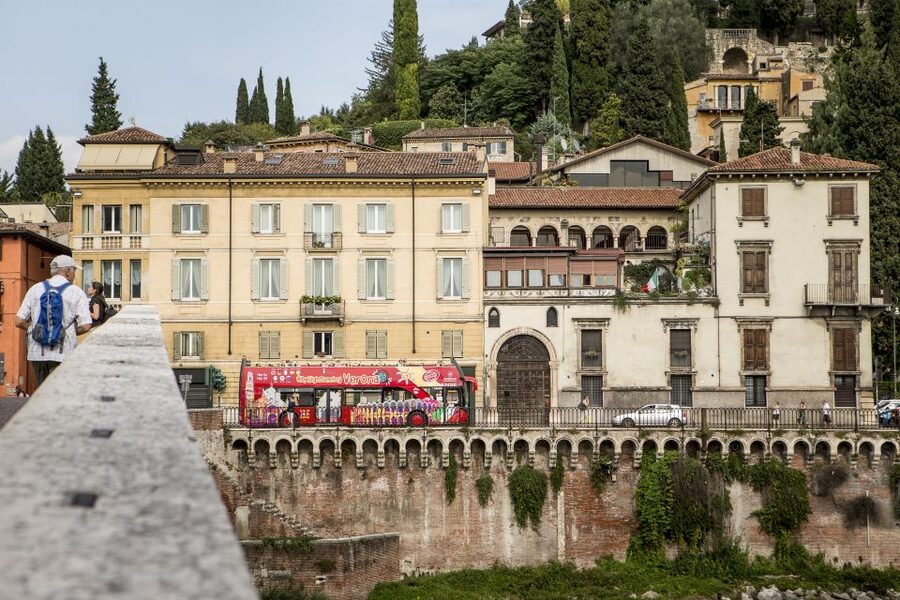
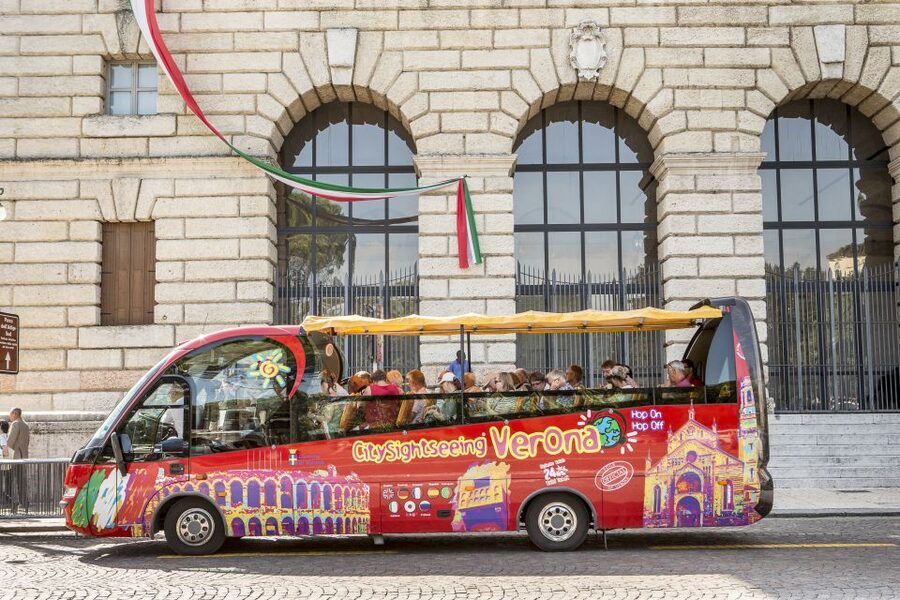
- Big-bus plus small-bus routes: the red route is the classic open-top, while the blue route uses a smaller vehicle that works well for tighter streets.
- Roman Verona appears twice: you pass the Roman Theatre area and also get stops tied to the wider Roman core.
- San Zeno is a main-character stop: the route includes Basilica S. Zeno and the Castelvecchio area nearby.
- Shopping and skyline moments: there is a planned stop along Via Diaz, plus viewpoints on the blue route.
- Plan for hourly buses: you can hop a lot, but the schedule rhythm means quick photo stops are not always efficient.
Piazza Brà: Your home base for both the red and blue lines
Start where it matters, Piazza Brà, also known as the Arena Square. That is where you find both bus lines A and B, so even if you jump between routes, you always know where the system is anchored.
The tour concept is simple: you buy a 24 or 48-hour ticket, ride the bus when you want, and hop off to explore between stops. Each route runs every hour, so it is built for “see, pause, and move on,” not for zero-wait wandering.
For me, the best part of this setup is how it reduces decision fatigue. Verona is compact, but old streets can slow you down. This bus gives you a fast orientation line, then you choose which areas deserve your walking time.
Introductions we still owe you around Verona
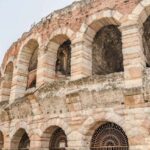
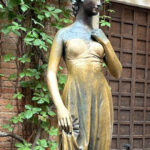
Red route on the open-top bus: walls, viewpoints, and the Via Diaz stroll
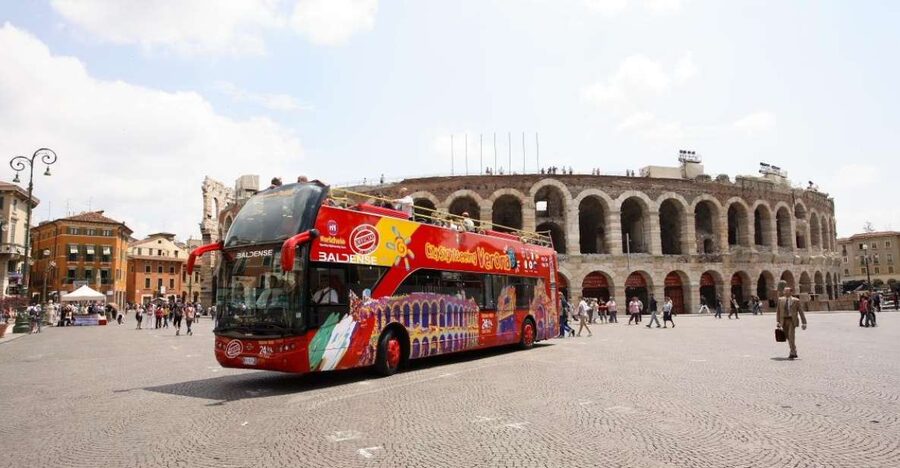
If you like the classic big-city sightseeing feeling, the red route is the one to start with. It is the open-top, double-decker style experience that gives you panoramic views as Verona slides by.
Here is the red route logic in plain terms, stop sequence by stop sequence:
- Piazza Bra: your departure point, right by the Arena Square.
- Corso Porta Nuova Giardini Pradaval: a green-toned buffer before the more central sights.
- Stazione FS Porta Nuova: a handy option if you are basing yourself near the station area and want to board without backtracking.
- Piazza Pozza: an easy entry into the old-town vibe, great for a coffee break or a quick walk-and-look.
- Basilica S. Zeno, Castelvecchio area: this is one of the strongest cultural anchors on the route.
- Via Diaz and Porta Borsari: where you get both a smart shopping pause and a look at a historic gate area.
- Teatro Romano: the Roman Theatre makes this route feel like more than just a convenience bus.
- Porta Leoni and Piazza Leoni: you end this route pattern close to the Juliet’s House area.
What makes these stops work is how they layer time periods. You start near modern Verona’s main square energy, then you slide into medieval walls and church territory, then you finish with Roman landmarks. It is a smooth way to build a mental map without getting lost in street names.
Small practical note: some reviews found the red route audio easier to hear than the blue line. So if you care about the clarity of the narration, start on red, then compare for yourself.
Blue route on the smaller bus: tighter streets and the hilltop mood
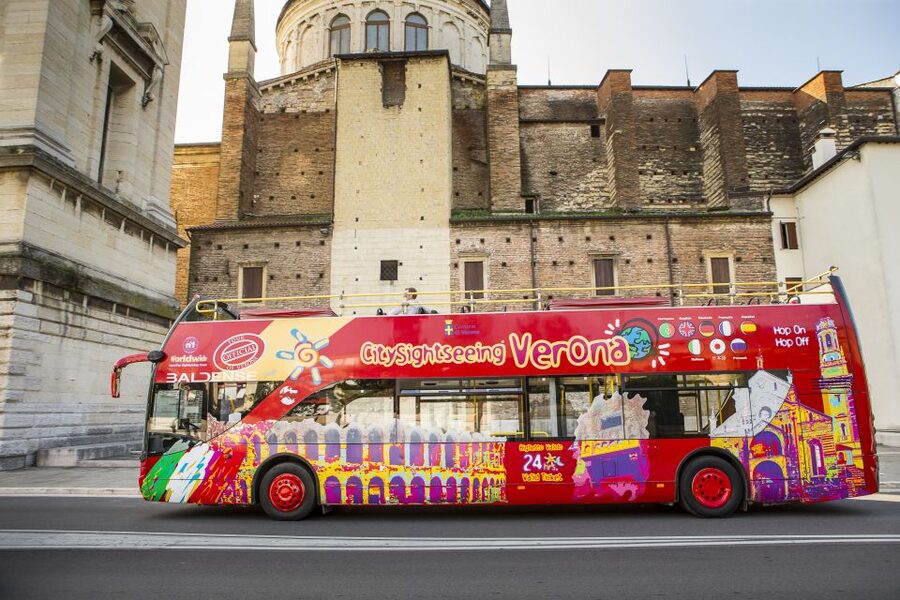
The blue route has a different feel, and that is not just marketing. Riders often describe it as better for small streets, and the vehicle type can make the ride feel more nimble in the older parts of the city.
The blue route stop pattern includes:
- Piazza Bra: start point again, so you can swap lines easily.
- Via Pallone, Tomba Giulietta: right in the Juliet-related area cluster.
- Via G. Giusti: a quick pass through residential old-town texture.
- S. Stefano Teatro Romano: another angle on the Roman Theatre area.
- Castel S Pietro: a major viewpoint moment, built for photos.
- Duomo: a strong landmark stop if you want to orient around Verona’s main cathedral area.
- Piazza Erbe, Casa Giulietta: a top spot for atmosphere and legend-on-the-street energy.
- Porta Leoni and Piazza Leoni: again closing near the Juliet’s House end of town.
I like the blue route for the “look higher” strategy. When you want a skyline perspective, Castel S Pietro helps. It also breaks up the day when the main streets feel too much like a nonstop walking checklist.
One caution: because the audio can repeat and some riders report weaker audio quality on line B, you might treat the blue route as the route you ride for streets and views, then use red for the narration if you are sensitive to sound clarity.
San Zeno and Castelvecchio: the stop that turns sightseeing into culture
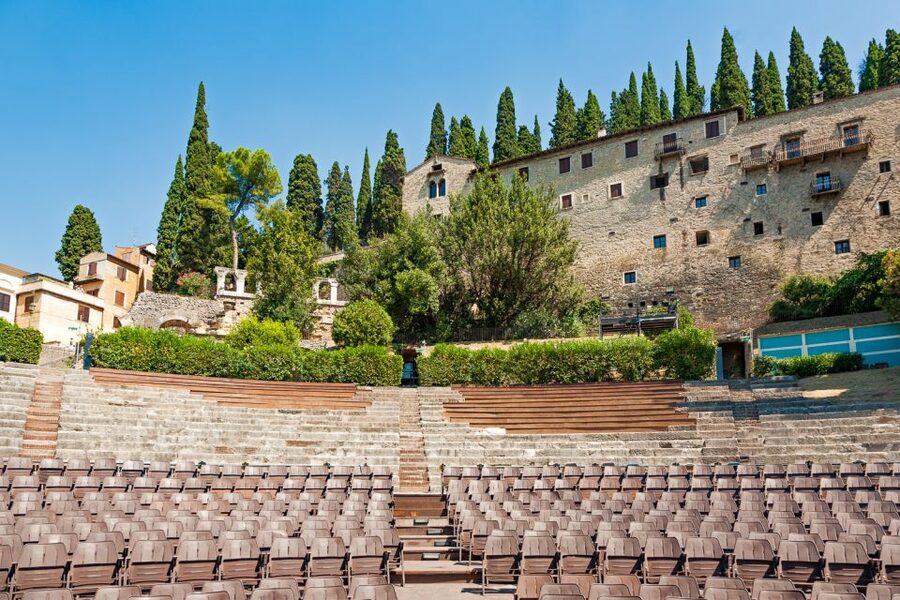
The route includes Basilica S. Zeno and also references the Castelvecchio area. This is where Verona feels most medieval, and it is a great “get off and actually walk” segment.
You do not need a long plan here. Even a focused visit can give you a big payoff: church façades, stone details, and the sense that the city has structure beyond the postcard streets.
If you like your sightseeing with a little breathing room, you can also use this as a midday pivot. Get off, look around, then come back to the bus when you want to cool down or recover your energy.
The practical part: this stop is on the red route, so it is easy to time. Ride red for the morning overview, then hop off here for a more grounded Verona moment.
Also on the Verona guest list:
- Verona: Small Group Guided Walking Tour with Arena Tickets
★ 4.9 · 848 reviews - Verona: Arena di Verona Opera Ticket
★ 4.6 · 721 reviews - Verona: Pasta and Tiramisu Cooking Class with Fine Wine
★ 4.8 · 633 reviews - Verona: Classic and Hidden Gems Bike Tour
★ 4.9 · 577 reviews
Teatro Romano and the Roman stops: how to see antiquity without pressure
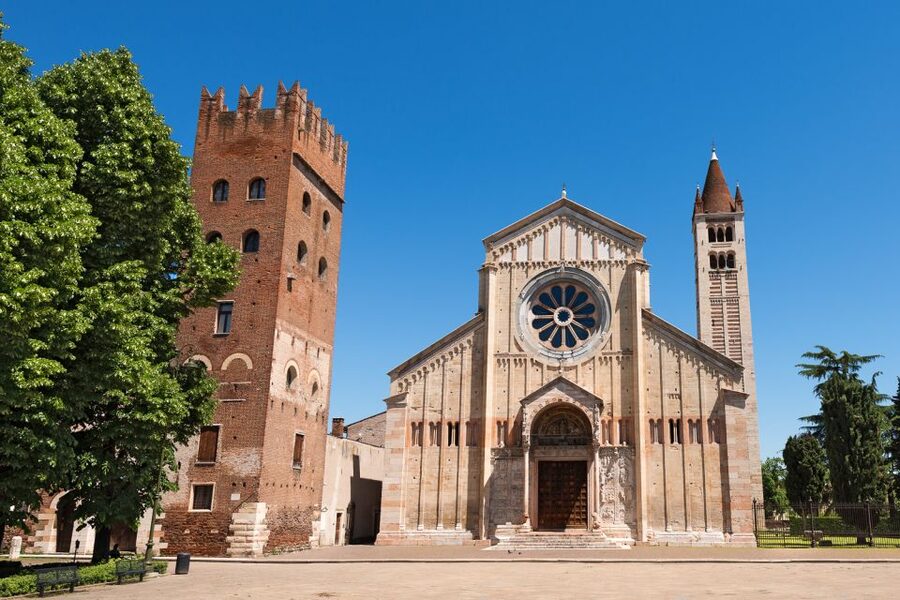
Verona does not just sprinkle Roman landmarks. The route takes you to Teatro Romano, and the blue line also points you through a related Roman Theatre area stop (S. Stefano Teatro Romano).
What I like about doing this by bus is the pacing. You can get a feel for where the Roman Theatre sits in the urban layout, then decide how much time to spend on foot.
Also, remember the key value shift: the bus gets you to the landmarks, but attraction tickets are not included. So if you want entry into the Arena di Verona or the Roman Theatre, you will still need separate tickets. Even so, simply being in the right zone and seeing the structure from street level can help you understand why Verona was so powerful in Roman times.
If you are on a tight schedule, do the Roman stop as a “context visit.” You are not losing time by not rushing entry immediately. You are setting up your choices for your next visit.
Juliet’s House area and Piazza Erbe: legend plus real street life
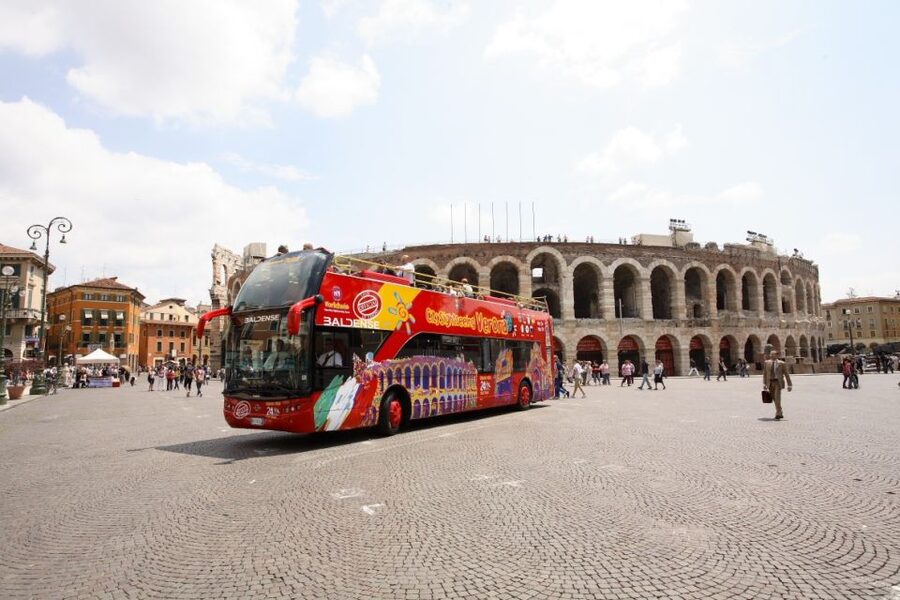
This is where the bus stops simplify your decision-making. The routes take you close to the Piazza Leoni area and the Casa Giulietta cluster, plus the blue route includes Piazza Erbe and a stop noted as Tomba Giulietta on Via Pallone.
Here’s how I would use these stops:
- If you want the classic Juliet sights, get off near Piazza Leoni and keep your visit short but intentional.
- If you want to feel Verona at street level, pair the Juliet area with Piazza Erbe, since that square gives you the everyday energy that makes legend feel grounded.
The win is that you can do this in stages. Ride the bus, get your bearings, then walk only the parts you genuinely want to see.
Via Diaz and Porta Borsari: a good mid-tour break
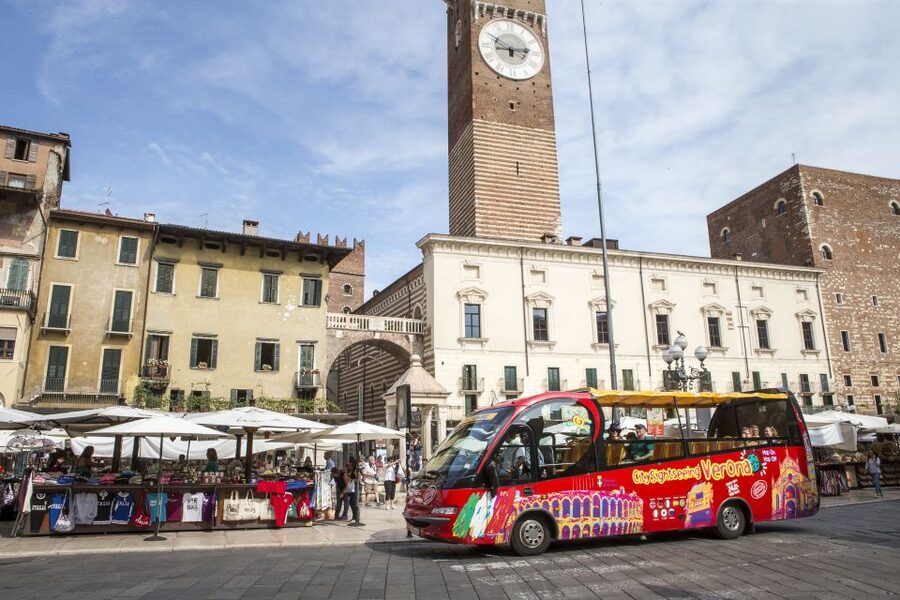
The red route includes Via Diaz and Porta Borsari, which gives you something different from churches and ancient stone. Via Diaz is a practical shopping stop, so it works well when you want a break from sightseeing.
Think of this as your “reset station.” You can grab something to drink, browse a bit, and then hop back on before you start feeling tired of walking.
Porta Borsari also adds a historic-gate feel without forcing a long detour. It is the kind of stop that makes the bus feel like more than just transport.
Timing, crowds, and the hour-by-hour rhythm
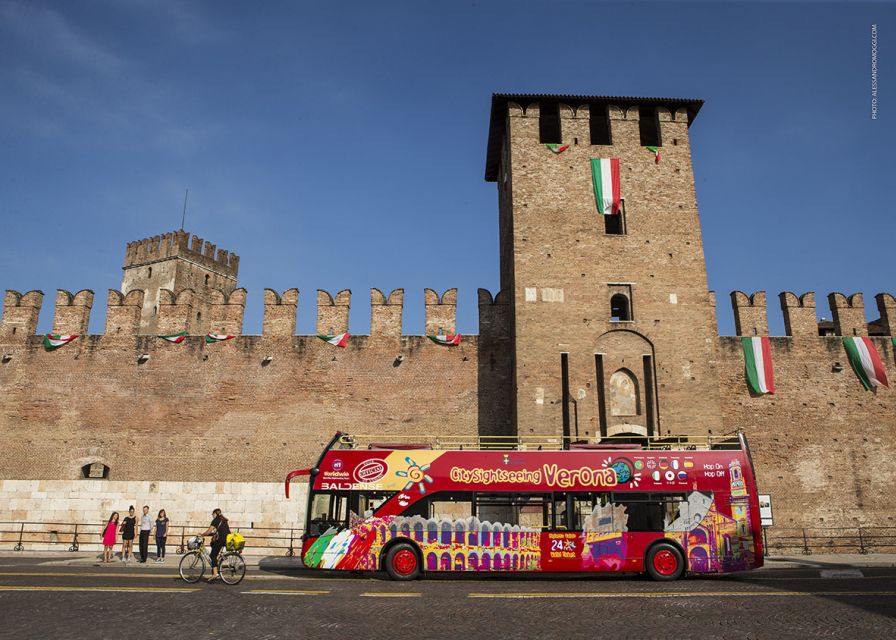
The buses run every hour on each route. That matters, because hop-on hop-off works best when you treat stops as plans, not as spontaneous escapes whenever the bus passes.
A few practical lessons I would follow:
- If you want quick photo stops, timing can be tricky because you may have to wait for the next bus.
- Bigger vehicles can feel crowded at peak times, especially around departure, since the red and blue lines share the same central hub area.
- If you get off, do not assume you will instantly recognize the next stop. Some riders found it tricky to locate the boarding point even with a map.
If you like to move fast, do this sequence: ride once through the route, then pick your must-see stops for the second pass. The bus is at its best when you use it to create a short list, then follow that list on foot.
Value check: is $29 worth it for 24 hours or 48 hours?
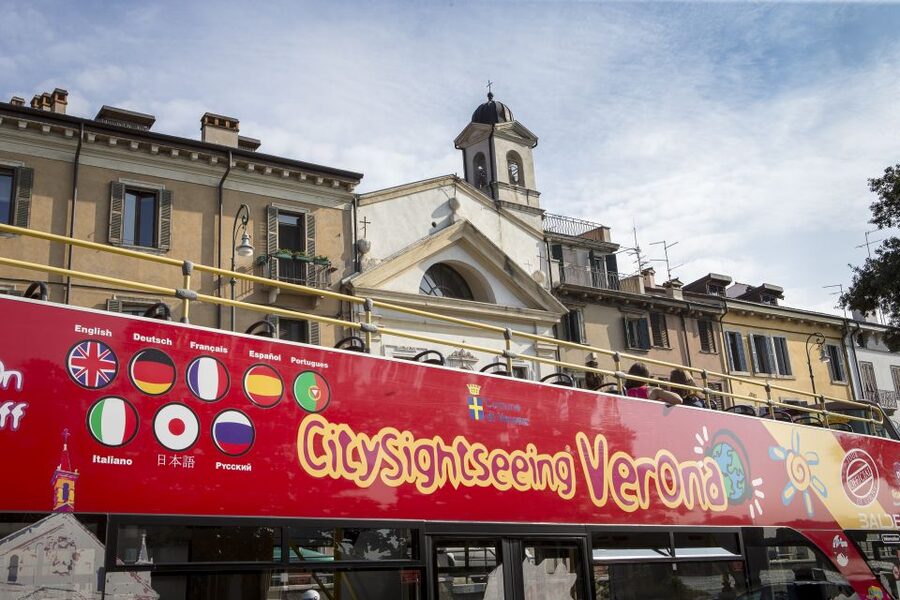
At around $29 per person, you are paying for transportation between major landmarks plus the multilingual audio commentary. You are not paying for monument entry, because attraction tickets are not included.
So the value comes down to how efficiently you use your time.
Here’s what makes 24 hours strong:
- You have limited time in Verona, like a single full day or a tight schedule.
- You want to cover the big names and leave room for one or two deeper walks.
Why 48 hours can be even better:
- You can ride parts of both routes and then return to the stops you liked most.
- You can mix bus rides with longer foot exploration without feeling like every hour must be spent in “bus mode.”
Some riders specifically recommended getting the 48-hour pass if they want to use both routes and also use the bus as an extra way to move around town, especially if your lodging is not right at Piazza Brà.
If you are doing Verona as a quick stop on a bigger Italy plan, my rule is simple: start with the overview and then decide. The bus ticket is the tool that makes that approach easier.
One more practical note: what to do if plans change
There is one date to watch: on Wednesday, 15 October, the service will be suspended due to a cycling race. Also, check availability for starting times because the ticket is valid for 1 to 2 days depending on whether you choose the 24-hour or 48-hour option.
If your travel plans are flexible, you may be able to reserve first and pay later, which can reduce stress when dates might shift.
Should you book this Verona hop-on hop-off bus?
Yes, if you want an efficient way to learn Verona’s layout and hit the top sights without over-planning. This bus is especially good for you if you enjoy an audio-guided tour style and you like choosing your stops based on what you see from the ride.
I would also book it if you are traveling with limited walking stamina or if the weather is unpredictable, since hopping on is a built-in reset button.
Skip it, or at least consider limiting your use, if you are extremely picky about audio quality and hate repetition. Some riders reported that narration can repeat across routes and that the blue line audio may not sound as good as the red. In that case, ride red for your narration-heavy segments, then use blue mainly for streets and viewpoints.
If you want the best mix, do both routes, use the bus to create a short walk list, and then explore on foot where it matters.
FAQ
Where do the red and blue bus routes start?
Both routes (lines A and B) start from Piazza Brà (the Arena Square).
How often do the buses run on each route?
The buses run on each route every hour.
What is included in the ticket price?
Your ticket includes the 24 or 48-hour bus ticket (depending on the option you choose) and the multi-lingual audio commentary.
Are attraction tickets included for the Arena or Teatro Romano?
No. Attraction tickets are not included.
What stops are on the red route?
The red route includes stops such as Piazza Bra, Piazza Pozza, Basilica S. Zeno Castelvecchio, Via Diaz, Porta Borsari, Teatro Romano, Porta Leoni, and Piazza Leoni (Juliet’s House), plus others listed on the route.
What stops are on the blue route?
The blue route includes stops such as Piazza Bra, Tomba Giulietta (Via Pallone), S. Stefano Teatro Romano, Castel S Pietro, Duomo, Piazza Erbe, Porta Leoni, and Piazza Leoni (Juliet’s House), plus others listed on the route.
What languages is the audio available in?
The audio commentary is available in English, Italian, Spanish, French, German, Portuguese, Japanese, Russian, Arabic, Chinese, Danish, and Dutch.
Is there any service interruption mentioned?
Yes. On Wednesday, 15 October, the service will be suspended due to a cycling race.
Can I cancel for a refund?
Yes. You can cancel up to 24 hours in advance for a full refund.
Just introduced: the newest Verona write-ups
- Discover Valpolicella Vineyards and Wine Tasting Experience★ 4.5 · 341 reviews
- Verona All in one: Food Walking Tour, Lunch & Wine★ 5.0 · 342 reviews
- Verona: Gelato Making Class★ 4.8 · 348 reviews
- Verona walking tour:food, wine, legends, lunch/dinner & cable car★ 5.0 · 386 reviews
- Highlights and hidden gems Verona Bike Tour★ 5.0 · 393 reviews
- Verona Highlights Walking Tour in Small-group★ 5.0 · 493 reviews
- Verona: Wine Tasting with Snacks and Panoramic Views★ 4.8 · 494 reviews
Verona Tours, compared.
Juliet’s House Fast-Track Entry Ticket & Audio Guide
Read our review →
Small Group Guided Walking Tour with Arena Tickets
Read our review →
Pasta and Tiramisu Cooking Class with Fine Wine
Read our review →

Pasta and Tiramisu Cooking Class With Free Flowing Wine
Read our review →Browse the lists this tour appears in