
Reviewed · GENOA TOURS
Guided Tour of Rolli Palaces UNESCO Site, Genoa
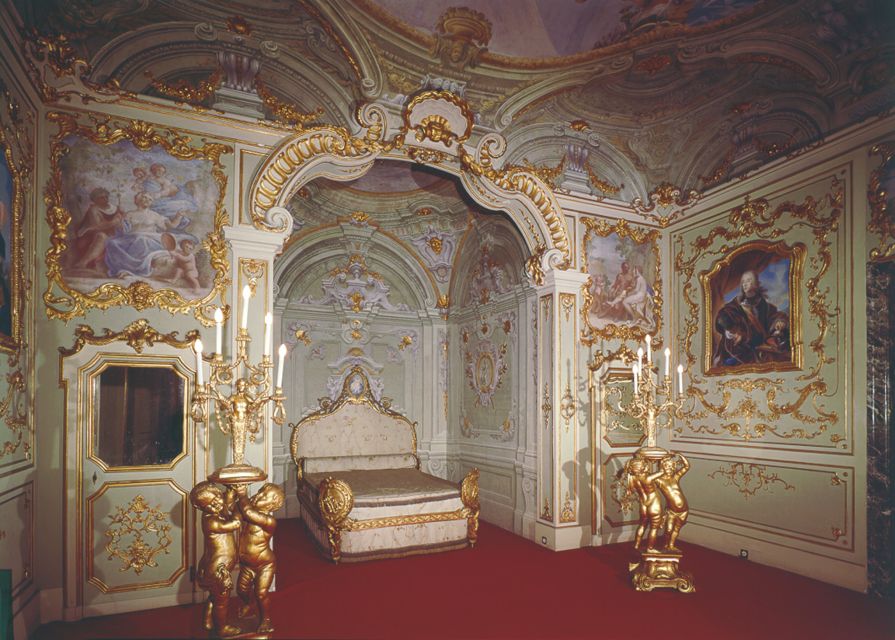
Genoa opens its aristocrat doors for 16th-century art. This guided visit to the Rolli Palaces is a smart way to understand how 16th- and 17th-century Genoa hosted dignitaries, because you step inside real residences, not just photo stops. I especially like the access to Palazzo Rosso rooms tied to the Strada Nuova Museum, and the chance to see standout spaces such as the Golden Room in Palazzo Tobia Pallavicino.
The main thing to plan for is pacing. Since the guide works in both English and Italian, the tour can feel a bit longer and the walk can involve plenty of stairs, so comfortable shoes help.
In This Review
- Key points before you go
- Genoa’s Rolli system: public hospitality, run like a lottery
- Where the tour starts on Via Garibaldi
- Palazzo Rosso: the Strada Nuova Museum rooms that set the tone
- Palazzo Tobia Pallavicino: chasing the Golden Room
- Palazzo Lomellino: the hidden fresco that teaches you how to look
- Palazzo Imperiale: walking the magnificent stairs for the full effect
- Bilingual guide in Italian and English: great explanations, slower tempo
- Small group energy: why it feels better than a big bus tour
- Value check: what $16 buys in 2.5 hours
- Who should book this Rolli Palaces tour
- Should you book the Rolli Palaces guided tour?
- FAQ
- What is the duration of the Rolli Palaces guided tour?
- How much does the tour cost?
- Where does the tour meet?
- What languages are spoken on the tour?
- Which palaces are included in the tour?
- Is this a UNESCO World Heritage Site tour?
- Is the group size small?
- Can I cancel if my plans change?
Key points before you go
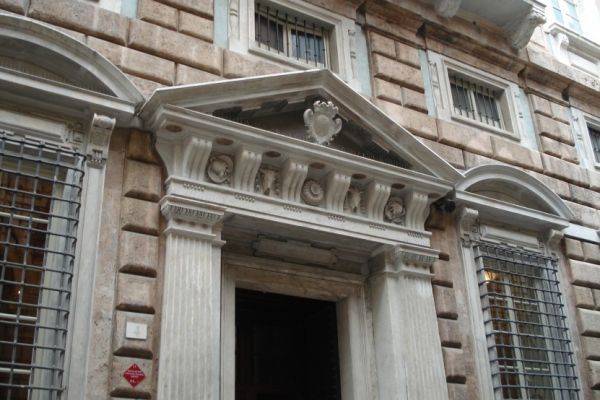
- UNESCO Rolli Palaces access inside multiple noble residences built for state hosting
- Palazzo Rosso, Strada Nuova Museum rooms that explain Genoa’s “Golden Century” style
- Golden Room at Palazzo Tobia Pallavicino as a visual high point
- Palazzo Lomellino fresco detail that’s easy to miss without a guide
- Palazzo Imperiale stairs for that big “you made it” moment
- Bilingual guiding (English and Italian) with guides praised for clear explanations
Genoa’s Rolli system: public hospitality, run like a lottery
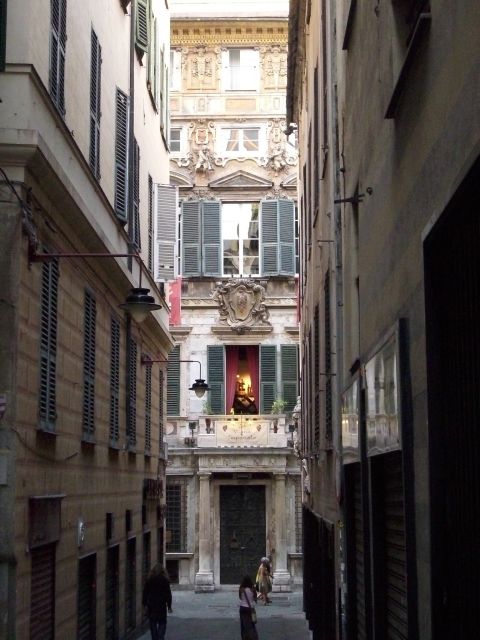
The Rolli Palaces are one of those genius ideas that sounds odd until you see it in context. In 1576, the Senate of the Republic of Genoa set up a system where aristocratic families had to be ready to host visiting officials. The city did not just pick any house. Palaces were enrolled on lists called rolli, and different palaces were grouped by status and size.
Here’s what makes this tour feel different from a typical “look at pretty buildings” afternoon. As you walk, you start to see Genoa’s power structure in architecture. Open staircases, courtyards, and loggias were not only for daily life, they were designed for performance. Hosting mattered, and these homes were staged spaces.
I like that the tour’s focus stays on how the palaces actually worked. You get the story behind the splendor: the “Golden Century” vibe, the sense of rank, and the practical reason courtyards and staircases were so impressive.
Also, keep in mind that the palaces were influential beyond Italy. Around the early 1600s, the Flemish painter Peter Paul Rubens published a book collecting drawings of these buildings, using them as a model for Antwerp nobility. That connection helps you see Genoa not as an isolated art moment, but as a European style export.
Introductions we still owe you around Genoa


Where the tour starts on Via Garibaldi
You meet at the Tourist Information Centre on Via Garibaldi, 12 red, 16124 Genova GE. This matters because Via Garibaldi is the spine of the historic center. Starting here means you’re not wasting the first part of your time hunting for the right neighborhood.
Because the tour lasts 2.5 hours, arrive a few minutes early. You’ll want time to get your bearings, use the restroom if needed, and be ready for the group to move. The itinerary involves several interiors, so showing up on time helps the guide keep the flow.
Palazzo Rosso: the Strada Nuova Museum rooms that set the tone
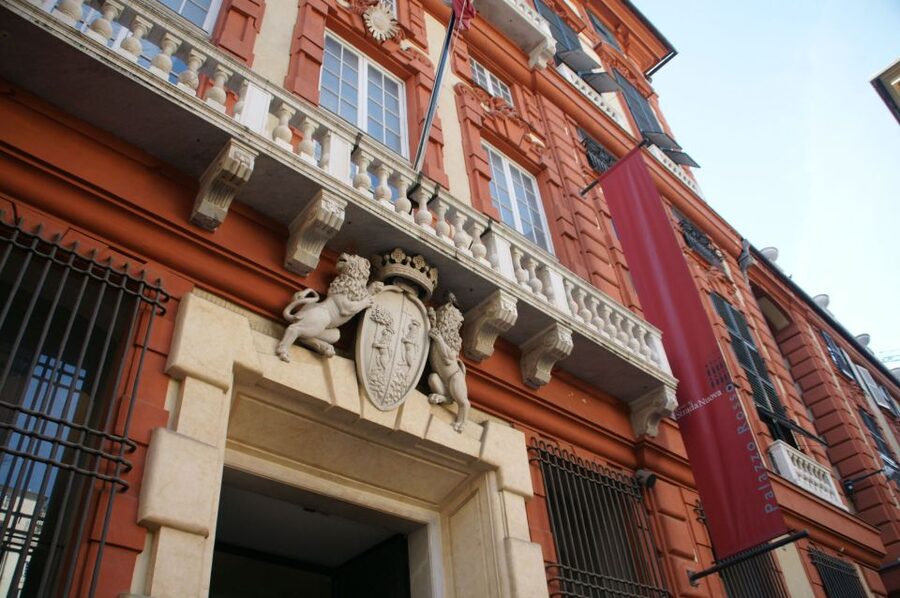
Palazzo Rosso is one of the anchor stops, and it’s a good place to start learning the language of these houses. You get entrance to Palazzo Rosso, one of the Strada Nuova Museum. That museum context helps, because the buildings aren’t treated like empty shells. You’re shown the rooms as designed, decorated, and lived in.
This stop is more than just “look at paintings.” It’s where the tour usually builds your sense of what you’re actually seeing. Palazzo Rosso’s interiors help explain how Genoese wealth expressed itself: through room layout, decorative choices, and that careful balance between private residence and public prestige.
A practical tip: interiors can feel cooler than the street, so if you’re visiting in warm weather, bring a layer you can take on and off. Also, expect that you will have to switch between looking up at details and listening to the guide. If you like art plus architecture, this stop is where the combo clicks.
One reviewer also mentioned a 360 view from the top of Palazzo Rosso as a perfect ending. That kind of “whole panorama” moment is the payoff for all the stair climbing and walking earlier.
Palazzo Tobia Pallavicino: chasing the Golden Room
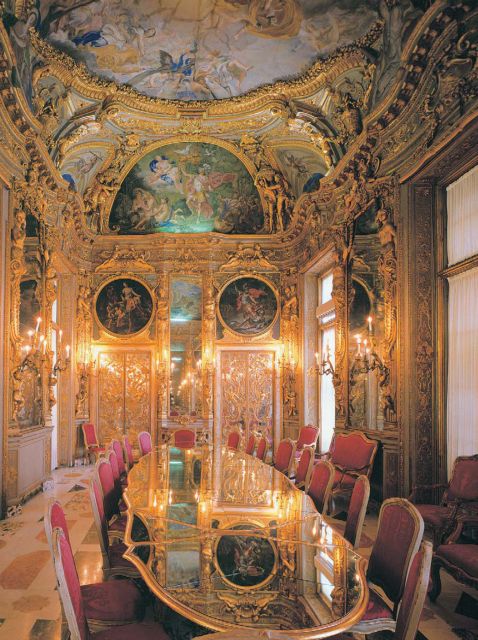
Next, you visit Palazzo Tobia Pallavicino and get to admire the so-called Golden Room. Even if you’ve seen photos, you’ll probably understand why people talk about it when you see it in person with a guide steering you to the right spots.
Why the Golden Room matters: it is not just a decorative flex. It’s a clue about intention. Rooms like this were built to impress, and the design choices are meant to work from specific viewpoints. The tour format helps because you’re not trying to figure out the house alone. The guide points out what to notice, and you move through the space in a way that makes the room’s impact land.
This is a stop that tends to satisfy both art lovers and history nerds. You’ll get the visual hit, and you’ll also get the context for why such a room belonged to the Rolli hosting world.
Also on the Genoa guest list:
- Genoa: Half-Day Tour to Portofino
★ 4.2 · 1,123 reviews - Genoa: Pelagos Sanctuary Whale Watching Cruise
★ 4.2 · 806 reviews - Genoa: Cetacean Watching Cruise with Marine Biologist Guide
★ 4.3 · 745 reviews - Genoa: 2-Hour Guided Walking Tour of the Historical Center
★ 4.2 · 605 reviews
Palazzo Lomellino: the hidden fresco that teaches you how to look
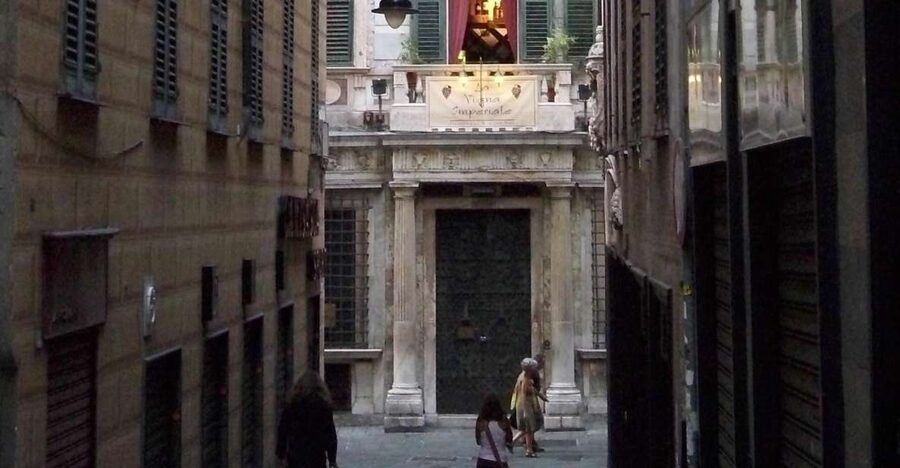
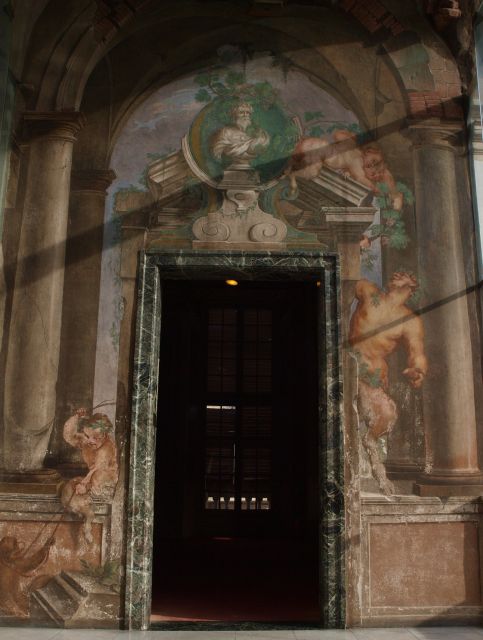
Palazzo Lomellino is where the tour earns extra points for “pay attention” moments. You’ll discover a hidden fresco there, and that phrase matters because it describes what good guiding does.
Instead of seeing everything as one big blur of decoration, you learn how to spot a specific detail. Hidden frescoes reward patience and the ability to look in the right direction. A guide helps you avoid the common mistake of focusing only on the biggest obvious elements.
This is also a good reminder that these palaces were not built for one-time viewing. They were lived in. A lot of the artistry works like a conversation: you have to move, look closer, and notice how the space is staged for visitors.
Palazzo Imperiale: walking the magnificent stairs for the full effect
The last major interior visit includes Palazzo Imperiale, and the highlight is walking up on its magnificent stairs. Stairs in these palaces are not a functional afterthought. They are theater.
The Rolli system emphasized public hosting, and staircases are part of the choreography. As you climb, you start to feel why these residences had courtyards and open transitions. Movement through the building was part of the experience of arriving, being presented, and being impressed.
If you’re visiting with anyone who worries about mobility, plan realistically. Reviews repeatedly warn that there are lots of steps. The tour is walk-friendly in the sense that it keeps you moving through the right places, but it is still built on classic palace stairs. Comfortable shoes are not optional here.
Bilingual guide in Italian and English: great explanations, slower tempo
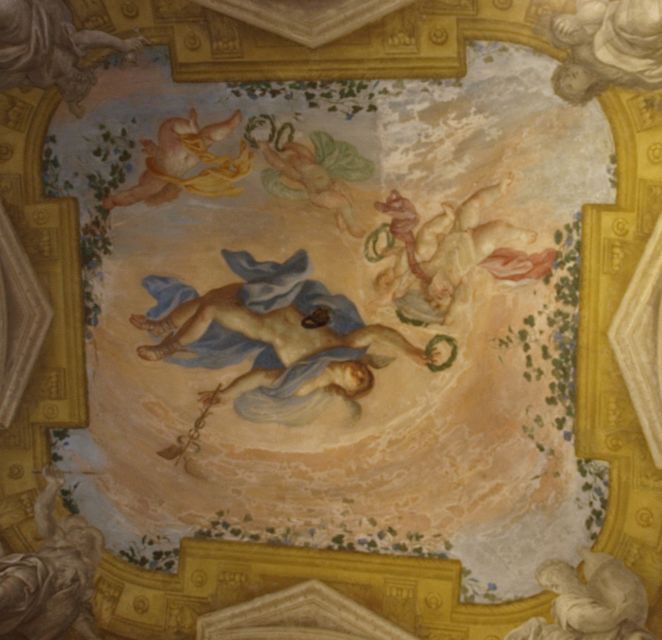
This is a bilingual tour with a live guide in English and Italian. The best part is that many guides are praised for juggling both languages clearly, often without losing the rhythm of the story.
Guides named in reviews include Marina, Ana, Andrea, Manuela, Fausta, Barbara, and Christina. One thing that comes through again and again is how much personality good guides bring. People mention explanations that are friendly, informative, and even funny, plus a willingness to answer questions patiently.
The tradeoff is pacing. One reviewer pointed out that bilingual delivery can slow things down because the guide effectively covers material twice. Another mentioned occasional timing stress when English and Italian groups were not perfectly synchronized.
My practical takeaway: if you only want English, still consider the tour because the guides sound capable. Just know the experience may feel a little longer than strict single-language tours.
Small group energy: why it feels better than a big bus tour
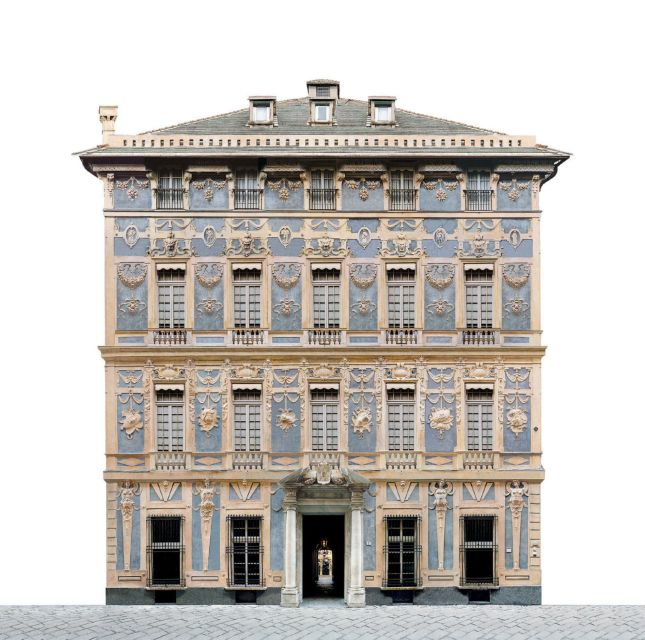
This runs as a small group available. In practice, small groups usually make a difference in two ways.
First, you can ask questions and actually get answers instead of whispering curiosity into the air. Second, the guide can keep everyone together during interior moments where you need to listen and watch.
Several reviews mention that the guides worked well with mixed-language groups, including one person who appreciated how the guide kept a non-Italian speaker involved without stalling the rest of the group.
Value check: what $16 buys in 2.5 hours
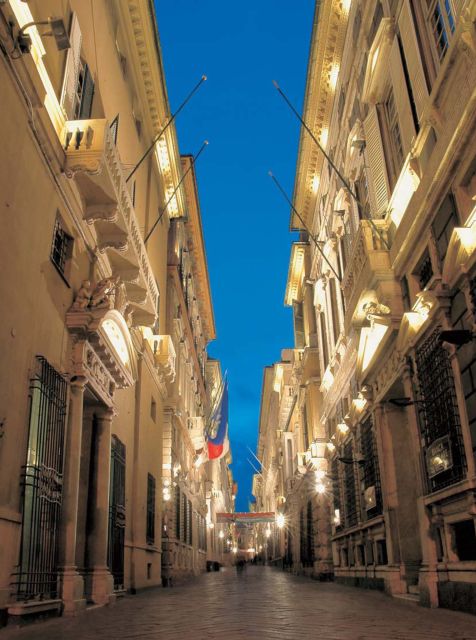
At $16 per person for a 2.5-hour guided experience, this is priced like a bargain for what you get.
You’re not just seeing exteriors. You have guided access and entrance to multiple palaces, including Palazzo Imperiale, Palazzo Rosso (Strada Nuova Museum), and visits to Palazzo Lomellino and Palazzo Tobia Pallavicino. That’s a lot of “ticket value” packed into one morning or afternoon block.
The value also comes from the guide’s interpretation. Many of the most memorable moments are not simply architectural. They depend on knowing what to look for, like the hidden fresco or the room details that connect to the Rolli hospitality idea.
The only real value risk is if you hate bilingual repetition. If you prefer a tight, single-language pace, you might feel the time stretching. But if you’re okay with a bit of overlap for clearer context, the price feels very reasonable.
Who should book this Rolli Palaces tour
This tour fits best if you want more than sightseeing. You’ll enjoy it if you like:
- Palace interiors, especially 16th- and 17th-century design
- Art details that benefit from a guided pointing hand, like a concealed fresco
- A focused walk through a UNESCO site rather than a self-guided checklist
- A small group atmosphere with time for questions
It may be less ideal if you strongly dislike stairs. Reviews highlight lots of steps, and at least one mentioned that palace coverage can be limited by the building layout, so you might not see every floor or every room.
Should you book the Rolli Palaces guided tour?
If your goal is to understand Genoa’s Golden Century through real rooms, not just postcard views, I’d say book it. The combination of UNESCO Rolli Palaces context, multiple palace entrances, and guide-led moments like the Golden Room and hidden fresco makes the 2.5-hour format feel efficient.
Book it sooner rather than later if you can, especially because you get live bilingual guiding and small group pacing. Just show up with comfortable shoes, and don’t expect a fast-paced single-language sprint.
FAQ
What is the duration of the Rolli Palaces guided tour?
The tour lasts 2.5 hours.
How much does the tour cost?
The price listed is $16 per person.
Where does the tour meet?
The tour starts at the Tourist Information Centre, Via Garibaldi, 12 red, 16124 Genova GE, Italy.
What languages are spoken on the tour?
The tour is guided in English and Italian with a bilingual guide.
Which palaces are included in the tour?
The tour includes entrance to Palazzo Imperiale and Palazzo Rosso, and visits to Palazzo Lomellino and Palazzo Tobia Pallavicino.
Is this a UNESCO World Heritage Site tour?
Yes, the Rolli Palaces were declared a UNESCO World Heritage Site in 2006.
Is the group size small?
Yes, a small group is available.
Can I cancel if my plans change?
The activity offers free cancellation up to 24 hours in advance for a full refund.
Just introduced: the newest Genoa write-ups
- Taste Genoa: A Full Meal Walking Food Tour by Do Eat Better★ 5.0 · 509 reviews
- From Genoa: Boat Tour to Portofino with Free Time to Explore★ 4.5 · 579 reviews
- Genoa: 2-Hour Guided Walking Tour of the Historical Center★ 4.2 · 605 reviews
- Genoa: Cetacean Watching Cruise with Marine Biologist Guide★ 4.3 · 745 reviews
- Genoa: Pelagos Sanctuary Whale Watching Cruise★ 4.2 · 806 reviews
- Genoa: Half-Day Tour to Portofino★ 4.2 · 1,123 reviews
- Genoa: Aquarium of Genoa with Lunch★ 4.3 · 1,449 reviews
Genoa Tours, compared.




Cetacean Watching Cruise with Marine Biologist Guide
Read our review →
2-Hour Guided Walking Tour of the Historical Center
Read our review →
Boat Tour to Portofino with Free Time to Explore
Read our review →Browse the lists this tour appears in