
Reviewed · MURANO & BURANO TOURS
Murano: Glass Museum Entry Ticket
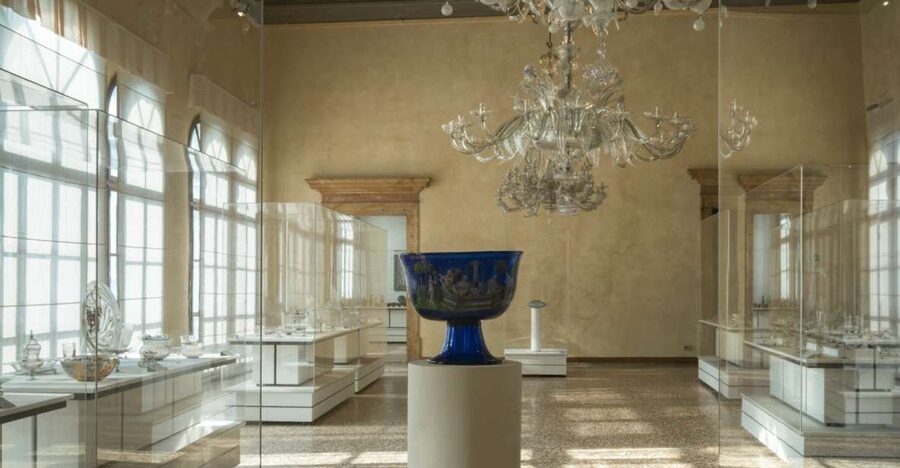
Murano glass tells a story you can almost feel. This ticket gets you into the Murano Glass Museum on the island, home to the biggest historical collection of Murano glass in the world. I like that it is self-paced, so you can linger with the pieces that catch your eye.
I especially like the museum’s chronological ordering, which makes the evolution of Murano glass techniques easier to follow. You also get to see 17th-century glasswork plus world-famous masterpieces, all in one visit.
One consideration: there is no live guide, so you’ll get the most out of it if you enjoy reading displays and looking closely on your own.
In This Review
- Key things to know before you go
- First: what this ticket actually covers
- Getting to Murano and timing your day
- Walking into the Glass Museum: what you’ll see first
- The 17th-century highlights and why they matter
- The world’s largest historical Murano glass collection
- Murano techniques: how to read the exhibits without a guide
- What “self-paced” means in real life
- How long should you plan for?
- Value check: is $11 a good deal?
- Who this museum ticket fits best
- Practical tips I’d use before you go
- Should you book? My quick decision guide
- FAQ
- How much is the Murano Glass Museum entry ticket?
- How long can I visit the museum?
- Is the visit self-paced?
- What is included with the ticket?
- Is a live guide included?
- Is the ticket refundable?
- Is the museum wheelchair accessible?
- Are there any extra costs for Venice during certain dates?
- Who provides this experience?
Key things to know before you go
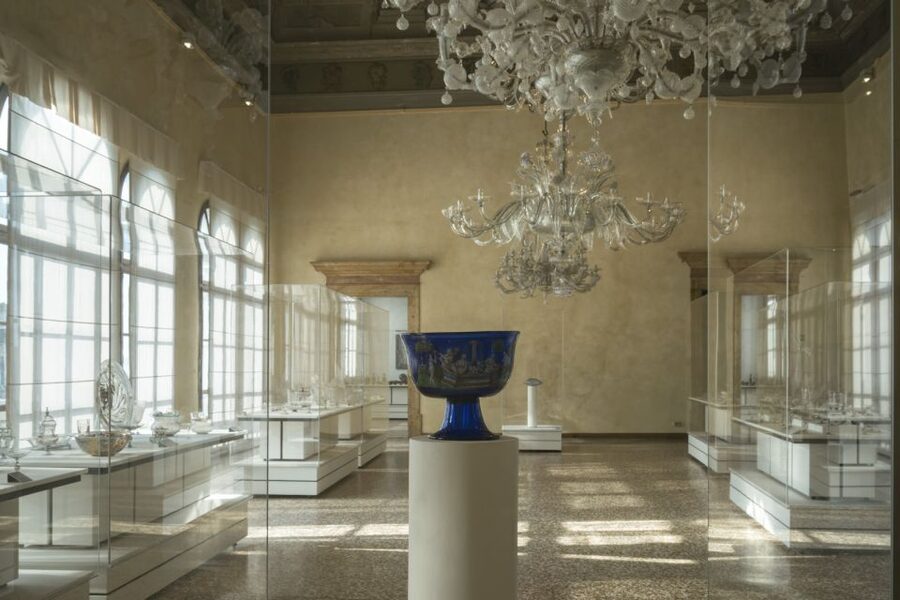
- World’s largest historical collection of Murano glass, so your visit is likely to feel complete rather than rushed
- Chronological layout, which helps you track how styles and methods changed over time
- Self-paced entry, ideal if you like to slow down for details like color, thickness, and form
- Glass-blowing techniques are explained through the collection, so you can connect what you see with how it is made
- Good value for the price, since the entry ticket is the main thing you’re paying for
First: what this ticket actually covers
This is an entry ticket to the Glass Museum on Murano, run by Venezia Unica by Vela Spa. It is built for a one-day visit, and you explore at your own pace once you’re inside.
The price is $11 per person, and that mainly covers admission to the museum. If you pick the option that includes it, you also get a 1-day public transport ticket, which is useful if you plan to hop between Venice and Murano without doing the math every time.
What it does not include is a live guide. So while you will learn from the museum itself, you will not have someone leading you through key pieces or answering questions on the spot. If you prefer guided storytelling, you might plan to add your own structure before you arrive, like picking a few topics you want to understand.
More trips out to Murano and Burano:



Getting to Murano and timing your day
Murano is part of Venice, but it feels like its own world once you’re on the island. The museum is why most people come, so your day plan should revolve around your arrival time and the time you want to spend inside.
This ticket is valid for 1 day, but starting times depend on availability, so check the museum website before you go to confirm opening dates and hours. I treat that as non-negotiable, because museum hours and special closures can shift.
Also note the Venice Access Fee. On certain days between 18 April 2025 and 27 July 2025, you may be required to pay it directly to the City of Venice, with some exemptions. Don’t wait until you’re already on the ground. If your dates fall in that window, check cda.ve.it for the exact rules and how exemptions work.
A final timing tip from how people describe the visit: expect it to be fairly straightforward to complete, not a half-day maze. Many people find it quick but still interesting, which is great if you want museum time without sacrificing the rest of your day.
Walking into the Glass Museum: what you’ll see first
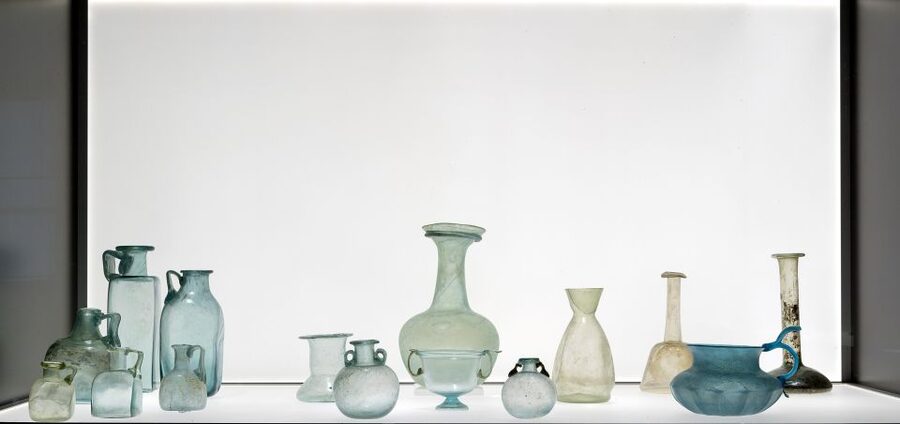
Once you enter, the experience is organized so you can follow the story without needing a guide. The big strength here is the chronologically ordered display. That matters more than it sounds.
If you wander without a timeline, Murano glass can feel like a collection of pretty objects. With chronology, the pieces start to click into place. You can see how styles, techniques, and design choices change as you move forward, and that makes the history feel practical, not academic.
Right away, you’ll get the feeling you are stepping into a long craft tradition. The museum focuses on Murano glass specifically, and that narrow focus is part of the value. You are not paying to see a random mix. You are paying to see Murano glass at scale, including world-famous masterpieces.
The 17th-century highlights and why they matter
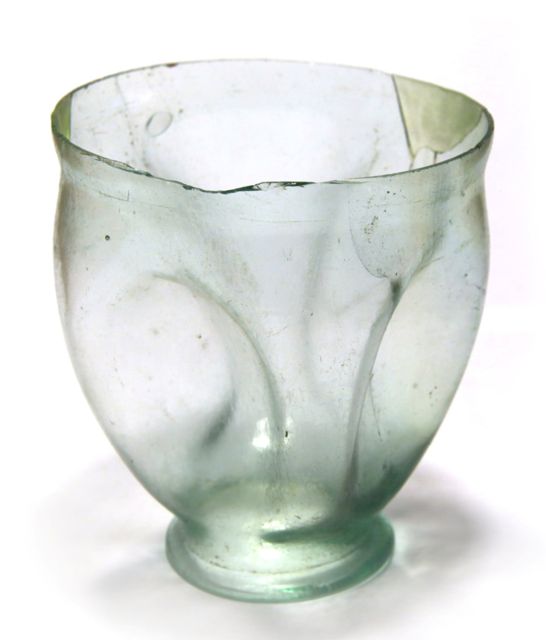
A museum label can say 17th century and sound like a date, but here it is more like a turning point. You’ll see 17th-century glasswork, and that era is often where you start noticing how Murano’s reputation solidified.
I like this part because it connects technique to artistry. When you look closely at the glass, you begin to see how craftsmen controlled shape, weight, and optical effects. That is where the museum’s focus pays off: you are not just admiring the finished object, you’re learning what makes it possible.
This is also a good moment to slow down. Spend extra time comparing pieces that are similar at first glance. Differences in form, transparency, and surface detail usually tell the real story faster than reading one big wall text.
More museum halls from Turin to Palermo:
- Venice: St. Mark Basilica Ticket, Audioguide+History Gallery
★ 3.9 · 4,780 reviews - Venice: Leonardo Da Vinci Museum Entrance Ticket
★ 4.5 · 3,560 reviews - Venice’s Best: Basilica, Doge’s Palace, Gondola & History Gallery
★ 4.5 · 2,478 reviews - Venice: Vivaldi’s Four Seasons Concert & Music Museum Visit
★ 4.8 · 2,065 reviews
The world’s largest historical Murano glass collection
This ticket is for the biggest draw: the most extensive collection of Murano glass in the world, described as the largest historical collection of its kind. That claim is not just marketing. It shapes your visit in a good way.
When a museum has a wide range, you can actually look for patterns. You can ask yourself questions like: Which techniques repeat across decades? Which styles were most valued? How did craftsmen respond to changing tastes and demand?
It also helps with decision-making. If you already love Murano glass jewelry, you’ll likely see enough variety to avoid feeling like you got only one type of piece. If you are on the fence, seeing the full range usually turns curiosity into understanding.
The practical upside: you can spend as little or as much time as you want. That is rare for museums that are this focused. A self-paced format paired with a large collection gives you room to tailor the visit.
Murano techniques: how to read the exhibits without a guide
Because there is no live guide included, you’ll want to know what to look for when the museum explains glassmaking. The exhibits are meant to show you the “how,” including secrets of glass blowing and how objects and jewelry are created.
Here’s how I’d approach it so it feels rewarding instead of confusing:
- Pick one technique to track. For example, focus on how pieces handle transparency and color.
- Look for repeated visual cues, like the quality of edges, the thickness of the glass, and how patterns are formed.
- Then connect what you see to the museum’s explanations. Without a guide, your job is to connect the dots.
The museum’s strength is that it shows you the craft through the objects themselves. You are not relying on someone’s voice. You’re learning by observing, then checking what the displays say.
If you want an extra boost, visit with a small goal: understand how one kind of jewelry detail is made, or figure out how certain finishes affect light. That keeps you engaged for the whole loop.
What “self-paced” means in real life
Self-paced does not mean random wandering. In a collection like this, self-paced mostly means you control pacing.
You can do a fast pass and still leave impressed, especially if you’re matching what you like to what you see. Or you can slow down and make it a visual study, comparing pieces across sections.
One practical benefit of self-paced entry is timing flexibility. If you arrive late or you started your day with a longer coffee stop than planned, you are not stuck with a fixed tour schedule that someone else controls.
My advice: set a realistic target for yourself. If you only have a short window, focus on the chronological highlights and the technique sections. If you have more time, let yourself linger. This is the kind of museum where the details reward patience.
How long should you plan for?
The ticket is sold for a 1-day entry window, but people often finish the museum in a reasonable time. One review vibe you might recognize is the idea that the visit can feel fairly quick while still being very interesting.
So I’d plan a visit that won’t stress you out. Treat it like a museum you can complete without turning the whole day into a crawl.
A good approach is to plan your day around two blocks: time in the museum, then time for the rest of Murano and Venice. That way, even if you spend more time than expected inside, you’ll still have room for fresh air and a proper break.
Value check: is $11 a good deal?
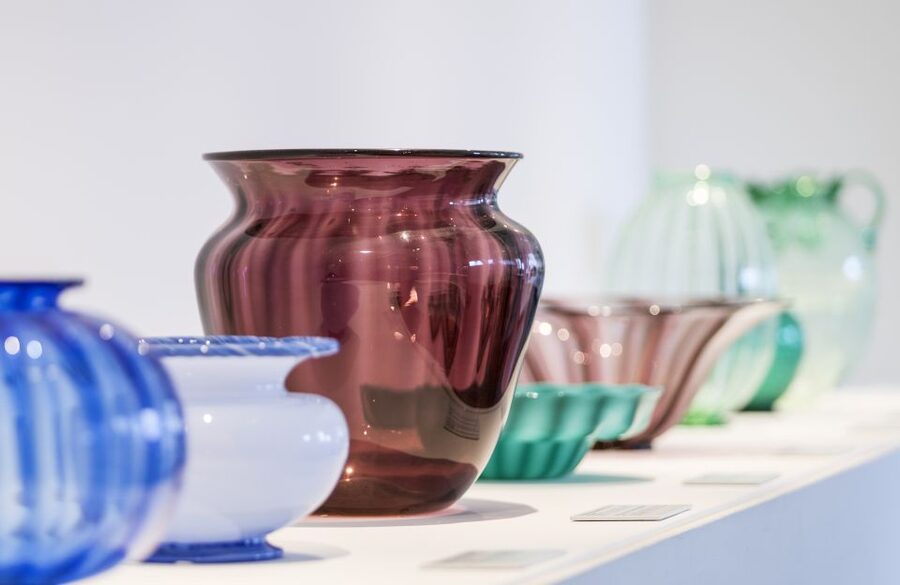
For $11 per person, you’re paying primarily for admission to a specialized museum with a serious collection. That is strong value when you compare it to city attractions that cost more but don’t give as much focused craft content.
The biggest value driver is not the price alone. It is what you are getting: a museum centered on Murano glass, with chronological context, 17th-century work, and explanations tied to glass blowing and making. For anyone who likes Murano glass jewelry, that focus saves you time. You don’t need to hunt for the good stuff because the whole building is the good stuff.
If you also select the option with a 1-day public transport ticket, it can become even better value, especially if you’re moving around more than once. If you won’t ride public transport much that day, you may want to skip that option and just pay for what you use.
Also remember: this activity is non-refundable. I’d book it when your dates are firm and you’ve confirmed you can make it to the museum during open hours.
Who this museum ticket fits best
This is a great fit if you:
- are obsessed with Murano glass jewelry and want to see more than just what’s sold in shops
- like craft museums where the objects themselves teach you, especially when they are arranged in time order
- want a cultural stop in Venice that feels focused instead of sprawling
It might be less ideal if you:
- expect a live guide to point out the key masterpieces and explain techniques in plain language
- prefer entertainment-first tours rather than looking closely at displays on your own
If you fall into the second group, you can still enjoy it. You’ll just want to come with a bit of curiosity and a plan for how you’ll read the museum materials.
Practical tips I’d use before you go
These come from how the museum experience works best with the information you’re given:
- Check opening dates and times on the museum website before you travel, especially because you’re on a one-day ticket concept.
- If your visit falls between 18 April 2025 and 27 July 2025, check the Access Fee rules on cda.ve.it.
- Bring your own pace. Self-paced works best when you allow time to compare pieces, not just skim.
- Wear comfortable shoes. Murano can involve walking once you’re there, and museums are where you stand and move more than you expect.
- If mobility matters, note that the museum is wheelchair accessible.
Should you book? My quick decision guide
I’d book this ticket if Murano glass is one of your top interests. The price is low for what you get, and the museum’s design helps you understand the evolution of the craft through chronology and technique-focused exhibits.
I would not book it as a last-minute filler if you want guided narration. The museum can teach, but it has no live guide included. If you are the kind of traveler who needs someone to translate the big ideas fast, consider pairing this ticket with another guided activity, or plan to read and track one technique through the displays.
Bottom line: for $11, this is a smart, focused Murano stop. If you love glass or jewelry craft, you’re likely to leave with more than nice photos. You’ll leave with a clearer sense of how Murano makers built their skill over time.
FAQ
How much is the Murano Glass Museum entry ticket?
The price is $11 per person.
How long can I visit the museum?
Your entry is valid for 1 day.
Is the visit self-paced?
Yes. You can explore the museum at your own pace.
What is included with the ticket?
The ticket includes entry to the Glass Museum on Murano island. A 1-day public transport ticket is included if you select that option.
Is a live guide included?
No, a live guide is not included.
Is the ticket refundable?
No. This activity is non-refundable.
Is the museum wheelchair accessible?
Yes, the activity is wheelchair accessible.
Are there any extra costs for Venice during certain dates?
Yes. Between 18 April 2025 and 27 July 2025, you may need to pay an Access Fee to the City of Venice on certain days, with some exemptions. Check cda.ve.it for details.
Who provides this experience?
The experience provider is Venezia Unica by Vela Spa.
Just introduced: the newest Venice write-ups
- Venice: Doge Palace Guided Tour & Secret Itineraries Option★ 3.7 · 184 reviews
- Venetian Private Sandolo tour★ 3.8 · 184 reviews
- Create Your Own Murano Glass: Beginner’s Glassblowing Class★ 5.0 · 185 reviews
- Venice Doge’s Palace and St Mark’s Basilica Guided Tour★ 4.5 · 189 reviews
- Exclusive Prosecco Wine Tour from Venice – Small Group★ 5.0 · 189 reviews
- From Venice: Murano and Burano Private Tour with Transfer★ 4.2 · 190 reviews
- Teatro La Fenice Tour in Venice★ 4.0 · 191 reviews
Murano & Burano Tours, compared.

Boat Trip: Glimpse of Murano, Torcello & Burano Islands
Read our review →
Burano, Torcello & Murano Boat Tour w/Glassblowing
Read our review →
Murano and Burano Boat Tour with Glass Factory Visit
Read our review →
Murano, Burano and Torcello Half-Day Sightseeing Tour
Read our review →
Murano & Burano Islands Guided Small-Group Tour by Private Boat
Read our review →
Murano & Burano Panoramic Boat Tour w/ Glassblowing
Read our review →
Murano, Burano, Torcello, and Glass Factory Tour
Read our review →
Venice Islands: Murano Glass & Burano Colors Guided Visit
Read our review →Browse the lists this tour appears in