
Reviewed · MOUNT ETNA EXCURSIONS
Catania: Mount Etna Trekking Trip off the Tourist Path
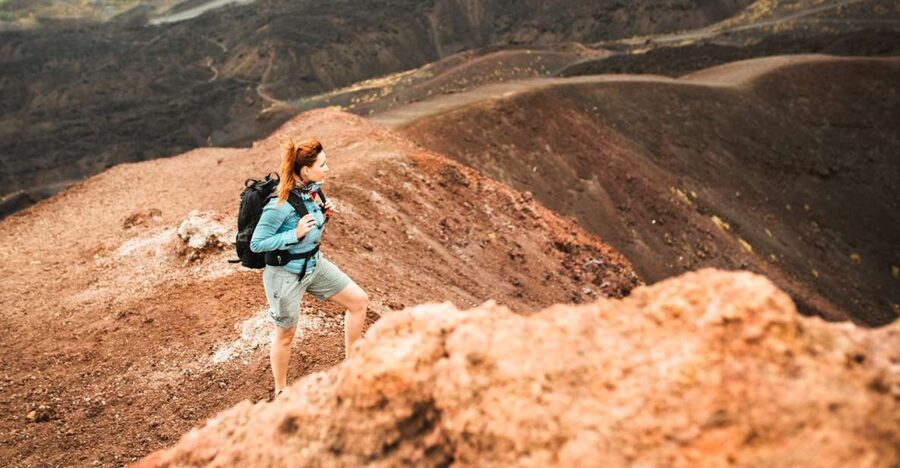
Etna changes fast when you walk it quietly. This off-tour-path trek on Sicily’s Mount Etna takes you through old lava flows, up to roughly 2,000 to 2,400 meters, and into the valle del Bove on a route that feels far less crowded. I like that it’s led by a naturalist guide, so the day is about more than just views, it’s also about how the volcano shapes the plants, the ground, and the local story. I also love the practical touch of included trekking sticks and warm layers, because summit weather can flip in a hurry.
The big consideration: this is a hike, not a sightseeing bus loop. If your fitness is low, you may feel it on the uphill sections, and the lava cave stop can be canceled if conditions like tremors or eruptions make it unsafe.
In This Review
- Key highlights to know before you go
- Why this off-path Etna trek feels different
- Getting from Catania to the altitude where the hike starts
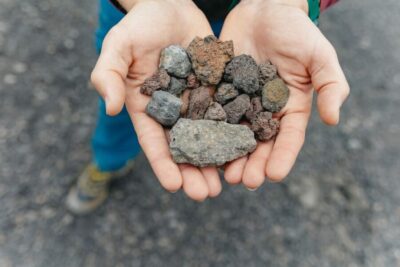
- Trazzere and the 1792 lava flows: the volcano lesson starts early
- Valle del Bove: the caldera walk that does the heavy lifting
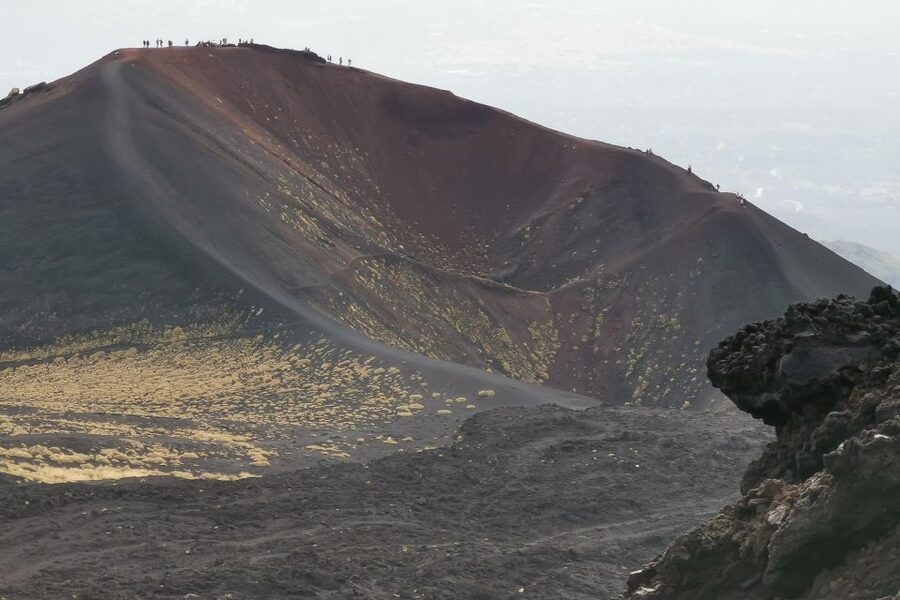
- Silvestri Craters stop: a reset before the long ride down
- Lava cave visit: one of the coolest parts, with a safety caveat
- Difficulty and weather: how to dress so Etna doesn’t bully you
- Transportation, timing, and what the 7 hours buys you
- Included gear vs. what you should pay for yourself
- Who should book this, and who should choose another Etna option
- Quick safety and reality check before you go
- Should you book this Mount Etna off-path trek?
- FAQ
- How long is the Mount Etna trekking trip?
- What altitude will I hike at?
- Is the lava cave visit included every day?
- What gear is included in the tour?
- Where do you meet, and do you pick up from Catania?
- Is food included in the price?
- Who is the tour not suitable for?
Key highlights to know before you go
- Old lava flows, off-road style: You travel around on rough passages through ancient lava fields, not just flat paths.
- Recent eruptions up close: Expect to trek past and admire newer lava flows, which makes Etna feel current, not historical.
- Quiet paths away from the main crowds: The route intentionally trades foot traffic for breathing room and better photo angles.
- Valle del Bove caldera walking: You spend time in the massive ancient caldera, formed after major collapse tens of thousands of years ago.
- Lava cave visit, when conditions allow: You get a cave stop, but it depends on safety conditions on the day.
- Silvestri Craters break: A short stop with a break time that helps reset before the ride back down.
Why this off-path Etna trek feels different
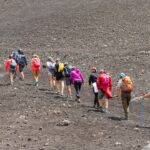
Most Etna days are built around one big road, one big viewpoint, and a lot of other people doing the same photos. This one aims for the opposite. You’ll be on quieter trails, and you’ll spend real time walking through volcanic terrain that looks and feels like it’s still doing its job.
That matters because Etna can be hard to understand from a distance. When you’re actually moving over dark rock and volcanic ash, the shape of the mountain starts to make sense. The guide, often folks like Antonio and Renato, tends to explain what you’re seeing in plain terms, mixing the science with the everyday reality of living near an active volcano.
You also get a useful buffer built into the trip design. There are short refresh stops, a safety briefing before the main caldera walk, and time breaks at spots like Silvestri. It’s not rushed, but it does keep the pace moving enough to feel like a true hike day.
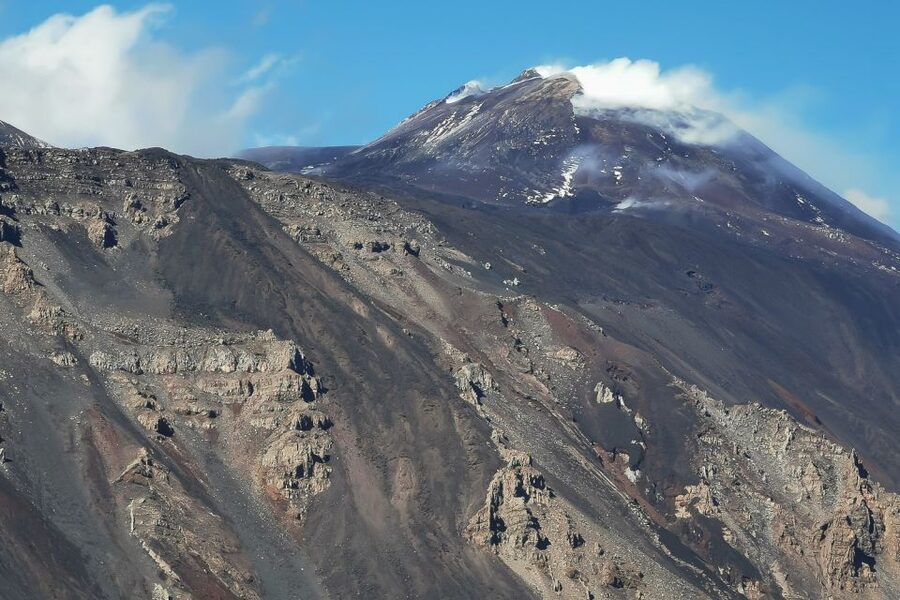
Etna again, by a different flank:
Getting from Catania to the altitude where the hike starts
Your day begins with pickup outside McDonald’s in central Catania. From there, you ride in a van, and you’ll also see a traditional village stop where there’s time for coffee, breakfast, and later lunch. That village time is short, so treat it like a quick reset rather than a slow Sicilian lunch.
After that, the route continues by van again, with the morning building up toward the key hike altitude. Safety briefing happens at a viewpoint before you enter the main walking portion. Then you start the trek around 2,000 meters, with the overall hike taking place roughly between 1,850 and 2,400 meters.
Why this logistics flow is smart: it helps you acclimatize a bit without turning the day into an all-day transfer marathon. You get the warm-up travel, then the hike begins when you’re already dressed and mentally ready.
Trazzere and the 1792 lava flows: the volcano lesson starts early
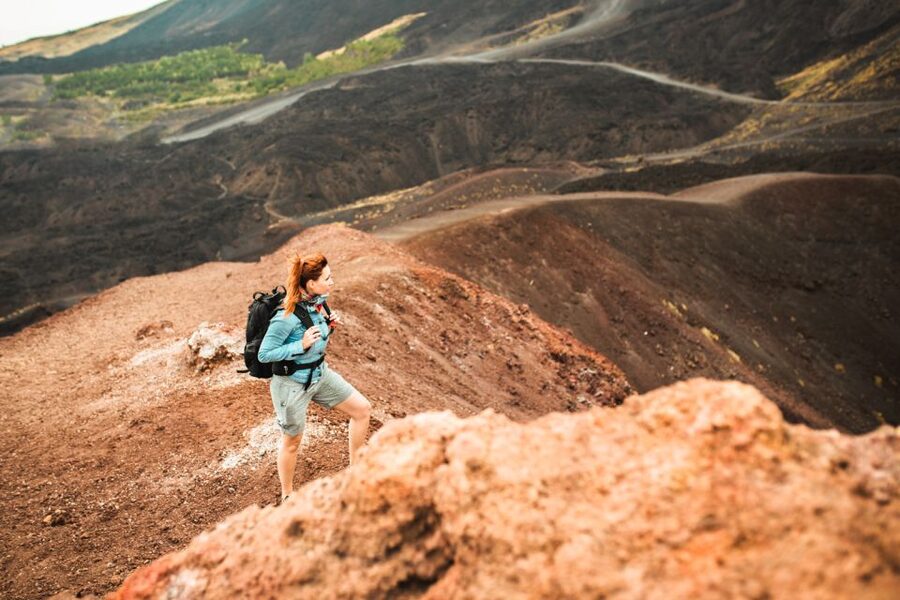
One of the best early moments is traveling through Trazzere and seeing lava flows linked to 1792. This is the kind of detail that makes Etna feel specific. You’re not just climbing a mountain, you’re moving across layers of the mountain’s own history.
With a guide like Antonio or Renato, the explanation tends to focus on how life manages to return to volcanic ground. You’ll hear about fauna and flora of Etna, and the point is not to turn it into a lecture. The goal is to help you read the slopes. When you know what to look for, you notice more than just rock.
Also, this early segment sets expectations for the walk ahead. The terrain here reminds you that you’re on a working volcano, not a theme park. If you came expecting smooth paths the whole way, you’ll feel the shift quickly, which is exactly why this tour is worth it.
Valle del Bove: the caldera walk that does the heavy lifting
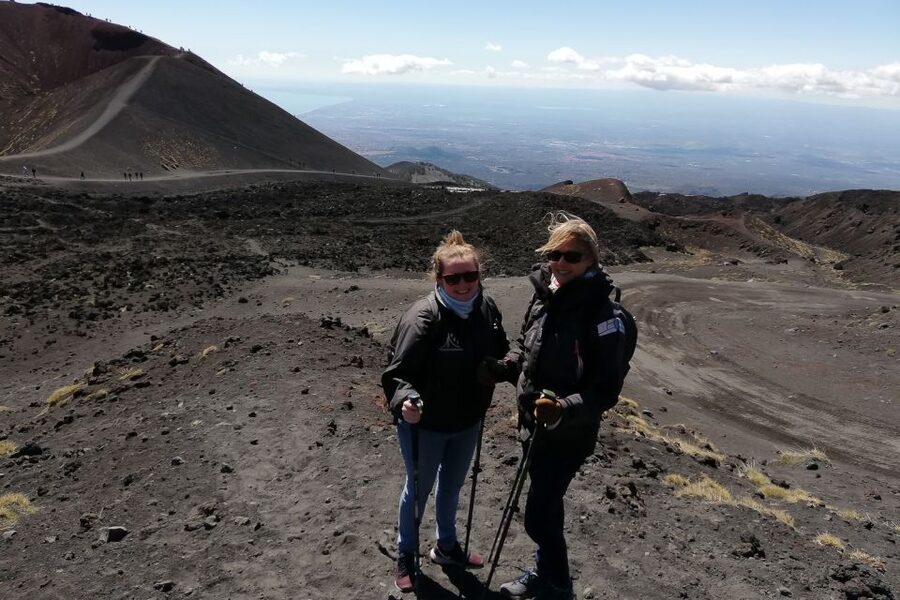
The centerpiece is the valle del Bove, the big Etna caldera. You’ll get a longer block of time here, around 3.5 hours, including a mix of photo time, guided walk, and route movement on quiet trails away from the main tourist routes.
This is where the day turns from “cool views” into “I get Etna.” The caldera is huge, and even without technical geology, you can feel the scale under your feet. The ground shape reflects a massive collapse event, and the guide’s job is to make that physical, so it clicks while you’re still standing in it.
You’ll also get coastline views during the trek stops. On clear moments, that contrast, volcano terrain below and sea in the distance, is what makes Sicily’s geography feel so dramatic. Even when visibility isn’t perfect, the guided walking still gives you something to hold onto: route choices, terrain changes, and the way recent lava contrasts with older sections.
Practical note: the guide keeps you moving but also stops when you need it. Many guides on this route, including the Antonio and Renato teams you’ll hear about, are big on pace and breaks, especially at the higher elevations.
More Italian ridgeways and mule tracks:
- Mount Etna: Trek to 3000m with cable car and jeep
★ 4.7 · 1,978 reviews - Mount Etna: Summit Crater Trek with Cable Car
★ 4.8 · 1,875 reviews - Etna Volcano: South Side Guided Summit Hike
★ 4.7 · 1,545 reviews - Stromboli: Sunset Trekking at Sciara del Fuoco
★ 4.6 · 1,372 reviews
Silvestri Craters stop: a reset before the long ride down
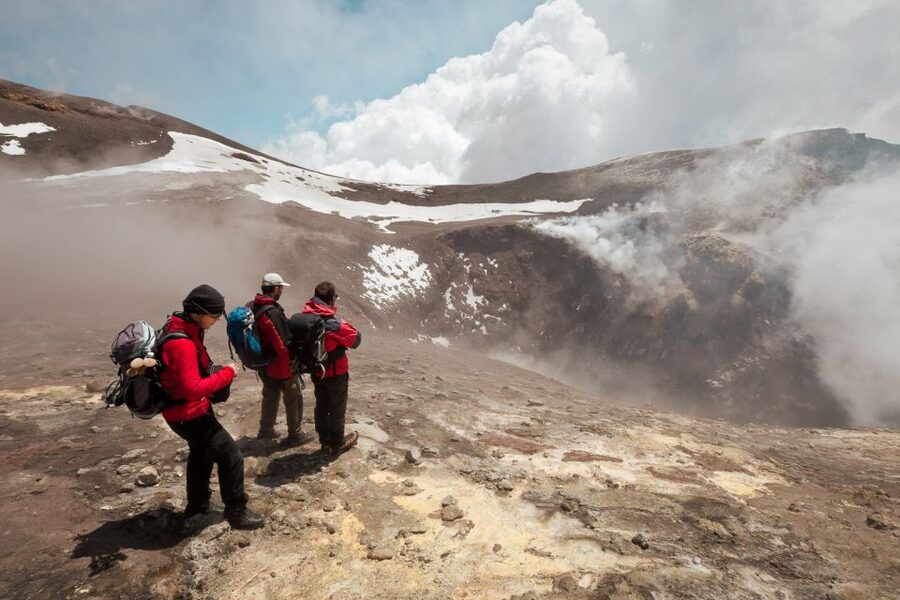
After the caldera hike, the day includes a break time at Silvestri Craters. You’ll have a short window to rest, regroup, and stretch. The stop includes options like beer, coffee, and tea, which is a nice mental switch from “all volcano, all the time” into “sit for a few minutes and rehydrate.”
This kind of stop matters more than it sounds. Etna walking is often a mix of uphill effort and uneven footing. A real break helps you avoid the late-day slump where people push too hard and then pay for it on the ride back.
If you’re the type who likes taking photos, this is also a good time to freshen up and plan what you want for the final views. If the weather is doing its usual Sicilian thing, cloudy to bright to foggy again, you can also benefit from the extra patience here.
Lava cave visit: one of the coolest parts, with a safety caveat
The trip can include a visit to a lava cave. It’s one of those stops that makes the day feel properly wild, because you’re stepping into a space formed by volcanic activity rather than just looking at the aftermath.
But it comes with a clear reality check. If there are high tremors and eruptions, a cave visit may not be possible even if the eruption has finished. That’s not a small fine print item, it’s the difference between a good day with an extra wow moment and a modified route.
If this stop is a must for you, keep your expectations flexible. The rest of the day is built around volcanic terrain and the caldera, so you’re not left with only half a trip if conditions change.
Difficulty and weather: how to dress so Etna doesn’t bully you
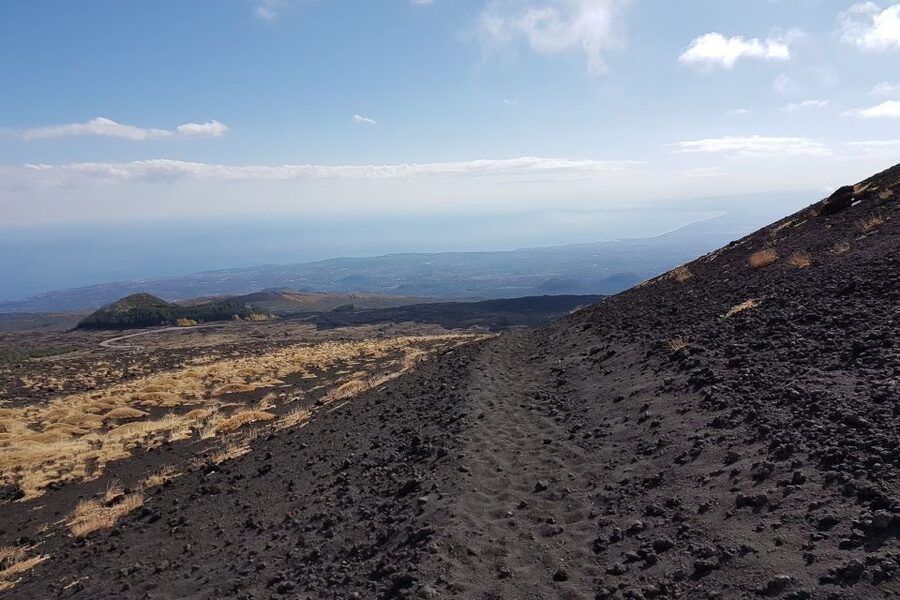
You’ll hike between about 1,850 and 2,400 meters, which means temperature swings are normal. Wind can be a real factor at elevation, and even in better weather, the higher ground can feel colder than you expect.
The good news is the tour includes key items:
- Extra warm jacket
- Rain jacket
- Trekking sticks and shoes
So if you arrive without gear, you’re not stuck. You can show up with the basics and still get outfitted. Many guides also help people adjust their layers once you reach colder zones.
Still, you should bring the basics listed for the day: comfortable clothes, socks, a hat, and sunscreen. Comfortable shoes are recommended too, but the tour supplies trekking shoes, so the real priority is making sure whatever you wear feels secure for uneven ground.
How hard is it? Reviews and the hike design suggest a medium difficulty level. You should be ready for uphill sections and sustained walking. If you’re used to hiking a few times a year, you’ll likely be fine. If you’re mostly sedentary, this could feel more challenging than you expect, especially with wind and altitude.
Transportation, timing, and what the 7 hours buys you
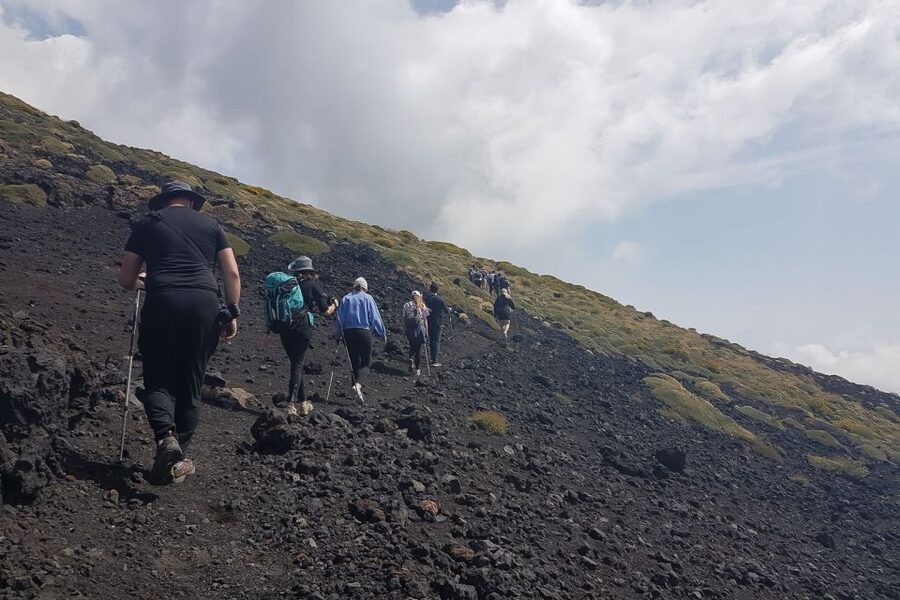
The total duration is listed as 7 hours. That length is a good sweet spot for an Etna trek because it includes real hiking time without swallowing your whole day.
Your itinerary also has a logical rhythm:
- Pickup in the city, then van rides
- Short village stop for coffee and meals
- Safety briefing at a viewpoint
- Long main hike in the valle del Bove
- Short crater break
- Return to the meeting point
You’ll also do a “fast stop” in a tourist area for refresh. Again, it’s about pacing, not about turning this into a crowds sightseeing day.
As for value, the price is around $78.17 per person. At this level, you’re not only paying for transport and guide time. You’re also getting the gear kit, which is a big deal if you don’t own poles, warm layers, and proper shoes. Add in pickup and drop-off from the Catania area and Trecastagni, and it’s easier to see why this can feel like strong value compared to half-day versions that only do short walks.
Included gear vs. what you should pay for yourself
Food and drinks are not listed as included. That means you’ll want a plan for what you buy during the day.
Here’s what you can expect:
- At the village stop, there’s time for breakfast and lunch, but you’re buying what you want.
- Before the hike, you can buy a locally-prepared sandwich.
- At the Silvestri Craters break, you’ll have time to rest with options like beer, coffee, and tea.
The tour does handle the hike essentials. The included warm and rain jackets, plus shoes and trekking sticks, remove a lot of stress for people who travel light.
Also, luggage restrictions matter. Luggage or large bags are not allowed. Bring what you can carry comfortably, and keep it small.
Who should book this, and who should choose another Etna option
This is best for people who actually want a hiking day. If you love walking on volcanic ground, enjoy learning from a guide, and prefer quieter trails instead of crowds, you’ll probably find this hits your style.
It’s less ideal if you have any of the listed constraints:
- Not suitable for children under 10
- Not suitable for pregnant women
- Not suitable for people with heart problems
- Not suitable for people with respiratory issues
- Not suitable for people with altitude sickness
- Not suitable for people with low level of fitness
- Not suitable for people with mobility impairments
If you’re worried about the hike side, remember that the tour does supply shoes and poles, and guides keep a pace with breaks. But the terrain is still the terrain.
If you’re the kind of person who wants maximum height at any cost, you might think of other Etna formats. This one prioritizes a longer, more meaningful walk in volcanic zones rather than short jumps to the highest possible spot.
Quick safety and reality check before you go
A few “know this now” points help you avoid surprises:
- The cave visit depends on conditions like tremors and eruptions.
- In winter, the route may change due to snow.
- The group needs two participants minimum to start the experience, so solo travelers should check before committing.
- The hike happens at altitude, so take the start of the day seriously even if you feel fine.
And yes, wind can be intense. That included warm jacket is not decoration.
Should you book this Mount Etna off-path trek?
Book it if you want Etna with quiet trails, real walking time, and a guide who explains what you see while you’re actually there. The combination of off-road lava flow sections, a long stint in valle del Bove, and the chance at a lava cave makes this feel like a full volcanic day rather than a quick photo stop.
Skip it or choose a gentler option if hiking uphill for hours at altitude is not your thing, or if you fall into the health and mobility restrictions listed by the operator.
If you do go, I’d take one extra piece of advice from the guide culture around this route: after the trek, people often recommend trying Etna’s Fire. It’s the kind of post-hike Sicilian payoff that tastes better because you earned it.
FAQ
How long is the Mount Etna trekking trip?
The experience lasts about 7 hours.
What altitude will I hike at?
The trek takes place approximately between 1,850 and 2,400 meters above sea level.
Is the lava cave visit included every day?
A lava cave visit is part of the plan, but it is not possible in cases of high tremors and eruptions, even if the eruption has finished.
What gear is included in the tour?
You get trekking sticks and shoes, plus an extra warm jacket and a rain jacket.
Where do you meet, and do you pick up from Catania?
You meet outside McDonald’s for pickup. Pickup and drop-off are offered in Catania city center and Trecastagni, and the activity ends back at the meeting point.
Is food included in the price?
Food and drinks are not included. You can buy a locally-prepared sandwich before hiking, and there are food and refreshment opportunities during stops.
Who is the tour not suitable for?
It is not suitable for children under 10, pregnant women, people with heart problems, respiratory issues, altitude sickness, low level of fitness, or mobility impairments.
Just introduced: the newest Sicily write-ups
- Catania: Valley of the Temples and Turkish Steps with Snack★ 4.5 · 346 reviews
- The Original Catania Street Food and Market Tour by Streaty★ 5.0 · 345 reviews
- Syracuse: Pillirina, Ortigia, and Sea Caves Tour by Boat★ 4.6 · 348 reviews
- Syracuse: Neapolis Archaeological Park Small Group Tour★ 4.7 · 350 reviews
- Discover Palermo in 3 hours. Art, history, markets and street food★ 5.0 · 352 reviews
- Taormina: Half-Day Pizza Making Class★ 4.8 · 353 reviews
- From Catania: Taormina, Savoca, & Castelmola Tour w/ Lunch★ 4.8 · 355 reviews
Mount Etna Excursions, compared.
Mount Etna Morning or Sunset Day Trip with Tasting
Read our review →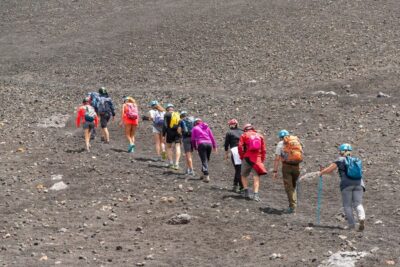
Mount Etna: Guided Volcano Summit Hiking Tour with Cable Car
Read our review →
Sunset Jeep Tour of Mount Etna and Lava Flow Caves
Read our review →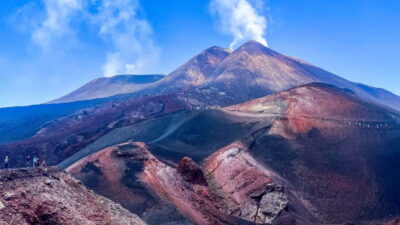
Mount Etna: Trek to 3000m with cable car and jeep
Read our review →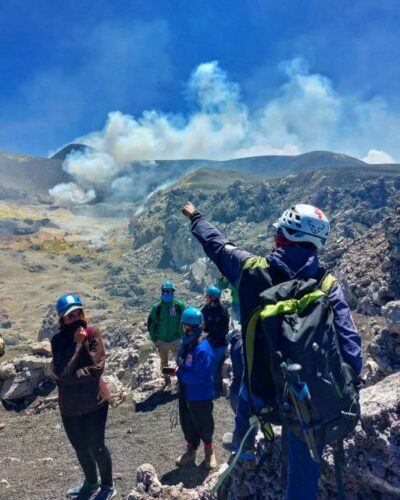
Mount Etna: Summit Crater Trek with Cable Car
Read our review →
Etna and Alcantara Gorges Full-Day Tour with Lunch
Read our review →
Mount Etna: Roundtrip Cable Car and 4×4 Bus Ticket
Read our review →
Etna Volcano: South Side Guided Summit Hike
Read our review →Browse the lists this tour appears in