
Reviewed · MOUNT ETNA EXCURSIONS
Etna Volcano: South Side Guided Summit Hike
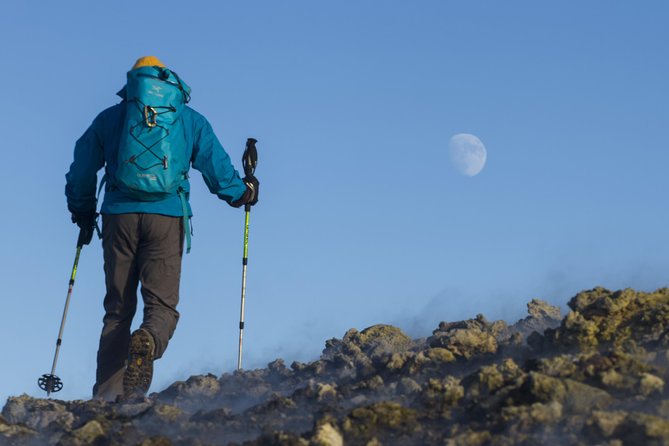
Etna feels alive, even up close. This South Side summit hike mixes a cable car ride to 2,500 meters with a grounded walk on the rim of active craters. You’re stepping onto black lava, bright sulfur soil, and the kind of high-altitude views you can’t fake.
What I love most is the photo time. You’re not just hiking through dust, you’re stopping to look down at the “world below” from the top of Europe’s highest volcano. I also love how much the trip leans into real science, with certified mountain and volcano guides who explain what you’re seeing as you move across the volcanic terrain.
The main drawback is simple: access can change on an active volcano. If summit craters are closed for safety, your route still goes up, but you may not reach the exact crater rim you came for, and conditions can feel tougher in cold or windy weather.
In This Review
- Key things to know before Etna South
- Why the Etna South summit hike works so well
- Rifugio Sapienza meeting point, and what to do when you arrive
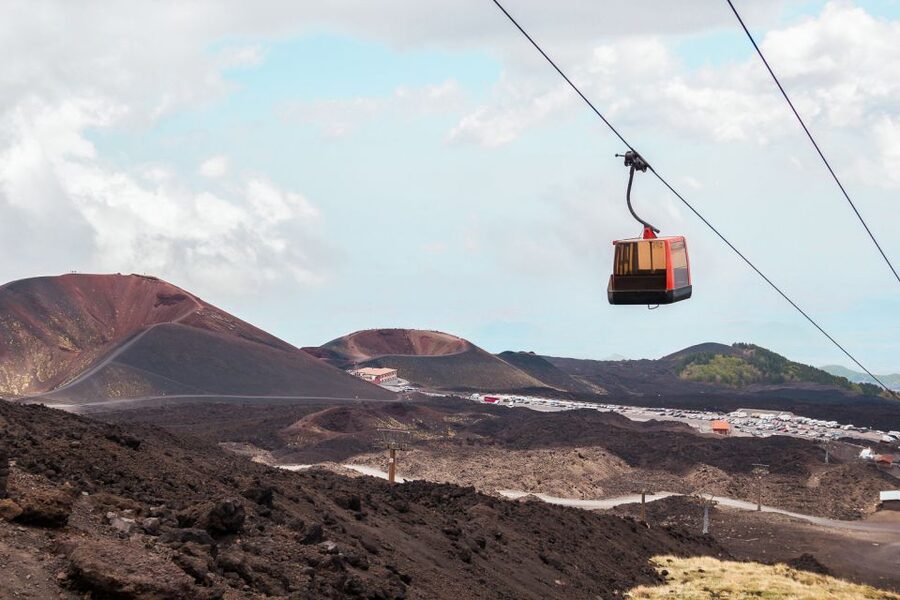
- Cable car to 2,500 meters: fast altitude, big payoff
- The hike to the crater zone: view points and volcanic terrain
- Central Crater rim walk: the photo stop that earns its spot
- Standing on Mt Etna’s active summit zone: guided geology in real time
- Valle del Bove and the descent loop: craters, lava, and the quieter side
- The guides matter: how safety and science show up in the hike
- Price and value: what you’re really paying for
- What to pack and wear, so the hike feels manageable
- Who should book this Etna South summit hike
- Should you book this Etna Volcano South summit hike?
- FAQ
- How long is the Etna Volcano South Guided Summit Hike?
- Where do I meet the guide?
- Is the cable car included in the price?
- What’s included in the tour package?
- What languages will the guide speak?
- How difficult is the hike?
- What should I bring?
- Are pets allowed?
- What if the summit craters are closed due to volcanic activity?
Key things to know before Etna South
- Cable car to 2,500 m saves your legs and gets you to the high-altitude zone fast
- Crater rim photo stops are built into the hike, especially around the Central Crater
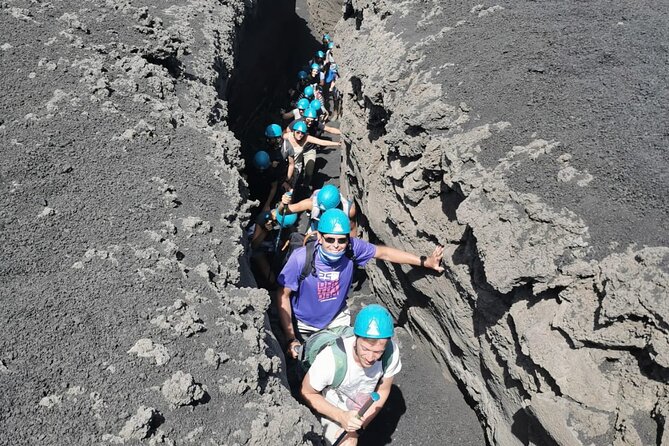
- Lava channel walking and lunar-like ground make this feel more like an expedition than a stroll
- Active volcano reality check means itinerary tweaks can happen based on volcanic risk
- Boots, rock helmet, and trekking poles are included, which helps you travel lighter
- Cable car tickets are not included and are payable on the spot (cash only)
Why the Etna South summit hike works so well
Etna is one of those rare places where geology is not a topic, it is the scenery. From the start, you’re being moved into the volcano’s world, not just taken to a viewpoint.
The format is smart. You ride the cable car up first, then hike on foot in the height zone where the scenery really changes. That means you spend more time on the dramatic crater areas and less time grinding uphill from the base.
And yes, it’s an active volcano. That matters. The guides will adjust the plan if the day is too risky, and that is part of the value here: you’re getting an experience shaped by real safety decisions, not a scripted promise.
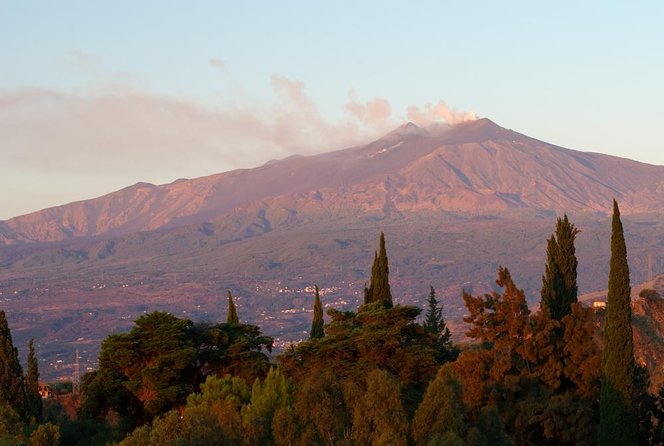
Etna again, by a different flank:
Rifugio Sapienza meeting point, and what to do when you arrive
You meet at the Ashàra info point near Rifugio Sapienza, on the Etna South side, close to the Terrazza dell’Etna restaurant. This is a practical setup because you can orient yourself quickly before you go up, and the area is designed around getting people ready for summit access.
This is also where you’ll get your included hiking kit. You can expect hiking boots, a rock helmet, and walking sticks. Getting those at the start is a big deal, especially because the ground can be sandy or uneven, and the altitude can make every step feel heavier.
One more small but important reality check: the hike is listed as medium-high difficulty. You’ll need to be comfortable walking on uneven terrain, and you should plan to dress for cold at altitude.
Cable car to 2,500 meters: fast altitude, big payoff
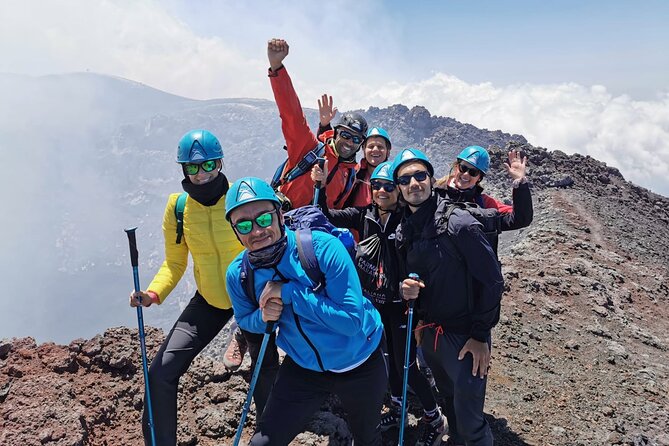
The cable car ride takes about 25 minutes. That time shortcut is exactly why this hike feels doable for a lot of people. You’re saving a huge chunk of climbing and getting to the active volcano zone where the crater visuals and gases are easier to spot.
Once you’re up, you’re immediately in a different kind of hiking. You’ll be moving across volcanic ground with changes in surface texture, and the air at altitude can make the same pace feel harder than on a normal mountain. The upside is the views start earlier, and the photos get better the longer you stay up there.
This is also where being prepared pays off. If you show up with the right layers and the right water, the first push feels controlled instead of frantic.
The hike to the crater zone: view points and volcanic terrain
After the cable car, the day turns into a roughly 40-minute hike to a view point, followed by a longer section of scenic walking toward the Cratere Centrale dell’Etna. You’ll spend about 1.5 hours on this crater-area approach.
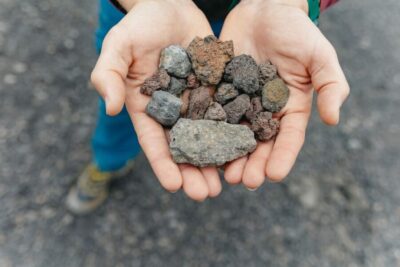
This section is not just “walking time.” It’s where you learn to read the ground. Etna emits gases, and you can see the effects of volcanic activity as ground sparkles with mineral colors. Sulfur is especially noticeable, and it’s one of the clues the guides use to connect what you see to the volcano’s ongoing processes.
You’ll also get a sense of why the summit area can look almost alien. The terrain is described as lunar-like, and once you’re stepping across lava flows and loose volcanic material, that comparison stops being a cliché.
More Italian ridgeways and mule tracks:
- Mount Etna: Trek to 3000m with cable car and jeep
★ 4.7 · 1,978 reviews - Mount Etna: Summit Crater Trek with Cable Car
★ 4.8 · 1,875 reviews - Stromboli: Sunset Trekking at Sciara del Fuoco
★ 4.6 · 1,372 reviews - Catania: Mount Etna Trekking Trip off the Tourist Path
★ 4.9 · 1,351 reviews
Central Crater rim walk: the photo stop that earns its spot
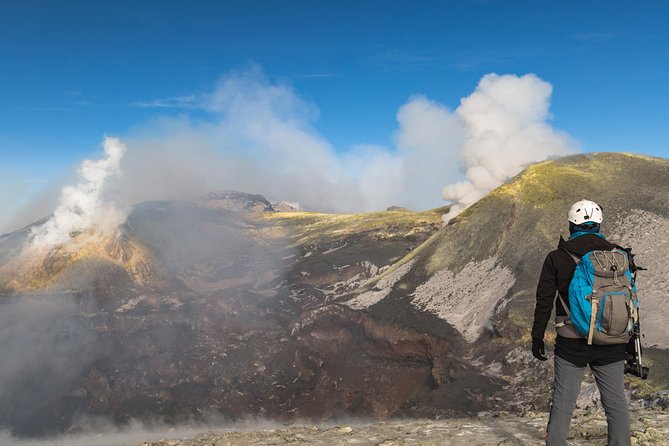
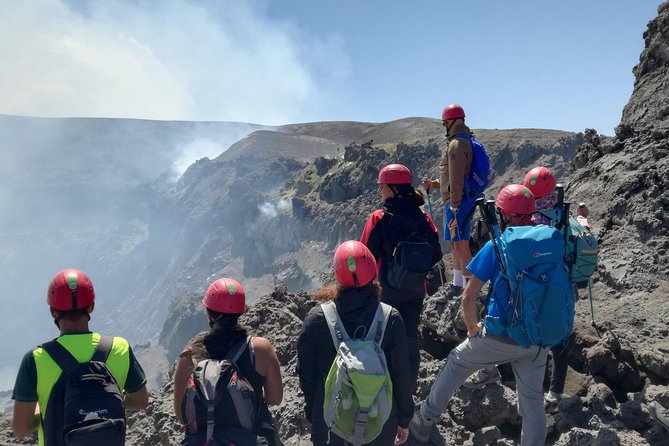
The Central Crater rim is the star. You get a stroll along the rim with spectacular views and a chance to capture photos of both the Northeast Crater and the Southeast Crater, which is tied to the most recent and impressive eruptions.
This is the part of the trip where your brain goes quiet for a second. You’re staring into an active system, and the scale is hard to grasp until you’re standing there with the air changing around you. If you love photography, this is where you’ll want to slow down and frame carefully. The guides typically pace you for safety, but the photo moments are built into the plan.
A helpful mindset: treat the rim walk like a viewpoint plus a lesson. You’re moving around the crater edges long enough to take in multiple angles, so you’re not stuck with only one dramatic photo.
Standing on Mt Etna’s active summit zone: guided geology in real time
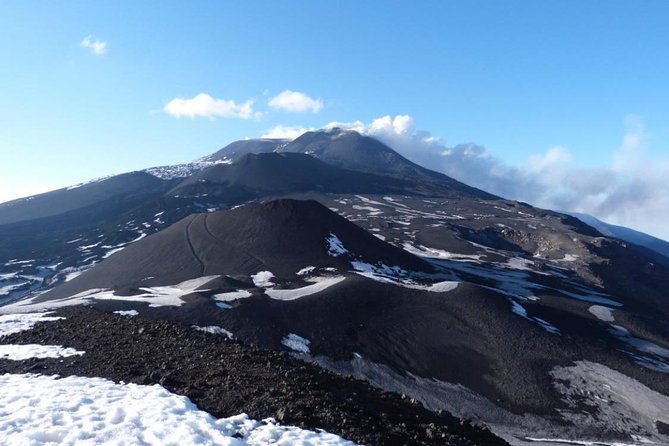
You’ll reach the summit area for a break plus a photo stop and guided tour, roughly 1 hour. This is where the experience becomes more than scenery. The guide’s job is to connect visible features to volcanic history and geology, so you know what you’re looking at instead of guessing.
Expect to hear about things like volcanic bombs and other signs of activity you can sometimes see in the ground and surroundings. You’re also surrounded by gas emissions, and those details help explain why access can change during the day.
If the crater rim is restricted due to strong activity, you’re not left behind. The tour is designed to shift to the maximum altitude allowed, so you still get a high-reaching experience, just with a different route.
Valle del Bove and the descent loop: craters, lava, and the quieter side
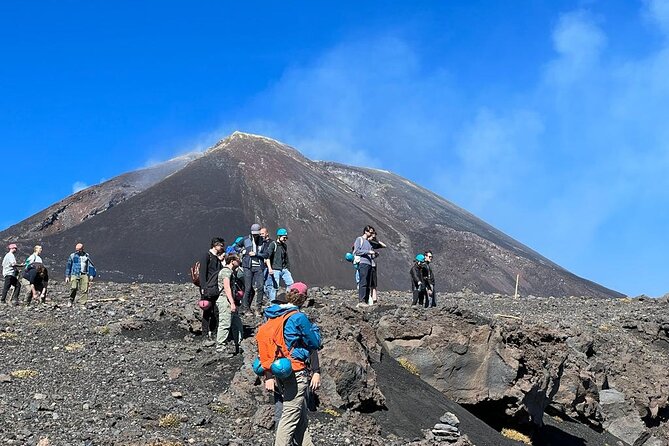
After the main summit zone time, the hike heads toward Valle del Bove, with about 1 hour walking through this area. Valle del Bove has a very different feel from the crater rim. It’s more about open volcanic terrain and the sense of scale across the mountain.
During the descent, you also visit the Barbagallo craters and cross a lava flow channel. This is a great stretch because it breaks up the “top of the volcano” intensity. You’ll get movement across volcanic textures, and the lava channel adds a real hands-on element to the day, not just a view.
Then you go back up again to the 2,500 m cable car point and ride down, about 25 minutes. That return cable car ride closes the loop cleanly, so you can finish the day without turning it into an all-day endurance grind.
The guides matter: how safety and science show up in the hike
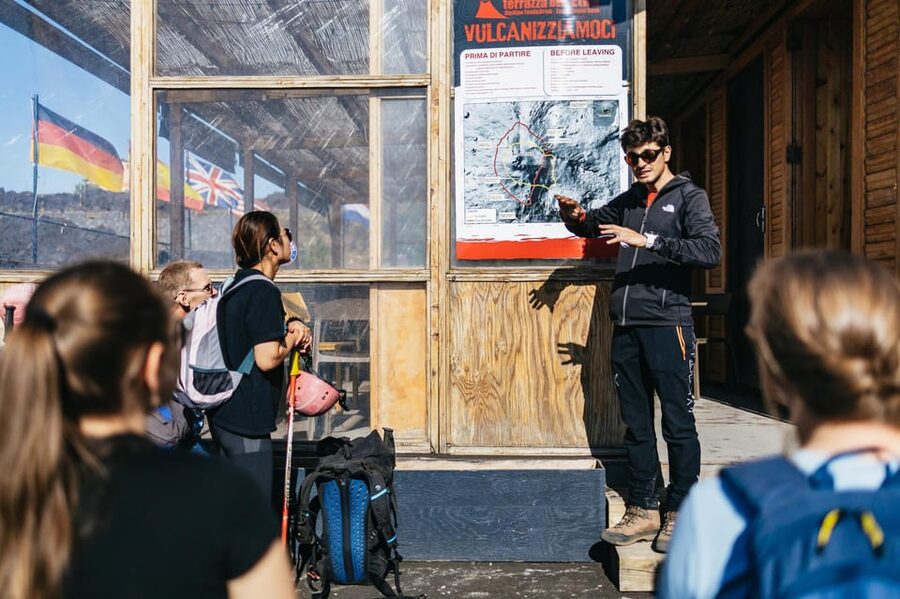
This trip is led by a certified mountain and volcano guide, and that shows in two ways: safety decisions and how the geology is explained while you walk.
On an active volcano, the guide controls more than pace. They control route access. If craters are forbidden for the day, the guide changes the itinerary and continues to the highest safe altitude. That flexibility is what turns a risky-looking plan into a trustworthy experience.
It’s also why you get equipment beyond what you’d typically bring. Rock helmets and provided hiking boots, plus walking sticks, reduce the chance that you spend the day worrying about gear. In cold or windy conditions, that matters just as much as in summer. Some guides also encourage smart layering and will help keep the group moving at a pace that respects different abilities.
You’ll find guides like Antonio and Giovanni mentioned for their professional approach, clear explanations, and group care. Nello, Massimo, Marco, and Max also come up in the same spirit: serious volcano know-how paired with a friendly, steady tone that helps you feel safe on uneven ground.
Price and value: what you’re really paying for
The tour price is listed at $67.97 per person for a 6-hour experience, with starting times depending on availability. That price covers the guided hike experience, including the multilingual guide, hiking tour support, accident insurance, and key hiking gear (boots, helmet, walking sticks).
What’s not included is the big add-on: cable car tickets are 52 EUR per person, payable on the spot, cash only. For value, you should treat the total cost as tour price plus cable car. Also, cash-only on the day is one of those details that can create stress if you forget.
Once you account for the cable car, the value makes sense if you want real summit-area access without trying to piece together transport and safety rules on your own. The cable car time savings plus guided crater navigation are the heart of the “pay once, see a lot” deal.
If you’re on a tight schedule or you’d rather hike with an expert than guess your way across active volcanic zones, the price is easier to justify.
What to pack and wear, so the hike feels manageable
This is a hike with height and uneven ground. Your clothing choices can make it fun or uncomfortable.
Bring what the trip asks for:
- Food and water, plus snacks (and plan for a packed lunch)
- Sunglasses, sun hat, sunscreen
- A jacket and long pants, plus socks
- A daypack (10 to 20 liters)
- Extra T-shirt
Also, plan for wind and cold at altitude. Even when Sicily feels warm, the summit area can feel colder. Reviews also point out that trekking poles help a lot, and the good news is walking sticks are included, so you can lean on them right away.
One gear note: you’re in an active volcano zone. The helmet is there for a reason, and even if you feel sturdy, treat the rock helmet as part of your safety checklist.
Who should book this Etna South summit hike
This one is best for moderately trained hikers who are comfortable on sandy or uneven terrain. It’s also not a gentle walk. The hike difficulty is listed as medium-high, and the combination of altitude plus uneven ground means you’ll need a steady pace and a calm approach.
You’ll enjoy it most if you want:
- A guided crater rim experience with real geology explanations
- A mix of viewpoints plus walking across volcanic features like lava channels
- A structured day that gets you high without taking a full day of nonstop climbing
It’s not suitable for:
- Children under 9
- Pregnant women
- People with back problems, heart problems, vertigo, respiratory issues, or high blood pressure
- Wheelchair users
- Anyone with a pet or stroller plan
Also, note what’s not allowed: pets, shorts, baby strollers, luggage or large bags, and sleeveless shirts. If you travel light, you’re already half ready.
Should you book this Etna Volcano South summit hike?
Yes, I think you should book it if Etna is on your Sicily short list and you want the crater-area experience with guidance built in. The combo of cable car access, Central Crater rim walking, and lava-channel terrain is the kind of high-impact day that feels worth dressing for.
Book it especially if you care about safety and learning while you move, not just taking pictures from far away. On an active volcano, you’re paying for flexibility and trained leadership, and that’s what keeps the day both exciting and realistic.
Skip it if you dislike cold, uneven surfaces, or you know altitude and exertion are hard for your body. In those cases, the smart choice is to pick a less demanding volcano outing, because this one is designed for confident hikers.
FAQ
How long is the Etna Volcano South Guided Summit Hike?
The duration is listed as 6 hours.
Where do I meet the guide?
Meet at the Ashàra info point at Rifugio Sapienza (Etna South), near the Terrazza dell’Etna restaurant.
Is the cable car included in the price?
No. Cable car tickets are not included and cost 52 EUR per person, paid on the spot with cash only.
What’s included in the tour package?
Included are the hiking tour, a volcano or alpine multilingual guide, hiking boots, accident insurance, a rock helmet, and walking sticks.
What languages will the guide speak?
Guides are listed as French, English, and Italian.
How difficult is the hike?
It is aimed at moderately trained hikers comfortable hiking on sandy or uneven terrain, with a medium-high level of difficulty.
What should I bring?
Bring sunglasses, a sun hat, food and drinks, snacks, sunscreen, water, a jacket, T-shirt, long pants, socks, and a daypack (10 to 20L). A packed lunch is also mentioned.
Are pets allowed?
No, pets are not allowed.
What if the summit craters are closed due to volcanic activity?
If the summit craters are forbidden due to strong volcanic activity, the tour will undergo changes and continue up to the maximum altitude allowed that day.
Just introduced: the newest Sicily write-ups
- Catania: Valley of the Temples and Turkish Steps with Snack★ 4.5 · 346 reviews
- The Original Catania Street Food and Market Tour by Streaty★ 5.0 · 345 reviews
- Syracuse: Pillirina, Ortigia, and Sea Caves Tour by Boat★ 4.6 · 348 reviews
- Syracuse: Neapolis Archaeological Park Small Group Tour★ 4.7 · 350 reviews
- Discover Palermo in 3 hours. Art, history, markets and street food★ 5.0 · 352 reviews
- Taormina: Half-Day Pizza Making Class★ 4.8 · 353 reviews
- From Catania: Taormina, Savoca, & Castelmola Tour w/ Lunch★ 4.8 · 355 reviews
Mount Etna Excursions, compared.
Mount Etna Morning or Sunset Day Trip with Tasting
Read our review →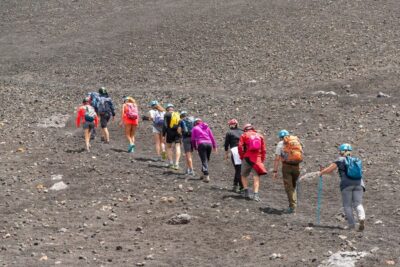
Mount Etna: Guided Volcano Summit Hiking Tour with Cable Car
Read our review →
Sunset Jeep Tour of Mount Etna and Lava Flow Caves
Read our review →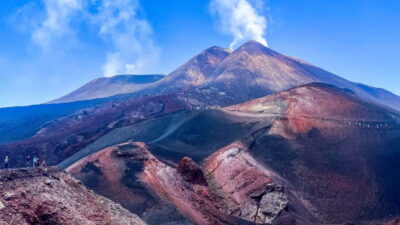
Mount Etna: Trek to 3000m with cable car and jeep
Read our review →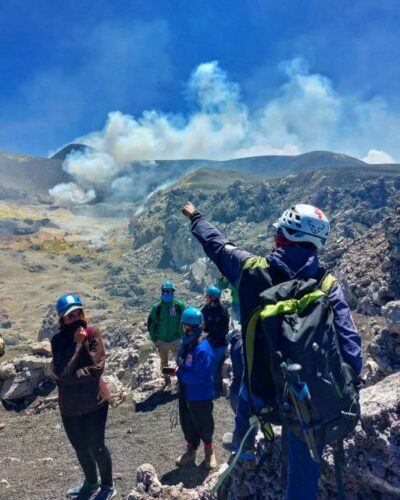
Mount Etna: Summit Crater Trek with Cable Car
Read our review →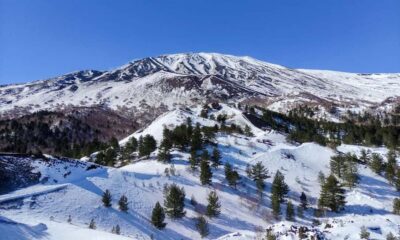
Etna and Alcantara Gorges Full-Day Tour with Lunch
Read our review →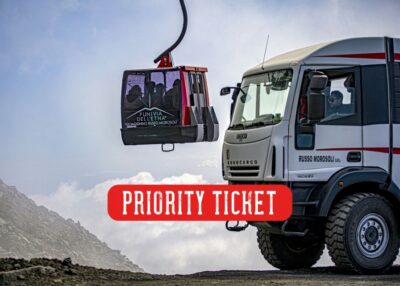
Mount Etna: Roundtrip Cable Car and 4×4 Bus Ticket
Read our review →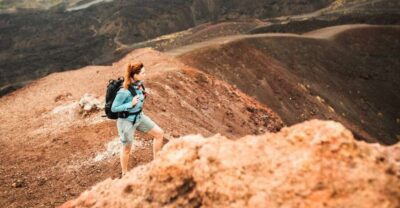
Mount Etna Trekking Trip off the Tourist Path
Read our review →Browse the lists this tour appears in