
Reviewed · MOUNT ETNA EXCURSIONS
Mount Etna: Summit Crater Trek with Cable Car
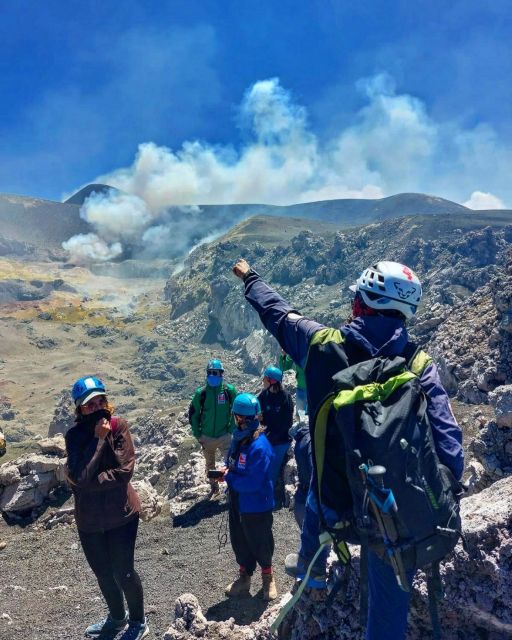
Etna feels like walking on another planet. This small group trek takes you from the Etna south cable car up to active summit craters with a volcanologist guide, plus a close look at lava tunnels and raw eruption scars.
What I like most is the combination of summit views and geology talk that actually helps you read the mountain, not just admire it. You’ll also get helmeted safety gear and guided crater walks, so the day feels both wild and organized.
One thing to consider is that this is not a stroll. Even with boots and poles included, the hike can be challenging, and volcanic risk or weather can change how close you get to the craters.
In This Review
- Key highlights at a glance
- From cable car line to crater edge on Mount Etna
- Meeting point and what your day looks like at Etna south
- The ride up: lunar views from Torre del Filosofo
- Bocca Nuova summit crater: where the views actually happen
- Cratere Centrale dell’Etna and Barbagallo: crater walking, not just sightseeing
- Lava tunnel stop: the day turns from high drama to physical proof
- Descent with volcanic sand and Valle del Bove caldera
- Weather, volcanic risk, and what happens if you do not reach the summit
- Gear, comfort, and what to pack for an active volcano
- The guides make or break the summit day
- Price and value: the real cost is the cable car part
- Who this tour is best for (and who should think twice)
- Should you book Mount Etna Summit Crater Trek with cable car?
- FAQ
- How long is the Mount Etna summit crater trek with cable car?
- What is included in the tour price?
- What extra costs do I need to pay for the cable car and 4×4?
- Where do I meet the guide?
- What languages are the tour guides available in?
- What should I expect if weather or volcanic risk affects the route?
- Is this tour suitable for children or people with health limitations?
- Do I need anything for sulfur smell near the craters?
Key highlights at a glance
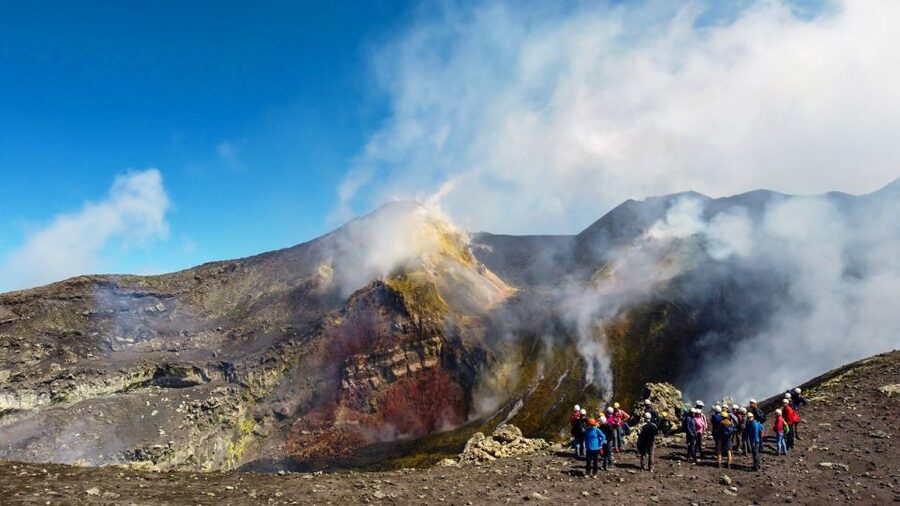
- Summit crater time with a volcanologist guide, focused on what you are seeing in real terrain
- 360° panoramas from Bocca Nuova, weather permitting you may spot the Aeolian Islands and northern Sicily
- A guided route through multiple eruption features, including craters from the 2002 activity
- A lava tunnel stop, adding texture to the day beyond just crater edges
- Small group pacing, with guides like Simone, Giuseppe, and Marco repeatedly praised for keeping people together
From cable car line to crater edge on Mount Etna
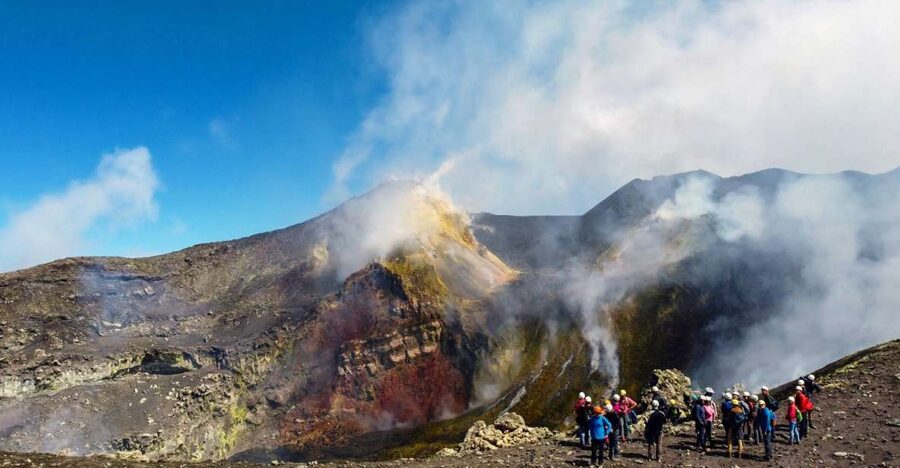
If Mount Etna is on your Sicily hit list, this is one of the most direct ways to get close to the real action. You start at the Etna south cableway area and move upward in stages, which matters because the summit zone is where conditions can shift fast. The tour is designed so you spend your walking time where it counts, near summit craters, not stuck in long transfers.
You also get a guide in the role of volcanologist, and that changes the tone of the day. It is not just point at the view and move on. The best part is learning how the terrain records eruptions: why some areas look layered, why other spots look like fresh damage, and what the steam and noises at the active craters mean for what you are standing beside.
On practical terms, you are also not showing up totally unprepared. Included gear like hiking boots, walking sticks, a wind jacket, and a helmet takes some of the stress out of packing. That said, you still want to dress for wind and sulfur air, because Etna can feel harsh even when Sicily is sunny at sea level.
Etna again, by a different flank:
Meeting point and what your day looks like at Etna south
You meet the team next to La Terrazza dell Etna, in front of the cable car station of Etna south. Expect a safety briefing early on. Then the clock starts to move fast, because you are heading upward in short bursts.
The structure of the day is simple:
- Cable car up a first chunk
- Short jeep or SUV ride up to the Torre del Filosofo area (around 2,850 meters)
- Guided crater walks up high, then a descent that keeps sights coming
- Cable car back down
That “staged” plan is smart for a volcano. If you had to hike from the start, you would burn energy early and arrive tired. Here, you arrive closer to the craters, then you spend the effort where it makes your payoff bigger.
The ride up: lunar views from Torre del Filosofo
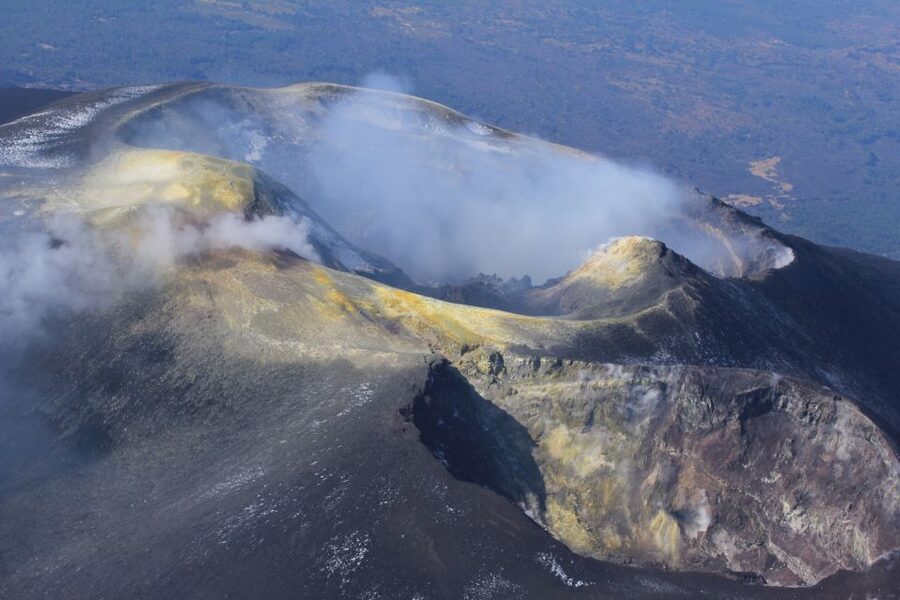
The Etna south cable car is the first surprise. It feels like stepping into a different altitude and mood, with the lower slopes changing fast into a harsher, rockier world. After about 15 minutes, you switch to a 4×4 ride.
That jeep segment, also about 15 minutes, gets you to the Torre del Filosofo area at roughly 2,850 meters. You do not just sit there. You watch the ground turn from typical volcanic slopes into something closer to lunar terrain, all matte rock and broken textures. It is the kind of transition that makes you realize Etna is not a mountain you can “learn” from photos.
If you have motion sickness in your group, plan for it. One guide, Vincenzo, was specifically praised for helping a child who felt car sick during the ride. So if you think it might happen, tell the team early so they can help you manage the ride.
Bocca Nuova summit crater: where the views actually happen
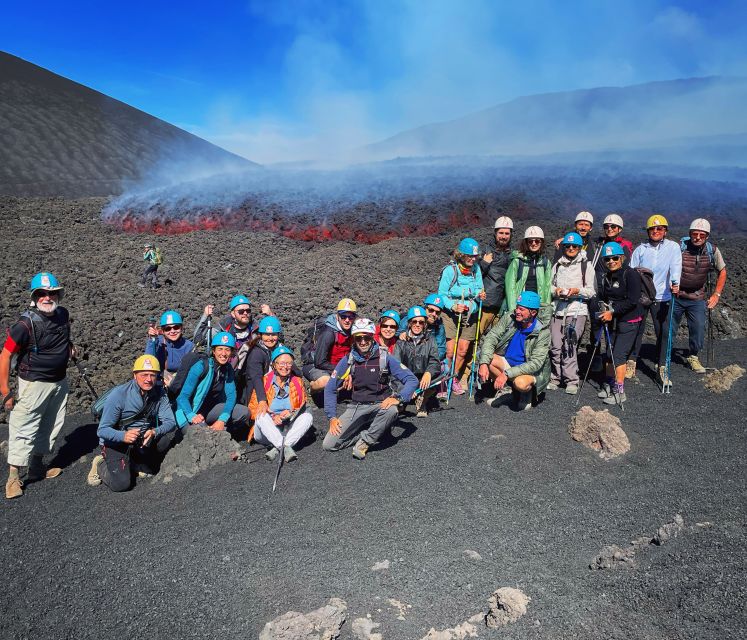
Your main walking block begins after the jeep and cable car stages, as you hike toward the edge of Bocca Nuova, around 3,300 meters. Bocca Nuova is a crater opened in 1968, and standing near its edge gives you that “I am on an active system” feeling fast.
This crater segment is guided for about two hours. You get time to absorb 360° panoramas, and if weather cooperates you may see the Aeolian Islands and almost all of northern Sicily. Even when visibility is not perfect, the crater steam and the way the mountain breathes adds energy to the science talk.
Guides like Simone, Giuseppe, and Marco are repeatedly described as patient with the group and strong at explaining what you are seeing. That matters here, because the summit is intense. The air can smell strongly of sulfur, and you might notice steam coming from fissures and crater zones. If you are someone who gets anxious around loud or smoky conditions, a guide who reads the room can make a big difference.
A practical tip for the summit air: Christian noted that sulfur can burn your throat, and that you should consider covering your mouth and nose. You may be able to buy a covering at the check in area, but bring your own scarf or face covering if you want to be ready immediately.
More Italian ridgeways and mule tracks:
- Mount Etna: Trek to 3000m with cable car and jeep
★ 4.7 · 1,978 reviews - Etna Volcano: South Side Guided Summit Hike
★ 4.7 · 1,545 reviews - Stromboli: Sunset Trekking at Sciara del Fuoco
★ 4.6 · 1,372 reviews - Catania: Mount Etna Trekking Trip off the Tourist Path
★ 4.9 · 1,351 reviews
Cratere Centrale dell’Etna and Barbagallo: crater walking, not just sightseeing
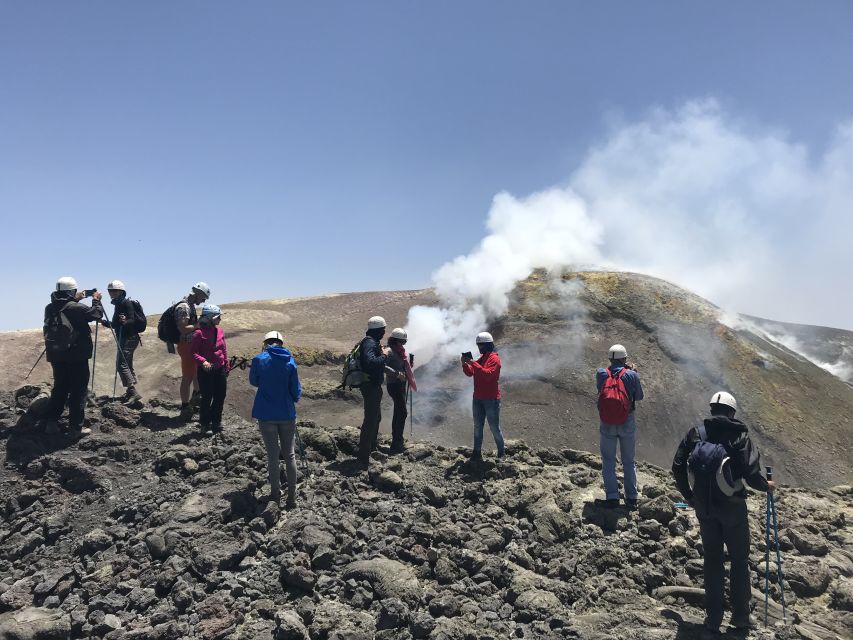
After Bocca Nuova, the itinerary continues with more crater zones. You get a shorter guided walk around Cratere Centrale dell’Etna, about 30 minutes, then you move to Barbagallo crater for roughly one hour.
These steps are valuable for one reason: they help you see how Etna’s top changes from point to point. One crater edge can look like a different “style” of eruption scar than another. Even if the view feels similar at first glance, the details tell different stories.
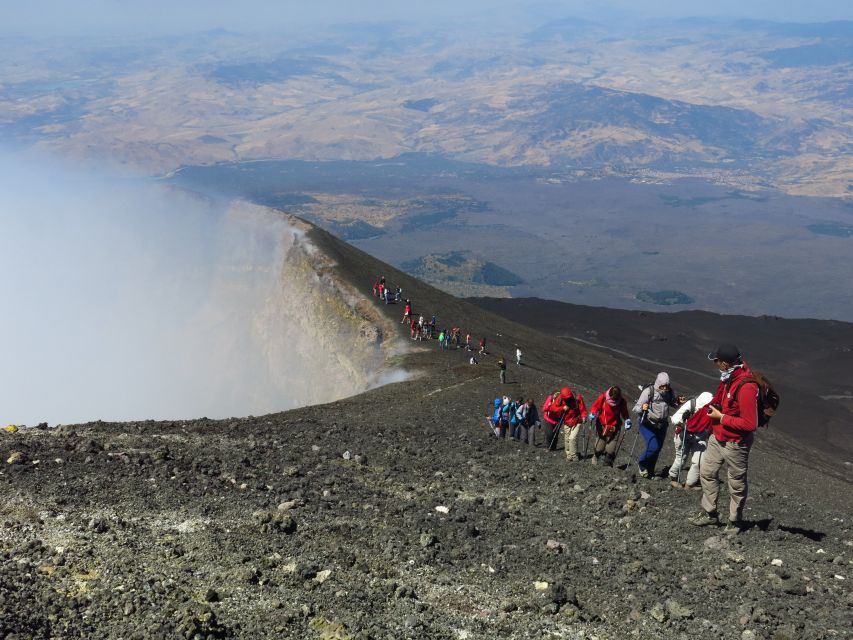
In multiple accounts, guides are praised for pacing people well so nobody is sprinting ahead and nobody is getting left behind. That is a big deal for a summit hike, because volcanic scree and steep ground wear you out quickly. If your group is mixed ages or abilities, pick a tour like this that is set up for a controlled pace.
Lava tunnel stop: the day turns from high drama to physical proof
Mount Etna has a lot of visual drama, but the day is stronger when you go beyond what looks dramatic from above. This tour includes a walk through a lava tunnel. That is exactly the kind of stop that helps you connect the day’s crater edges to how lava actually traveled during past activity.
In plain terms, crater edges are like the “after” photo. A lava tunnel is the “how it moved” moment. You get a feel for the heat history and the shapes created as lava cooled and flowed underground. It also breaks up the summit intensity with something tangible and different underfoot.
If you are the type who likes your adventures with a bit of science grounding, you will appreciate how guides tie the tunnel and craters together. And if you just want a memorable photo moment, you still get one, because lava rock inside a tunnel gives you texture that is hard to fake.
Descent with volcanic sand and Valle del Bove caldera
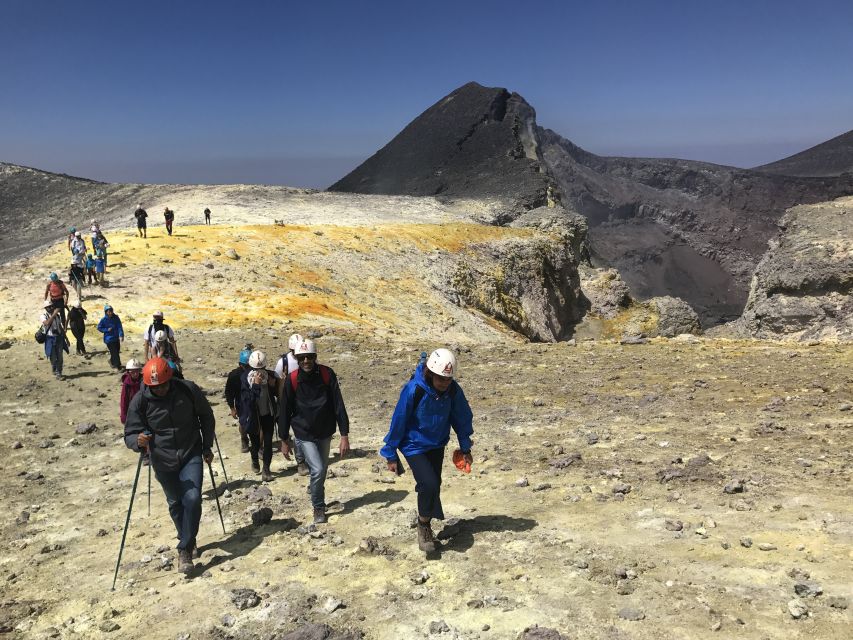
The best descents are not just a way back down. They are part of the story. After the crater area, you pass through craters linked to the 2002 eruption and then walk down over volcanic sand.
Volcanic sand is one of those surfaces that can feel annoying at first, then suddenly becomes weirdly fun once you realize it is part of the mountain’s construction. It is not flat. It shifts under your shoes. You can feel your balance work.
You also get a major sight on the way down: Valle del Bove, a spectacular caldera about 8 kilometers long and 4 kilometers wide. This is where Etna stops feeling like a single peak and starts feeling like a larger system. The scale of a caldera like this is hard to grasp from a bus window.
Weather, volcanic risk, and what happens if you do not reach the summit
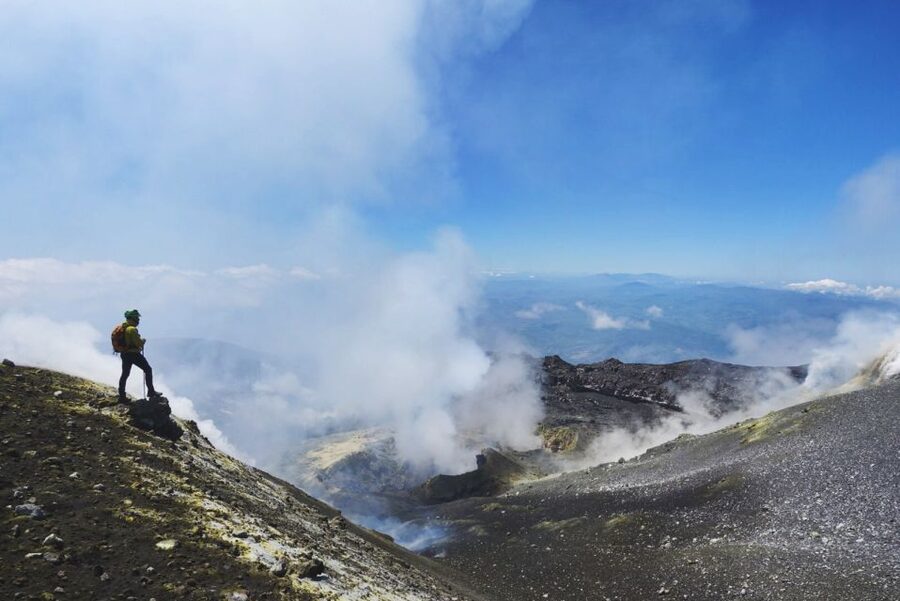
This is the one part of Mount Etna that you have to respect. The tour may change based on volcanic risk or weather conditions. On at least some days, groups could not go all the way up to the summit craters. The tradeoff was still a valuable experience, just with a different route or less time at the highest edges.
A key detail to know: cable car access can influence how your day plays out. One group described a rescheduled situation where the descent had to happen without the cable car because it closes at 5 PM. So even if the route is shorter, you should still be ready for a physical day.
If you want the best chance of maximizing summit time, dress for quick weather shifts. Wind and cold are common, and visibility can drop fast at higher altitudes. A warm wind jacket is included, but you should still bring layers you can adjust.
Gear, comfort, and what to pack for an active volcano
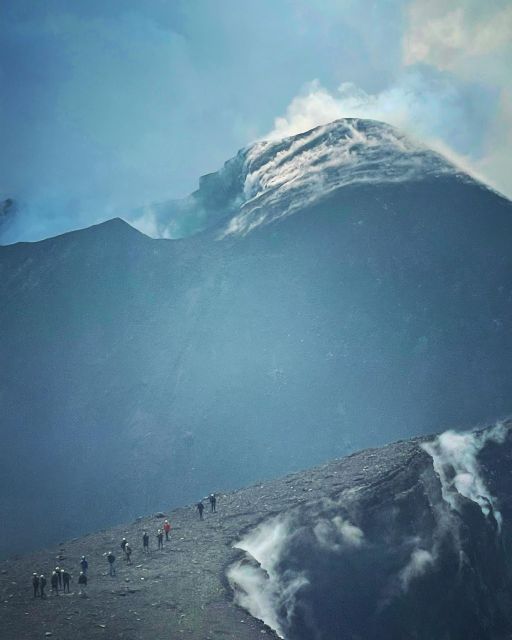
The tour provides hiking boots, walking sticks, a wind jacket, and a helmet. That is a huge convenience, especially if you are traveling light. Free parking is also included until supplies run out, which helps if you drive to the Etna south area.
Still, pack like you are hiking in harsh conditions:
- Long pants and a jacket, since the higher altitude air can turn chilly
- A snack for your energy, since food on the base area may not be what you hope for
- Sunscreen, because the summit air and sun can hit even when it feels cold
- A face covering or scarf, if sulfur bothers you
One review even pointed out that the restaurants at the base can be disappointing, so I would not treat breakfast there as a guaranteed win. Bring your own simple plan, like a snack before you leave the meeting area.
The guides make or break the summit day
This is where the reviews really point in one direction. The guiding style gets serious praise again and again, and it is easy to see why. Etna is active, the terrain is real, and the group needs structure.
People named guides including Simone, Marco, Eduardo, Giuseppe, Vincenzo, Alessandro, Basilio, Fabrizio, Raffaelo, and Armando. Across names, the themes stay consistent:
- clear safety focus
- strong pacing so slower hikers stay included
- geology explanations that connect crater edges, lava features, and eruption history
- humor and personality that makes the science feel human
So when you are choosing this tour, do not just shop the route. Shop the guide style. If you value learning, a volcanologist-led walk up to active craters is exactly the kind of “value” you get from paying for a guided experience.
Price and value: the real cost is the cable car part
The tour price is listed around $77 per person, and that gets you the volcano guide and the hiking program with included gear. The important catch is the extra payment for the cable car and the 4×4 segment.
You must pay those by cash at the office:
- €65 for adults (cable car round trip plus 4×4 one-way ticket)
- €50 for kids under 11
- If the summit cannot be reached due to volcanic activity or adverse weather, you take only the cable car round trip, listed at €52 per person
Does that make it expensive? It can. But here is why it still feels like good value if you are serious about getting close: you are paying for a professional guide team, summit crater time, safety gear, and a route that would be much harder to arrange on your own. You also avoid wasting half the day on random viewpoints that do not connect to the eruption story.
If you are on a tighter budget, the extra cash requirement is the one thing to plan around. Bring cash before you arrive, and you will avoid a stressful moment at check in.
Who this tour is best for (and who should think twice)
This trek is best for people who hike regularly or at least hike confidently on uneven ground. Reviews consistently describe it as challenging but doable for anyone with decent fitness and appropriate gear.
It is not suitable for people with low fitness, people with heart problems, people with respiratory issues, wheelchair users, people with mobility impairments, pregnant women, and some other health situations. Also not suitable for children under 6 and under 7, based on the stated limits.
If you have a calm tolerance for sulfur smell, steep ground, and windy conditions, you are in the right place. If you are anxious about active steam and loud sounds near crater edges, bring that concern up to your guide early. A good guide can help you plan your pace and keep your head in the right place.
Should you book Mount Etna Summit Crater Trek with cable car?
Book it if you want a real summit experience with a volcanologist guide, not just a scenic drive. I especially think it is worth it for the combo of Bocca Nuova crater time, crater-to-castra descent toward Valle del Bove, and the lava tunnel stop that makes the geology feel physical.
Skip it or choose a gentler alternative if you know uneven steep terrain will frustrate you. Also think twice if you cannot handle cold, wind, and sulfur air. The route may change due to volcanic risk, so do not expect guaranteed summit access every day.
If you do book, do three things that make the day easier: bring the face covering idea for sulfur, dress in layers for wind, and plan cash for the cable car and 4×4 upfront.
FAQ
How long is the Mount Etna summit crater trek with cable car?
The duration is about 5 hours.
What is included in the tour price?
You get volcano guides, a Mount Etna hike, hiking boots, walking sticks, a wind jacket, a helmet, insurance, and free parking until stocks run out.
What extra costs do I need to pay for the cable car and 4×4?
The cable car and the 4×4 one-way ticket are not included. You pay in cash at the office: €65 per adult, and €50 for kids under 11. If the summit cannot be reached due to volcanic activity or adverse weather, you only take the cable car round trip at €52 per person.
Where do I meet the guide?
Meet the guide next to the restaurant La Terrazza dell Etna, in front of the Etna south cable car station.
What languages are the tour guides available in?
The live tour guide speaks French, English, and Italian.
What should I expect if weather or volcanic risk affects the route?
The tour may be subject to changes due to volcanic risk or weather conditions, including possibly not reaching the summit craters.
Is this tour suitable for children or people with health limitations?
The tour is not suitable for children under 6 years and also lists children under 7 years. It is also not suitable for pregnant women, people with mobility impairments, wheelchair users, people with heart problems, people with respiratory issues, people who have dived up to 24 hours prior, people with recent surgeries, and people with low level of fitness.
Do I need anything for sulfur smell near the craters?
Sulfur can irritate the throat. Bring something to cover your mouth and nose if you are sensitive, and you may be able to buy covering clothes at the check in counter.
Just introduced: the newest Sicily write-ups
- The Original Catania Street Food and Market Tour by Streaty★ 5.0 · 345 reviews
- Catania: Valley of the Temples and Turkish Steps with Snack★ 4.5 · 346 reviews
- Syracuse: Pillirina, Ortigia, and Sea Caves Tour by Boat★ 4.6 · 348 reviews
- Syracuse: Neapolis Archaeological Park Small Group Tour★ 4.7 · 350 reviews
- Discover Palermo in 3 hours. Art, history, markets and street food★ 5.0 · 352 reviews
- Taormina: Half-Day Pizza Making Class★ 4.8 · 353 reviews
- From Catania: Taormina, Savoca, & Castelmola Tour w/ Lunch★ 4.8 · 355 reviews
Mount Etna Excursions, compared.
Mount Etna Morning or Sunset Day Trip with Tasting
Read our review →
Mount Etna: Guided Volcano Summit Hiking Tour with Cable Car
Read our review →
Sunset Jeep Tour of Mount Etna and Lava Flow Caves
Read our review →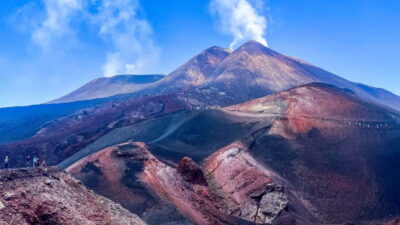
Mount Etna: Trek to 3000m with cable car and jeep
Read our review →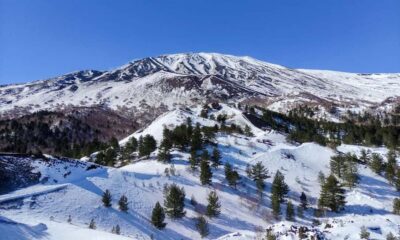
Etna and Alcantara Gorges Full-Day Tour with Lunch
Read our review →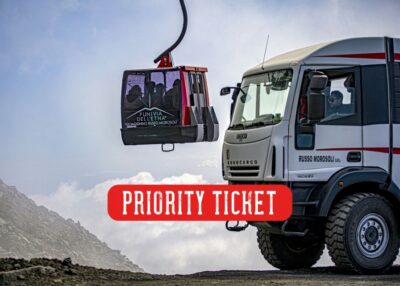
Mount Etna: Roundtrip Cable Car and 4×4 Bus Ticket
Read our review →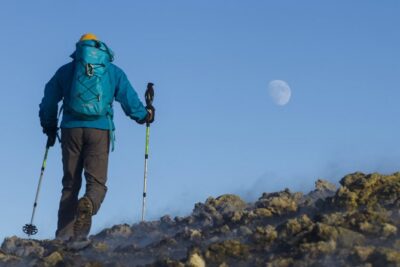
Etna Volcano: South Side Guided Summit Hike
Read our review →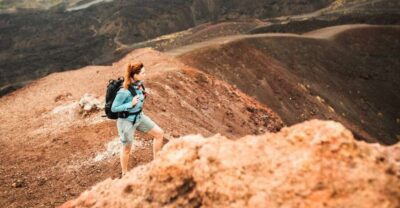
Mount Etna Trekking Trip off the Tourist Path
Read our review →Browse the lists this tour appears in