
Reviewed · MOUNT ETNA EXCURSIONS
Mount Etna: Guided Volcano Summit Hiking Tour with Cable Car
Mount Etna feels like another planet. You start with a cable car up to 2,504 meters, then trek with a trained volcanic guide to the highest summit points that are safe.
I especially love how the hike mixes drama with structure, including frequent photo stops and long breaks so you are not just gasping your way uphill.
The biggest consideration is that this is real trekking on rough, volcanic ground at altitude. The tour is not suitable for people with asthma, respiratory issues, or heart problems, and plans can change if weather or volcanic activity gets risky.
Key highlights you will actually care about
- Cable car to 2,504 m: You skip a lot of climbing and get big views fast
- Highest safe crater access: You reach the top areas allowed based on monitoring
- Lunar-like 2002/2003 eruption terrain: You walk through scarred, surreal volcanic ground
- Valle del Bove’s best viewpoint: You end at a famed panoramic depression area
- Small group and expert guides: Expect clear safety pacing, plus humor from guides like Edoardo and Leon
- Helmet included and mandatory: It signals the seriousness of safety on active slopes
In This Review
- Cable Car to 2,504 m: The Quickest Way to Feel the Altitude
- The Summit Hike: Lunar Ground, Lava Channels, and Smart Pacing
- Barbagallo Crater Stop: Photos With Purpose, Not Just a Pause
- Summit Craters and the Best Views When the Weather Plays Nice
- Valle del Bove Belvedere: Why the Descent Feels Like the Reward
- Guides, Equipment, and Group Size: Small Group, Real Safety
- What to Pack, How Hard It Really Is, and Who Should Skip This
- Price and Value: Why This $124.61 Ticket Often Makes Sense
- Weather and Volcanic Risk: The Tour Can Shift, and That Is the Point
- Should You Book This Etna Summit Hiking Tour?
- FAQ
- How long is the Mount Etna guided summit hike?
- Where do I meet the guide?
- What is included in the ticket price?
- Are food and drinks included?
- What languages are the tours offered in?
- Who is this tour not suitable for?
Cable Car to 2,504 m: The Quickest Way to Feel the Altitude
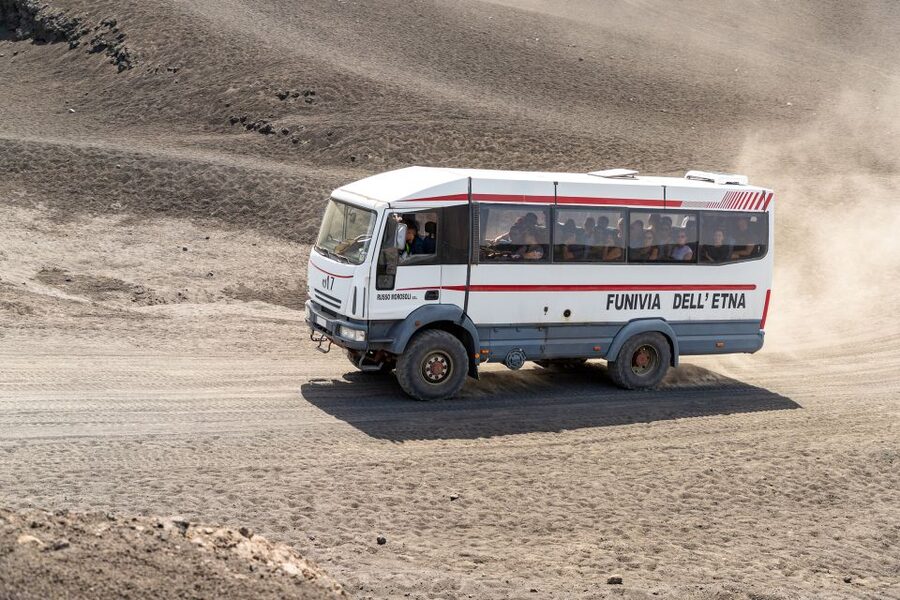
Your day starts at the partner meeting point by Bar Monte Gebel, on the right side of Rifugio Sapienza. Once you are with the group, you take the cable car up to 2,504 meters, which is a huge part of the value here. You are trading long low-altitude climbs for time on the real volcanic terrain, where the views and crater drama live.
Even before you hike, the cable car ride sets the tone. You rise above the more ordinary scenery and into the scale of Etna’s slopes, with the mountain looking steep, raw, and very alive. This is one reason I like this style of tour: you get to enjoy Etna’s “wow” factor without spending half your trip just getting to the start line.
The return cable car is also included, so you can plan your energy around the hike instead of worrying how you will get back down. If weather turns odd at the top, you do at least have a clear exit plan back to Rifugio Sapienza.
Practical tip: wear layers. At altitude, you can go from cool to cold quickly, especially near craters where wind tends to find the gaps.
The Summit Hike: Lunar Ground, Lava Channels, and Smart Pacing
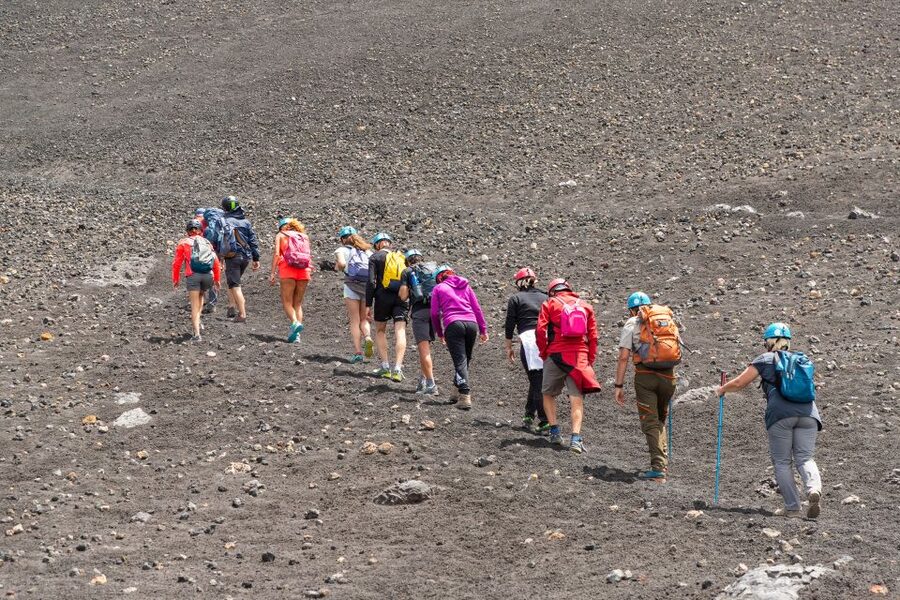
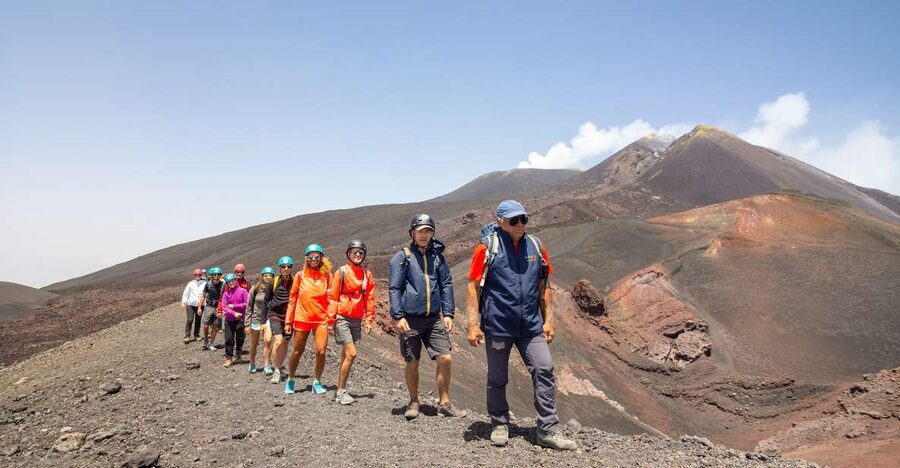
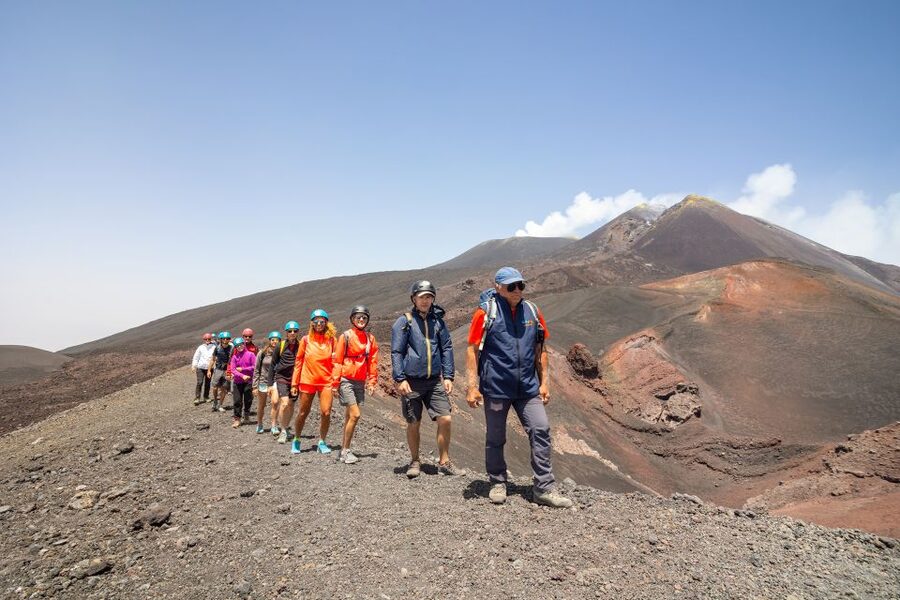
After the cable car, you begin trekking toward the northwest, passing through areas affected by the 2002/2003 eruption. The ground is volcanic and otherworldly, not like a tame nature walk. You will notice how the rocks and ash change underfoot, and how the terrain can feel uneven or loose in sections.
The pace is guided, not random. You get long breaks for photos and rest, and the schedule is built around the reality of altitude and active-slope conditions. That matters because the tour is aiming for safety and visibility, not speed.
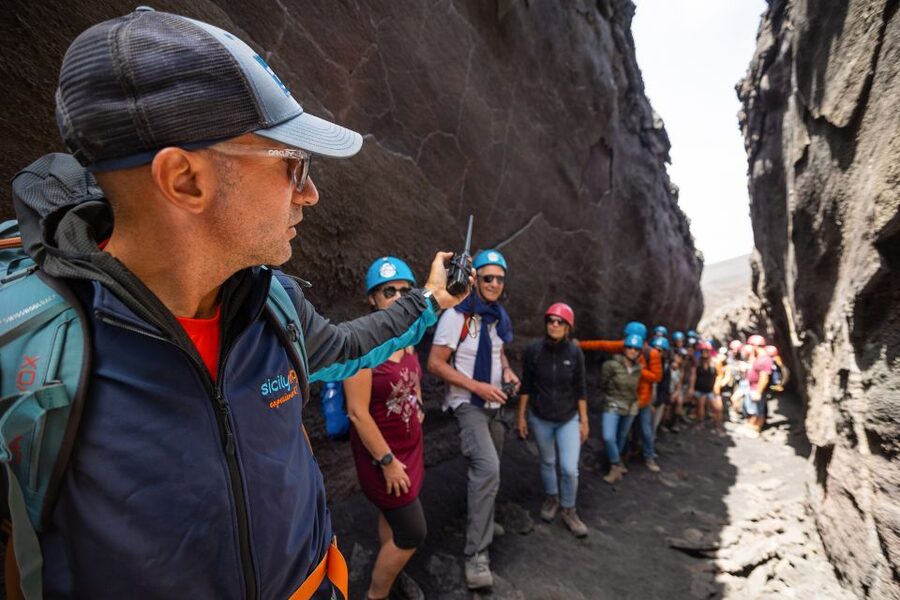
As you move forward, you travel through areas that include a lava flow channel. This is the kind of detail that makes the day feel more than scenic. You are seeing how Etna’s activity shapes the surface, from hardened volcanic shapes to softer volcanic sand patches later.
Most important, you do not just “go to Etna and hope.” You reach the highest point permitted based on volcanic activity monitoring. That means the goal is still impressive, but it is grounded in what is allowed on the day. It is the difference between a risky thrill and a properly managed excursion.
If you are hoping for a calm, steady rhythm, you are in the right place. Guides like Edoardo are known for balancing safety with energy, using frequent stops and explanations that keep you engaged instead of overwhelmed.
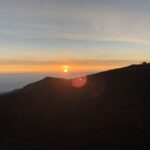
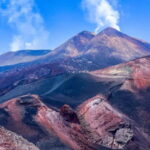
Etna again, by a different flank:
Barbagallo Crater Stop: Photos With Purpose, Not Just a Pause
Along the route you will reach the Barbagallo Crater area, with a photo stop and guided visit. This is not just a “look around and go” moment. The crater stop helps you understand what you are standing on, and why the surfaces you are walking across look the way they do.
In practical terms, this stop is also a pacing tool. Short pauses like this are where you catch your breath, reset your footing, and take in the scale without committing to the hardest stretch all at once.
What I like about this kind of structured sightseeing is that it reduces the stress of figuring out where to look. Your guide points you toward the meaningful angles, so you are not spending your limited energy hunting for the perfect viewpoint.
Weather can still affect visibility, so keep expectations flexible. If the air is clear, you can see more of Etna’s drama. If not, the volcanic texture and crater silhouettes still read as clearly as any photo opportunity.
Summit Craters and the Best Views When the Weather Plays Nice
Once you reach the summit area, you can take safe photos and admire the active craters. This is where Etna stops being a mountain and starts feeling like a living system. The goal is not “standing on a postcard spot,” it is getting up close to the volcanic activity zone while staying within the monitored limits.
If conditions are favorable, you may enjoy views that reach far across the coast. The tour description notes that you can see parts of the eastern coastline, from Calabria to Taormina, and even toward Syracuse. That kind of visibility can turn your summit time into a sweeping geography lesson in the open air.
You will also walk across the craters from the 2002/2003 eruption and then descend on volcanic sand. This part is memorable for a simple reason: it feels surreal to move across ground shaped by the volcano in recent history. It is not abstract. You feel it under your boots.
One real consideration: volcanic sand and loose ash can be slow going. Even when the walk is manageable, it is not “easy flat.” The guide’s pacing and the included helmet are there because this terrain requires attention.
If you get a guide like Jaccopo or Giuseppe, you may also find that the crater time includes clear explanations that make the visuals stick in your mind. And yes, some guides bring humor to keep morale high when the wind picks up.
Valle del Bove Belvedere: Why the Descent Feels Like the Reward
After the crater crossing and descent, the tour heads toward Valle del Bove, stopping at the Belvedere for panoramic views. Valle del Bove is described as a vast volcanic depression that dates back about 9,000 years, which gives the place a deeper sense of scale.
This is often the emotional peak for people who did not expect to care this much about a landscape shaped by eruptions. You go from jagged, active-feeling summit terrain down to a depression that looks built from volcanic time. Even when visibility is imperfect, the shape of the valley reads clearly, like a natural bowl carved by the planet.
The tour includes a guided visit and photo stop here as well. That is helpful because Valle del Bove is the kind of place where you might otherwise look around and think, cool, but what am I looking at. With the guide, you understand how it fits into Etna’s long story.
Then you march back toward the cable car area near 2,500 meters and head down to Rifugio Sapienza. The return ride feels different after you see the craters. Going down, the mountain looks less like a threat and more like a place you were lucky to understand up close.
More Italian ridgeways and mule tracks:
- Mount Etna: Summit Crater Trek with Cable Car
★ 4.8 · 1,875 reviews - Etna Volcano: South Side Guided Summit Hike
★ 4.7 · 1,545 reviews - Stromboli: Sunset Trekking at Sciara del Fuoco
★ 4.6 · 1,372 reviews - Catania: Mount Etna Trekking Trip off the Tourist Path
★ 4.9 · 1,351 reviews
Guides, Equipment, and Group Size: Small Group, Real Safety
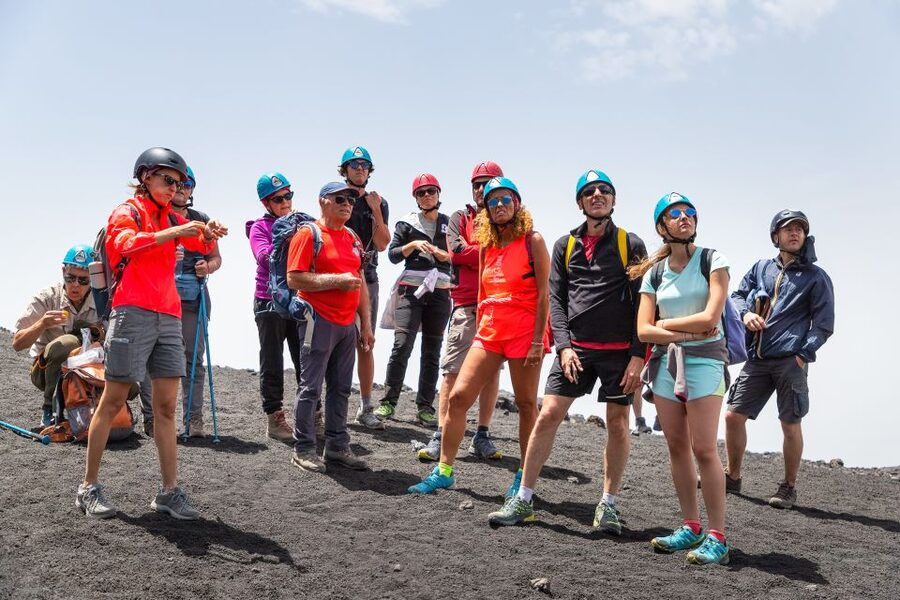
This tour is led by a professional volcanic guide. Languages listed include English, French, and Italian, and the tour may also run at 11:00 with language limited to Italian or English. If you are booking, check the time slot and language you want so you are not surprised later.
Group size is described as small, and that typically helps with flow. You are more likely to get steady pacing and clearer instructions. Several guides get praised for balancing safety with fun, like Edoardo, who is noted for humor and for frequent rest stops, and Leon, who is described as a volcanologist guide who shares information nonstop during breaks.
Equipment includes hiking gear “based on availability,” plus a mandatory helmet and insurance. You should still plan to bring your own comfort essentials, but the included safety gear matters on volcanic slopes where loose material and changing footing are part of the deal.
What to expect from the guide, in plain terms:
- frequent checks for the group
- pauses for photos and water breaks
- route choices that respond to day-of conditions
Also, the meeting setup is straightforward. You start at the Bar Monte Gebel meeting point and the tour ends back at the same meeting point.
What to Pack, How Hard It Really Is, and Who Should Skip This
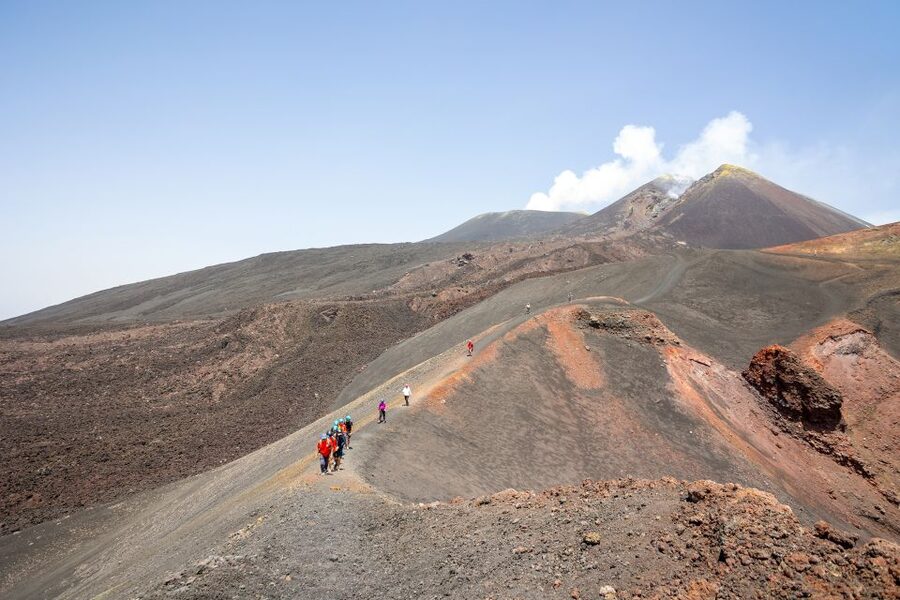
This hike is not a stroll. You need comfortable shoes or sports shoes and weather-appropriate clothing. Volcanic ground can be uneven, and the description points to volcanic sand and rough paths, so traction matters.
The tour is also clearly not for everyone. It is prohibited for people with asthma and those with heart problems, and it is also listed as not suitable for those with respiratory issues. It is not suitable for pregnant women and children under 6 years.
Even if you are generally fit, think about altitude. At 2,500 meters, you may feel it in breathing and pace. That is why the itinerary includes breaks, and why guides aim for a steady rhythm rather than a sprint.
If you are sensitive to cold or wind, dress for it. Summit areas can be more exposed, and the cable car does not always mean the top feels comfortable.
If you have respiratory limitations or a heart condition, do not “test it.” The tour’s restrictions exist for a reason, and it is not worth gambling on safety.
Price and Value: Why This $124.61 Ticket Often Makes Sense
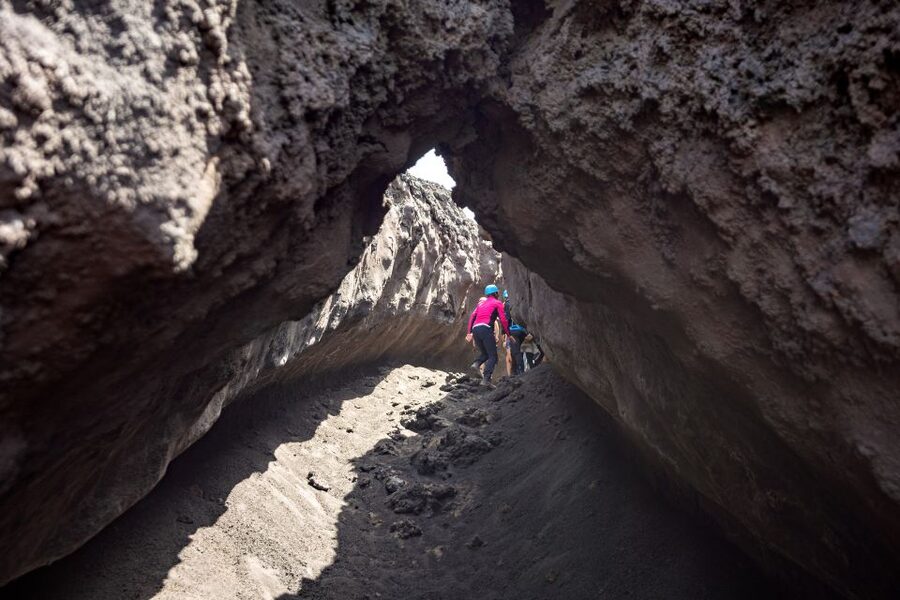
At $124.61 per person, this is not the cheapest thing you can do in Catania’s orbit. But it bundles the two expensive parts of Etna access: a volcanic guide and the cable car return ticket.
You also get helmet (mandatory), included insurance, and a day plan designed around the highest point permitted that day. That monitoring element can save you from the disappointment of showing up at Etna without access.
You can also enjoy a “skip the ticket line” advantage, which matters because Etna operations can be busy. This tour also offers optional hotel pickup in Catania, which is a real convenience if you do not want to manage transfers up to Rifugio Sapienza yourself.
Food and drinks are not included, so budget for snacks you can carry during the hike. The good news is the itinerary includes breaks, so you will likely have moments to refuel.
Value check for you: if you want crater access with a guide who explains what you are seeing, and you want the cable car part handled, the price is easier to justify. If you just want a low-effort scenic day, you may find a cheaper option elsewhere.
Weather and Volcanic Risk: The Tour Can Shift, and That Is the Point
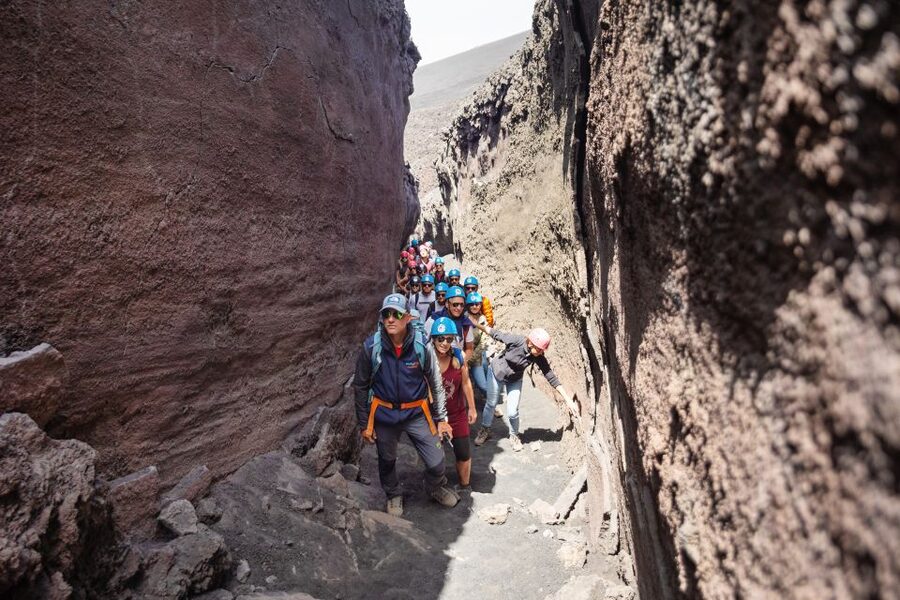
This excursion can change due to volcanic risks or weather conditions. It may also be changed for seismic reasons. That means you should be the kind of traveler who can handle a slightly different day plan without getting upset.
In practice, this flexibility is what keeps the summit experience within safe limits. The tour also explicitly states that the itinerary may change according to volcanic activity on the day.
So if you are planning Etna, build some mental margin. Your goal is still the summit craters and Valle del Bove, but the exact path and which precise summit area is accessible can vary.
If you are lucky with conditions, you get the full panoramic payoff. If not, you still get the guided volcanic hike experience and the key viewpoint areas.
Should You Book This Etna Summit Hiking Tour?
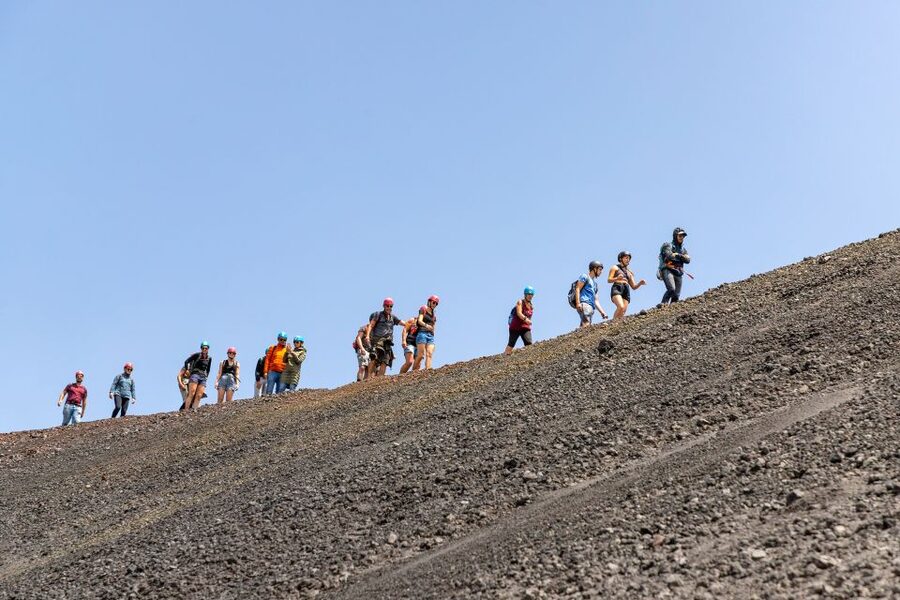
Book it if you want a guided, safety-minded way to reach Etna’s summit crater zone without DIY stress. The combo of cable car, volcanic guide, and access to the highest permitted point makes this one of the best ways to experience Etna in a half-day format.
Skip it if you have asthma, respiratory issues, heart problems, are pregnant, or need an easier walk. Also skip it if you cannot tolerate changes due to weather or volcanic conditions, because Etna is not predictable.
If you do book, I suggest you:
- bring warm layers even in summer
- wear footwear with good grip for ash and sand
- plan snacks and water needs since food and drinks are not included
- show up ready for real trekking, not just photos
If you are chasing that moment where the world feels huge and the volcano feels close, this is the kind of tour you will remember long after the photos fade.
FAQ
How long is the Mount Etna guided summit hike?
The tour lasts about 5 to 6 hours. You should check available starting times for the specific day you book.
Where do I meet the guide?
Meet your guide at Bar Monte Gebel, on the right side of Rifugio Sapienza.
What is included in the ticket price?
Included are the volcanic guide, return cable car ticket, helmet (mandatory), hiking equipment based on availability, insurance, and hotel pickup and drop-off if you choose that option.
Are food and drinks included?
No. Food and drinks are not included.
What languages are the tours offered in?
The tour offers English, French, and Italian. For the 11:00 booking option, it is only in Italian or English.
Who is this tour not suitable for?
It is prohibited for asthmatics and people with heart problems. It is also listed as not suitable for children under 6 years, pregnant women, and people with respiratory issues.
Just introduced: the newest Sicily write-ups
- The Original Catania Street Food and Market Tour by Streaty★ 5.0 · 345 reviews
- Catania: Valley of the Temples and Turkish Steps with Snack★ 4.5 · 346 reviews
- Syracuse: Pillirina, Ortigia, and Sea Caves Tour by Boat★ 4.6 · 348 reviews
- Syracuse: Neapolis Archaeological Park Small Group Tour★ 4.7 · 350 reviews
- Discover Palermo in 3 hours. Art, history, markets and street food★ 5.0 · 352 reviews
- Taormina: Half-Day Pizza Making Class★ 4.8 · 353 reviews
- From Catania: Taormina, Savoca, & Castelmola Tour w/ Lunch★ 4.8 · 355 reviews
Mount Etna Excursions, compared.
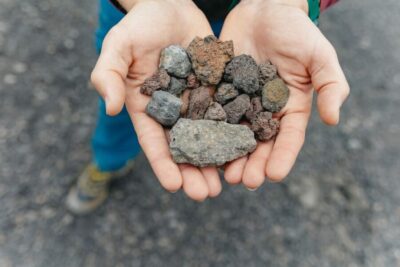
Mount Etna Morning or Sunset Day Trip with Tasting
Read our review →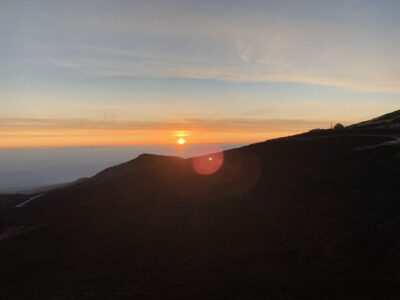
Sunset Jeep Tour of Mount Etna and Lava Flow Caves
Read our review →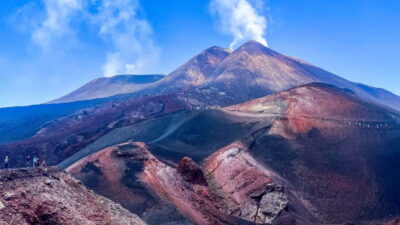
Mount Etna: Trek to 3000m with cable car and jeep
Read our review →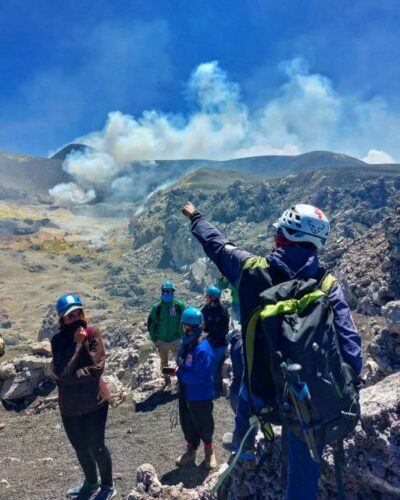
Mount Etna: Summit Crater Trek with Cable Car
Read our review →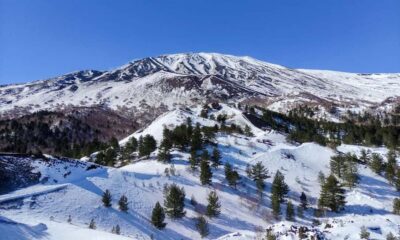
Etna and Alcantara Gorges Full-Day Tour with Lunch
Read our review →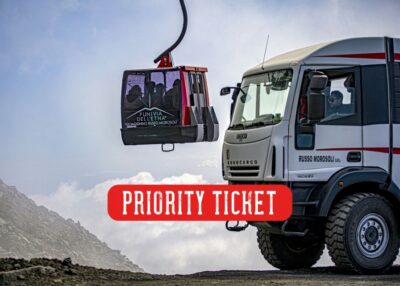
Mount Etna: Roundtrip Cable Car and 4×4 Bus Ticket
Read our review →
Etna Volcano: South Side Guided Summit Hike
Read our review →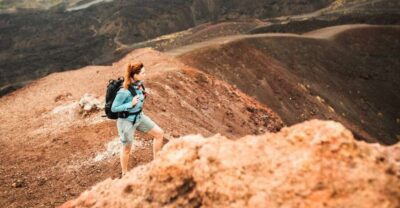
Mount Etna Trekking Trip off the Tourist Path
Read our review →Browse the lists this tour appears in