
Reviewed · HISTORICAL TOURS
Venice: Natural History Museum Entry Ticket
Venice can feel loud. This natural history museum gives you a quieter kind of wow, inside a 13th-century palazzo right on the Grand Canal. You’ll move through rooms packed with specimens and objects, then hit the upstairs dinosaur displays that people talk about for a reason.
I love how much there is to see for an about $11 ticket, especially the palaeontology side. The Ouranosaurus display is a standout, and the museum also leans into big-picture natural history with collections stretching across time.
One thing to plan around: the museum does include taxidermy in parts of the collections, so if you’re traveling with small kids who scare easily, you may want to set expectations.
In This Review
- Key highlights at a glance
- Venice Natural History Museum entry ticket, what it actually feels like
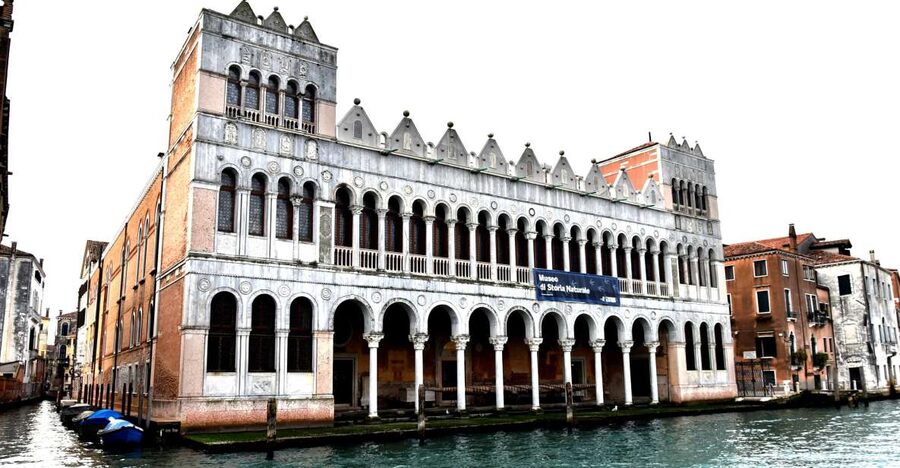
- Entering the museum from the Grand Canal, architecture first
- The 2 million objects idea, and how the museum keeps it from feeling random
- Upstairs palaeontology, Ouranosaurus and dinosaurs that hit your sense of scale
- The library with 40,000 books, why it’s more than a side room
- Natural world displays, whale remains, and the emotional center of the museum
- A practical plan for families and first-timers in Venice
- Price and value, why $11 feels fair here
- Hours, Monday closures, and Venice access fees you should know
- Should you book this Natural History Museum entry ticket?
- FAQ
- Where is the Natural History Museum, and where do I enter?
- How long should I plan for this museum ticket?
- Is a guide included with the ticket?
- What does the ticket cost?
- Is the museum wheelchair accessible?
- When is the museum open, and is it closed on any day?
- Are there any Venice Access Fees on certain dates?
Key highlights at a glance
- Grand Canal palazzo architecture that looks great even before you walk inside
- Around 2 million objects across natural history, fossils, and ethnographic collections
- Ouranosaurus nigeriensis, a more-than-7m skeleton that really changes your sense of scale
- The upstairs palaeontology rooms, including Sarchosuchus imperator and prehistoric crocodiles
- A library space with over 40,000 books for a classic Venice-style atmosphere
- A calmer break in Venice, with garden and courtyard space mentioned in multiple visits
Venice Natural History Museum entry ticket, what it actually feels like
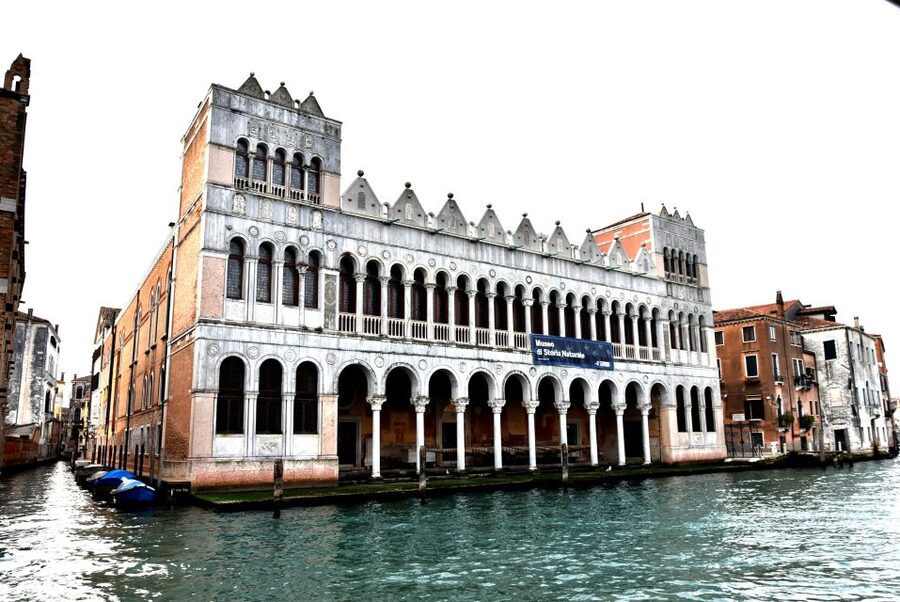
This is the kind of museum where your day in Venice can work in your favor. While much of the city pulls you toward the main sights, the Natural History Museum sits on the edge of the Grand Canal in a palazzo setting. It’s a family-friendly stop that still gives adults plenty to chew on, especially if you like fossils, big animals, and the science behind how life changes over time.
The building itself matters here. The experience is not just what’s on the walls, it’s the way you arrive and then step into an older, grander space. If you care about atmosphere, you’ll appreciate the 13th-century architecture and the photo-friendly views along the water.
For most people, this ticket works as a self-paced activity in the middle of a Venice day. It’s also the kind of museum where you can right-size your time: you can do a focused circuit, or keep going if the exhibits hook you.
More museum halls from Turin to Palermo:



Entering the museum from the Grand Canal, architecture first
Your starting point is simple. The museum is on the Grand Canal, and you go to the main entrance and show your ticket on arrival. That means you’re not hunting for a specific gate or complicated pickup spot, which is a big plus in Venice.
Before you commit fully indoors, take a few minutes to look at the palazzo façade and grab at least one exterior photo. The museum is famous for its architecture, and you’ll see why the moment you’re standing there. It also helps with orientation once you’re inside, because you start noticing the building’s layout and how the rooms connect.
One practical tip for timing: if you’re visiting during busy seasons, you may want to plan your museum slot for a time when you’re not competing with your own Venice plans. This museum is open with set hours that change slightly by season, so check the schedule below and build your day around it.
The 2 million objects idea, and how the museum keeps it from feeling random
The headline number is huge: about 2 million historical objects. That could sound overwhelming, but the way the museum is presented helps it feel navigable. You’re not expected to see everything, and the exhibits are laid out so you can move through floors and sections at your own pace.
Broadly, the museum covers several strands:
- natural history collections, including plants and animals
- dinosaur fossils and prehistoric material
- ethnographic collections, adding a cultural dimension to the science
What you’re really buying with your ticket is a guided path through the earth’s natural history and the evolution of life on the planet. The exhibits are arranged so the dinosaur section doesn’t feel like a random detour. It’s part of a bigger story of how life changes, adapts, and sometimes goes extinct.
I also like the “museum as collection” feeling. Some rooms feel more modern in their presentation, while others lean into a more traditional display style. That contrast can be a feature, not a flaw, because you get a sense of how museums collected and displayed specimens over time.
Upstairs palaeontology, Ouranosaurus and dinosaurs that hit your sense of scale
If you want one reason to prioritize this museum, it’s the upstairs palaeontology rooms. This is where the displays become the main event, and where people tend to slow down and stare.
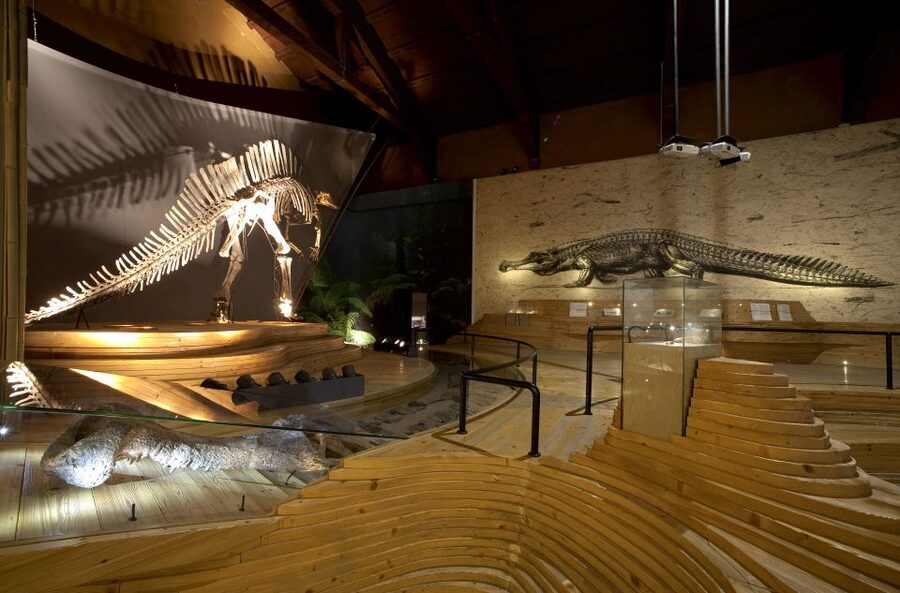
The star exhibit many visitors focus on is the Ouranosaurus nigeriensis. You’re looking at a skeleton that’s more than 7m long, which is the kind of measurement that sounds impressive until you see it in the real space. The effect is immediate, because your body reacts to scale before your brain finishes the science.
You’ll also see dinosaur fossils alongside prehistoric crocodiles in the same area. This matters because the museum is not just showing one iconic animal. It’s giving you a fuller picture of prehistoric ecosystems, and you get to compare how different creatures looked and how they fit into the time period.
Then there’s the Sarchosuchus imperator skull. This is one of the most talked-about items because of the way it connects to a real discovery. The skull displayed here was discovered in Africa, and seeing it in person makes the fossil feel less like a diagram and more like a physical piece of deep time.
More ruins and republics, guided:
- Venice: City Center Historical Guided Walking Tour
★ 4.2 · 1,873 reviews - Venice: Bell Tower & St Mark’s Square History Gallery Ticket
★ 4.3 · 910 reviews - Basilica, Doge’s Palace, History Gallery & Bell Tower Option
★ 5.0 · 586 reviews - Historic Milan Tour with Skip-the-Line Last Supper Ticket
★ 4.5 · 1,976 reviews
The library with 40,000 books, why it’s more than a side room
Not every museum has a space that feels like it belongs in a story. Here, the library is that moment.
The museum includes a library collection with over 40,000 books. That’s a huge figure, but the value is what it does to your pacing. It offers a slower, quieter pause between the earth science exhibits and the other collection rooms. You get a different kind of curiosity, the kind that feels like research and reading rather than just looking at objects.
Some visitors also describe a cabinet-of-curiosities style feel in parts of the collection. Even if you don’t go there to read every label, you’ll likely enjoy the sense that you’re wandering through categories of discovery, not just walking down a single hallway of displays.
If you’re traveling as a family, this is also a good break point. It’s a calmer stop where kids can rest their feet for a few minutes before the next exhibit push.
Natural world displays, whale remains, and the emotional center of the museum
This isn’t only skulls and bones. The museum also includes natural world displays that can be surprisingly moving. One poignant example described is a display about the challenges whales face, paired with a whale skeleton that makes their size feel real rather than abstract.
That’s where the museum’s museum-ness becomes meaningful. It takes science that can feel distant and brings it into your line of sight. You don’t need to be a paleontology expert to get something from it, because the exhibits work on more than one level: scale, curiosity, and reflection.
A practical note from the way the museum is laid out: you’ll likely do best if you treat it as a sequence of zones. Start with the broader natural history collections, then aim for the upstairs dinosaur area when you have the energy to focus. Ending with the calmer rooms and spaces can help the museum feel less like homework and more like a real day out.
A practical plan for families and first-timers in Venice
This stop is built for all ages. It’s also the right kind of museum if you’re trying to beat the heat or keep a flexible schedule.
Many people report spending around 40 to 60 minutes if they do a focused route. That makes it realistic as a half-day anchor when your Venice itinerary is full of walking. If you want the deeper experience, you can go longer, especially if you pause for reading or you linger in the natural world and collection rooms.
For comfort, you’ll also find basics that make a museum day smoother:
- a shop, including options geared toward children
- toilets
- locker storage for backpacks (useful if you’re carrying water or day packs)
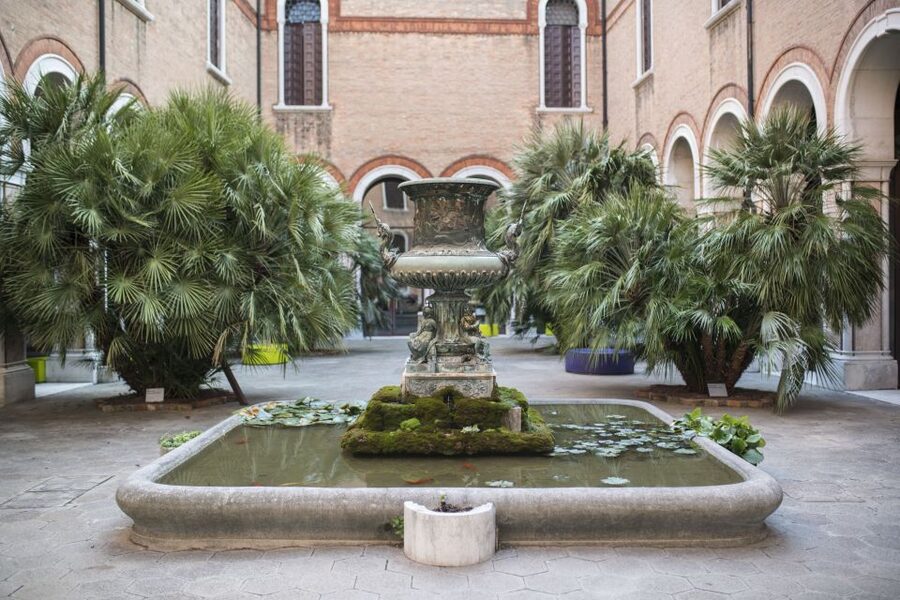
Outdoor time is another plus. Reviews mention a terrace, garden, and internal courtyard vibe, which can be a lifesaver when Venice weather changes or when kids need a breather.
One caution: taxidermy appears in some displays. If you have very sensitive youngsters, you might want to set expectations ahead of time. For many families, it’s still a hit, but knowing it’s part of the mix helps you avoid an awkward surprise.
Price and value, why $11 feels fair here
At about $11 per person, this ticket is a strong value for Venice. You’re paying for admission to a full museum experience, not just one exhibit. With collections that cover natural history, fossils, and ethnographic material, it’s a lot of “see and learn” for a relatively small spend.
The museum also feels worth it because you’re not confined to one room. You move across floors and sections, and the best-known exhibits are spaced out so you don’t get a quick payoff and then nothing afterward.
Also consider the overall “Venice effect.” Many parts of the city can get expensive fast, and this museum gives you an indoor activity that can stretch your day without stretching your budget.
And if you qualify for free entry, it changes the math even more. Venetian citizens and residents, children under 5, and disabled people have free admission based on the provided rules.
Hours, Monday closures, and Venice access fees you should know
Plan your visit around three timing realities: the museum closure, opening hours, and potential Venice access fees.
First, the museum is closed on Monday. That’s non-negotiable based on the information provided, so avoid planning a Monday museum visit unless you’re ready with a backup plan.
Next, opening hours shift by season:
- Until May 31: 9:00AM to 5:00PM, last admission at 4:00PM
- From June 1: 10:00AM to 6:00PM, last admission at 5:00PM
Finally, there’s an important Venice Access Fee rule that can apply to all visitors on certain dates in 2025. For specific days between 18 April 2025 and 27 July 2025, every visitor to Venice is required to pay an access fee directly to the City of Venice, with certain exemptions. Check cda.ve.it for dates, methods, and exemptions so you don’t get caught off guard.
Should you book this Natural History Museum entry ticket?
Book it if you want a Venice break that’s genuinely different from churches and canals, but still very “Venice” in atmosphere. This is especially good for families, science fans, and anyone who likes seeing scale and real fossil objects in a curated museum setting.
Skip or reconsider if you know you dislike taxidermy displays, or if you need an ultra-fast stop with no wandering. The museum is self-paced, so you can rush, but the exhibits tend to reward time.
My take: if you’re planning a full day in Venice, this ticket is a practical way to add something educational and calm. It’s also easy to fit, because you arrive at a clear main entrance, you can time it with museum hours, and you’re done in a manageable window if you choose a focused route.
FAQ
Where is the Natural History Museum, and where do I enter?
The museum is on the Grand Canal in Venice. Go to the main entrance and show your ticket on arrival.
How long should I plan for this museum ticket?
The activity is listed as 1 day. Many visitors plan a short visit route, but the museum is designed for self-paced exploring.
Is a guide included with the ticket?
No. Admission is included, but a guide is not included.
What does the ticket cost?
The entry ticket price is listed as $11 per person.
Is the museum wheelchair accessible?
Yes. The activity is listed as wheelchair accessible.
When is the museum open, and is it closed on any day?
The museum is closed on Monday. Hours change by season, with last admission at 4:00PM until May 31, and last admission at 5:00PM from June 1 onward.
Are there any Venice Access Fees on certain dates?
Yes. For specific days between 18 April 2025 and 27 July 2025, visitors may need to pay a Venice Access Fee to the City of Venice. Check cda.ve.it for the exact dates, payment method, and exemptions.
Just introduced: the newest Venice write-ups
- Venice: Doge Palace Guided Tour & Secret Itineraries Option★ 3.7 · 184 reviews
- Venetian Private Sandolo tour★ 3.8 · 184 reviews
- Create Your Own Murano Glass: Beginner’s Glassblowing Class★ 5.0 · 185 reviews
- Venice Doge’s Palace and St Mark’s Basilica Guided Tour★ 4.5 · 189 reviews
- Exclusive Prosecco Wine Tour from Venice – Small Group★ 5.0 · 189 reviews
- From Venice: Murano and Burano Private Tour with Transfer★ 4.2 · 190 reviews
- Teatro La Fenice Tour in Venice★ 4.0 · 191 reviews
Historical Tours, compared.
St. Mark Basilica Ticket, Audioguide+History Gallery
Read our review →
Venice’s Best: Basilica, Doge’s Palace, Gondola & History Gallery
Read our review →
Historic Milan Tour with Skip-the-Line Last Supper Ticket
Read our review →
Rome in a Day Tour with Vatican, Colosseum and Historic Center
Read our review →
Rome Food Tour in the Historic Centre with 8+ Food Tastings
Read our review →Browse the lists this tour appears in