
Reviewed · AUDIO TOURS
Naples: National Archaeological Museum Ticket & Audio App
Ancient Rome fans, take one museum day in Naples. The Naples National Archaeological Museum (Museo Archeologico di Napoli) strings together masterpieces from the Farnese collection and jaw-dropping Pompeii and Herculaneum finds in one visit.
I love how the museum’s layout helps you connect the dots fast, so Pompeii and Herculaneum artifacts start to feel personal, not just ancient objects. The Farnese galleries also give you that “wait, they actually had taste this good” feeling, with sculpture and small engraved treasures that you can study up close.
One heads-up: the included digital audio app can be slow to download or frustrating for some people, and your museum info lists the Egyptian section as closed until March 31, 2023.
In This Review
- Key things to know before you go
- Naples National Archaeological Museum: what makes it worth your ticket
- Getting your entrance ticket at Museo Archeologico di Napoli
- Set up the included digital audioguide before you run out of patience
- Start with the Farnese collection and the Bourbon inheritance
- Pompeii and Herculaneum: why the museum upgrades your eruption day
- Greek and Roman galleries: how to not get lost in “too much”
- Egyptian artifacts and the Secret Cabinet: what to expect from the unusual corners
- Time, timing, and how long you should plan
- Price and value for a self-guided museum day
- Where to take a break in the middle of a long museum crawl
- Who this museum ticket is best for
- Should you book this Naples National Archaeological Museum entry ticket?
- FAQ
- Where do I exchange my voucher for the entrance ticket?
- How long is the ticket valid?
- What is included with this experience?
- Is a guided tour included?
- Is re-entry allowed with the same ticket?
- What do I need to bring?
- Is the museum wheelchair accessible?
- Is the Egyptian section open?
- Any security checks?
- Final call: book it or skip it?
Key things to know before you go
- Pompeii and Herculaneum artifacts make the big eruption and daily life feel real
- The Farnese collection is a major reason people travel here for one museum day
- The Secret Cabinet focuses on the erotic side of Roman life
- Greek and Roman galleries are extensive, so plan time, not just willpower
- Egyptian artifacts may be limited, since the section is listed as closed until March 31, 2023
- Self-guided with a digital audioguide, and the app experience can be hit or miss
Naples National Archaeological Museum: what makes it worth your ticket
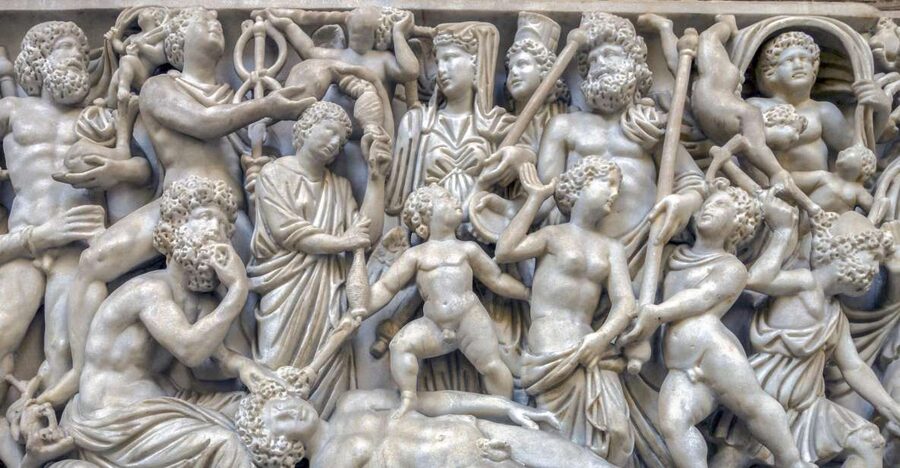
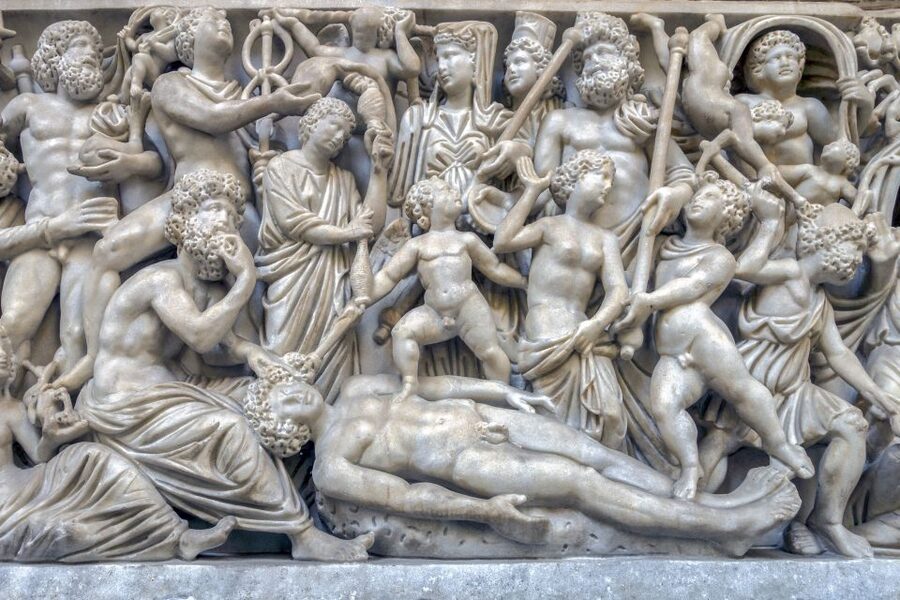
If you only have one museum day in Naples, this is the kind of place that makes the decision feel easy. The Museo Archeologico di Napoli was founded in the mid-18th century by Charles III of Spain, and you can still feel that “serious collection” vibe in the way the displays are organized. It is not a museum that whispers, it tells a story with objects.
What I like most for real-world visiting is the museum’s focus. You are not bouncing between random themes for the sake of variety. The center of gravity is Greco-Roman art, especially the major Bourbon inheritance from the Farnese collections, plus recovered treasures connected to Pompeii and Herculaneum. That means your day can have a clear arc: art first, then life, then how modern recovery changed what we know.
More museum halls from Turin to Palermo:



Getting your entrance ticket at Museo Archeologico di Napoli
This experience is straightforward and mostly self-paced. You start at the Museo Archeologico di Napoli ticket office. Your smartphone voucher has to be exchanged for an official paper entrance ticket before you go in. Plan a few minutes for this step, because you are trading a digital ticket for the museum’s entry process.
Then comes the part you should always budget time for in big museums: security check. Don’t count on being first in line unless you arrive early enough. Your info also notes the ticket is single entry, so once you leave the museum, you cannot return on the same ticket.
What to bring is also simple: passport or an ID card. That is not just bureaucracy. It helps keep your entry smooth when security asks for identification.
One more odd note in the supplied details: the Vittorio Emanuele apartments are listed as not accessible for people with impaired mobility. If you are only here for the museum, it should not affect your visit much, but it is worth knowing in case your plan includes other nearby stops.
Set up the included digital audioguide before you run out of patience
Your ticket includes a digital audioguide. Access is via a specific link and the booking provides the username and password. If you can, take care of this setup before you join the museum flow, or at least do it right after you enter so you are not fumbling while other people are moving.
Here’s the honest part. Some visitors found the audio download slow or the audio app not as helpful as they expected. Others ended up touring without it because many exhibits have English and Italian info right on the displays.
So I suggest a practical approach:
- Treat the audio as a bonus. If it works, great.
- If it does not, switch to labels and your own eyes. The collections are strong enough that you will still get value.
- Download or test early. Waiting until you are deep inside is when the experience can turn annoying fast.
Start with the Farnese collection and the Bourbon inheritance
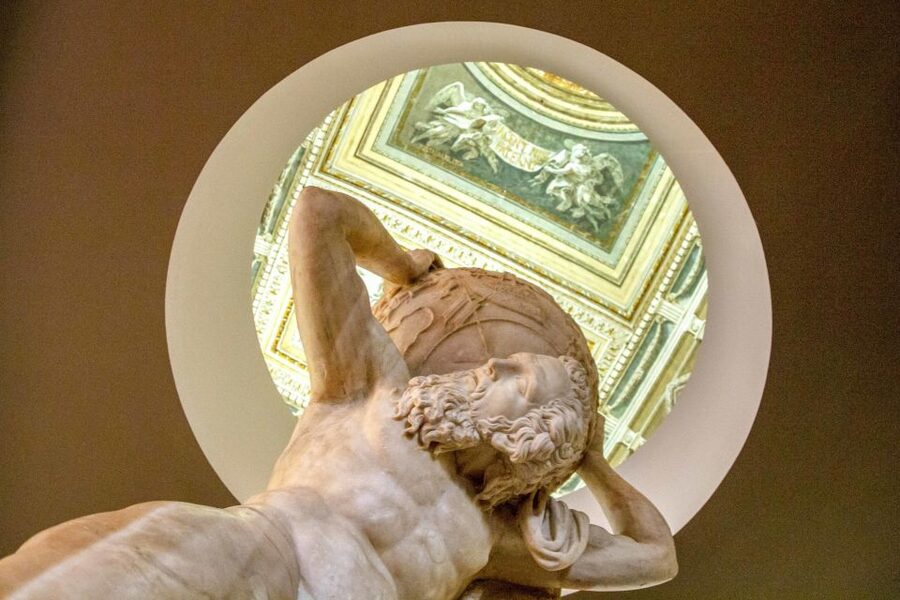
The Farnese collections are the backbone of this museum experience. This is where you see why the Bourbons built a museum around their inherited taste. Expect engraved gems and the Farnese Marbles, plus galleries of Greek and Roman antiquities that feel carefully chosen.
Why this matters for you: the Farnese holdings help you understand what collectors wanted from antiquity. You are not just seeing Roman and Greek art. You are seeing how later Europeans curated it, labeled it, and displayed it for prestige. That adds a second layer to your visit, the museum-as-a-story layer.
In practice, I like to begin here because it sets your eye in the right direction. Once you understand the museum’s standards for sculpture and craftsmanship, the Pompeii and Herculaneum finds later in the day hit harder. You start noticing materials, details, and how people actually lived.
Introductions we still owe you around Naples
- Pompeii: Entry Ticket with Optional Audio Guide
★ 4.2 · 12,360 reviews - Pompeii: Skip-the-Line Entrance Ticket with Audio Guide
★ 4.0 · 2,509 reviews - Pompeii: Skip-the-Line Entry Ticket with Audio Guide or Tour
★ 4.1 · 1,364 reviews - Herculaneum: Skip-the-Line Entry Ticket with Audio Guide
★ 4.3 · 870 reviews
Pompeii and Herculaneum: why the museum upgrades your eruption day
The Pompeii and Herculaneum material is the heart of many peoples’ plans, and for good reason. Instead of learning about those sites only through context and photos, you get recovered objects that still carry the feel of everyday life.
What you can expect:
- A Pompeii-focused area that includes more than just artifacts, with a miniature model and video elements (so you can visualize scale and catastrophe)
- Herculaneum-related finds presented as part of the broader story of Roman domestic life
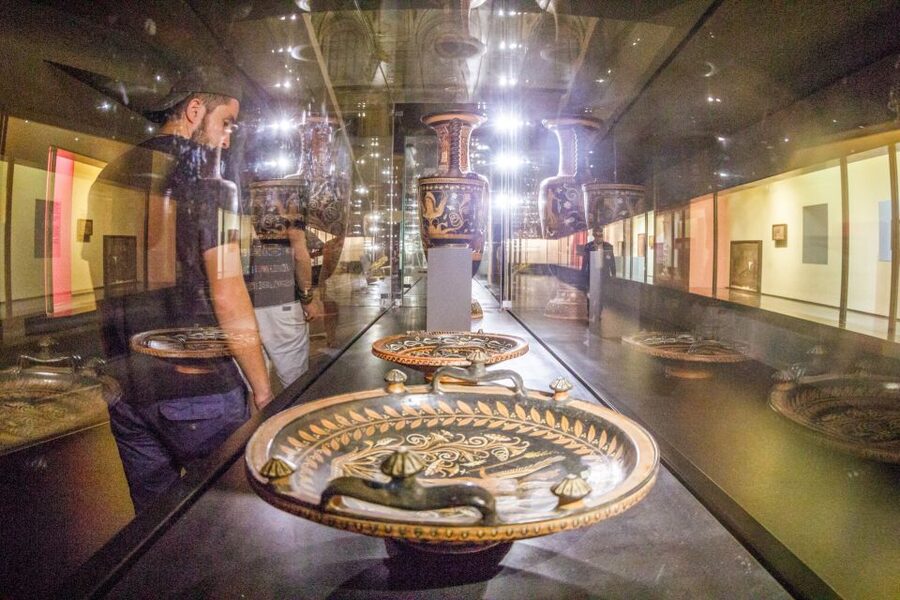
In the museum, these exhibits do something that street-level visits sometimes cannot. They give you time. You can slow down and study the small items people used, the vessels, the decorative elements, and the kinds of objects that make a city feel occupied, not abandoned.
If you are planning to visit Pompeii or Herculaneum later, this museum is a cheat code. It gives you background before you stand among ruins. You start to recognize themes and learn what to look for when you are outside in the heat.
Greek and Roman galleries: how to not get lost in “too much”

This museum is big. Not big in a cute way. Big in a “you need a plan, or you will miss your favorites” way. Reviews commonly land around 3 hours for a brisk visit, with 4 hours or more if you want to take it seriously, and some people stretching to 5 hours.
So here is how I would do it without burning out:
- Pick your “must-see” themes first. For most people, that is Pompeii and Herculaneum, plus the Farnese sculpture/gems.
- Give yourself enough time for the Egyptian or Egyptian-adjacent displays only if they are open. Your info says the Egyptian section is closed until March 31, 2023, so if Egyptian artifacts are a top priority, double-check before you commit.
- Move room to room, not gallery to gallery. The museum’s layout is described as well laid out, which helps. Still, it is mentally exhausting to absorb everything at once.
Also, this place can be calmer than you expect. One of the nicest surprises in the feedback is how peaceful it can feel, especially compared with the energy outside in Naples. If you arrive early, you will likely get an easier pace and clearer sight lines for sculptures and display cases.
Egyptian artifacts and the Secret Cabinet: what to expect from the unusual corners

Your ticket experience includes access to exhibits beyond just “standard” ancient art. The museum features a section dedicated to Egyptian artifacts, and there is also a standout display that goes into the erotic side of ancient Roman life.
Two things to know here:
- The Egyptian section is listed as closed until March 31, 2023 in the provided info. If you were counting on it, treat that as a possible limitation.
- The museum hosts a section often referred to as the Secret Cabinet, tied to the erotic side of ancient Roman life. Even if you are not seeking this kind of exhibit, it is notable because it shows how varied Roman culture could be, not only its public monuments.
If you are the kind of person who likes museums that do not shy away from hard subjects, you will probably enjoy this portion. If you are visiting with kids or prefer your antiquity neat and clean, you may want to steer the pace so you are not surprised when you reach it.
Time, timing, and how long you should plan
Your ticket is valid for one day. Starting times depend on availability, and you should check the available time windows when you book. Practically, I recommend going earlier in the day if you want a smoother experience and fewer crowds in the galleries.
How long? Use these as realistic anchors:
- If you want the highlights only: about 3 hours can work.
- If you want to linger and connect the stories: aim for 4 hours.
- If you are an art-and-details person: 5 hours is a very reasonable target.
Do not try to compress this into a 90-minute detour unless you already know exactly what you want. Even with a digital audioguide, the museum can feel mentally full. The best value comes when you slow down enough to let the details land.
Price and value for a self-guided museum day
The price is listed at $29 per person, and you get two core things:
- Museum entry ticket
- Digital audioguide
Is that fair value? For me, the math works when you use the ticket as the anchor of a Pompeii-or-Herculaneum storyline. If you are visiting those sites during the same trip, this museum can make your outdoor days more meaningful because you arrive with context.
Some people also found that the “skip the line” angle worked well. Even if you are not hunting for that, buying ahead tends to reduce entry stress in a major museum. In the best case, you walk in with less waiting and more time to enjoy the art.
The one value risk is the audio app itself. Since some people reported download or usability problems, you should mentally budget that you might rely mostly on the onsite labels instead.
Bottom line: it is a strong price for the scale of what you are getting, as long as you give it time and accept it is self-guided.
Where to take a break in the middle of a long museum crawl
Yes, there is a cafe and bookstore on site. The cafe gets praise for prices that are not too bad, which matters because a museum day can turn into a “quick coffee and hope” situation if you do not plan breaks.
I also like this museum for the “rest between rooms” effect. It can feel like an oasis of calm inside a loud city. If you take 20 to 30 minutes to reset, your second half of the day usually improves a lot.
And if you are building a wider Naples itinerary, it is often described as easy to access via Metro. Some visitors also mention it can be walked from a cruise port, depending on where you start.
Who this museum ticket is best for
This is a great choice if:
- You want one place in Naples to cover Pompeii and Herculaneum without rushing
- You care about Greco-Roman sculpture, gems, and major collections like the Farnese holdings
- You like museums where you can set your own pace and study at close range
It is also a good fit if you dislike tour group chaos. The experience is ticket-based and self-guided, and the feedback often points to a relaxed atmosphere with fewer distractions.
It might be less ideal if:
- You rely heavily on audio and you need a flawless app experience
- Egyptian artifacts are your top priority, given the section listed as closed until March 31, 2023
Should you book this Naples National Archaeological Museum entry ticket?
If you are planning a trip to Naples and you want the best “one day payoff,” I think you should book this. The collection scale, the Pompeii and Herculaneum focus, and the Farnese holdings are exactly the kind of combo that justifies a museum day.
Book it especially if you want to make your Pompeii or Herculaneum visit richer. Just go in with realistic expectations about the digital audio. If the app works for you, great. If not, the museum labels and the strength of the artifacts still carry the day.
FAQ
Where do I exchange my voucher for the entrance ticket?
Start at the Museo Archeologico di Napoli ticket office and exchange your smartphone voucher for an official entrance ticket.
How long is the ticket valid?
Your ticket is valid for one day. Starting times depend on availability.
What is included with this experience?
It includes museum entry and a digital audioguide.
Is a guided tour included?
No, a guided tour is not included.
Is re-entry allowed with the same ticket?
No. The ticket is for single entry only and does not include reentry to the museum.
What do I need to bring?
Bring your passport or an ID card.
Is the museum wheelchair accessible?
Yes, the activity is listed as wheelchair accessible.
Is the Egyptian section open?
The information you receive lists the Egyptian section as closed until March 31, 2023.
Any security checks?
Yes, you will need to pass a security check before entering.
Final call: book it or skip it?
Book it if you want a high-value Naples museum day focused on Pompeii and Herculaneum objects, major Greco-Roman collections, and the Farnese centerpiece. If you are counting on the Egyptian section, verify availability close to your date.
More Self-Guided Tours in Naples
- Pompeii: Skip-the-Line Entry Ticket with Digital Guide App
★ 4.1 · 770 reviews - Ercolano: Herculaneum Entry Ticket with Optional Audio Guide
★ 4.1 · 581 reviews - Rome: Colosseum & Forum with Audio Guide App -Optional Arena
★ 4.2 · 24,770 reviews - Rome: Pantheon Fast-Track Ticket and Official Audio Guide
★ 4.3 · 21,008 reviews
Just introduced: the newest Naples write-ups
- Capri Boat Tour from Naples – Small Group, Swim & Relax★ 5.0 · 341 reviews
- Pompeii Guided Tour from Naples with Skip-the-Line Entry★ 5.0 · 343 reviews
- Procida Island Tour by Boat 2h 15m with Swimming and Underwater Photos★ 5.0 · 344 reviews
- From Naples: Caserta Palace Ticket and Train with Audioguide★ 4.3 · 348 reviews
- Naples Shore Excursion: Private Tour to Sorrento, Positano, and Amalfi★ 4.5 · 352 reviews
- From Naples: Capri Boat Day Trip with Drinks★ 4.7 · 354 reviews
- From Naples: Sorrento, Positano and Amalfi Tour★ 4.6 · 361 reviews
Audio Tours, compared.

Colosseum & Forum with Audio Guide App -Optional Arena
Read our review →
Pantheon Fast-Track Ticket and Official Audio Guide
Read our review →

La Fenice Opera House Entry Ticket with Audio Guide
Read our review →
St. Peter’s Basilica & Dome Entry Ticket & Audio Tour
Read our review →
Cathedral & Brunelleschi’s Dome Ticket & Audio App
Read our review →
Michelangelo’s David Priority Ticket & Audio App
Read our review →
Uffizi Priority Ticket & Masterpieces Audio App
Read our review →Browse the lists this tour appears in