
Reviewed · POMPEII & VESUVIUS TOURS
Herculaneum: Skip-the-Line Entry Ticket with Audio Guide
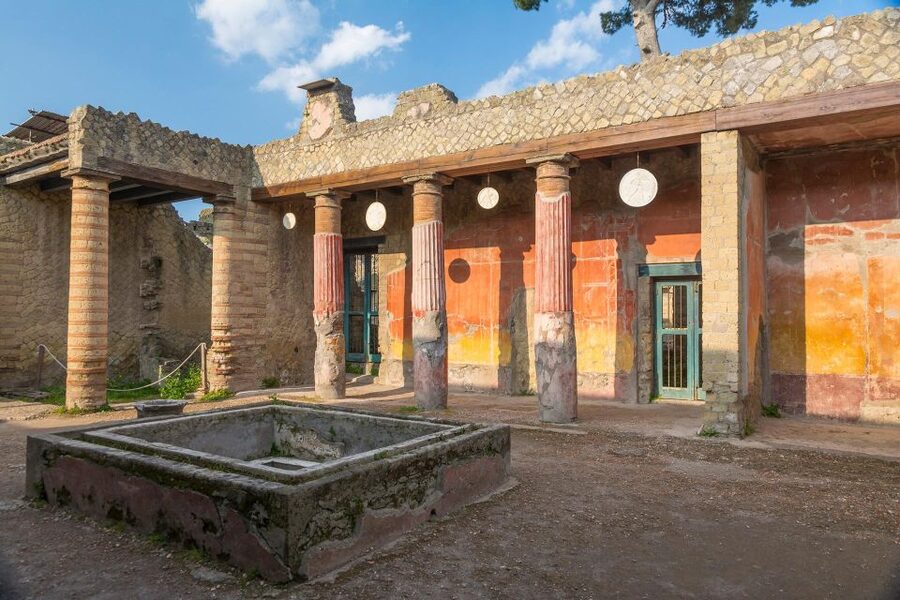
Roman streets, preserved in ash, make Herculaneum unforgettable. This self-guided visit gives you a smart way to explore an ancient city that feels eerily intact, thanks to well-preserved ruins and an audio guide designed to walk you through what you are seeing.
What I like most is how the ruins are compact enough to enjoy at a human pace, yet detailed enough that you can spot things like wooden doors and surviving painted surfaces. I also love that the audio tour is built for freedom, you can stop, linger, and repeat points when a room, market corner, or fountain suddenly makes sense.
One consideration: the “skip-the-line” part can still involve a couple of stops, and the audio cues can be a bit out of sync with the site numbering. Go in with a relaxed attitude, use the map, and give yourself extra time if you are visiting at busy hours.
In This Review
- Key things to know before you go
- Herculaneum After Vesuvius: Why This Ruins Visit Feels Different
- Skip-the-Line Entry and Where the Audio Collection Actually Happens
- Your Audio Guide, Map, and Number System (How Not to Get Lost)
- Walking the Ancient Neighborhood: Market, Fountains, Theatre
- Ash-Preserved Villas, Frescoes, and Woodwork You Can Still Feel
- Temples, Gods, and the Tragic Sections That Earn Your Attention
- Pace It Right: How Long You Actually Need on Site
- Museum Moments and the Ending That Sticks With You
- Price and Value for a $15 Self-Guided Ticket
- Who This Ticket Fits Best (And Who Might Want a Guide)
- Getting There From Naples Without Making It Complicated
- Should You Book This Herculaneum Audio-Guide Ticket?
- FAQ
- What is included with the Herculaneum skip-the-line ticket and audio guide?
- How long does the visit take?
- Where do I go to start the visit?
- What languages are available for the audio guide?
- Do I need a passport or ID?
- Is a guide included?
Key things to know before you go
- Audio guide first, then explore at your pace, with multiple language options
- A map and point numbers help you find the market, fountains, theatre, and key rooms
- Covers everyday Roman life, from the market to household layouts for rich vs enslaved people
- Expect cobbles and steps, so comfortable shoes matter more than you think
- Some internal areas can be closed at certain times, so keep your plan flexible
- If you want extra context, a guided upgrade has been praised, including guides named Tony and Fabio
Herculaneum After Vesuvius: Why This Ruins Visit Feels Different
Herculaneum is smaller than Pompeii, but it can feel more personal because so many details survived. Here, the ancient city is buried under volcanic material from Vesuvius, and that accident preserved homes, streets, and art with startling clarity.
The big reason this ticket works well is that you are not just walking past stone walls. You are looking at rooms where you can still recognize daily patterns, like how people moved through the house, where they cooked and worked, and how different classes were housed. The included audio guide is what turns those visual clues into something you can actually follow.
Another bonus is tone. A lot of the site has a quiet weight to it, especially near the part showing the tragic consequences of the eruption, including the area associated with people perishing while hoping for rescue from the sea. With the audio on, it is easier to connect emotionally, without needing a live guide.
More of Pompeii and the volcano that buried it:


Skip-the-Line Entry and Where the Audio Collection Actually Happens
The activity is straightforward on paper: show your ticket at the Herculaneum ticket office, then start your adventure. In practice, you should plan for a short process where you may need to collect the audio device and possibly confirm entry details at the site desks.
A few things to keep in mind based on visitor experiences:
- You might be directed between desks, especially if your ticket and audio collection happen through different counters.
- Some people found that “skip-the-line” was less dramatic than expected because you may still wait briefly or be sent to another step.
- The audio is easy to obtain once you find the correct desk, but the location of that desk is not always obvious from the entrance area.
My practical advice: arrive a little earlier than you think you need. Even 15 to 30 minutes extra can save stress if you get pointed to a side office for the audio device.
Your Audio Guide, Map, and Number System (How Not to Get Lost)
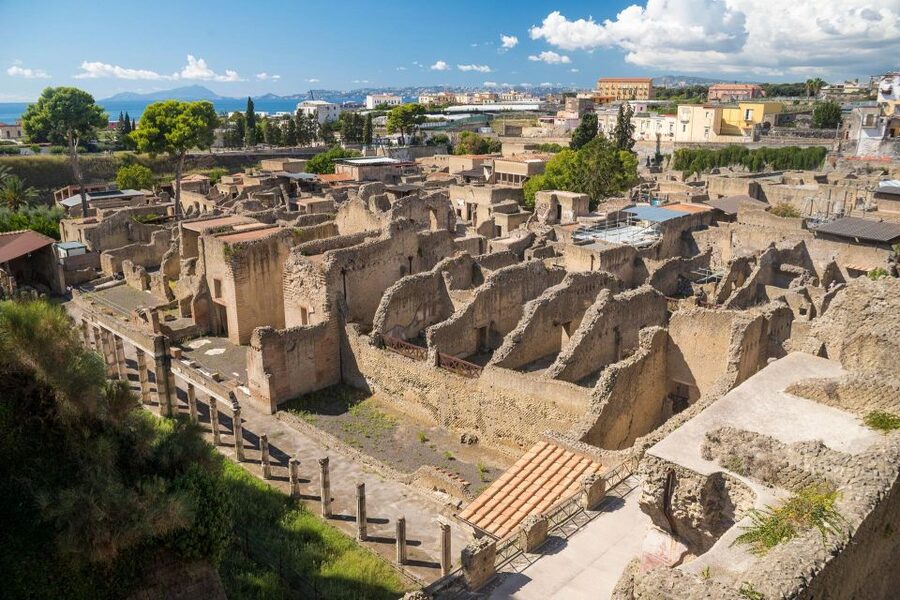
This experience is truly a self-guided route, and the audio guide is the backbone. The audio is available in English, French, German, Italian, and Spanish, and it is designed to pair with a map and numbered points across the site.
The map and numbering are helpful, but here is the real-world lesson: do not treat the numbers like GPS. Some visitors reported that the phone or app numbering did not perfectly match the site markers, and in a few cases the cue sequence can feel off.
So use the audio guide like a smart museum companion:
- Start by getting your bearings with the map and then follow the story where you stand.
- When you hear a description, look for the physical clue it refers to, like a specific market space, a doorway, a painted room, or a public feature like fountains.
- If one numbered stop seems mismatched, you are not stuck. Keep walking and let the guide’s next sections connect.
There is also a nice tech angle. One visitor noted that some objects can be viewed through 3D or 360-style features in the app, which can help when you want to understand a room or artifact more carefully than you can from one spot.
Finally, audio device comfort matters. Several people liked that the device works with a headset or earbuds. If you have wired earbuds, bring them, and if you rely on Bluetooth, you may want a backup plan since Bluetooth support is not clearly guaranteed in the details you have here.
Walking the Ancient Neighborhood: Market, Fountains, Theatre
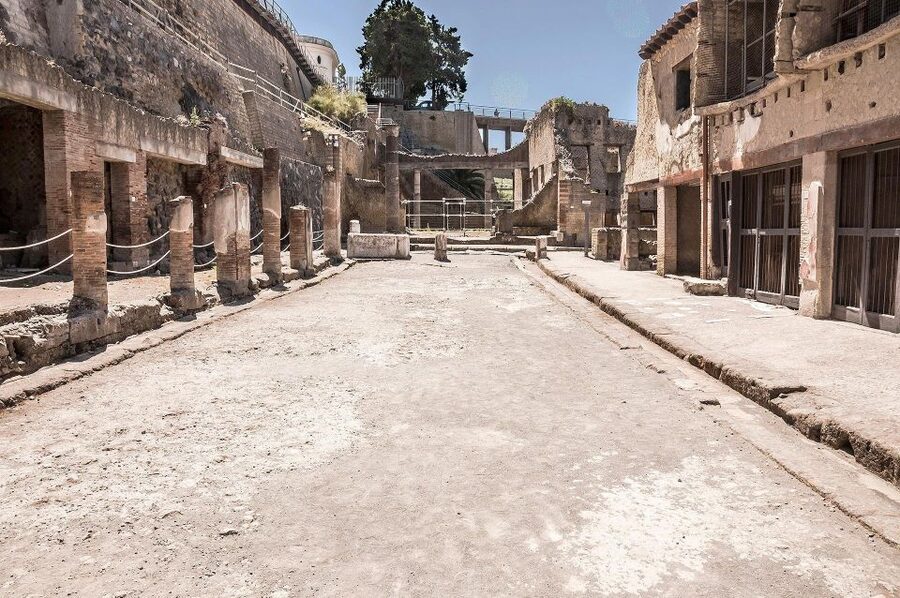
A key part of Herculaneum is how it shows an actual town, not just big monuments. The audio route is built around practical areas like a market, public fountains, and the theatre.
The market experience is especially strong because it gives you a sense of movement and trade. You see a space that feels made for daily shopping and conversations, and the audio helps translate the layout into how people might have used the area.
Public fountains add another layer. Even when you focus on the structure itself, the story becomes about routine, water, and the rhythm of streets. These are not dramatic sets, but they bring the city back to life in a way that photographs often miss.
Then there is the theatre. It anchors the city as a place for public gathering. Pair the theatre stop with nearby areas and you start to understand how entertainment and everyday business lived side by side.
What I like about this kind of route is that it helps you build a mental map fast. Even if you go slightly off the intended order, you can still connect the dots because the audio descriptions are detailed and story-driven.
Introductions we still owe you around Naples
- Pompeii: Skip-the-Line Entrance Ticket with Audio Guide
★ 4.0 · 2,509 reviews - Pompeii: Skip-the-Line Entry Ticket with Audio Guide or Tour
★ 4.1 · 1,364 reviews - Naples: National Archaeological Museum Ticket & Audio App
★ 4.4 · 617 reviews - Ercolano: Herculaneum Entry Ticket with Optional Audio Guide
★ 4.1 · 581 reviews
Ash-Preserved Villas, Frescoes, and Woodwork You Can Still Feel
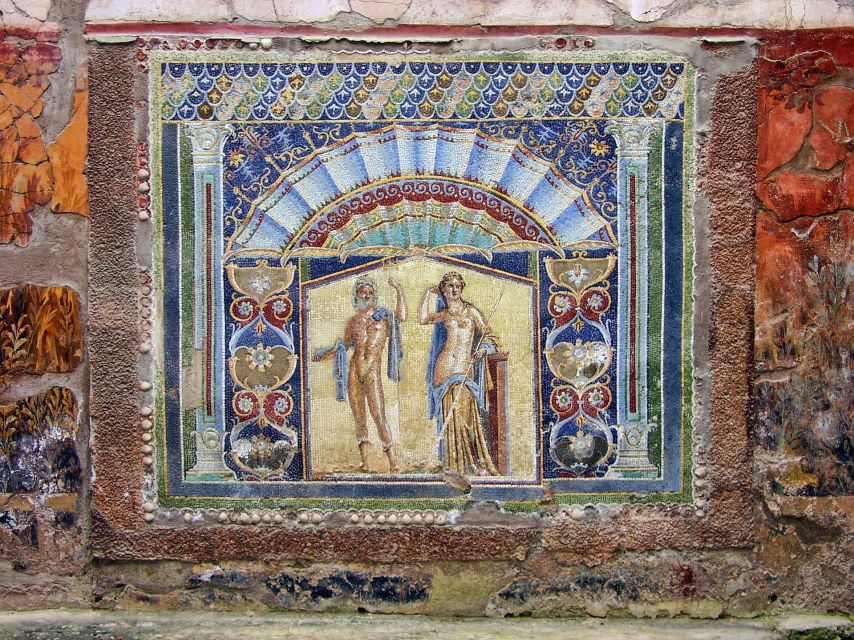
Herculaneum’s biggest draw is how much is still there. The villas were buried when Vesuvius erupted in 79 AD, and the preservation is the reason you can see things like frescoes and intact surfaces that would be lost elsewhere.
The most memorable part of the site is the contrast between what is frozen in time and what used to be a living home. You can stand in front of rooms where paintings survived, doors and woodwork remain visible, and the layout suggests how families moved through daily life.
One thing to watch for: the site has cobblestones and some steep steps. That does not stop the experience, but it changes your pacing. You will feel it in your legs if you move too fast. The best plan is to slow down on stairs, take your time near points of interest, and use the site’s quieter corners when you need a break.
This is also where seeing rich vs enslaved life becomes one of the most important lessons. The audio helps you compare household spaces, including the contrast between lavish rooms and the areas where enslaved people were housed. That shift in perspective makes the site more than art. It becomes about human reality.
Temples, Gods, and the Tragic Sections That Earn Your Attention
Beyond houses and public streets, the site includes areas tied to religion. You will pass ancient temples and depictions of ancient gods, and the audio is meant to explain why those images mattered in everyday Roman life.
This section works best when you treat it as a pause in your walk. Religion in a Roman city was not separate from daily life. It was embedded in identity, politics, and community behavior, and Herculaneum’s preserved details make that easier to grasp.
Then comes the emotional part. The site includes areas where people perished, including the section associated with about 300 people who died while hoping for rescue from the sea. Many visitors find these exhibits especially poignant, and the audio pacing helps, because it guides you to the right moment without needing to read everything in silence.
If you want a calmer visit, go earlier. Multiple people noted that arriving earlier means fewer crowds, and that the route becomes more contemplative instead of rushed.
Pace It Right: How Long You Actually Need on Site
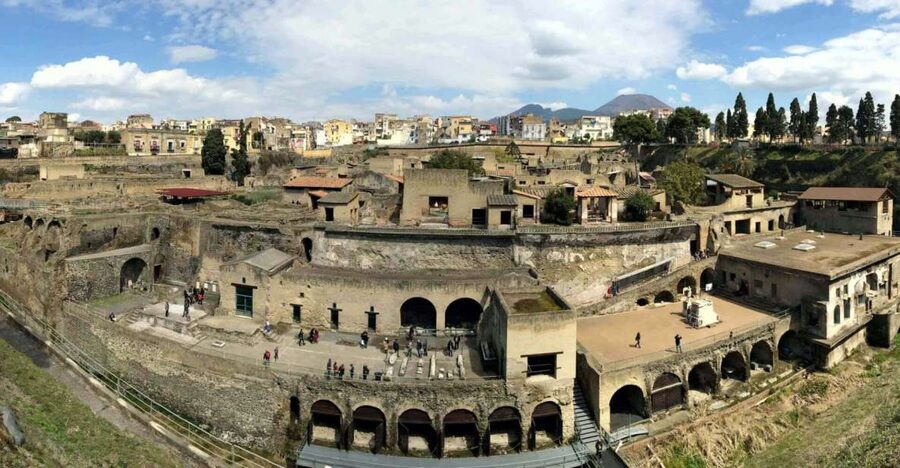
The duration is listed as 1 day, but you are really choosing how many hours to spend. Many visitors ended up walking for about 3 to 4 hours, especially because the site is full of small details that are easy to overlook when you rush.
I suggest a simple pacing plan:
- Plan for a 3-hour minimum if you want to see the main areas clearly.
- Add more time if you linger for frescoes, doors, and the museum items near the end.
- If you are combining it with Pompeii, treat Herculaneum as the quieter, detail-focused day. It is easier to give it the attention it deserves.
Terrain matters again. Cobblestones and steps can slow you down. The good news is that there are places to sit and look out over views, and those pauses are part of why the ruins feel human instead of exhausting.
Also, bring a light mindset. One small surprise mentioned by visitors: cats can roam around the site calmly. It is not a deal-breaker, but it adds to the sense that this is a real place, not just an exhibit.
Museum Moments and the Ending That Sticks With You
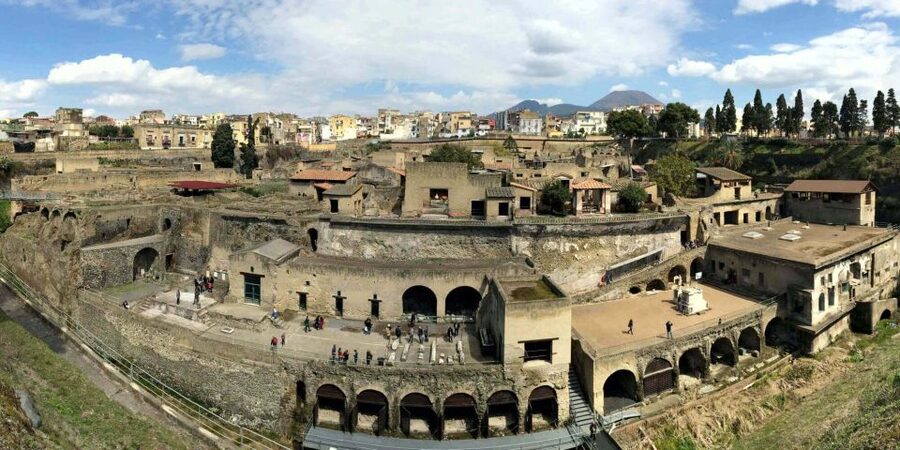
Near the entrance or exit area, there is an on-site museum that helps you understand what you are seeing in the ruins. Visitors have praised the museum’s context and artifacts, including well-known finds tied to daily life and the eruption period.
You may also hear mention of a boat and an Antiquarium, which are highlights for people who love objects, not just architecture. If you care about material culture, give the exit area extra time instead of treating it like a quick stop.
A final note on buildings: some locations can be temporarily closed. That means your route might be a little different day to day. The audio guide is still useful because it helps you interpret what is open and what you can see nearby.
Price and Value for a $15 Self-Guided Ticket
At about $15 per person, this ticket is a strong value when you want maximum time flexibility. You are paying for entry plus an audio guide plus a map, which is the ideal combo when you do not want to commit to a rigid tour schedule.
The real value shows up in two places:
- You get to spend time where you personally care, like houses with surviving paintings, the market streets, or the emotional eruption-related sections.
- You can repeat parts. If you hear a description, then want to look again, the guide lets you do that without waiting for a group.
That said, be honest about the one trade-off. Because the site numbering and cue order can be a bit inconsistent, you need to use the map and follow what you see, not just the numbers. If you absolutely hate any uncertainty, consider adding a guided option. Some visitors reported excellent results with upgrades, including a guide named Tony and another named Fabio.
Who This Ticket Fits Best (And Who Might Want a Guide)
This skip-the-line audio setup fits best if you:
- want independence and freedom to linger
- like learning on your own pace
- are comfortable navigating with a map and audio prompts
It is also a great option for combining with other Naples-area stops, since Herculaneum can be done in a half-day window for many people.
You might prefer a live guide if you:
- want every stop explained with real-time clarification
- are visiting alongside kids or people who prefer a tighter route
- dislike any confusion with numbering, desk locations, or matching cues to physical markers
The good news is that the option to upgrade has been praised, and named guides like Tony and Fabio came up as standouts.
Getting There From Naples Without Making It Complicated
You might use train access from Naples, and one practical route mentioned is the EAV train from Naples Garibaldi, followed by about a 12-minute walk down to the site. If you are staying near central Naples, that can turn the trip into an easy day.
Once you are near the entrance, just focus on the immediate task: show your ticket at the Herculaneum ticket office and then collect your audio guide device.
Shoes are non-negotiable. Cobblestones and steps mean you should wear comfortable walking footwear, not just nice sandals.
Should You Book This Herculaneum Audio-Guide Ticket?
Yes, I would book it if you want a self-guided day at a historic site that feels unusually intact. The audio guide turns preserved details into a coherent story, and the compact layout makes it easier than many big ruins to actually enjoy.
Book with a little realism: “skip-the-line” may not mean zero waiting for every step, and the audio numbering may not always match perfectly. If you can handle that, you will love how much you see and how deeply the ruins connect daily life, art, and tragedy in one walkable place.
If you tell me your travel month and whether you are also doing Pompeii, I can suggest a simple timing plan so you see the best parts with less crowd stress.
FAQ
What is included with the Herculaneum skip-the-line ticket and audio guide?
You get an entry ticket to the Herculaneum Archaeological Park, plus an audio guide and a map.
How long does the visit take?
The experience is listed as 1 day. Starting times depend on availability.
Where do I go to start the visit?
Show your ticket at the Herculaneum ticket office.
What languages are available for the audio guide?
The audio guide is available in English, French, German, Italian, and Spanish.
Do I need a passport or ID?
Yes. You should bring a passport or ID card.
Is a guide included?
No. A guide is not included with this option.
More Self-Guided Tours in Naples
- Pompeii: Skip-the-Line Entry Ticket with Digital Guide App
★ 4.1 · 770 reviews - Rome: Colosseum & Forum with Audio Guide App -Optional Arena
★ 4.2 · 24,770 reviews - Rome: Pantheon Fast-Track Ticket and Official Audio Guide
★ 4.3 · 21,008 reviews - Venice: Grand Canal Gondola Ride with App Commentary
★ 4.1 · 18,908 reviews
Just introduced: the newest Naples write-ups
- Capri Boat Tour from Naples – Small Group, Swim & Relax★ 5.0 · 341 reviews
- Pompeii Guided Tour from Naples with Skip-the-Line Entry★ 5.0 · 343 reviews
- Procida Island Tour by Boat 2h 15m with Swimming and Underwater Photos★ 5.0 · 344 reviews
- From Naples: Caserta Palace Ticket and Train with Audioguide★ 4.3 · 348 reviews
- Naples Shore Excursion: Private Tour to Sorrento, Positano, and Amalfi★ 4.5 · 352 reviews
- From Naples: Capri Boat Day Trip with Drinks★ 4.7 · 354 reviews
- From Naples: Sorrento, Positano and Amalfi Tour★ 4.6 · 361 reviews
Pompeii & Vesuvius Tours, compared.
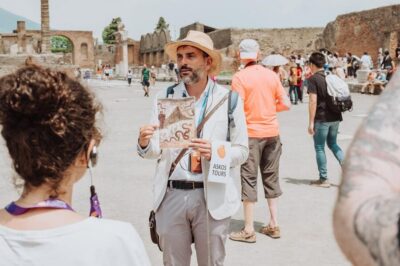
Entry Ticket and Guided Tour with an Archaeologist
Read our review →


Pompeii Small Group Tour with an Archaeologist
Read our review →
Pompeii, Amalfi Coast and Positano Day Trip from Rome
Read our review →Browse the lists this tour appears in